Posted on Leave a comment

Dieter Roth (1930-1998)

Schermafbeelding 2017-11-12 om 11.33.39

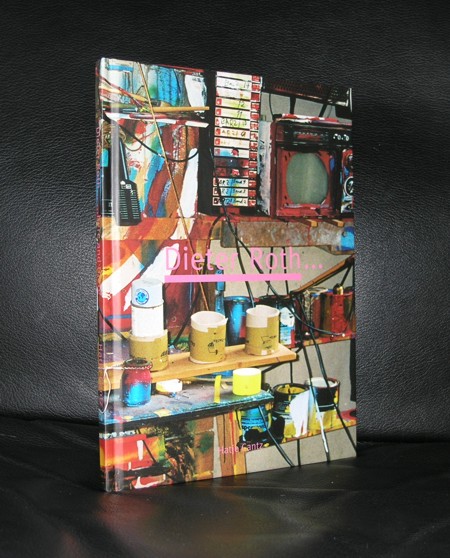
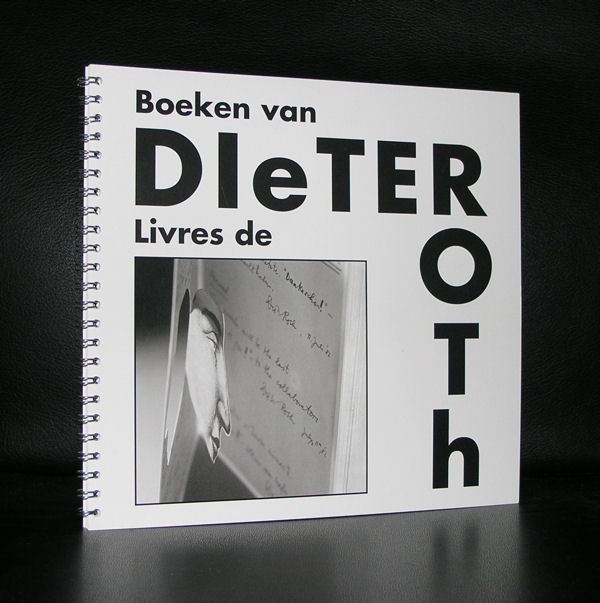
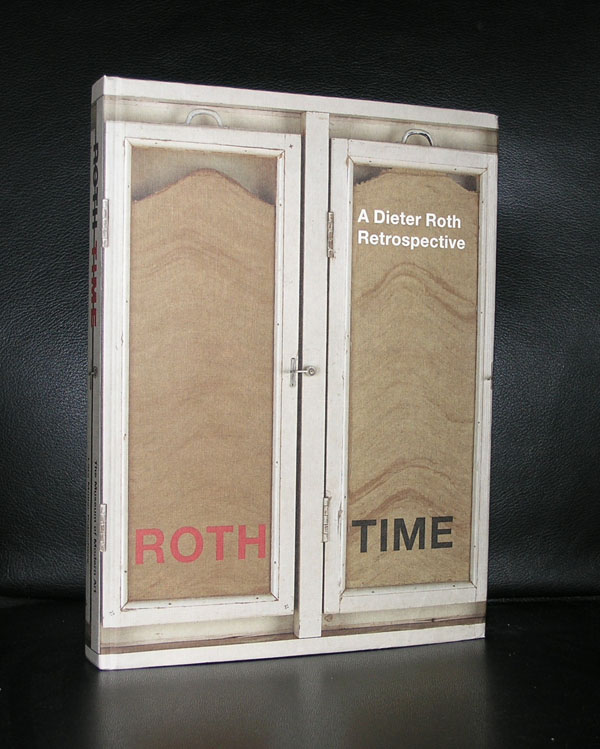
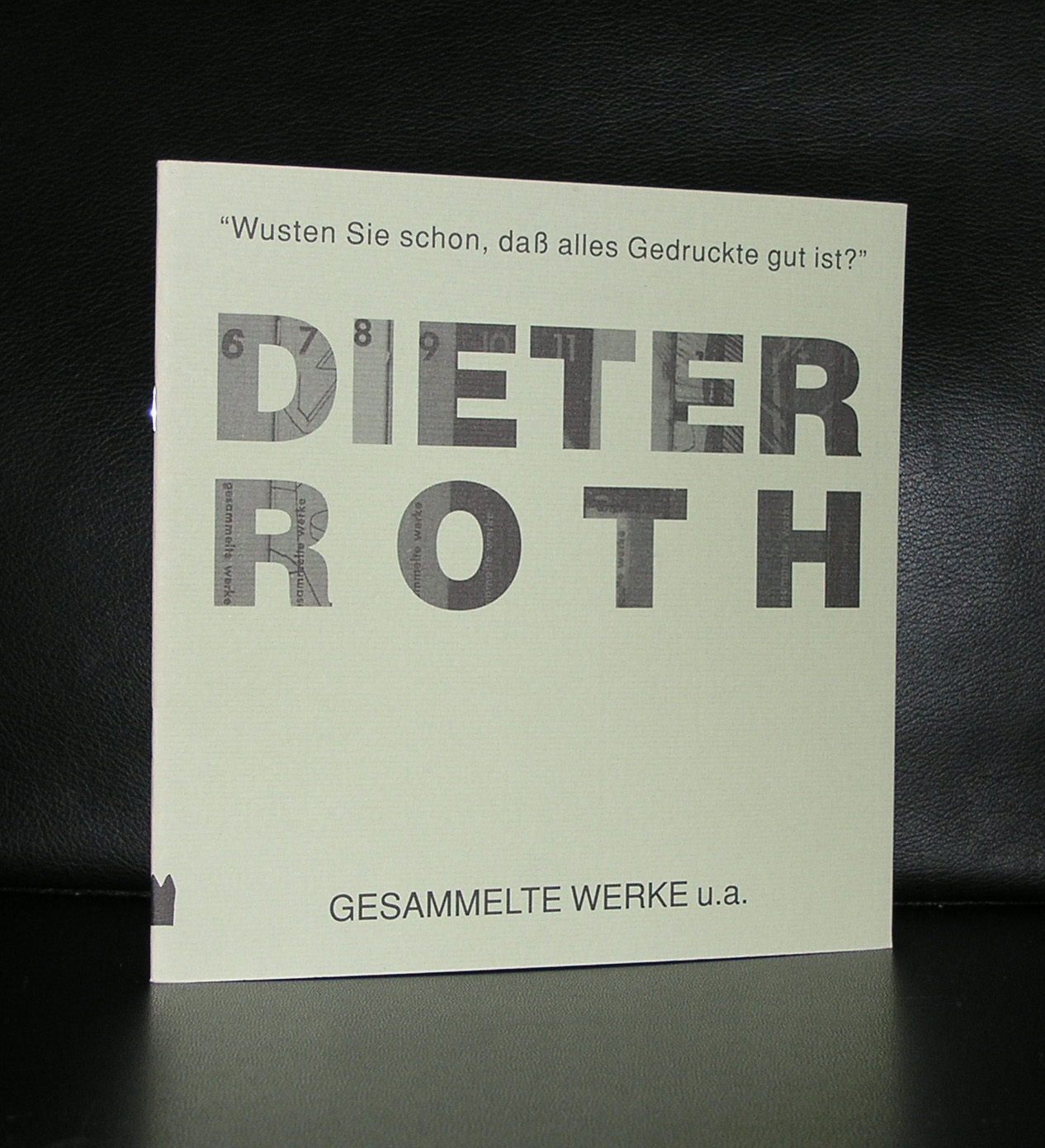
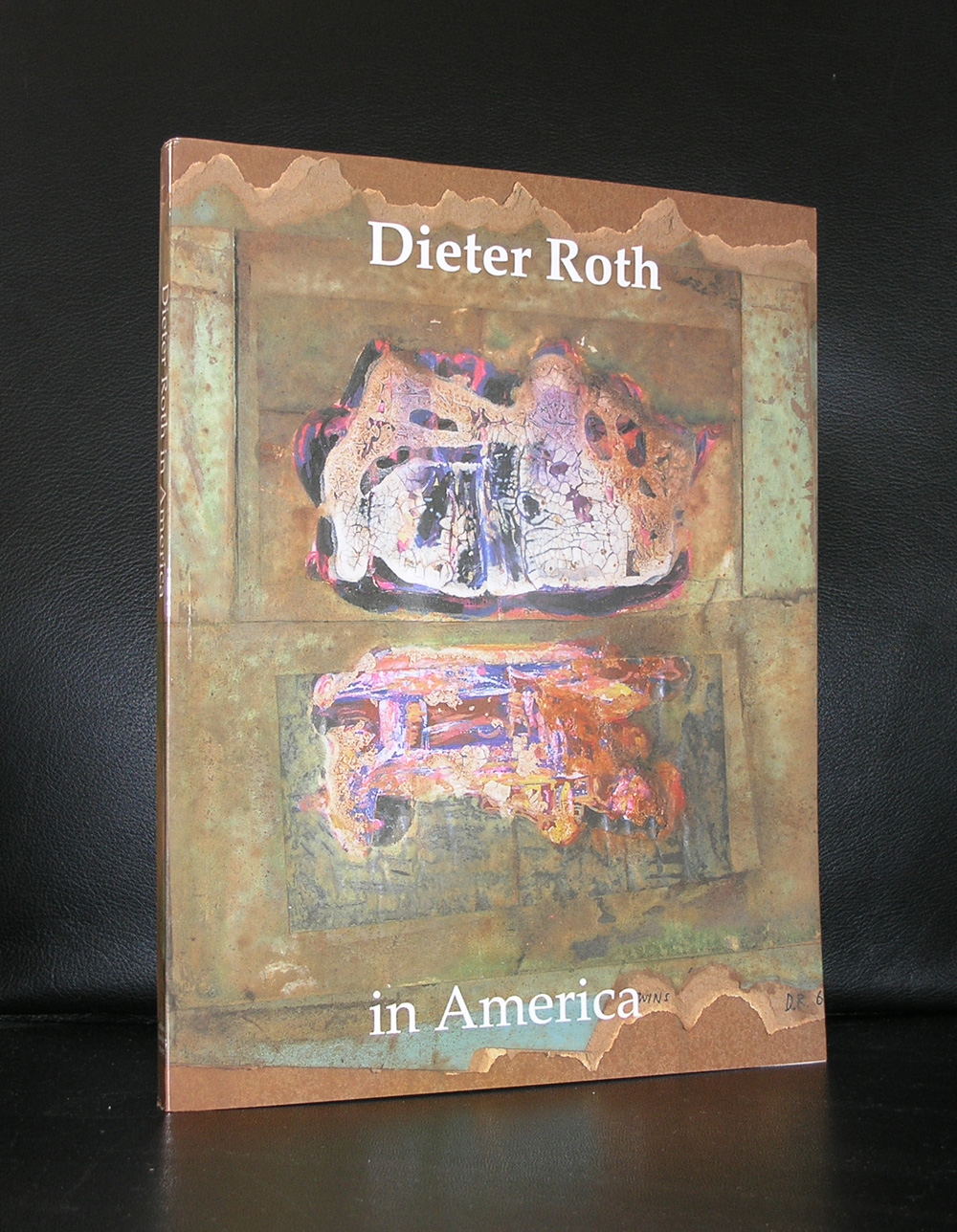
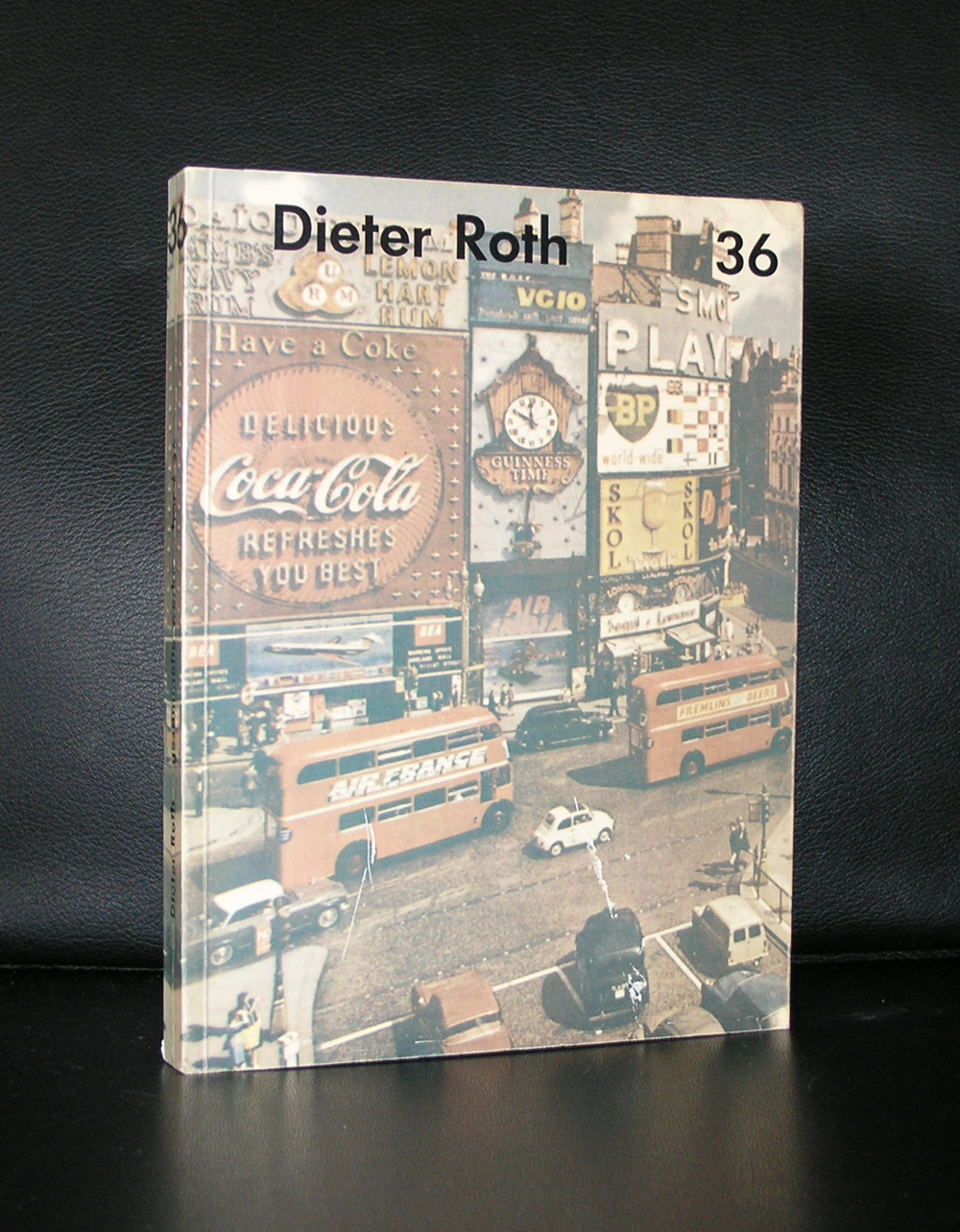
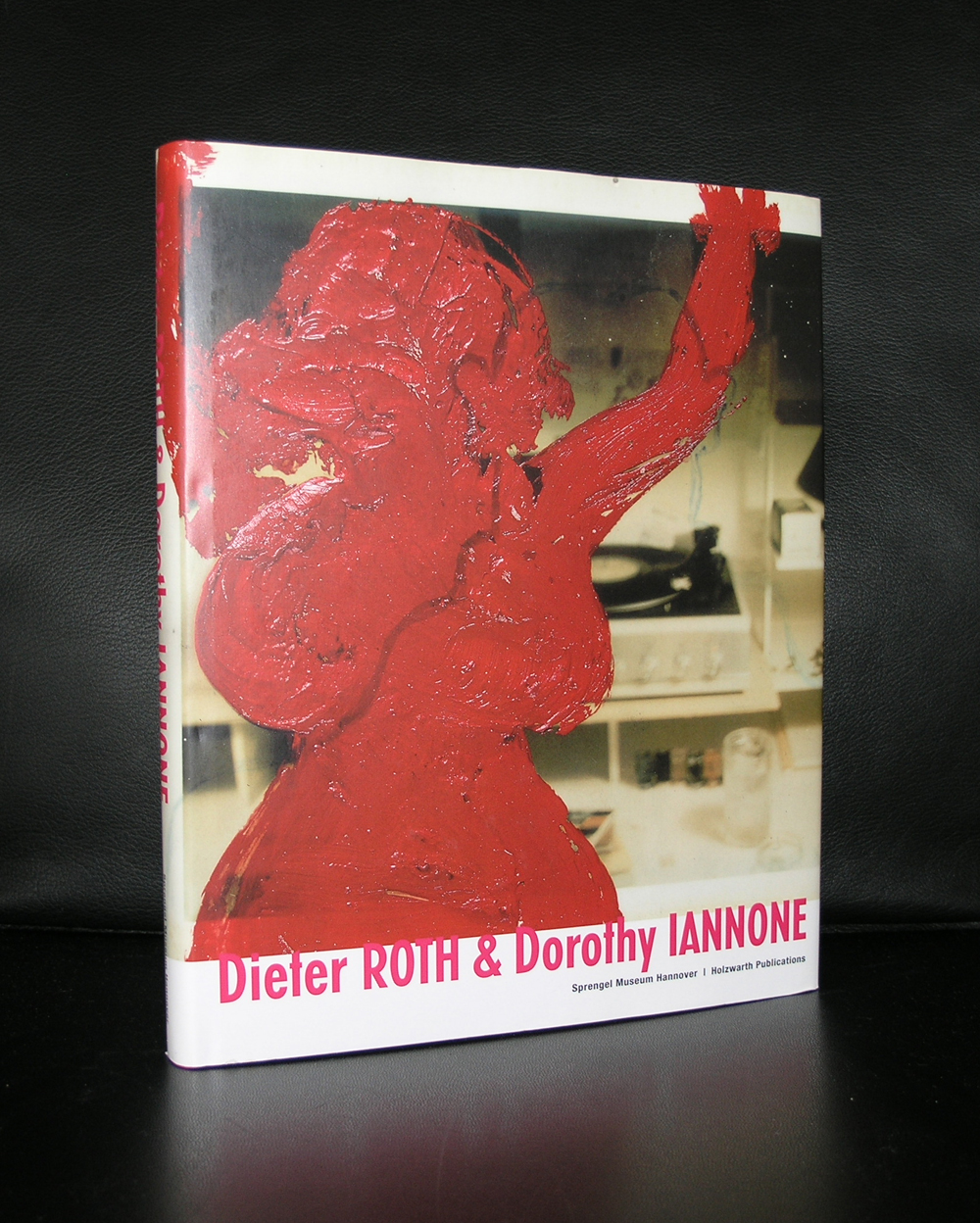
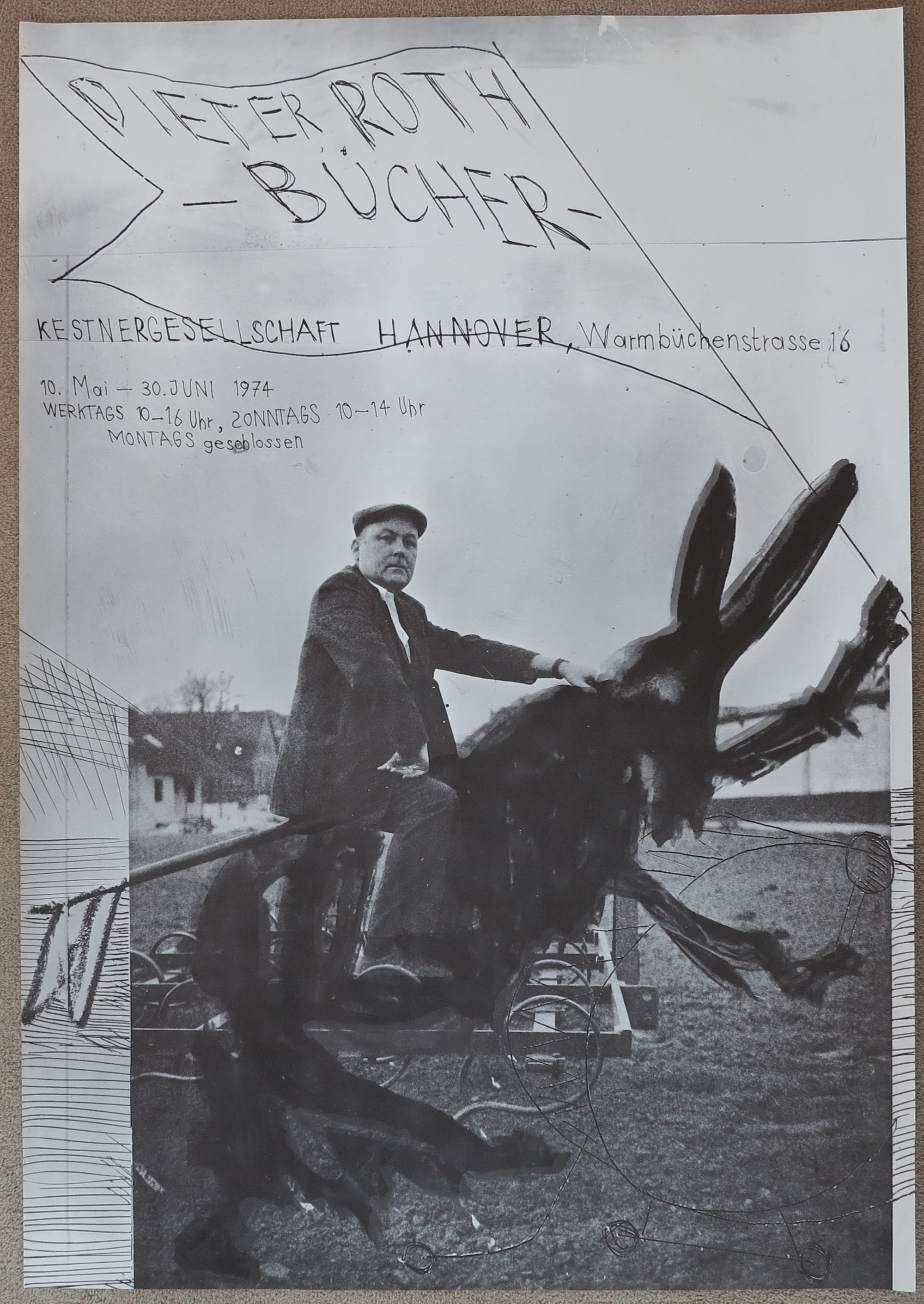
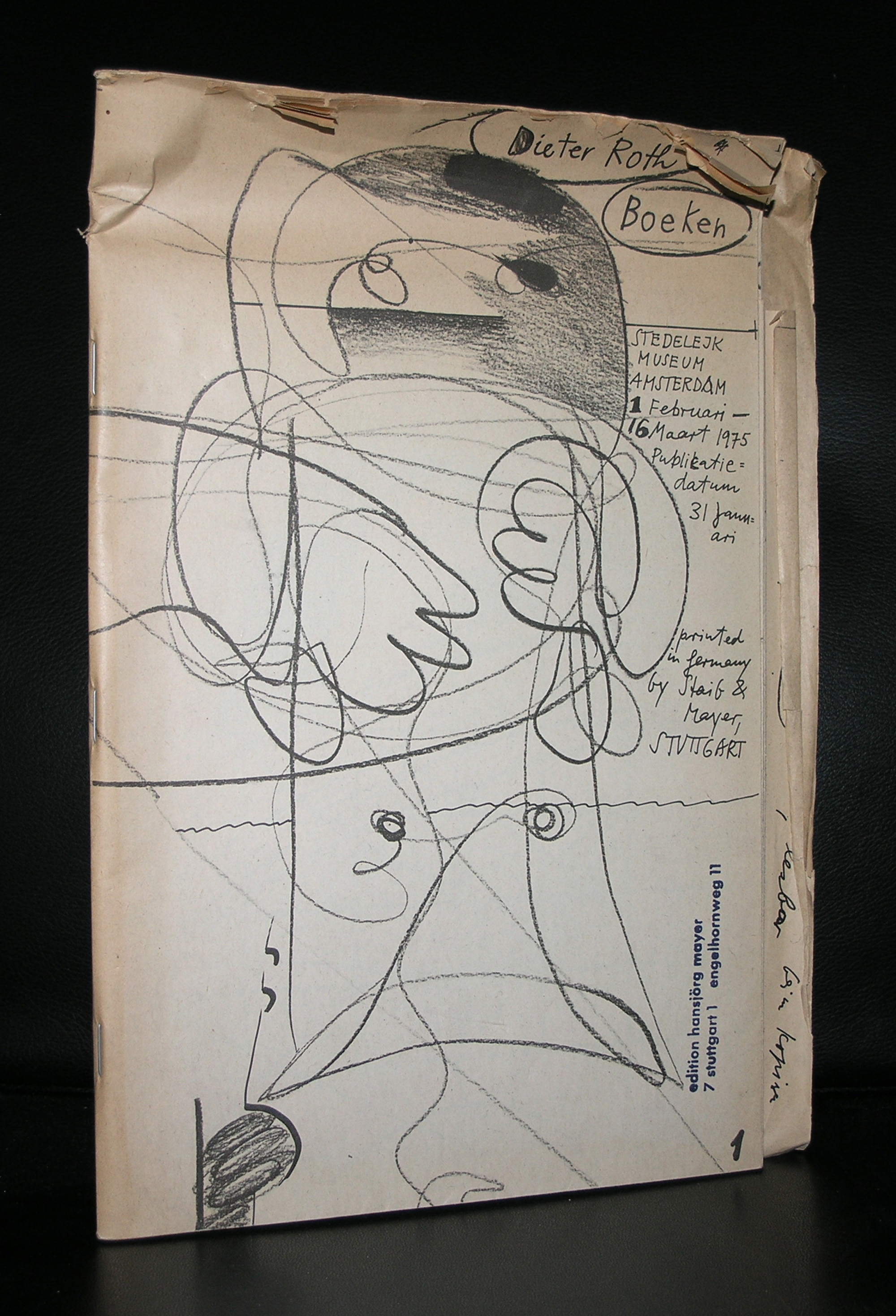
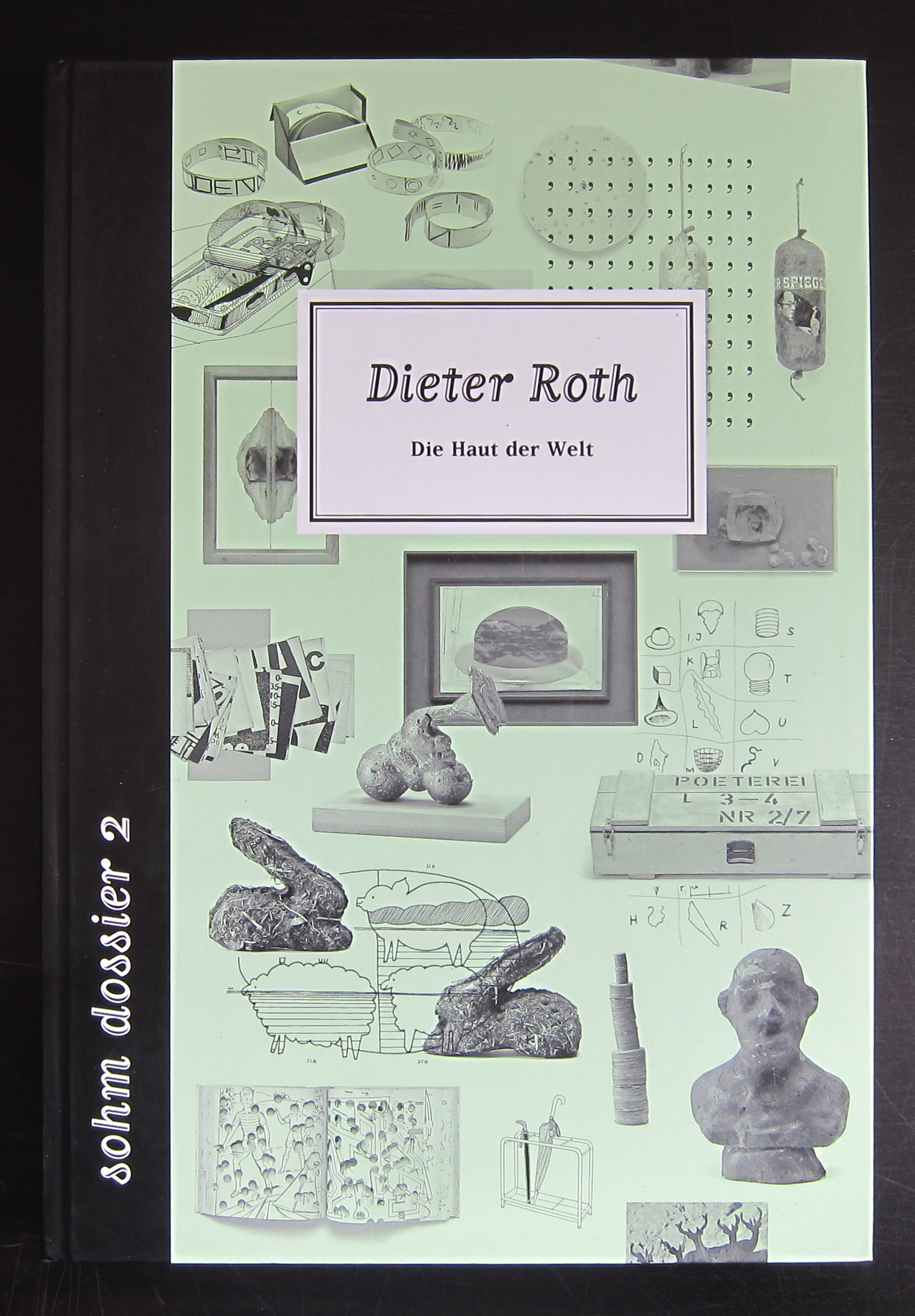
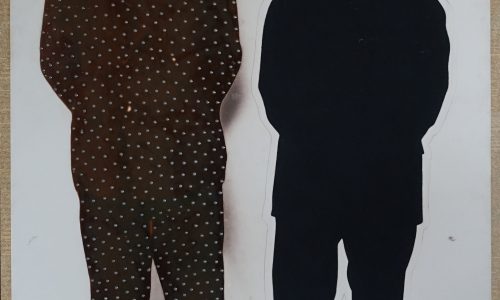
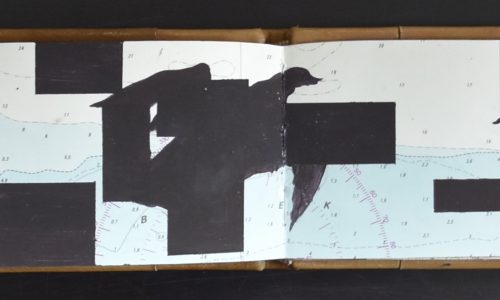
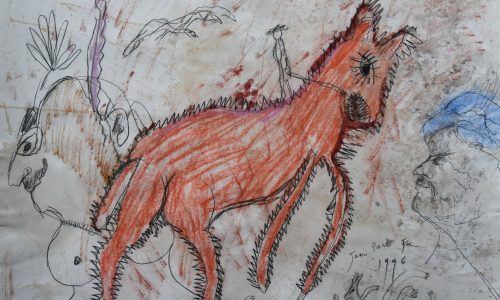
I really do not know why it took me so long to appreciate the art of Dieter Roth, but the only reason i can come up with is that his books published by Hansjorg Mayer were such a long time considered “remainders” at the bookshop of the Haags Gemeentemuseum and it was impossible to find buyers for them. Since…. times have changed because the same books that could not be sold ( even at ridiculously low prices) are now the ones that are sought after by collectors and institutions all over the world and when you look at these closely they all have some qualities in common. The printing is executed by the best printers possible. The lay out and design are done in many cases by the artist which makes them more artist books than reference books and because of the series character the books itself are almost a work of art of their own.

OLYMPUS DIGITAL CAMERA

My tip for the future is whenever you find such a book, buy it…even you think it is a little expensive these books will be important not only as a book but also as a work of art in the decades to come.  www.ftn-books.com has some excellent and rare Dieter Roth items available.


Posted on 2 Comments

Peter Nadas (1942) ….a photographer


Schermafbeelding 2017-11-07 om 15.12.12

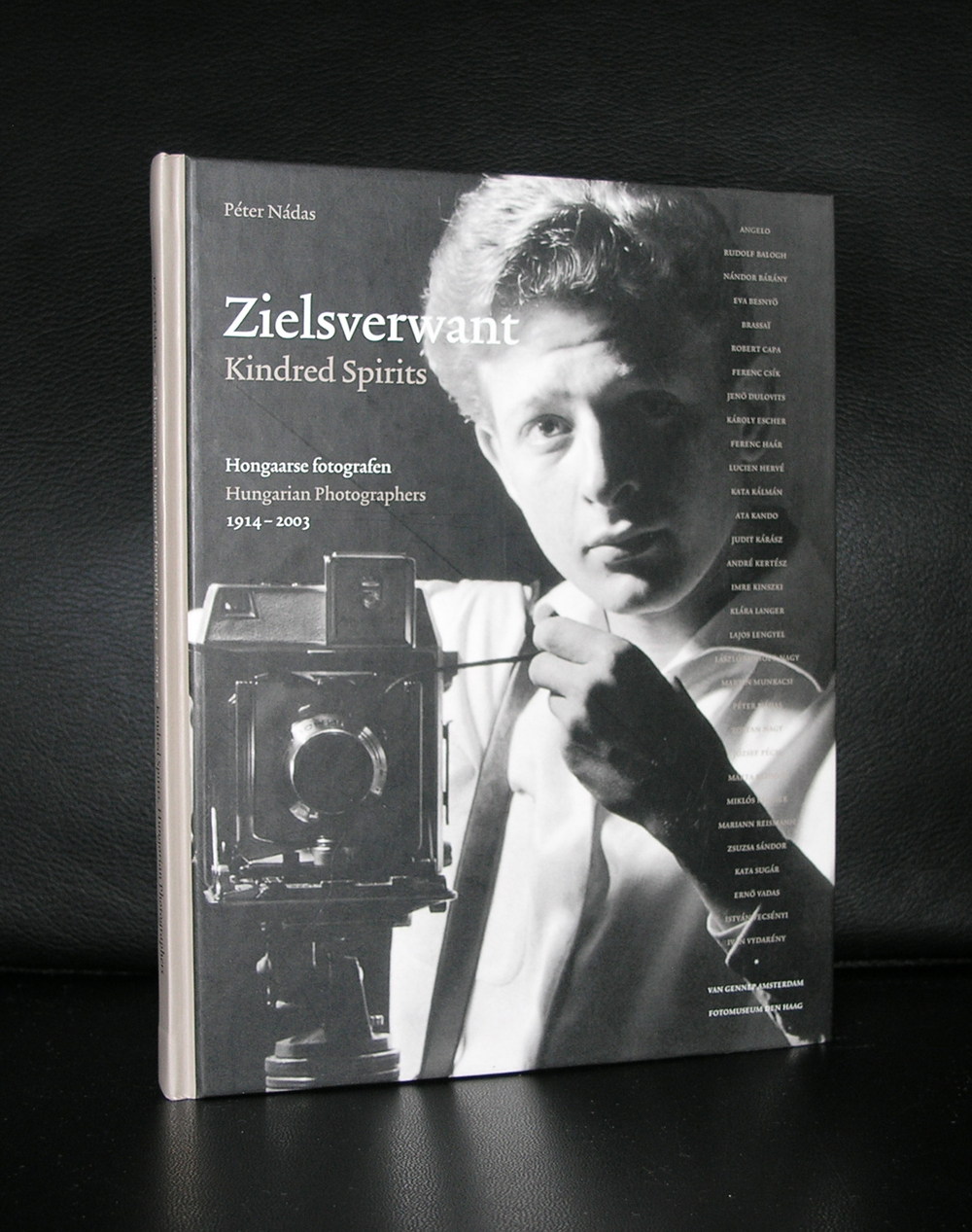
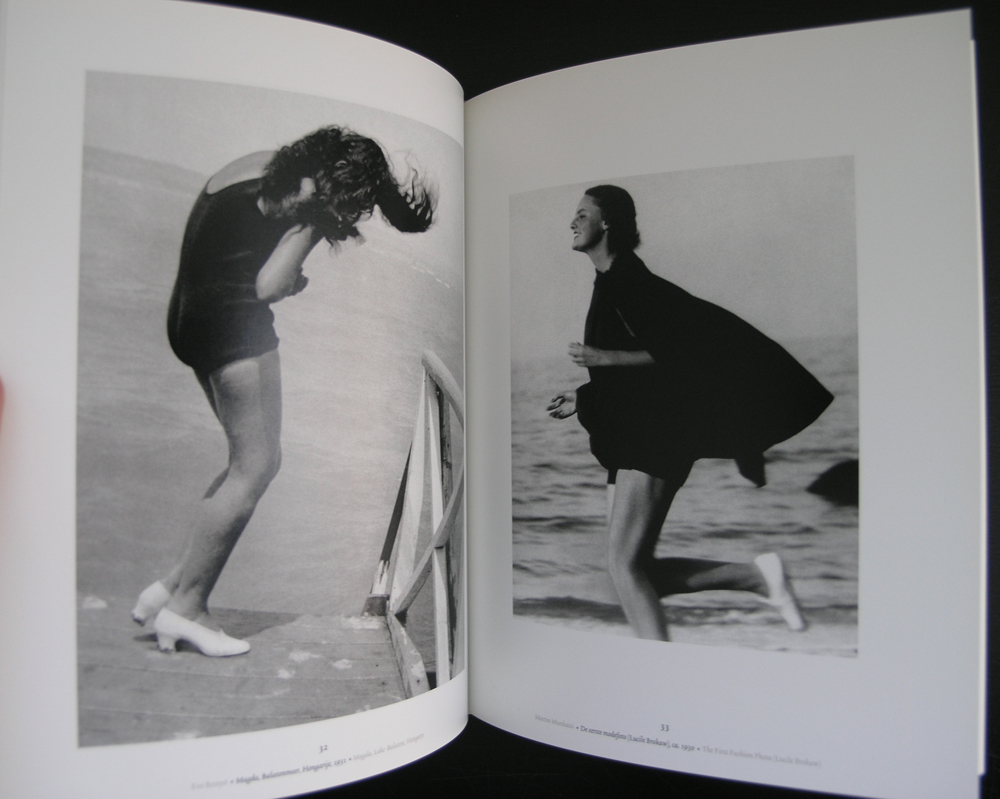
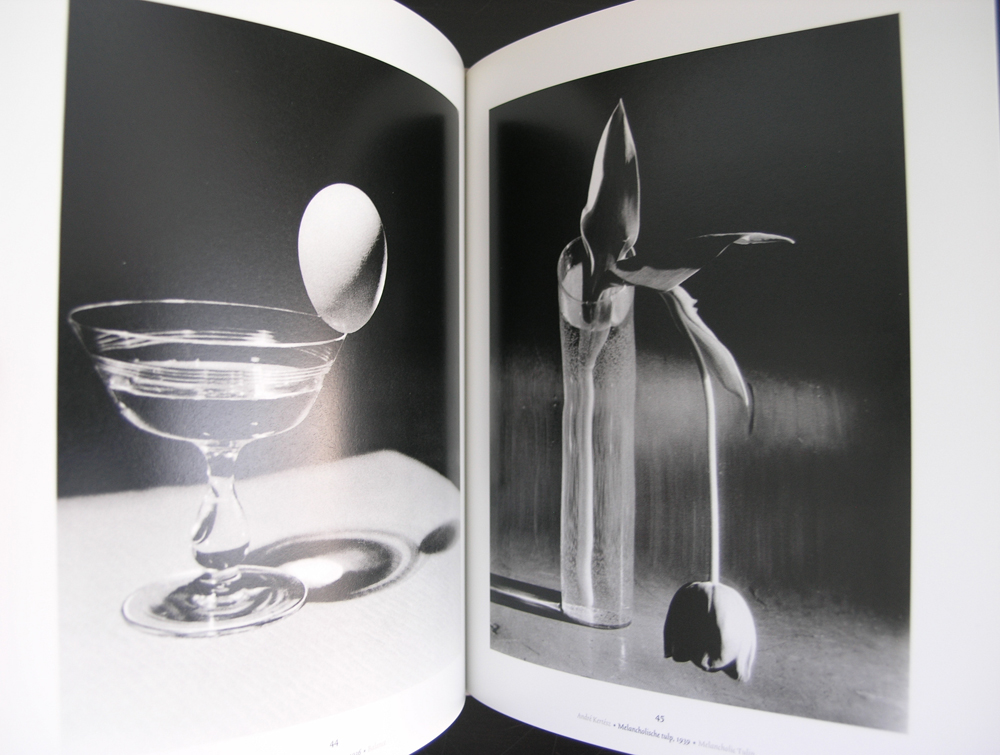
I did not know it because i only know Nadas from his Photography exhibition in the Gemeentemuseum for which an impressive small catalogue was published , but when i looked for the biography on Nadas i noticed that he foremost is known for his writing during the last 3 decades. It is now clear to me that this is the reason why so few books with his photography have been published during his life until now. Still his photography was done in the tradition of his Hungarian countrymen. For example Kertesz must have been a great influence on the photography by Nadas. The book on offer with www.ftn-books.com ( Kindred Spirits) was published on the occasion of the Peter Nadas exhibition in the Fotomuseum Den Haag/2004, in which the qualities of his photographs were shown. Nadas is known as a writer, but these photographs show that he has 2 artistic sides. Beside being a writer …..the other side is definitely being a great photographer.


Posted on Leave a comment

Pedro Xisto (1901-1987) and Concrete Poetry

Schermafbeelding 2017-11-07 om 14.57.58

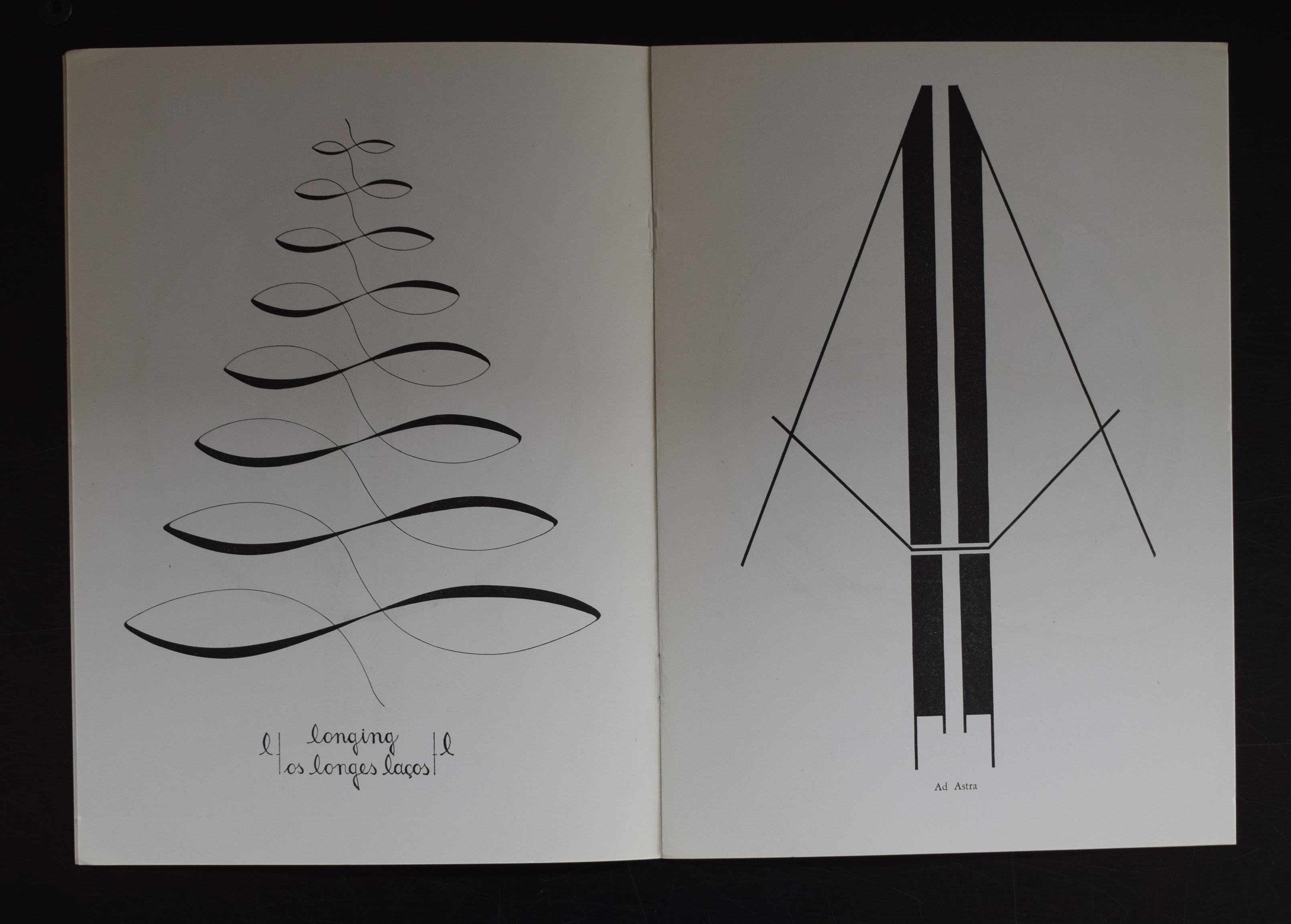
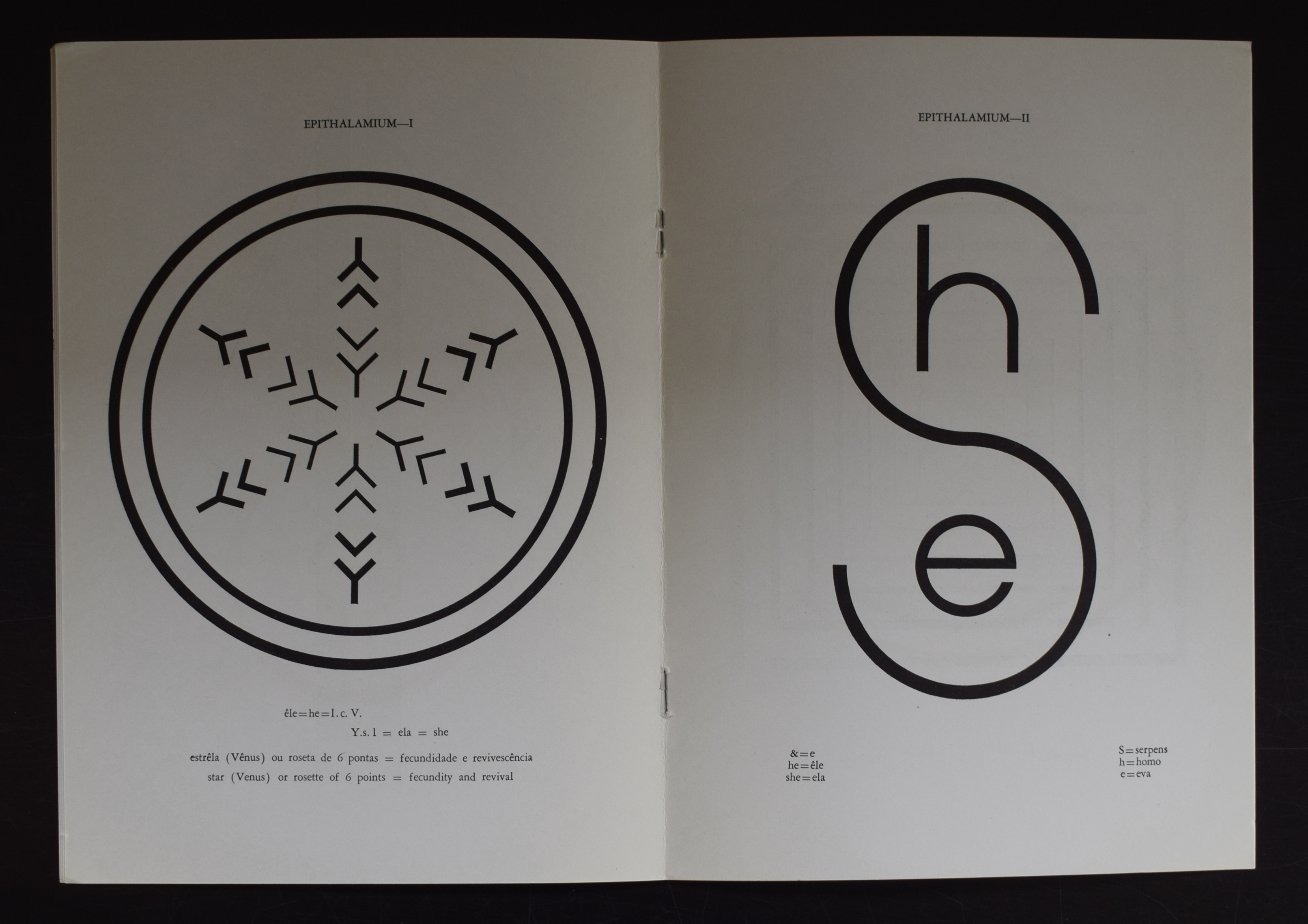
A not likely combination. Concrete Poetry and Brasil, but still there was a faithful group among the Brasilian artist who made Concrete Poetry and held exhibitions with them. One of them and perhaps the most famous among them, was Pedro Xisto. By chance i have bought a very nice publication by Xisto some 10 years ago and this is for sale at www.ftn-books.com. The books is in excellent condition and a typical artist book. Published in a limited edition and signed/dedicated by the artist and i believe this is the only one available on the internet at this moment. A rare chance to add this excellent publication to your collection.

logogramas a

Posted on Leave a comment

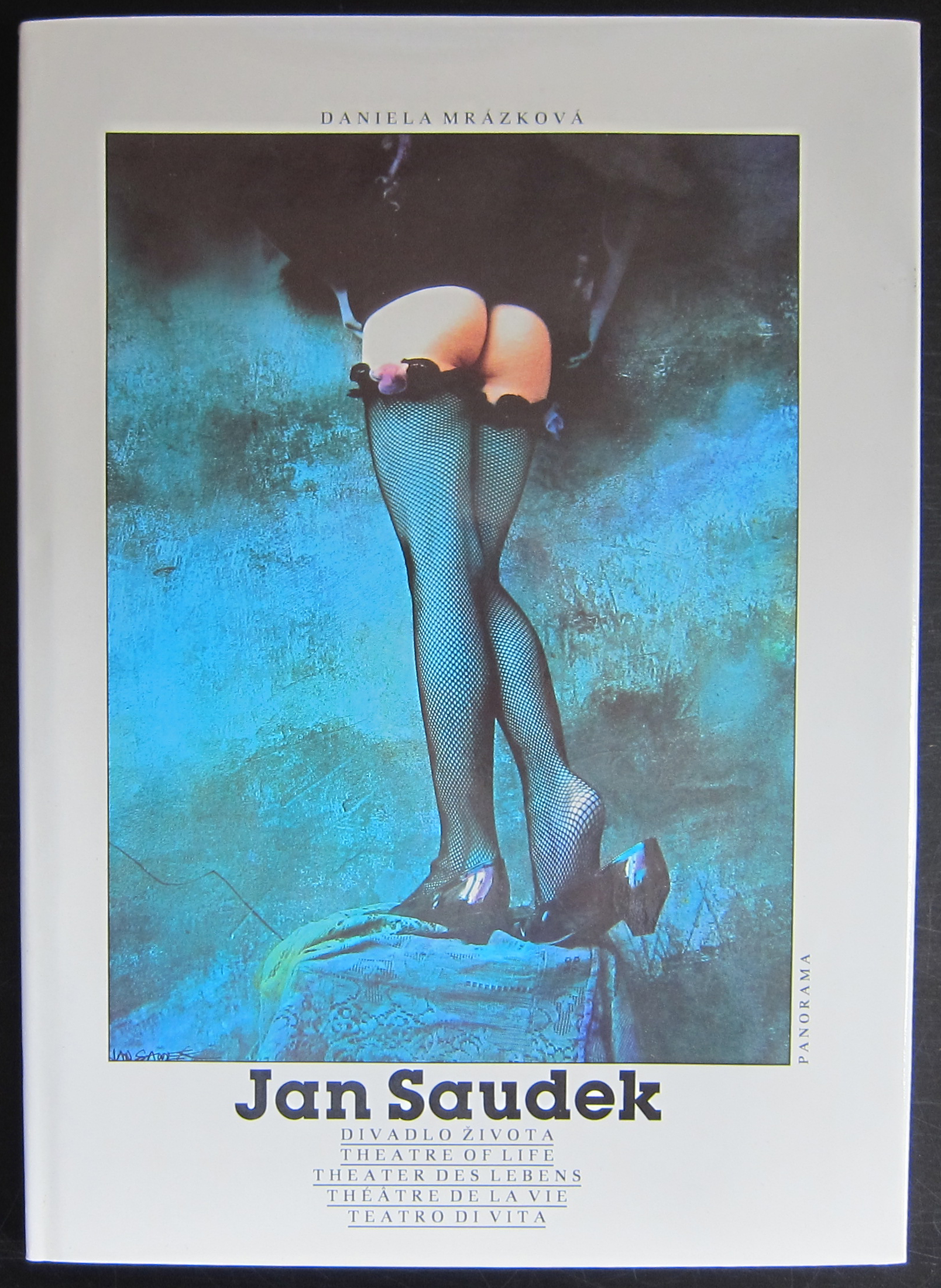
Jan Saudek (1935)

Schermafbeelding 2017-11-06 om 15.09.51

I begin this blog on Jan Saudek with a quote i found on AZQuote:

I believe all artists, if they are not lying to themselves, must believe that the best part of their work, or even their life, is in front of them. To look only to the past and to say ‘those were the best years, when I was young’ is to say that in the future there is nothing.

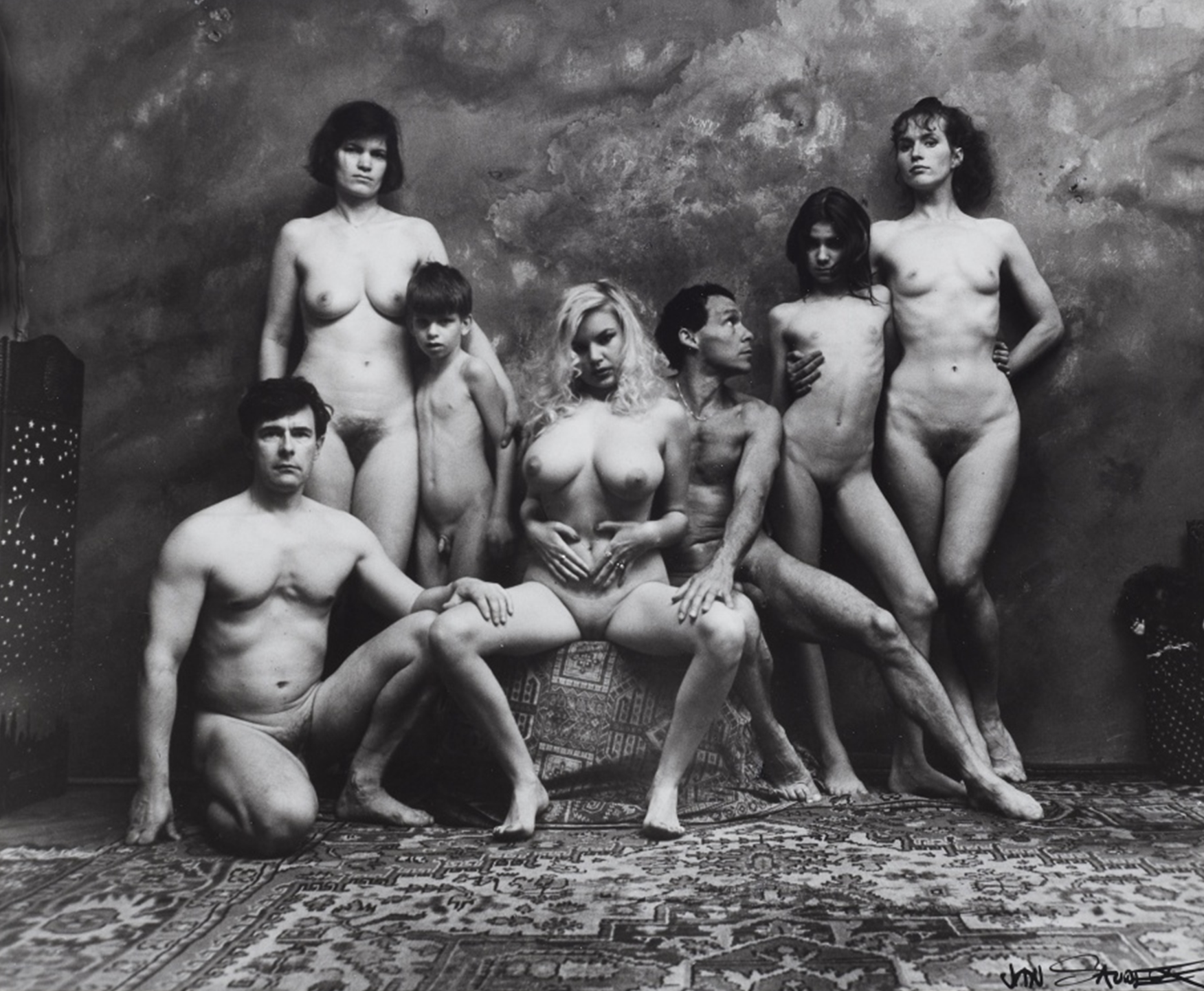
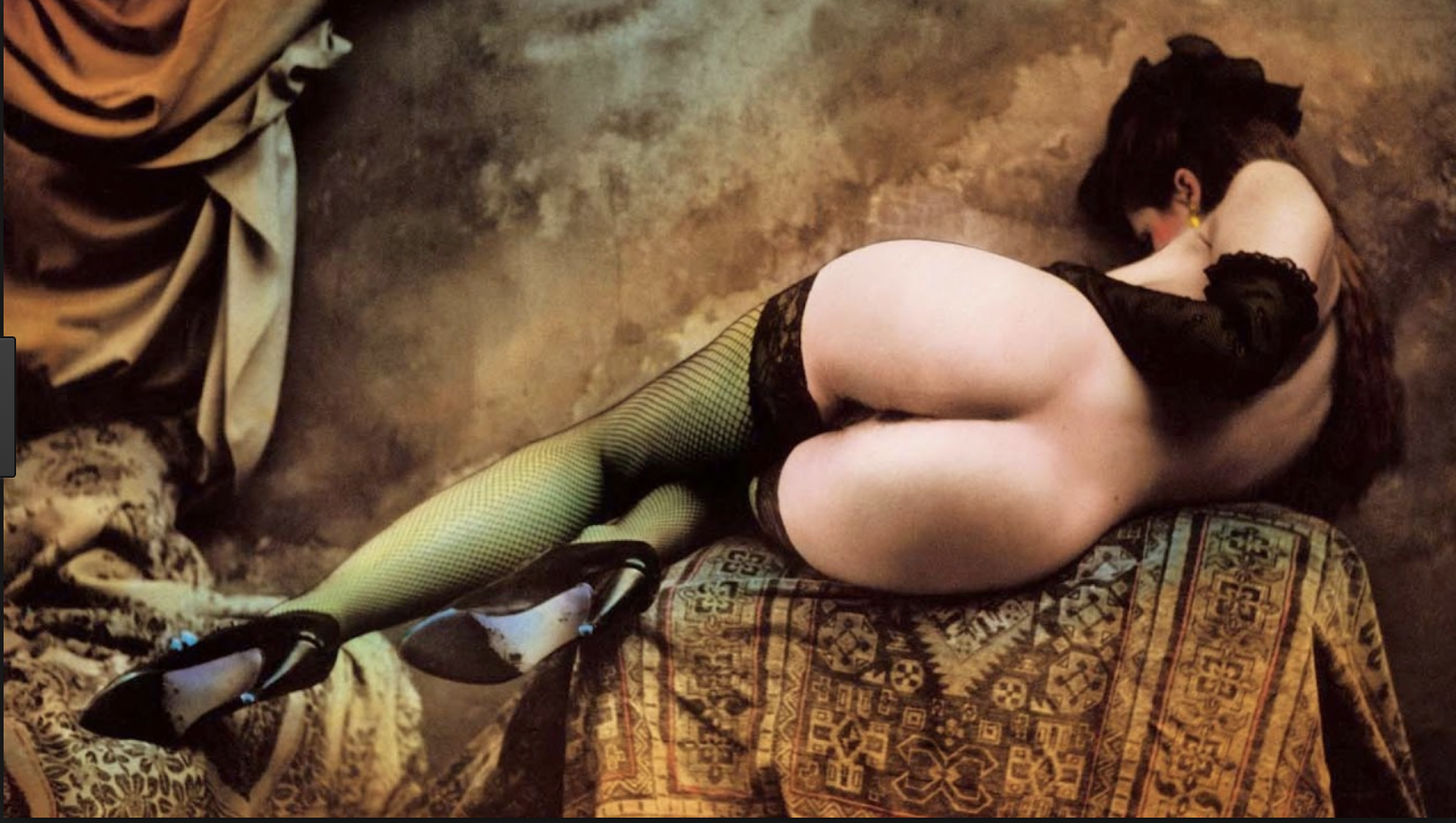
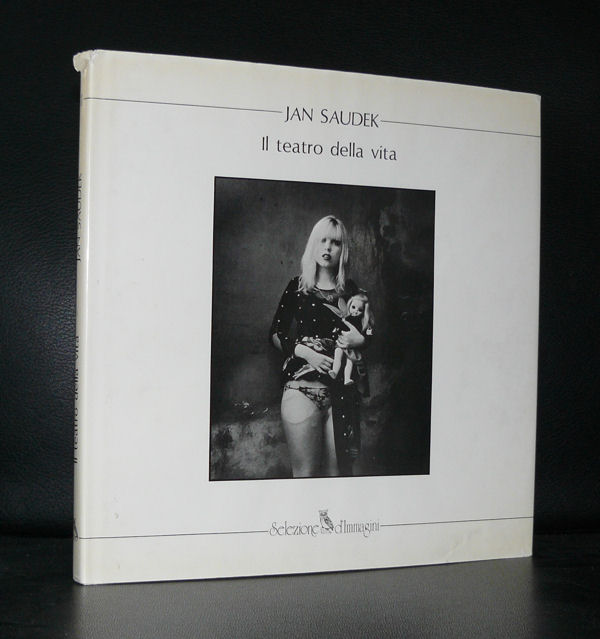
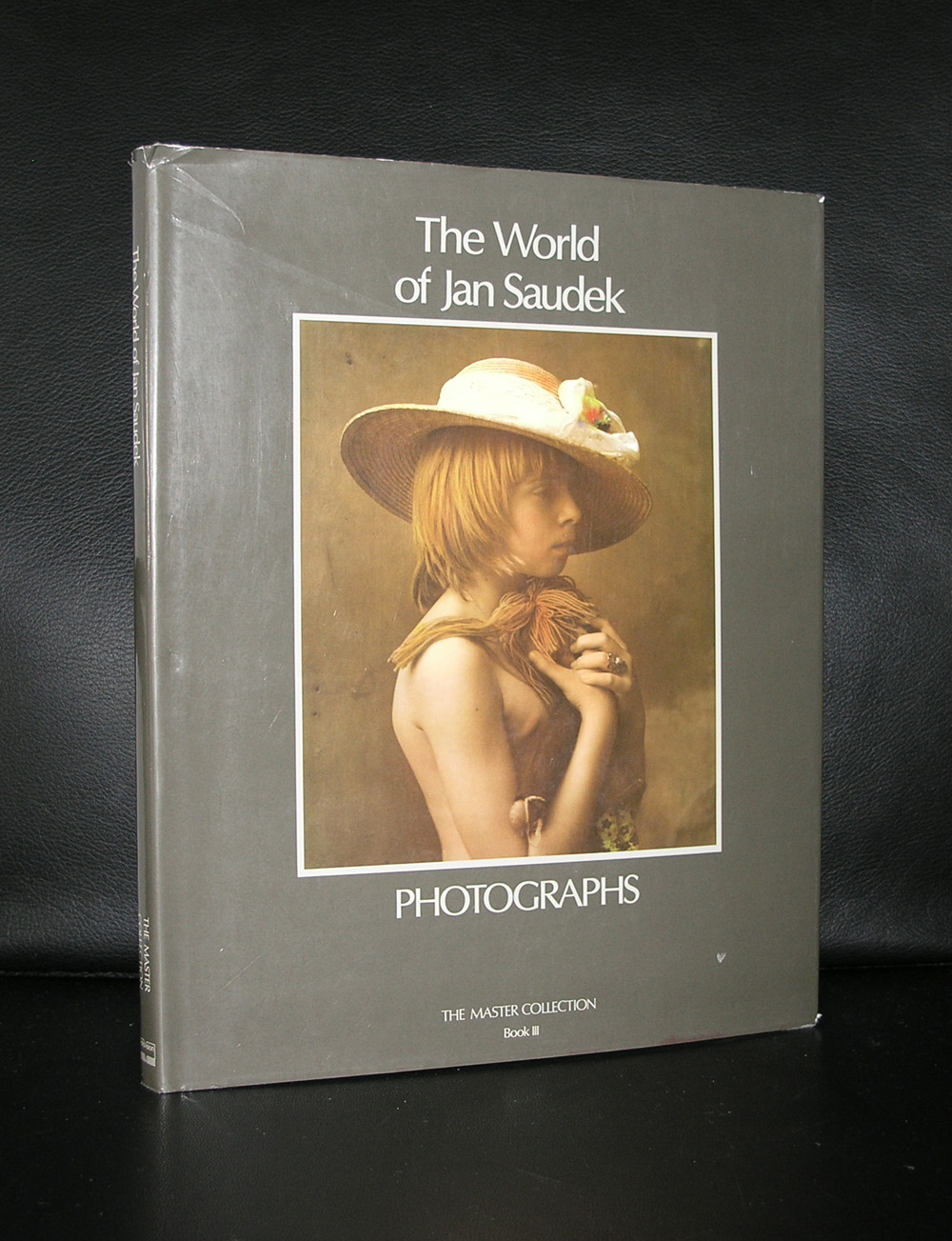
Saudek has become a household name in photography after Benedikt Taschen decided to publish his photo’s in cheap but beautiful glossy books. These books made his name among photography lovers and not only because of their quality, but also because of their subjects. Saudek never did censor himself and used many models all from his direct surroundings and family and photographed them being their complete self.

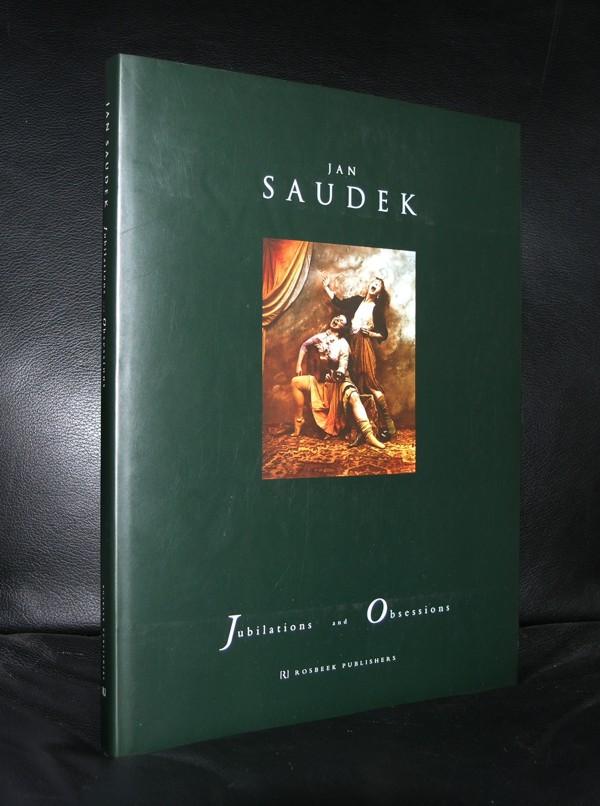
These photo’s are so typical Saudek that his works can never be mistaken to have been taken by somebody else. In an instant you can see that they are Saudek’s. In the mid eighties, Art Unlimited…an Amsterdam based publisher , began to publish his postcards and with this publication the great popularity of Saudek’s photo’s began. After this initial introduction to the art world large exhibits and gallery presentations followed ( gallery TORCH). Now his photography is available to all, because of the many publications there ghave been with Saudek photographs, but the originals are available only to a few because they have become far too expensive for ordinary collectors to collect. www.ftn-books.com has some nice publications on Saudel. Part of which is printed by Rosbeek, which i believe is the very best printer for these great photo’s

Posted on Leave a comment

Happy New Year! … with our best wishes for 2018

new year 2018

www.ftn-blog.com and www.ftn-books.com

wish you a very healthy and prosperous 2018

Posted on Leave a comment

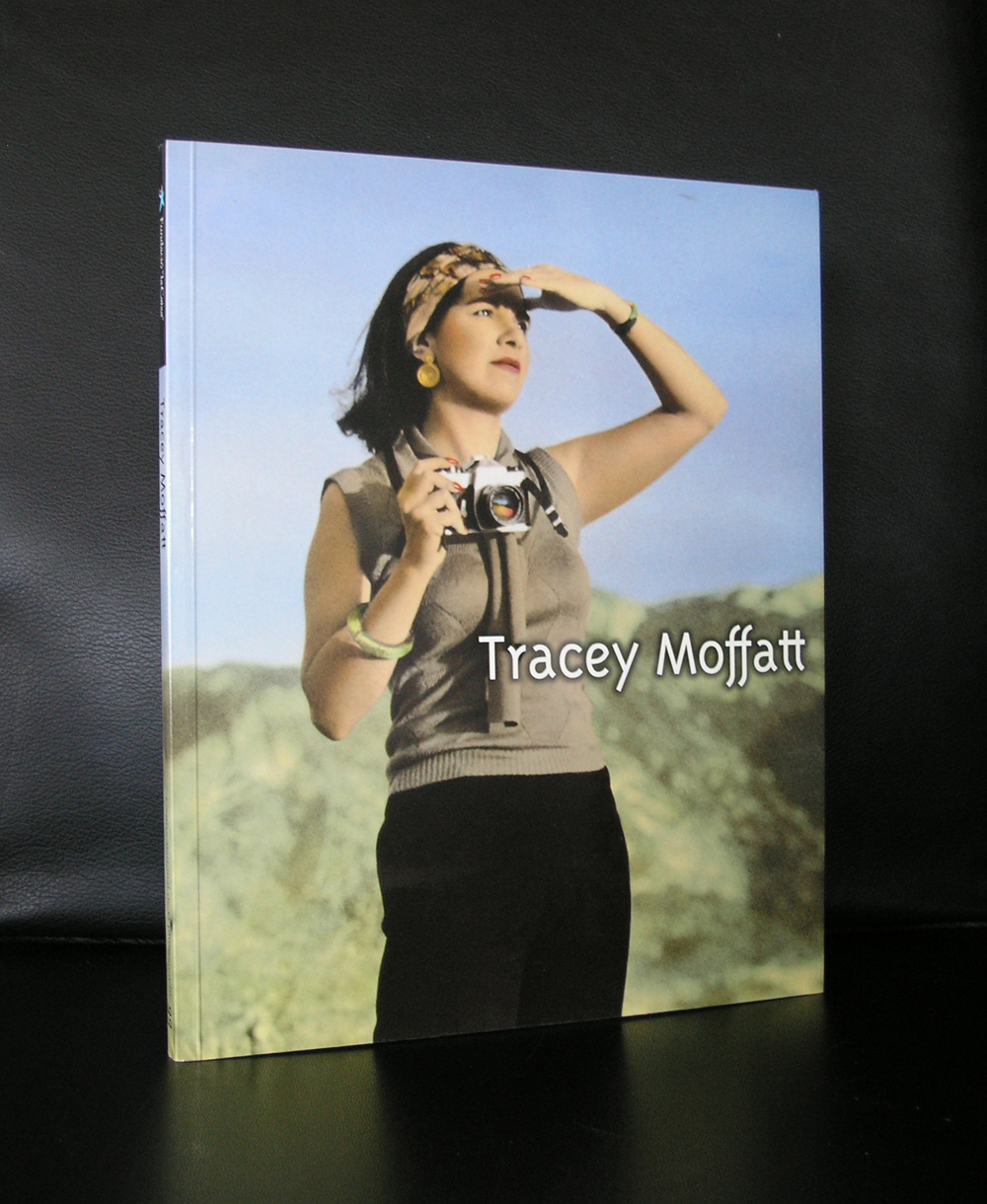
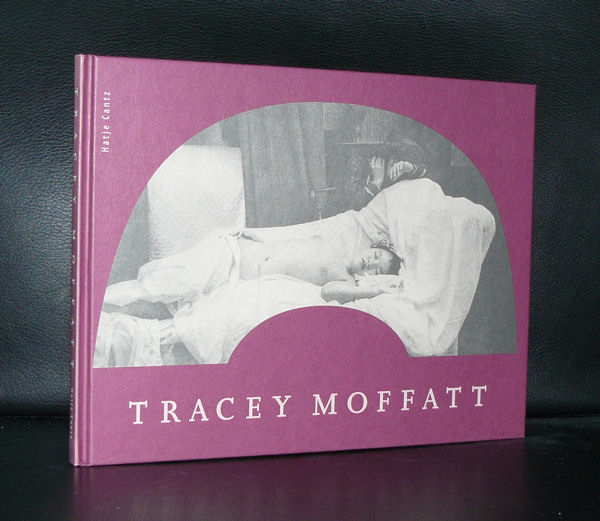
Tracey Moffatt (1960)….. from Australia!

Schermafbeelding 2017-11-06 om 14.43.52

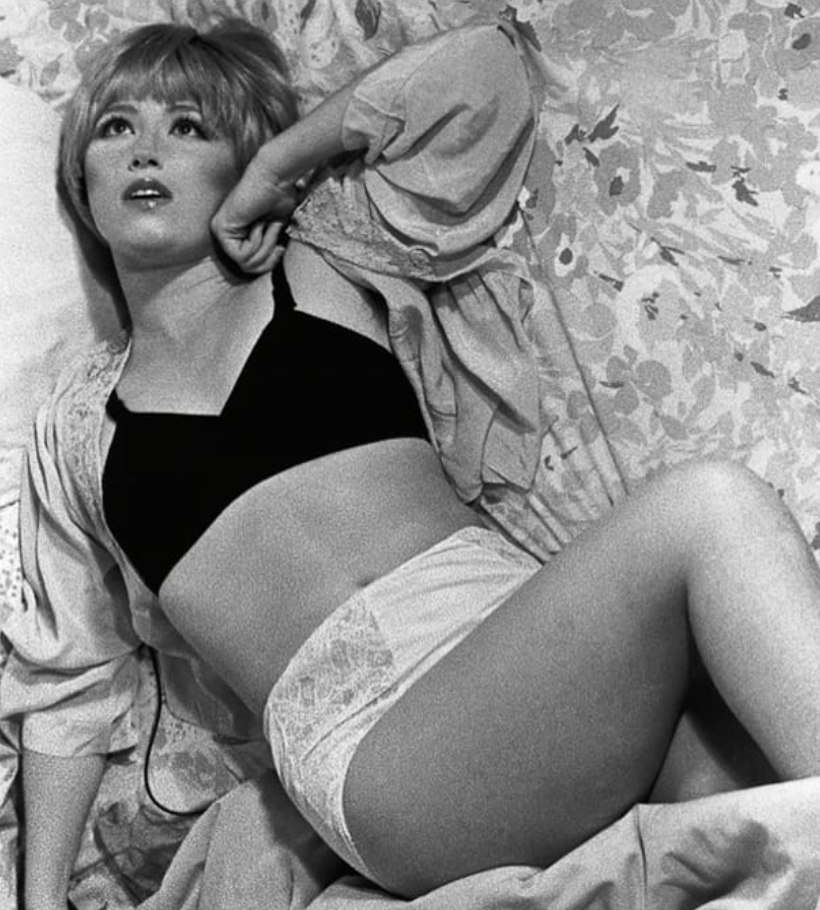
There are not many Australian artist ( born in Brisbane) who have become known for their works outside  Australia, but Tracey Moffatt is certainly one of them and build a reputation in the nineties as one of the most prommissing photographers. If you ask me to describe her works i would say it is a cross between Cindy Sherman and Erwin Olaf , possibly influenced by both but also original and a very gifted photographer/ video artist. I will show you some examples so you see what i mean.( left is Moffatt)

Still…. i like her works and therefore i have collected some books at www.ftn-books.com which are for sale.

Here is an impression of the presentation she gave at the Venice Biennale 2017

Posted on Leave a comment

Paul Renner (1878-1956) and ….the FUTURA typeface

Schermafbeelding 2017-11-05 om 14.15.24

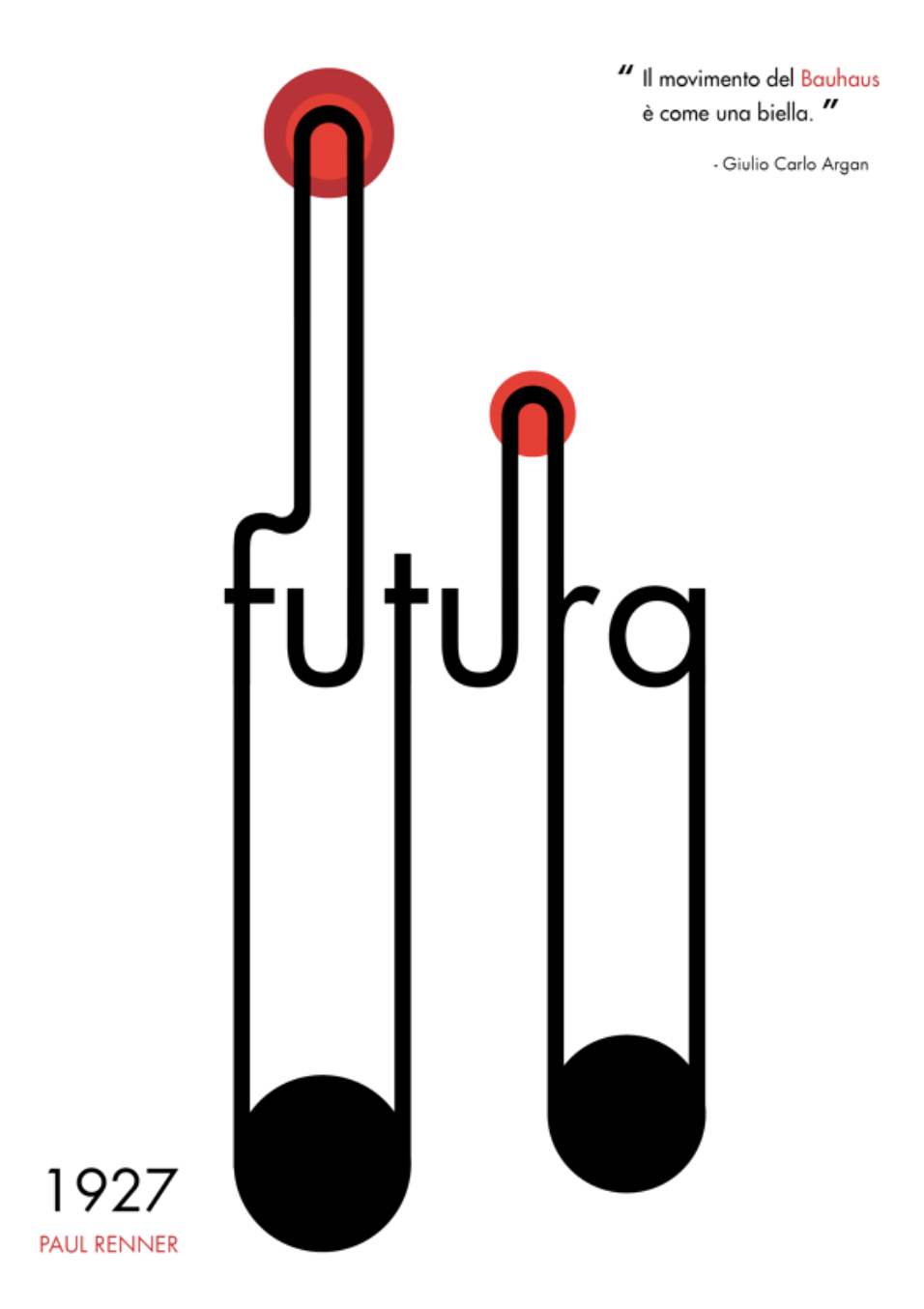
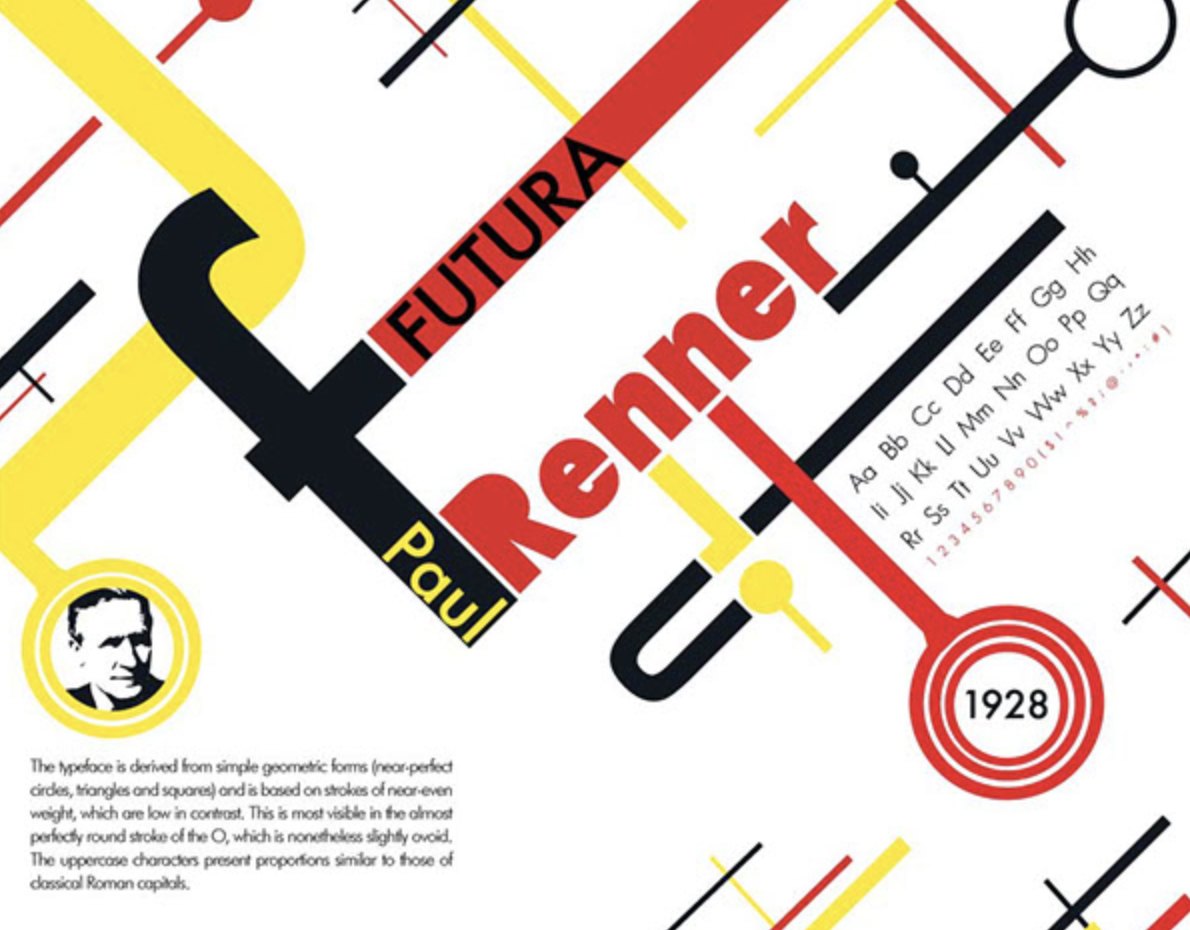
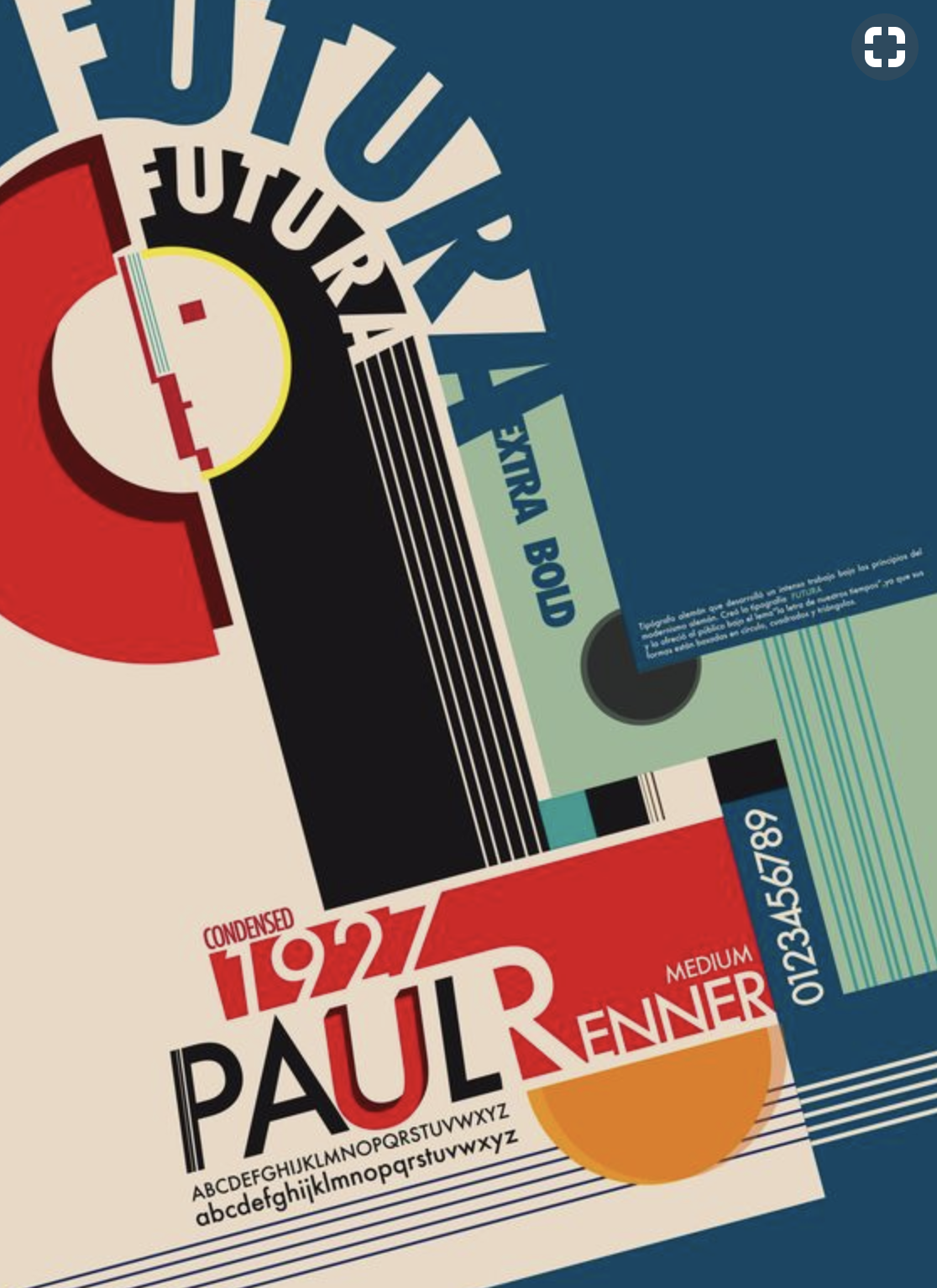
If ever a typeface by Paul Renner is known to the large public it must be the Futura. A typical Art Deco type typeface which is nowadays a classic and easily can substitute the very popular Helvetica and is present aas a standard font on practically every computer. The Futura dates from 1927 when it was first launched by Paul Renner.

Schermafbeelding 2017-11-05 om 14.19.17

On August 9, 1878, Paul Friedrich August Renner was born in Wernigerode which then was located in the Prussian state. His father was an evangelical theologian who is reason behind his strict Protestant upbringing. He grew up to develop a German sense of leadership, responsibility and duty. Renner received his formal education from a secondary school, Gymnasium. After nine years of learning Greek and Latin, Renner opted to study arts at several different academies. In 1926, he accepted the position of the head at the Printing Trade School in Münich. Later he established and became director of the Master School for Germany’s Printers. While studying, he grew suspicious of abstract art form and developed repulsion for some forms of modern culture including dancing, cinema and jazz.

However, Renner was equally fascinated by the functionalist strain in modernism. Therefore, it would not seem wrong to perceive Renner’s work as a bridge between nineteenth and twentieth century tradition. One example can be his successful attempt at merging two fundamentally different typefaces together such as Roman typeface and Gothic. Moreover, he was a significant member of German Work Federation. He lent his expertise in developing a new set of guidelines for good book design. He was closely associated with another noted typographer Jan Tschichold. They both became part of the ongoing heated ideological and artistic debates. Renner took a stand against Nazi movement and made his position very clear and public through his scandalous booklet, titled Kulturbolschewismus(Cultural Bolshevism). It was published in 1932 and overtly condemned Nazi’s cultural policy.

In 1933, when Nazi rose to power they dismissed Renner from his post at the school and labeled him an intellectual subversive, a ‘Cultural Bolshevist’. He went into a period of internal exile after his arrest. Renner aspired to communicate his opinion of culture and tried to influence it through his writing, teaching and designing. He utilized his intellect and aesthetic skills to alter the fundamental landscape of material and spiritual form of life. As to communicate his view of high cultural standards, he invested his creative talent in applied arts designing books and typefaces. Furthermore, being a voracious reader, Renner’s ideals were influenced by prominent scholarly figures, such as Nietzsche, Goethe, Kant and Schiller. He began writing from 1908 onwards and prolifically produced work on design and typography.

Renner’s notable works include Die Kunst der Typographie (The Art of Typography) and Typografie als Kunst (Typography as Art). In these works he set the guideline for sophisticated book designs. Additionally, he played a significant role in inventing the popular Futura. The modern typographers even in the present time used this geometric sans-serif font frequently. Another one of his creations, Architype Renner is evolved from his early experimental exploration of geometric letterforms. His Steile Futura typeface was later transformed into Tasse which came out posthumously. Paul Renner’s valuable contribution to graphic design and typography includes works, such as Das moderne Buch, Vom Geheimnis der Darstellung, Ordnung und Harmonie der Farben and typefaces Renner Antiqua and Ballade.

www.ftn-books.com has a great book on Renner available

renner

Posted on Leave a comment

JÓZSEF PÉCSI (1889-1956) — a photography innovator pur sang… essay from the Moma.org site

Schermafbeelding 2017-11-05 om 11.43.07

The following text comes from the site of Moma.org.

The Moma delivers a great source on photography with this site and makes it possible to search their collection and compare photographs from it….it is outstanding and an example to many.

Schermafbeelding 2017-11-05 om 11.44.48

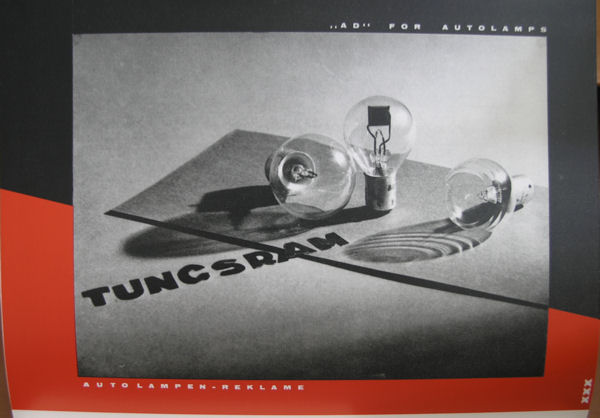
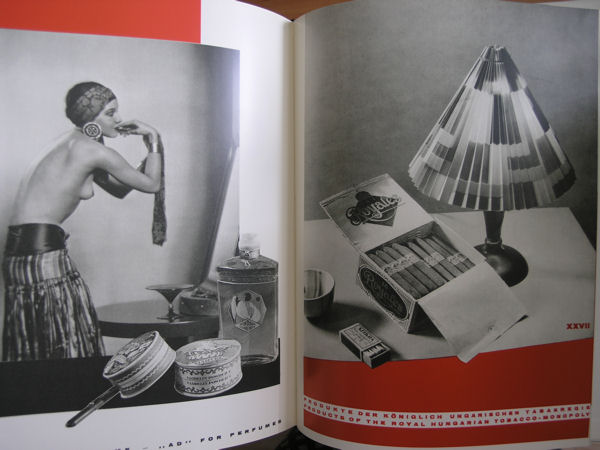
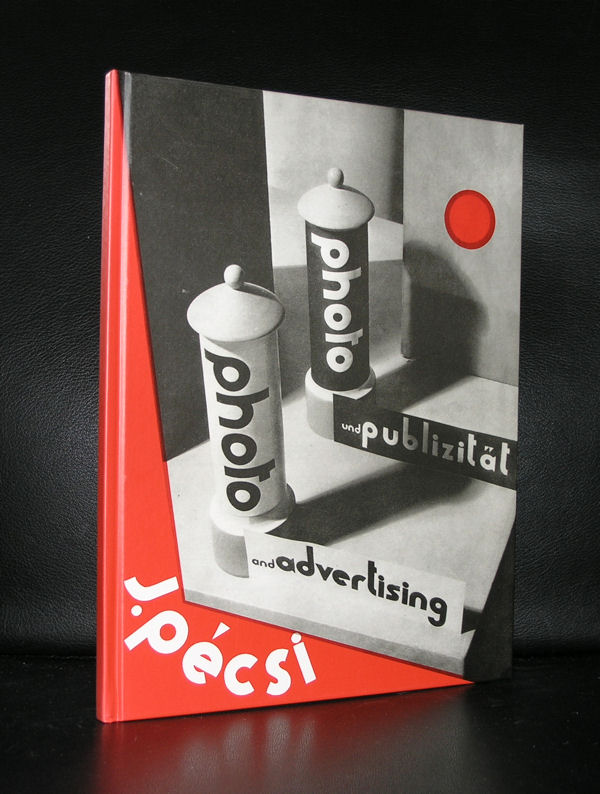
József Pécsi was a Hungarian photographer, innovator, and educator. Born in 1889 into a middle-class family in Budapest (then part of the Austro-Hungarian Empire), Pécsi was schooled in German and maintained lifelong ties with an international photography community. He studied photography at the Lehr- und Versuchsanstalt (Training and research institute) in Munich from 1909 to 1911, and began receiving international recognition soon after graduation. In 1911 he returned to Budapest and opened his own studio, where he also offered instruction to apprentices. In 1913 he established the photography department at the Budapest School of Industrial Drawing, for which he is credited as the founder of photography education in Hungary. He was dismissed from teaching in 1920 due to conflicts with the conservative political regime but maintained his own studio, which served as a gathering place for students, including Eva Besnyö and her friend György Kepes. In 1922 Pécsi was elected vice president of the Budapest Industrial Guild of Photographers and served as editor of the guild’s journal, Magyar fotográfia (Hungarian photography). In 1930 he published the influential book Photo und Publizität (Photography and publicity) to promote the blending of typography, design, and photography in avant-garde advertising, with contributions from Kepes and others. The publication marks his crossover from the Pictorialist style of his early work to the ascendant international modernism of the interwar period. The World War II years took their toll: he hid in Romania for a brief period; his studio and negatives were destroyed by a bomb in 1945; and, upon his return to Budapest, in 1946, financial hardship and an unfavorable regime forced him to take passport photographs to make ends meet. His passion for photography and innovative spirit were not lost, however; in 1952 he patented a combined duplex Pigment print process under the name PEJO.

www.ftn-books.com has one title on Pecsi available
Posted on Leave a comment

Lazy Xmas days… Joost Swarte continued with TRANSPORT

OLYMPUS DIGITAL CAMERA

Not much time available during the last days to think about a blog and because it was so easy to make a blog on the portfolio by Joost Swarte on the great 20th century artists i decided to devote another blog to another Swarte portfolio….so here is TRANSPORT.
Artist/ Author: Joost Swarte Title : Transport Publisher: oog & Blik, 1993 Number of pages: series of 4 silkscreens in 9 colours. Text / Language: dutch Measurements: 50 x 40 cm for the container/ 44 x 34 cm for the prints Condition: mint extra information on this item: Alle 4 prints are signed and numbered by Swarte in pencil . edition of 350 copies . all are numbered 194/350

Schermafbeelding 2017-11-05 om 11.27.48

OLYMPUS DIGITAL CAMERA

OLYMPUS DIGITAL CAMERA

OLYMPUS DIGITAL CAMERA


Posted on Leave a comment

Joost Swarte …artists portfolio Beuys/ Panamarenko/Schwitters and Duchamp (1994)


swarte pana f

Four famous names in modern art and selected by Joost Swarte to feature in his portfolio from 1994. One of the first complete Swarte designs. The chosen materials/papers/printing and lay-out all thought out and done by Joost Swarte. Published by het Raadsel and therefore guaranteed to have the best printing possible , because het Raadsel choose the best printers for their projects and because of the success from last months integral publication of the 4 volumes SCHAAMSTREKEN by Otto Egberts i decided to do the same with this beautiful and highly collectable portfolio which is available at www.ftn-books.com
swarte pana h

Artist/ Author:  Joost Swarte

Title : Duchamp, Beuys, Panamarenko, Schwitters portfolio

Publisher: het Raadsel, 1994

Number of pages:  4 prints all signed and numbered from an edition 150 in special portfolio

Text / Language: No Language
Measurements: 44 x30 cm

Condition: mint


swarte schwitters a

swarte beuys a

swarte pana a

swarte duchamp a