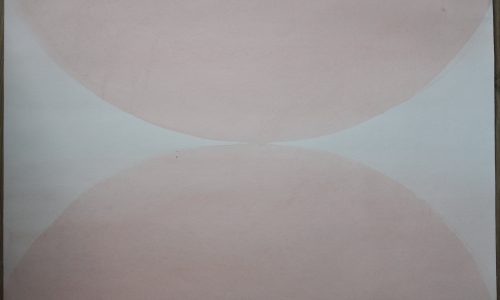
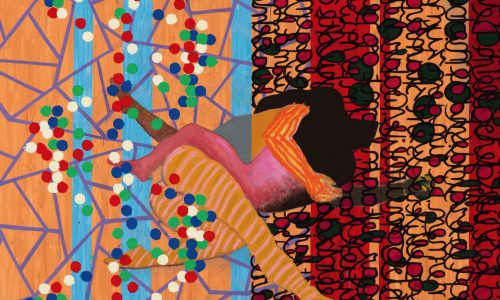
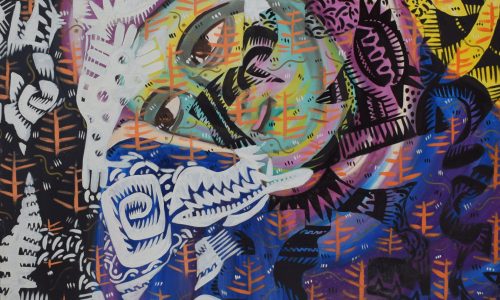
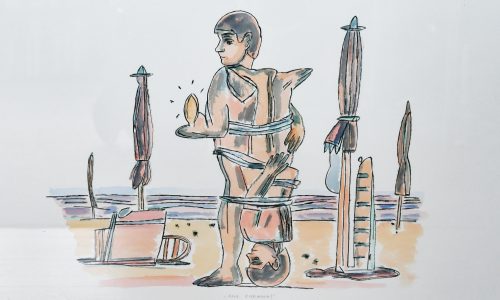
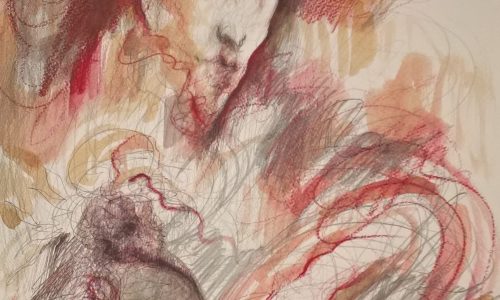
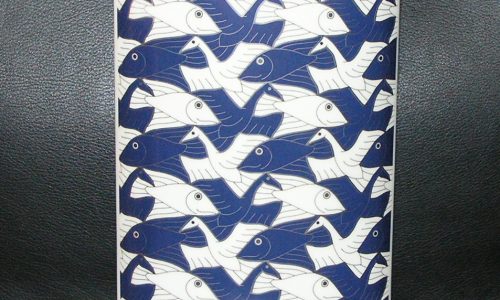
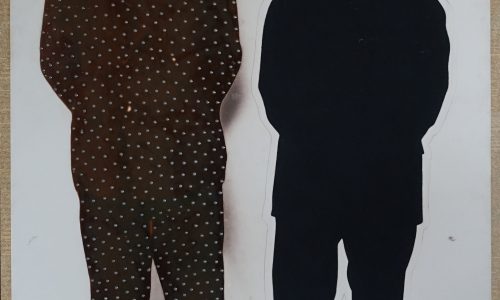
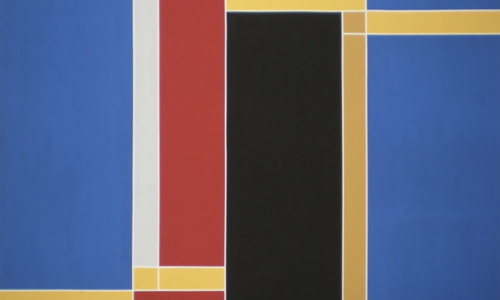
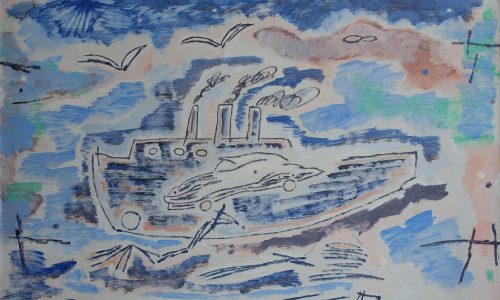
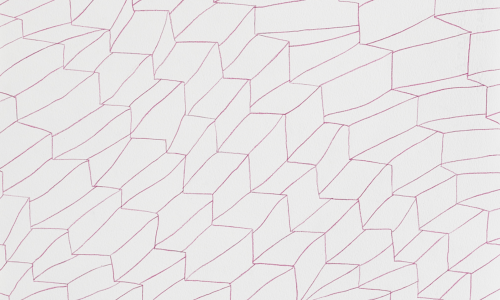
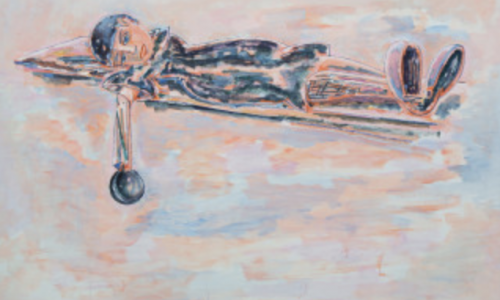
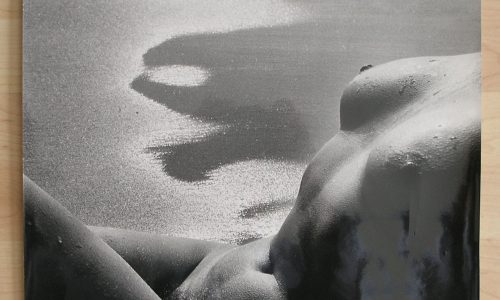
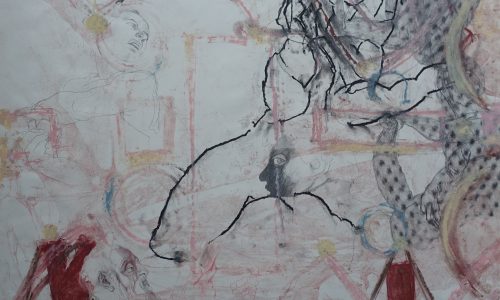
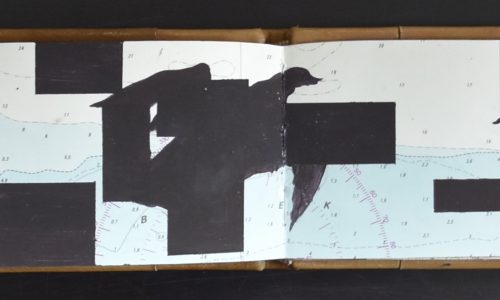
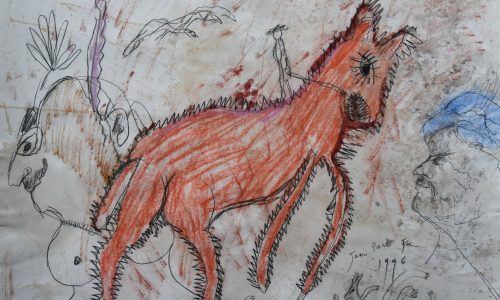
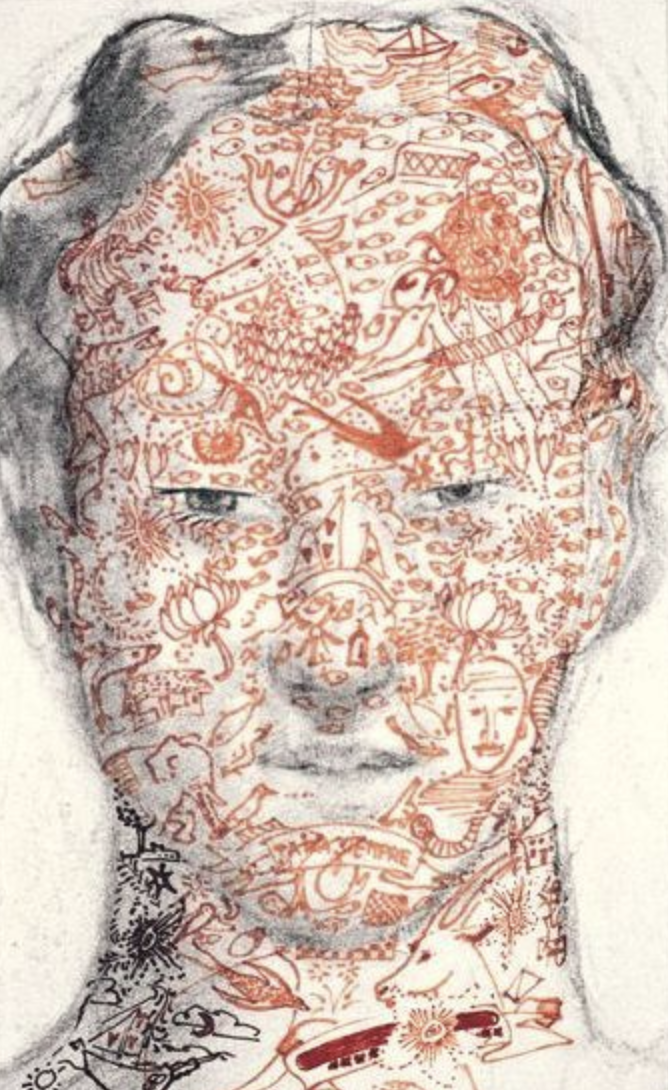
It was about 20 year ago i first saw work by Juul Kraijer. Kraijer was presented with a small exhibition in the Gemeentemuseum and as soon as i saw her works i was convinced of the quality of her art. Many years later, i Think it was the UNSEEN fair 2014 i encountered her photographs and had the same feeling about them.
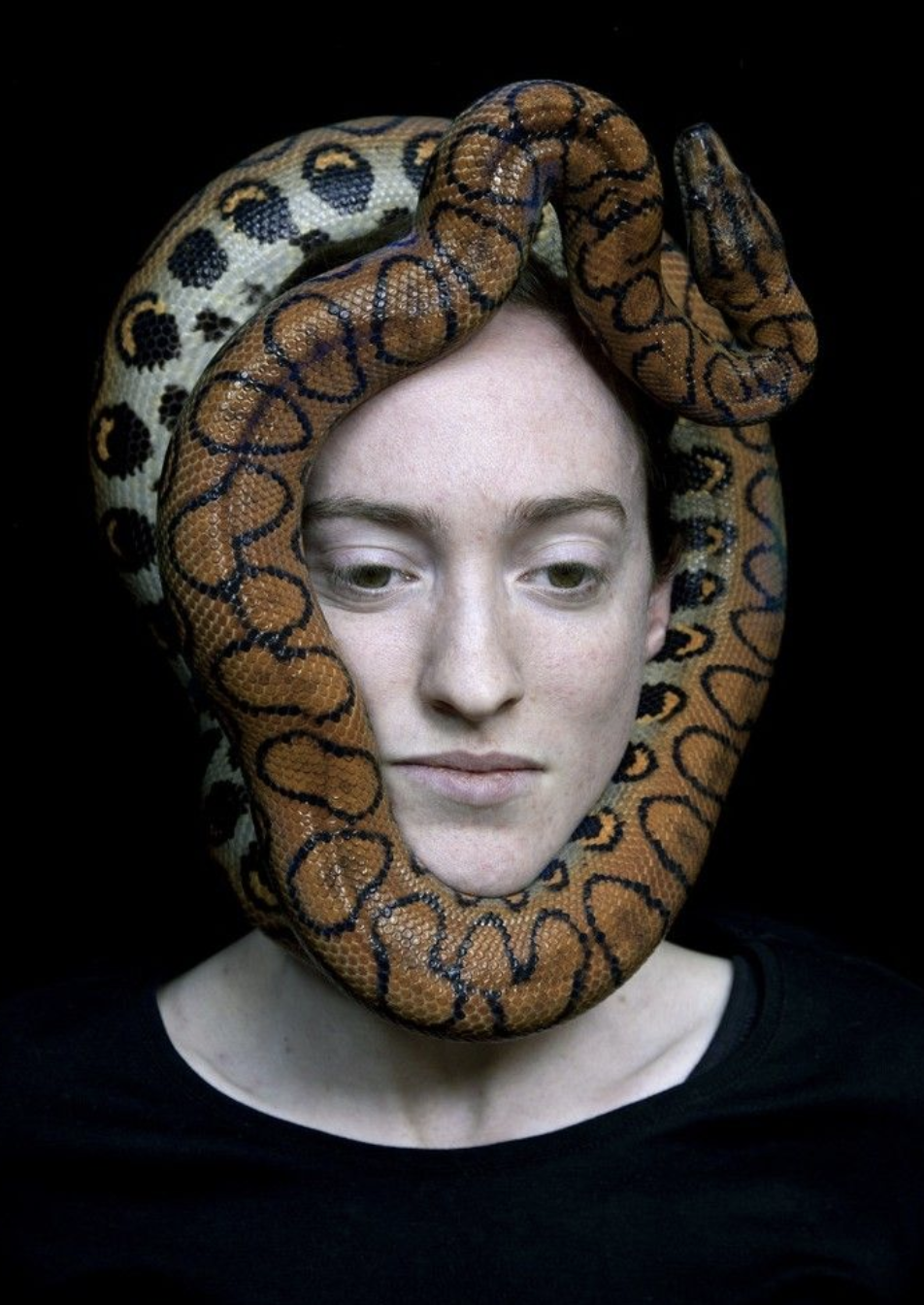
They created an unease within me, but at the same time they were fascinating. I discovered for this blog that Kraijer has a very loyal and active following on Pinterest, but maybe the best way to discover her works is by visiting her site http://www.juulkraijer.com on which she gives a.o. an extensive text on her Hydra series of drawings. The HYDRA book is available at www.ftn-books.com
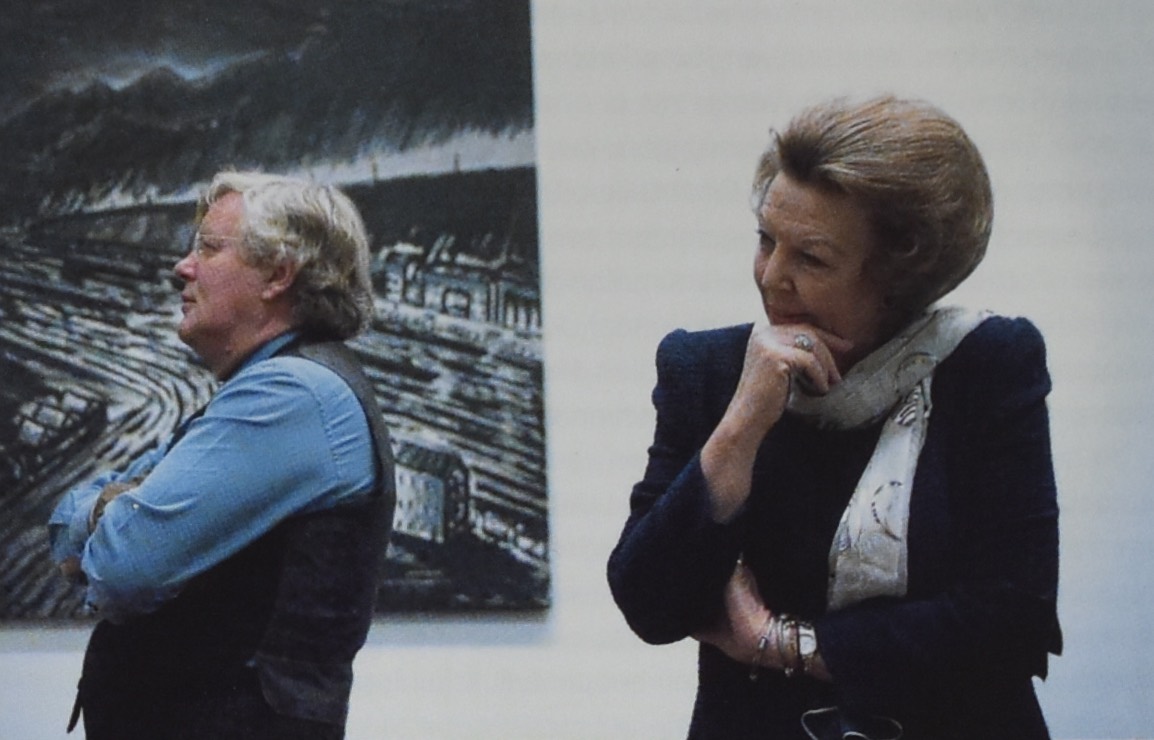
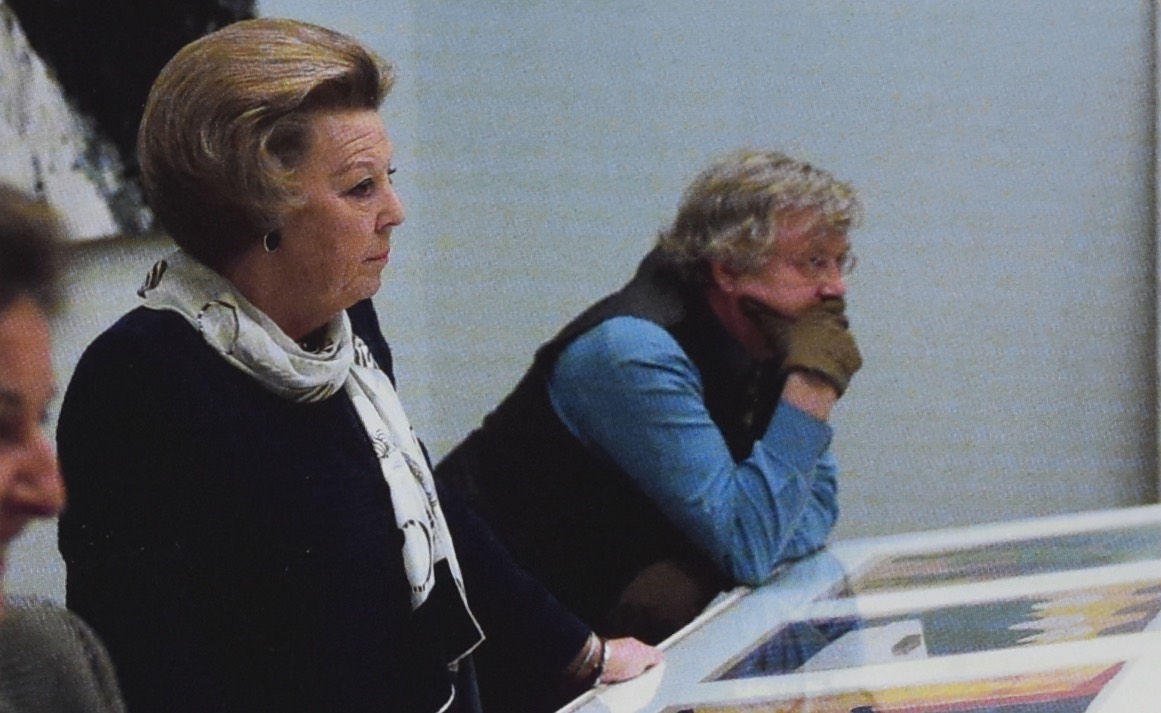
The year is 2000 and Queen Beatrix is invited as a guest curator for the exhibition DE VOORSTELLING to be held in the Stedelijk Paleis op de Dam . The place where each year the Koninklijke Subsidie voor de Vrije Schilderkunst is presented . Her “right hand” is no less than Rudi Fuchs the director at the Stedelijk Museum who helps the Queen with her choices and presentation.
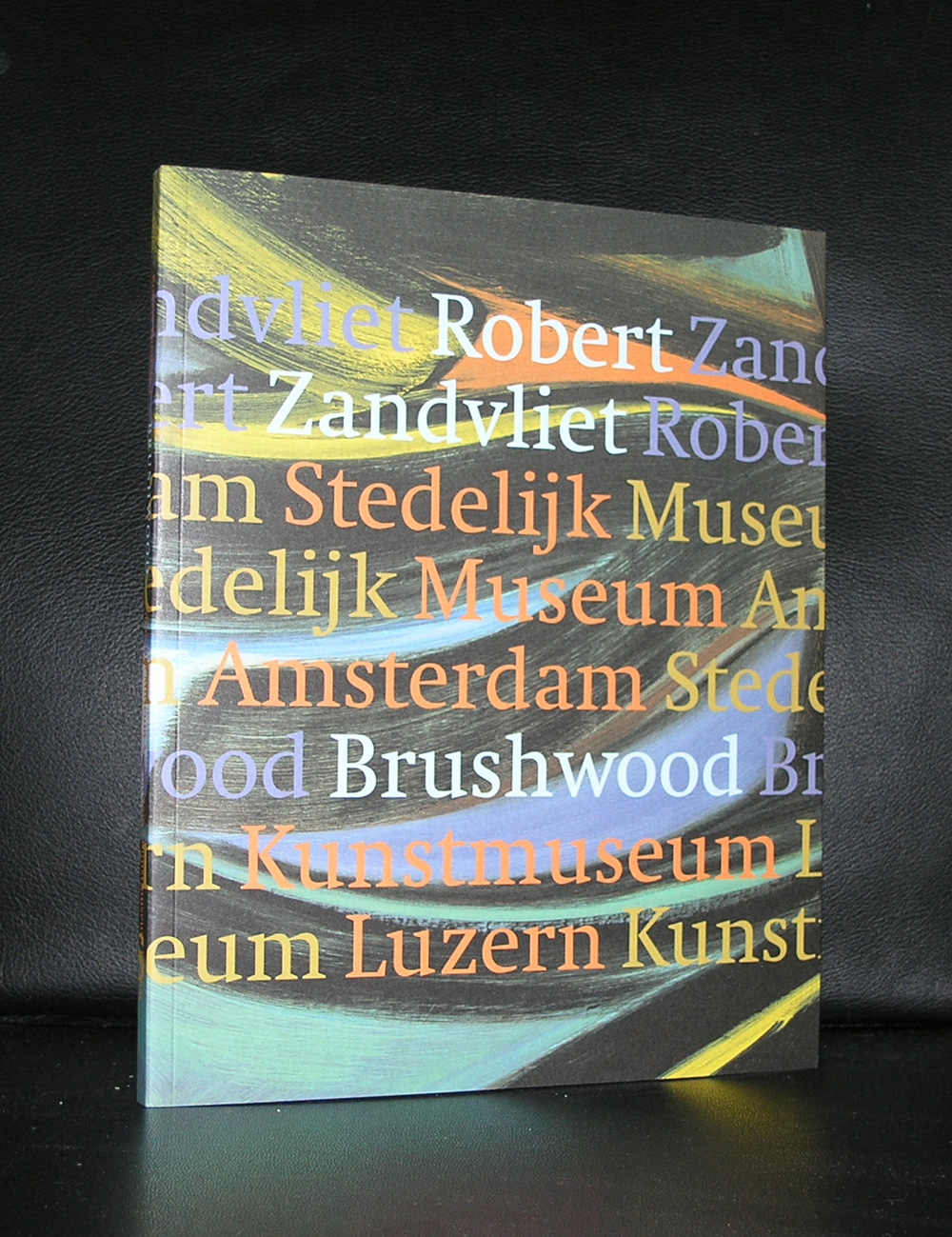
I am not a great fan of our Royals, but i always have had great respect for Queen Beatrix and her love for the arts and i am convinced that she is very knowledgable about art, art techniques and with that background could make some great choices for her collection. ( a.o. Eja Siepman van den Berg and Andre Volten ). This time it was for real and one could see her personal dutch favorites within the exhibition. To accompany the exhibition a more than nice catalogue was published which is available at www.ftn-books.com.
I can not add more than the short documentary the fantastic HOLLANDSE MEESTERS series made on this artist. Unfortunately it is in dutch, but the images tell more than a 1000 words.
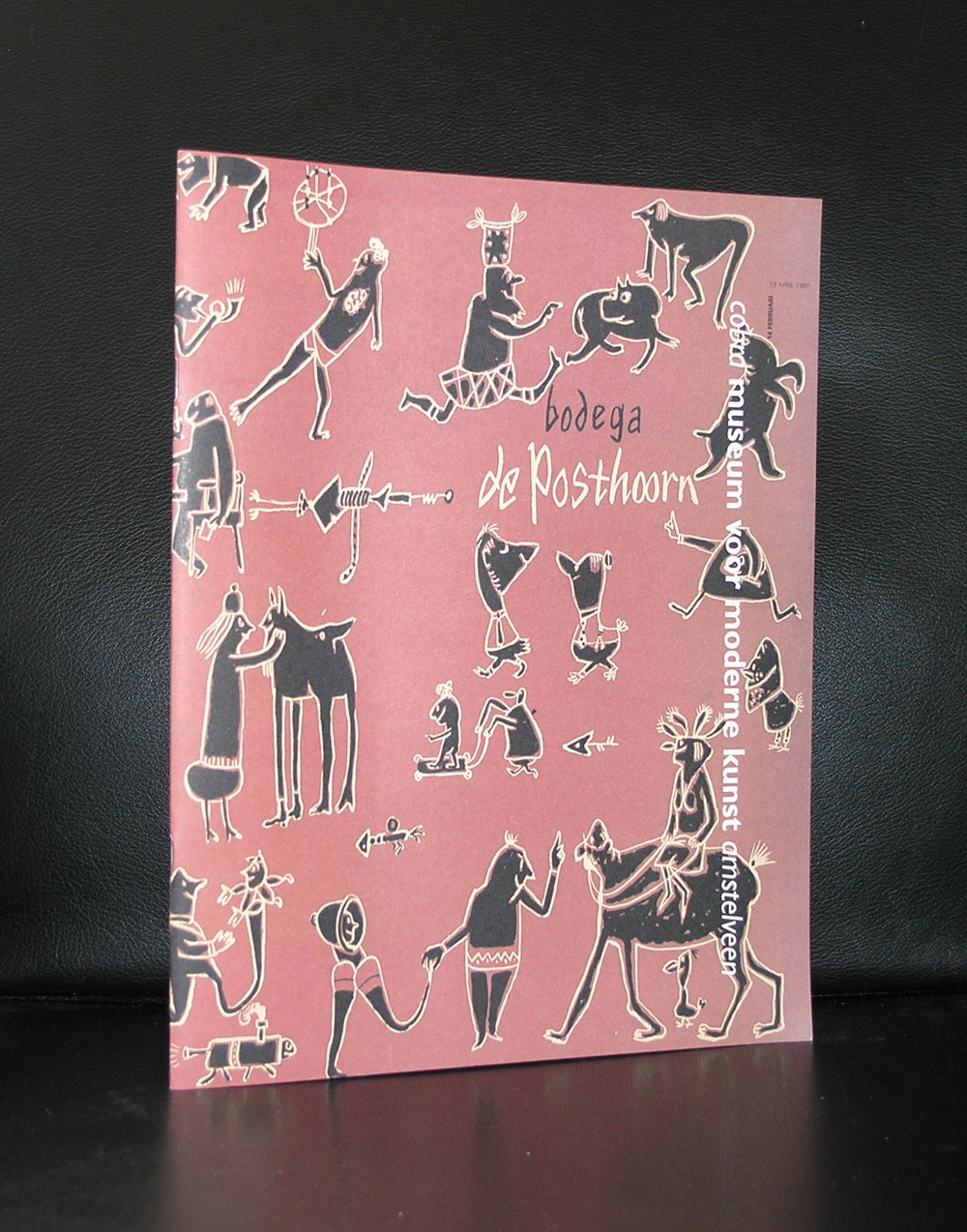
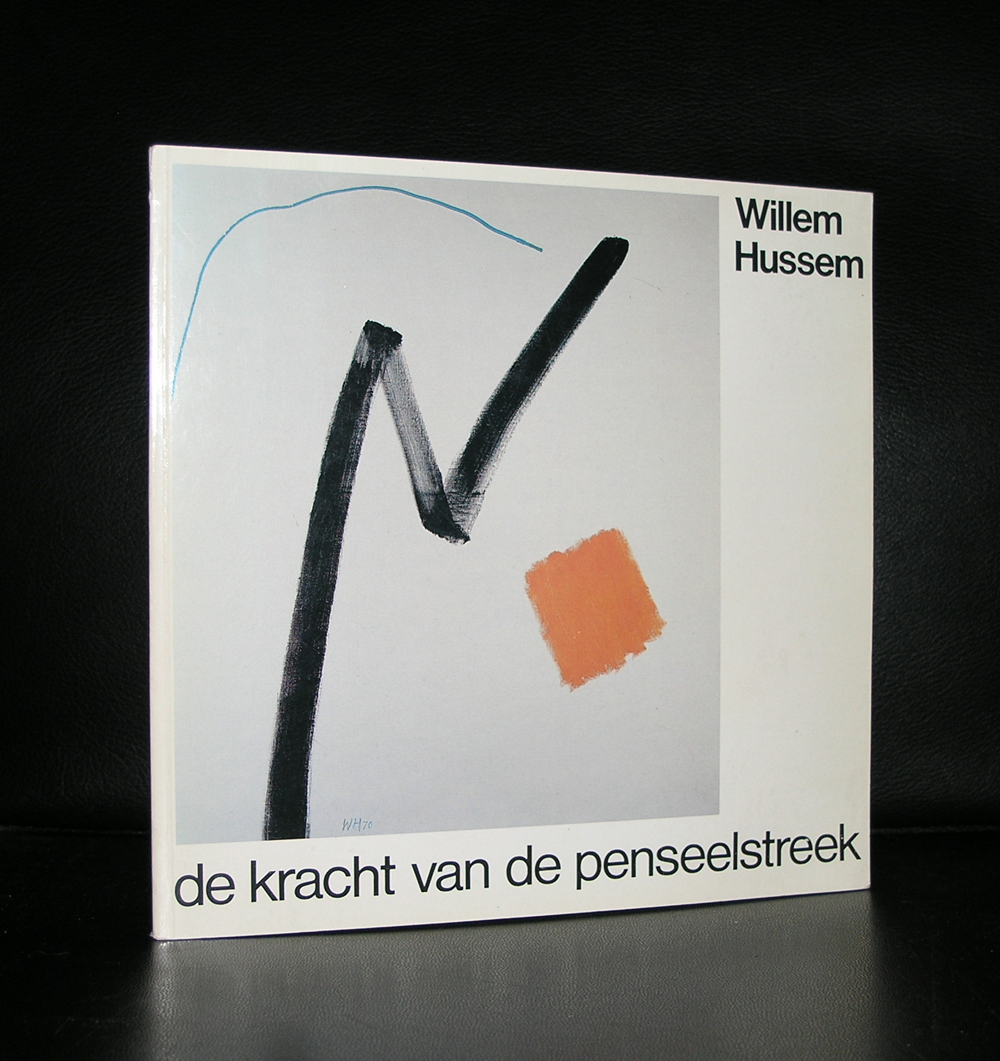
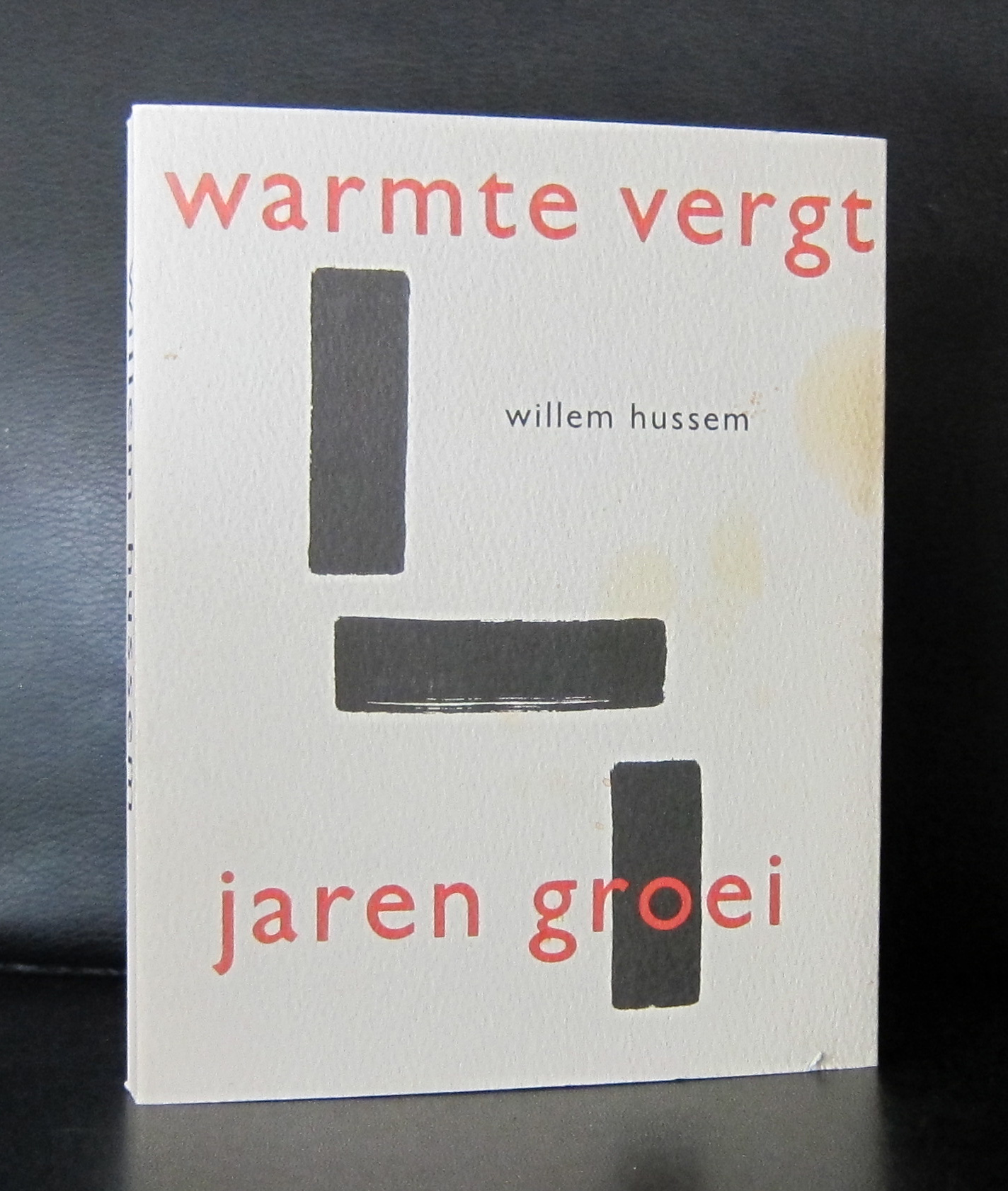
What about these glasses!….it is the first thing you see when you look at this portrait of Willem Hussem, a dutch painter from the Hague who formed together with Nanninga , Roede and Bohemen the core of the “Posthoorngroep”. The met weekly in the famous cafe de Posthoorn where they discussed art and everything else, but most of all inspired each other to some of the greatest art found in the Netherlands in those days, Among them Willem Hussem was perhaps the most diverse ( painting , sculpture and poetry), but certainly one of the most outspoken member of the group. Willem Hussem his works are spread all over the Netherlands in Museums ( Gemeentemuseum Den Haag, Stedelijk Museum, Dordrechts museum) and many private collections. If you are searching to add a beautiful Hussem to your collection, let me know because i know of the whereabouts of some excellent paintings that are for sale by this great artist and of course www.ftn-books.com has some nice publications available.
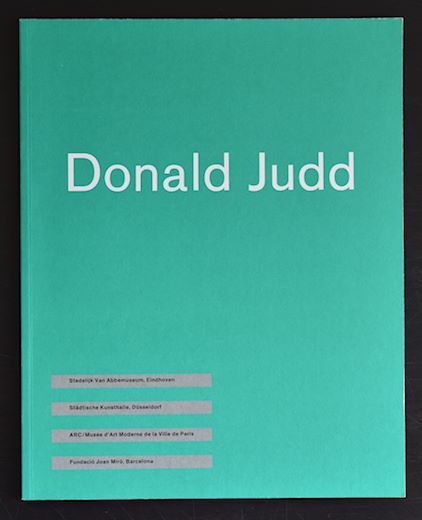
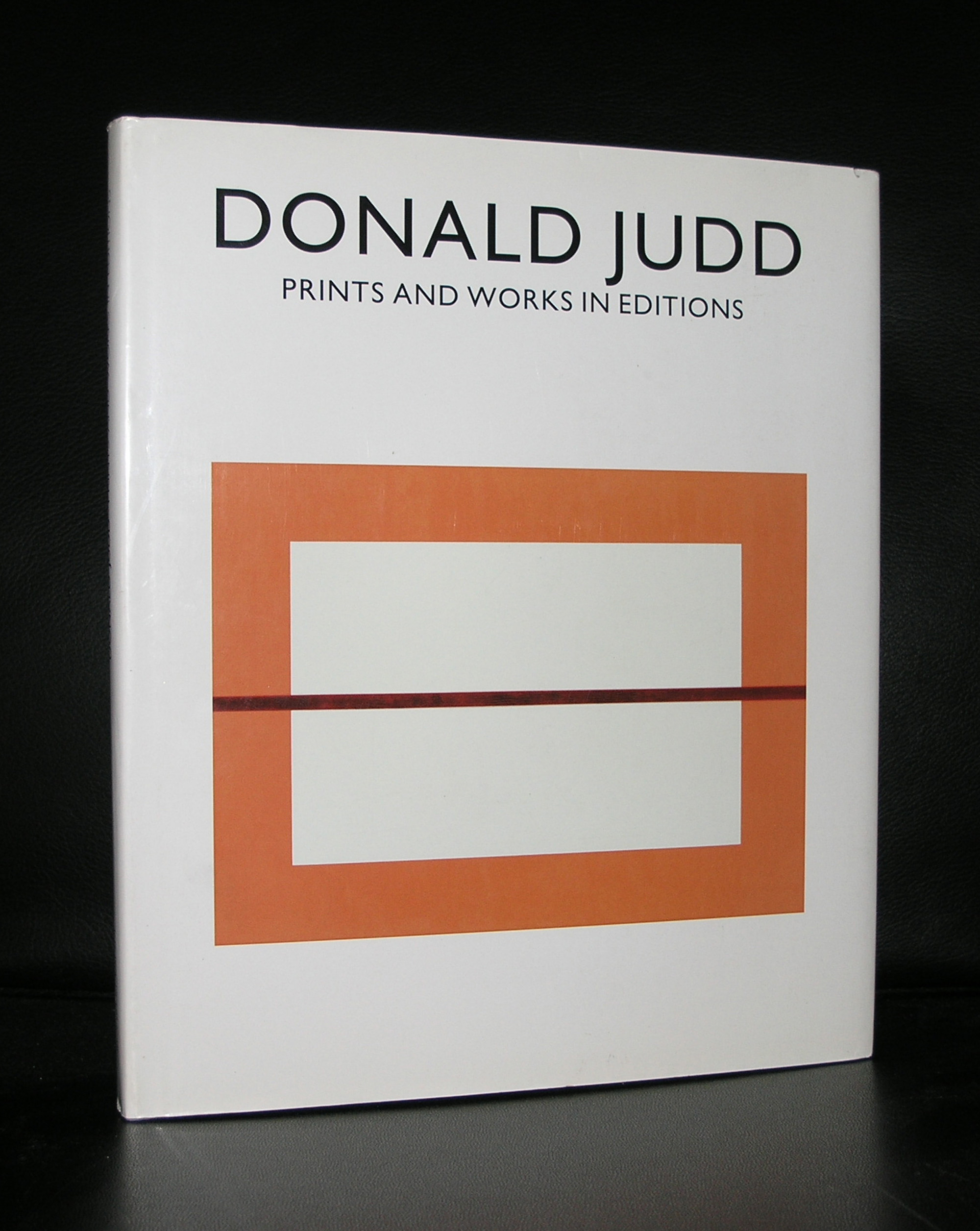
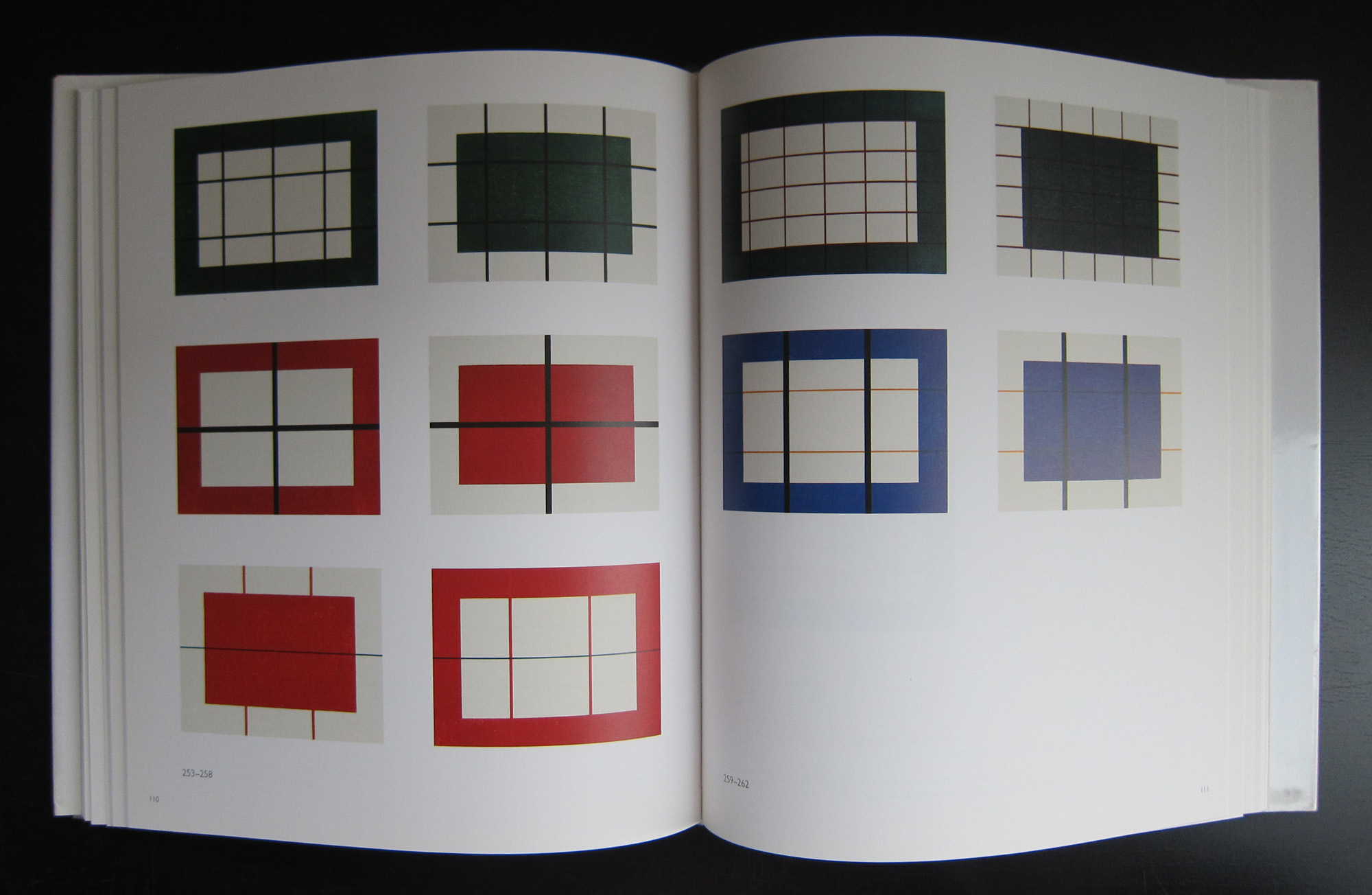
It looks like Donald Judd publications are getting more rare every month. Since his tragic death in 1994 no more “original” exhibition publications have been published. Of course there are some retrospective ones on the market, but the original ones during his lifetime are harder and harder to find. www.ftn-books.com is therefore proud to have 2 of these rare publications available in pristine condition. First there is the van Abbemuseum catalogue from 1987. The book served as a catalogue for 4 venues of which the van Abbemuseum was the most impiortant one because the exhibition was curated by Rudi Fuchs. Secondly there is the Donald Judd / Prints and Works in ecitions published by Schellmann , which even is shrink wrapped. This is rare opportunity to acquire these rare and highly collectable Judd publications for your collection.
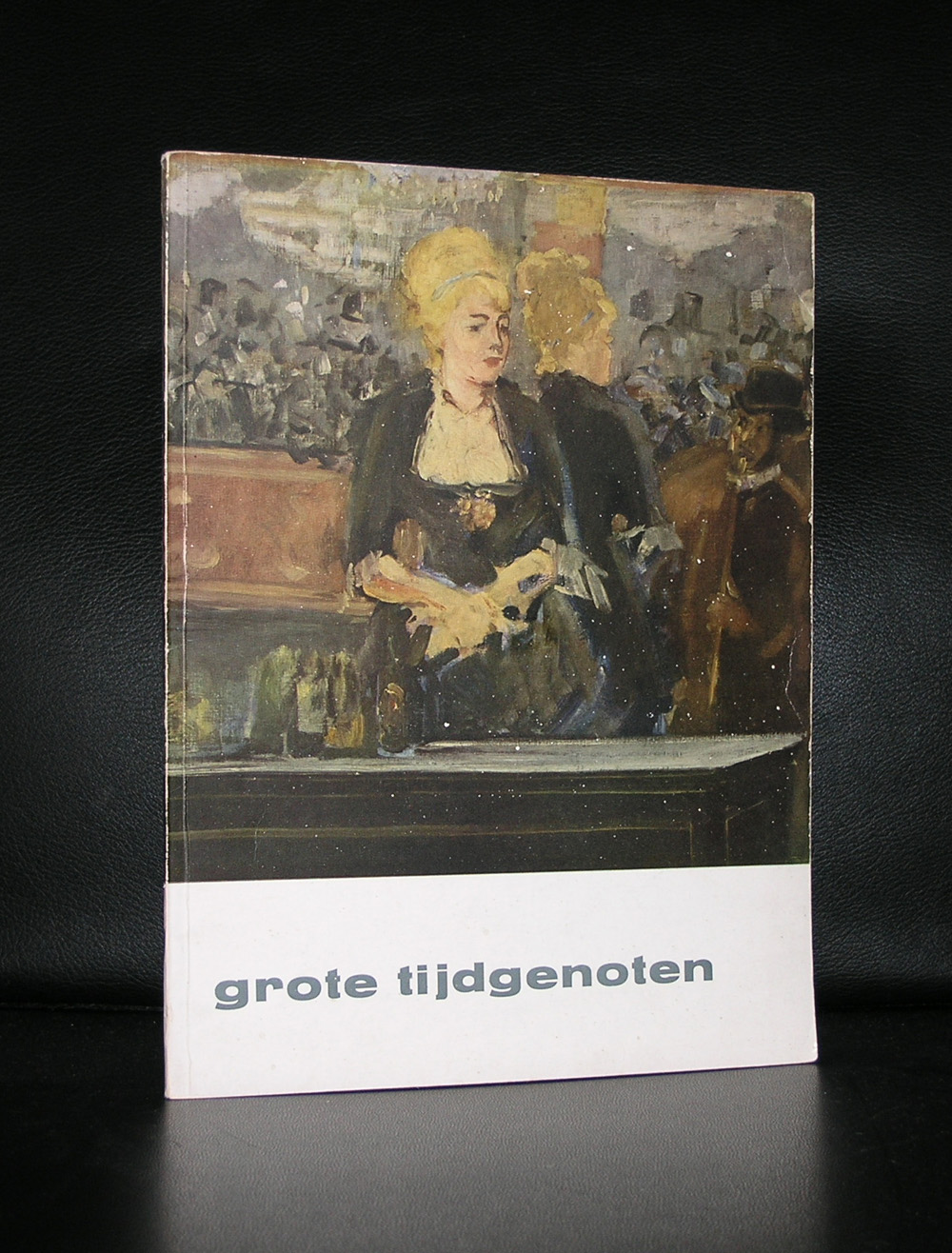
I am always on the look out and searching for the best catalogues that are published by rhe Stedelijk Museum Amsterdam. The best catalogues were published in the 50’s and 60’s and designed by Willem Sandberg and Wim Crouwel and i am proud to say that i have managed to colelct a wonderful collection of their catalogues and possibly one of the largest collections available on the internet. Many of thier publications are sold and collected all over the world and because of that i sell these catalogues to many collectors. The 3 titles i present in this blog weere sold out during the last 6 months, but….. i was lucky to find these with a colleague and now i have them again in my inventory. Just search for them at www.ftn-books.com .
They are expensive catalogues , but take my word these will become impossible to find in a few years and when they come on the market they will be even more expensive. The power of these titles is that they are more like works of art. The Arp (1960) has woodcut printing on the outside and inside and the Soto cover is a kinetic object because of the thread on the outside (1969). The Steinberg….yes one of the first publications with fold out pages (1953).
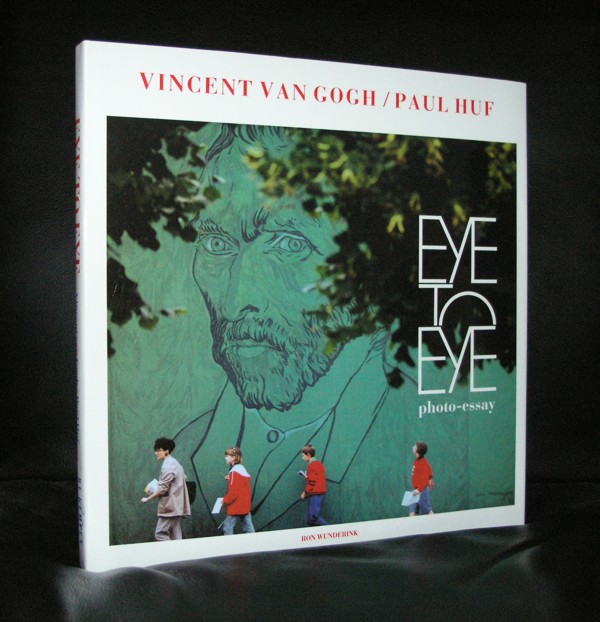
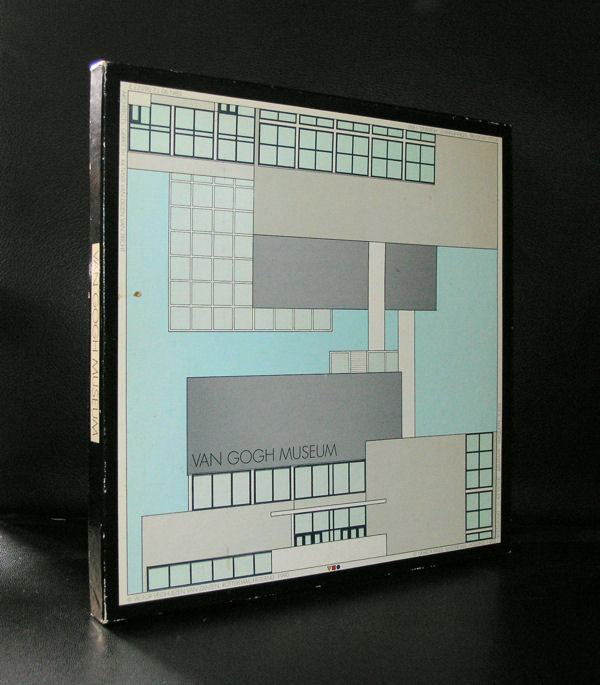
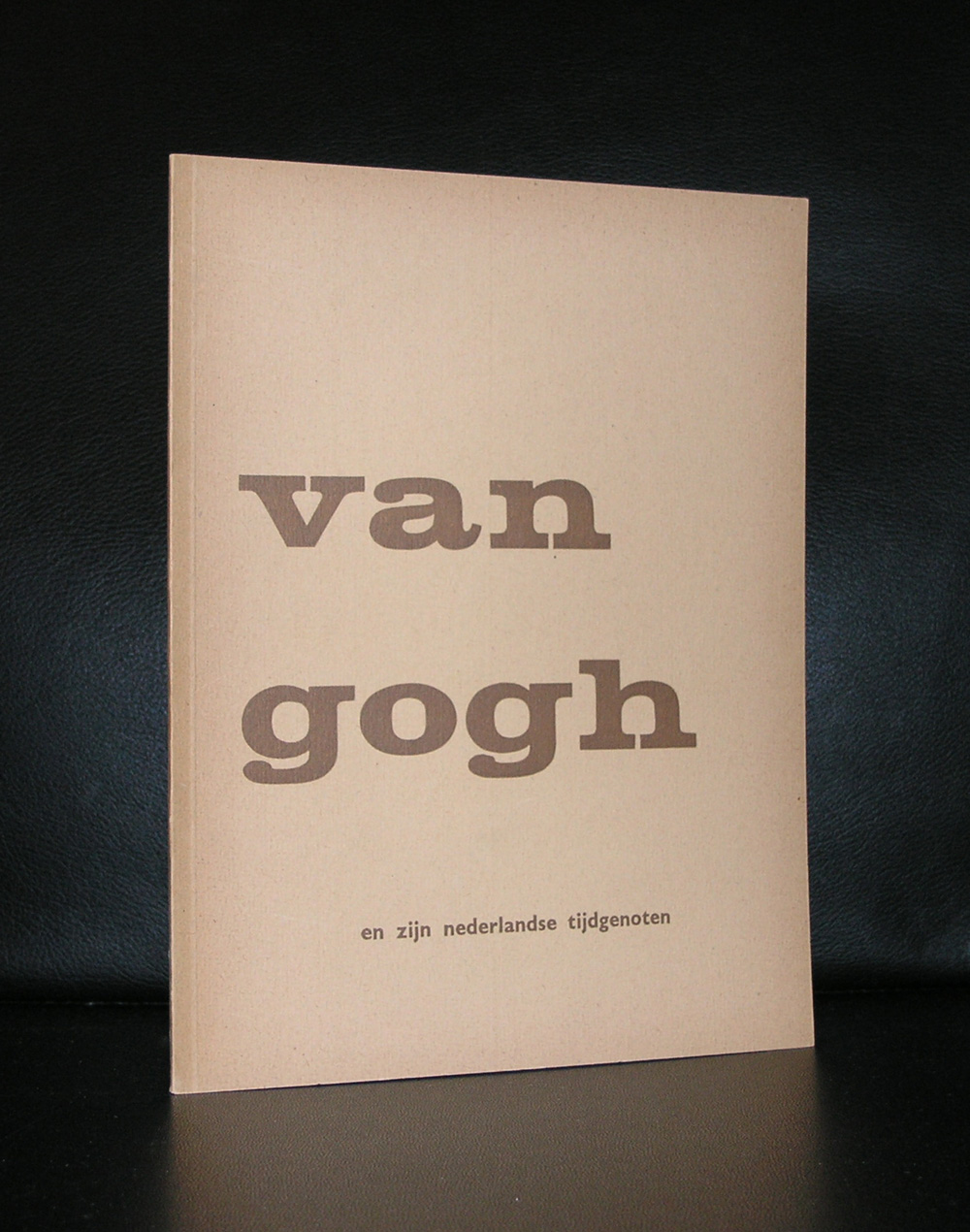
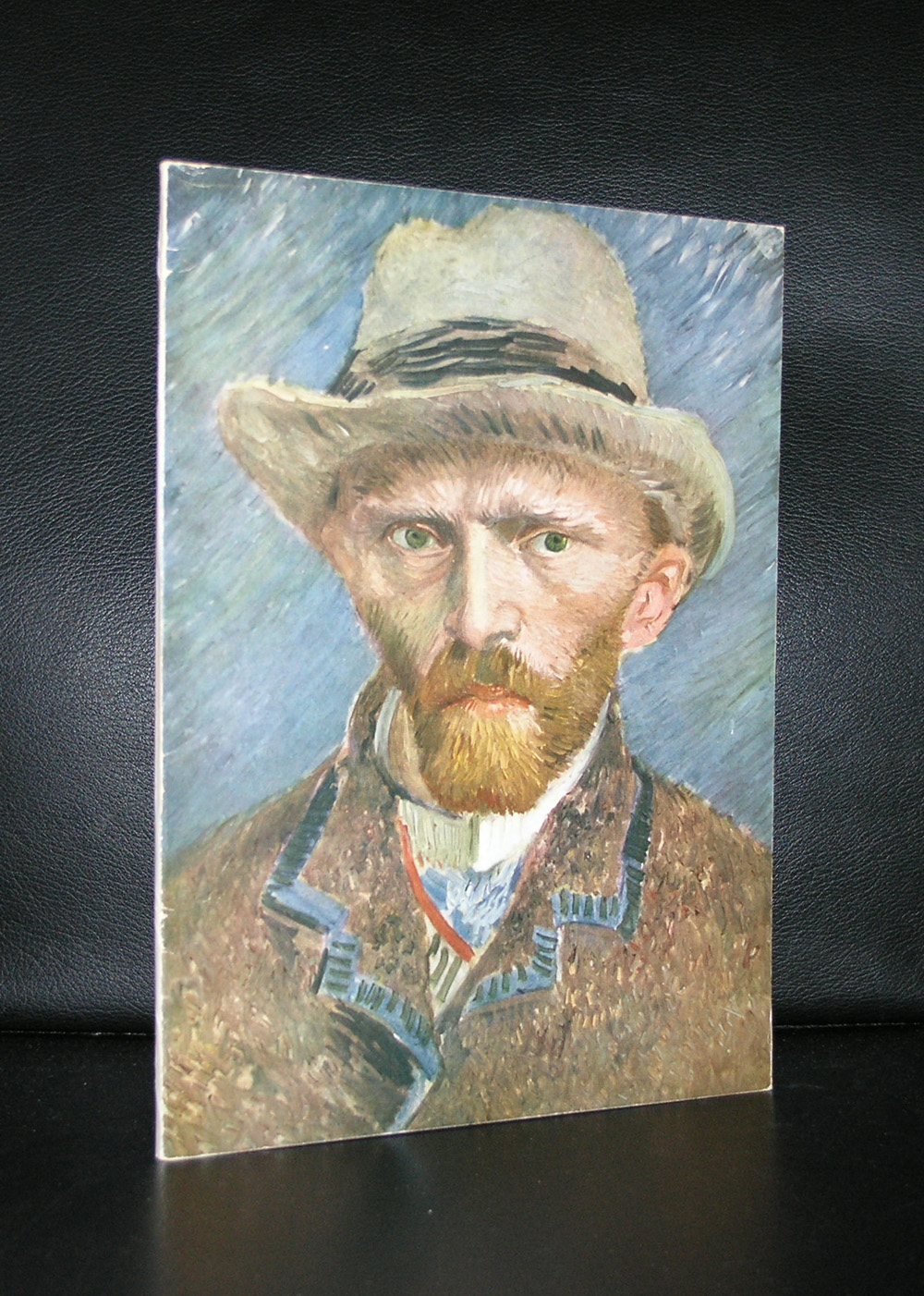
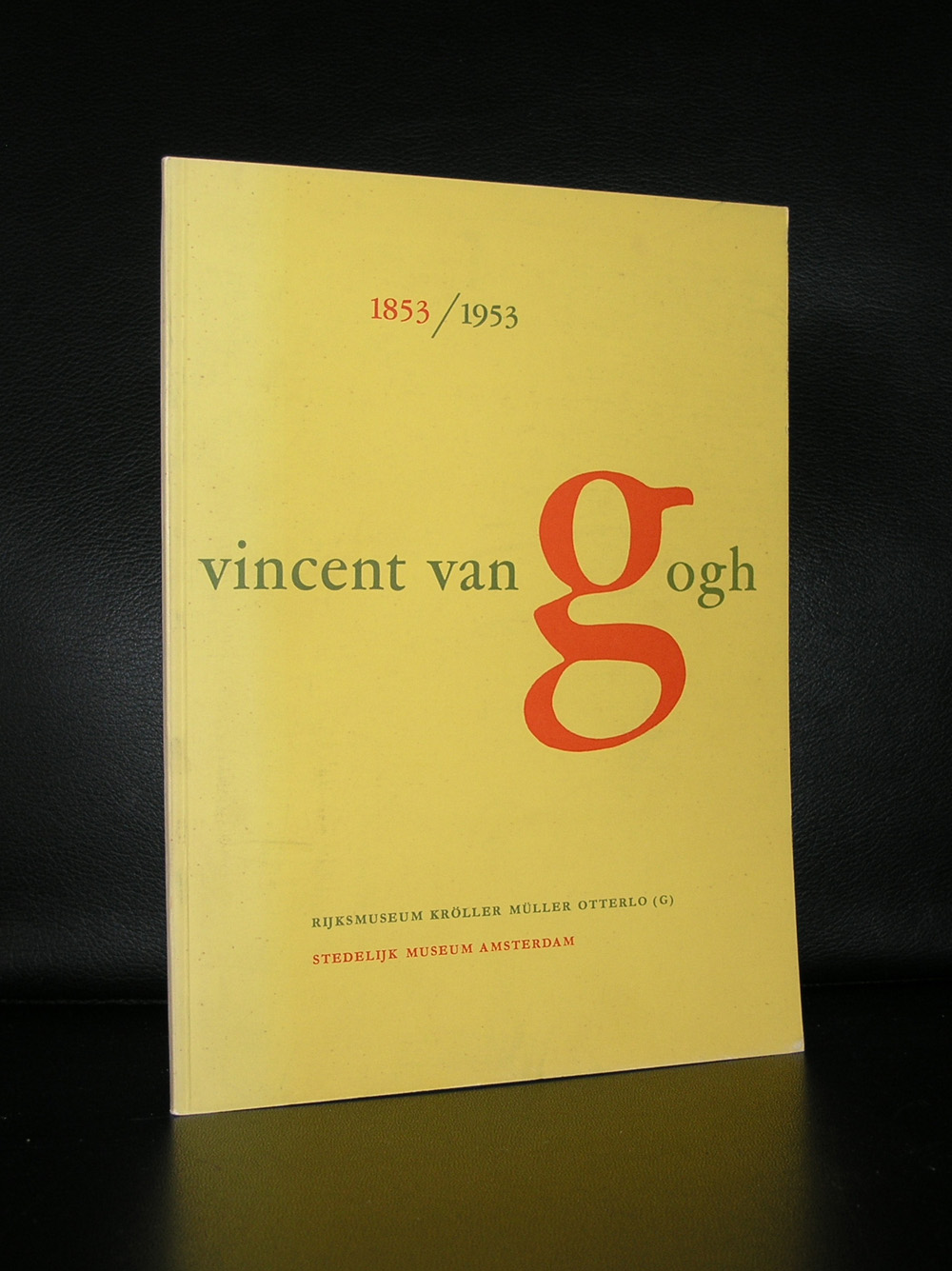
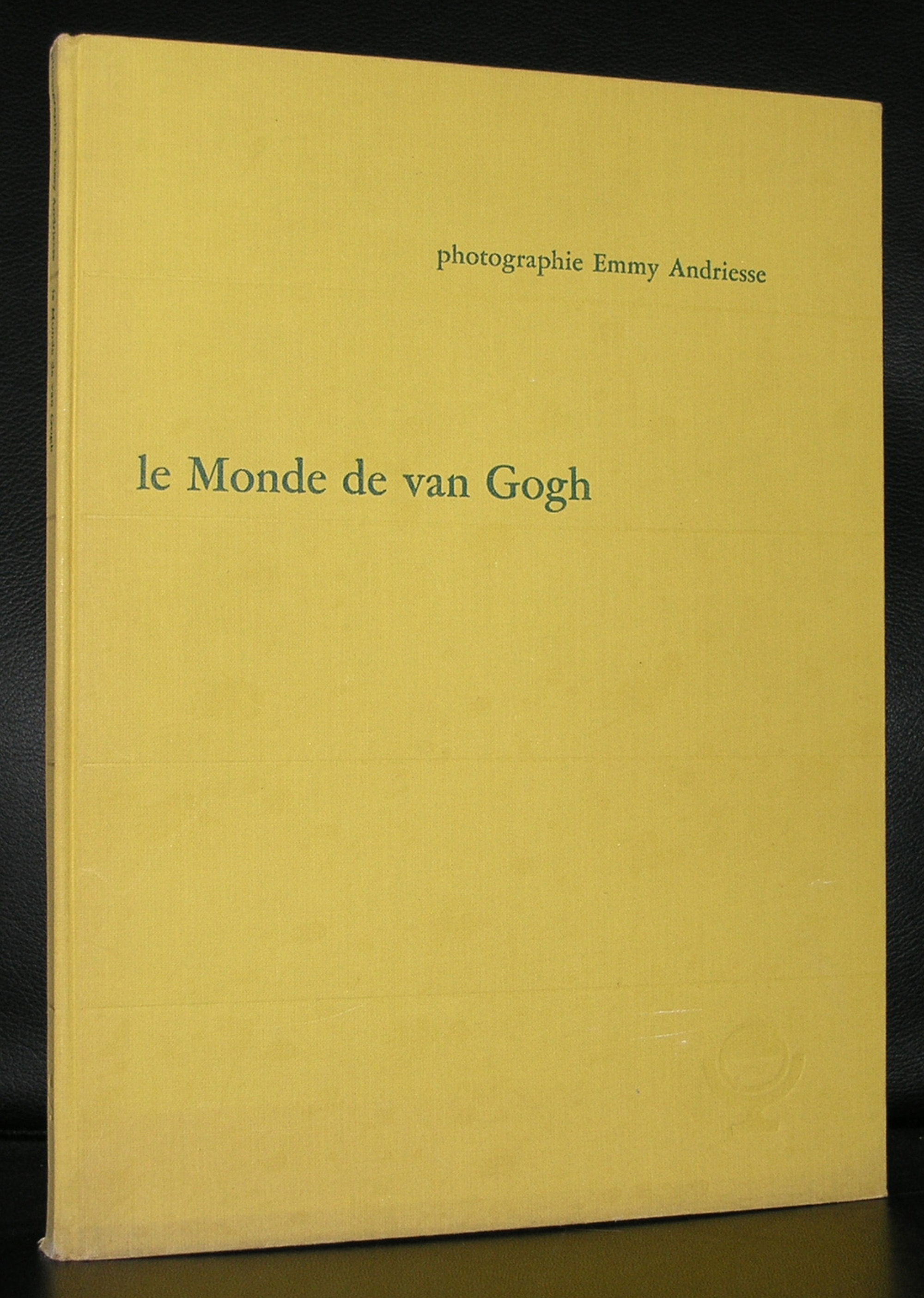
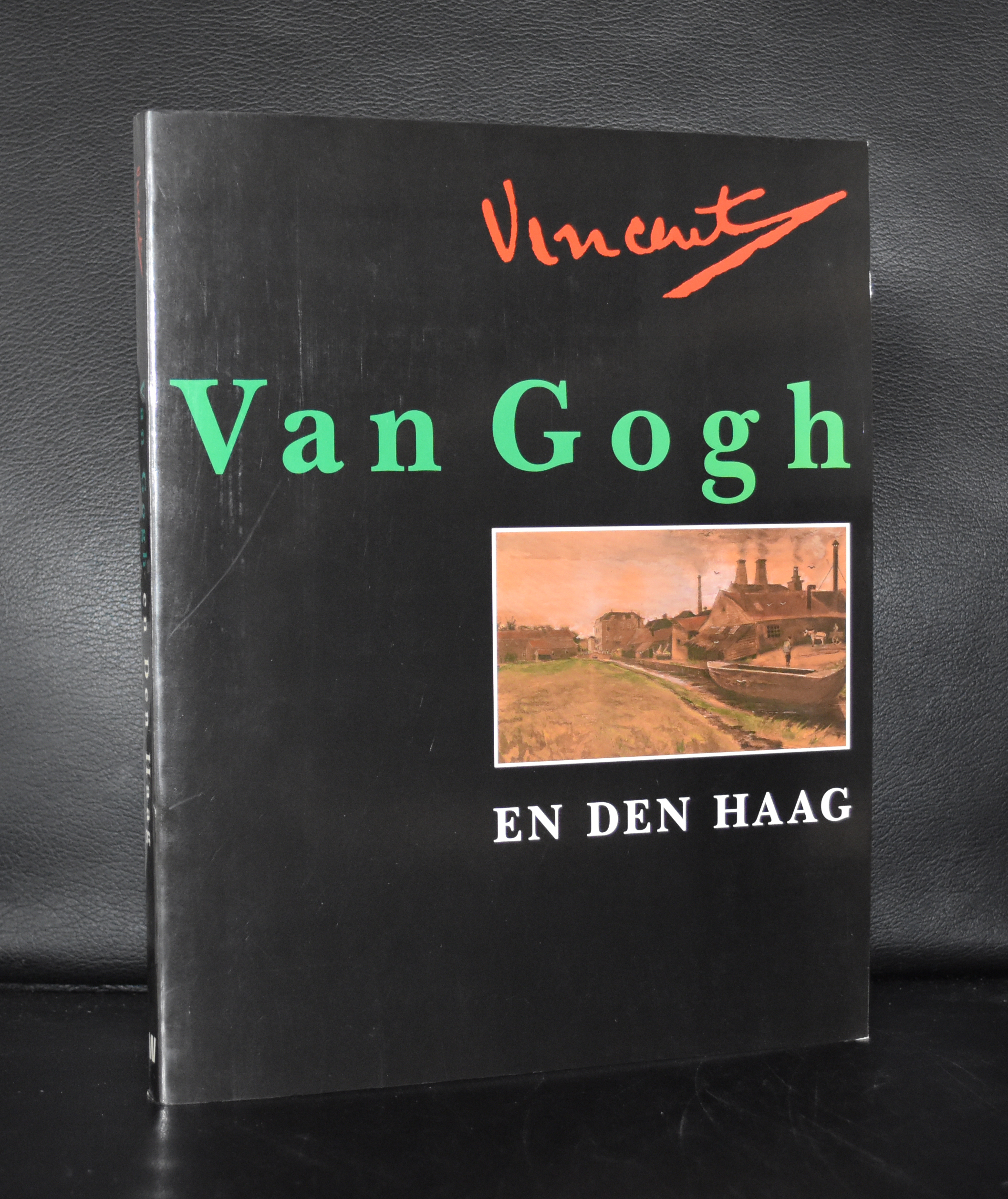
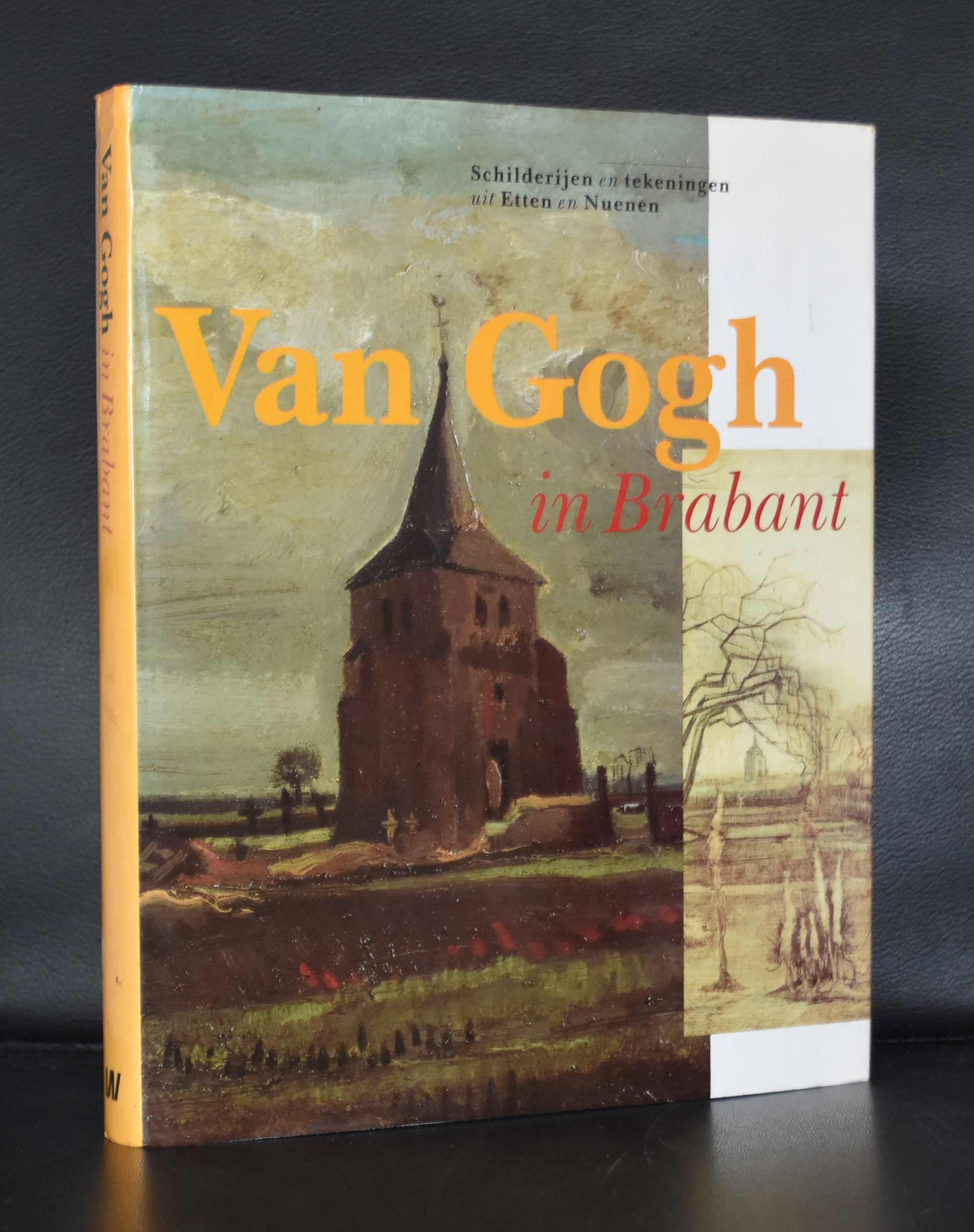
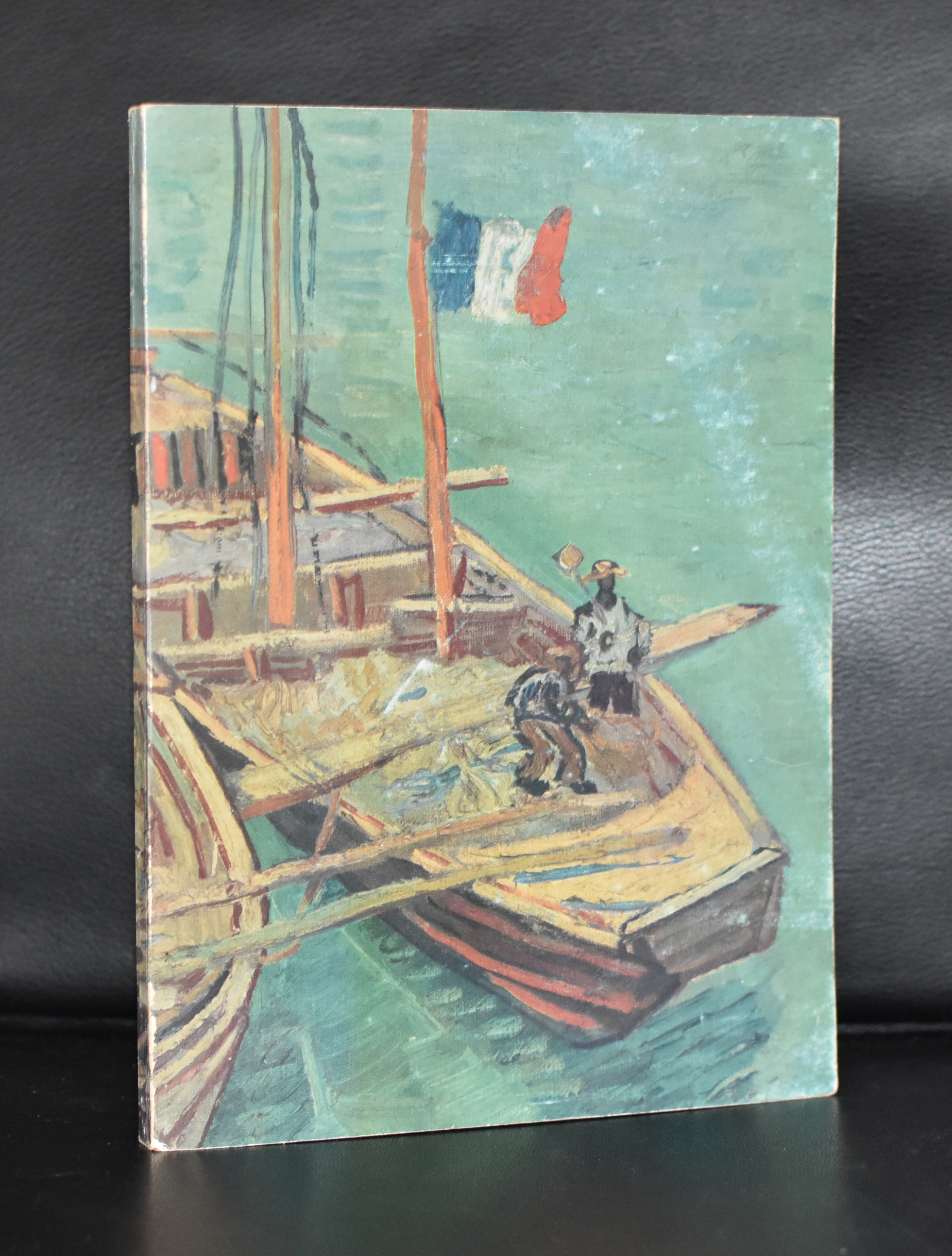
Yesterday it was announded and confirmed that a newly discovered van Gogh drawing from the Fentener van Vlissingen collection is an authentic van Gogh. In such a case i really wonder if the drawing is considered important because as the vanGogh museum says …it is a missing link…or is it beautiful and valuable. Valuable it certainly is now with its authentication, but beautiful? i do not think so…. it is a study and beside the depicted windmills i do not find it appealing at all. For instance compare the studies of Jongkind, his contemporary artist which all shine in these little formats. A new van Gogh discovered is nice, but the way it now is presented as one of the art discoveries of this decade is undeserved. Here is the article from the van Gogh Museum on this sketch and for really great books on Van Gogh please visit www.ftn-books.com
AMSTERDAM — The Van Gogh Museum here on Tuesday announced the discovery of a previously unknown drawing by Vincent van Gogh, which the museum said was completed about a month after the Dutch post-Impressionist artist arrived in Paris in 1886. The museum’s researchers studied the style and history of “The Hill of Montmartre with Stone Quarry,” dated March 1886, and found documents they said confirm that it is a lost van Gogh.
“It’s a big day today,” said Teio Meedendorp, a senior researcher at the Van Gogh Museum who studied the subject, style, technique, materials and provenance of the drawing, and found the relevant documentary evidence to support the attribution.
The museum owns the largest collection of van Gogh’s works anywhere in the world, including more than half of the artist’s drawn oeuvre — approximately 500 drawings as well as his sketchbooks.
“It’s a nice robust drawing by Vincent and he captured the hill of Montmartre very well,” Mr. Meedendorp said.
Mr. Meedendorp said that the drawing is particularly interesting because it is more in keeping with van Gogh’s earlier style than his later work when he lived in Paris. He added that the drawing shows that van Gogh’s work evolved during his crucial years in the French capital from a formal style that he learned at the art academy in Antwerp just before arriving in Paris, and became increasingly experimental.
“It’s a kind of stylistic missing link between his Belgium and Paris time,” said Fred Leeman, an independent van Gogh expert and curator of exhibitions by the artist, who is a consultant to the Van Vlissingen Foundation, which currently owns the drawing.
The last time a new van Gogh drawing was discovered was in 2012. A year later, a new van Gogh painting, “Sunset at Montmajour” (1888), was also found. But these findings are relatively rare. Since the publication of the complete catalog of van Gogh’s works in 1970, another nine drawings and seven paintings have been added, Mr. Meedendorp said.
When it came to the Van Gogh Museum for research in 2012, the drawing was owned by an American private collector whose Dutch relatives had purchased the work from a gallery in the Netherlands in 1917, Mr. Meedendorp explained. But the museum did not publicize the finding at the time, at the request of the previous owner.
Aside from Mr. Leeman, no other experts outside the museum have yet seen the drawing.
Research by the Van Gogh Museum in Amsterdam, the world’s leading expertise center on the artist, found that “The Hill of Montmartre with Stone Quarry” came into the hands of van Gogh’s sister-in-law, Johanna van Gogh-Bonger, a meticulous keeper of van Gogh’s materials, who numbered it “123” in her inventory.
Mr. Meedendorf said that when he took the drawing out of its frame, he found the telltale number, “123,” written on the back.
The discovery of “The Hill of Montmartre with Stone Quarry” led the Van Gogh Museum to reconsider another drawing that it had in its collection, which had been part of the original donation from the van Gogh family heirs. That drawing, titled “The Hill of Montmartre,” also completed in 1886, is drawn from a very similar perspective of the Parisian hilltop.
This drawing was originally thought to be by van Gogh, but in 2001, it was questioned because it was so dissimilar to work from his Paris period, and then discredited.
“Now that you have a set of two, it’s clear that it was a style he maintained during the first part of his time in Paris,” said Mr. Leeman.
By comparing these two drawings side-by-side, researchers realized that the works were incredibly similar, and both were attributed to van Gogh.
“It’s the same materials, the same paper, it’s quite clear that these were both done by the same hand at almost the same time,” said Mr. Meedendorp.
“One thing led to another,” he added. “If this was a van Gogh drawing then the other one had to be one as well.”
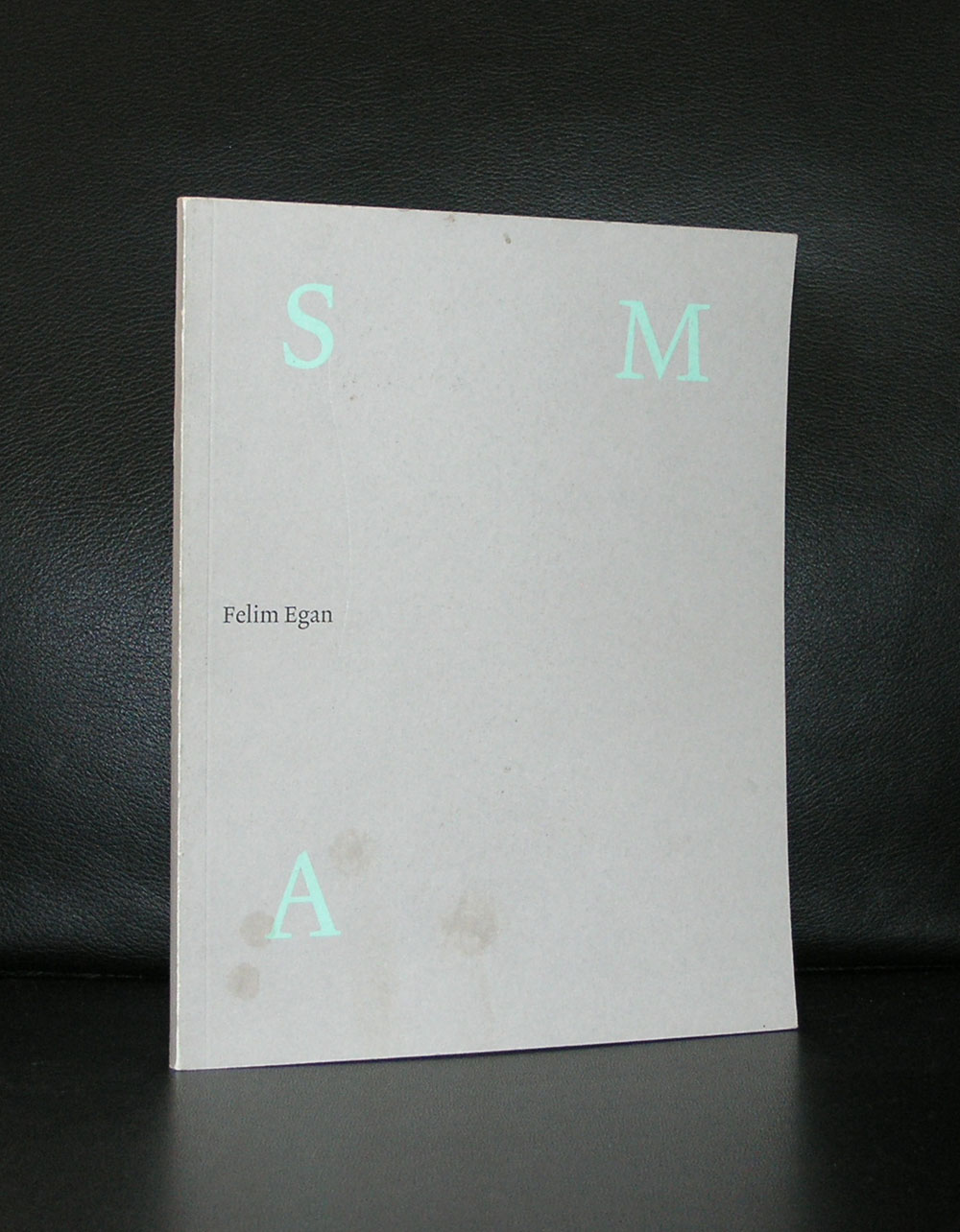
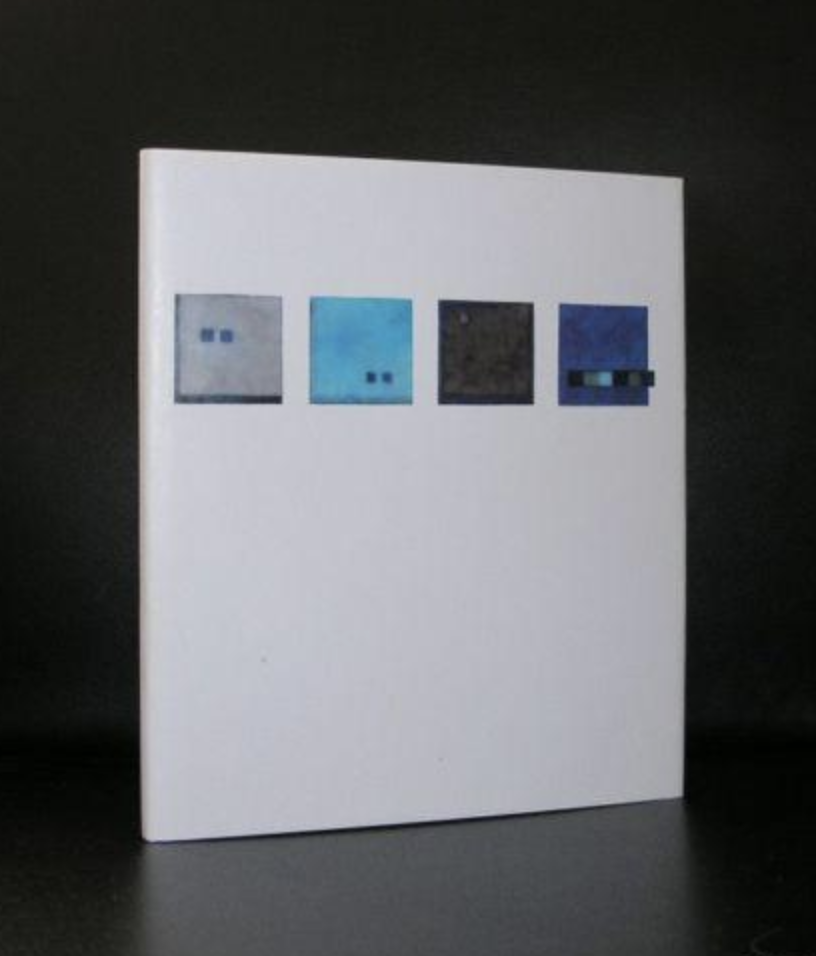
I had never heard of Felim Egan, but when i saw one of his paintings ( for the first time at Seasons gallery in Den Haag) i became an admirer. A free kind of constructivist abstraction in soft colors, which looks like Irish mist over a landscape. Later i found 2 publications on this artist which are now available at www.ftn-books.com so when i encountered these i decide to write a blog on an artist of whom i did not know very much except that he had exhibited in the Stedelijk Museum. I searched and found this article on his Felim Egan’s own website : www.felimegan.ie
FELlM EGAN was born in lreland in 1952 and studied at Belfast and Portsmouth, England before attending the Slade School of Art in London. He then spent a year at the British School at Rome in 1980 before returning to Dublin. Since then he has lived and worked at Sandymount Strand and the Docklands, on the edge of Dublin Bay.
He is known as a painter of restrained eloquence, who sparingly deploys a vocabulary of hieroglyphic motifs over monochromatic expanses of colour. His paintings are built up slowly with layers of thin colour applied to the surface and stone powder ground into the acrylic. The work is universal in spirit and at the same time emotionally intimate. His paintings are epiphanic, in that they convey to us the essential nature or meaning of something of which we were previously unaware. He is an abstract artist, a painter of quite formal abstract images, and yet his work is tied to the place he lives and works, to the long horizons, big skies and empty sands of the Strand and sea. In this way his abstract paintings are almost landscapes, with a magical quality that his neighbour, the poet Seamus Heaney, has aptly described “a balance of shifting brilliances”.
Egan has exhibited widely across Europe with 72 solo exhibitions since 1979 including major shows at the lrish Museum of Modern Art, Dublin,1996 and the Stedelijk Museum in Amsterdam, 1999. In 1981 he represented Ireland at the Xie Biennale de Paris and in 1985 at the San Paulo Bienal. In 1993 he won the prestigious UNESCO prize in Paris, and in 1995 the Premiere Prize at Cagnes-sur-Mer. His work hangs in numerous public collections including the Stedelijk Museum, Amsterdam; the Irish Museum of Modern Art, Dublin; the Ulster Museum, Belfast; the Metropolitan Museum of Art, New York, and the collection of the European Parliament. Major Commissions include; Dublin Castle; National Gallery of Ireland: O’Reilly Hall, UCD; Meeting House Square, Temple Bar; Pavilion Theatre, Dunlaoghaire; City Quay Building, Dublin; New Providence Wharf, London; the National Gallery of Ireland; Deutsche Bank, UK and Dublin and a large scale public ‘sculptural work’ at Cork Street, Dublin.
In 2005 he completed an installation of paintings at Deutsche Bank Headquarters, Dublin.
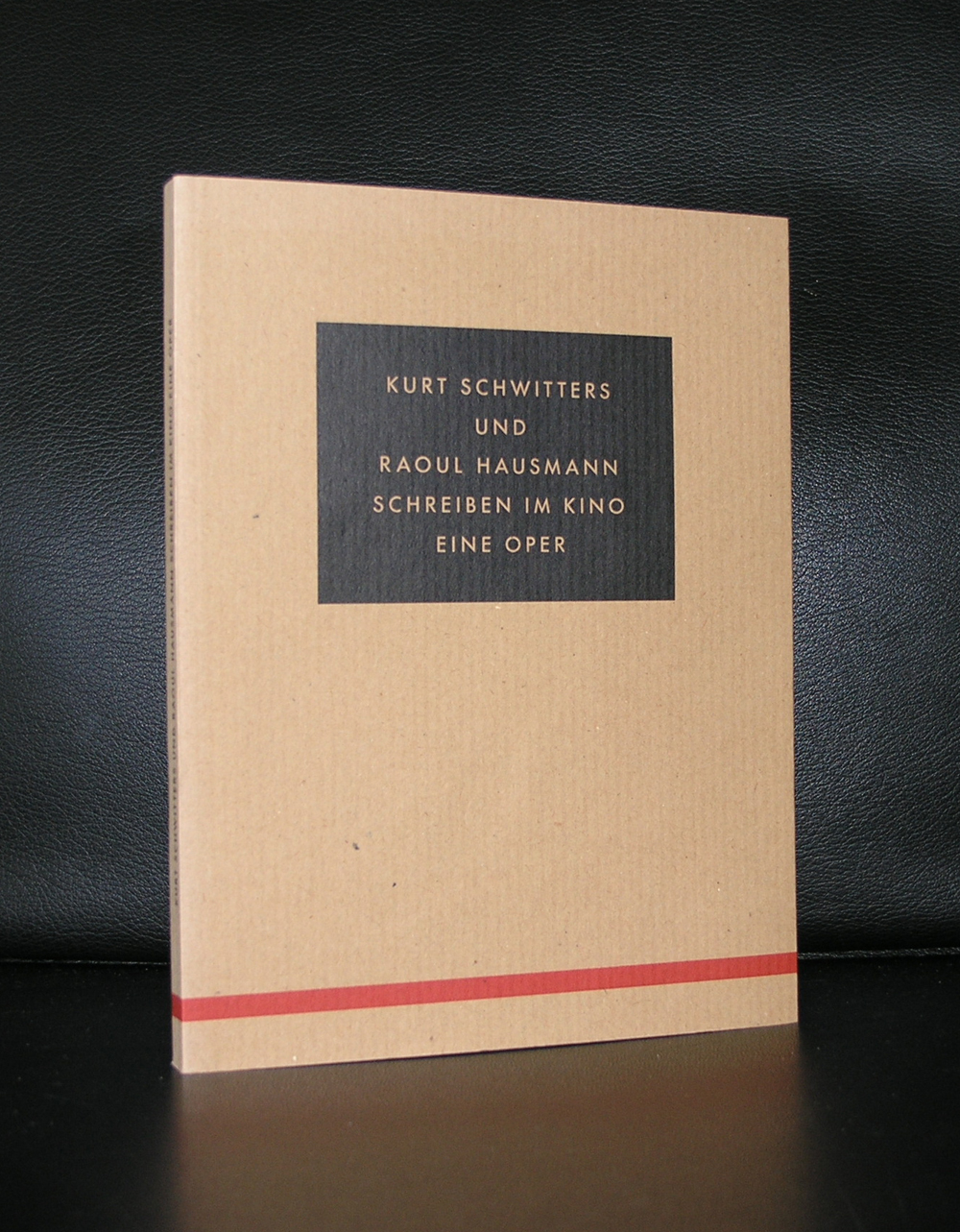
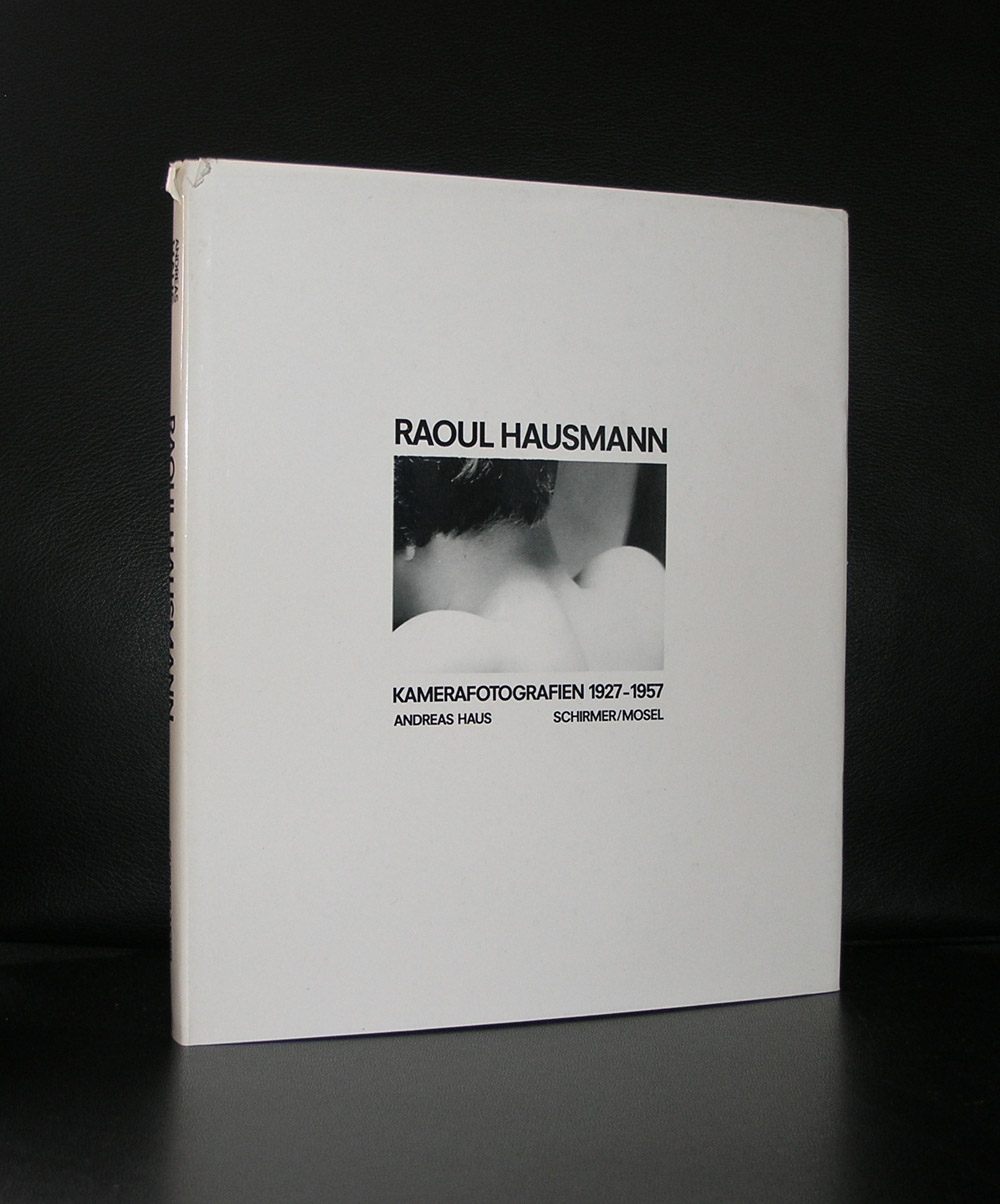
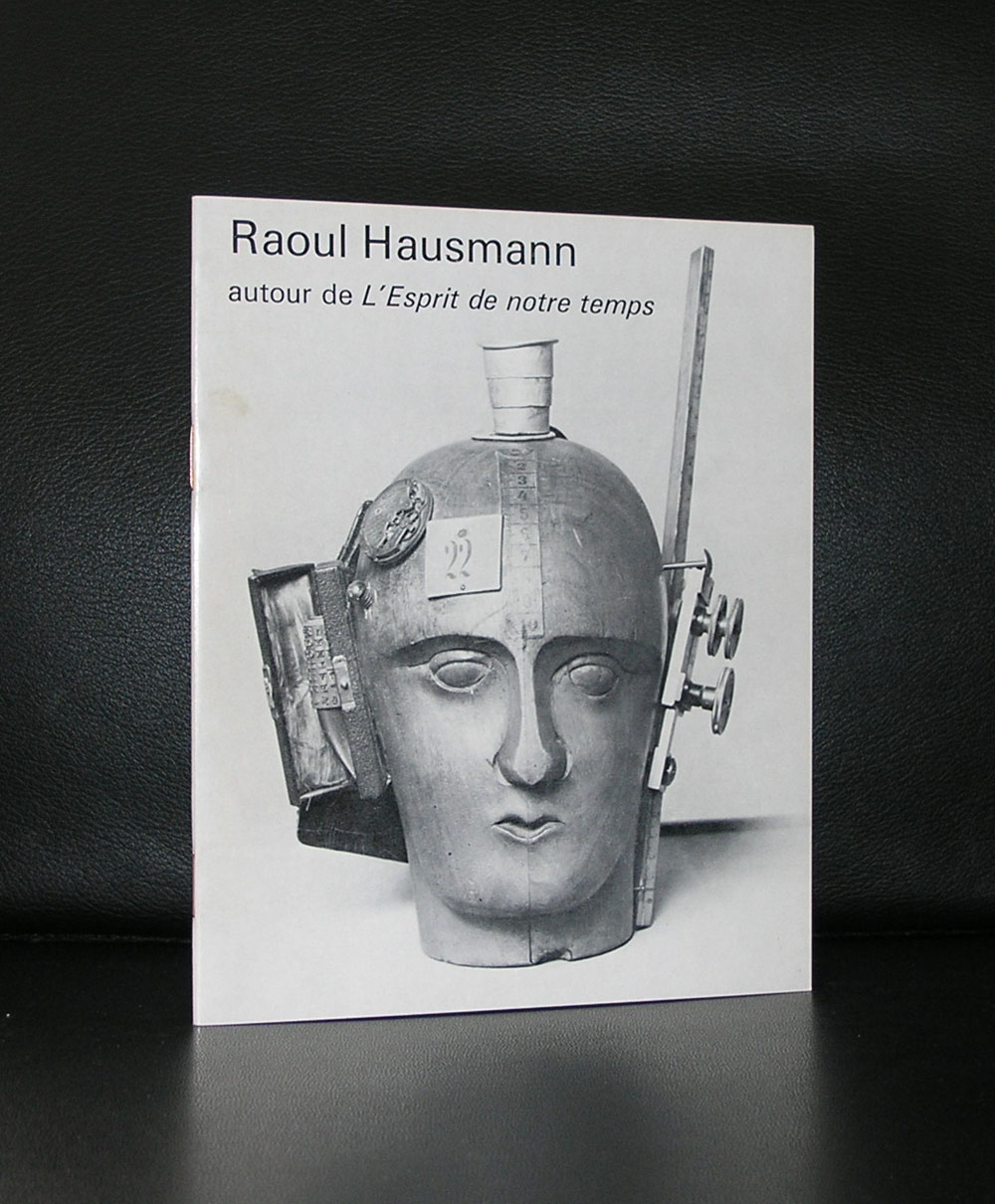
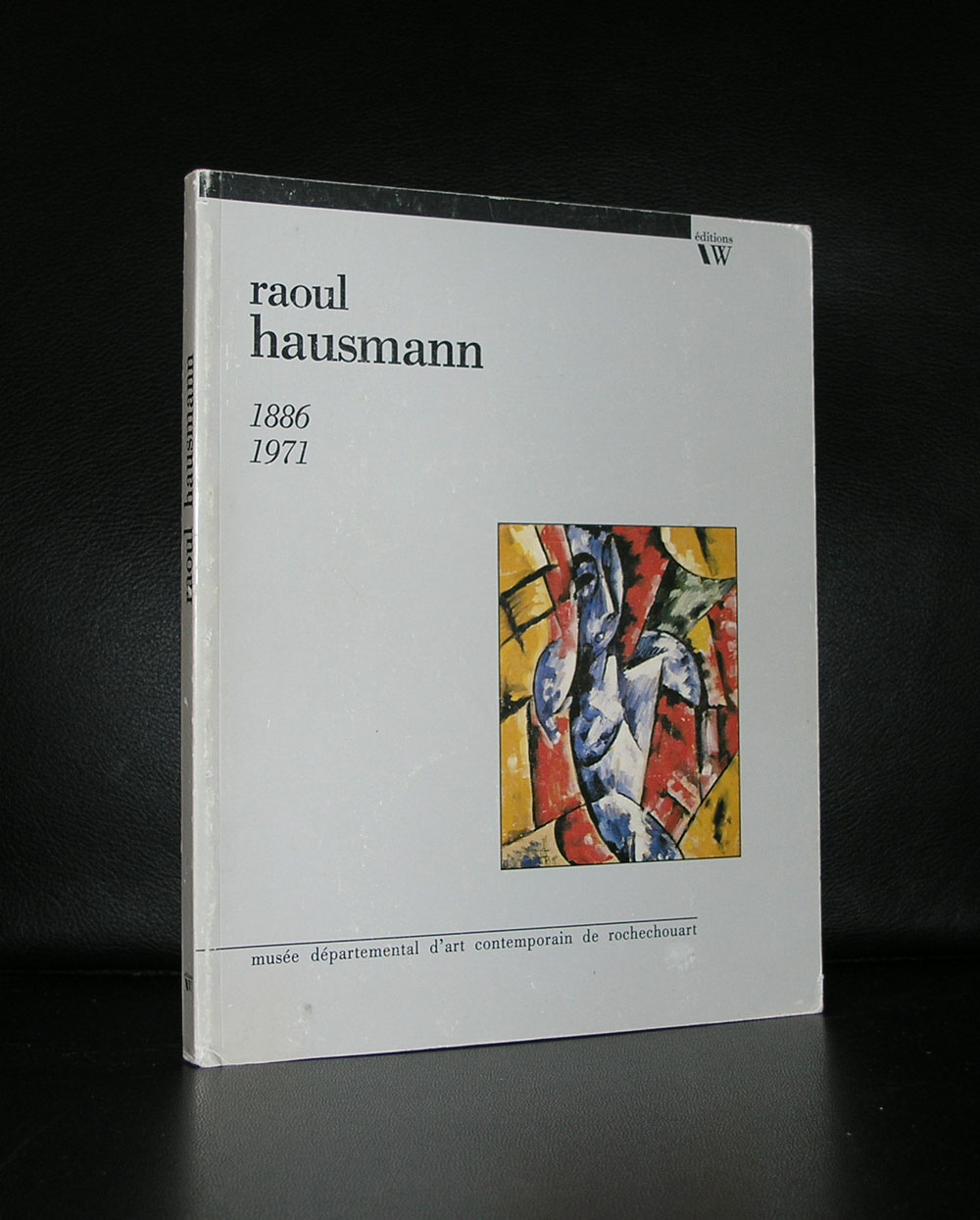
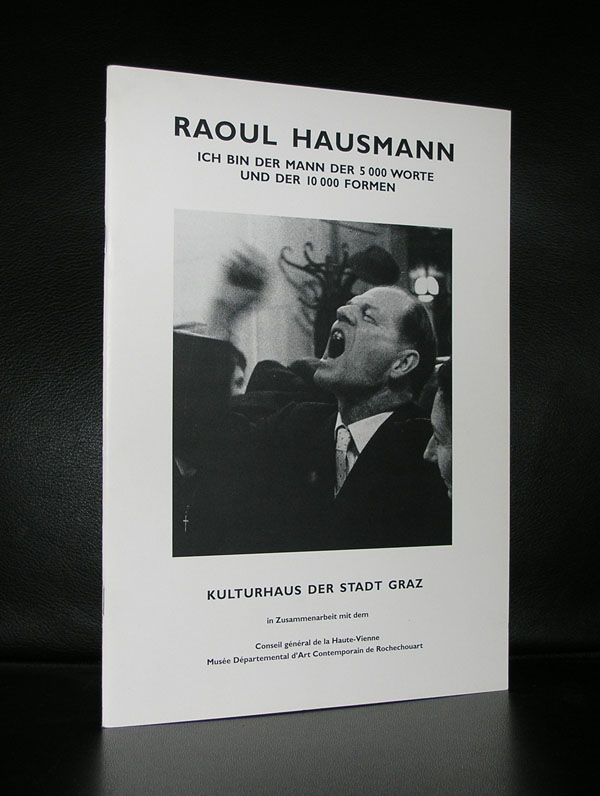
For me Hausmann stands for Dada and photomontages. He , together with Hannah Hoch ( his longtime lover) developed a style of photomontages typical for Dada. Combining classical elements together with industrial elements set on o a colorful background these photomontages are among the very best from that period.
The photomontage became the technique most associated with Berlin Dada, used extensively by Hausmann, Höch, Heartfield, Baader and Grosz, and would prove a crucial influence on Kurt Schwitters, El Lissitsky and Russian Constructivism. It should also be pointed out that Grosz, Heartfield and Baader all laid claim to having invented the technique in later memoirs, although no works have surfaced to justify these claims.
At the same time, Hausmann started to experiment with sound poems he called “phonemes”] and “poster poems”, originally created by the chance lining up of letters by a printer without Hausmann’s direct intervention. Later poems used words which were reversed, chopped up and strung out, then either typed out using a full range of typographical strategies, or performed with boisterous exuberance. Schwitters’ Ursonate was directly influenced by a performance of one of Hausmann’s poems, “fmsbwtazdu”, at an event in Prague in 1921.
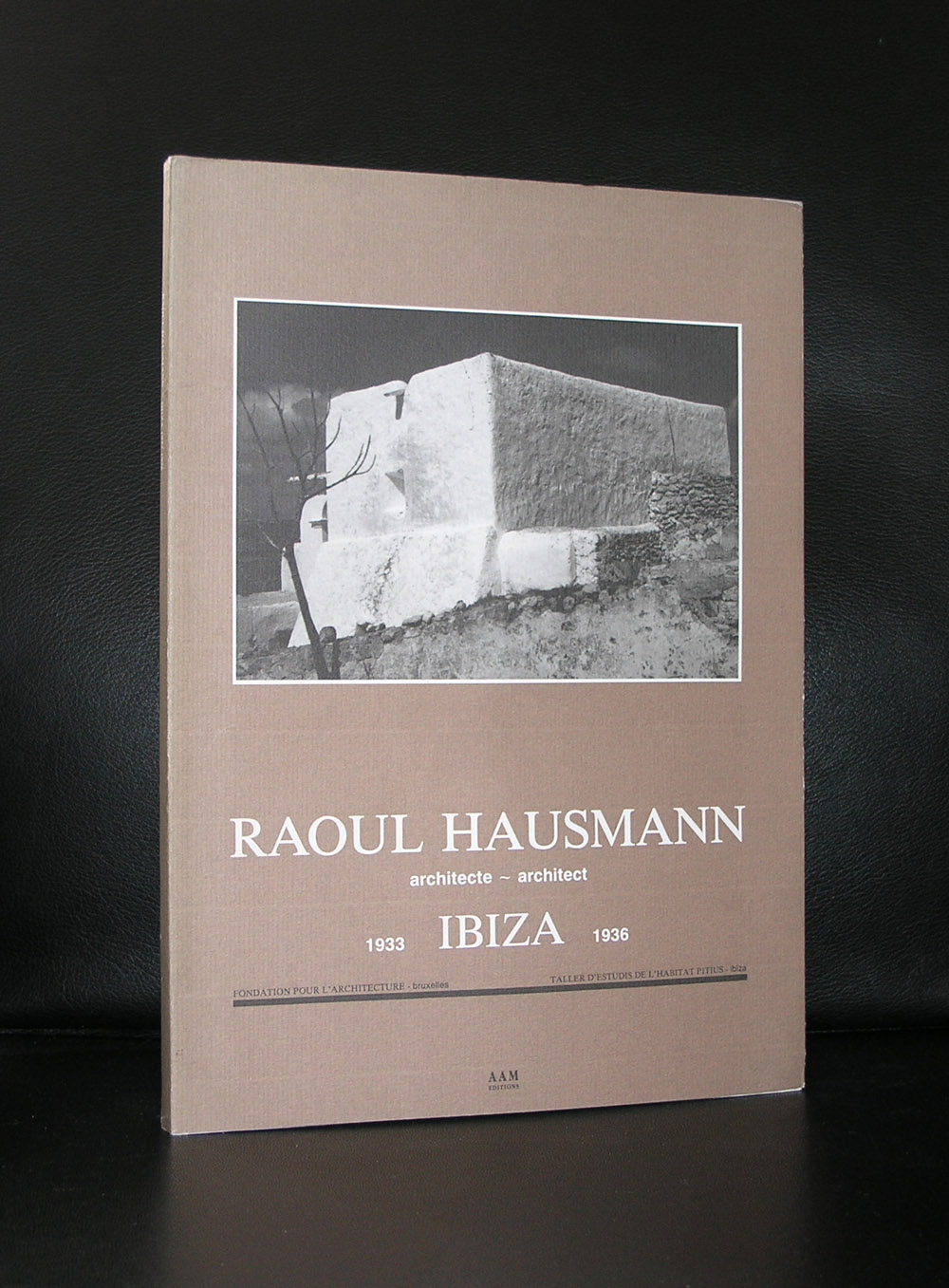
Raoul Hausmann and Dada publications are both available at www.ftn-books.com
A 100% percent Cobra artist who has almost been forgotten by the public is Lotti van der Gaag. She began with sculpture on advise of Bram Bogart with who she was living in the late 40’s. In 1950 she moved to Paris where she met Karel Appel and Corneille with whom she stayed befriended during her entire life although Corneille had his objections of her joining the COBRA group. In 1974 she started with painting using the same fantasy figures she already had developed in her sculpture. When you look at these early paintings you can only draw one conclusion….Lotti van der Gaag is a Cobra artist!
What i did not know is that she was married to Kees van Bohemen , who has made a name for his abstract expressionist paintings in dutch art. www.ftn-books has a few Lotti van der Gaag publications.
Artist/ Author: Oliver Boberg
Title : Memorial
Publisher: Oliver Boberg
Measurements: Frame measures 51 x 42 cm. original C print is 35 x 25 cm.
Condition: mint
signed by Oliver Boberg in pen and numbered 14/20 from an edition of 20











div,ul,li{margin:0;padding:0;}.abgc{display:block;height:15px;overflow:hidden;position:absolute;right:17px;top:1px;text-rendering:geometricPrecision;width:15px;z-index:9020;}.abgb{display:block;height:15px;width:15px;}.abgc,.abgcp,.cbb {opacity: 0;}.jar .abgc,.jar .abgcp,.jar .cbb {opacity: 1;}.jaa .abgc,.jaa .abgcp,.jaa .cbb {display: none;}.abgc{cursor:pointer;}.cbb{cursor:pointer;height:15px;width:15px;z-index:9020;}.cbb svg {position: absolute;top: 0;right: 0;height: 15px;width: 15px;}.cbb .cbbbg {fill-opacity:1.0;fill:#ffffff;stroke:none;}.cbb .cbbcross {stroke: #00aecd;stroke-width: 1.25;}.cbb:hover{cursor:pointer;}.cbb:hover .cbbbg {fill: #58585a;}.cbb:hover .cbbcross {stroke: #ffffff;}.abgb{position:absolute;right:0px;top:0px;}.cbb{position:absolute;right:1px;top:1px;}.abgc img{display:block;}.abgc svg{display:block;}.abgs{display:none;height:100%;}.abgl{text-decoration:none;}.abgi{fill-opacity:1.0;fill:#00aecd;stroke:none;}.abgbg{fill-opacity:1.0;fill:#ffffff;stroke:none;}.abgtxt{fill:black;font-family:'Arial';font-size:100px;overflow:visible;stroke:none;}.abgac{position:fixed;left:0px;top:0px;z-index:9100;display:none;width:100%;height:100%;background-color:#FAFAFA;}var abgp={hw:15,sw:75,hh:15,sh:15,himg:'https://tpc.googlesyndication.com'+'/pagead/images/adchoices/icon.png',simg:'https://tpc.googlesyndication.com'+'/pagead/images/adchoices/en.png',alt:'AdChoices',t:'AdChoices',tw:53,t2:'',t2w:0,tbo:0,att:'adchoices',ff:'',halign:'right',fe:false,iba:false,lttp:true,uic:true,uit:true,ci:'',icd:{"creatives":[],"height":90,"width":728,"attribution":{"user_feedback_data":{"mute_icon_url":"https://googleads.g.doubleclick.net/pagead/images/mtad/x_blue.png","pub_feedback_icon_url":"https://googleads.g.doubleclick.net/pagead/images/mtad/x_blue.png","conversion_url":"https://googleads.g.doubleclick.net/pagead/conversion/?ai=COrCPdMthWpf1DIWZ3gPsk6xQs-S0gVCW94K1swbRh_bTswkQASDI1vUZYJGsnoWMGKABzajX1QPIAQLgAgCoAwHIA5kEqgTcAU_QzrKVbip7NFgPHQXLlv_NrqPeEhmIiok3WaHUZ_uTCE995Kr3DTieQRvKsjZ_syiR3axPIkDSiRx-2ZmVDNEcj5C6RR0g4RDKh32KIVw_aw5icmXH-EXOVPzNmG73-vQB0p0BqH5kr4YRrTjJPHB8AIA9ce8yXVXUPRxKlkRW9FAqG2zusTAZZYdVlEWAD4DvCy9pY7JwRSCO1nBZnjj9_wvUEZTCRcFJRxZpFzRq87HYMyZSNimpiiz85q9EpYzNScOE5UUO3ILd5QukiyllTEDpgmGOBkbkfRjgBAGgBgKAB5vXqCqoB6a-G9gHAdIIBwiAYRABGAGxCfiDTwRYdS1OgAoD2BMM\u0026sigh=NzAWsnd_19A","close_button_token":"qTwe1oPqH-sIlveCtbMGEPKyh-0DGLOKjysiGHd3dy5maXNoZXJpbnZlc3RtZW50cy5ldTIICAUTGNC9EhRCF2NhLXB1Yi00MTc3ODYyODM2NTU1OTM0SAZYAnAB","interaction_conversion":{"label":"user_feedback_menu_interaction","label_instance":"","include_close_button_token":false},"survey_header":"What was wrong with this ad?","back_icon_url":"https://googleads.g.doubleclick.net/pagead/images/mtad/back_blue.png","mute_confirmation_header":"Thanks for the feedback!","mute_confirmation_text":"We’ll review this ad to improve your experience in the future.","pub_feedback_confirmation_header":"Thanks for the feedback!","pub_feedback_confirmation_text":"We’ll use your feedback to review ads on this site.","encoded_cookie":"CAASEuRoxLPwFsuH9Lk7GII3Yj85Ug","closing_countdown_text":"Closing ad: %1$d","attribution_text":"AdChoices","attribution_icon_url":"https://googleads.g.doubleclick.net/pagead/images/mtad/ad_choices_blue.png","attribution_destination_url":"https://www.google.com/url?ct=abg\u0026q=https://www.google.com/adsense/support/bin/request.py%3Fcontact%3Dabg_afc%26url%3Dhttps://www.nytimes.com/2018/01/16/arts/design/van-gogh-new-drawing.html%26gl%3DNL%26hl%3Den%26client%3Dca-pub-4177862836555934%26ai0%3DCOrCPdMthWpf1DIWZ3gPsk6xQs-S0gVCW94K1swbRh_bTswkQASDI1vUZYJGsnoWMGKABzajX1QPIAQLgAgCoAwHIA5kEqgTcAU_QzrKVbip7NFgPHQXLlv_NrqPeEhmIiok3WaHUZ_uTCE995Kr3DTieQRvKsjZ_syiR3axPIkDSiRx-2ZmVDNEcj5C6RR0g4RDKh32KIVw_aw5icmXH-EXOVPzNmG73-vQB0p0BqH5kr4YRrTjJPHB8AIA9ce8yXVXUPRxKlkRW9FAqG2zusTAZZYdVlEWAD4DvCy9pY7JwRSCO1nBZnjj9_wvUEZTCRcFJRxZpFzRq87HYMyZSNimpiiz85q9EpYzNScOE5UUO3ILd5QukiyllTEDpgmGOBkbkfRjgBAGgBgKAB5vXqCqoB6a-G9gHAdIIBwiAYRABGAGxCfiDTwRYdS1OgAoD2BMM\u0026usg=AFQjCNGDntEIeHT_fHpOyLy31H_6zUFNaw","ad_feedback_icon_url":"https://googleads.g.doubleclick.net/pagead/images/mtad/x_blue.png","is_rtl_language":false,"feedback_options":[{"text":"Stop seeing this ad","conversion":{"label":"user_feedback_menu_option","label_instance":"1","include_close_button_token":true},"survey":{"header":"What was wrong with this ad?","options":[{"text":"Not interested in this ad","conversion":{"label":"mute_survey_option","label_instance":"7","include_close_button_token":true}},{"text":"Seen this ad multiple times","conversion":{"label":"mute_survey_option","label_instance":"2","include_close_button_token":true}},{"text":"Ad covered content","conversion":{"label":"mute_survey_option","label_instance":"3","include_close_button_token":true}},{"text":"Ad was inappropriate","conversion":{"label":"mute_survey_option","label_instance":"8","include_close_button_token":true}}]},"undo_conversion":{"label":"user_feedback_undo","label_instance":"1","include_close_button_token":true}}],"mute_panel_data":{"adchoices_icon_url":"https://googleads.g.doubleclick.net/pagead/images/adchoices/iconx2-000000.png","adchoices_button_text":"AdChoices","closed_message_text":"Ad closed by %1$s","enable_lightbox":false,"google_logo_url":"https://www.gstatic.com/images/branding/googlelogo/2x/googlelogo_dark_color_84x28dp.png)