Posted on Leave a comment

Gerrit Benner (1897-1981)

Schermafbeelding 2018-02-10 om 11.40.00

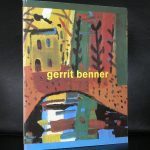
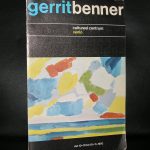
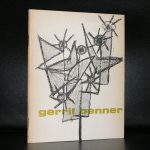
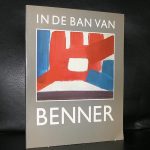
One of my first blogs was devoted to the museum Belvedere where i encountered some wonderful paintings by Gerrit Benner. This blog is solely devoted to Benner because he deserves it. His paintings are among the first abstract paintings which still hold a link with realism in the Netherlands . These paintings are definitely inspired by nature. Skies, meadows and even an abstract cow can be determined in the compositions. Benner is a painter “pur sang” who’s works are rooted in the dutch tradition of abstract paintings. For instance Mondrian used these abstracted landscapes in his own painting from the early 20th century.
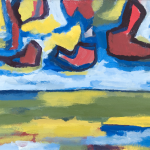
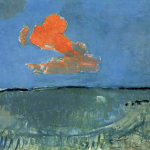
on the left a painting by Benner with Red cloud on the right Landscape with Red cloud by Piet Mondriaan

Benner is a great painter who deserves to be known outside the Netherlands and for those visiting the Netherlands. When you visit the Stedelijk, Gemeentemuseum, Belvedere and Museum Twente you surely will encounter a Benner painting in their permanent collections.

There are some very nice Benner publications available at www.ftn-books.com
Posted on Leave a comment

Manfred Mohr (1938)


Schermafbeelding 2018-02-09 om 16.45.44

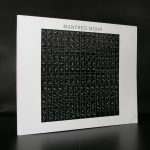
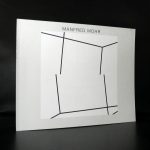
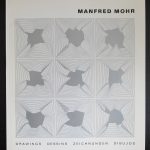
Another discovery from the Josef Albers Museum/Quadrat Bottrop is the artist Manfred MOhf of whom i had not heard until 8 years ago, but who i discovered at the Quadrat Museum, because they had some very nice limited prints available. Later i remembered that he also featured within the Blank Page set which i acquired some 25 years ago for my personal collection.

mohr bp a

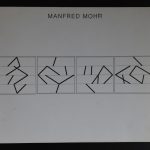
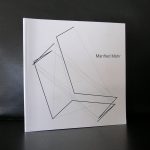
Mohr is a digital Art pioneer and strangely enough this has no relation at all with his early years as an artist in which he was a jazz musician and action painter. I really love the works by Mohr, because they look simple compositions and almost the same , but when you look at the closely you will notice the difference and subtle changes which result in a completely different composition.

The publications by MOhr have all the same qualities. Oblong sized and showing these little differences in sequence resulting in a different composition. I love these kind of books. Small editions, artist like books, in most cases designed by the artist and really showing what the art is about and www.ftn-books.com has some of these books by Mohr available.

Posted on Leave a comment

Auguste Rodin (1840-1917)

Schermafbeelding 2018-01-08 om 16.12.53

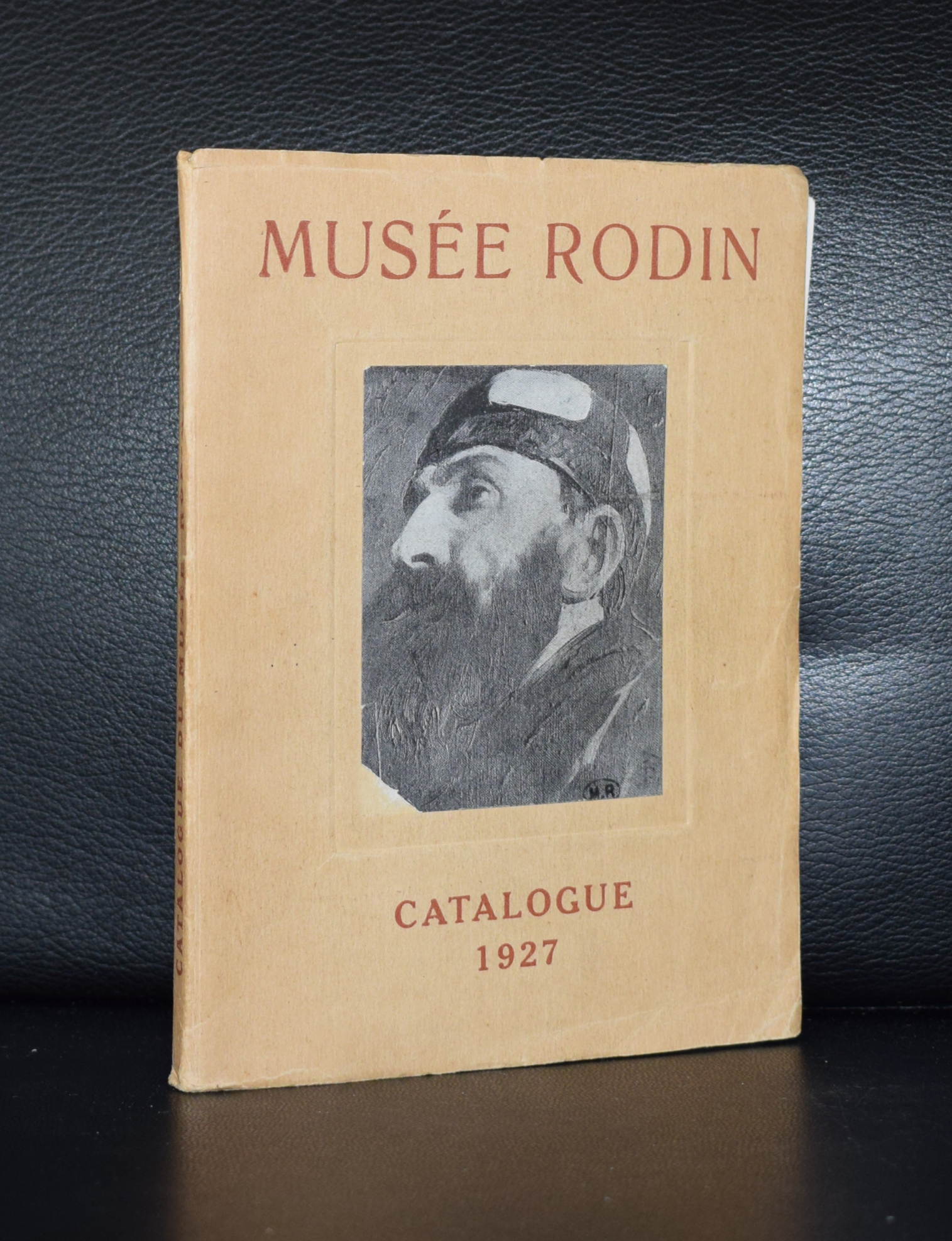
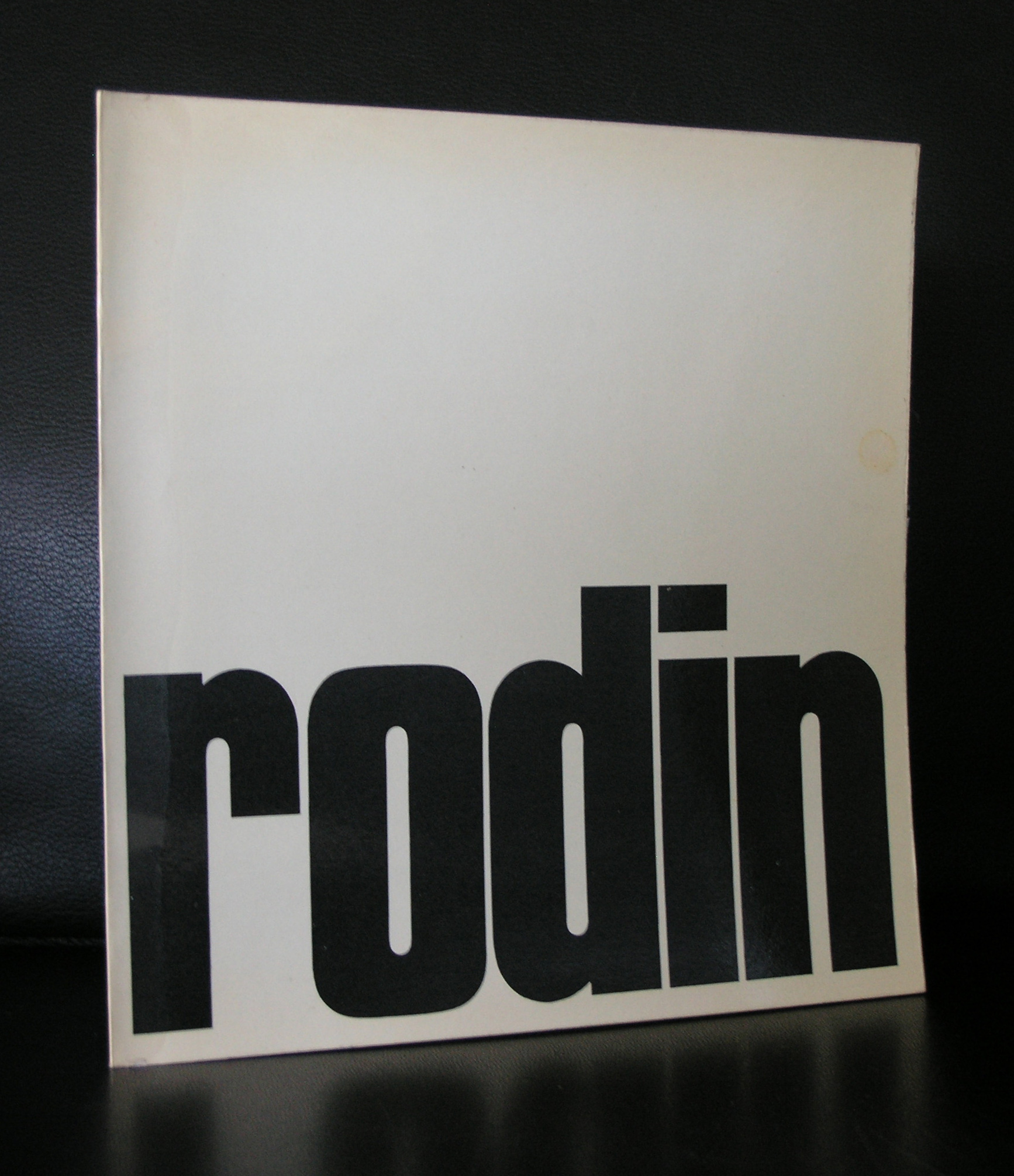
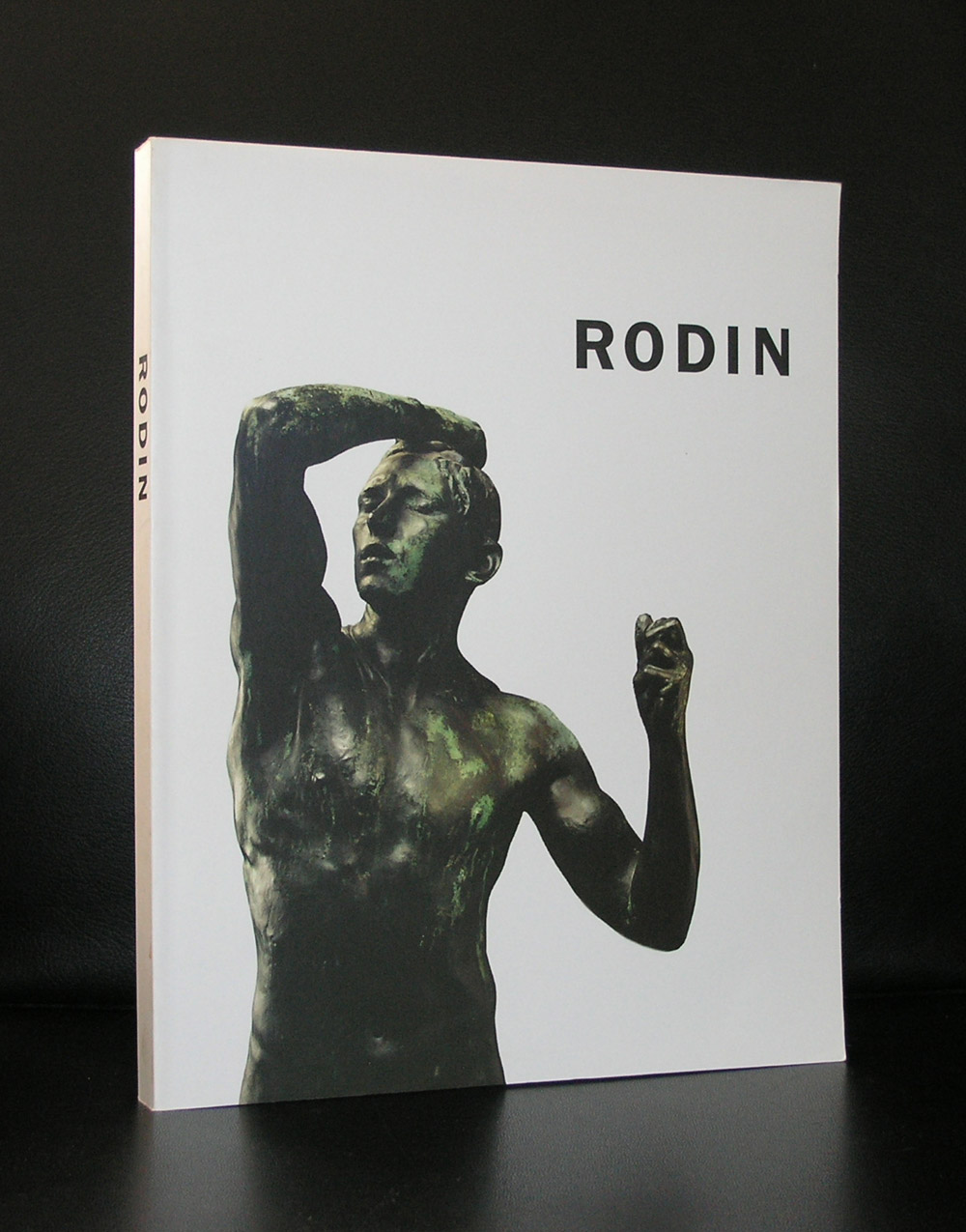
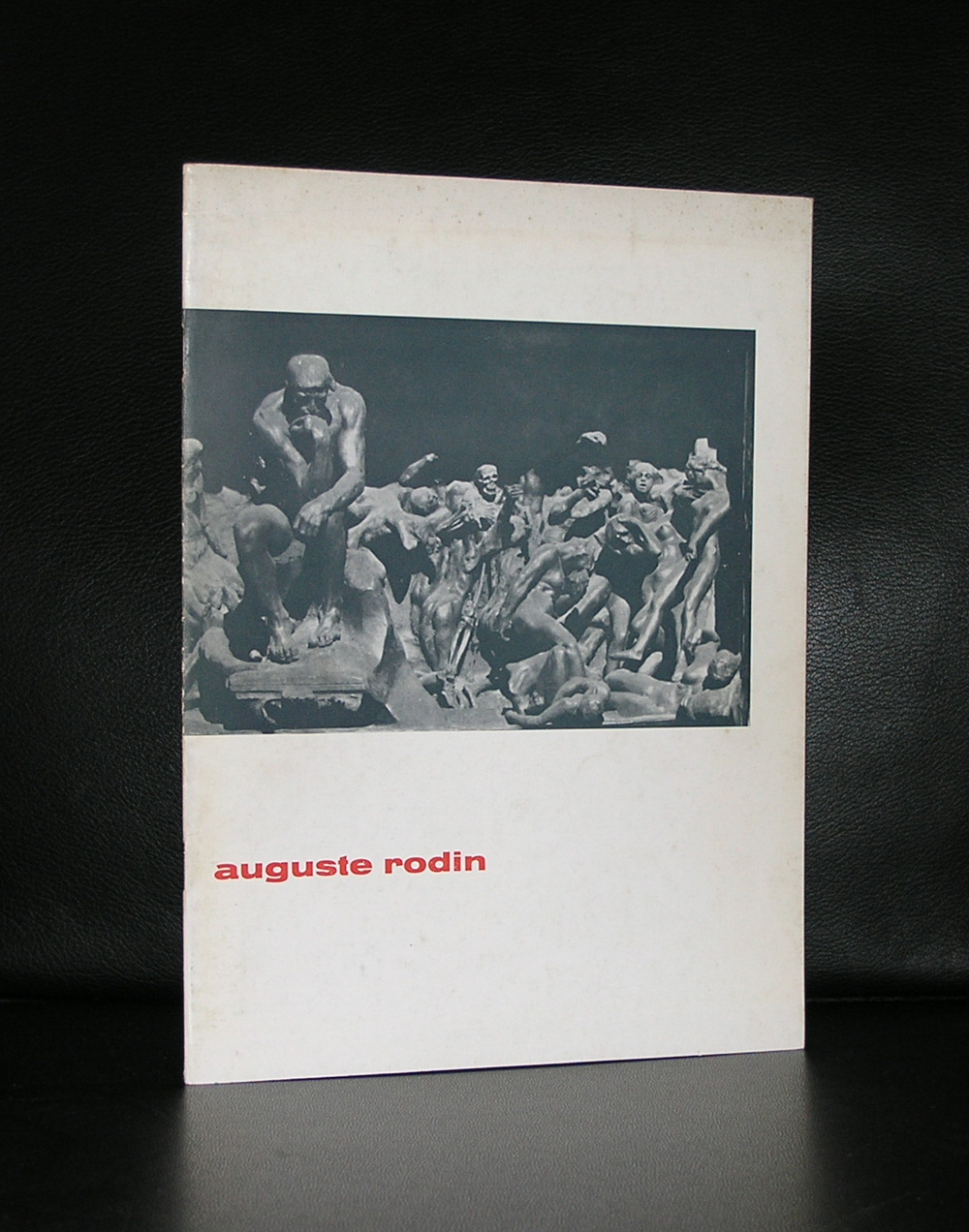
Here si a classic sculptor who paved the way for modern sculpture. You just have to visit the Rodin museum in Paris to find the most beautiful Rodin sculptures all assembled into one place and find the “studies” among them. Look at them closely …travel in time some 50 years ahead and find parts of Henri Moore and Brancusi in them. Rodin was a genius and the dutch are lucky to have some great Rodin sculptures in public collections. There are statues in the Gemeentemuseum Den Haag and the Stedelijk Museum and there are 7 sculptures by Rodin collected by Mr. and Mrs Singer which are frequently on show at the Singer Museum in Laren. The most important one is a smaller sized “THINKER” statue.

Schermafbeelding 2018-01-08 om 16.18.05

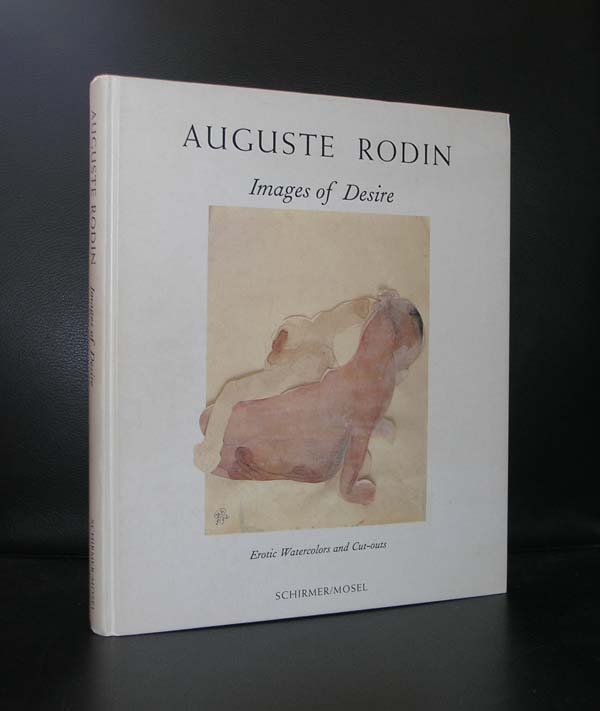
Beside the statues , Rodin made some very impressive  (erotic) watercolors. Studies of bodies which also have an abstract quality.

Rodin erotic

There are publications on Rodin available at www.ftn-books.com

Posted on Leave a comment

William Klein (1928) a master of abstract photography

Schermafbeelding 2018-02-07 om 13.49.11

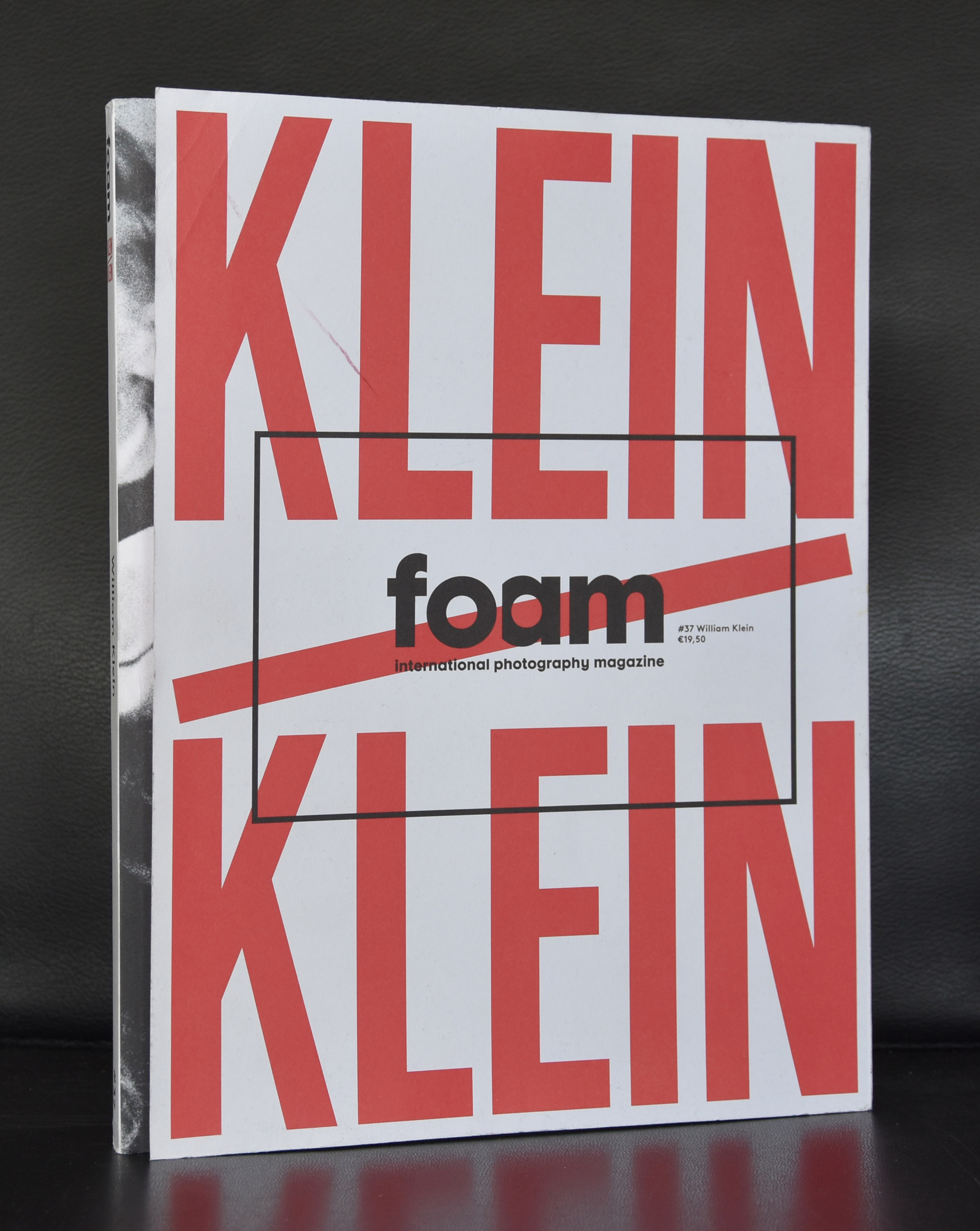
I found an excellent biography on Artnet on William Klein, but for me the importance of Klein is the fact that William Klein made a stunning catalogue together with Wim Crouwel for his 1967 exhibition in the Stedelijk Museum Amsterdam. The catalogue has some very bold typography and the use of the bright yellow in contrast with the black and white photograph in the back makes it for me a classic. Here is the Artnet bio.

OLYMPUS DIGITAL CAMERA

William Klein is an American artist known for his unconventional style of abstract photography depicting city scenes. Although similar in subject matter to other street photographers such as Diane Arbus and Saul Leiter, as well as fashion photographers Irving Penn and Richard Avedon, Klein’s images break from established modes. “I came from the outside, the rules of photography didn’t interest me. There were things you could do with a camera that you couldn’t do with any other medium—grain, contrast, blur, cock-eyed framing, eliminating or exaggerating grey tones and so on,” he reflected. “I thought it would be good to show what’s possible, to say that this is as valid of a way of using the camera as conventional approaches.” Born on April 19, 1928 in New York, NY, Klein studied painting and worked briefly as Fernand Léger’s assistant in Paris, but never received formal training in photography. His fashion work has been featured prominently in Vogue magazine, and has also been the subject of several iconic photo books, including Life is Good and Good for You In New York (1957) and Tokyo (1964). In the 1980s, he turned to film projects and has produced many memorable documentary and feature films, such as Muhammed Ali, The Greatest (1969). Klein currently lives and works in Paris, France. His works are held in the collections of The Museum of Modern Art in New York, the National Gallery of Art in Washington, D.C., and the Art Institute of Chicago, among others.

There are more titles on or with contributions by William Klein available at www.ftn-books.com

Posted on Leave a comment

Richard Long (1945)

Schermafbeelding 2017-11-04 om 14.45.16

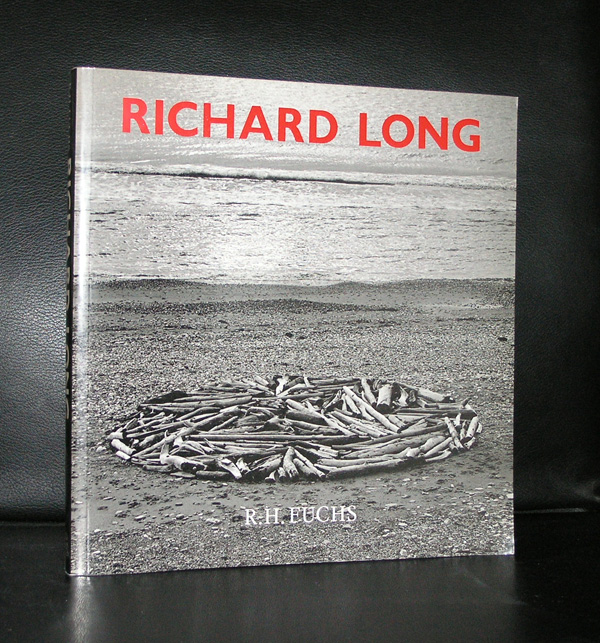
Hamish Fulton and Richard Long…. Two artist who i learned to appreciate in the time that Rudi Fuchs was director at the Gemeentemuseum. Long was nominated 4 times for the prestigious Turner price , but only won it once in 1989 for White Water Line.

Schermafbeelding 2017-11-04 om 14.50.29

Since i first saw works and publications i have seen Richard Long his works on many occasions and one of the most recent ones was at the Guggenheim Bilbao museum. Each time the lines, circles and labyrinths look random, but this is not true. The placement of the stones and paint is strict and makes it free whitin the object , but it has very strict boundaries making it perfectly shaped. The way each work is created is described and laid down in drawings i a way that each work can be re-cretaed at any other place than it was first was created. It is somewhat the saem as with the walldrawings by Sol LeWitt who uses the same method . The art work is the sketch/drawing and materials and can be re-created anywhere as long as you have the original drawing belonging to the work.

What makes Richard Long stand out from other contemporary artists is that many of his publications are also artist books which hold beside the works, photography and word “sculptures” by Long and www.ftn-books.com has some of these titles available.

Posted on Leave a comment

Julian Opie (1958) ….between Pop Art and Minimalism.

Schermafbeelding 2018-02-06 om 15.07.05

Stylized paintings are a trademark of Julian Opie. In the Netherlands one would compare him with Joost Swarte who uses a thick outline for his drawings. With this he emphasizes his compositions and makes it look stylized, but still realistic.

He is a very influential figure on the British art scene in the 1980’s who created humourous art. His sculptures have been said to be a cross between architecture and art. His portraits had a pop art feel to them and his most famous piece is probably the cover of a Blur album. Julian Opie’s work is extremely distinctive and although many people have created pieces of work inspired by him, you can always tell that his work has been made by him from the block colors and simple facial features and the thick black lines. His minimalist portraits are so unique because of the simplicity of them.

On the left there is an example of Opie on the right there is an example of Swarte.If i must describe the portraits by Opie…these are simplified portraits of the essence of a face The same technique as Joost Swarte uses but less realistic and more suitable for the use in comics and illustrations.

www.ftn-books.com has some Julian Opie titles available

OLYMPUS DIGITAL CAMERA


Posted on Leave a comment

Walace Berman (1926-1976)

Schermafbeelding 2018-02-06 om 14.29.16

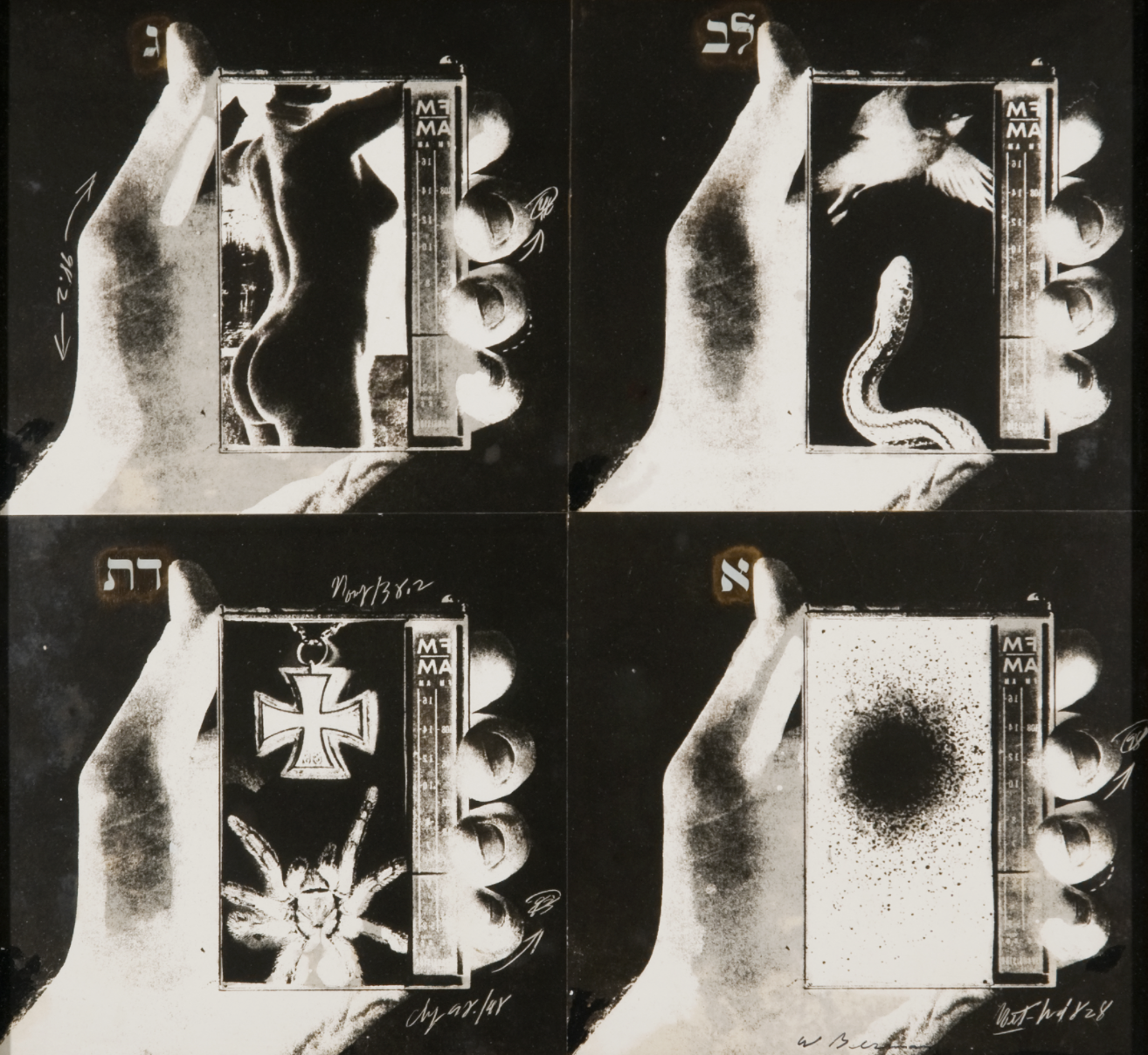
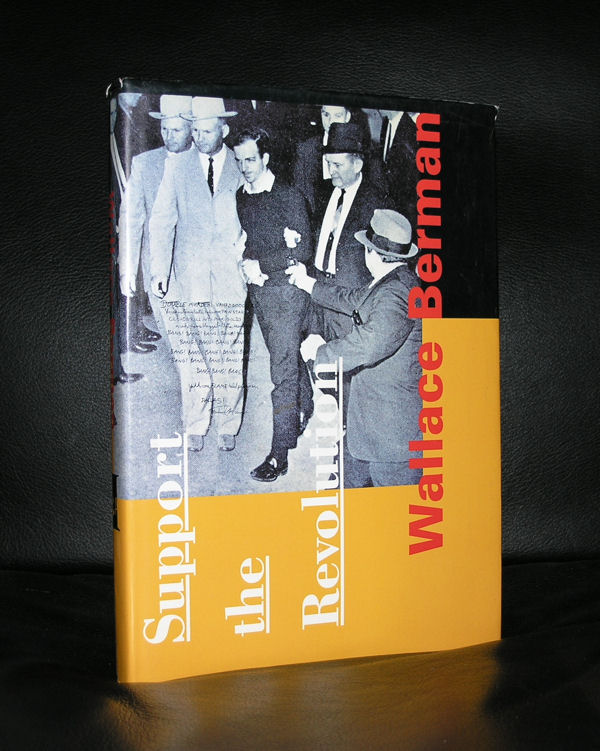
You have to dig in a little deeper to appreciate the art of Wallace Berman. Wallace Berman a Collage artist who was of great influence to 60’s art in California.

He was an American visual and assemblage artist and  has been called the “father” of assemblage art.

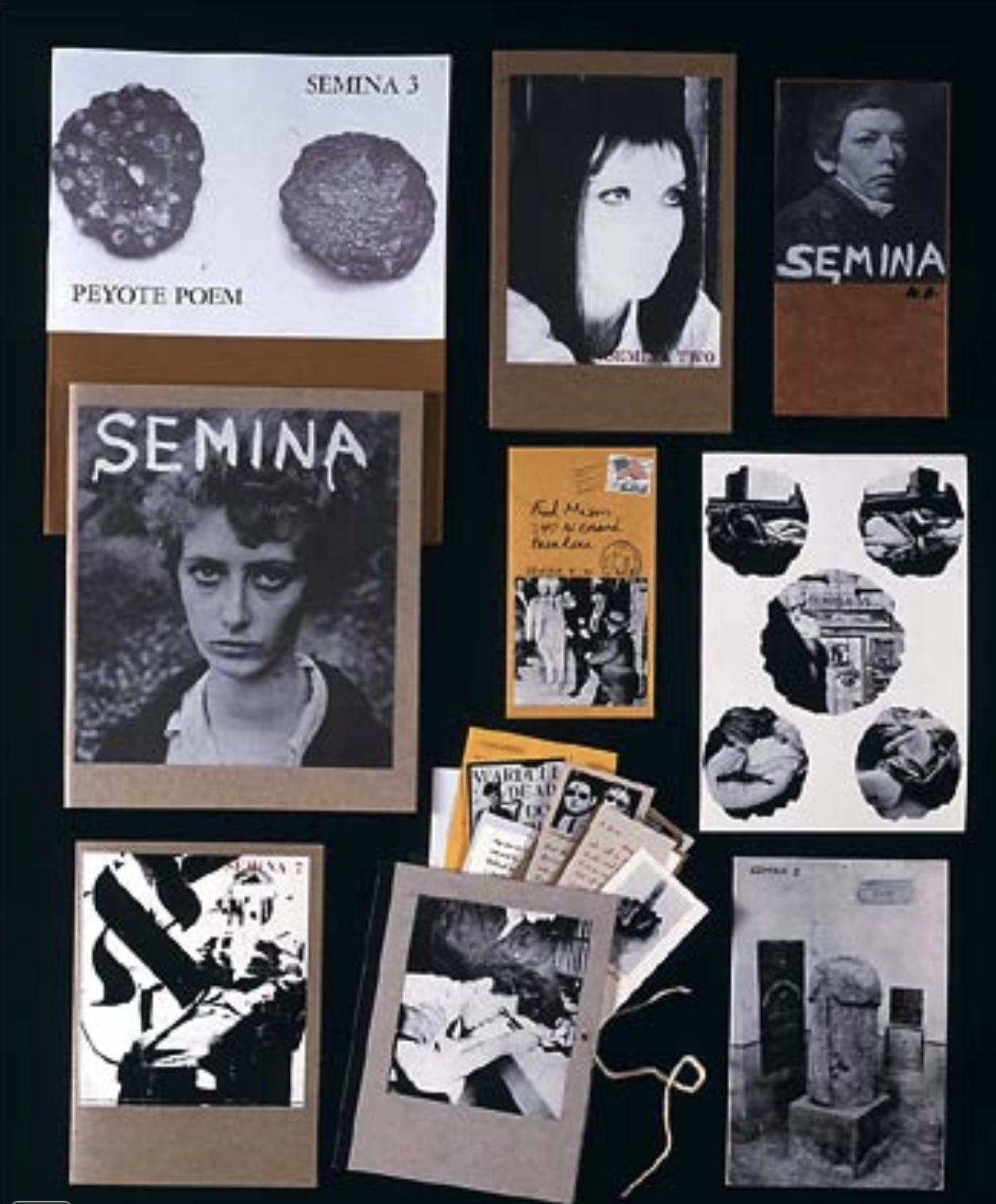
I started to take an interest in Berman when i first acquired an impressive title on Berman at a huge discount at de Slegte bookstores in the Netherlands. They had stacks and stacks of these books , because the Berman ICA exhibition was not popular at all and many of the printed books were unsold. Published in 1992, it is now 25 years ago and has not lost its importance. This is an excellent book on Berman and shows the qualities of Berman as an Underground artist and the publisher of the ground breaking magazine Semina of which only 9 issues were published .

This excellent Berman book which was published with the Berman / ICA Amsterdam exhibition was printed by the best printer (Lecturis), has an excellent design and typography and is considered by me as one of the best exhibition publications in the Netherlands from the 90’s.


Posted on Leave a comment

Eli Content (1943)

Schermafbeelding 2018-02-05 om 12.00.56

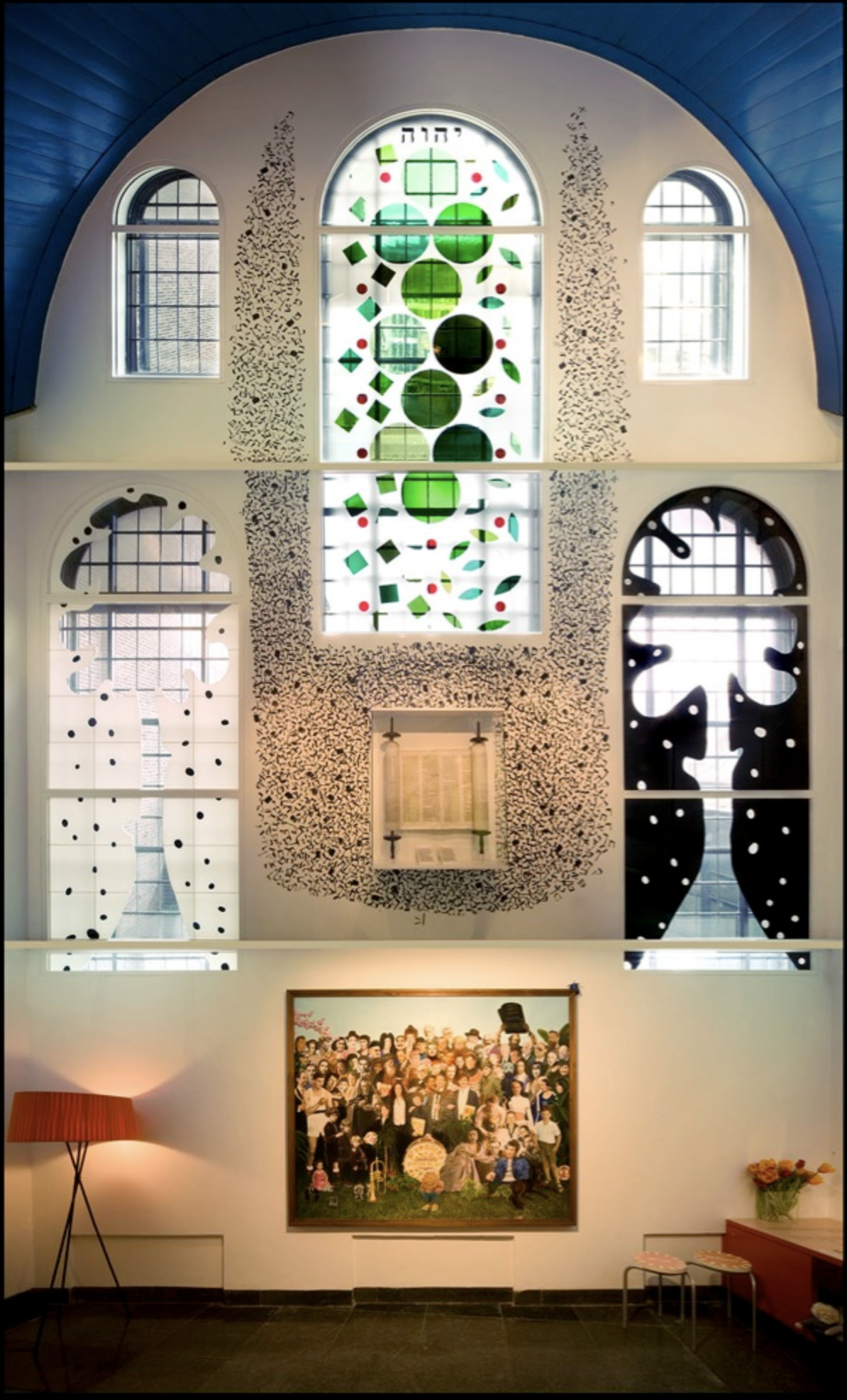
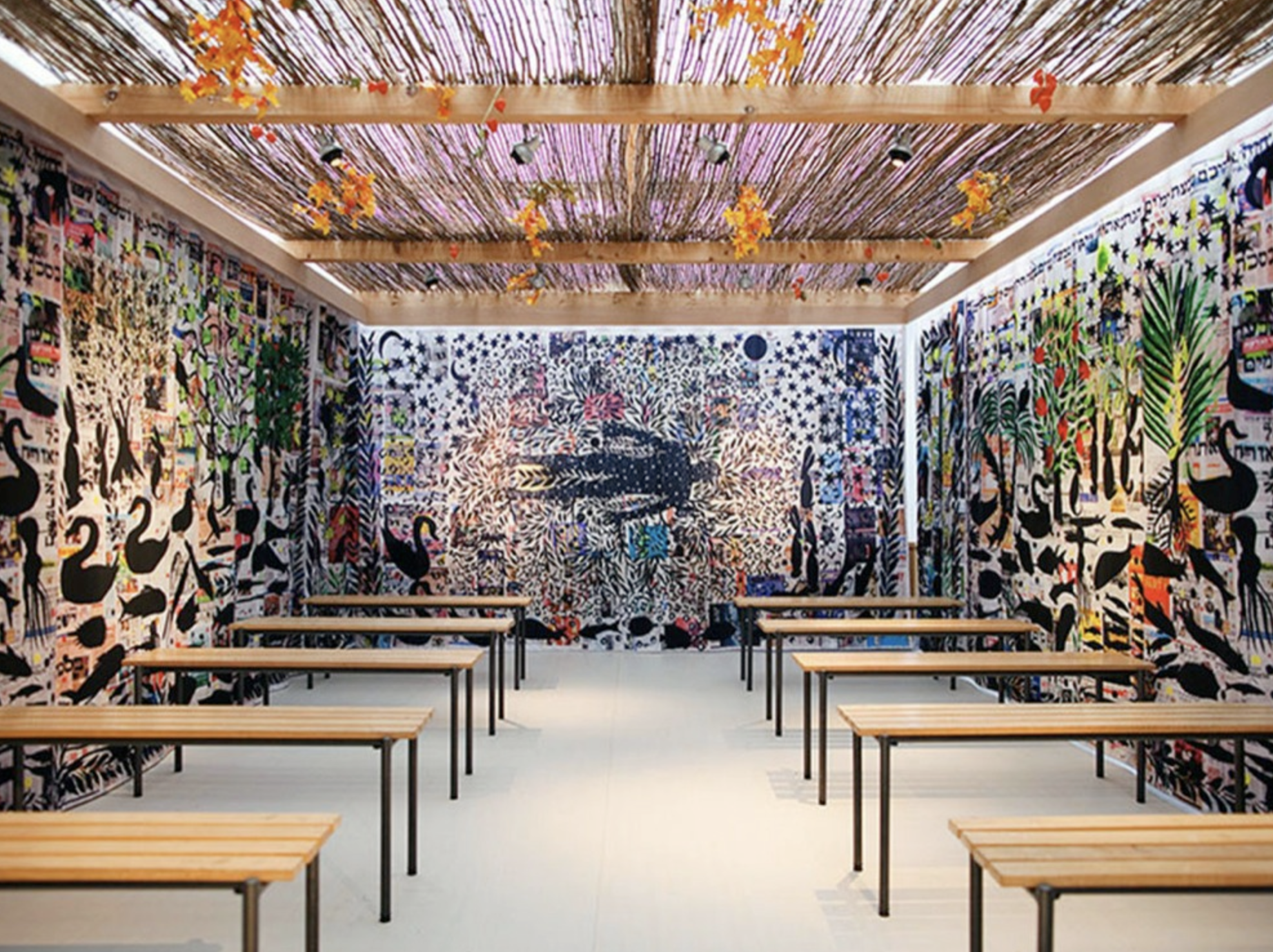
Eli Content …Born in Switzerland , but living for most of his life in Amsterdam, has become somehow a local known artist. He is world famous in Amsterdam. His art is rooted within the Jewish fate, but apart from that you can look at it without knowing that background and what is left is “pure” abstract painting. His commissions are in many cases religion related . For instance he decorated the Portugese Synagoge in Amsterdam and the titles of his work reflect in many cases his Jewish background.

Eli Content is represented by galerie Onrust in Amsterdam and www.ftn-books.com has one title on Content available.

content joods

Posted on Leave a comment

Pearl Perlmuter (1915-2008)

Schermafbeelding 2018-02-05 om 10.31.26

A forgotten artist she is. One  whom i stumbled upon when i listed some of Wessel Couzijn’s publications

https://wordpressstrato-pacfwc5kp0.live-website.com/2018/01/16/wessel-couzijn-ii-now-for-sale/

Pearl Perlmuter (New York, September 23, 1915 – Amsterdam, May 8, 2008) was a Dutch-American sculptor.
Pearl Perlmuter grew as the daughter of orthodox Eastern European Jews in New York City.

Schermafbeelding 2018-02-05 om 10.31.03
She studied law at Fordham University School of Law and attended evening classes sculptureat the prestigious Art Students League of New York (from 1940 to 1943 by William Zorach and from 1943 to 1945 by Ossip Zadkine).
She made at this time to know the painting of Willem de Kooning and Jackson Pollock, both representatives of the abstract expressionist movement.
In 1945 she met the Dutchman Wessel Couzijn, a Jew who had emigrated to the United States.
He had also registered at the Art Students League.
This meeting led to a marriage between the two in December 1945.
In 1946 Couzijn Wessel and his wife returned to Amsterdam, where they had hoped to build a career, but where it mostly Couzijn was that the orders received.
From 1963 to 1967 she taught at the Royal Academy of Art in The Hague and from 1977 to 1981 at the Academy of Art and Industry in Enschede.
In 2008 she died at the age of 92.


perlmuter

Publications on Perlmuter are scarce, but www.ftn-books.com has one publication available
Posted on Leave a comment

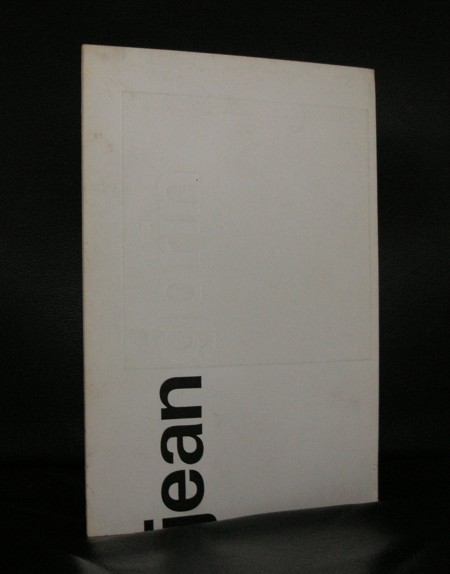
Jean Gorin (1899-1981) and Wim Crouwel

Schermafbeelding 2017-12-19 om 11.29.02

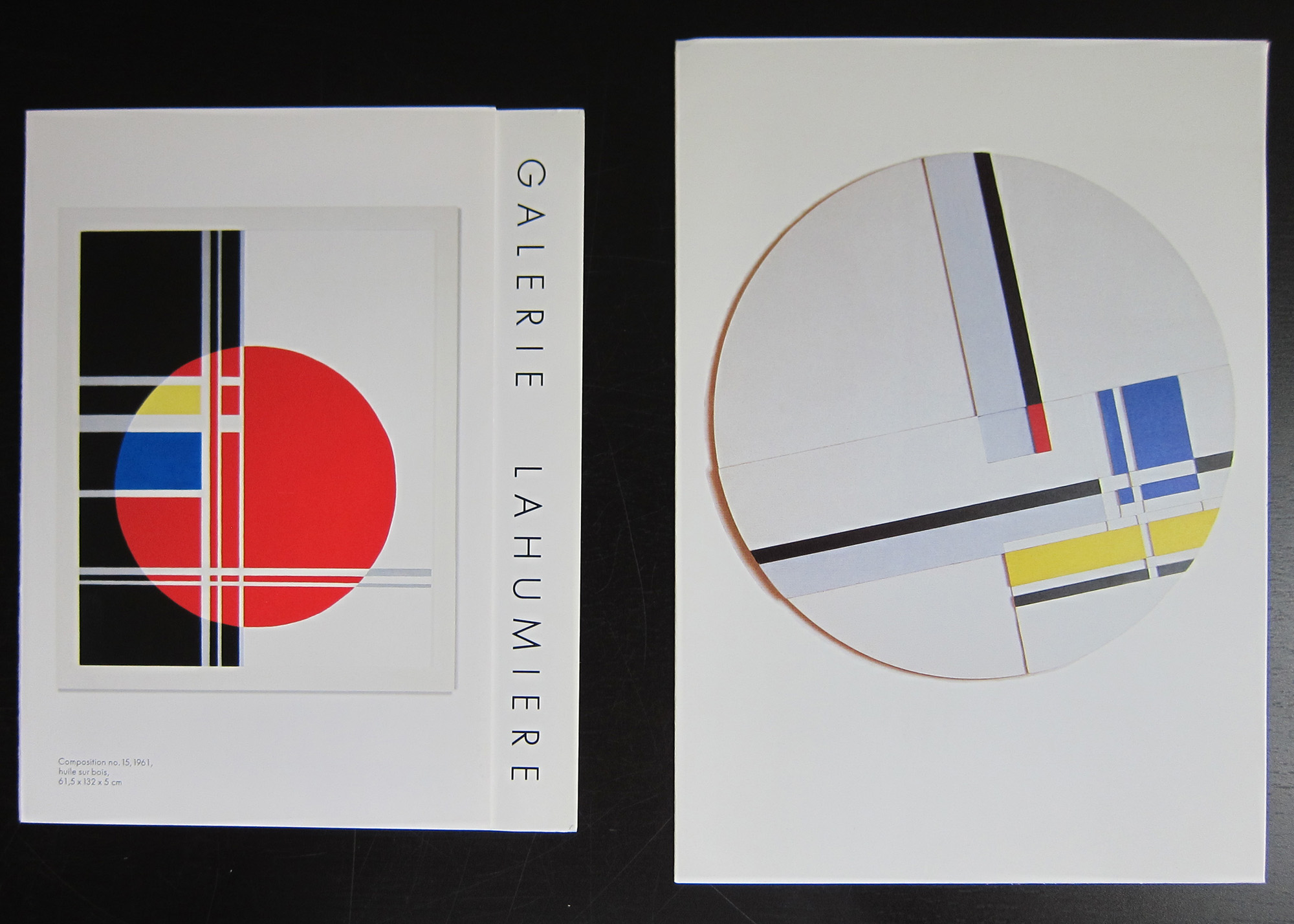
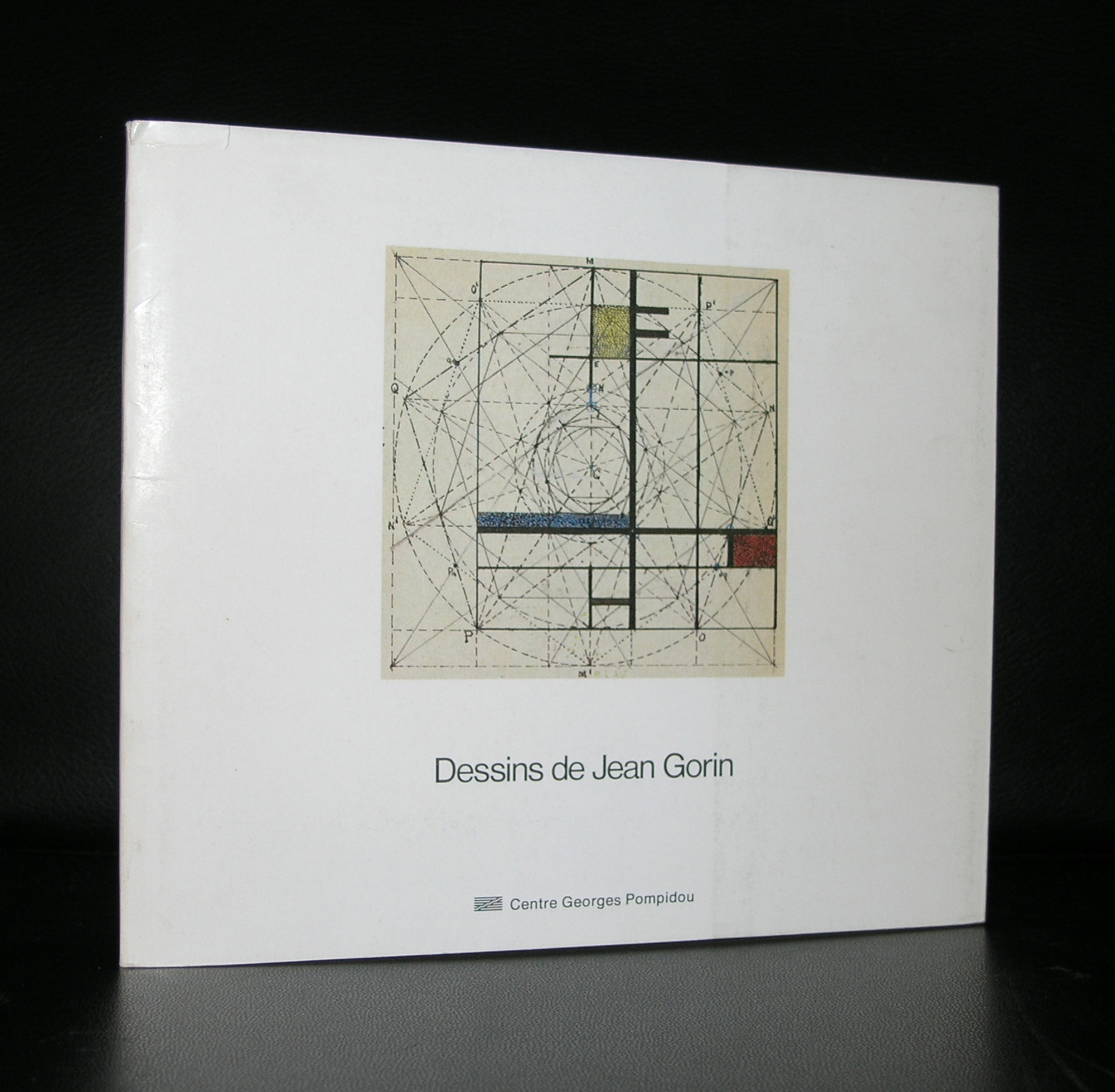
Jean Gorin , a typical 50’s /60’s artist has stayed a little obscure outside France, but this is undeserved. His art is influenced by Piet Mondrian and Constructivism , but has developed into an art typical of Jean Gorin.

Schermafbeelding 2017-12-19 om 11.40.27

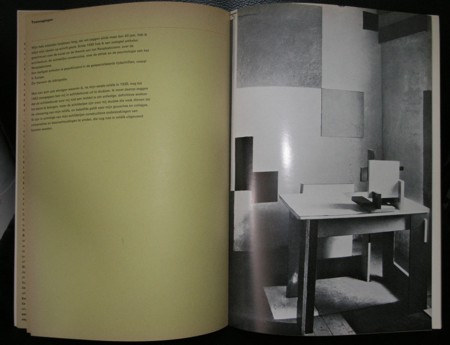
This was recognized by Willem Sandberg who gave Gorin a solo presentation in the Stedelijk Museum Amsterdam in 1967. Here it is getting more interesting from my point of view, because together with this exhibition one of the very very best Wim Crouwel designed catalogues ever was published. The catalogue typically Crouwel sized was partly printed in black and the other part of the text on the cover executed in embossed printing. Together with the design of the catalogue itself it has become an exquisite artist book on Jean Gorin which is still available at www.ftn-books.com