Posted on Leave a comment

Arshile Gorky (1904-1948)

Schermafbeelding 2017-09-01 om 13.31.13

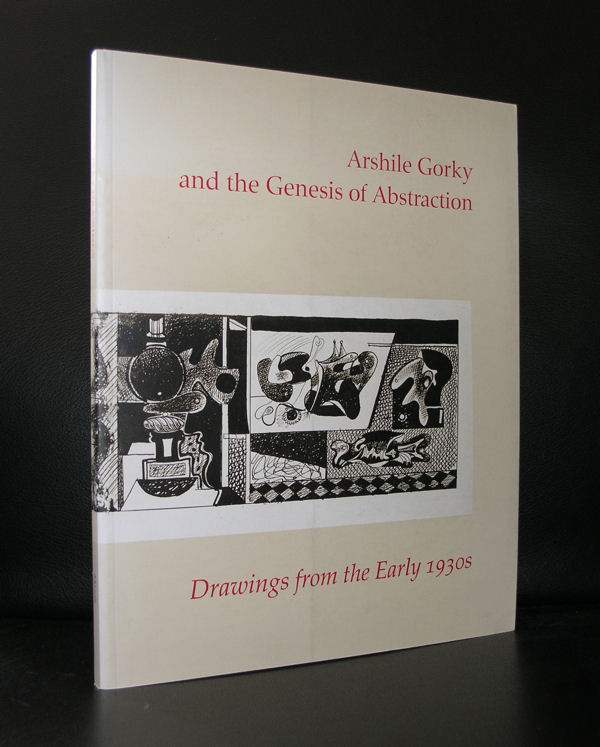
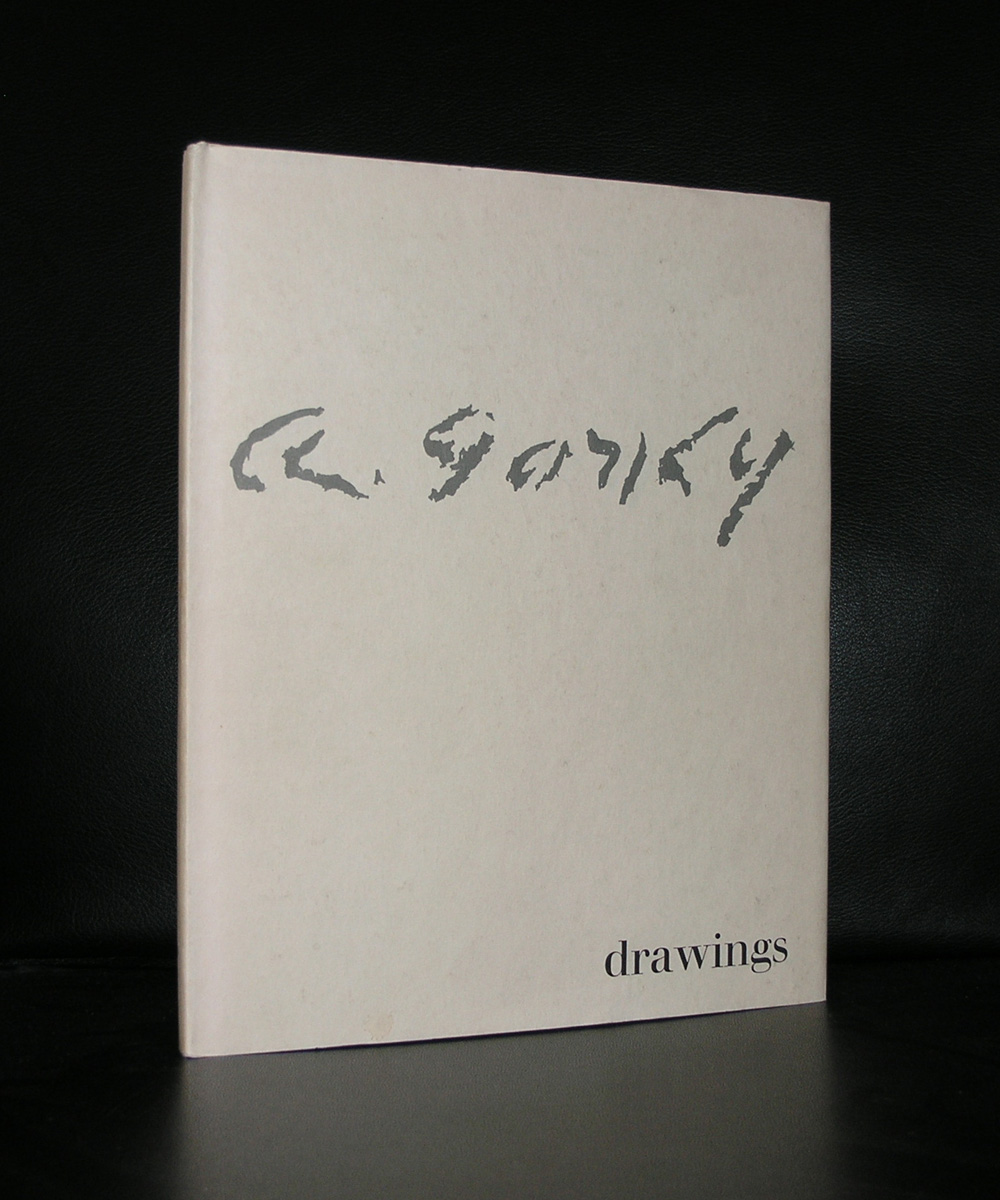
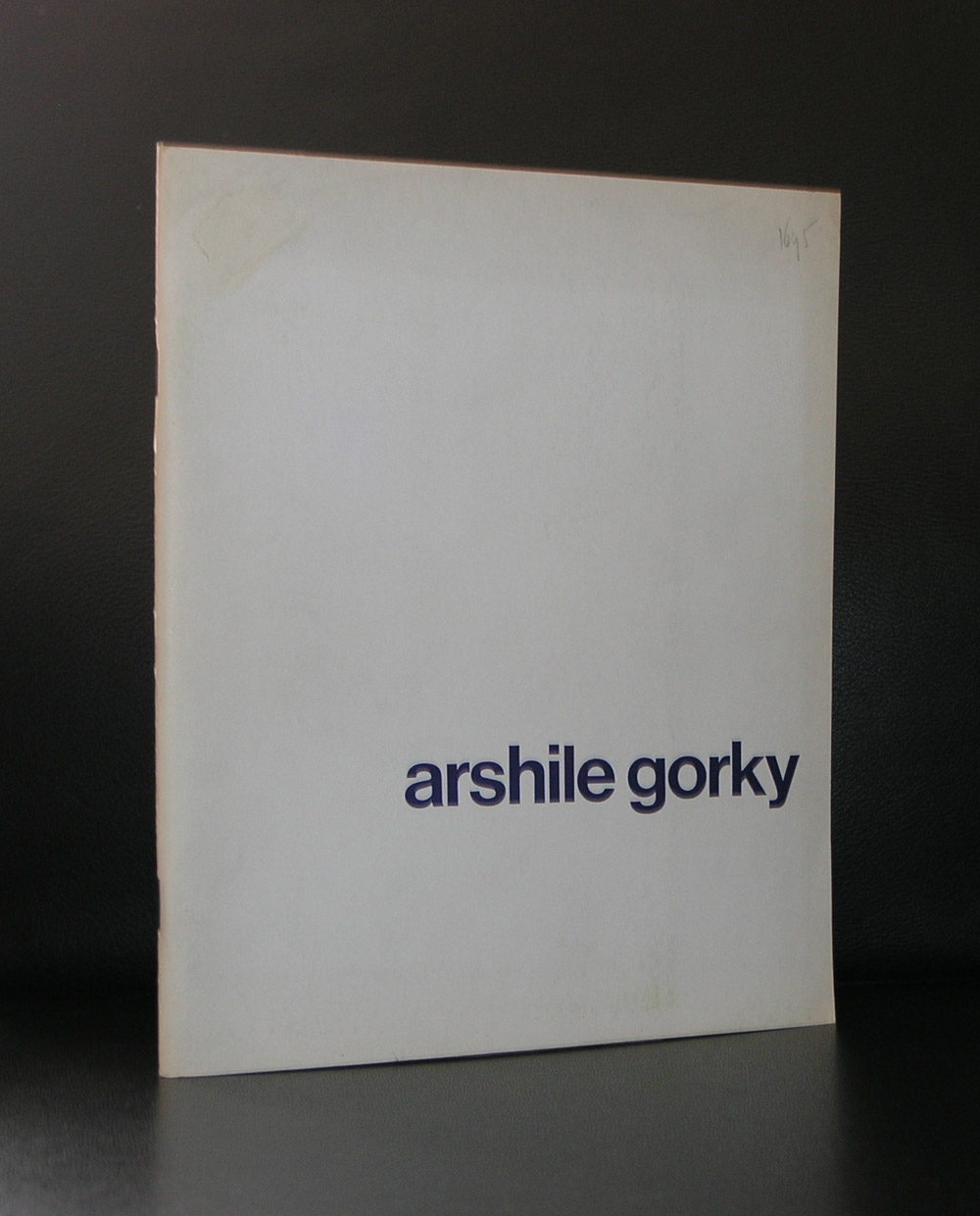
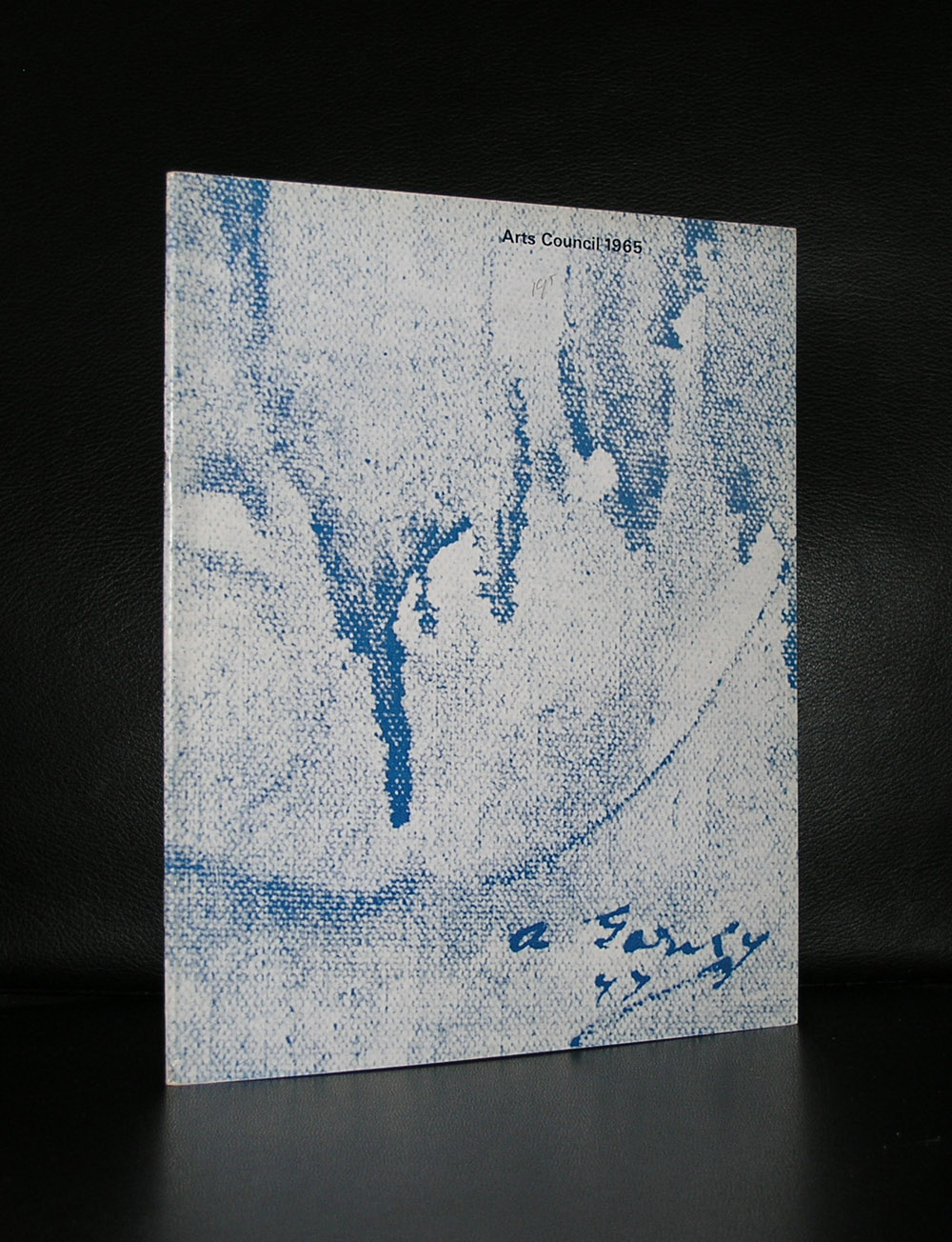
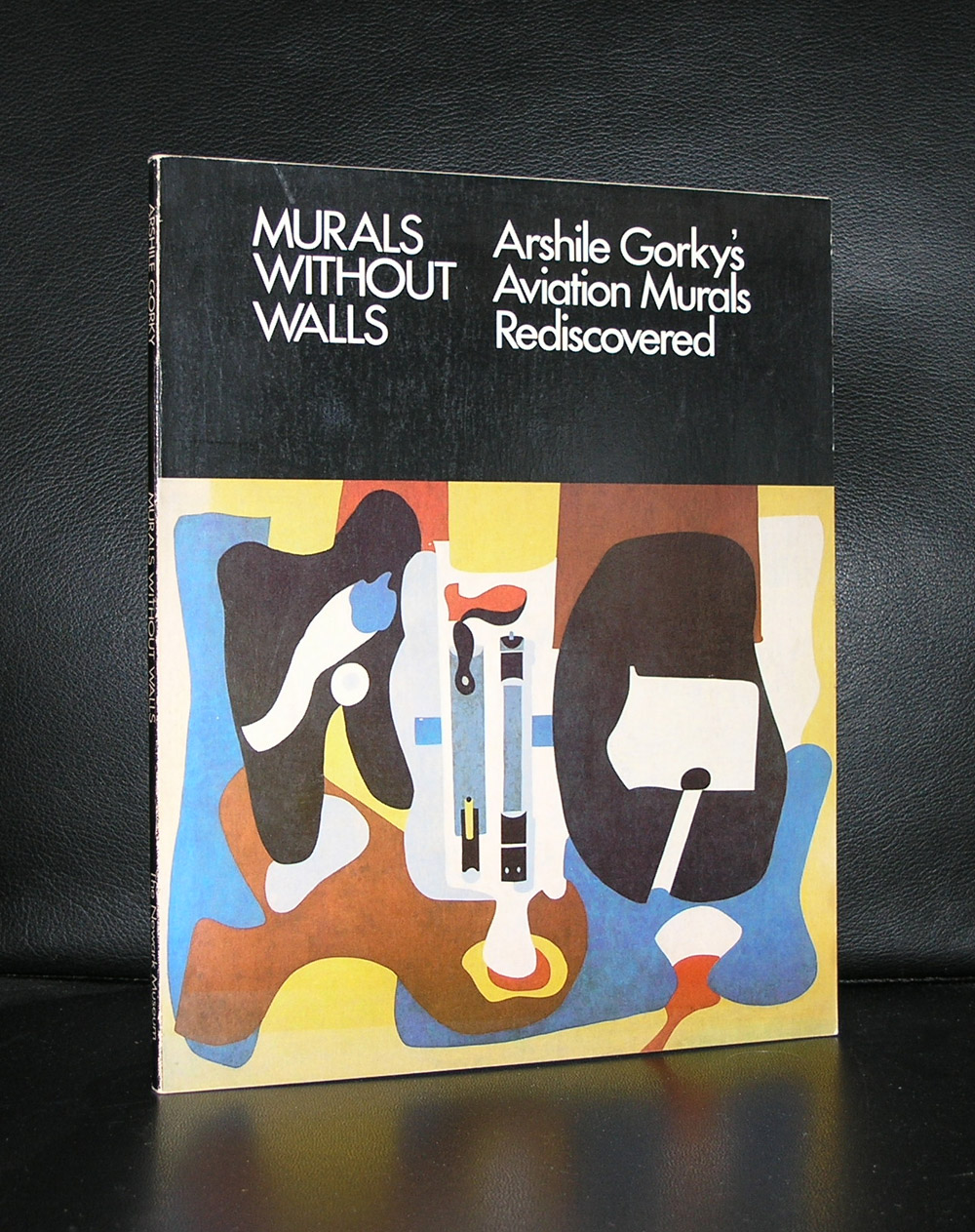
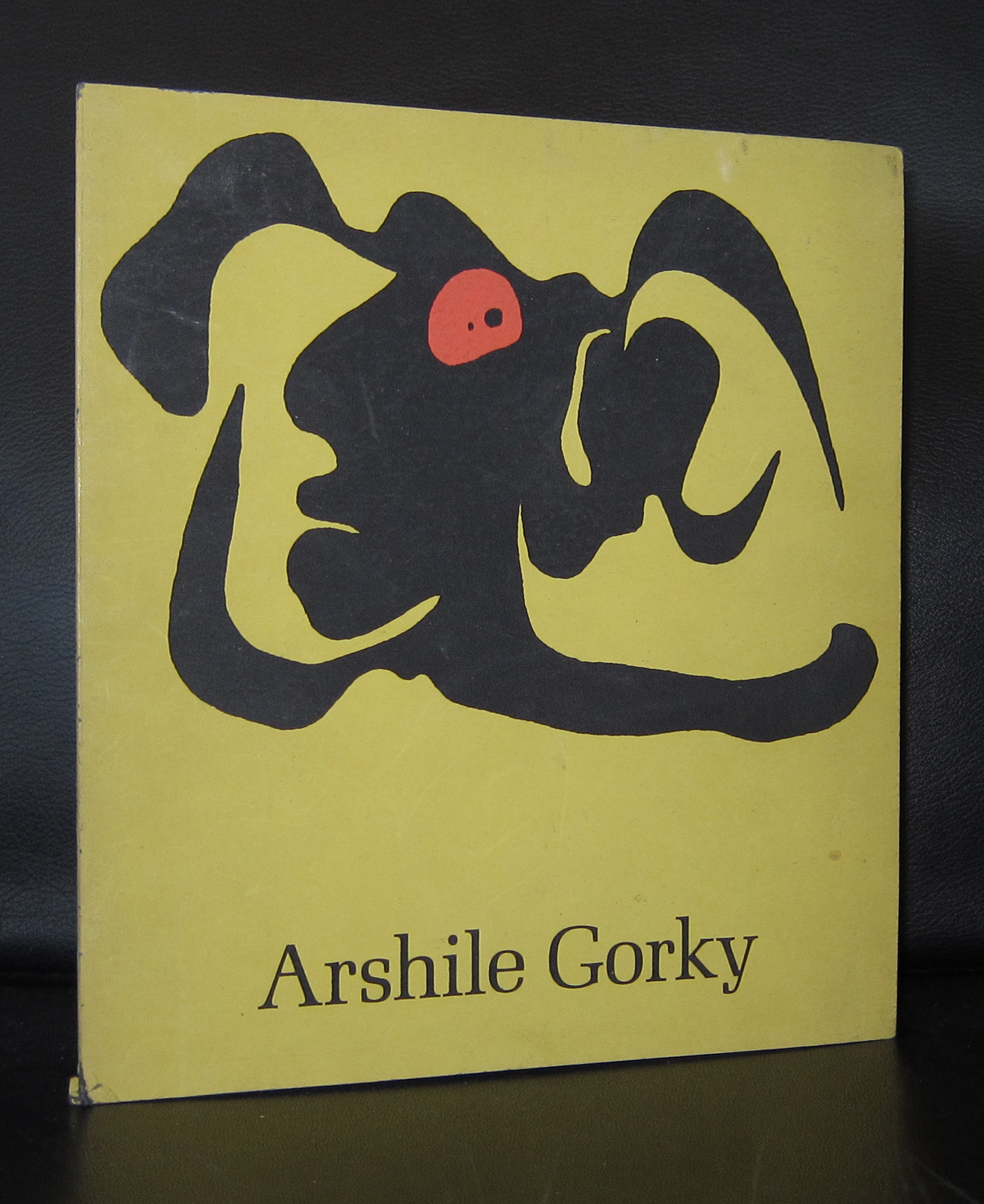
Friend of famous surrealists like Breton, Tanguy and Matta, but above all finding his own way in painting . Influenced by Picasso, Cezanne and later Miro, Gorky received several exhibitions in the Netherlands. The dutch public was spoiled by the exhibitions in the Stedelijk and Boijmans and this was something different. It wasn’t abstraction as they encountered it in the fifties and sixties, but it also was not surrealism as the Boijmans had had on show.

Schermafbeelding 2017-09-01 om 13.40.21

It was a symbiosis between cubism and surrealism and this combination made Gorky stand out from the other painters from his generation and for this combination he would become known after his suicide in 1948. There are some nice Gorky publications available at www.ftn-books.com


Posted on Leave a comment

Václav Cigler (1929)

Schermafbeelding 2017-09-01 om 12.32.14.png

“I still do recall experiences from my childhood, and not only deeply human experiences but also experiences of places, experiences of nature related to the specific landscape of Vestín, its shape and composition, and the constant variability of light and color. I’m still working with those impressions today… I’m always thinking about the viewer and how I can evoke those feelings that go back to the free atmosphere of my youth.

…I was fascinated by the light and color properties of glass. Once I got into the glassmaking environment, I quickly realized that the material inspired me so much that I wanted to work with it for a long time. Optical glass, which I’ve worked with since the 1950s, is a material through which one can peer into the mystery of the universe on both a macro and a micro level, discovering things that had been hidden up to that point. For me, it reveals a world made unique with new shapes, light, and colors. Glass is a magic material, and in a certain sense a spiritual one. Glass is at once tangible and intangible. Like man, it is both material and spiritual. It has mass and yet it defies mass. Pure like water, transparent like air, it is thought and reality bringing into doubt our sensorial experience and at the same time enriching it with a new understanding. Glass is a box, an envelope, a tool, a mediator, a memory.

… Glass is the most imaginative material that man has ever created. The presence of glass in a human space conditions not only the space itself but also an as the user. Glass is for me a pretext for expressing a different spatial and emotional perception of the world. A perception made unique by the optical means offered by this material, as well as by the new possibilities for using it in space… in glass, there’s the authenticity of the material, the discovery that it has uncommon optical and material   properties, such as malleability. Glass by itself is a sufficient source of inspiration.”

This is what Václav Cigler says about his own work. A gifted (Glass) artist/sculptor who uses glass and light to make the most beautiful minimal objects possible. publication available at www.ftn-books.com

OLYMPUS DIGITAL CAMERA

Posted on Leave a comment

Jan Voss (1936)… more complex over the years

Schermafbeelding 2017-09-01 om 11.38.35

I have seen developing Jan Voss’s work over almost 4 decades now and with each new decade and exhibition, it looks to me that his works are getting more complex. The fundaments of his art are the same , but he squeezes more elements in the same drawing/painting. Brightly colored these are a joy for me to look at, but unfortunately for Voss, his work was only noticed by some curators in Belgium, France , the Netherlands and Germany and outside these countries his work is hardly known. It is in these countries his admirers can be found. For decades, Jan Voss has experimented with various different techniques, materials and groups of works. The underlying theme in his work is creating order in the midst of a perpetually moving chaos of complex situations – chaos and order, construction and decay of uncertain situations, similar to the conditions that exist in everyday life. Today, this state is bombarded by a number of signs and meanings which also play a major role in Jan Voss’s art.

There is one publication i would like to mention and which is of course available at www.ftn-books.com. It is the catalogue Jan Voss made for the Haags Gemeentemuseum, NADRUK. The exhibition was curated by Gerrit Jan de Rook and the book that was published with this exhibition was a true artist book of which the original edition was only 1000 copies, but i know for a fact that over 600 copies were destroyed, because they could not be sold. The remaining part was sold over the years at Sales and other special occasions. This artist book from 1984 is completely designed and filled by Jan Voss. A book in which he gives his Voss interpretation of the collection of the Gemeentemuseum. For those of you that have an interest in Voss, now is the time to pick up his works and books , still affordable and a great investment for the future.

Posted on Leave a comment

Viktor IV (1929-1986).. washed ashore in Amsterdam

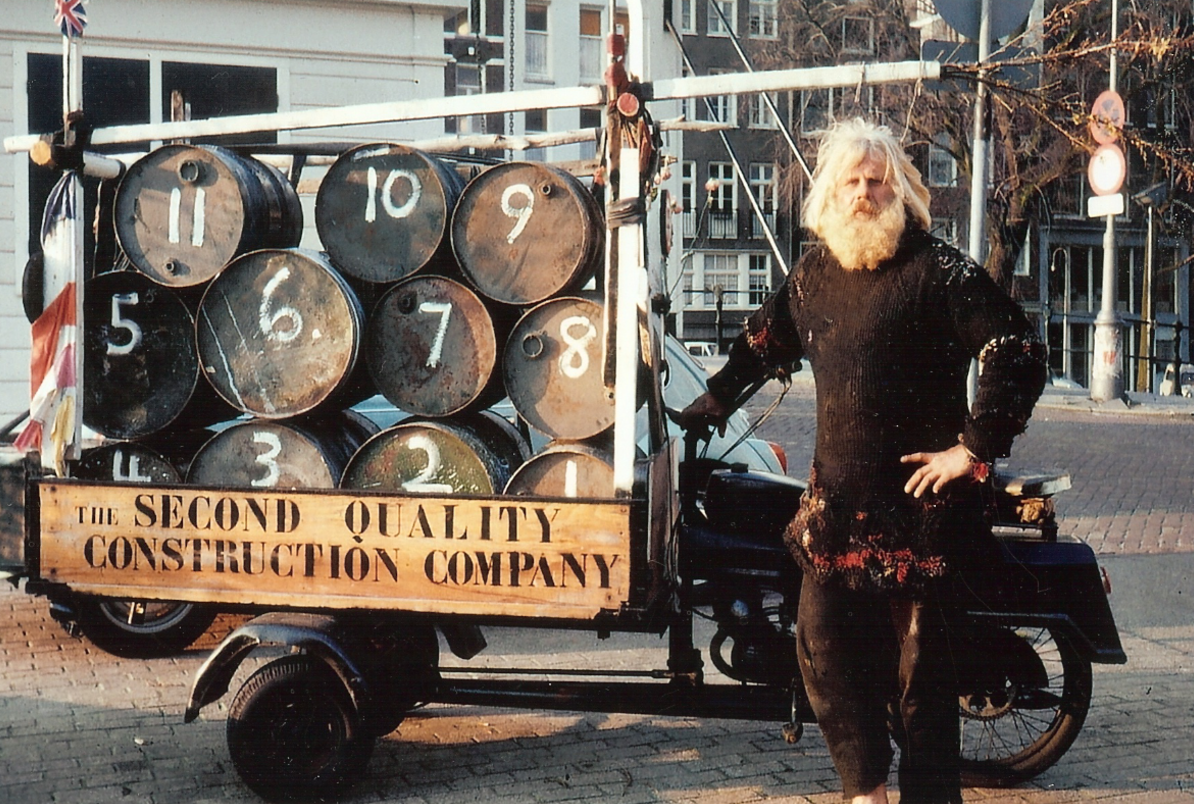
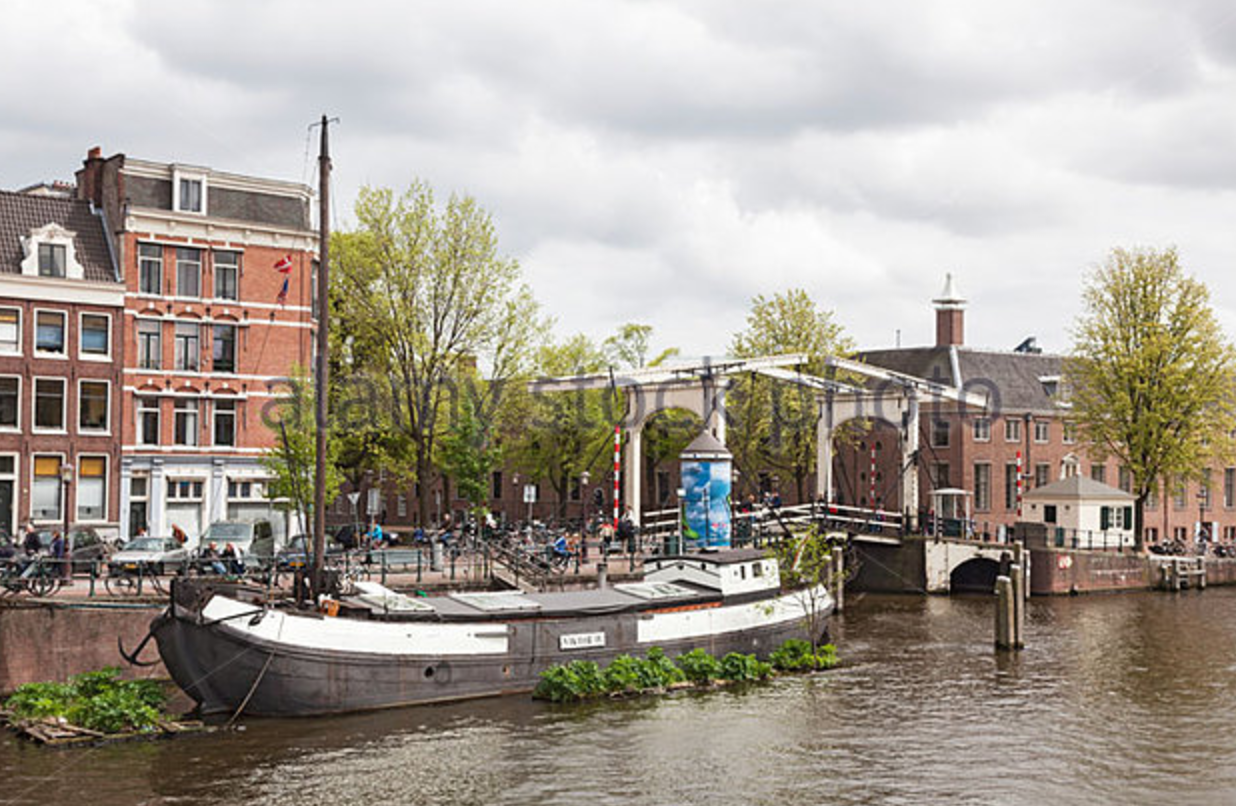
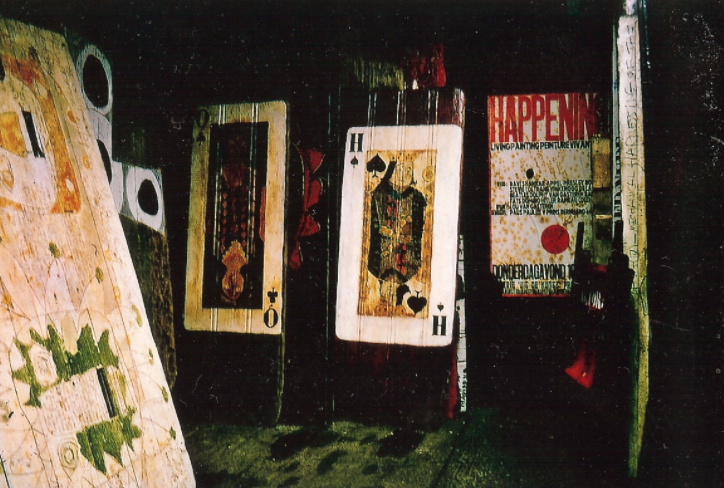
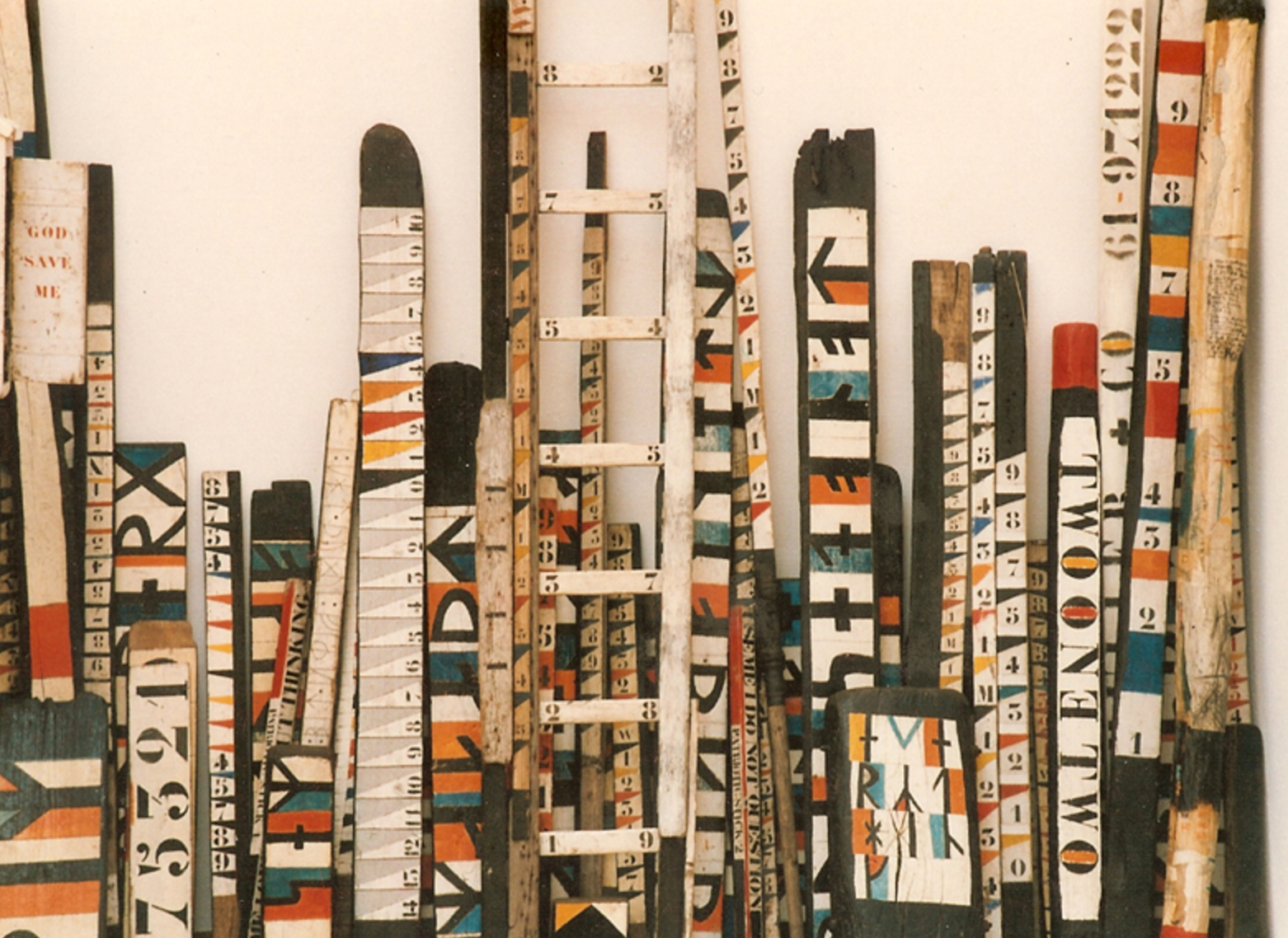
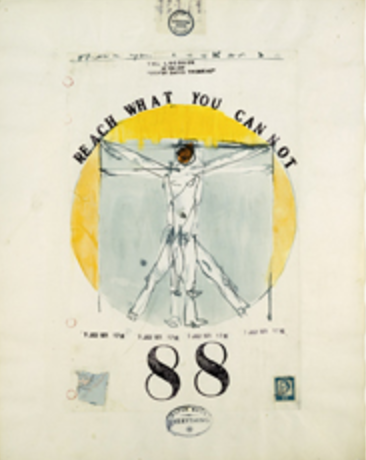
From 1961 until his death Viktor IV lived in a boathouse at the river Amstel in Amsterdam. Almost like a clochard but not secluded, because during his life he kept a very keen eye on the art scene around him. This resulted in one of the most fascinating oeuvres of any modern artist. Building his works from lost and found material washed ashore wooden panels he developed a sign language which was typical for Viktor IV, including a new way of looking at time with his BULGAR watches. Roughly his artistic life can be divided into 3 parts. The first being the making of his ICONS, the second his sign language the RUNES and thirdly the JOURNAL pages he drew almost daily.

The site of the Viktor IV foundation gives some excellent information on the artist and person Viktor IV was www.viktoriv.nl

OLYMPUS DIGITAL CAMERA

There are very few publications on this artist, but www.ftn-books.com has the famous Stedelijk Museum publication available at its internet bookstore.

Posted on Leave a comment

Willem Hendrik Gispen (1890-1981)

Schermafbeelding 2017-08-31 om 15.06.53

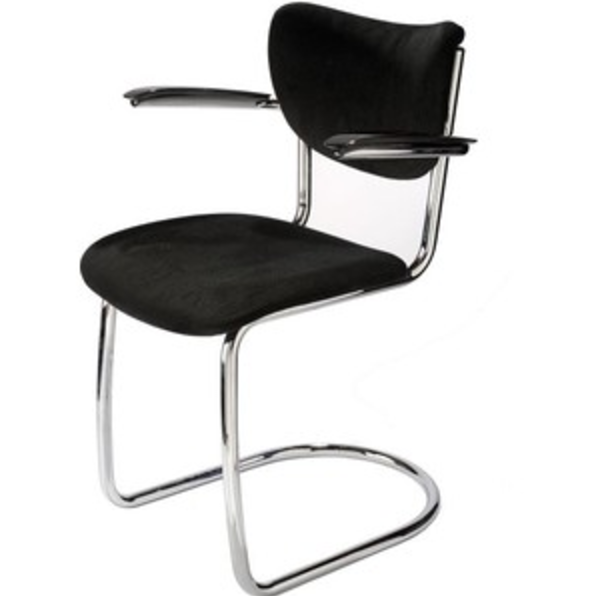
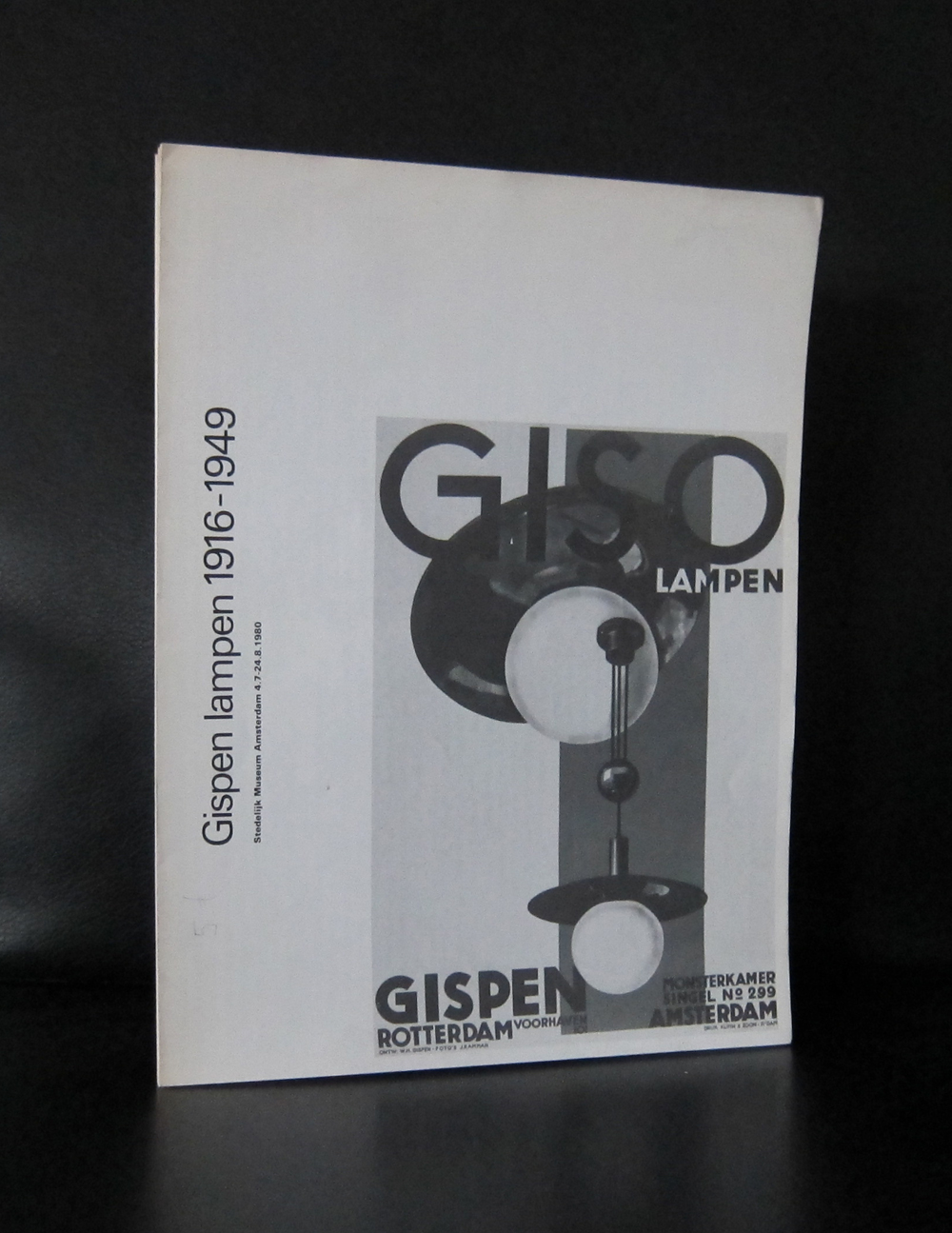
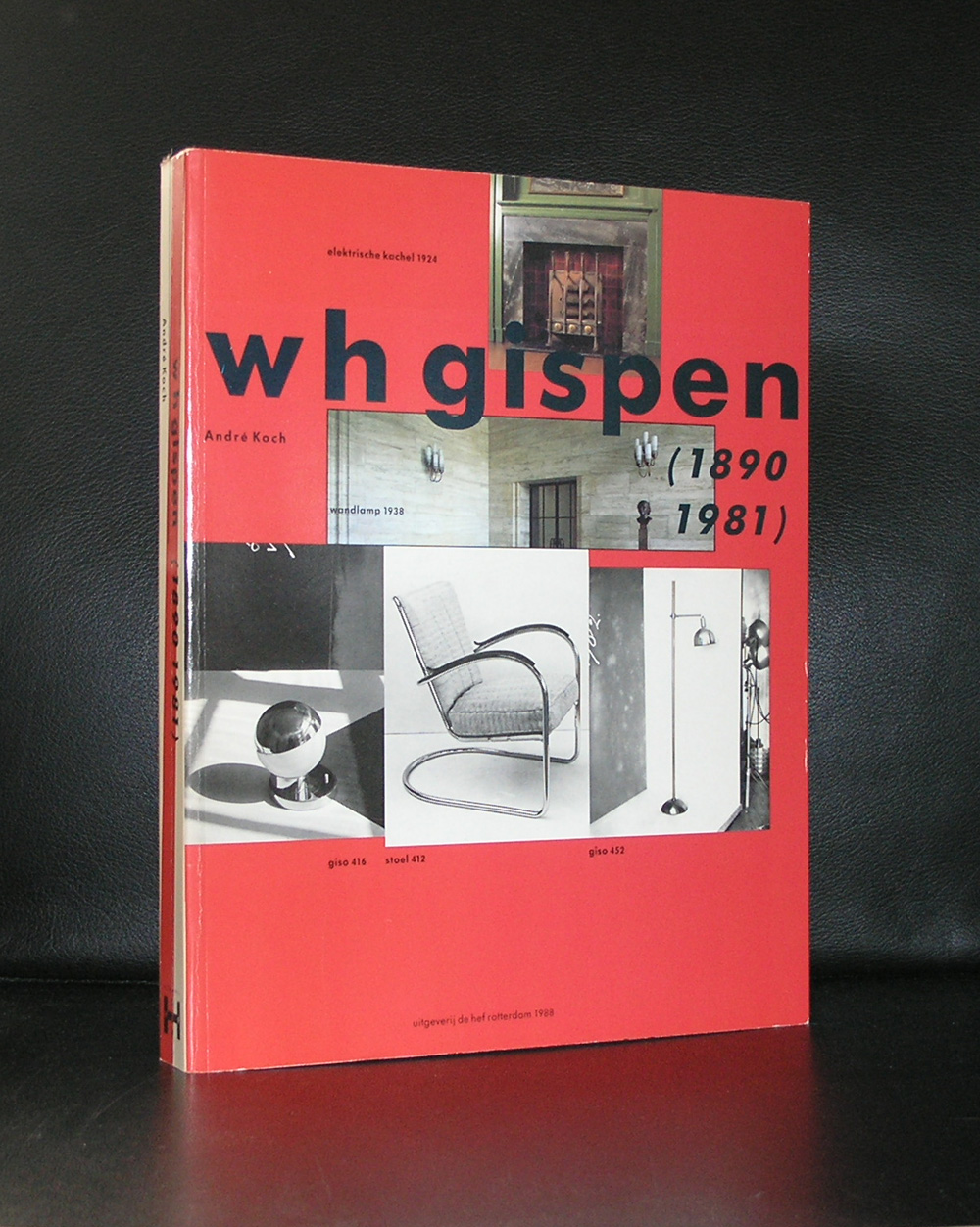
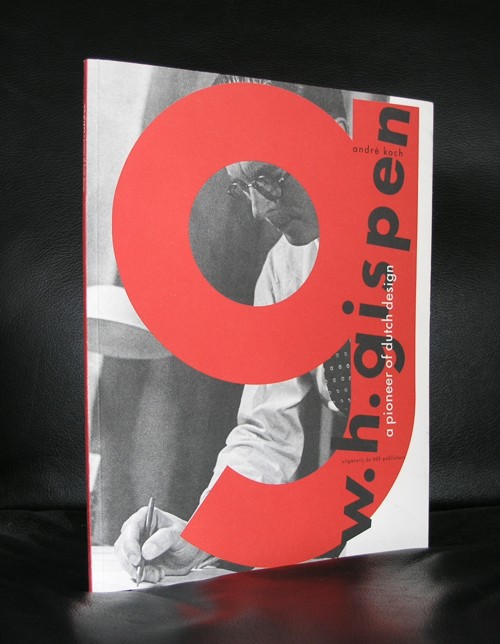
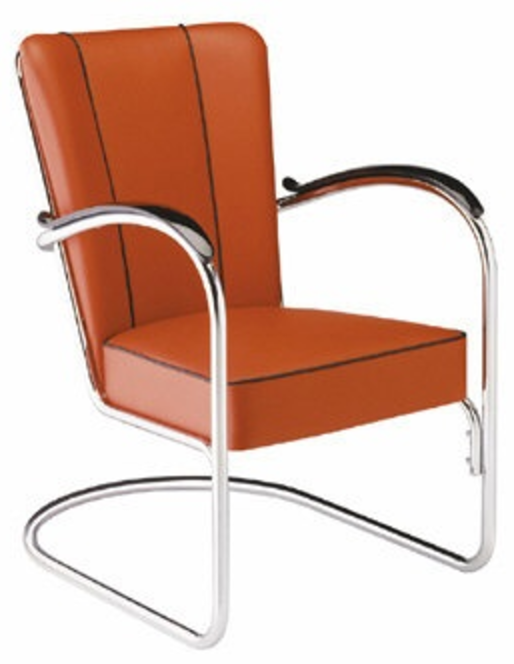
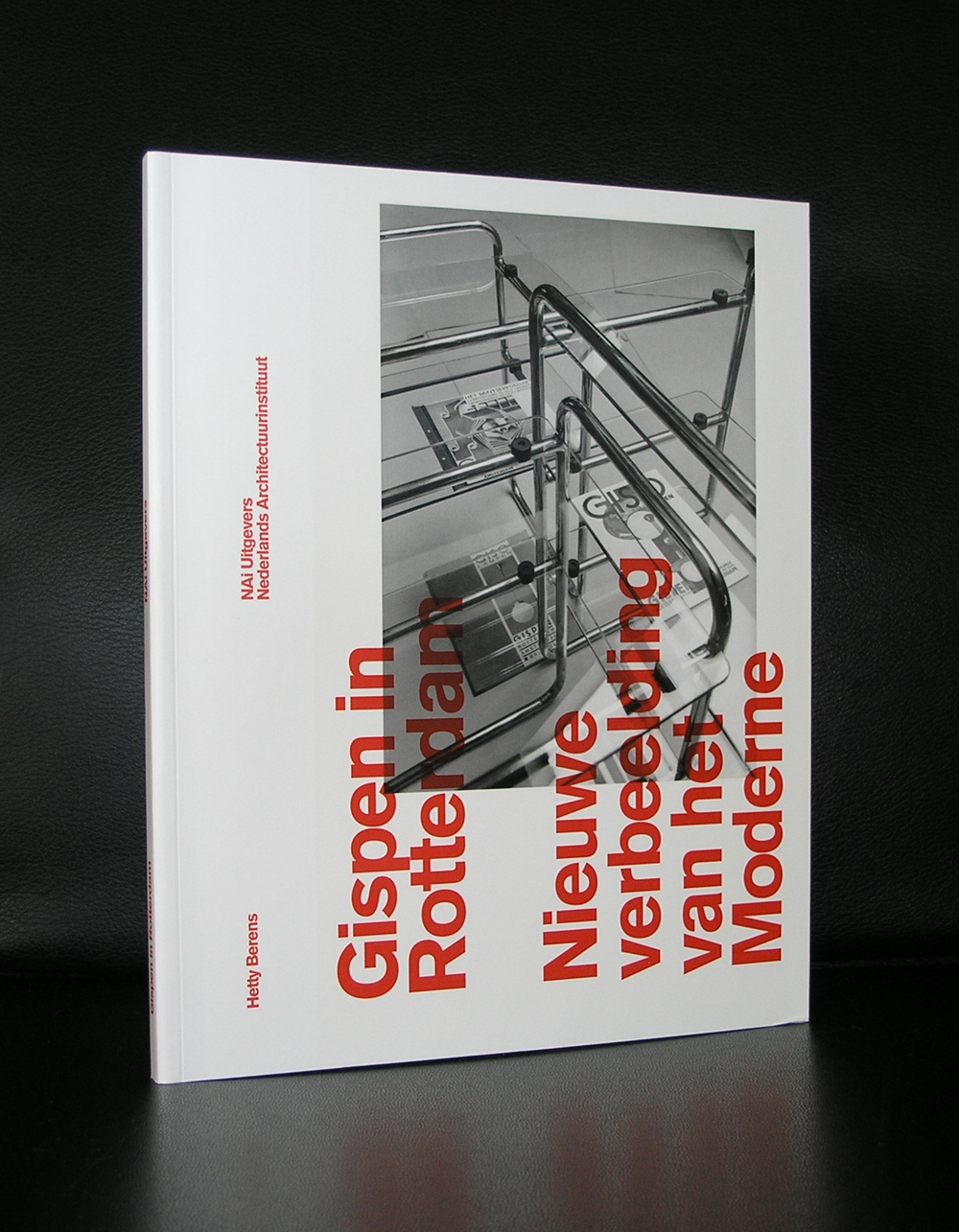
Sometimes when you search on the large WWW and try to find some information on an artist or subject it is hard to find a site with a good clean design, filled with sensible information and a joy to visit. Of course you must first look at www.ftn-books.com for books on Gispen, but after you have done just that…. please visit http://www.whgispen.nl

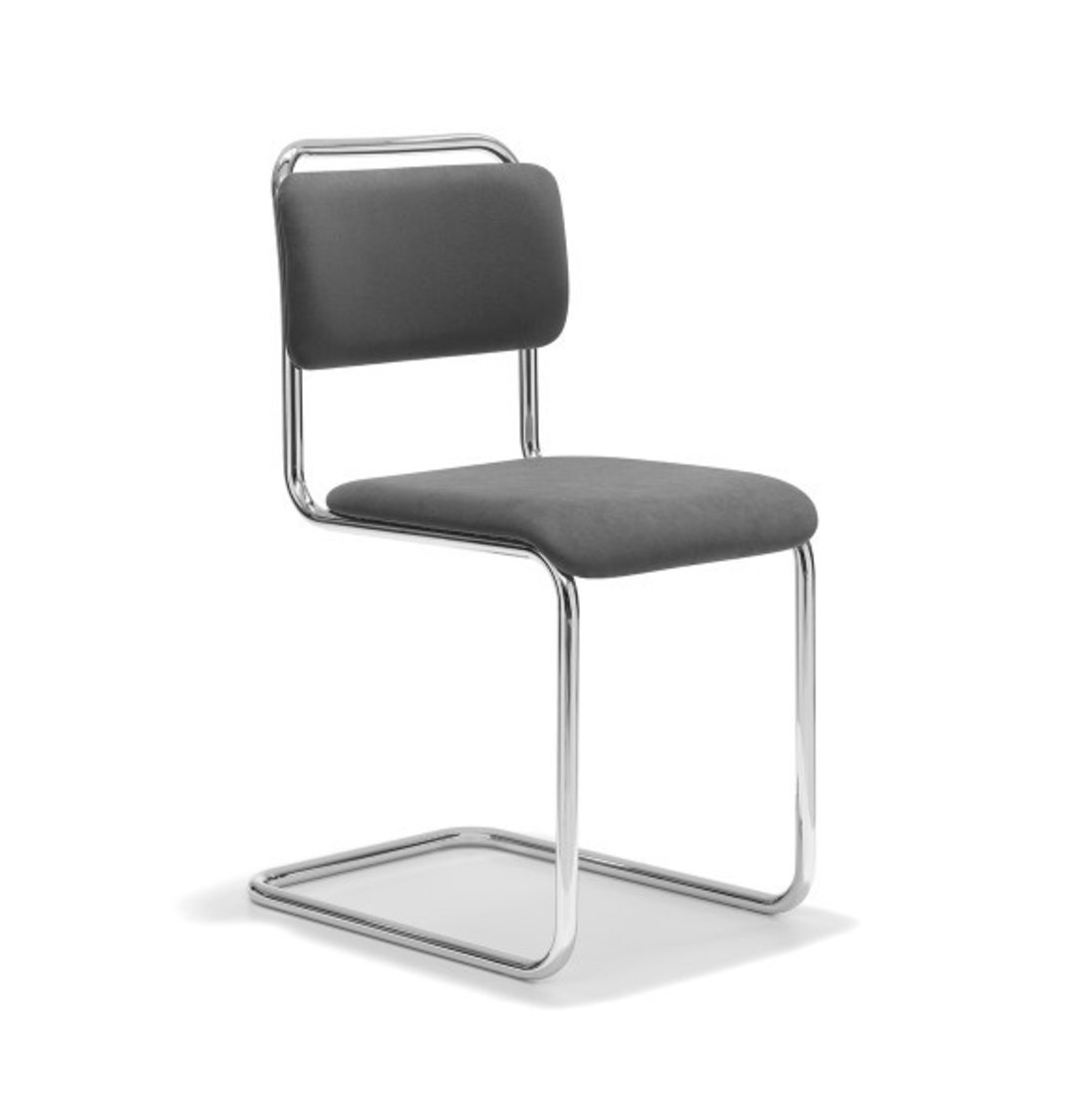
This site gives the best possible insight in Gispen and his works, unfortunately only in dutch, but the designs speak for themselves. Gispen is one of the true inventors of dutch design, being one of the first to design furniture out of tubular frames and making them suitable for offices and home interiors. The result is that many dutch families know of Gispen, because they lived their lives among Gispen furniture, but never knew the story of its designer. Please visit the Gispen site and do not forget that www.ftn-books.com has some nice books on Gispen.

Posted on Leave a comment

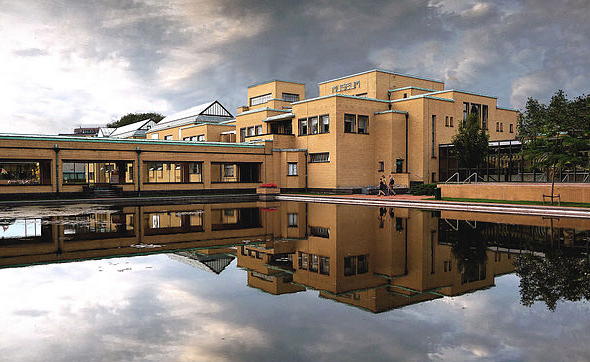
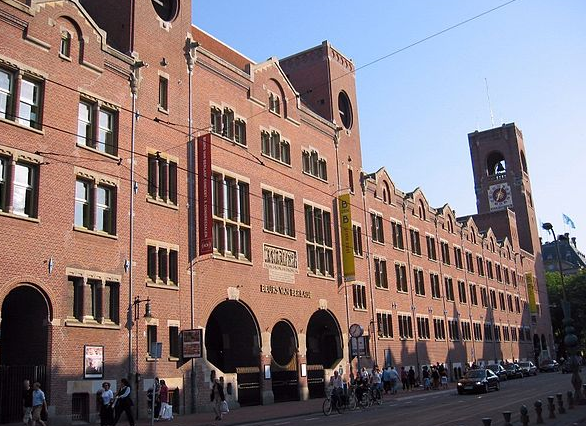
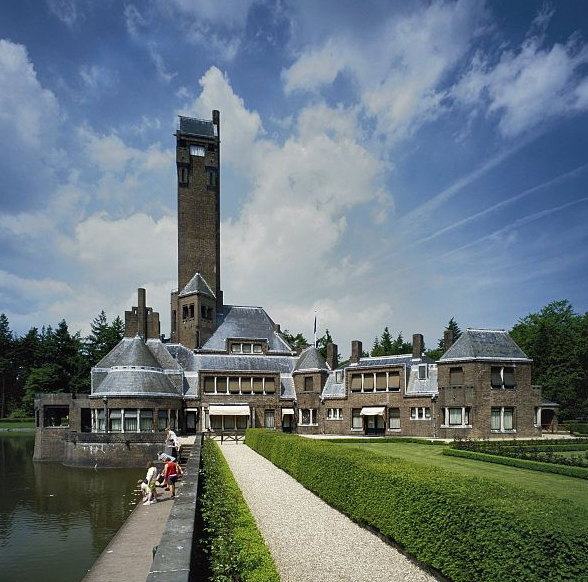
Hendrik Petrus Berlage (1856-1934).. Three buildings

Schermafbeelding 2017-08-31 om 14.44.22

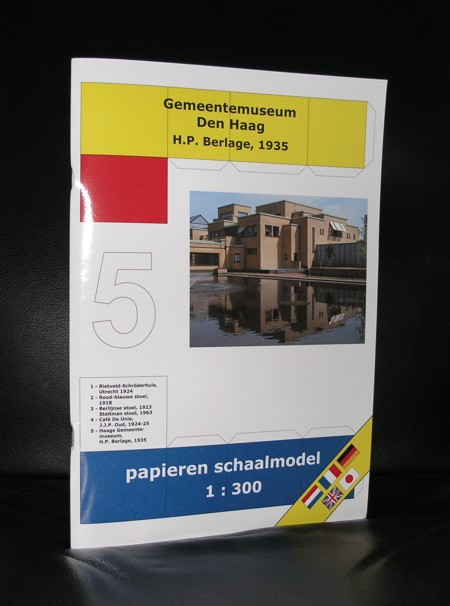
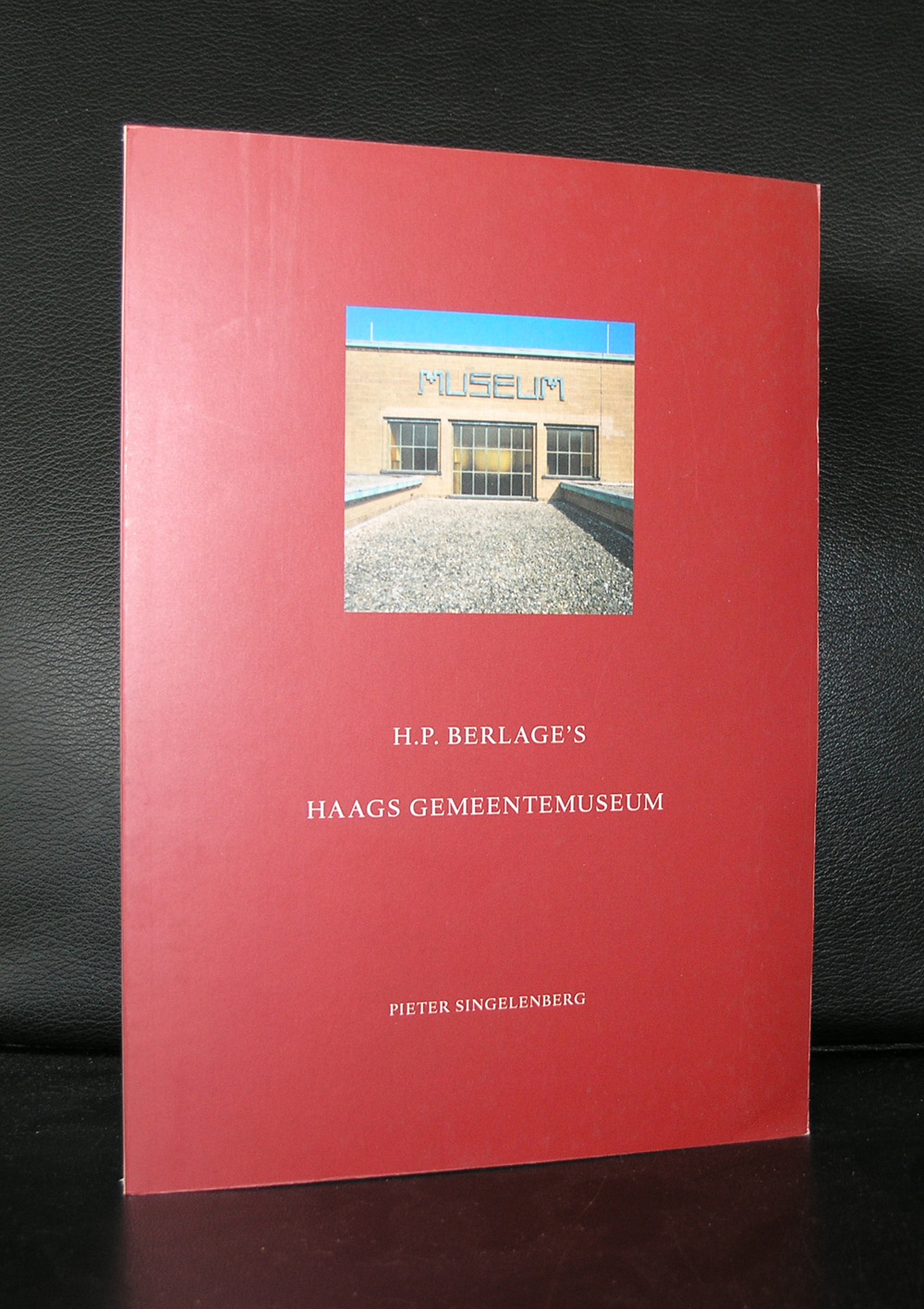
H.P. Berlage is for me personally the architect of the building i entered for nearly 25 years, worked in and have practically known my entire life. Of course this is the Gemeentemuseum Den Haag. Initially people did not like the building at all and thought it a badly designed ” public swimming pool”, but you must visit this building multiple times before it opens its true qualities to you. It really is of a rare quality and can be considered as the last, but also ultimate designed Berlage building in which the extreme details open up when you look long enough. Berlage known for his architecture was also a very gifted furniture and book designer and brought all these qualities together into his buildings. There is so much to be told on Berlage, but the best one can do is visit the buildings which this architect build. Fortunately the very best examples are to be found in places a random tourist is likely to visit when he or she visits the Netherland.

Amsterdam has the Beurs, Otterlo /Kroller Muller museum has the “jachtslot” and of course Den Haag has the Gemeentemuseum. so for you next visit to Holland visit these and start your visit with a Berlage book for sale at www.ftn-books.com

Posted on Leave a comment

Francis Bacon and the Hugh Lane gallery


photograph published with the permission of Peter Stark / copyright Peter Stark

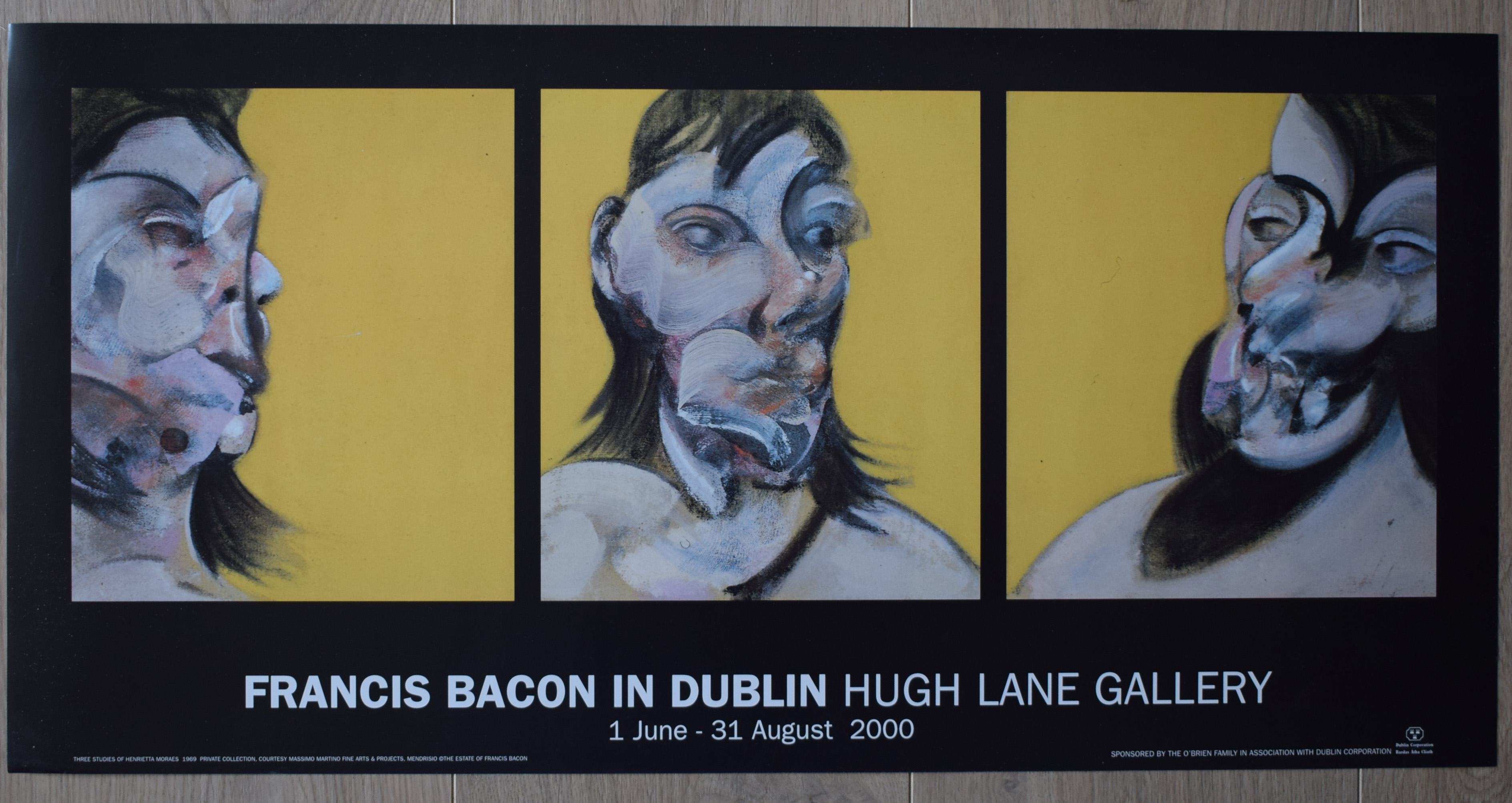
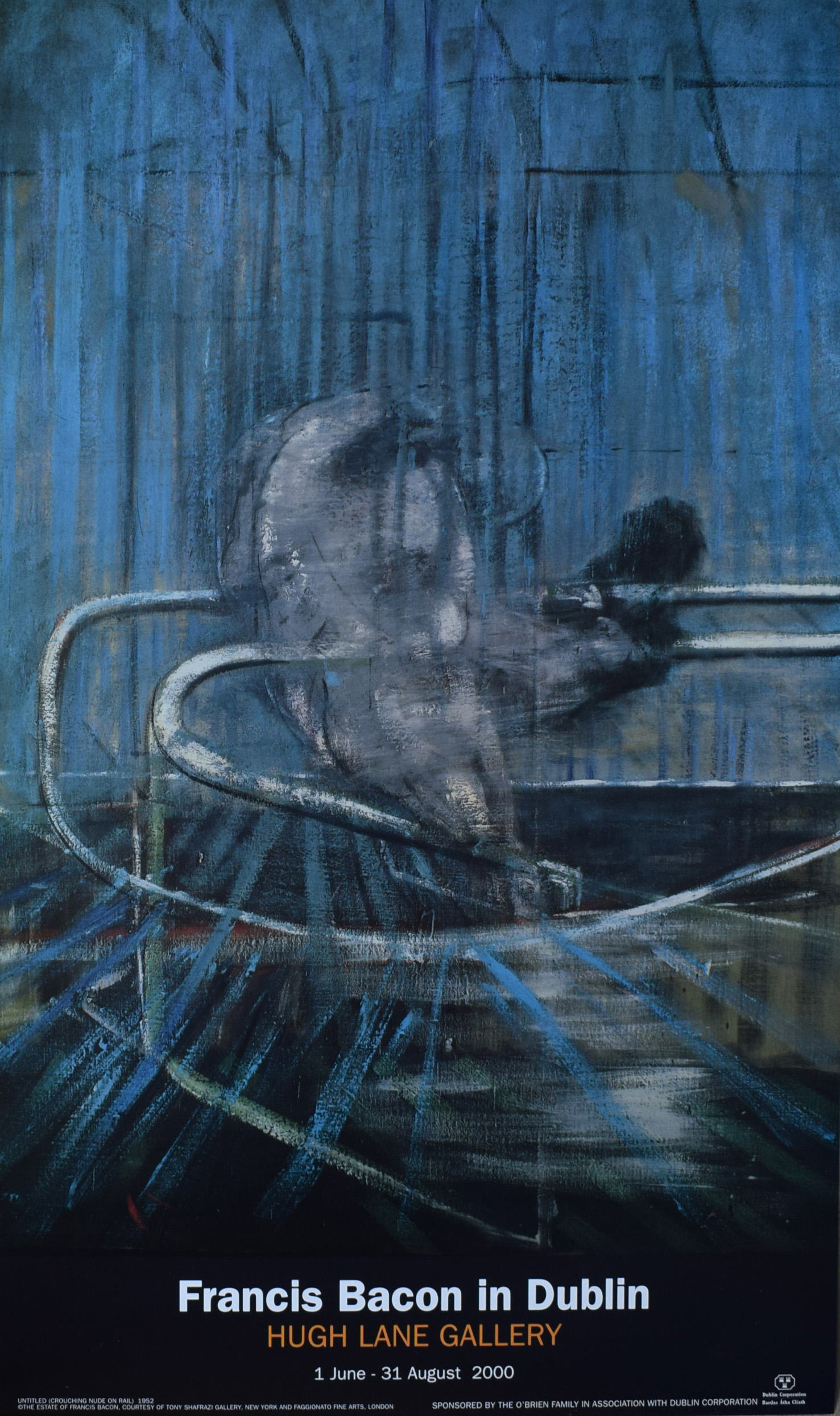
At the time the Gemeentemuseum organized the Francis Bacon exhibition I contacted a colleague at the Hugh Lane gallery ( http://www.hughlane.ie) for purchasing their excellent Bacon posters to resell them in the shop of the Gemeentemuseum Den Haag. (The Hugh Lane is also the place where the original Bacon studio was rebuilt and permanently shown to the public). After the initial purchase of Bacon material we kept in contact and when i started my own shop on the internet i started reselling these posters on eBay and in my FTN shop. I bought enough of them , but forgot to list them on eBay in the last 10 years and lost track of them. Now i found them again , stacked away, but in perfect condition and can offer them again for sale. Please look for them and other Bacon material at www.ftn-books.com and search for Bacon.
 

Posted on Leave a comment

Jaap Nanninga (1904-1962)

Schermafbeelding 2017-08-31 om 09.58.18

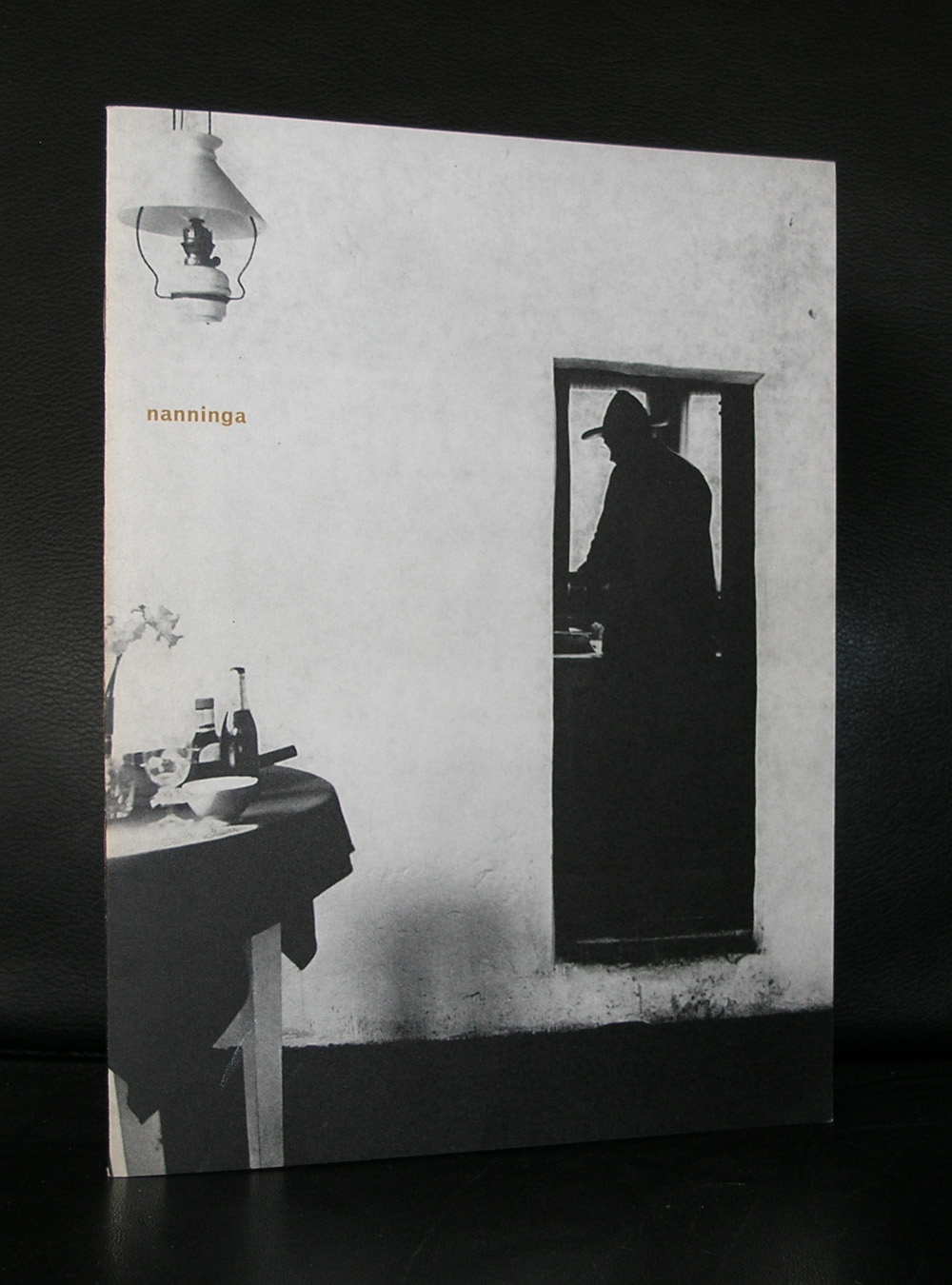
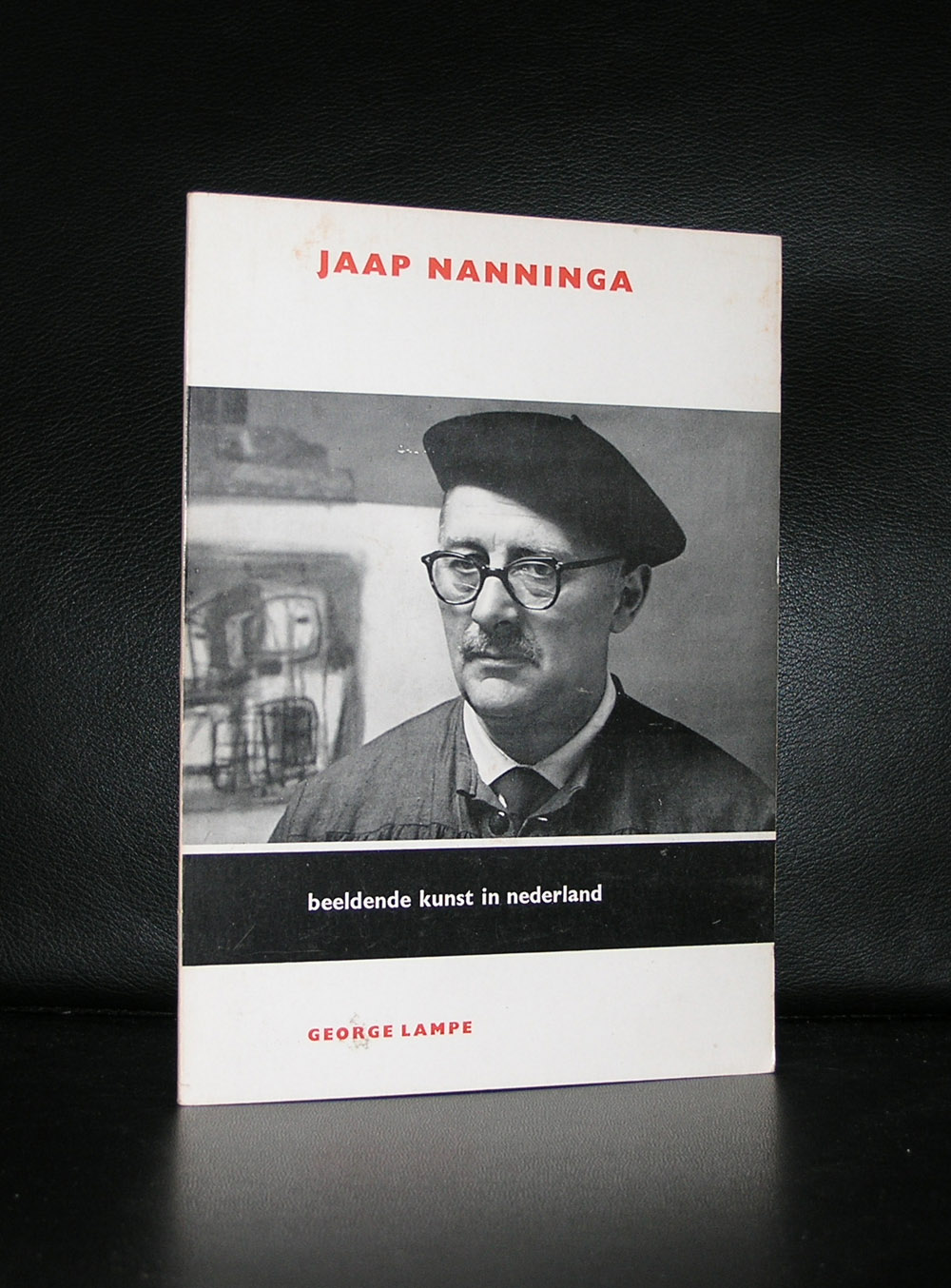
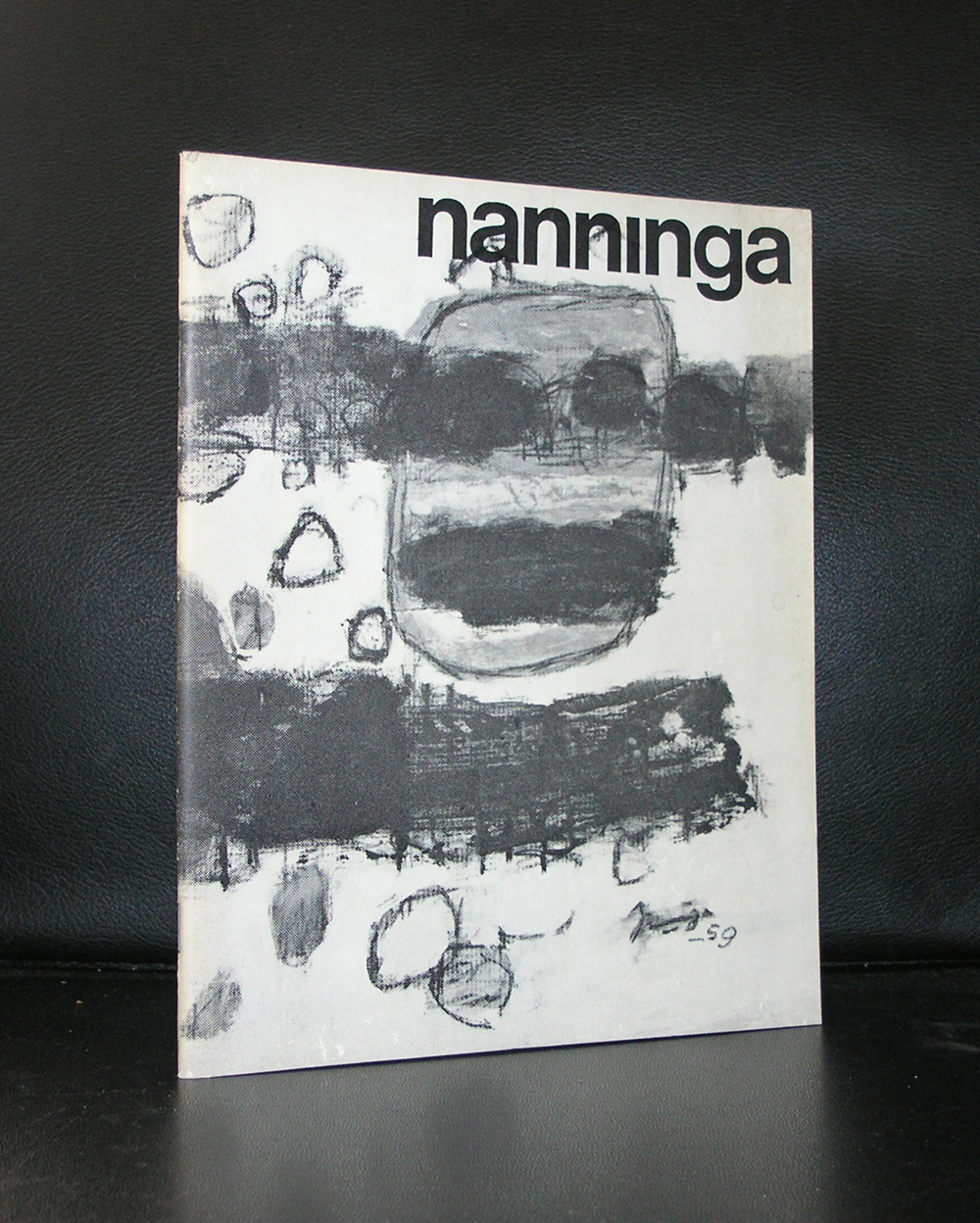
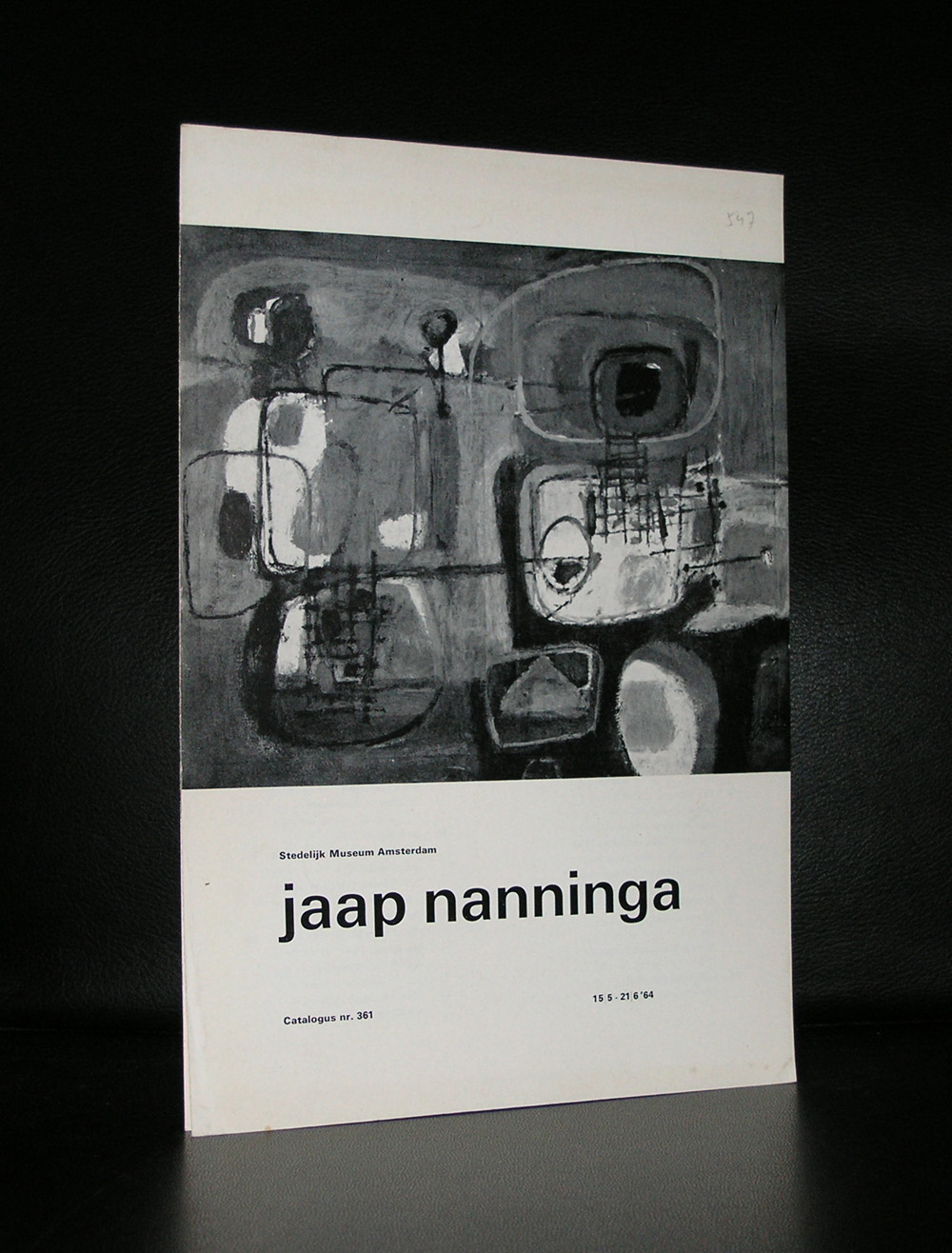
Jaap Nanninga was born in Winschoten in the north of the Netherlands but after travels to Germany and Poland he settled in Den Haag in 1936, where he stayed and worked his entire life. meber of the famous Posthoorn group het met his friends artist for drinks and dinners at the POSTHOORN cafe at the Voorhout in Den Haag ( and yes…it is still there and serves the finest “Bitterballen” in Den Haag. He received his artist eductaion from Werkman and Wiegers and stayed for a short moment with Geer van Velde in Paris. These 3 artists made Nanninga the artist which we know nowadays. Abstract compositions rooted in the Fifties . a little Cobra mixed with abstract expresionism. Many dutch museum have some great Nanninga’s, but one museum i would like to mention specially is the FIGURA painting in the van Abbemuseum collection. Powerful and typically Fifties abstraction.

Schermafbeelding 2017-08-31 om 09.56.29.png

www.ftn-books.com has some nice Nanninga titles available
Posted on Leave a comment

Ruri Matsumoto (1981)

Schermafbeelding 2017-09-18 om 13.01.30

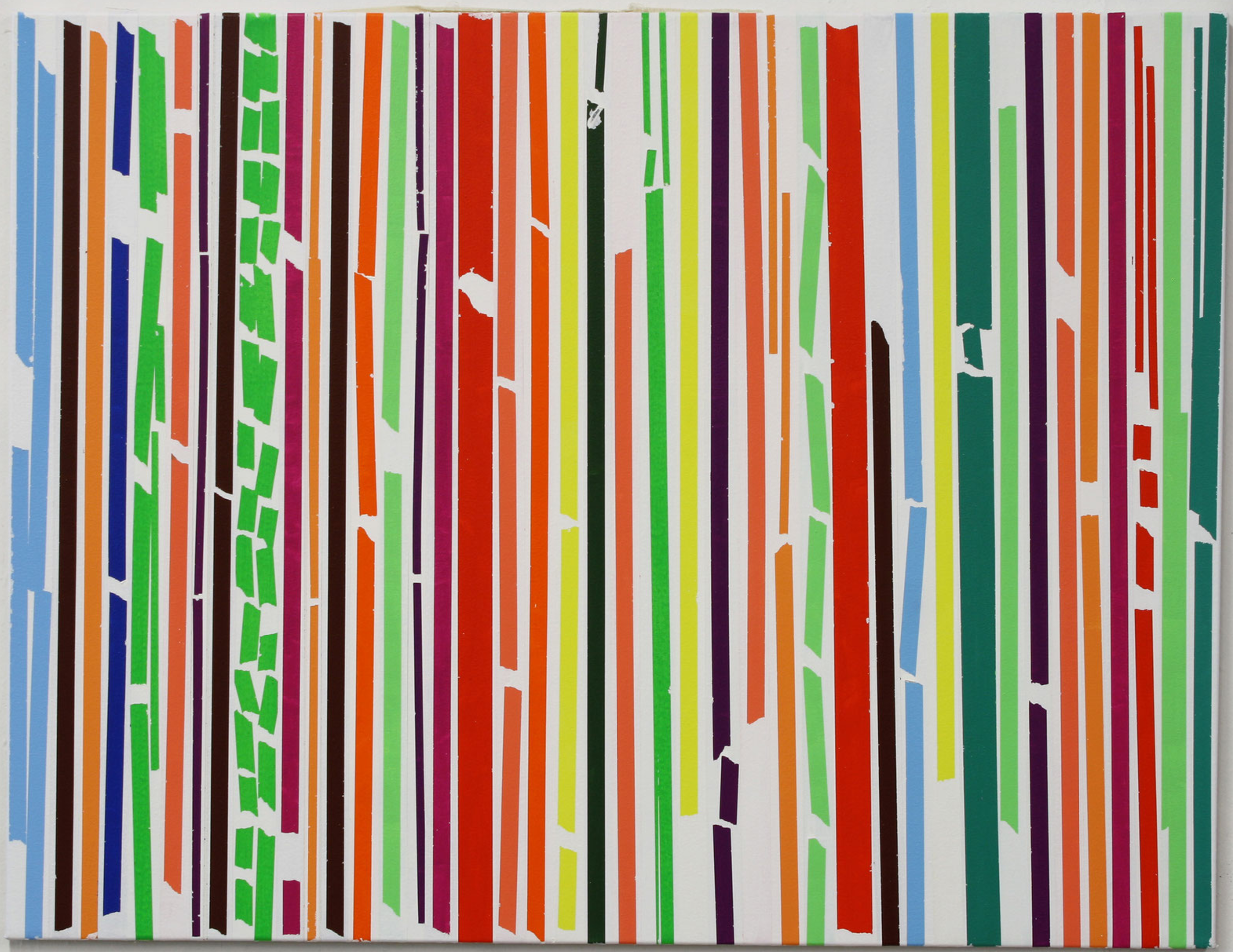
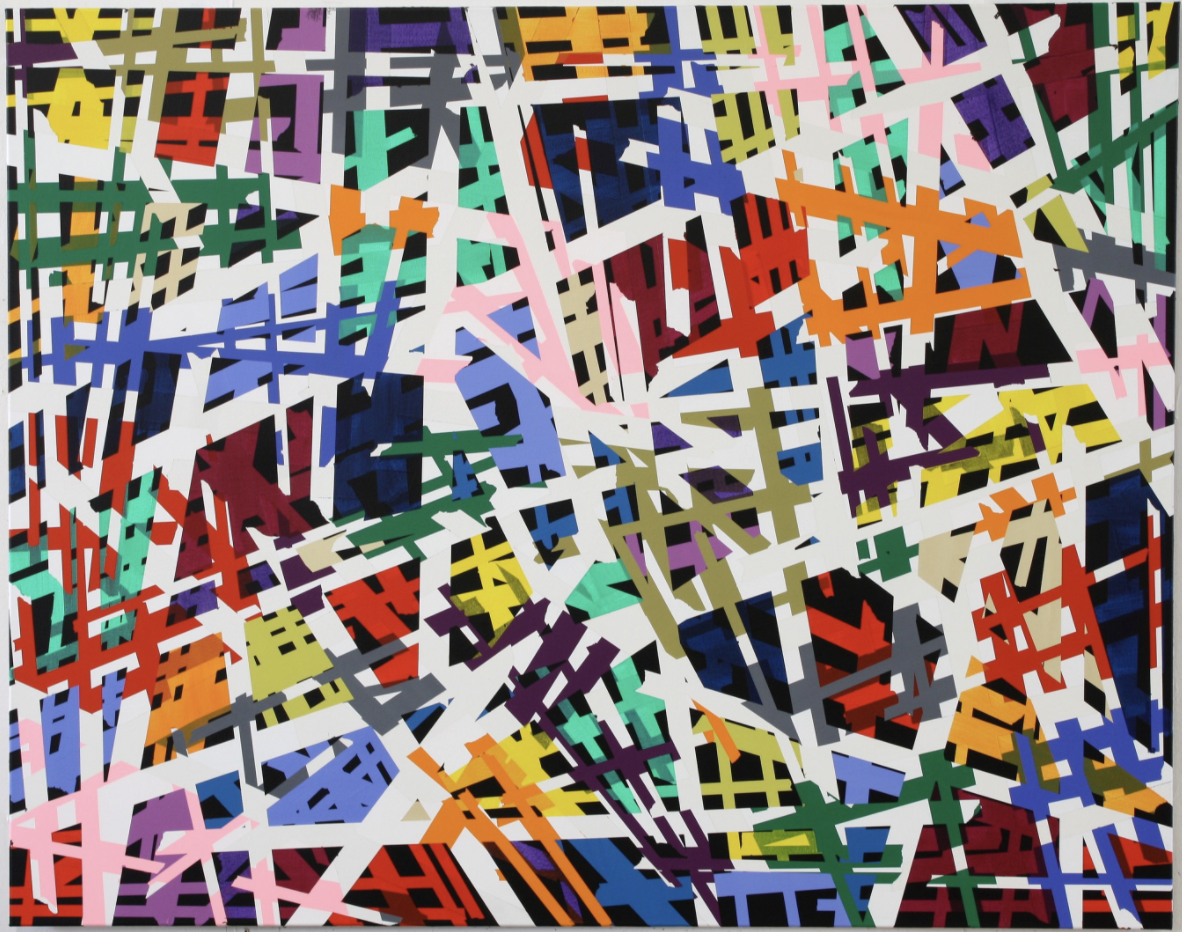
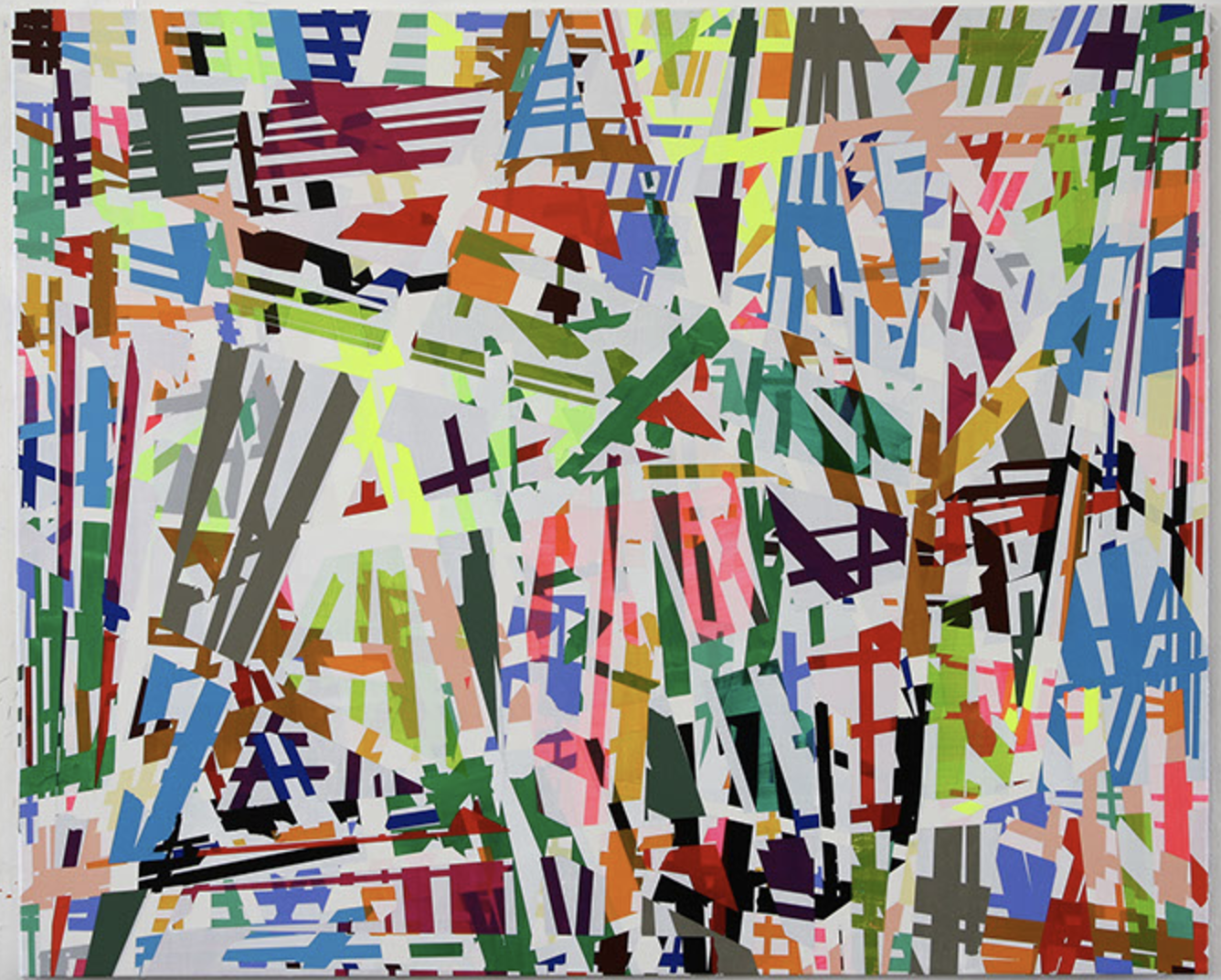
Sometimes you encounter works by an artist for which you have an instant liking and admiration. This is the case with Ruri Matsumoto. She was born in Tokyo and had her education in Japan and Germany. This is where she followed lessons with Helmut Federle and Markus Lupertz a.o.. She stayed after her education in Germany and now has her own studio in Dusseldorf, which she will leave for a temporary studio in Berlin until January 2018.

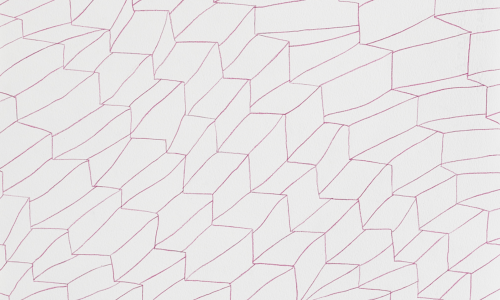
Her works are characterized by the use of  very bright colors and are compositions of almost random like patterns formed with tape, but look more closely….. you will find layers of abstract constructivist forms making a spectacular work of art. Of course art is always something personal and subjective, but i like these paintings very much and because there is this rare chance to see her works at Livingstone Gallery i write this blog to let you know that until the 4th of November some of her works are on show in the PAINTING NOW exhibition, curated by Jan Wattjes.

Schermafbeelding 2017-09-18 om 13.18.07.png

To get an excellent impression of her works please visit:

https://www.rurimatsumoto.com and of course http://www.livingstonegallery.nl/home

for the information on the exhibition at Livingstone gallery in The Hague

Posted on Leave a comment

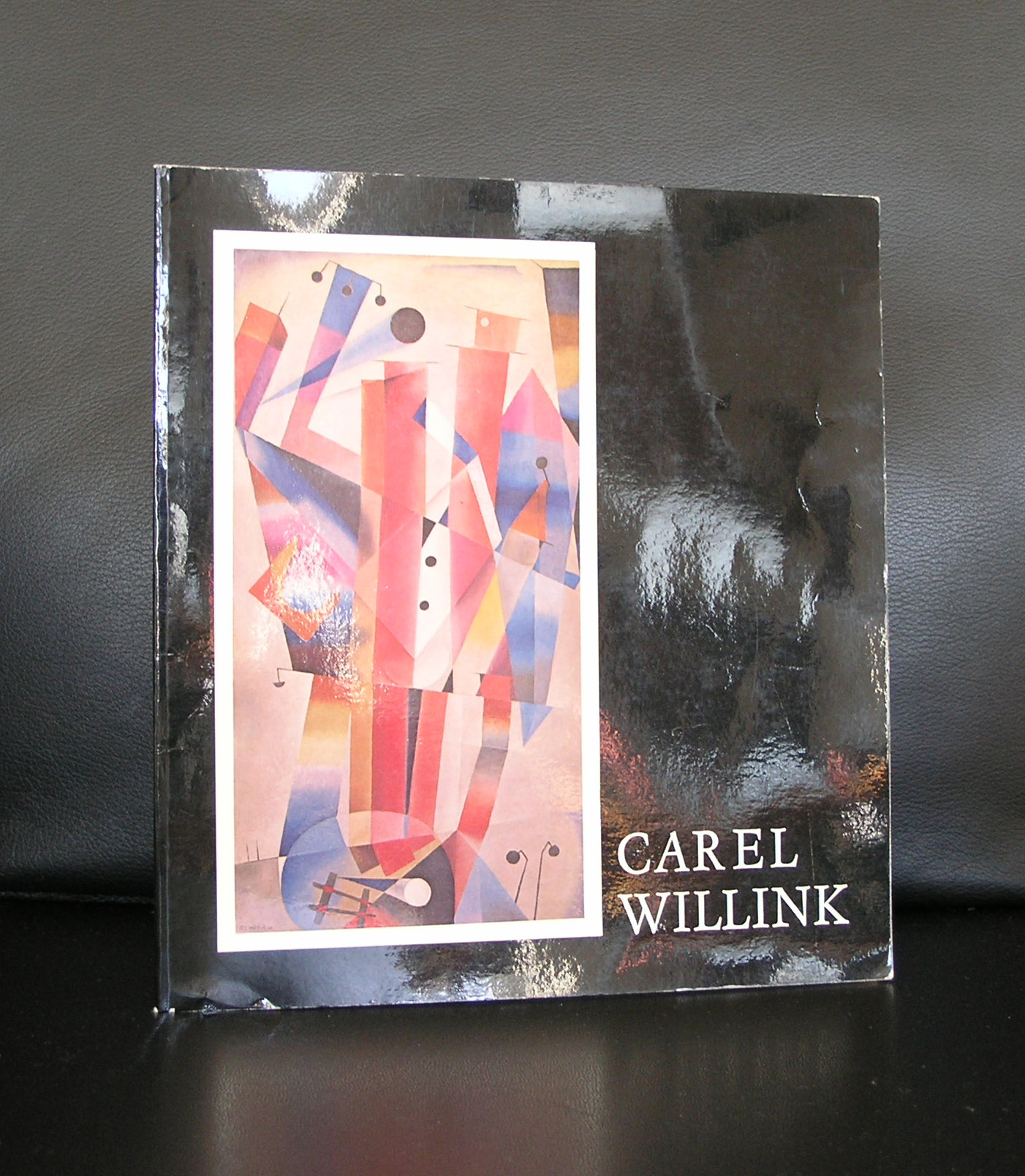
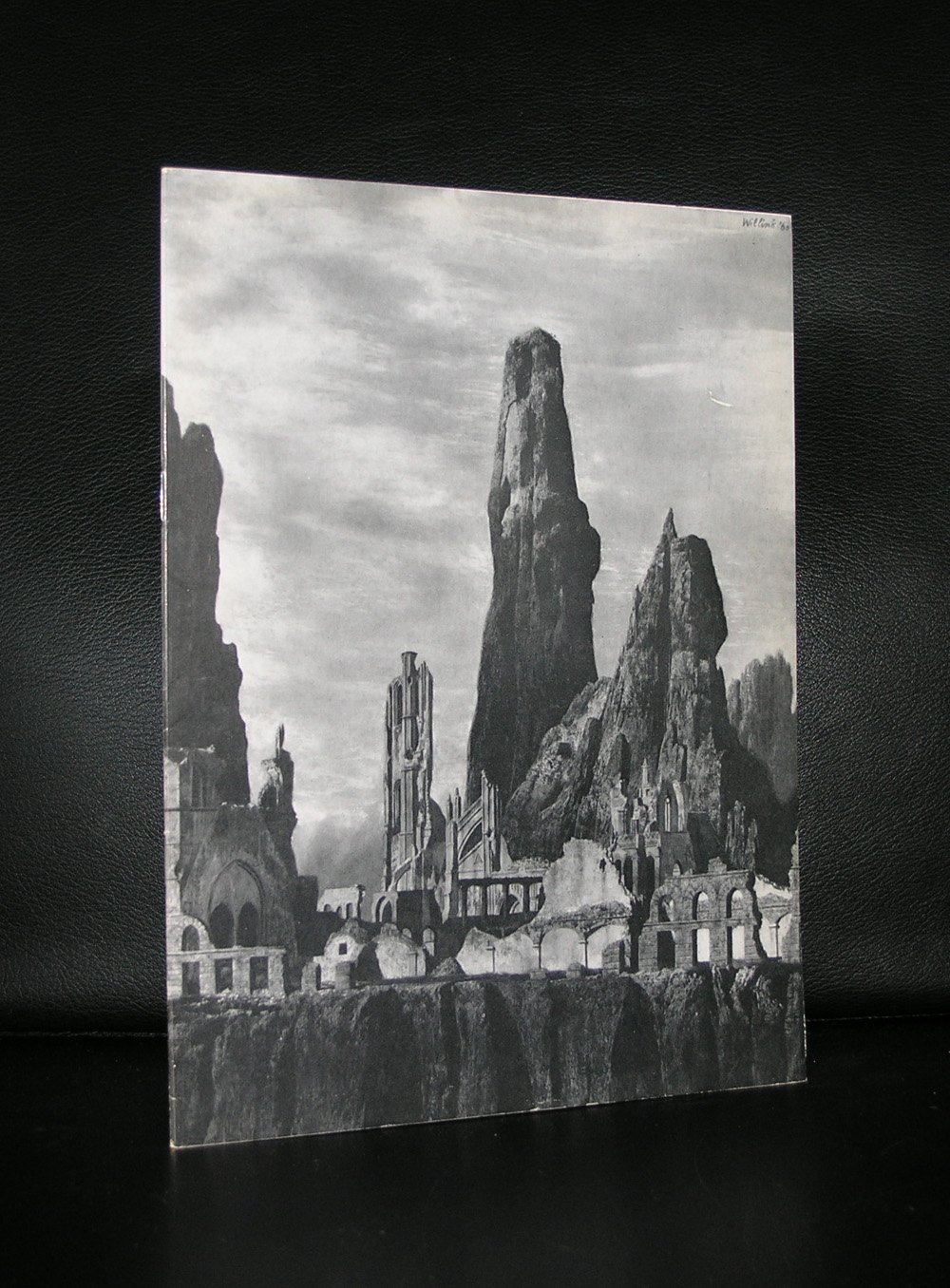
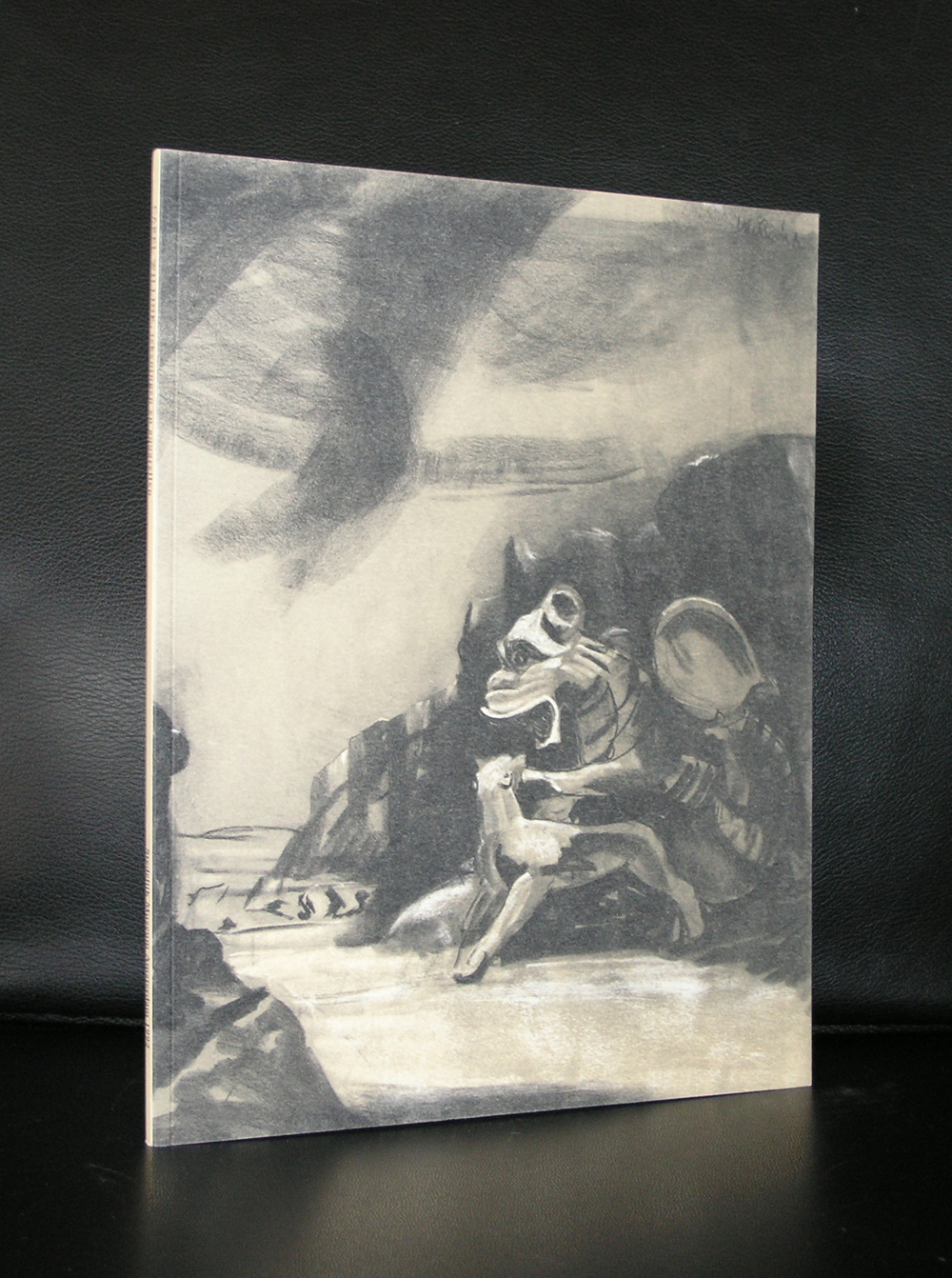
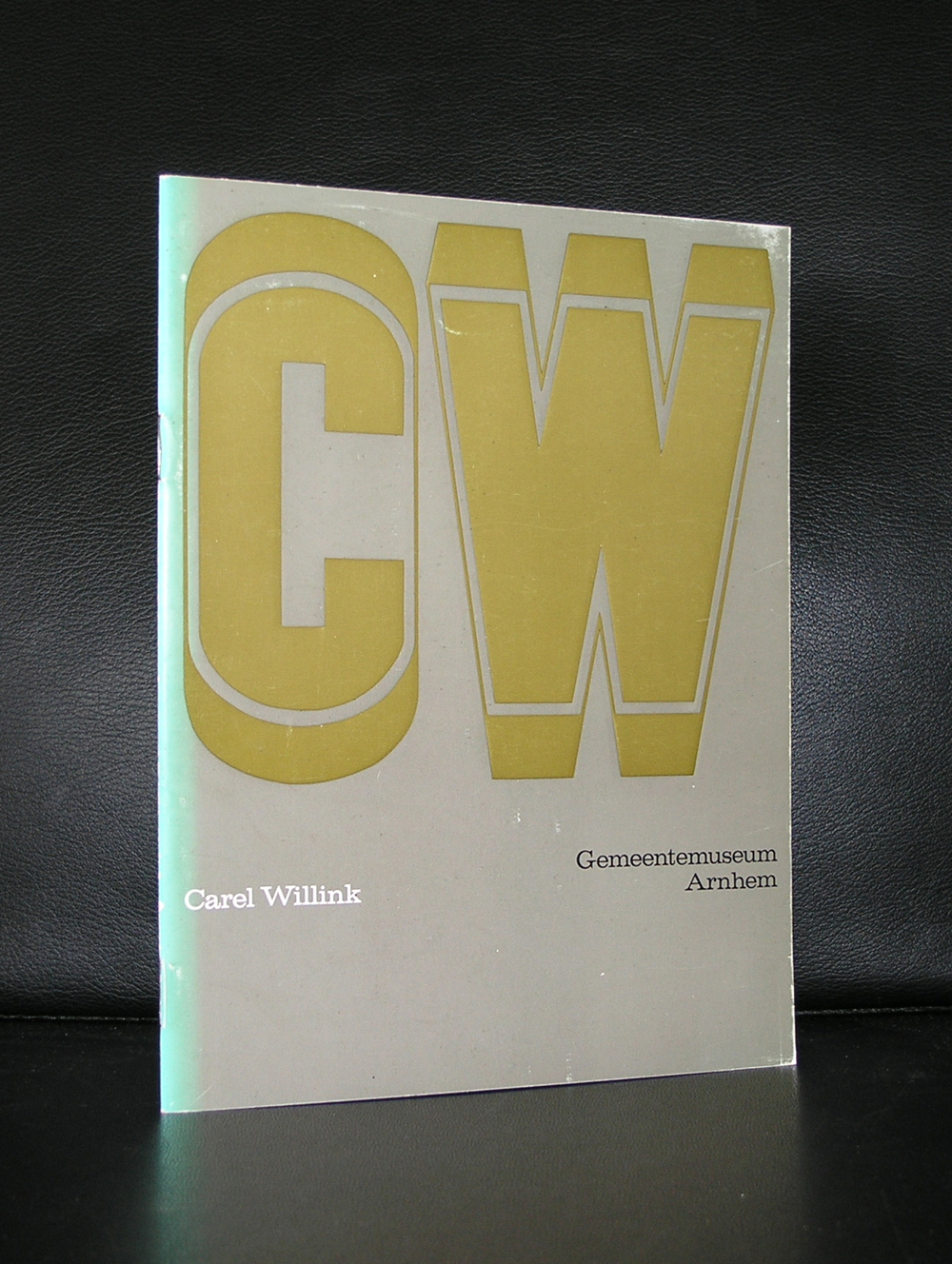
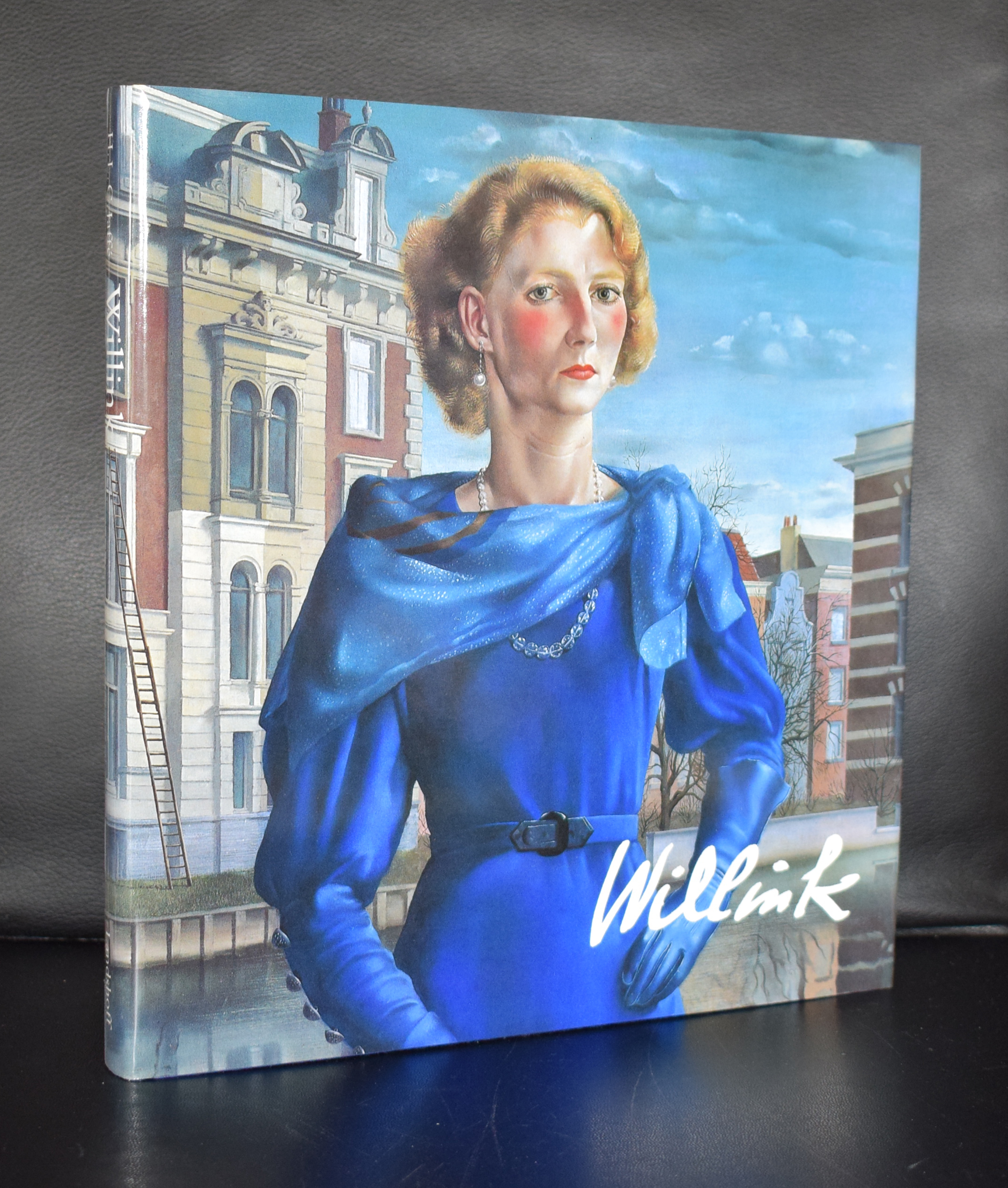
Carel Willink (1900-1983)

Schermafbeelding 2017-08-30 om 14.52.03

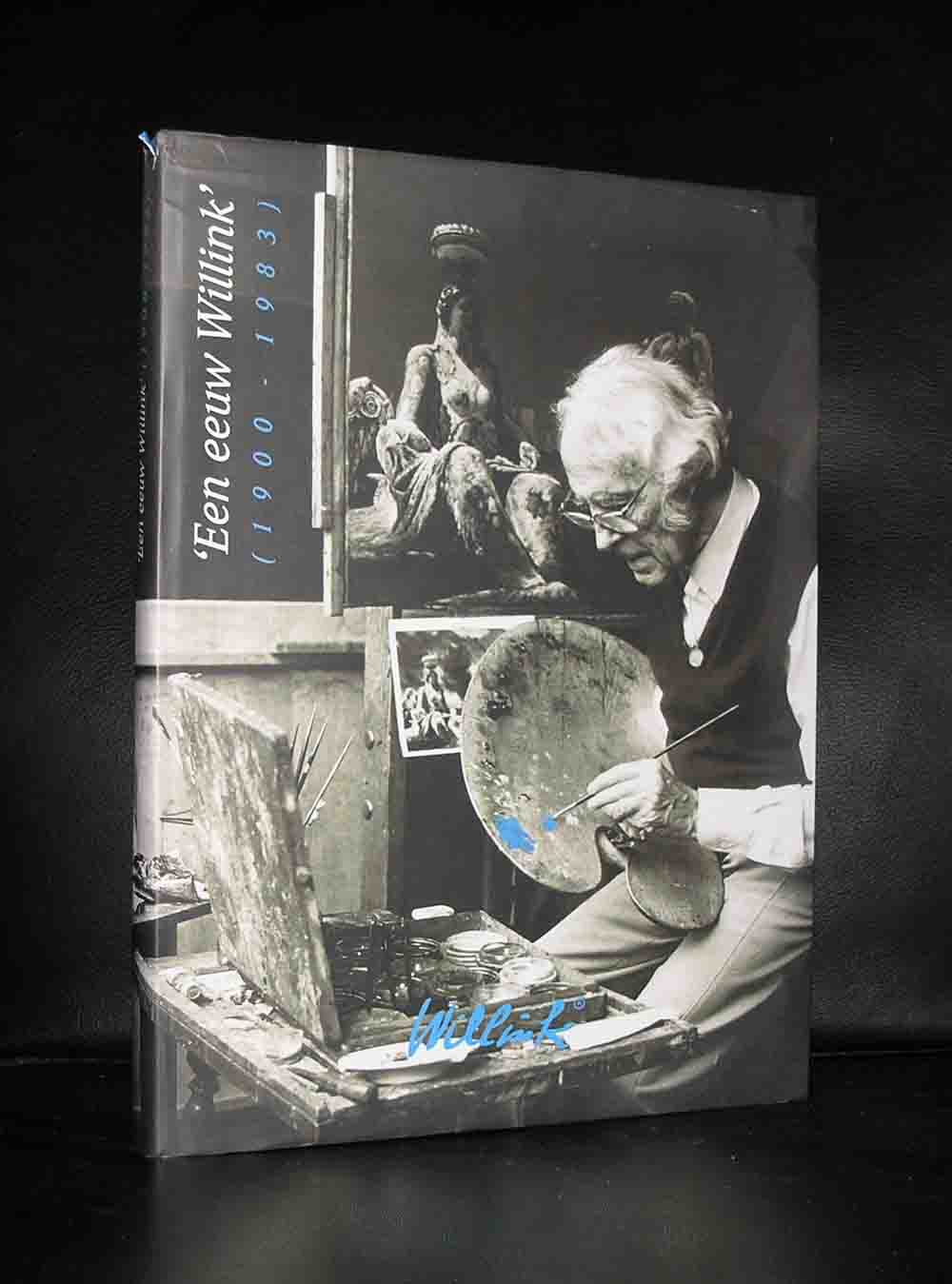
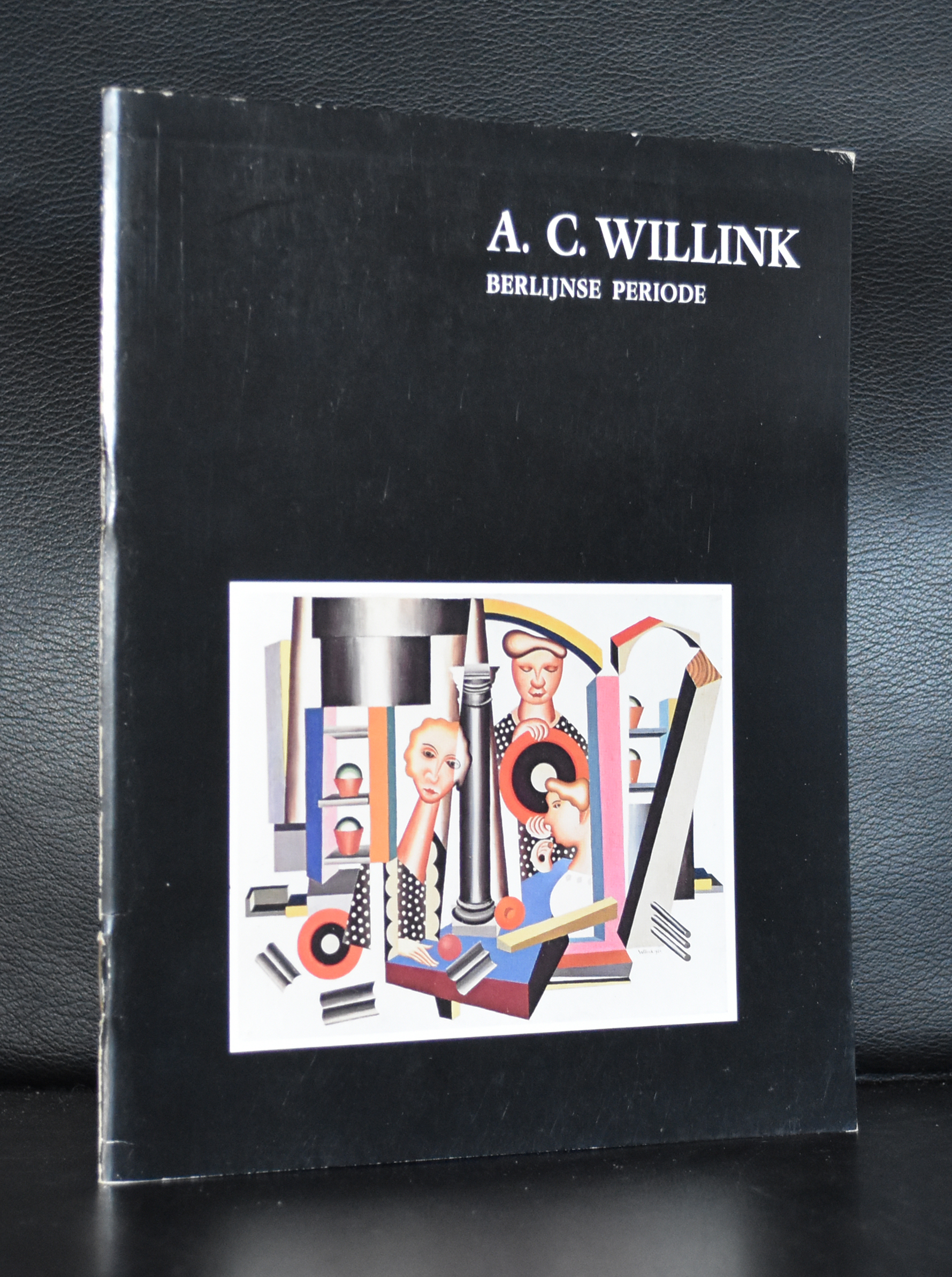
In the time the PC. Hooftstraat in Amsterdam was not a fashion street, but an ordinary city street with a butcher, a grocery, baker, vegetables shop and even a garage. In those days there were some galleries who held residence in the P.C. Hooftstraat,. Among them there was gallery IKON, which presented religious icons and yes, i was the shopkeeper …it was one of my first jobs in the art world. At one day Carel Willink passed by , returned and entered the gallery. Hat, walking stick, bow tie . He really looked like a bohemian. Now almost 35 years later i still remember the person, but as an artist i lost interest. His technique is phenomenal, but in the last years of his life he only took consignments and made portraits for famous dutch people. One exception… . The (nude) portrait he made of his wife Sylvia is exceptionally beautiful.

Schermafbeelding 2017-08-30 om 15.00.16

www.ftn-books.com has some nice catalogues on Carel Willink