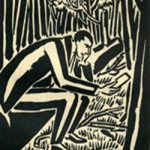
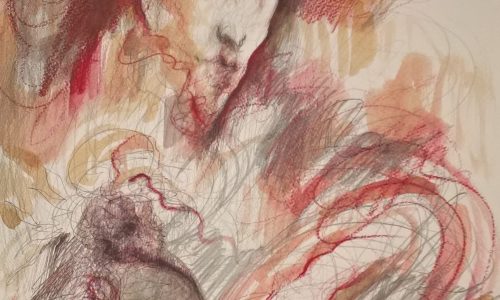
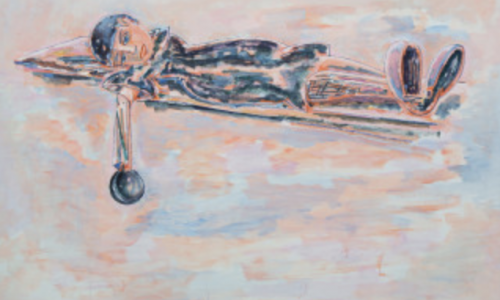
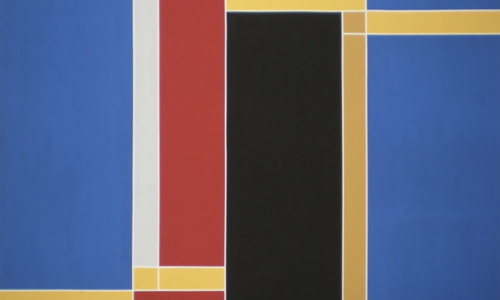
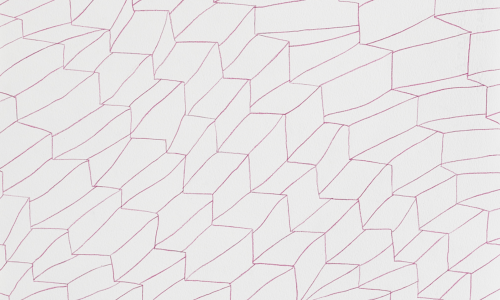
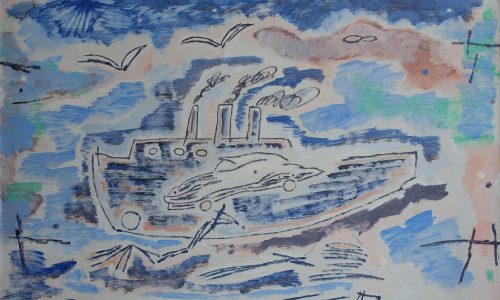
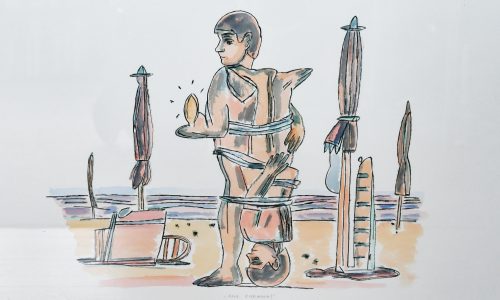
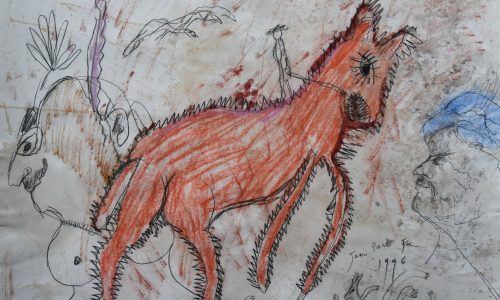
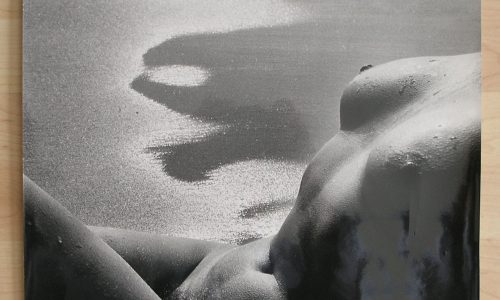
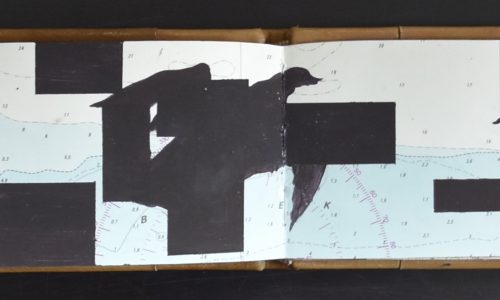
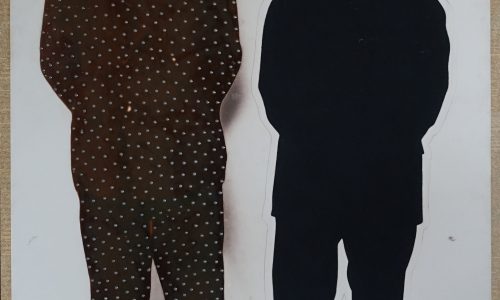
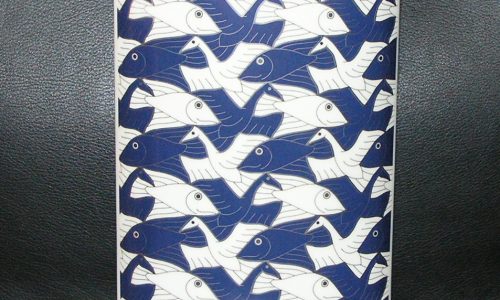
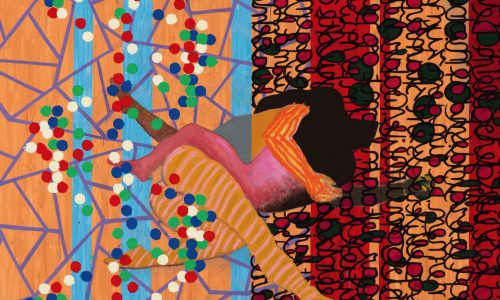
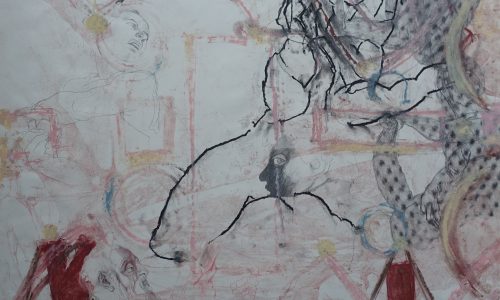
A Lokaal 01 publication is this card with the ” ANATOMISCHE LES” from 2009


A Lokaal 01 publication is this card with the ” ANATOMISCHE LES” from 2009

Today was book market day and i went to the stalls at the local book market. I am always looking for the thin little books and this is one of the titles i found today. I went through a stack of books and there this book was. At first I thought it was a JOOST SWARTE cover, but studying it more closely i noticed that this could not have been done by Swarte , since the book was published in 1979 and the drawing done by Rudolf Tropsch in 1901.
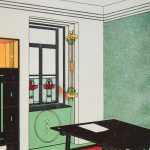
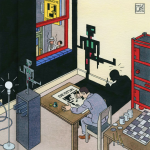
iI always have admired Joost Swarte for the way he set up his drawings and how he has done his research, but the drawings by Tropsch show that some 80 years earlier other artists had the same approach to their subjects. The book on Vienna Moderne is now available at www.ftn-books.com


Jan Leering, director at that the time of this exhibition , had an admiration for Ad Reinhardt and presented and purchased for the collection of the van Abbemuseum some important works by Reinhardt. The result of this admiration was a very important exhibition in 1972/1973 with the works by Reinhardt and an exhibition catalogue designed by Jan van Toorn. This catalogue is now available at www.ftn-books.com and it is one hard to find . Condition is still good+ of this important catalogue and it shows perfectly why Reinhardt is considered as one of the greatest painters from the US. Impressive , timeless paintings by a gifted artist. A nice extra is that the catalogue comes with hand out “invitation”
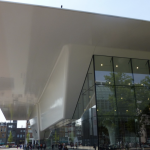
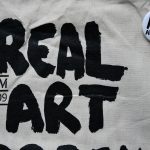
During the renovation of the Stedelijk Museum in 2009. There were only 5 special opening days of the museum. These days were on the occasion of the Amsterdam art fair to let the public see the progress and possibilities of the “new” building and get acqainted with it
The museum had a completely different approach in showing its colection since the rooms were filled for a period of only 5 days. The result a truly different museum filled with surprising and fantastic art and this bag is proof that there were these opening days in May 2009. There were 4 different versions and all versions are available. The bag is made of cotton and contained a newspaper on the museum and had a special button on the outside. These bags have now become highly collectable items and are now for sale at www.ftn-books.com. An important Stedelijk Museum collectible.


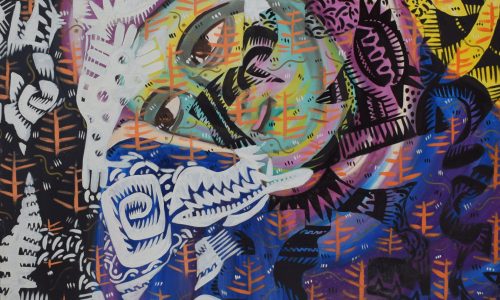
Lets keep it simple today. Pictures tell a better story in this case. Here is Hannah van Bart, a great dutch artist who’s works i encountered for the first time at the time she had her exhibition at the Gemeentemuseum den Haag (Schijngestalten/illuminations ) this book is now available at www.ftn-books.com

In september next an exhibition will open at the Marianne Boesky Gallery
Amsterdam-based artist Hannah van Bart (b. 1963) paints portraits, still lifes and landscapes. She brings together figures, interiors and exteriors as if to suggest there are no distinctions between the subjects. Figures or anthropomorphized figures appear and reappear in van Bart’s paintings, and her style is marked by distinctive outlines, repeated patterning, and layered brushwork in matte palettes. In September of 201

Over 1200 blogs now and this is a first. I could not find a single portrait of Bruno Perrament. A french contemporary artist who had one of his first important shows at the GEM museum in Den Haag. A very nice exhibition curated by Roel Arkesteijn. With the exhibition a great Perrament publication was published at that time. The publication is now available at www.ftn-books.com .Perrament was and is one of my favorite new contemporary artists and when i look at his works some 15 years later. I must confess that i am still a fan. The way he mixes abstraction with realistic scenes and landscapes makes his work stand out from many of his contemporaries. Intriguing, sexy and impressive are his larger paintings. If you are looking for a great introduction to his work , the UPON THE RIVERS catalogue is a great starting point.

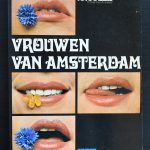
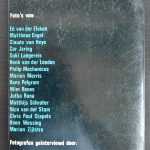
This is the title of a publication which is since a few weeks available at www.ftn-books.com. Inspired by the Ed van der Elsken exhibition at the Nederlands Fotomuseum which recently closed, i was looking for publications that were special and depicted the era of Sixties and early Seventies. This is one of the first of i hope many discoveries. “Vrouwen van Amsterdam” was published by Fototribune in 1970 and contains photographs of Amsterdam Women by the vey best . Ed van der Elsken, Cor Jaring, Koen Wessing and Claud van Heye. These are just a few names who had their input in this great publication. Typical Late Sixties photography, the age of Love & Peace depicted by great dutch photographers.
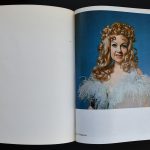
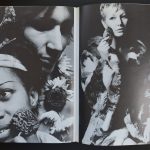

Jan Maaskant is a dutch sculptor who name rose in some way to fame when he was selected by Rudi Fuchs to contribute to the Documenta 7 in 1982. Influenced by Brancusi and Laurens his works to me feel more close to the Minimal Art of Sol LeWitt and Carl Andre. An excellent example of one of his Minimalistic sculptures can be found in the garden of the Gemeentemuseum Den Haag near the Schamhart pavillion / Fotomuseum.

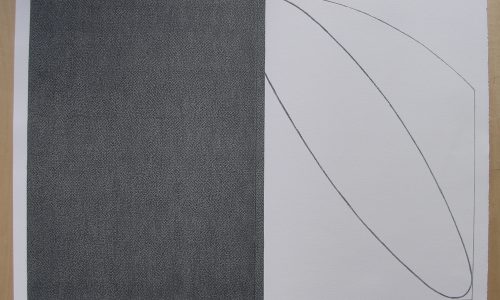
Maaskant has a long history with the Gemeentemuseum and because Hans Locher ( former director) was an admirer like Rudi Fuchs was, a publication was initialized. Jan Maaskant received an unplanned publication. An important book, published in a small edition. The book sold badly , but is now one of the hardest to find Gemeentemuseum publications. The book is available at www.ftn-books.com
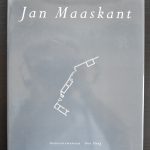
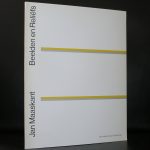
Maaskant is als beeldhouwer autodidact. Hij werd aanvankelijk beïnvloed door beeldhouwers als Henri Laurens, Constantin Brâncuşi en Julio González, maar vanuit het gesloten, compacte beeldhouwwerk ging hij naar de compositie van de open vorm, samengesteld uit zelfstandige elementen, waarbij een grote rol is weggelegd voor maat, afstand, richting en indeling.
Maaskant werd in 1982 door hoofdcurator Rudi Fuchs geselecteerd voor deelname aan documenta 7, maar viel uiteindelijk af. In 1985 werd hij docent beeldhouwen aan de Christelijke Academie voor Beeldende Kunsten in Kampen (thans de ArtEZ Art & Design Zwolle). Het werk van Maaskant is minimalistisch en wordt gerekend tot de geometrisch–abstracte kunst. In zijn werk probeert Maaskant architectuur en beeldhouwkunst te verenigen. Hij creëert zowel ruimtelijke structuren als tweedimensionale wandreliëfs, die op enige afstand voor de wand worden geplaatst om de zwaarte van de structuur terug te dringen.
Het werk van Maaskant bevindt zich in de collectie van onder andere het Museum Boijmans Van Beuningen in Rotterdam, het Gemeentemuseum Den Haag in Den Haag, het Van Abbemuseum in Eindhoven en het Kröller-Müller Museum in Otterlo.

A portrait of Montparnasse in the first decades of the century, this attractive book of some 650 black-and-white photos uses, as a focal point, the artist, artist’s model, singer, dancer and actress Kiki (born Alice Ernestine Prin). Proclaimed “Queen of Montparnasse” in 1929 by the newspaper Paris-Montparnasse , she was outrageous, charming, beautiful, talented–and so is the Paris that emerges. We see the cafes–Dome, Rotonde, Coupole, etc.–where notable artists Matisse, Modigliani, Picasso, Man Ray, Stein, Leger, Cocteau, Brancusi, Soutine and hundreds of others hung out, the studios in which they worked, the parties they went to, the vacations they took and the galleries where they exhibited.
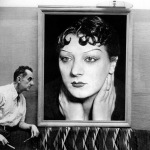
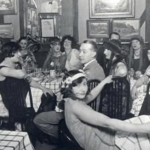
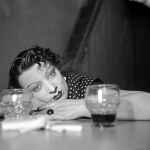
The text, deliberately understated, takes a back seat to the photos, offering introduction, explanation and anecdote. Kluver, president of Experiments in Art and Technology, and Martin, a staff member at the the same foundation, have assembled a lavish, information-packed look at the people and places of an important, exciting era in art history.

This title is now available at www.ftn-books.com
This time another rare early Piet Dirkx catalogue. I have had this for over 30 years now and i am still using it frequently.