Posted on Leave a comment

Henri-Georges Adam (1904-1967)

Schermafbeelding 2018-03-09 om 16.54.45

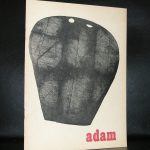
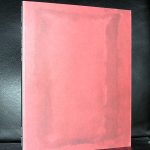
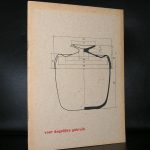
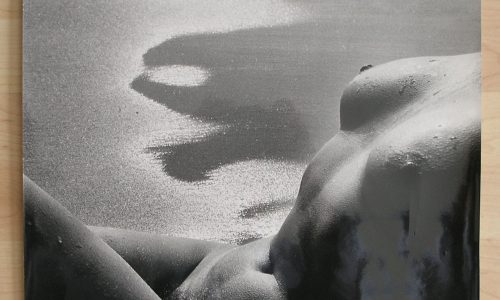
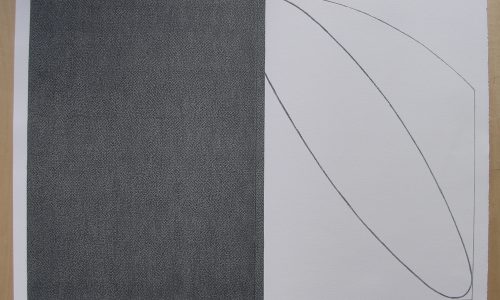
One of the most striking catalogues from the Fifties by Willem Sandberg was done for the Adam exhibition in 1955. The use of simple brown colored paper and the special print by Henri-Georges Adam on the frontcover made this one very special and an example for many catalogues which were published since. The use of brown colored paper. the special print on the outside , the typography and lay out made this an outstanding catalogue by Sandberg . Willem Sandberg must have admired Adam, because you can feel the love that went into this catalogue.

OLYMPUS DIGITAL CAMERA

Adam a typical Fifties artist was groundbreaking in his etchings and because of the forms he used is typical for the abstract art which appeared in that decade. In the Netherland there were Ouborg, Hussem and Nanninga in France there was Henri -Georges Adam.

Here is an excellent biography on Henri-Georges Adam i found at gallery MC.

Henri-Georges Adam was born in Paris in 1904. In 1918, after his studies at the school of clock industry, he started working in his father’s workshop, jeweler. He followed (1925) evening classes to the art school Germain-Pilon in Montparnasse, then to the Beaux-Arts. Henri-Georges Adam became a drawing professor of the city of Paris. Then, he made satirical drawings and political caricatures. 
In 1934, he got injured after an accident and while his resting time he approached the etching. During all his life he wanted the etching to be black and white. In 1934 was organized his first exhibition. He met regularly Surrealists: Breton, Aragon and Eluard. In 1936, he created a series of etchings violently expressionists around the war of Spain. Adam adhered in 1936 to “the Association of the writers and revolutionary artists” where he met Estève, Manessier, Pignon or Arpad Szenes. He took part in the exhibition “July 14th” with Romain Rolland (and Picasso, Matisse, Dufy, Chagall, etc). 
Mobilized in 1939, he was taken prisoner; drafted the hospital of Besançon as a medical orderly, he carried out many drawings of soldiers and casualties. Released in 1940, Henri-Georges Adam discovered the sculpture two years later. His etched work, initially figurative, stuck more and more to the purity of the lines, the plans and their articulation together. In 1943, he was one of the fifteen clandestine founders of the Salon de Mai. This same year, he created decorations and costumes for “Les mouches”, the first play of Jean-Paul Sartre, put in scene by Charles Dullin. The artist made friend with Pablo Picasso who lent him his atelier in the Grand Augustin-street until 1950 and his property of Boisgeloup (1948-1949). 
From 1947, Adam made paperboards for the tapestry. An exhibition of his whole work was devoted to him in 1949 to the Maeght Gallery. In 1952, the Bookshop-Gallery La Hune presented his copperplate etchings cut. During 5 years, he was professor of drawing in Anthony (1950-1955). In 1955 a first retrospective of his work was organized in Stedelijk Museum of Amsterdam. Adam created in 1956 and 1957 one of his most famous series of etchings, “Dales, Sable et Eau”, around the plays of the sea, sand and the granite, and the series of sculptures “Mutations marines”. He carried out new tapestries (French Embassy in Washington, UNESCO, etc). “The Signal”, set up on the square of the House of the Culture in Le Havre in 1961, was the first of his monumental sculptures. Adam multiplied from 1962 the architectural sculptures. Henri-Georges Adam was named in 1959 etching professor then chief-professor-atelier of monumental sculpture at the École Nationale Supérieure des Beaux Arts in Paris. He set up his own atelier and his printing press in La Ville du Bois, close to Montlhéry, while many exhibitions of his work were presented in the French and European museums. The artist carried out in 1961 an important series of sculptures, “Cryptograms”. 
A retrospective of his work was presented in 1966 at the national Museum of modern art of Paris. 
The following year, in full creative activity, Henri-Georges Adam had a heart attack at the 63 years age. Many retrospectives of his work will be organized after the death of the artist.

Some of the Henri-Georges Adam publication are at this moment available at www.ftn-books.com
Posted on Leave a comment

Josua Reichert ( 1937 )… a printer

Schermafbeelding 2018-03-08 om 10.18.28

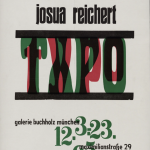
Reichert is a typographer, designer, author and printer combined in one person. Take a little bit of Werkman, put in a dash of Piet Zwart combine this with the authenticity of Reichert and you have some idea of the fantastic prints he makes. Study his prints and you see mouvement and a highly original approach to printing  which makes them typical Josua Reichert prints.

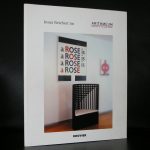
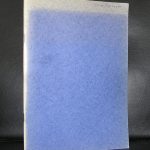
One of the publications www.ftn-books.com has for sale is the excellent Wim Crouwel designed catalogue for the 1966 Stedelijk Museum exhibition on Josua Reichert and his prints.

OLYMPUS DIGITAL CAMERA

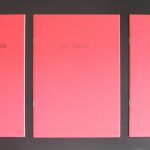
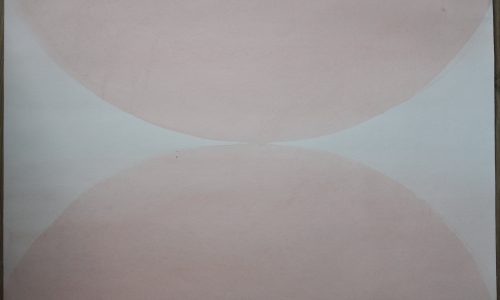
It is only 4 pages , but the fairly standard design by Wim Crouwel in blue was altered and printed on by Reichert with 3 special prints for this occasion. This combination of Reichert prints with Crouwel typography/design makes this for me personally one of the most valued and appreciated publications by the Stedelijk Museum in the Sixties.

Posted on Leave a comment

László Moholy-Nagy ( 1895-1946)

Schermafbeelding 2018-01-27 om 15.39.03

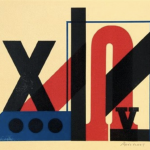
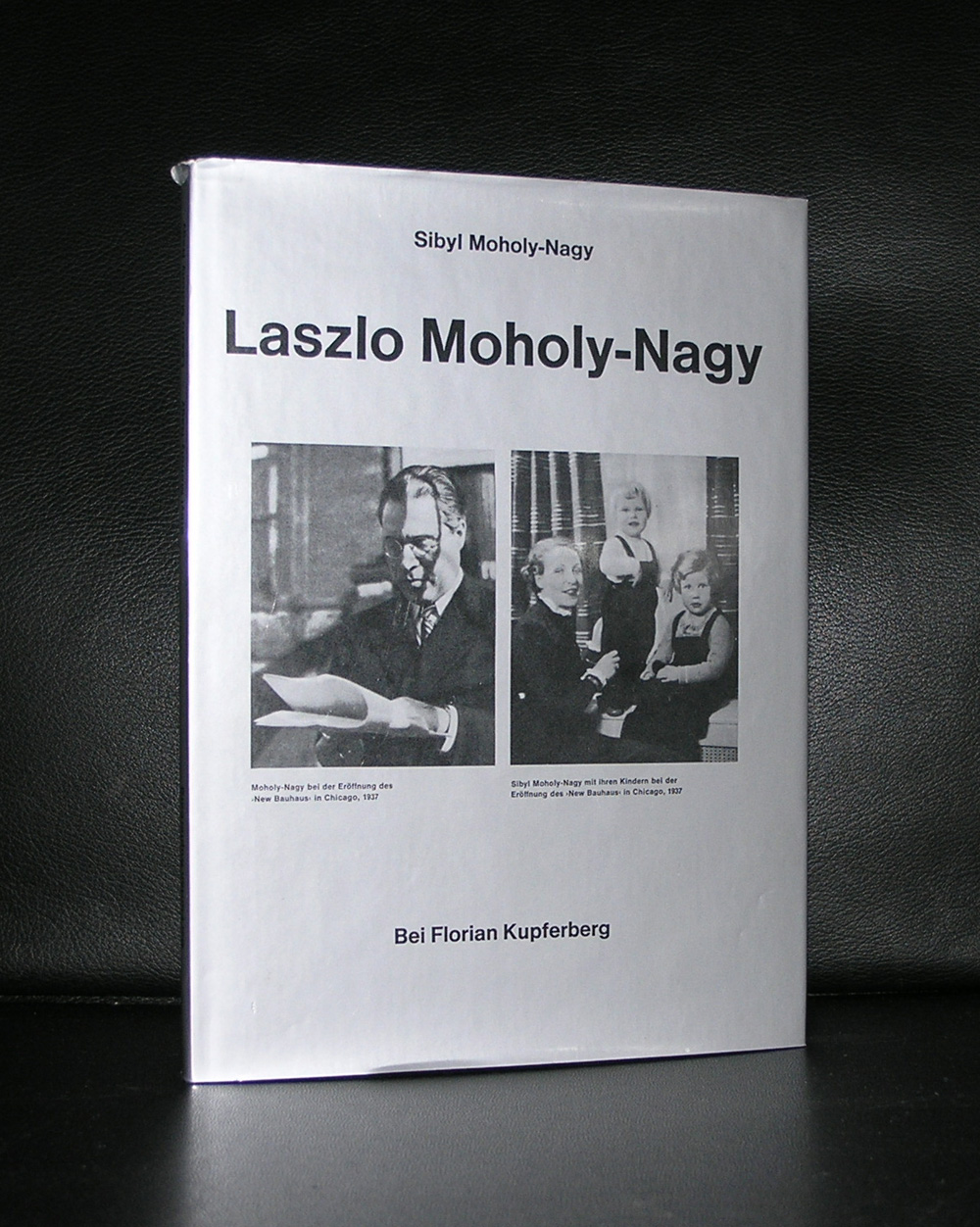
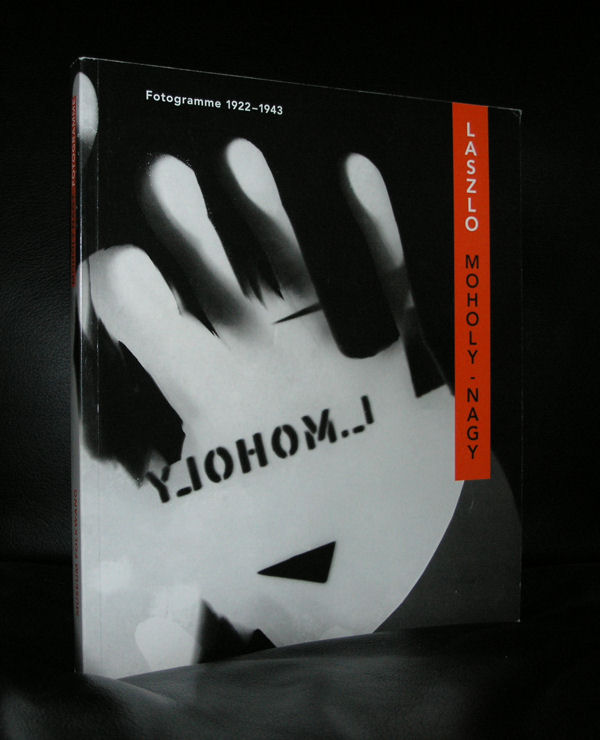
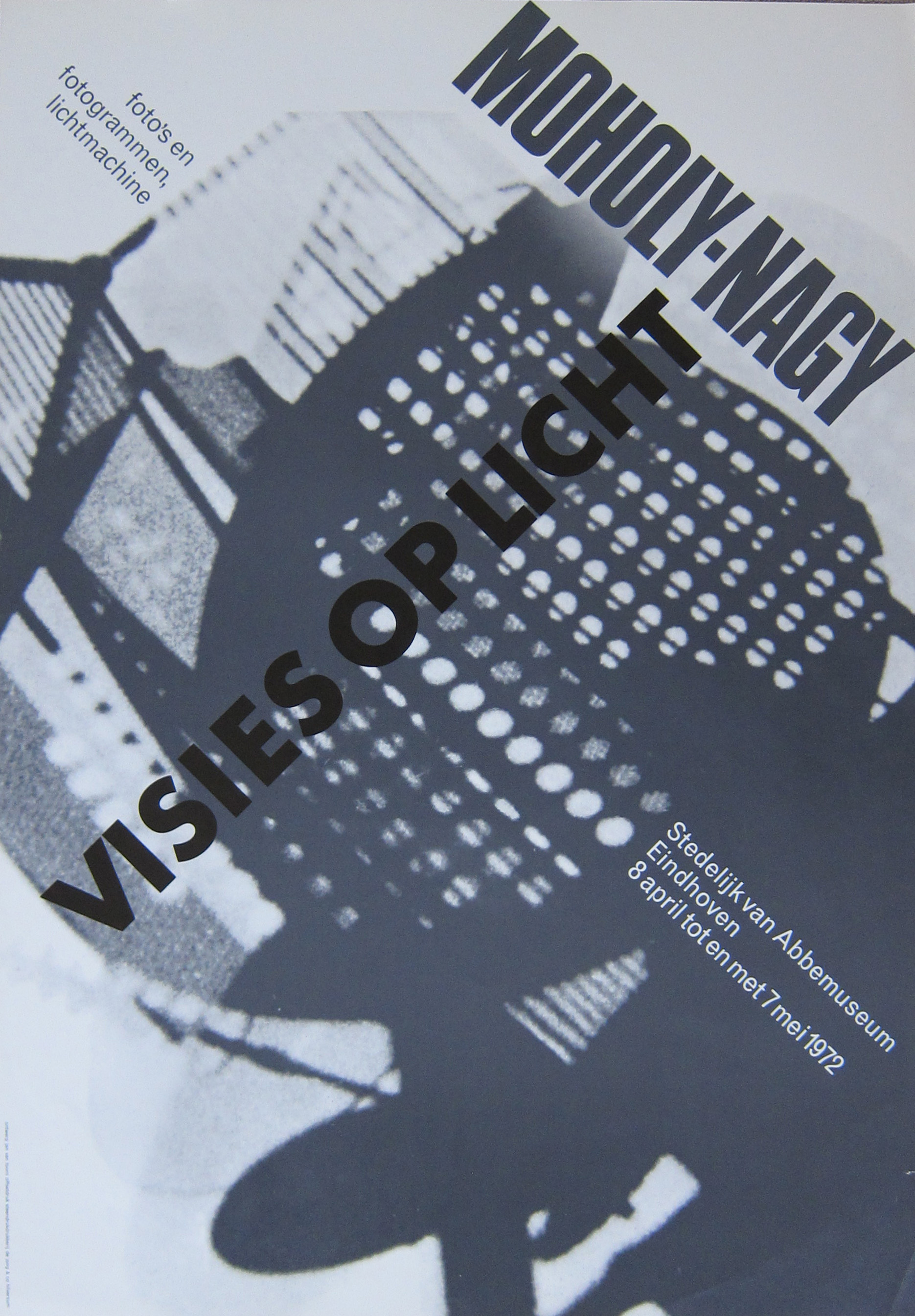
László Moholy-Nagy  born László Weisz; July 20, 1895 – November 24, 1946) was a Hungarian painter and photographer as well as a professor in the Bauhaus school. He was highly influenced by constructivism and a strong advocate of the integration of technology and industry into the arts.

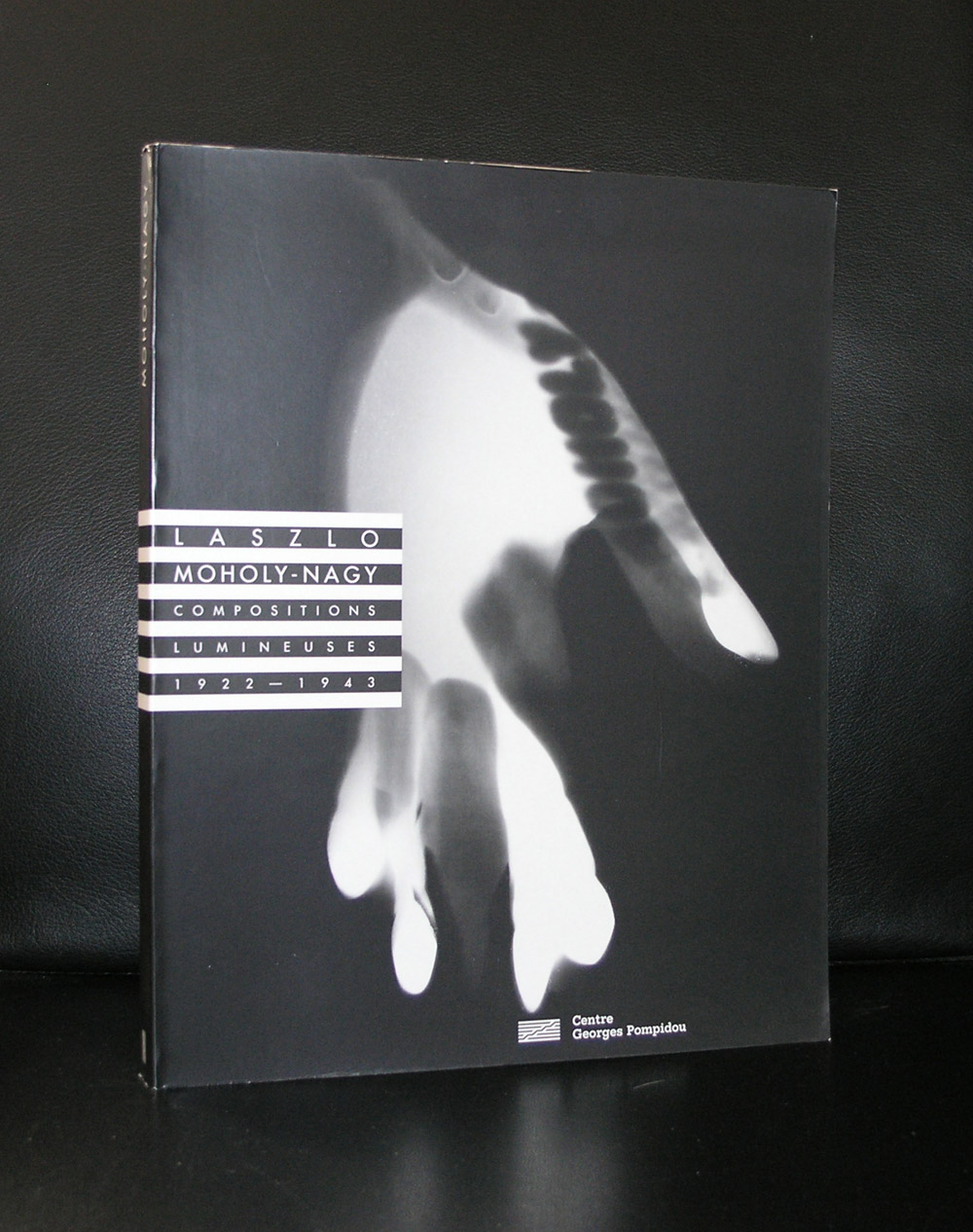
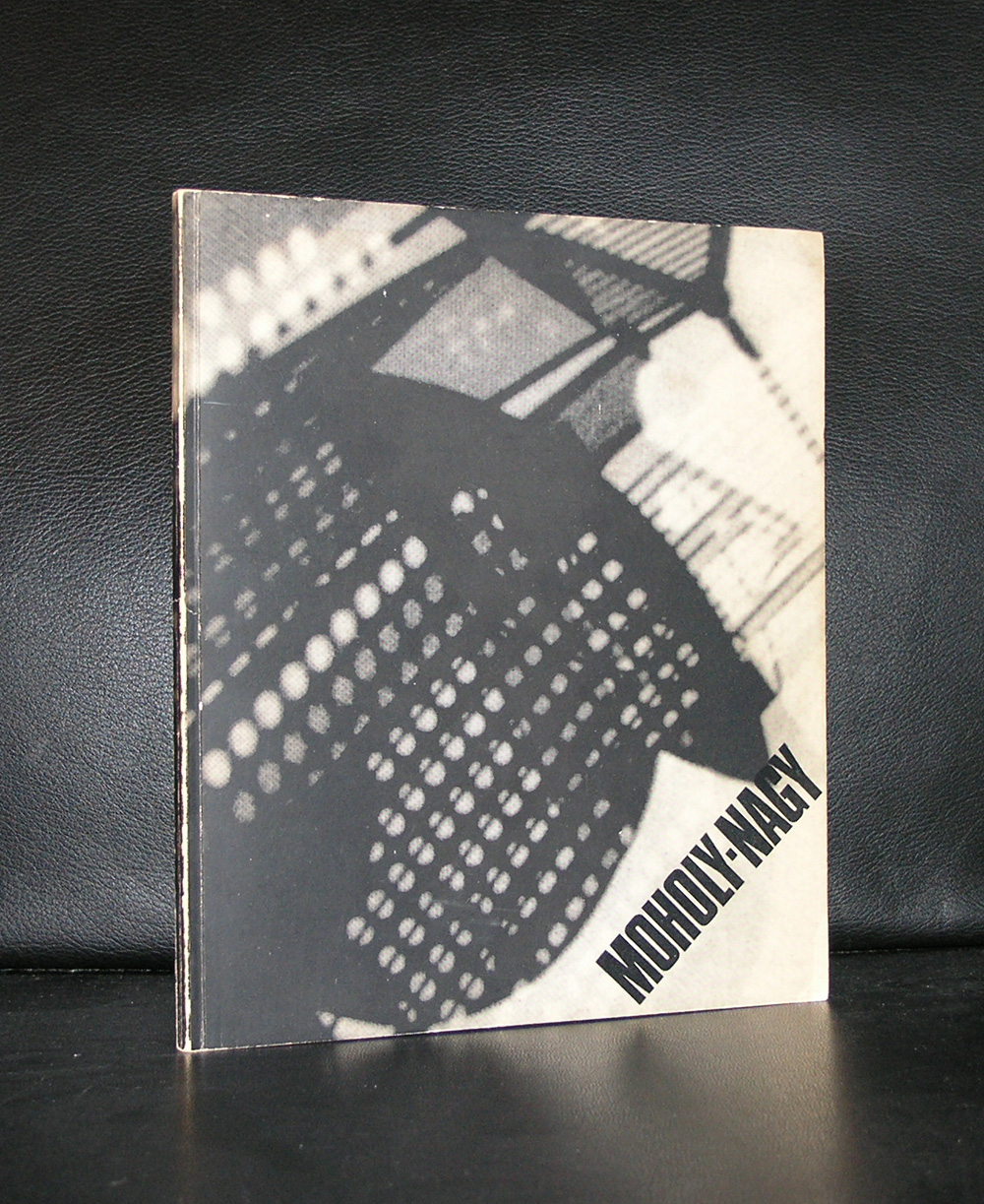
This is how the Wikipedia article on László Moholy-Nagy begins. I know the art by him as complicated constructions of threads and pieces of metal, but it was not until some 15 years ago that i discovered a book on his “photograms” and it immediately fascinated me. It was the link between painting and photography, showing details of hands and objects turning them into abstract works of art.

With his photograms, such as Photogram with Eiffel Tower (1925-1929), Moholy-Nagy experimented with the abstract potential of a traditionally documentary medium. The artist’s photography was also distinguished by its abstract qualities achieved through his bold experimentation with perspective. Among Moholy-Nagy’s three-dimensional works, the best known is Light Prop for an Electric Stage (1930), a mechanical sculpture that used light as a material and cast shifting shadows on the walls around it.

Www.ftn-books.com has some very nice László Moholy-Nagy publications available


Posted on Leave a comment

Mark Rothko (1903-1970)….Walls of light

OLYMPUS DIGITAL CAMERA

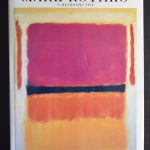
I discovered that in the over 1000 blogs i published i never have written one about Mark Rothko and you must know that Rothko is one of the painters i admire most. There are several exhibItions i have seen on Rothko  . The first one was the Spiritual In Art, which had some Rothko’s within the exhibition and then there was recently the exhibition in the Gemeentemuseum Den Haag which i liked very much and which had a near perfect chronological overview of his painting including the one he just made before his suicide, which was presented next to Piet Mondrian’s final painting,

Schermafbeelding 2018-03-04 om 10.07.36


but the exhibition which impressed me most was the Rothko special exhibition at the Guggenheim Bilbao (2004). I did not know it was there and when Linda and I entered the room we both were overwhelmed with the paintings on show.

Large scale paintings, executed in colors which were either very bright or very close to each other with hardly any contrast in them. It was the first time we visited the Guggenheim Museum in Bilbao and on show were large scale works by Oldenburg which on another occasion were replaced for the Richard Serra work MATTER OF TIME and then , surprise….. one of the greatest and best overviews of Rothko paintings imaginable. Here is the text belonging to the announcement by the Guggenheim Museum

MARK ROTHKO

WALLS OF LIGHT

June 8, 2004 – October 24, 2004

Born Marcus Rothkovitz in Dvinsk, Russia, in 1903, Mark Rothko emigrated with his family to the U.S. in 1913, settling in Portland, Oregon. Rothko attended Yale University on scholarship from 1921 to 1923, when he left without a degree and moved to New York. He began to paint in 1925 and had his first solo show in 1933. He continued to refine his technique as he developed his famous mature style in the late 1940s and early 1950s. Since his tragic death in 1970, his art has continued to enjoy undiminished popularity. Today Rothko counts among the great pioneers of American postwar art and, alongside Barnett Newman and Jackson Pollock, as one of the major representatives of Abstract Expressionism.

In 2003, to mark the hundredth anniversary of Rothko’s birth, the Beyeler Foundation, Basel, in collaboration with the artist’s children Kate R. Prizel and Christopher Rothko, installed a sequence of Rothko rooms, now on view in an extended version at the Guggenheim Museum Bilbao. The exhibition features a representative cross-section of works from all phases of Rothko’s career and provides a moving homage to the artist and his work.

Schermafbeelding 2018-03-04 om 10.02.50


The Mark Rothko exhibition is still in our minds and we have on our wishlist to go at one time to the Rothko chapel and experience once again the timeless abstract art by Mark Rothko. Rothko is truly timeless and undoubtedly one of the greatest painters the art world has given humanity. There are several Rothko titles available at www.ftn-books.com

Posted on Leave a comment

Woody van Amen (1936)… dutch Pop Art

Schermafbeelding 2018-03-01 om 14.41.58

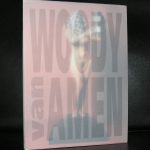
Ask me … who is the greatest Pop Art artist in the Netherlands….my answer would be Woody van Amen.

Woody van Amen (Eindhoven, 1936)* studied at the Willem de Kooning Academy in Rotterdam. His fascination for contemporary culture stemmed from the 2 year period he spent in New York from 1961 to 1963, where he met pioneers of the Pop Art movement such as Andy Warhol and Robert Rauschenberg. Woody van Amen states himself on what he encountered there: ‘Pop Art is a purely American phenomenon, based on American advertising. I am concerned with figurativism and new realism. I make things about subjects that intrigue me… everything is usable because everything can become symbolic when taken out of its usual surroundings’.

His contact with artists and his discovery of artist’s cafes, jazz music, junk art and neon light gave him inspiration and informed the themes and methodology of his work. He started to incorporate the logo’s of big Dutch brands and used techniques such as assemblage, in this way developing his own new style.

Foreign countries and cultures have remained an important point of inspiration for Woody van Amen. In the Seventies a trip to South-East Asia lead to many new oriental influences in his work. In 2007 he produced a film, put together with footage he shot during his travels in Vietnam, Burma and Indonesia. Man, religion and the beauty of nature are important themes in this video piece and they recur once again in the exhibition SHAN 2013.

van Amen has won numerous prizes during his art career and his works are important parts of the permanent collection in many museum around the world. Since Pop Art has become important and main stream, the works by van Amen reappeared in presentations and i predict that in a few years his works will be on show permanently.

www. ftn-books.com has some important van Amen publications available.

Posted on Leave a comment

Wilhelm Wagenfeld (1900-1900)

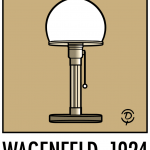
If only one object from the Bauhaus has reached an iconic standing in world design it is the Bauhaus lamp by Wilhelm Wagenfeld. It is still produced in its original dimension and materials and is one of the design classics from last century. It was such a success in interior design in the last 3 decades that many copies were produced and sold.

Schermafbeelding 2018-02-16 om 10.57.02

The only original one is done by Tecnolumen, but for much less you can buy an excellent copy. But beside the lamp Wagenfeld designed many more items. teapots, cutlery, candle sticks, door knobs but all with one specific design element. The design had to be “clean”. No curls and no ornaments…just functional design. Wagenfeld was  a true master of this clean design and influence with his designs many of the 20th century designers, including some dutch designers like Kho Liang Ie and Martin Visser , who’s designs were simple and functional .

the Bauhaus Lamp is probably the most iconic piece of lighting to come out of the Bauhaus, William Wagenfeld’s lamp, constructed of precisely cut glass and metal, is among the first objects to emerge under the Bauhaus’ technology-focused regime.

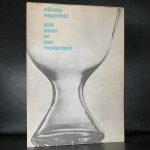
This a description as it is found on the internet, but i would like to add something else…William Wagenfeld is probably the first designer who respected the material and functionality of an object and taught this to his students. It is not the lamp that is iconic, but for me it is the designer, who is the grand master and who designed/invented the iconic Bauhaus lamp. www.ftn-books.com has some nice publications on Wagenfeld ( also one by Sandberg).

Posted on Leave a comment

Wally Elenbaas (1912-2008) & Esther Hartog.

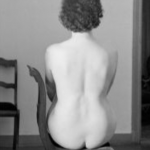
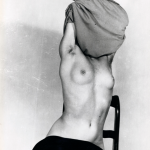
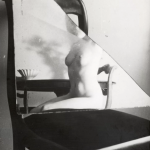
An artist couple that survived WWII but of whom Wally was put in prison, because of Nude photography which was still forbidden in the sixties. Wally spent 9 months in jail because of these beautiful photographs, taking all the blame and preventing that his wife would be punished too for making the same kind of photographs. Now in these modern times it is almost unthinkable that an artist would be put in prison, but in the early sixties it was done. Why took Wally all the blame on him?…… because he feared that esther would become insane since her family lost their lives in prison and concentration camps and by all means he wanted to prevent this to happen. A sad, but also beautiful love story which was the fundament of all their great photographs they made together and of each other.

It is now almost 10 years after Elenbaas died, but since his death a growing appreciation is there for the photography of both these artists which resulted in a beautiful impressive book published by nai010 which is also available at www.ftn-books.com
ellenbaas


Posted on Leave a comment

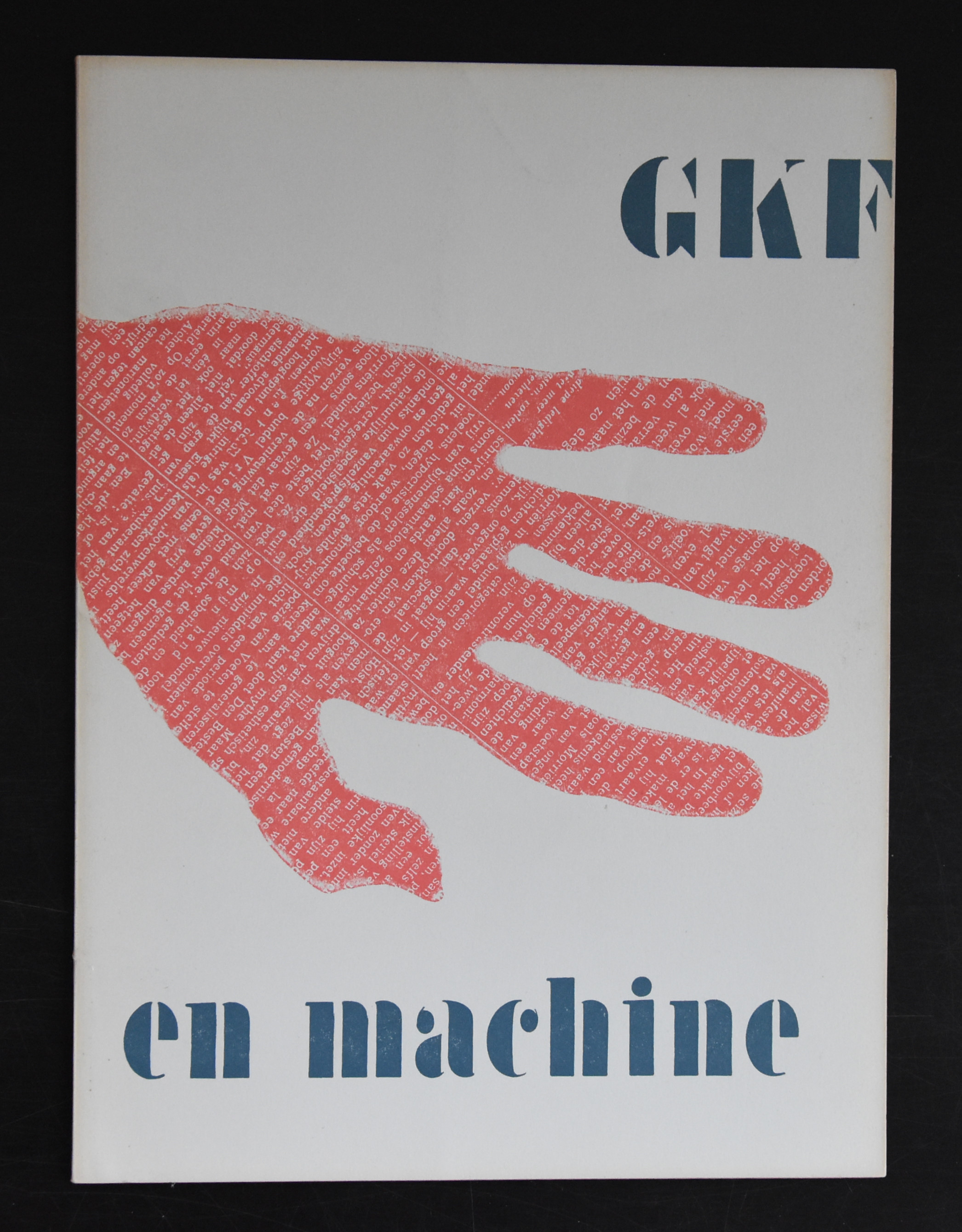
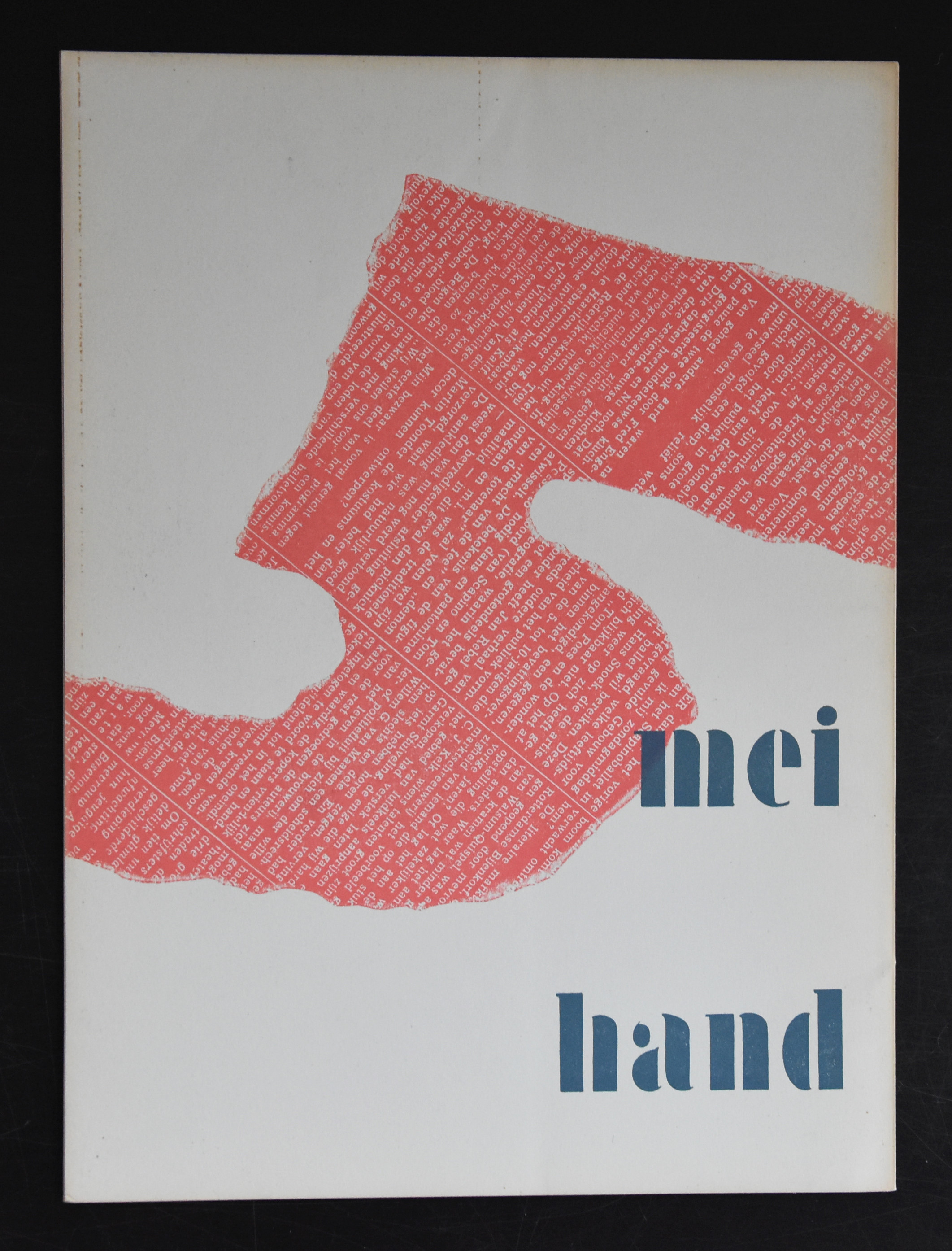
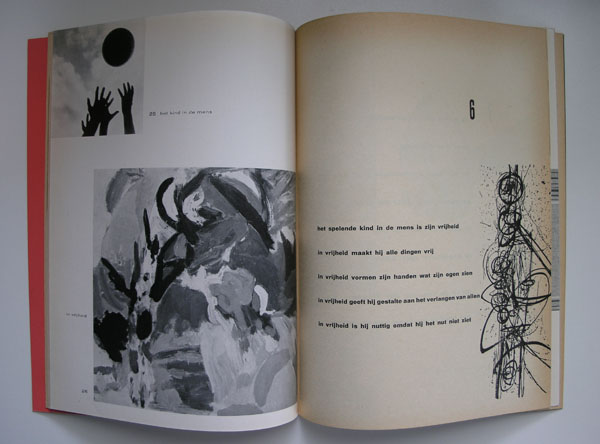
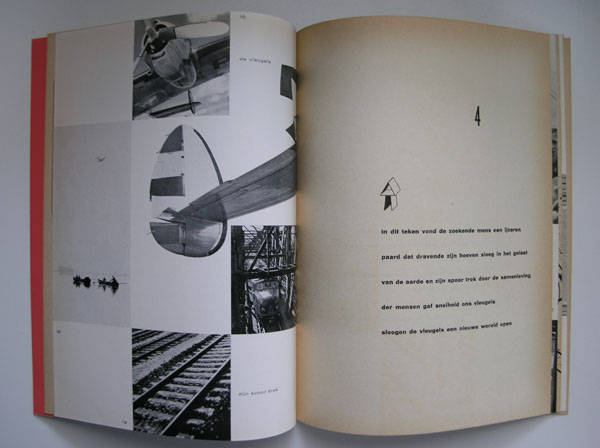
Sandberg design of GKF de Hand en machine

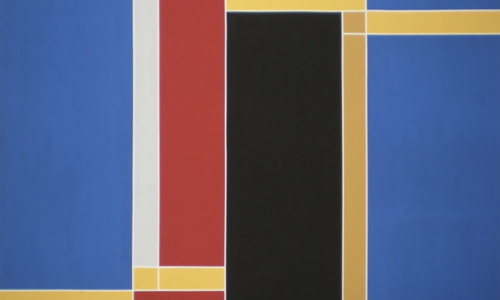
After WWII the 5th of May became a day of remembrance and celebration of the Liberation of the Netherlands. Every year on the 5th of May in those days a special exhibition was held which was accompanied by a special catalogue. Key elements in the cover were always the colours red , white and blue. The colors of the dutch national flag. Personally i think the HND EN MACHINE from 1957 is the very best of these publications. It has everything.  A typical Sandberg design. the use of multiple sorts of paper , great printing quality and a spectacular cover, making this for me personally the best in the series.


Posted on Leave a comment

Sigurdur Gudmundsson (1942)

Schermafbeelding 2018-02-22 om 12.08.55

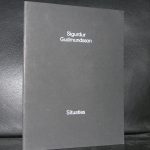
Gudmundsson has a loyal following in the Netherland. That must be because he has been present in multiple group exhibitions and solo exhibitions in both museums and art galleries. The Stedelijk Museum presented this artist on several occasions and the catalogues’/ artist books published with these are in high demand. The “Circles” book for instance has been sdold out with me for over 5 years and i have not found another copy at a reasonable price. The same with ” Situations” sold out and nowhere to be found anymore.

Gudmundssons works fascinate. These are symbiosis of IN SITU and performance. Making this a true conceptual artis whose works have been spread all over the world.

Gudmundsson studied in the Netherlands at ao Ateliers 63 and after that study settled in the Netherlands and launched his career in the 1960s as a member of the legendary Icelandic SÚM group. His public sculptures can now be found widely, including in Rotterdam, Groningen and Den Haag in the Netherlands. He later became a teacher at the AKI in Enschede. He is now living in China, the artist prides himself of having been a foreigner for the past 50 years and i am curious to learn how this does influence his works. www.ftn-books.com has still some nice Gudmundsson titles available.
Posted on Leave a comment

Narcisse Tordoir (1954) …painting as an act

Schermafbeelding 2018-02-22 om 09.25.48

A key figure in the Antwerp art scene and also very well known in the dutch art scene because he is an advisor to the Rijksakademie Amsterdam.

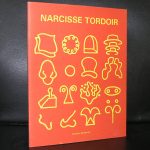
But besides his presence in the art scenes of both the Low Countries, he has become world famous because of his approach to painting. Tordoir considers painting as an act and with this he has had performances in France, the UK, USA , Austria and many more countries, thus introducing his very personal approach to the art of painting to a new art scene each tine he had a performance or an exhibition outside Belgium or the Netherlands.

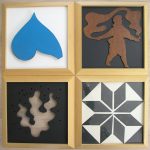
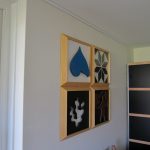
It is hard to find a reasonable priced work by Tordoir, but about 10 years ago i got lucky and bought a tetralogy at a local auction. It is a work typical for the works Tordoir produced during the eighties on which he combined several smaller ” paintings into a unique work of art. This work consists of 4 framed works of abstract figures forming together a unique Narcisse Tordoir. This work is now for sale at FTN art together with the books www.ftn-books.com has on Narcisse Tordoir.
OLYMPUS DIGITAL CAMERA