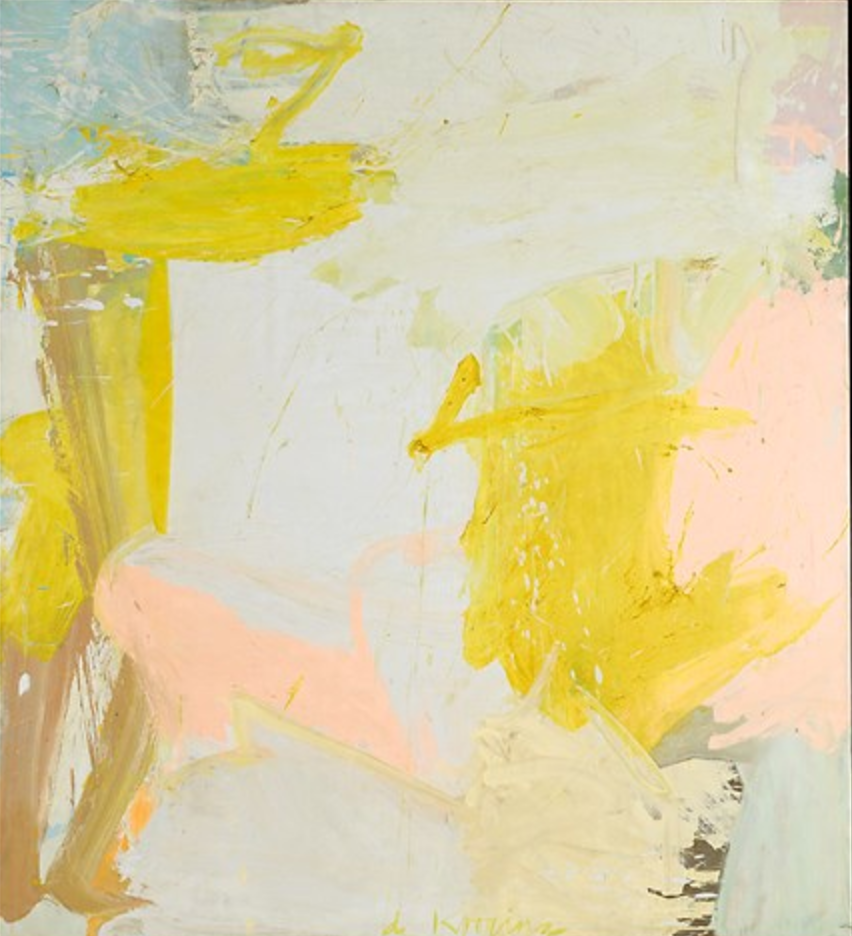
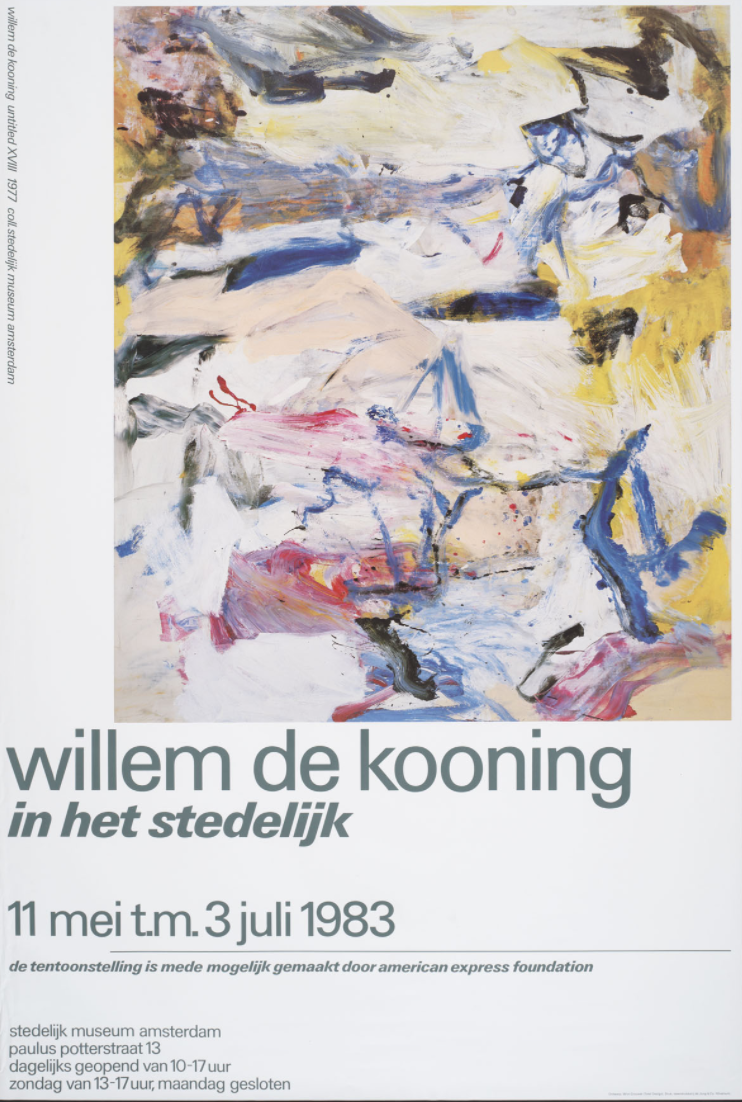
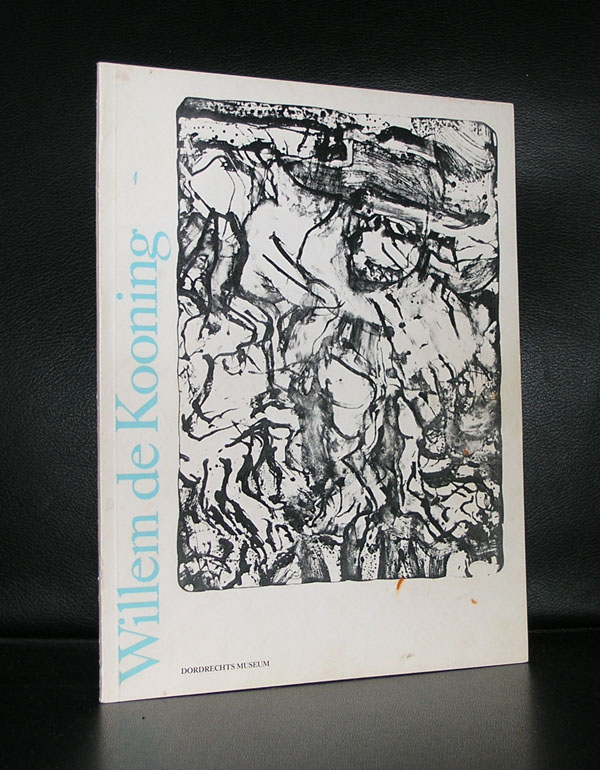
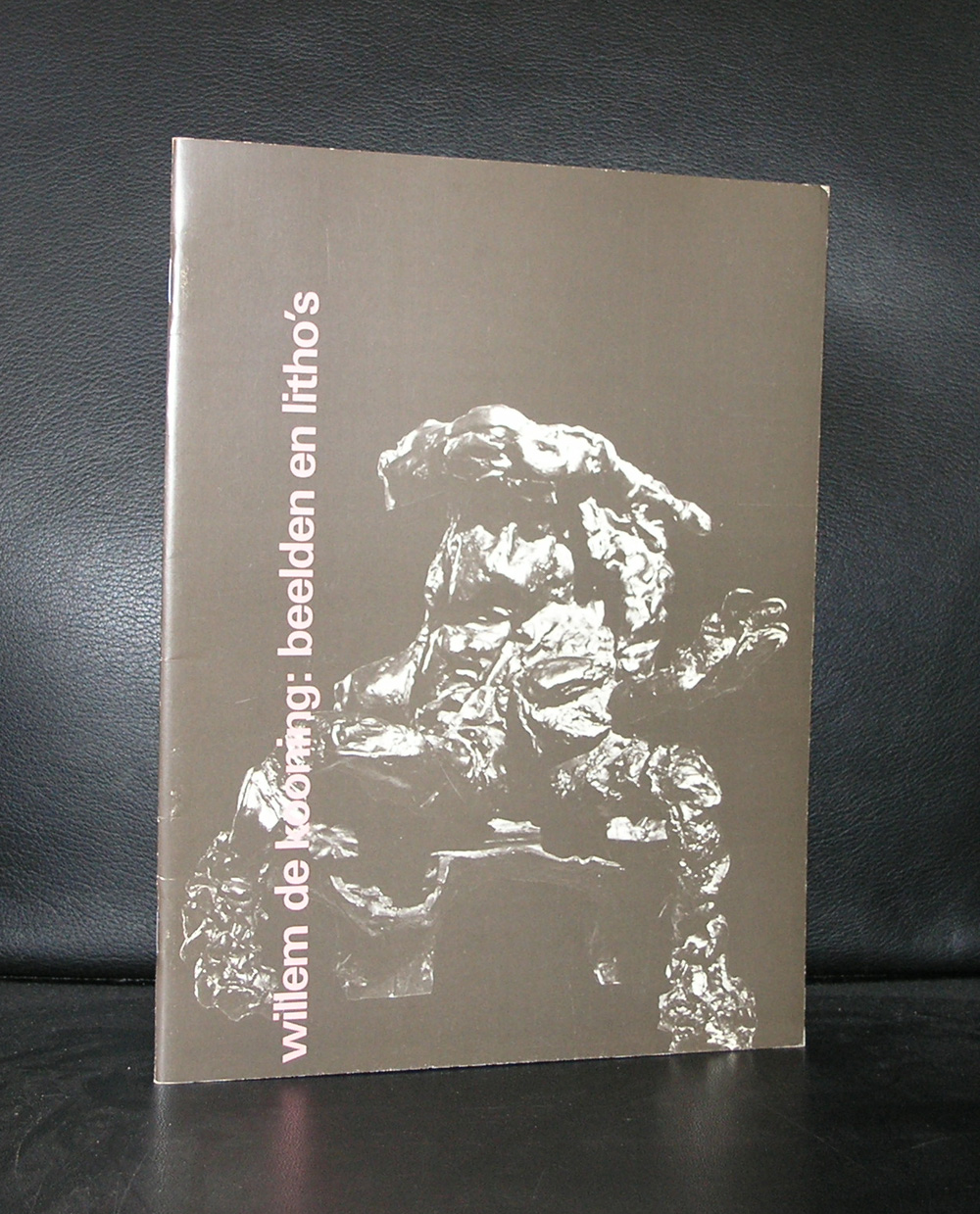
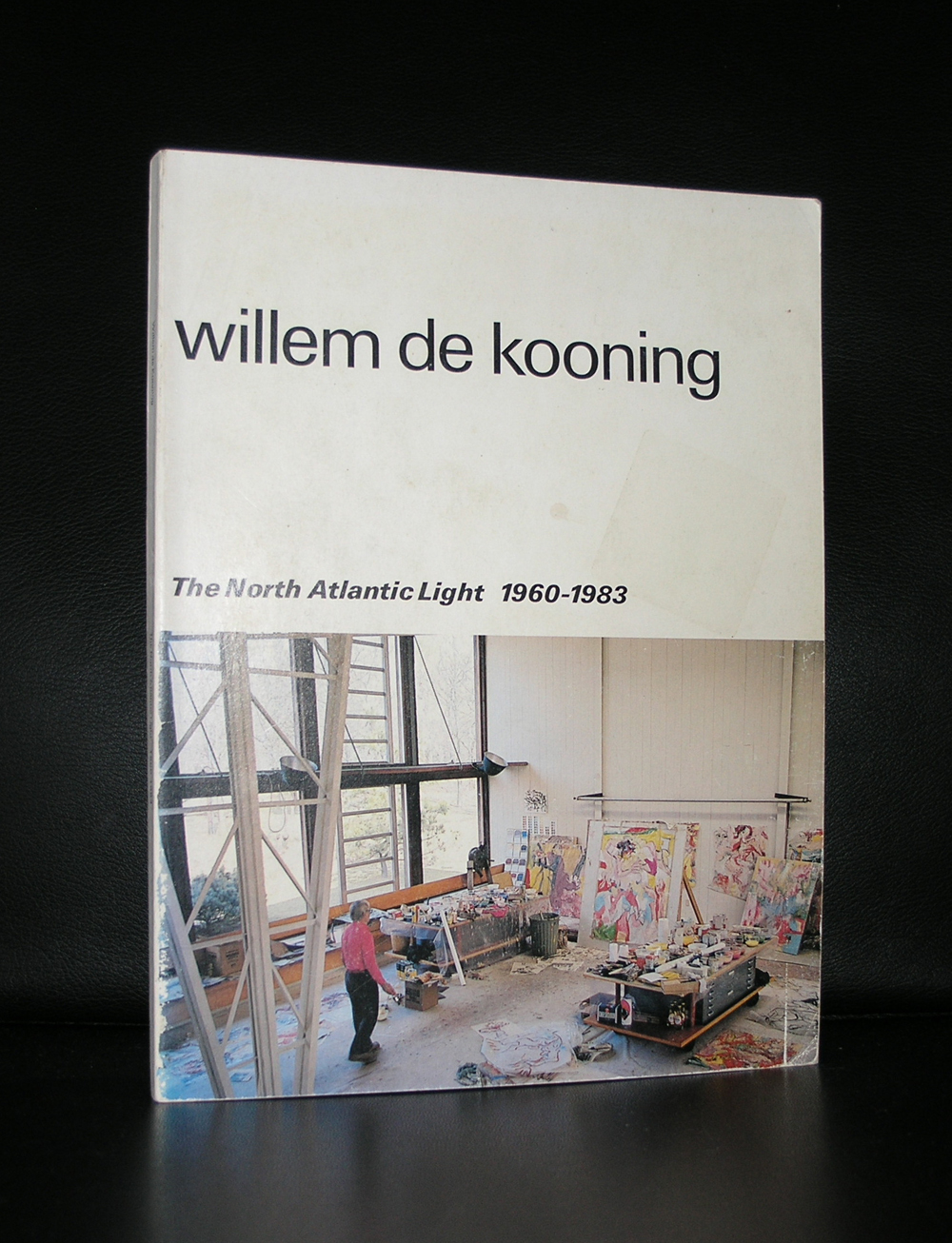
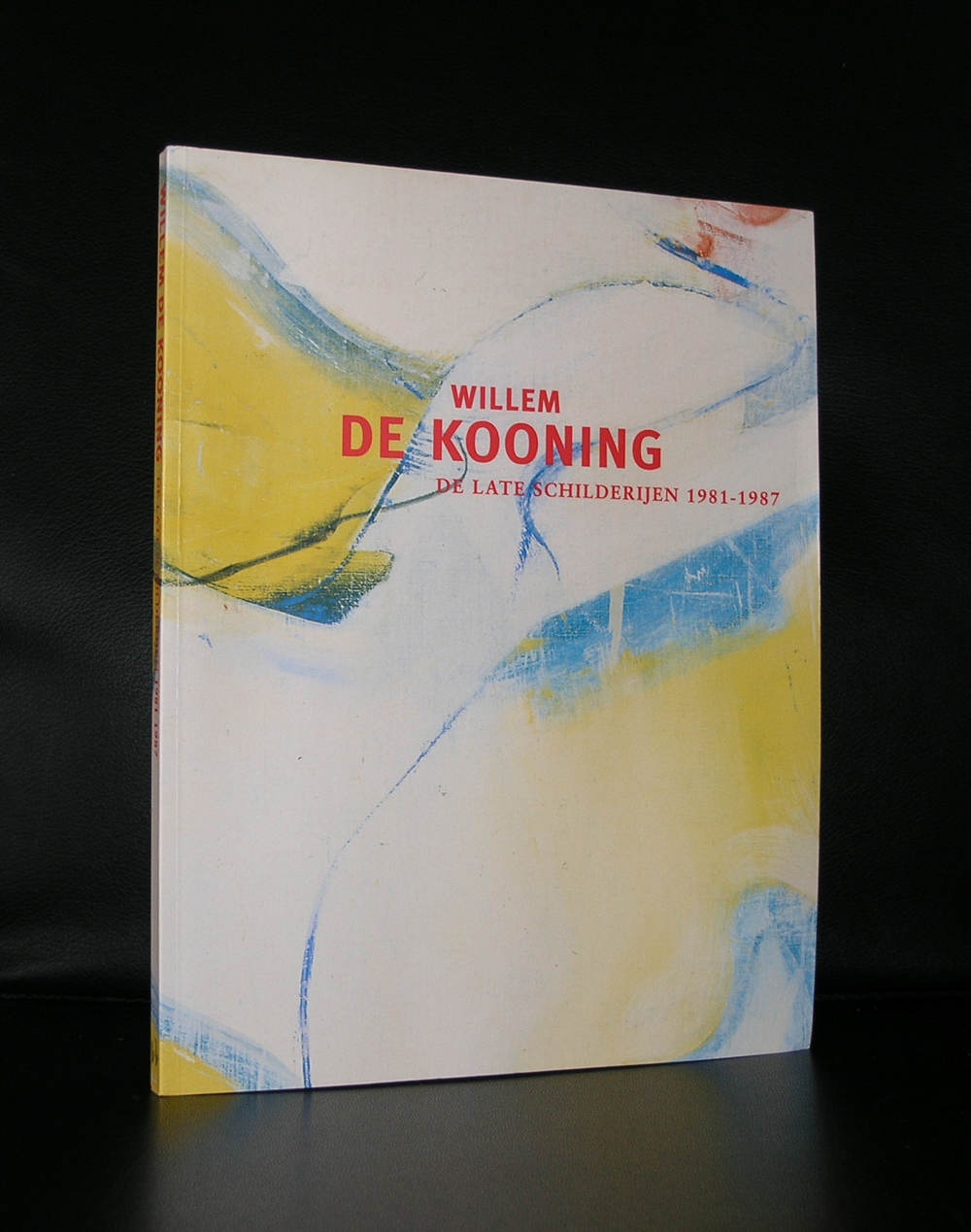
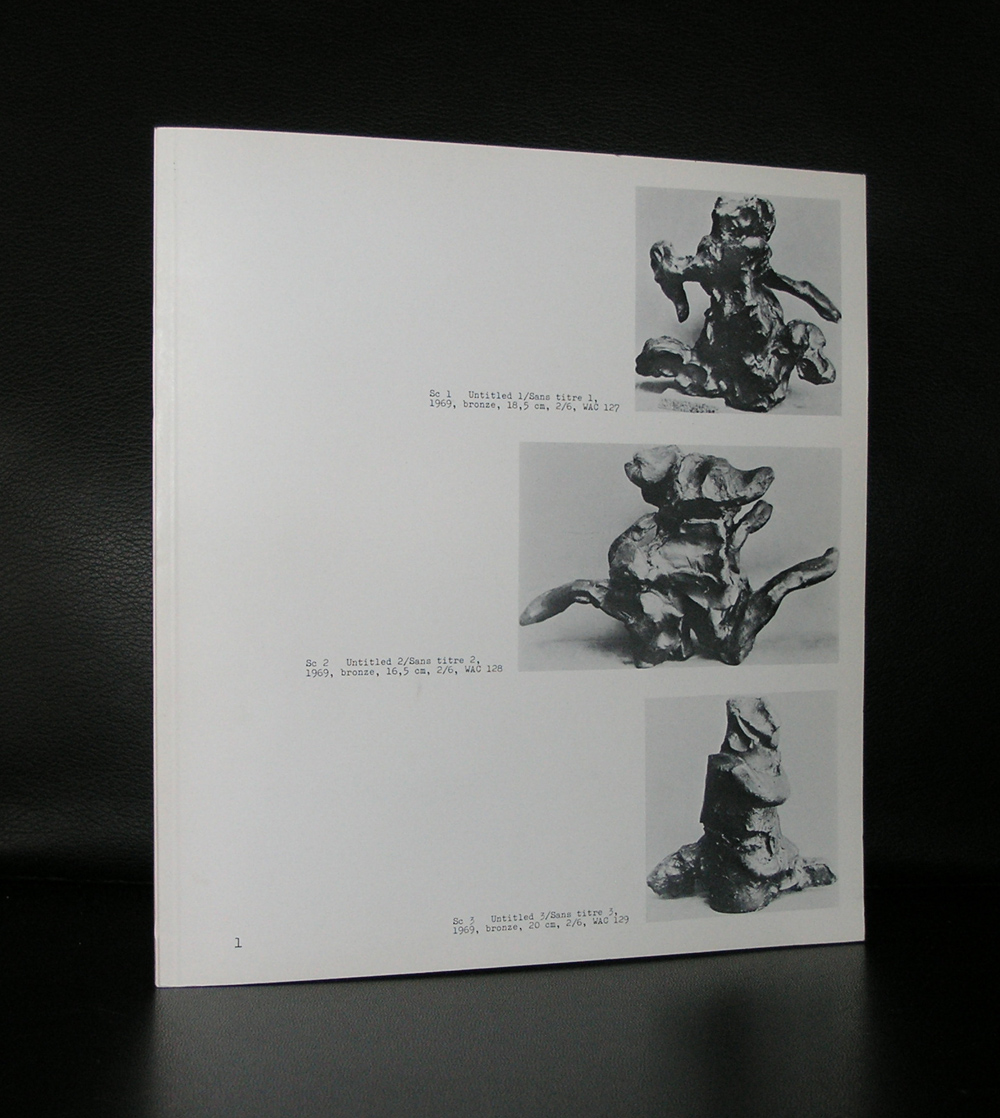
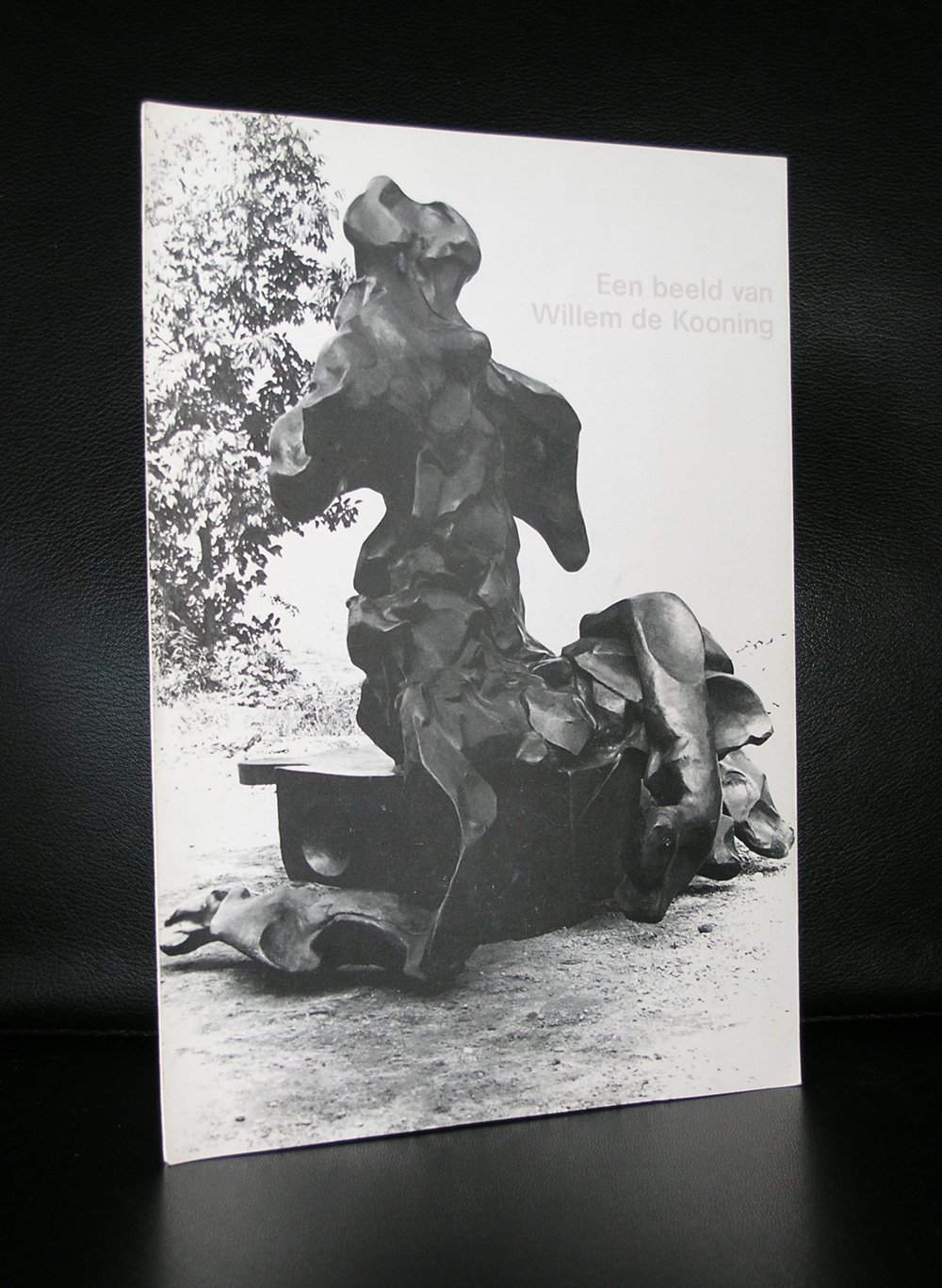
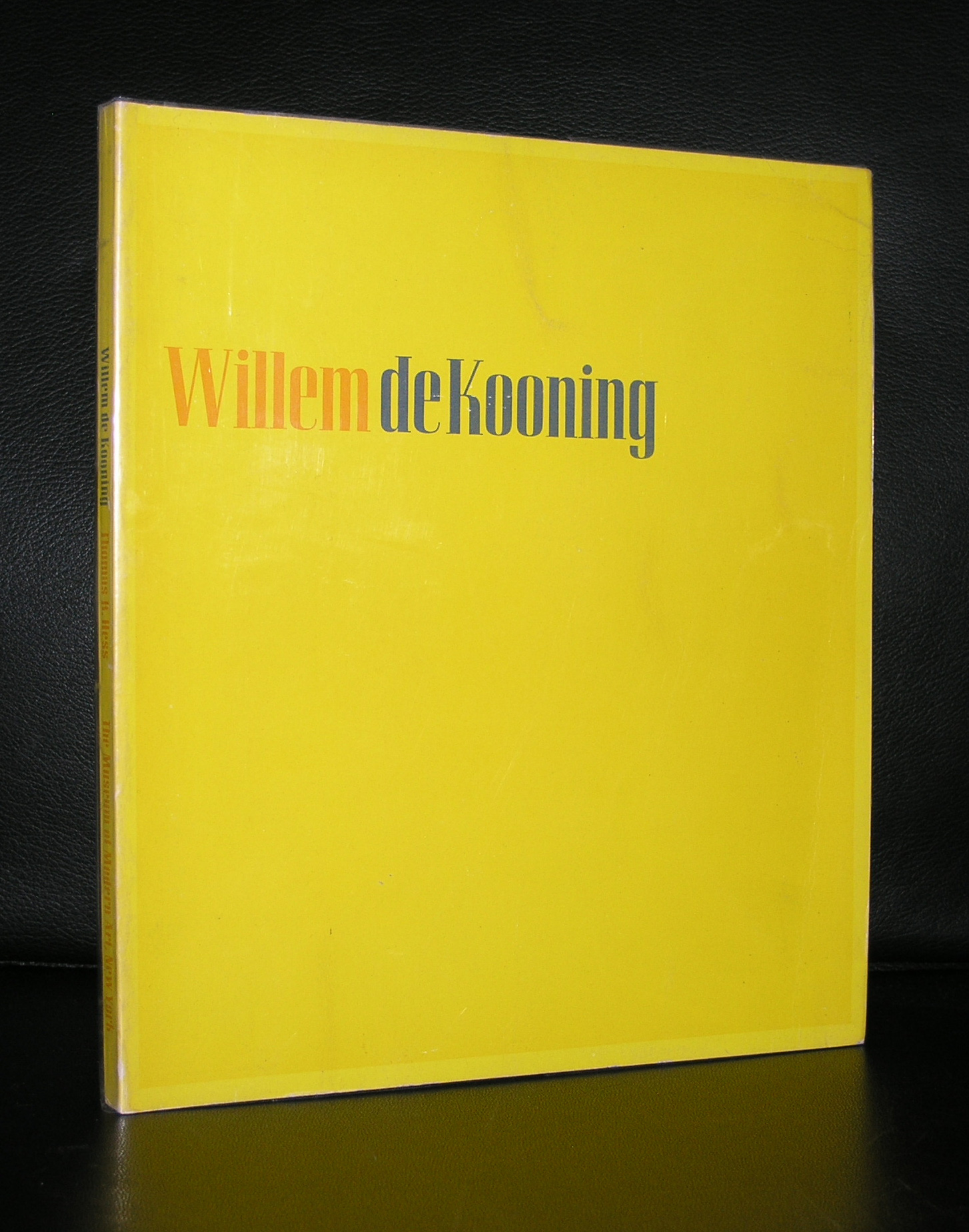
For many people in the US , Willem de Kooning is an American painter , however ….for us dutch, de Kooning is a dutchman. Born in Rotterdam and educated at the Rotterdam evening academy and working for the METZ department store as an interior decorator until he decided to go to the US in 1926. He went as a stowaway and would become the abstract expressionist painter we admire. He met artists from and became part of the Abstract expressionist mouvement. Meeting with Pollock, Still, Rothko and Newman made him aware of his qualities as an abstract painter developing a style of his own and building an important oeuvre from there on. He never lost touch with his homecountry the Netherlands and this resulted in a large and very important collection of De Kooning paintings in the Stedelijk Museum. Edy de Wilde was the director who made this happen and it is the luck of the visitors of the Stedelijk that in one spot they can discover and admire so many excellent De Kooning paintings.
and for some nice publications on De Kooning visit www.ftn-books.com
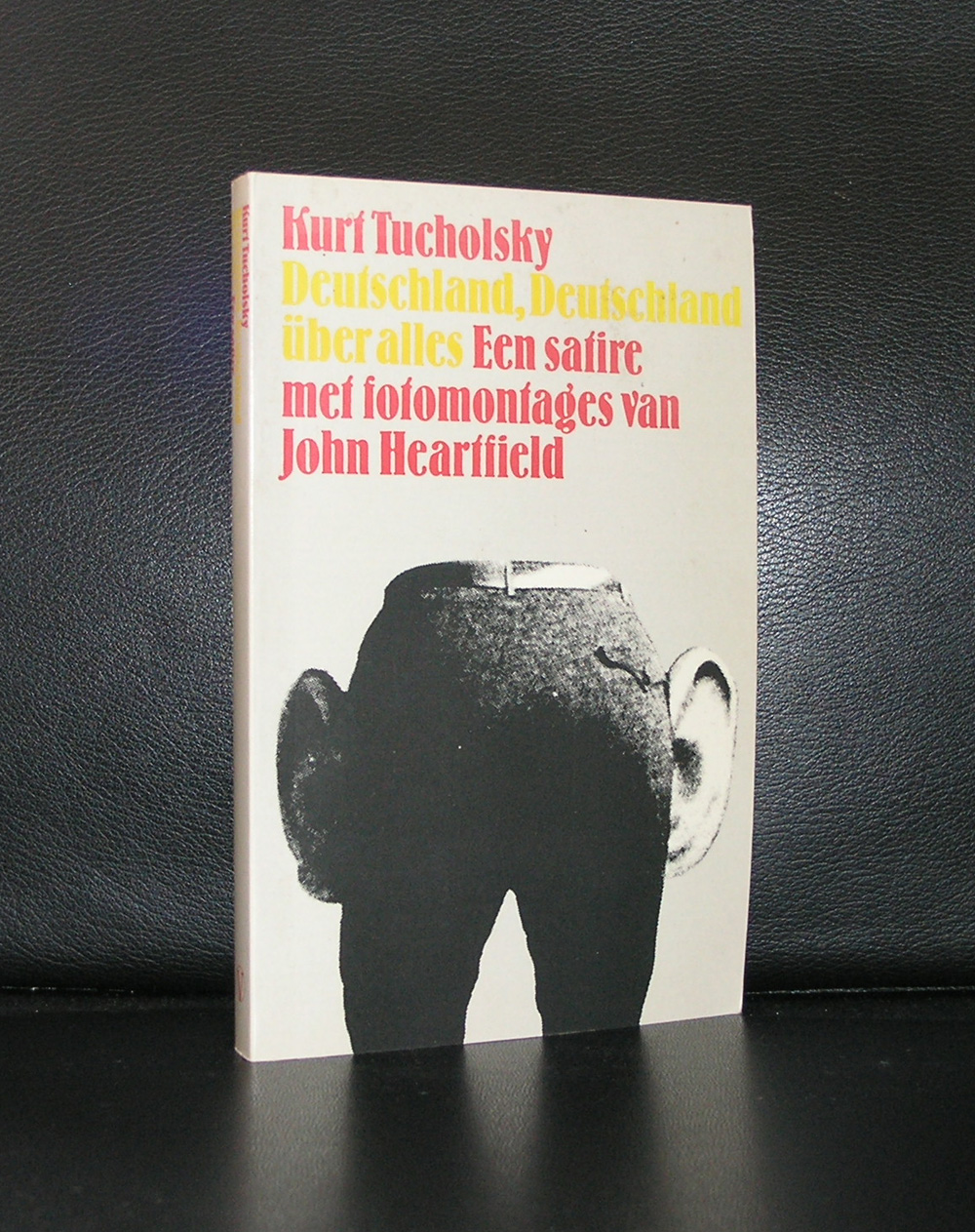
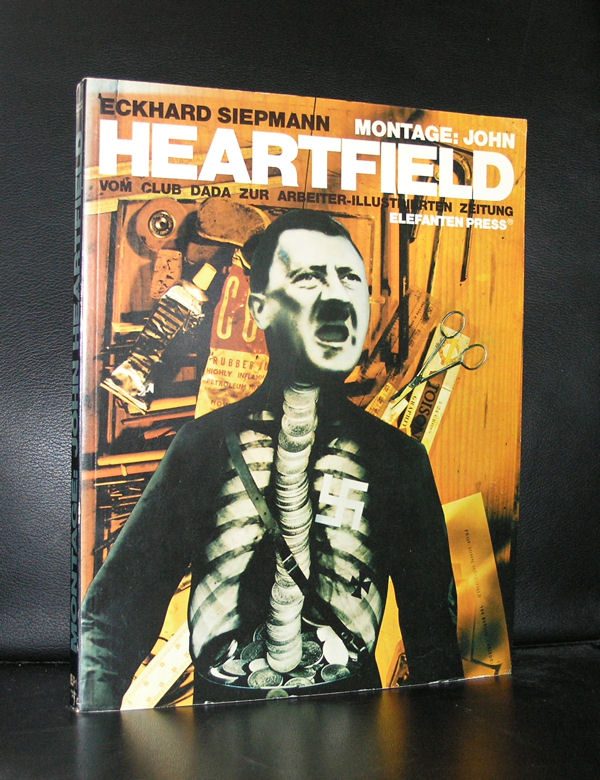
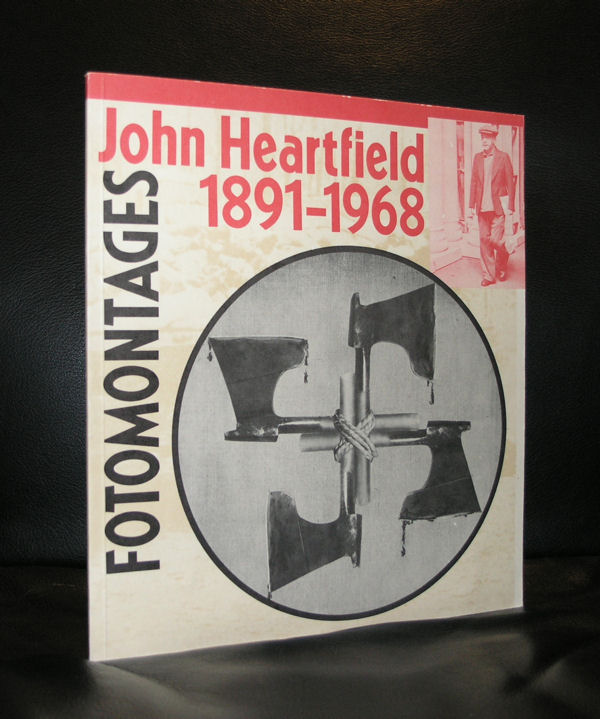
John Heartfield is considered as one of the inventors of the PHOTOMONTAGE. Together with George Grosz he experimented with this new technique. Because of this new technique he made some of the most powerful anti Nazi statements in art.
On the back of a photograph which was taken in 1912 his name is written as “Helmut.” While living in Berlin, in 1917, he anglicised his name from “Helmut Herzfeld” to “John Heartfield,” an English name to protest against the anti-British fervour sweeping Germany. In 1916, crowds in the street were shouting, “Gott strafe England!” (“May God punish England!”)
In 1917, Heartfield became a member of Berlin Club Dada. Heartfield later became active in the Dada movement, helping to organise the Erste Internationale Dada-Messe (First International Dada Fair) in Berlin in 1920. Dadaists were the young lions of the German art scene, provocateurs who disrupted public art gatherings and ridiculed the participants. They labeled traditional art trivial and bourgeois. Heartfield was a member of a circle of German titans that included Erwin Piscator, Bertolt Brecht, Hannah Höch, and a host of others.
Heartfield built theatre sets for Erwin Piscator and Bertolt Brecht. Using Heartfield’s minimal props and stark stages, Brecht interrupted his plays at key junctures to have the audience to be part of the action and not to lose themselves in it.
He is best known for the 240 political art photomontages he created from 1930 to 1938 to expose fascism and The Third Reich. These famous works of political photomontage were an astounding cohesive critique of the rise of fascism.
Heartfield’s artistic output was prolific. His 240 political montages appeared as covers for the Arbeiter Illustrierte Zeitung (AIZ, Workers’ Illustrated Newspaper) from 1930 to 1938, a popular weekly whose circulation (as large as 500,000 copies at its height) rivaled any magazine in Germany during the nineteen thirties. Heartfield’s anti-nazi photomontages were featured monthly on the AIZ cover, an important point, because most copies of the AIZ were sold at newsstands. His anti-fascist art mocked Hitler, fascism, and The Third Reich on major street corners throughout Berlin where Heartfield lived until he nearly escaped assassination by the SS in April, 1933.
It was some 30 years ago that the art / photomontage were first recognized as true works of art and the van Abbemuseum presented them in a special exhibition of which the catalogue is available at www.ftn-books.com
Abstract Expressionism and even the dutch version of the drip paintings by Pollock, that for me is the meaning of Gerard Leonard van den Eerenbeemt, who even had a solo exhibition at the Stedelijk Museum Amsterdam ( 1970, supported by a very nice catalogue designed by Wim Crouwel.
Why mentioning van den Eerenbeemt. First because he has a unique style of his own and deserves to become better known outside the Netherlands and secondly because i am auctioning this coming weeks an extremely nice abstract drawing in black ink at www.kunstveiling.nl
What makes this auction important is the fact that in 1988 his studio with his complete oeuvre and archives was burnt down to the ground, leaving only some 100 drawings in the collection of the Stedelijk Museum Amsterdam and some drawings and paintings in private collections. This makes his work scarce and because of its quality highly desirable and collectable. Please take a look at the auction and of course there is this nice Crouwel publication available at www. ftn-books.com
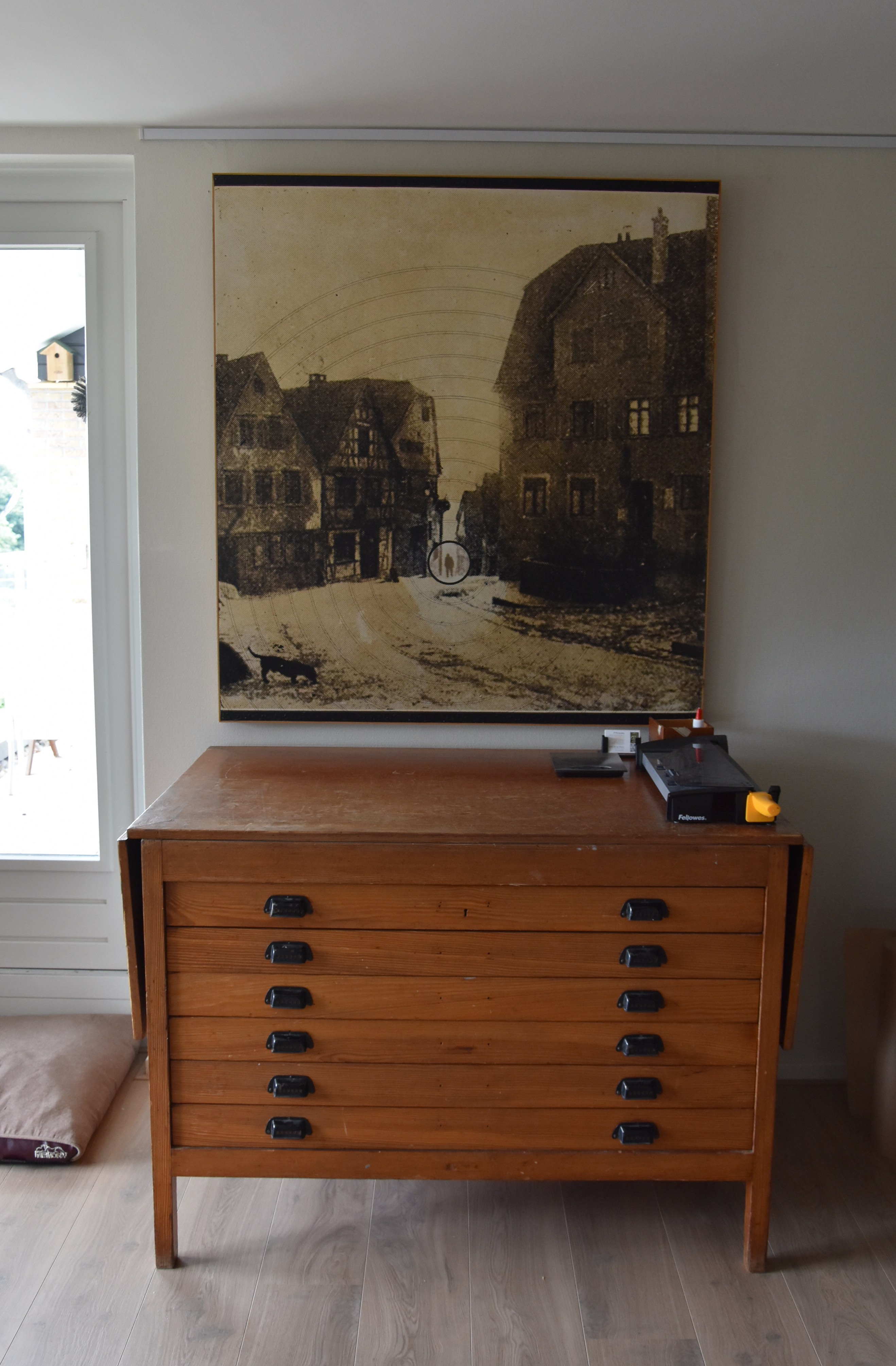
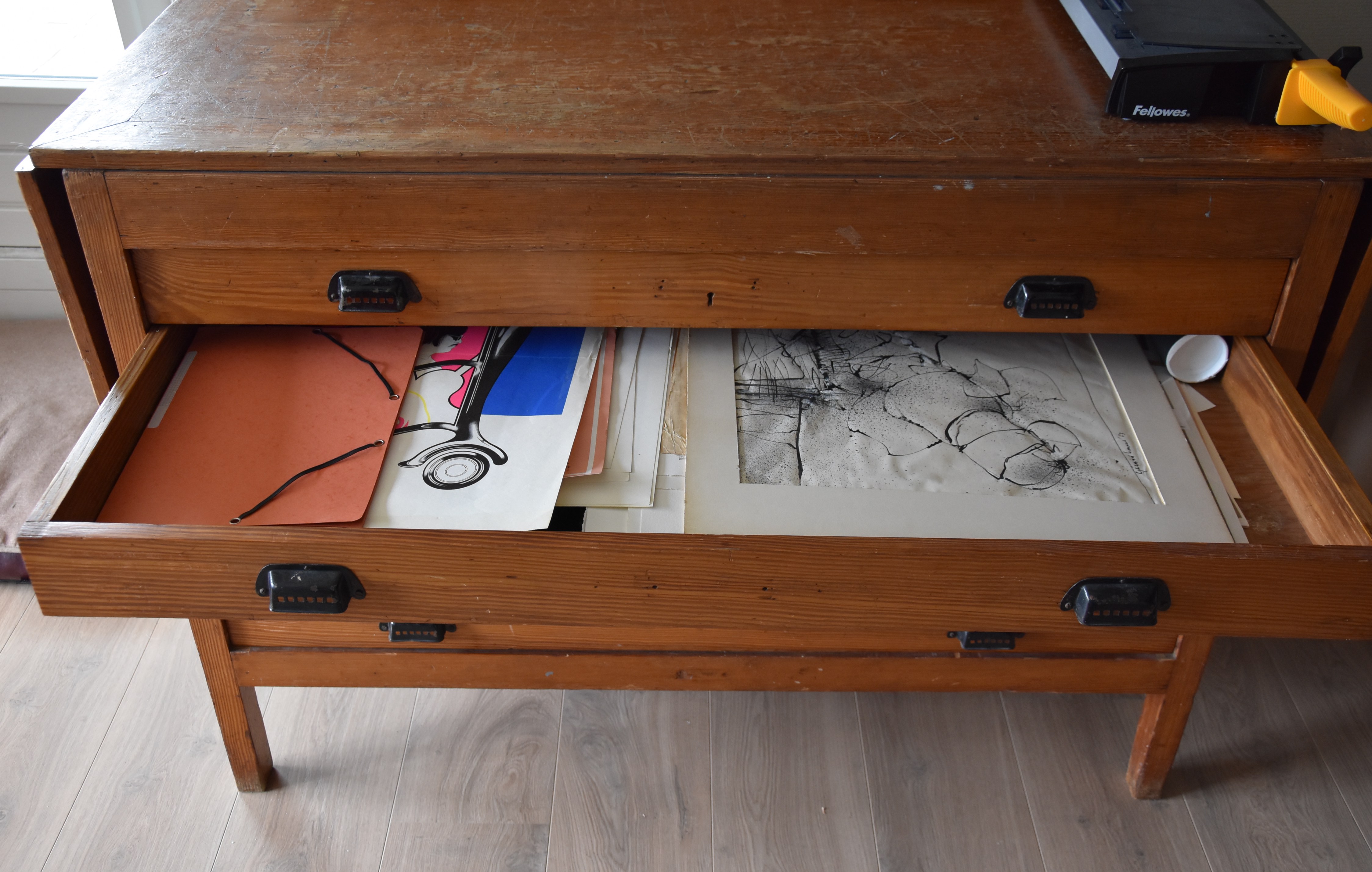
BTW. As you can see the drawing is kept/ flat in a drawer of my “new” acquisition. An “antique” drawings dresser which was formally used in a convent in Bergen op Zoom. I found this on Marktplaats and since, my offices have become much more organized . The picture above it is by Ossip (1953).
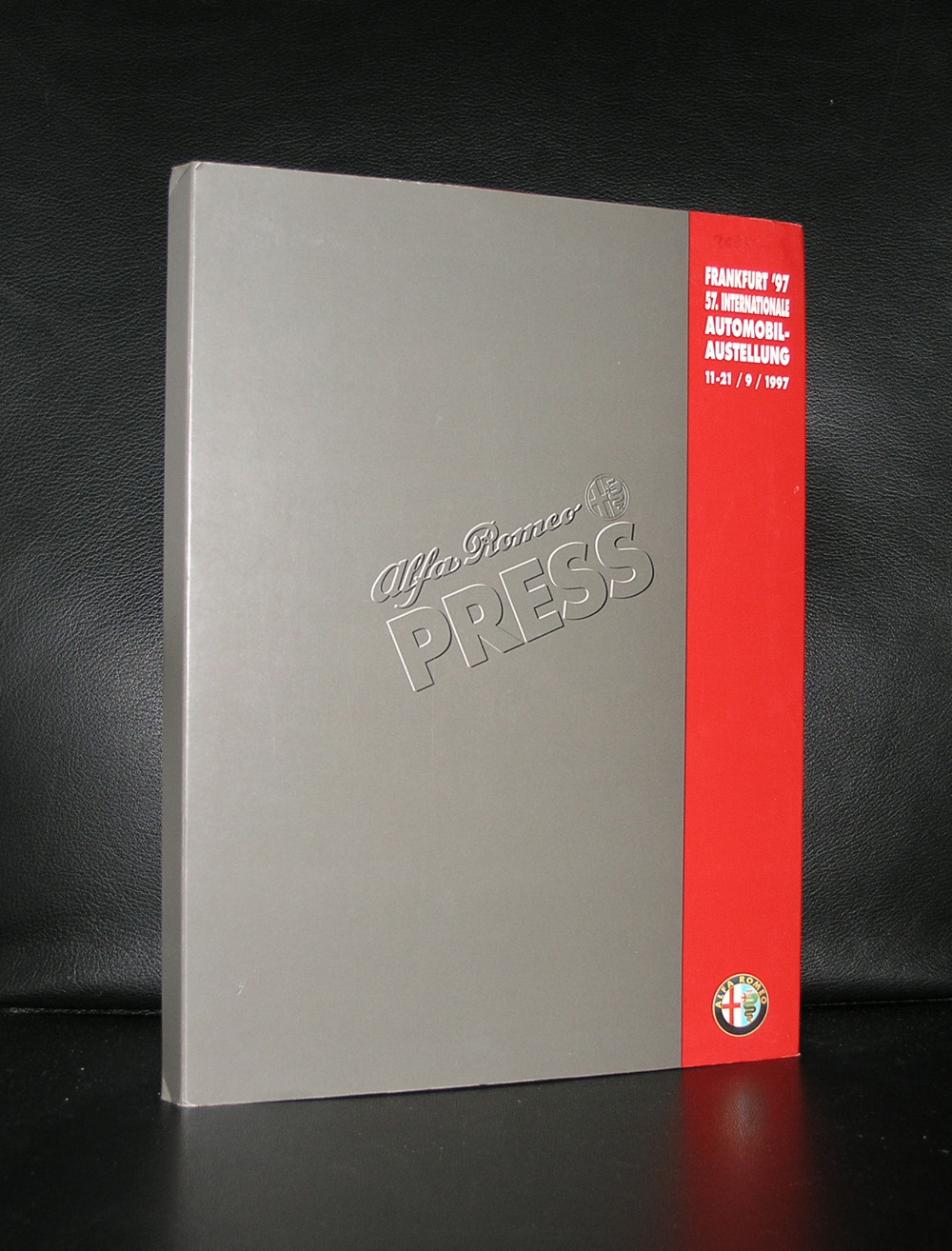
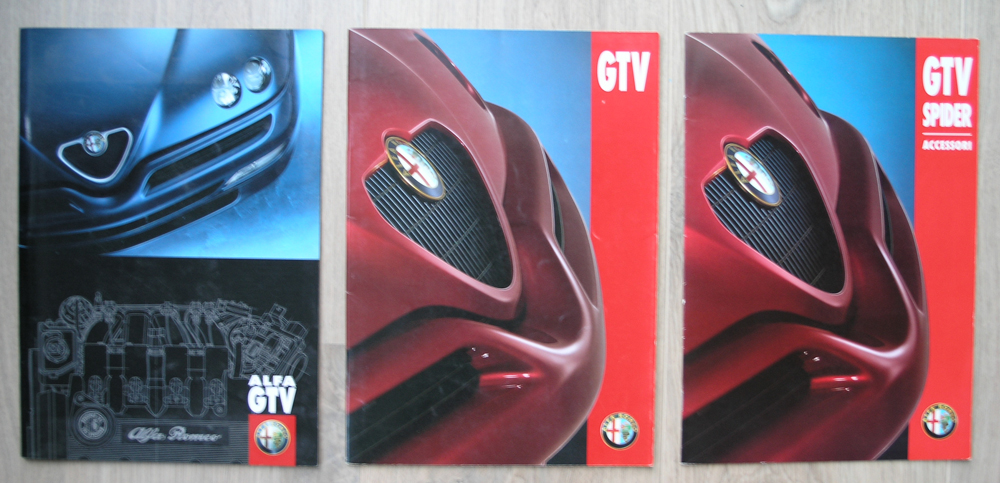
When Rudi Fuchs made it director for the Stedelijk Museum Amsterdam, one of the first acts was to fund his exhibitions with promotional activities by commercial industries. One of the first that got a chance to show his new products within the museum was Alfa Romeo who showed their new models Alfa Romeo GTV and the Cabrio version.
Sketches , clay models and the end product . Every aspect of the creation of these models was shown. Special poster and some leaflets with the exhibition made this a true museum exhibition , but was this the right place for such an event….personally i do not think so.
Although a car can be a “piece of art” it does not belong in an art museum , but certainly can be presented in a car museum. But still it must have been good for the museum funding, because since many other commercial activities have taken place , but none as outspoken as the one for ALFA ROMEO.
Because of my personal interest in cars www.ftn-books.com has some publications on the subject.
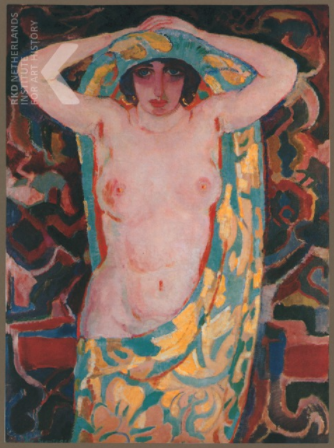
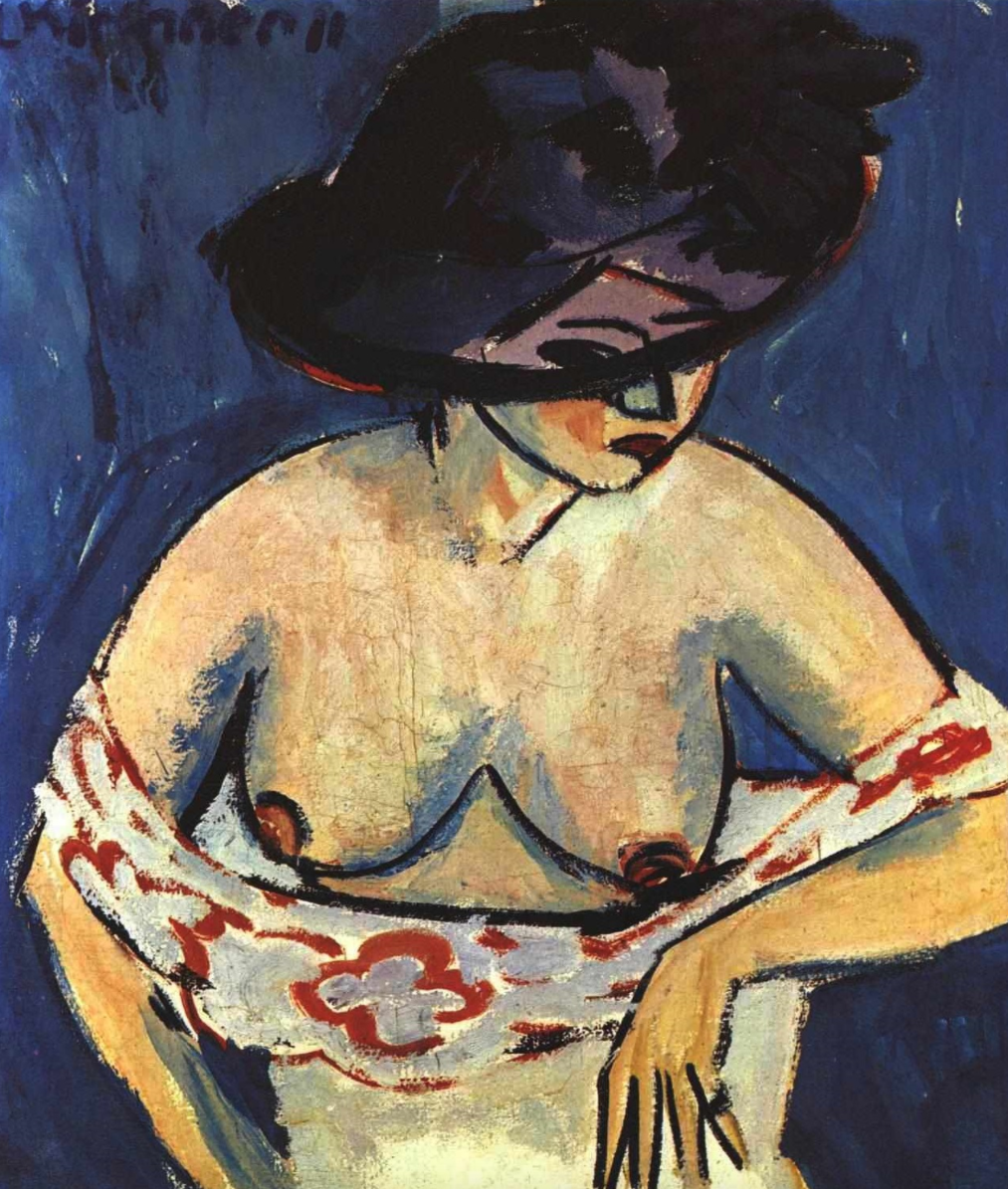
Because i wrote yesterday a blog on Kirchner and studied for a short while the several paintings he executed between 1910 and 1920 and noticed some similarities between the paintings Jan Sluyters made in this period and the ones Kirchner made, I will now share these 2 paintings that i found . They are executed only 1 year apart from eachother.
The approach by Sluyters to his models is almost the same . The portraits are from the hips up, breasts bare and both wearing a flowered scarf and because of the strong colors they are 100% fauvism. I like both artists, but if ever i had to chose between both , i would certainly chose for Kirchner. His approach to his subjects and his painting is far more modern than Sluyters ever did. But unfortunately i will never have a choice except the museum i shall visit next time to see a Kirchner or a Sluyters. The Sluyters is in the collection of the Rijksmuseum Twenthe and belonged to the former collection of Nic Jonk. The Kirchner is one of the highlights in the collection of the Museum Ludwig. So make your personal choice and visit one of these two and let me know which one you prefer.
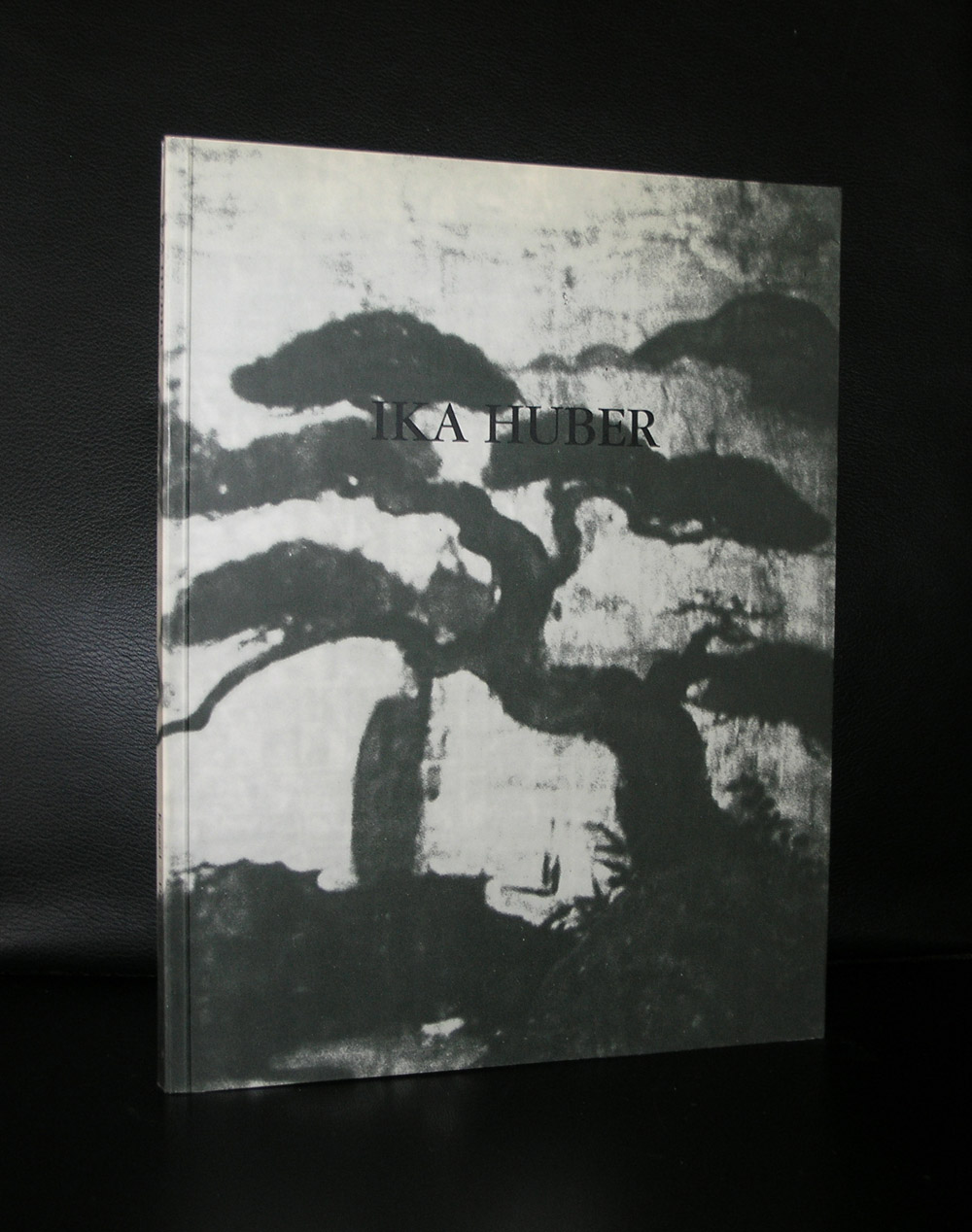
Possibly because of the same age we both have there is an automatic liking i have for the works by Ika Huber. Influenced by many, but still a very personal signature in her compositions which makes them 100% Ika Huber. We must have grown up and liked both the same kind of art and artists, because i recognize within her works many elements of artists i admire, but the best way to describe a painting by Huber is the way the former director of the Gemeentemuseum Den Haag and Stedelijk Museum Amsterdam , Rudi Fuchs did.
The paintings give the overall impression of fragments – meaning that they originate as fragments. At some point came the first touch of paint at a random spot on the canvas as an extension , in a way, of memories of landscapes, buildings, inner courtyards and windows, light as a feather – and so, as such, fragmentary; as fragmented and haphazard as memory itself.
Individual elements assume at times the completeness of a figure or the solidity of a column; straight lines are, however, meticulously avoided. Colours are mostly thin, but applied in delicate layers; the broad brushstrokes remain visible, creating a veiled effect but also one of restless vibration, like warm air over a horizon. In places, too, the paint is sometimes rubbed on dry and brittle, giving it the appearance of chalk. There is so much to see in these paintings if you examine them more carefully: hundreds of details make the picture glow like night.
Straight lines are avoided then, as these tend to trap colours and forms within their rigid framework. But the figments of memory which lead to fragmentary pictures should surely float if anything. This is what makes the drawing in these paintings so remarkable. The forms do indeed have contours but they are very hesitantly, almost unwillingly, suggested.
The forms are intertwined with each other with extraordinary care, as if Ika Huber was reluctant to say what the memory is. She leads the eye towards something else which must be seen, I think, in the same indescribable movement as that of Leonardo da Vinci’s Lady with an Ermine just over 500 years ago.
It is the mysterious and unfathomable that always confronts me in these pictures; in their composition, their details, the resonance and tone of their colours, and in their dreamlike mobility and “Sfumato”. There is a lot here then which does indeed complete the fragments in the pictures – but the question remains: to what extent.
Another painter of daily life in the Netherlands, but only known in the Netherlands , is Kees Maks. The same as Mondrian, Sluijter and Gestel, he tavelled to Paris in his younger years before the first World War. There he entered the Salon the Automne and became a member, where he met Kees van Dongen ( see blog yesterday) and became influenced by this painter. Maks was fully recognized as an important painter when his painting Nightcafe was purchased by the Musee de Luxembourg in 1927.
Contemporaries often placed Maks’s modernity in his figures, who were clothed and coiffed according to the latest fashion and demonstrated the latest dances, such as the FURLANA. Maks himself chose the clothing for his models, undoubtedly assisted by his wife who worked at Hirsch and later became and independent fashion designer.
As DE TELEGRAAF put itin in 1920….MAKS proved himself a painter who dares to go into raptures over the fashion of time. But despite all this qualities Maks in only known in the Netherlands and is rarely encountered in collections outside our borders.
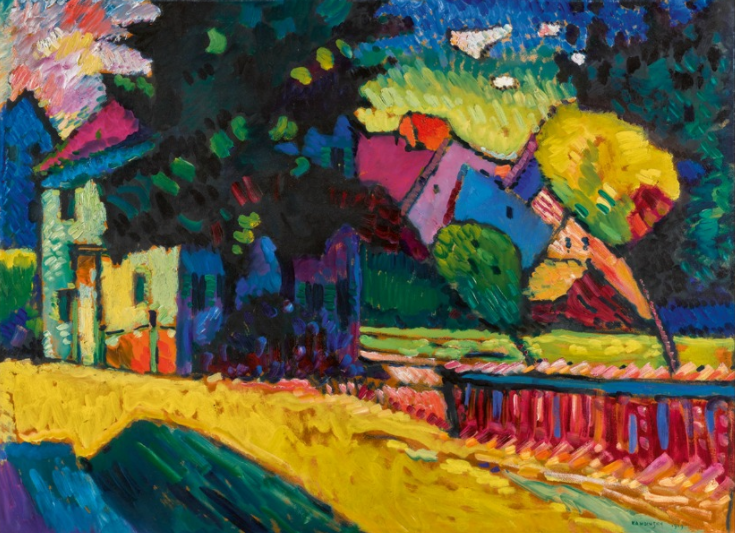
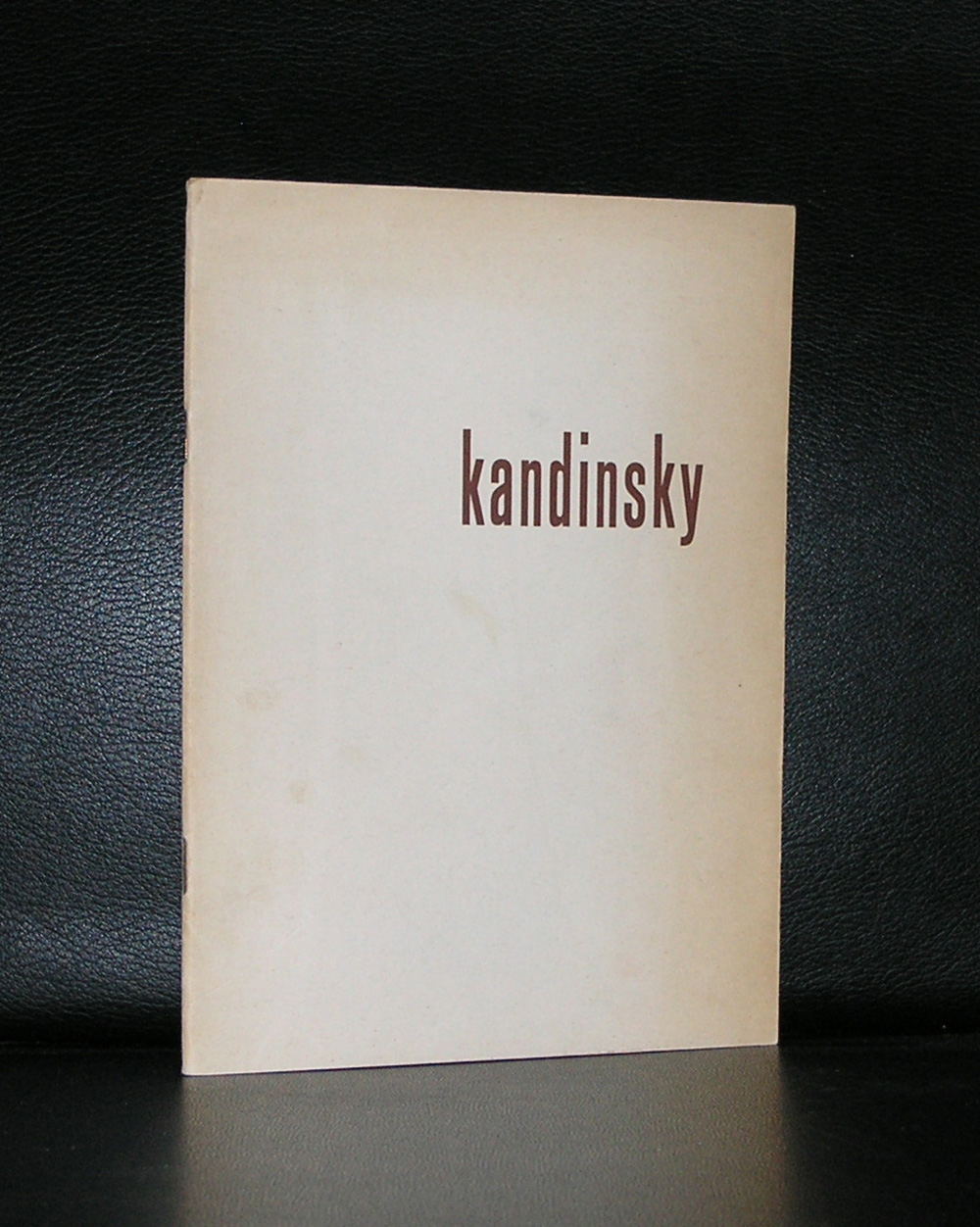
…..and there are many more far more important Kandinsky paintings than the one recently sold at a record price.
Source is Blouin art info. This is what i read this morning and shows exactly what i was talking about yesterday.
Sotheby’s has smashed the auction record for Wassily Kandinsky not just once but twice during its Impressionist and Modern Art Evening Sale in London.
“Murnau – Landschaft mit grünem Haus” 1909 was the first to break the artist’s previous auction record of $23.3 million when it sold for £21 million / $26.4 million.
Six lots later “Bild mit weissen Linien” 1913 broke the record for the second time, selling for a monumental £33 million / $41.6 million.
The sale also achieved a new auction record for Joan Miro in sterling with the artist’s “Femme et oiseaux” 1940 selling for £24,571,250.
Sotheby’s, Actual Size and Impressionist & Modern Art Evening Sales achieved a combined total of £148.9 Million / $187.7 Million / €169.5 Million, with the three top sales marking the first time that three works have sold for over £20 million in a London auction.
Helena Newman, Global Co-Head of Sotheby’s Impressionist & Modern Art Department & Chairman of Sotheby’s Europe, said: “To have three landmarks in the development of 20th Century art by Kandinsky, Miró and Giacometti come to the market in a single sale tonight was momentous.”
“Collectors were out in force, participating from a record number of locations around the globe, with the level of Asian buyers as numerous as those from the US, underscoring the enduring importance of London as a key driver of the global art market,” she added.
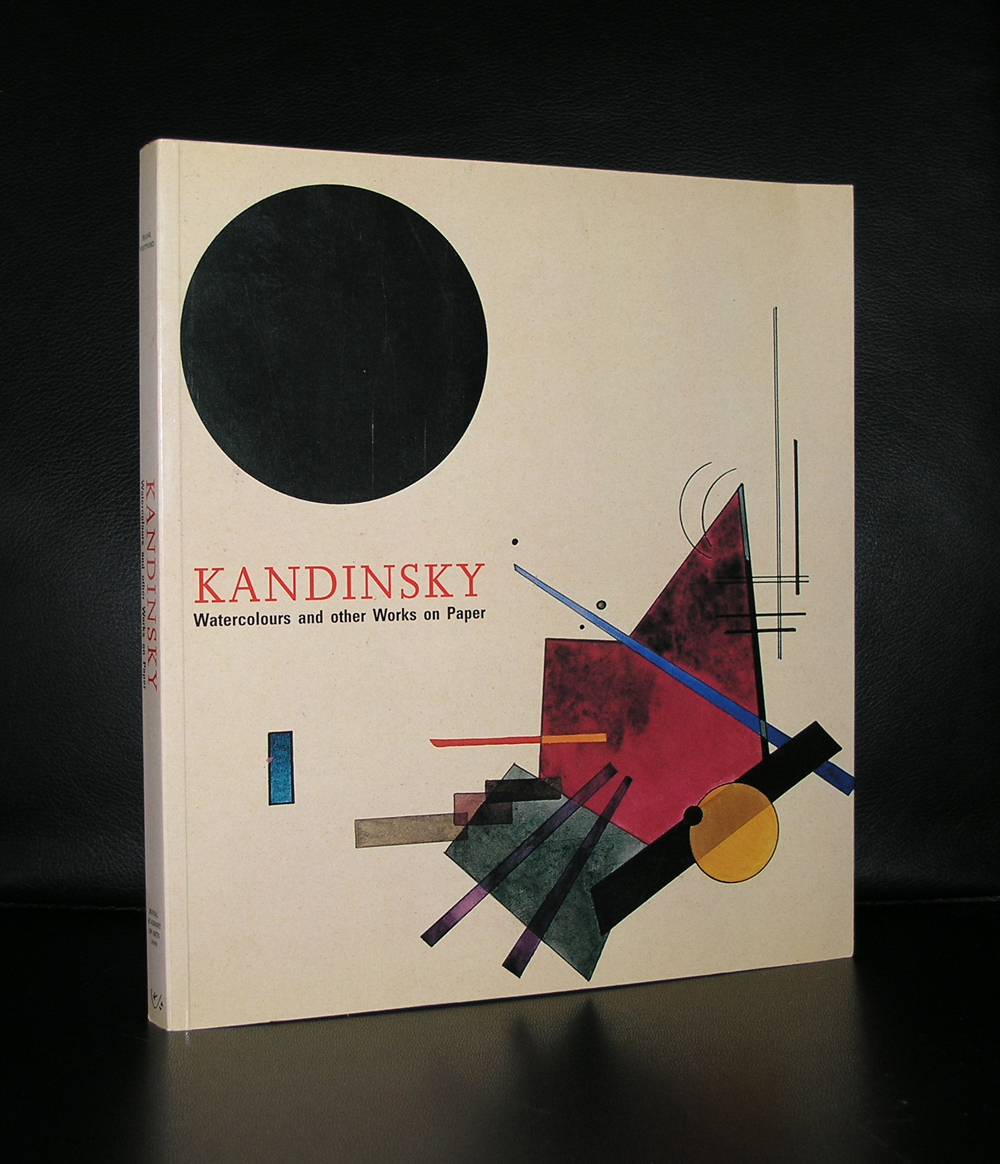
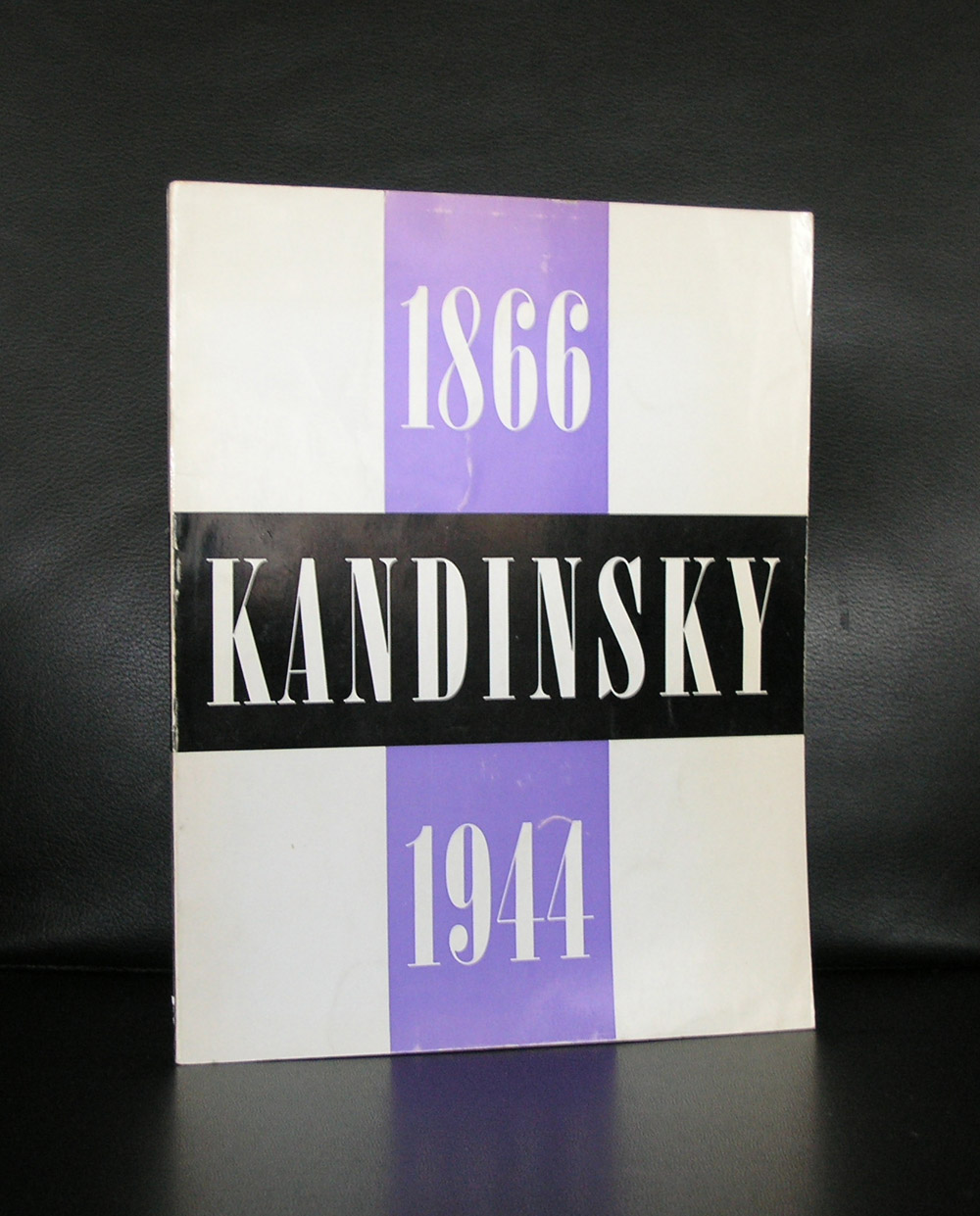
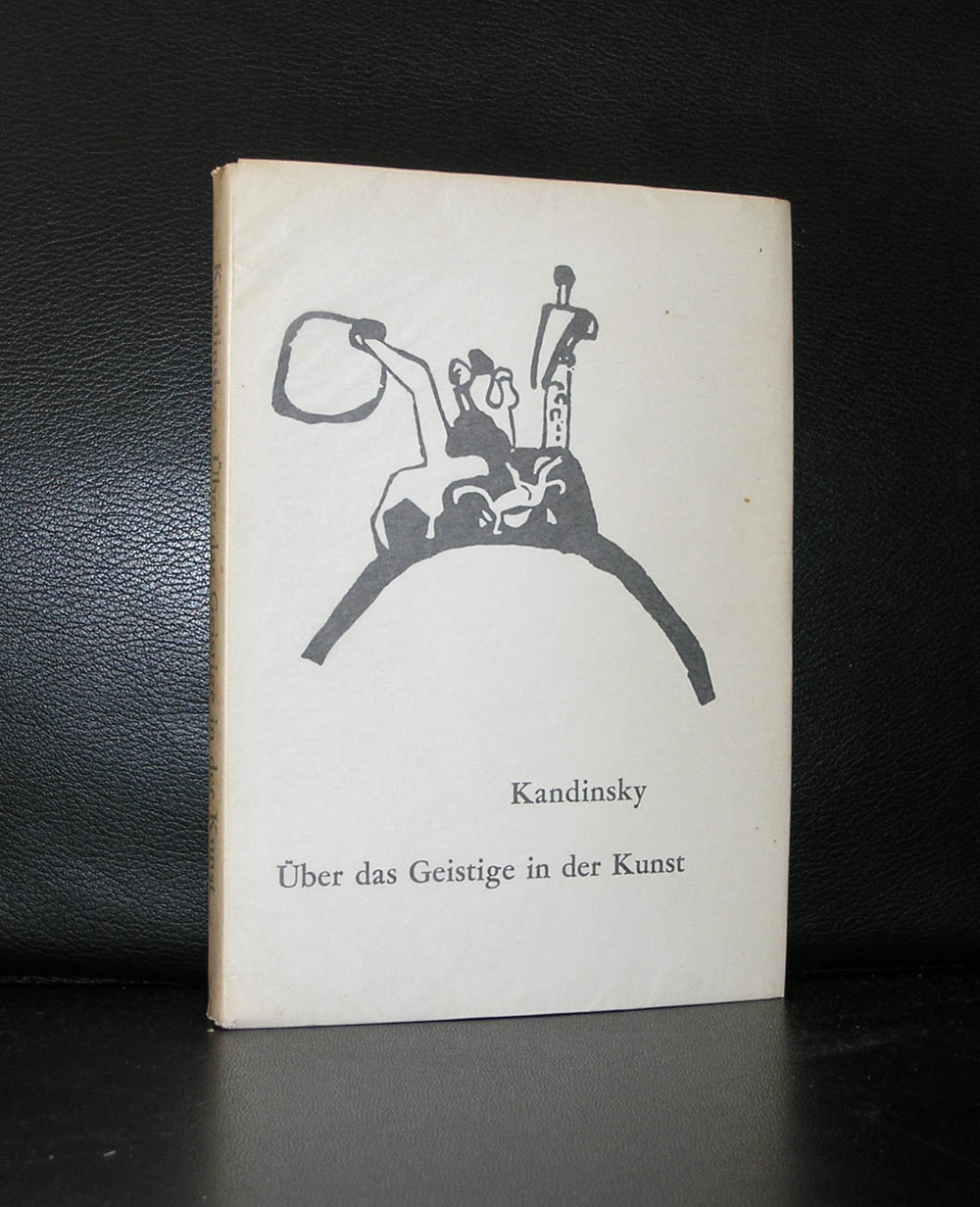
Art has become an investment and something to break records with. Accessible to the “Happy Few”, but art is more than just a record at an auction sale. Art is a very personal experience. In which it moves you, reaches out to you and eventually stays with you the rest of your life. There are some Kandinsky books available at www.ftn-books.com
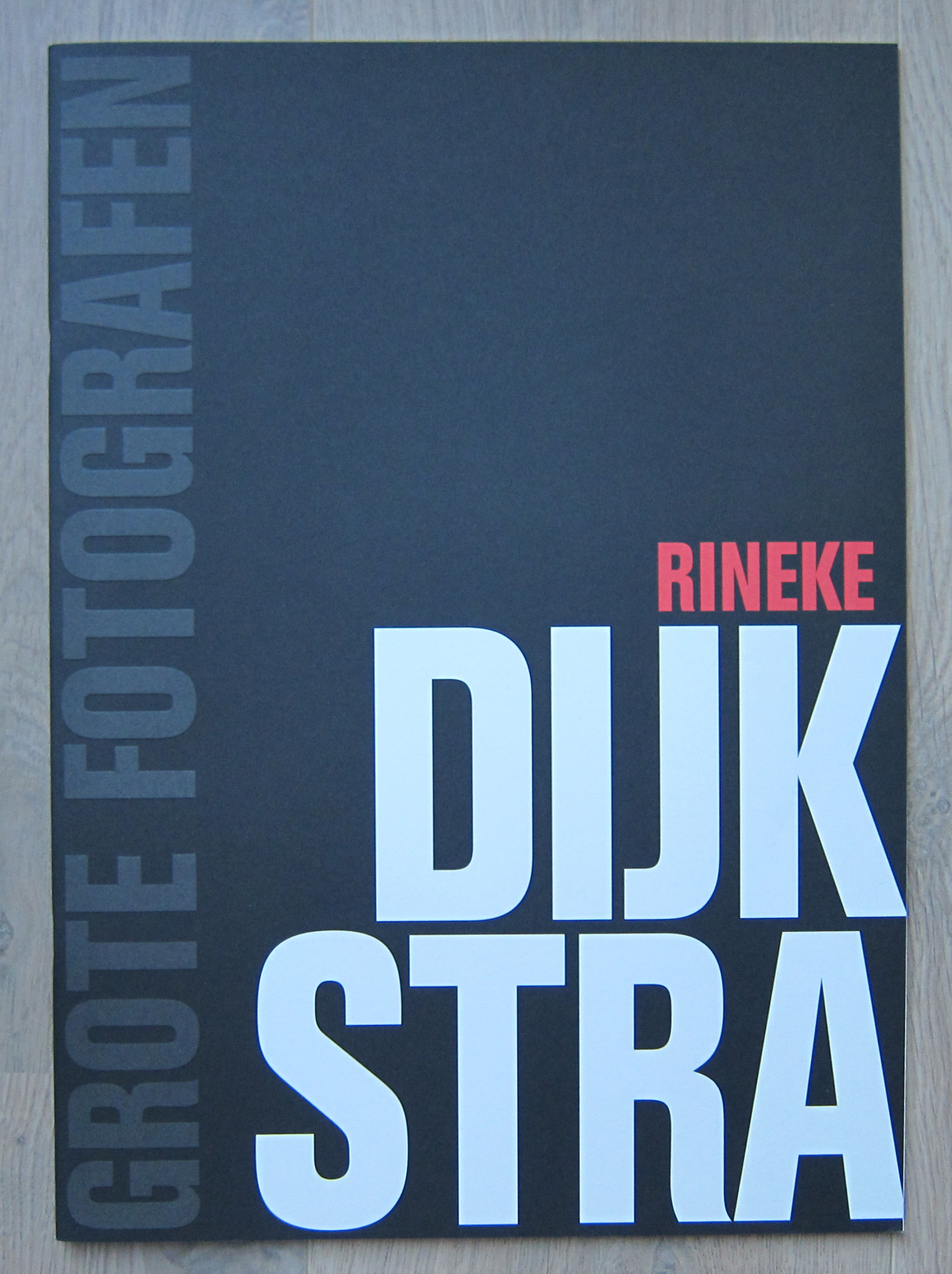
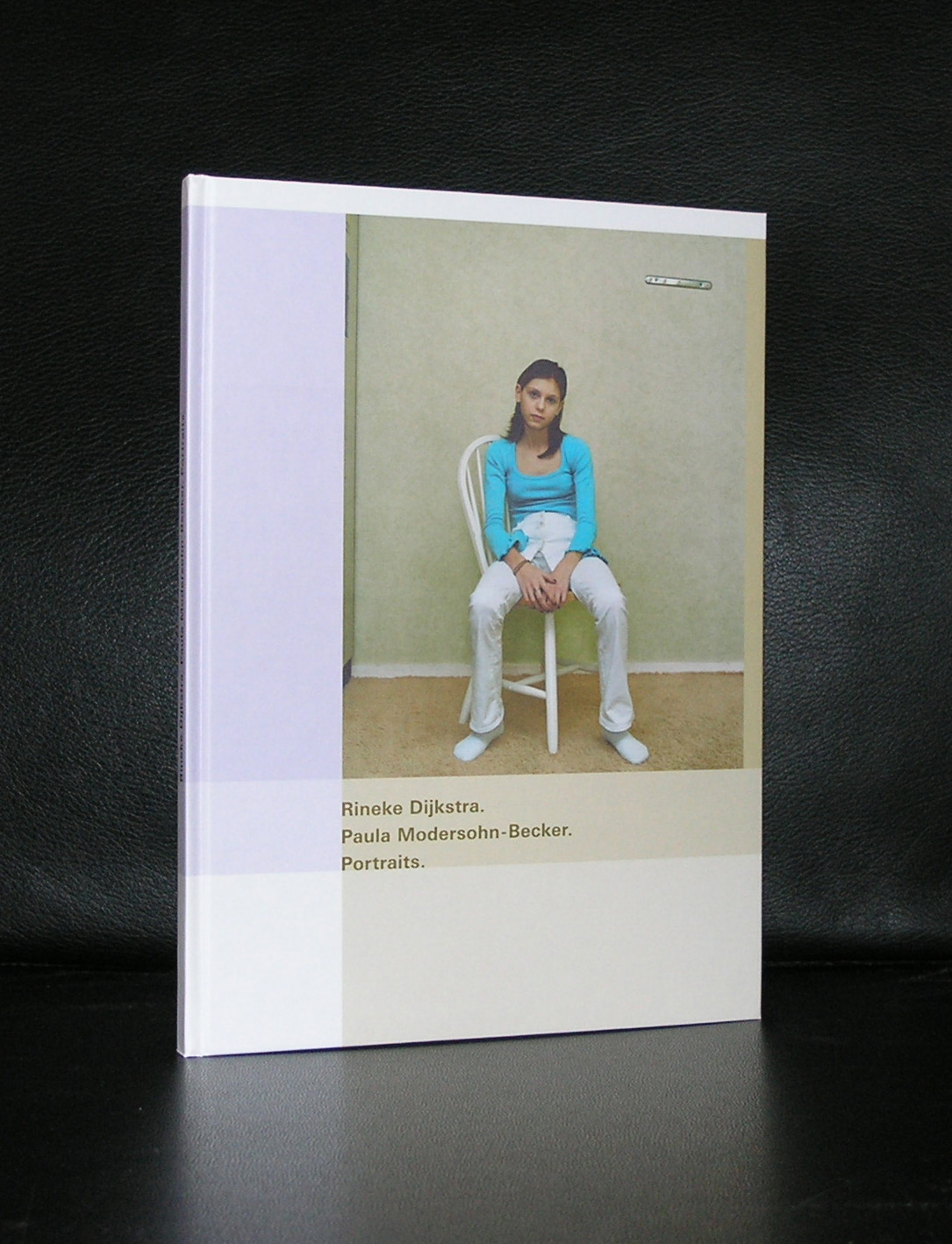
If there is one photographer who has become famous in the last 2 decades it is Rineke Dijkstra. She started as a freelance photographer for magazines like Avenue and Quote, but became famous with her series if you men and women on the beaches of the US, Poland, Belgium and Croatia. This series has become iconic in the world of photography and the star of Rineke Dijkstra has risen ever since. The series shows in artificial light young adolescent boys and girls on the shore. These photographs have are typical Dijkstra “signature” and can be recognized immediately. The strength in these photographs of young people and also the series of bullfighters and soldiers, is that they show the emotion of the portrayed. Large sized in many cases make these not the standard photograph for at home, but you can seen many of her works depicted in the books on Dijkstra of which some are available at www.ftn-books.com
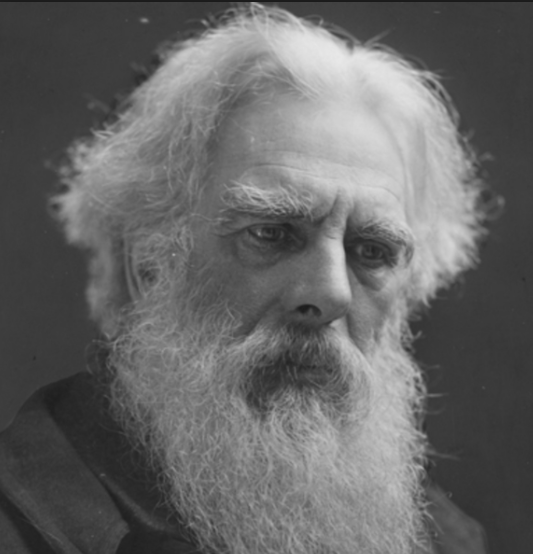
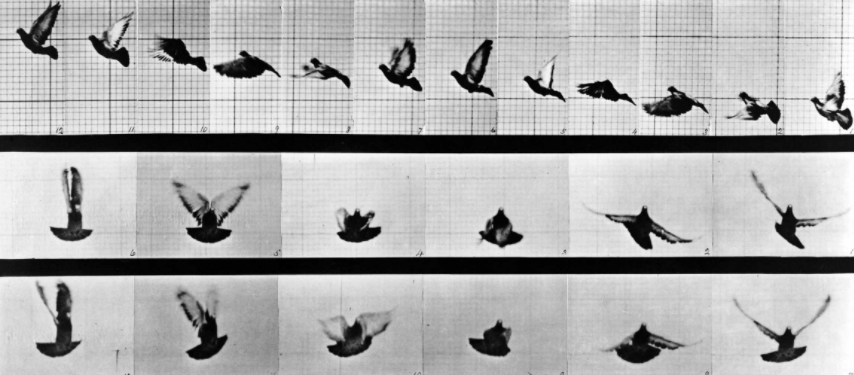
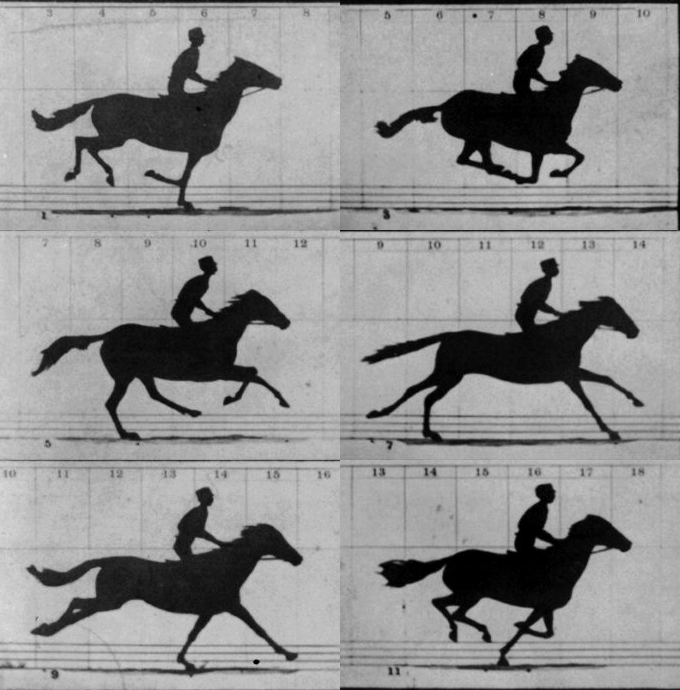
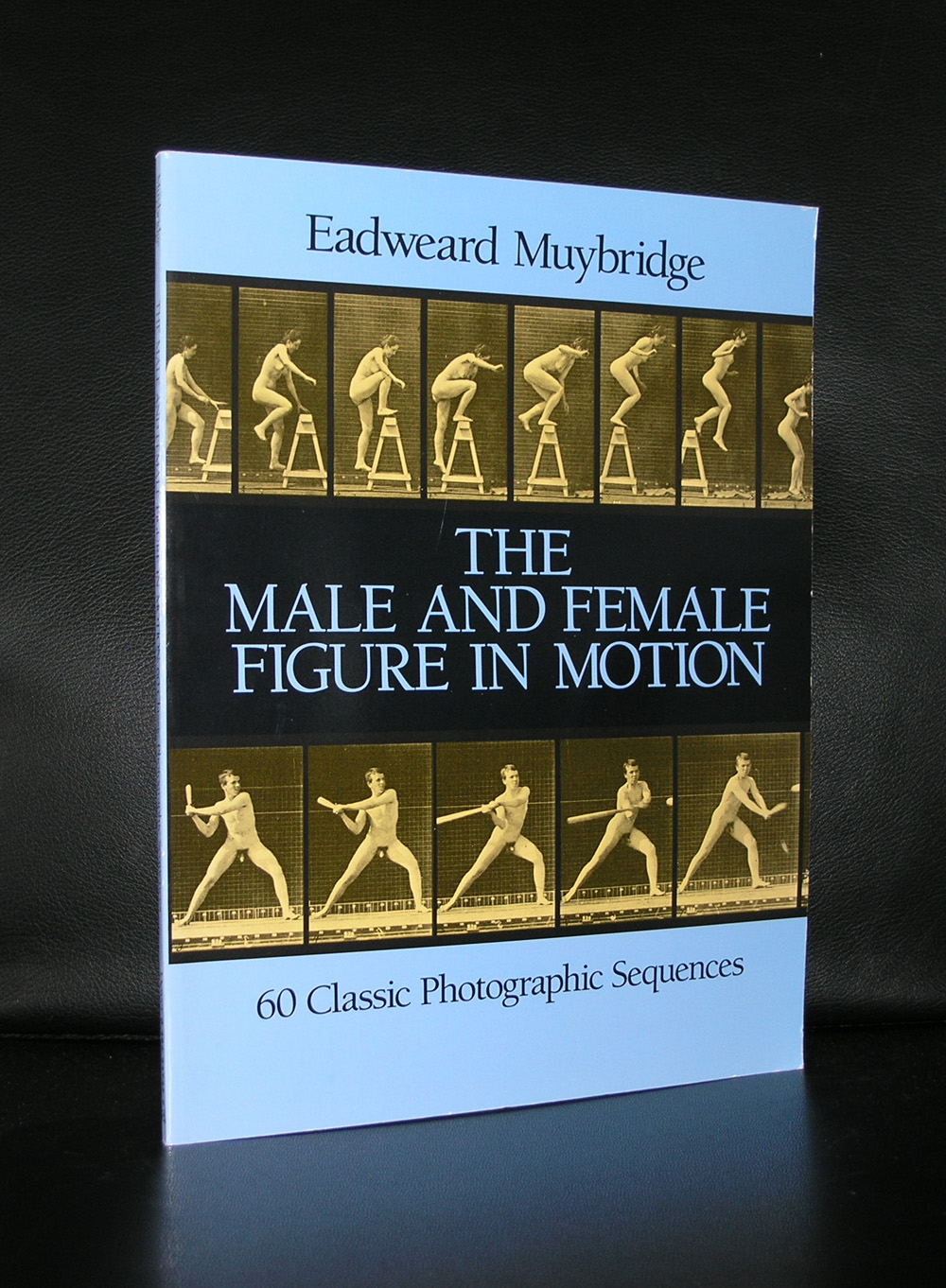
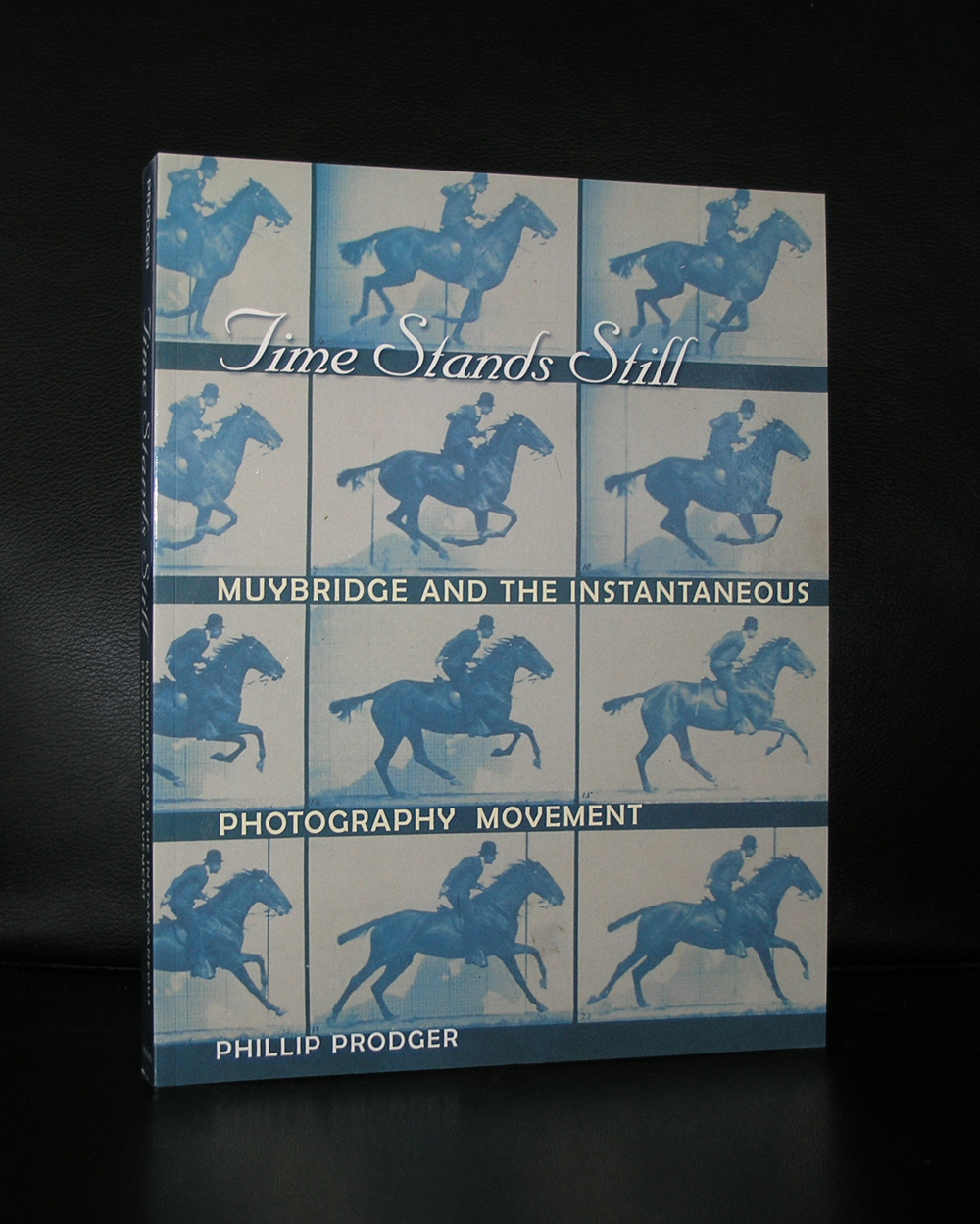
The importance of Muybridge is not the artistic way he made his photographs, but because he recognized that he could catalogue motion and movement by placing photographs in sequence. This find was important because in detail one could study all movements. From athletes to birds….everything was photographed ,recorded and placed in sequence, making this in the 19th century the reference guide for all movement. The quality of his studies and photographs is shown in this excellent animation
Conclusion must be that not only serious art lovers, but also directors and animators are tributary to Eadward Muybridge.
And of course www.ftn-books.com has some nice books available on the subject.
Artist/ Author: Oliver Boberg
Title : Memorial
Publisher: Oliver Boberg
Measurements: Frame measures 51 x 42 cm. original C print is 35 x 25 cm.
Condition: mint
signed by Oliver Boberg in pen and numbered 14/20 from an edition of 20