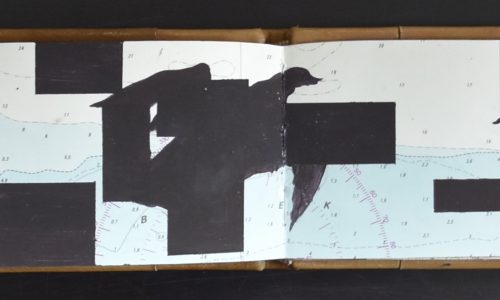
This blog is on a book i recently sold . The perfect reprint from 1980, but when i searched for it i found it to be no longer available anywhere, so I decided to photograph the pages before i shipped it to my customer in Switzerland and make it available in this Blog . It is one of the great books/ designs from last century:
Die Scheuche. Märchen. by Kurt Schwitters
Next year i will publish another blog on Kurt Schwitters , but to emphasize the importance of this publication i give you an integral version in this blog….enjoy!
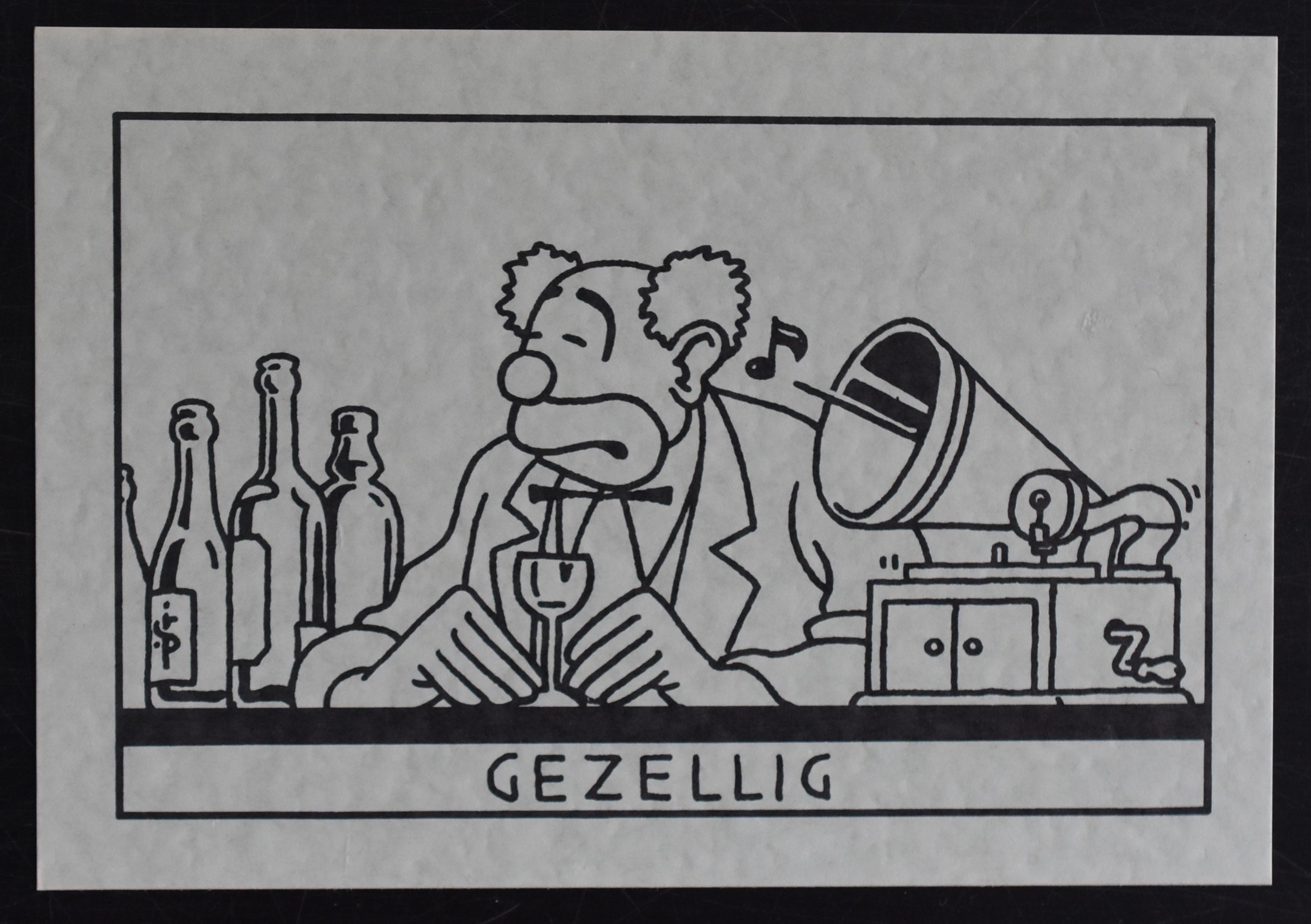
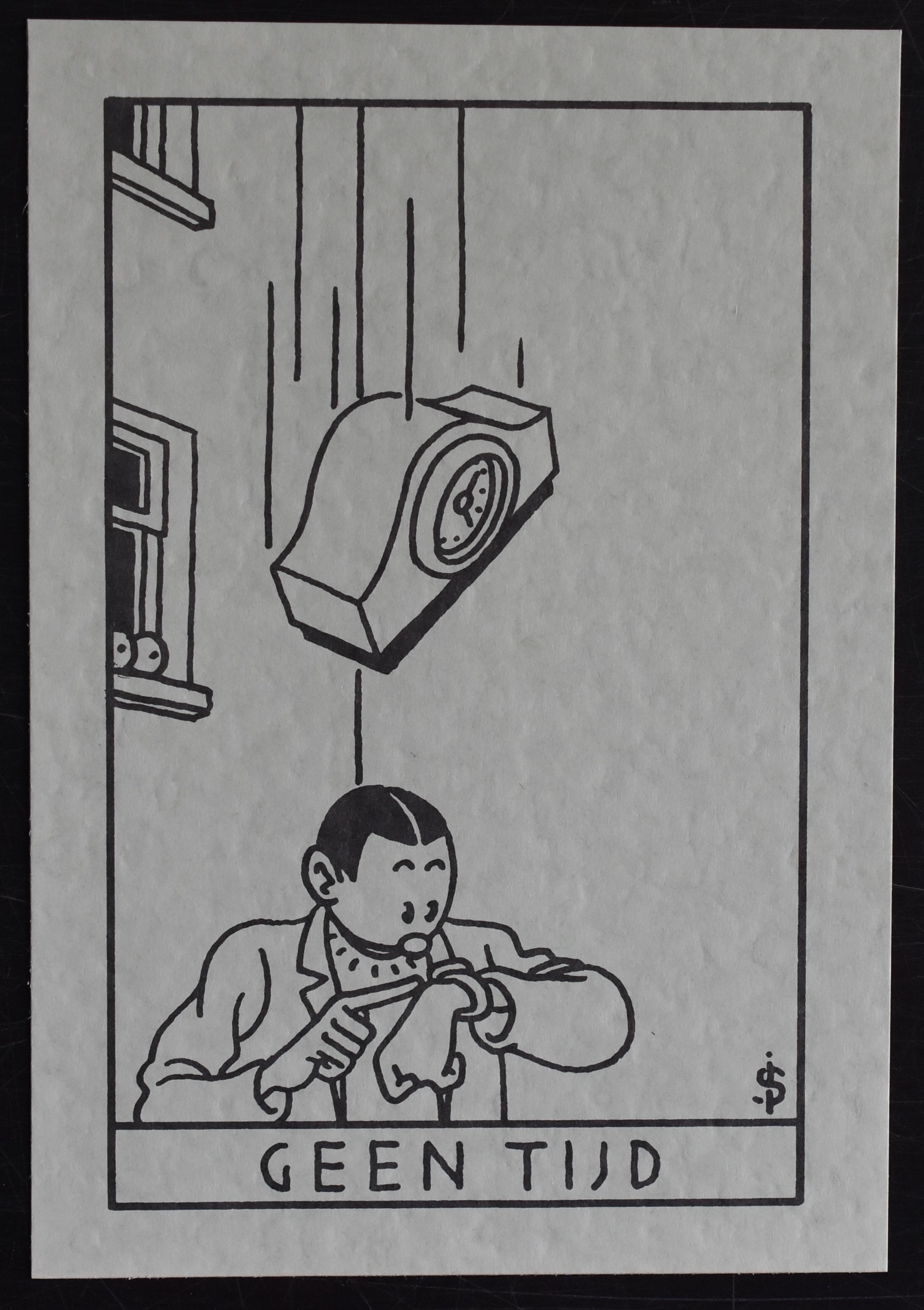
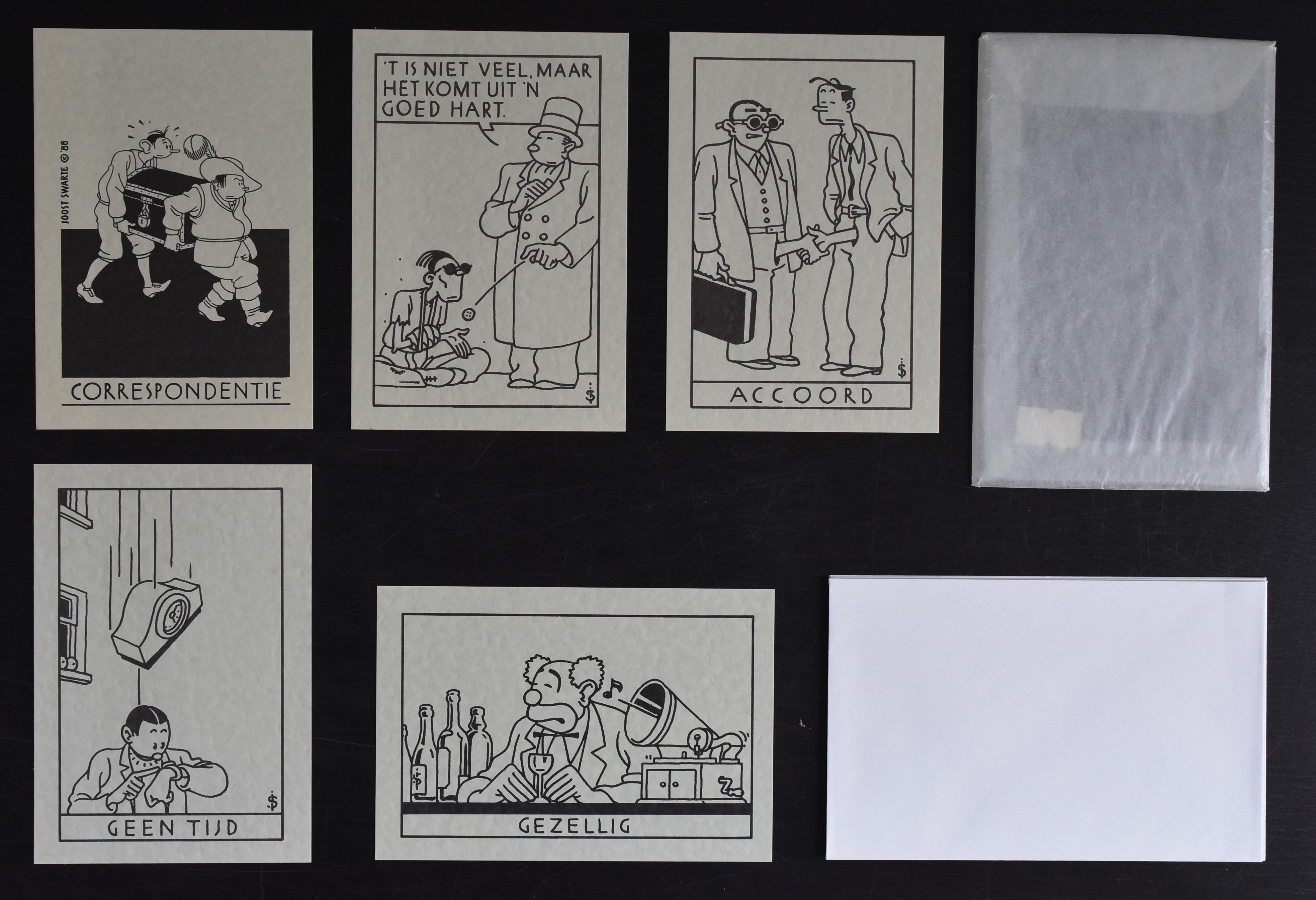
This is a set i bought in 1985 and forgot completely….until….. I opened a shoebox of mine and found the mini portfolio by Franck Izard ( see www.ftn-books.com) , opened it and within the portfolio there was this CORRESPONDENTIE set by Joost Swarte. Still completely sealed and in pristine condition. To see which cards were within the set i opened it very carefully with a very sharp knife and discovered 5 different small note cards, printed an greenish/grey paper and a set of 5 old fashioned envelopes. The attention to detail is so typical for Joost Swarte. The set is in Mint condition and i decided to offer it for sale at www.ftn-books.com. This is a true collectors edition , but for those that only want the pictures ….here are a few pictures.
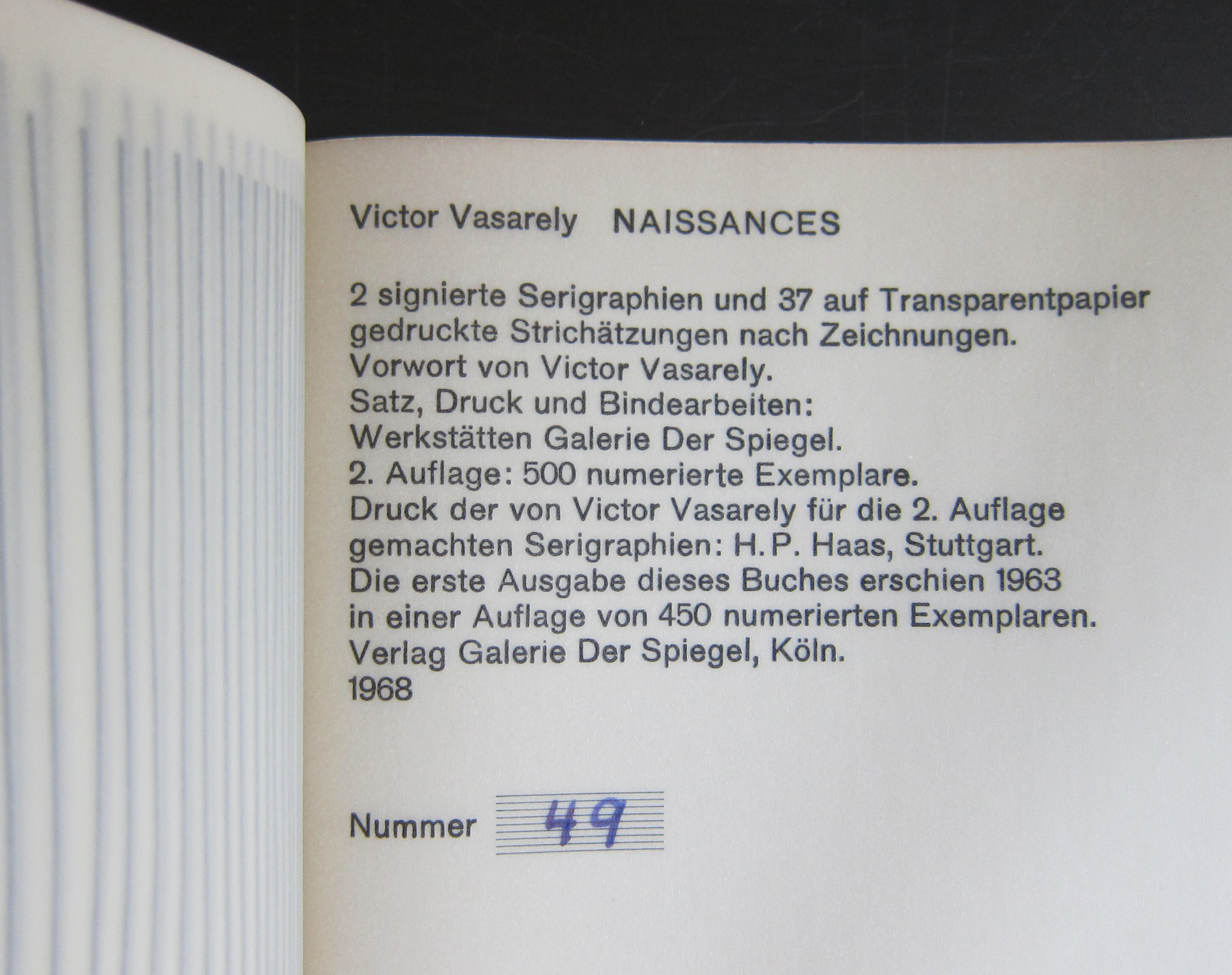
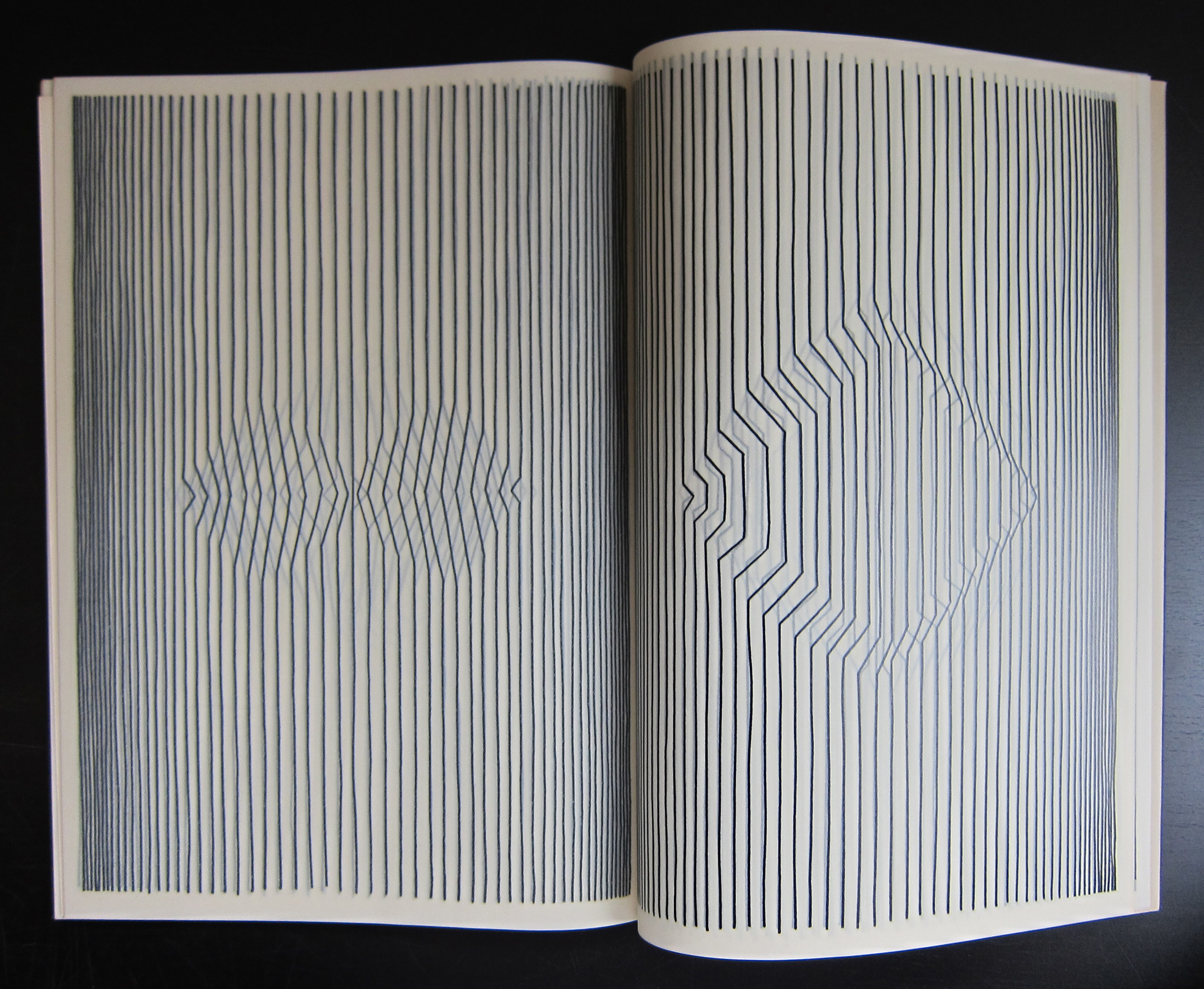
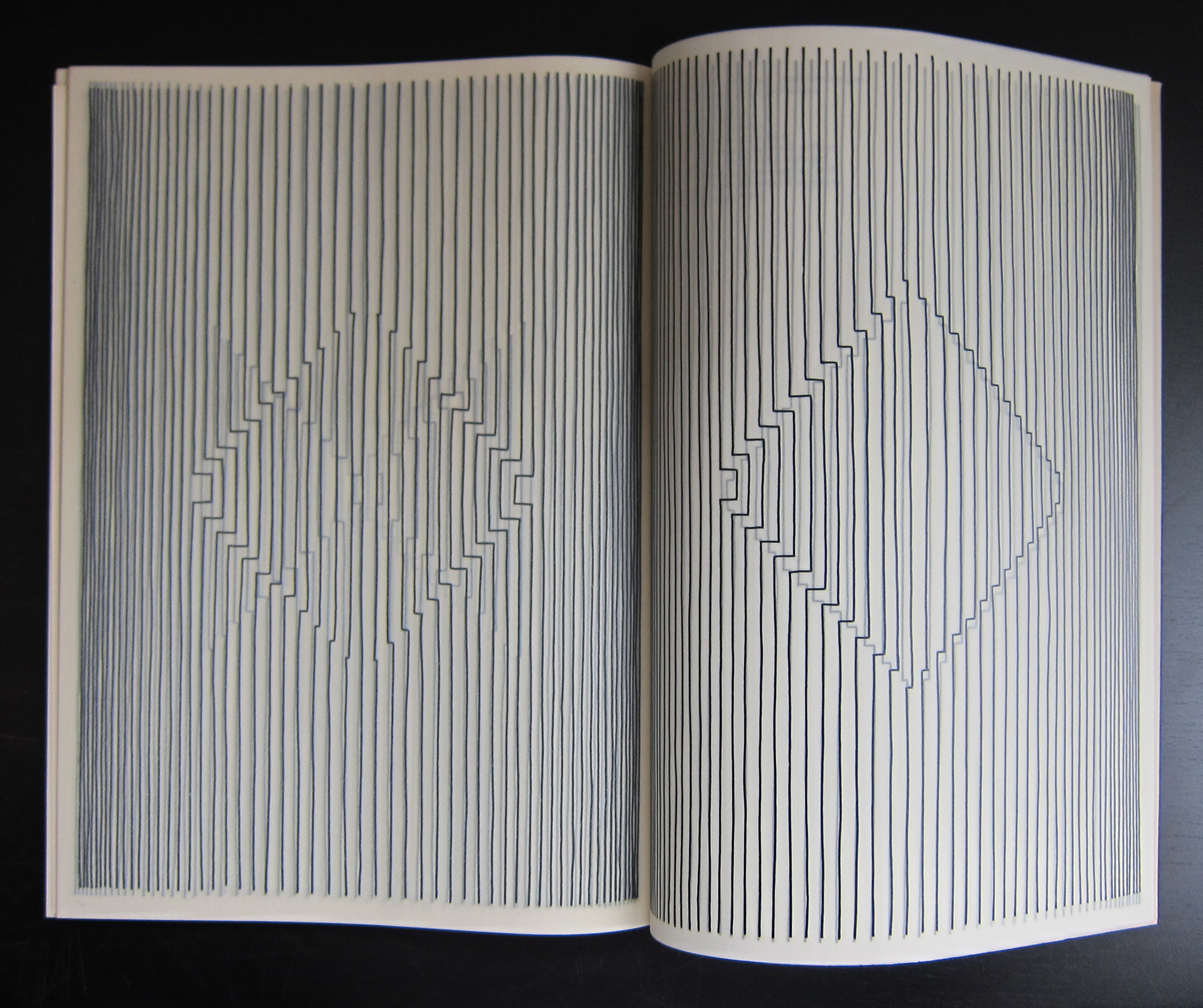
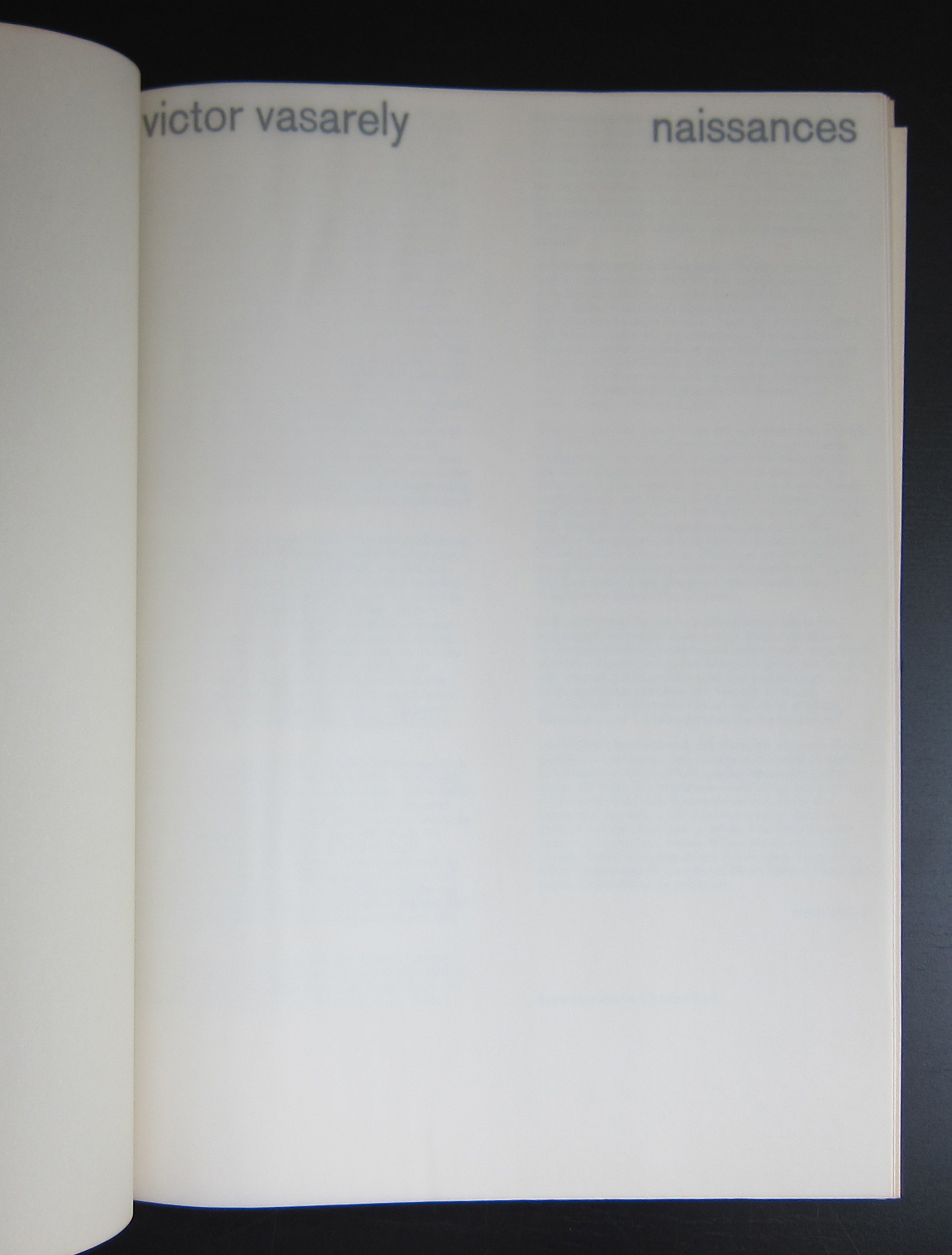
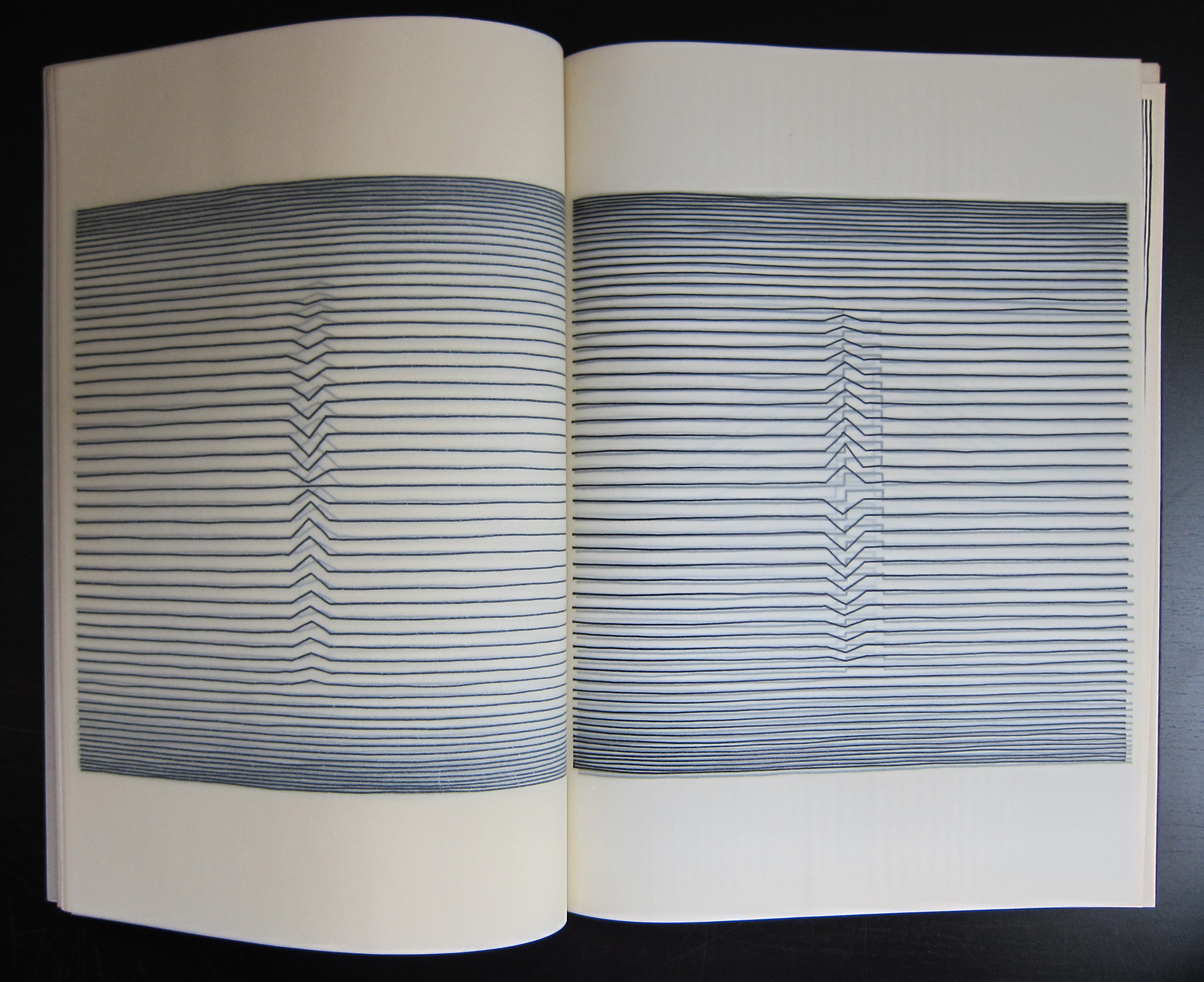
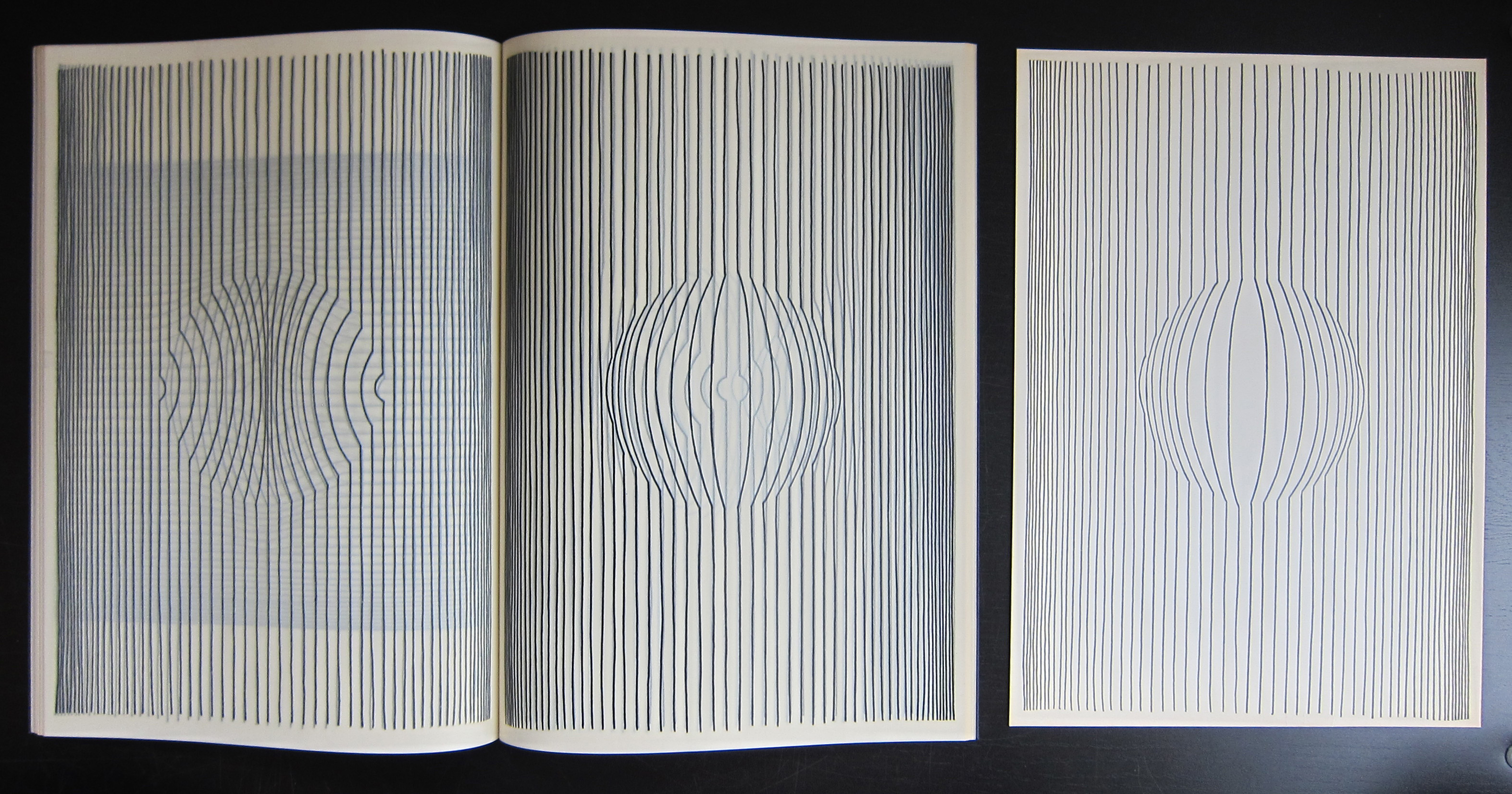
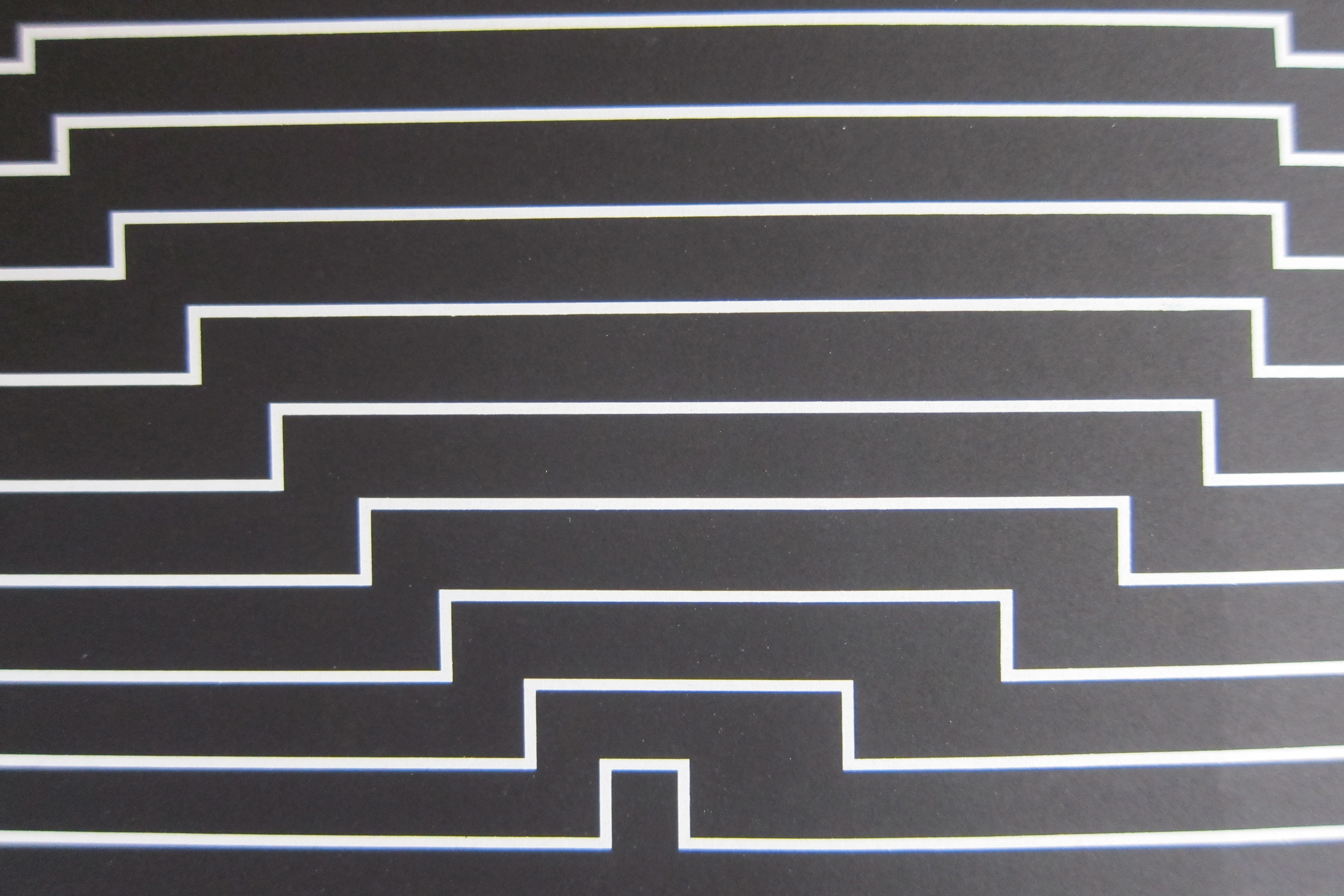
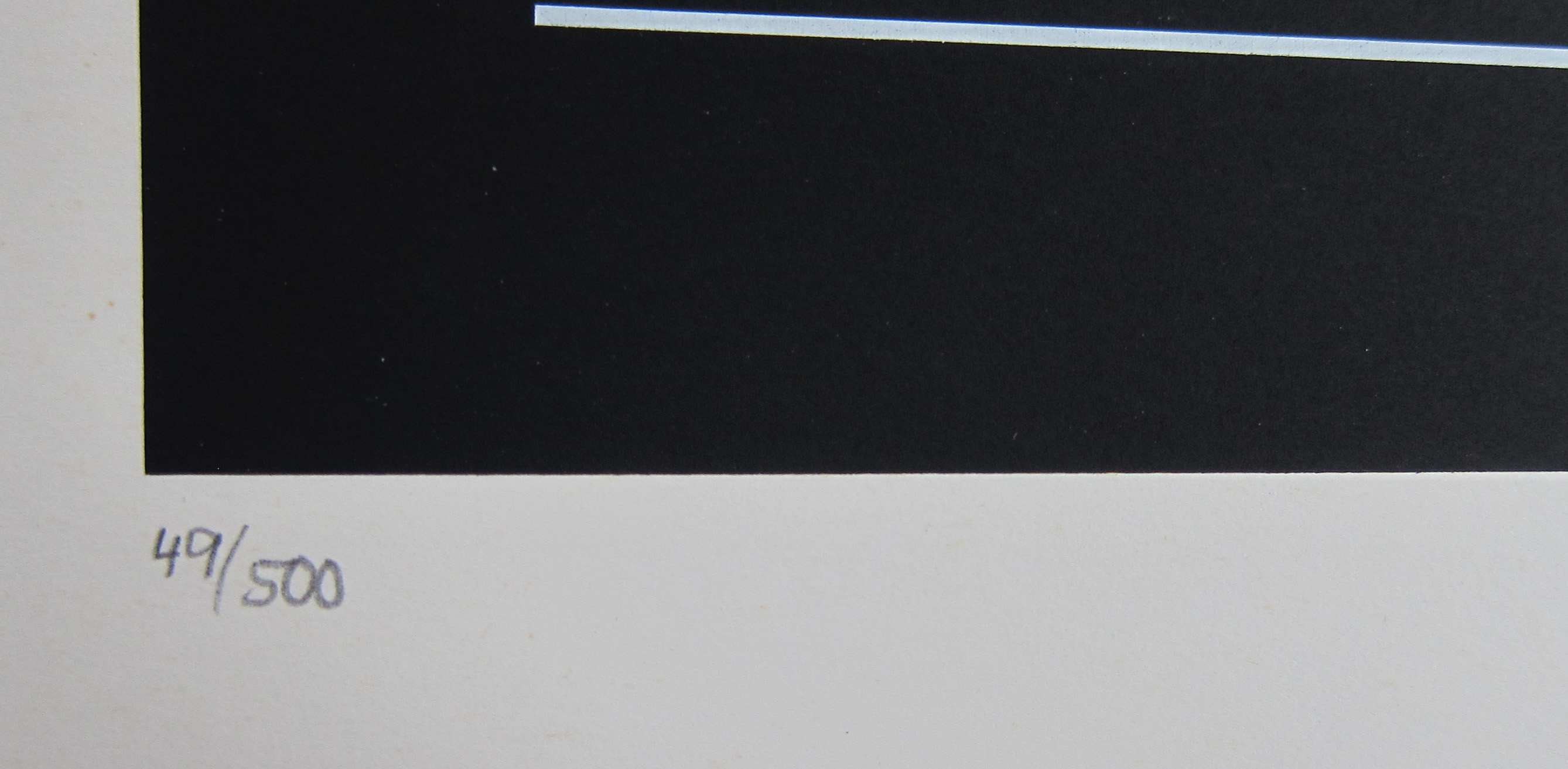
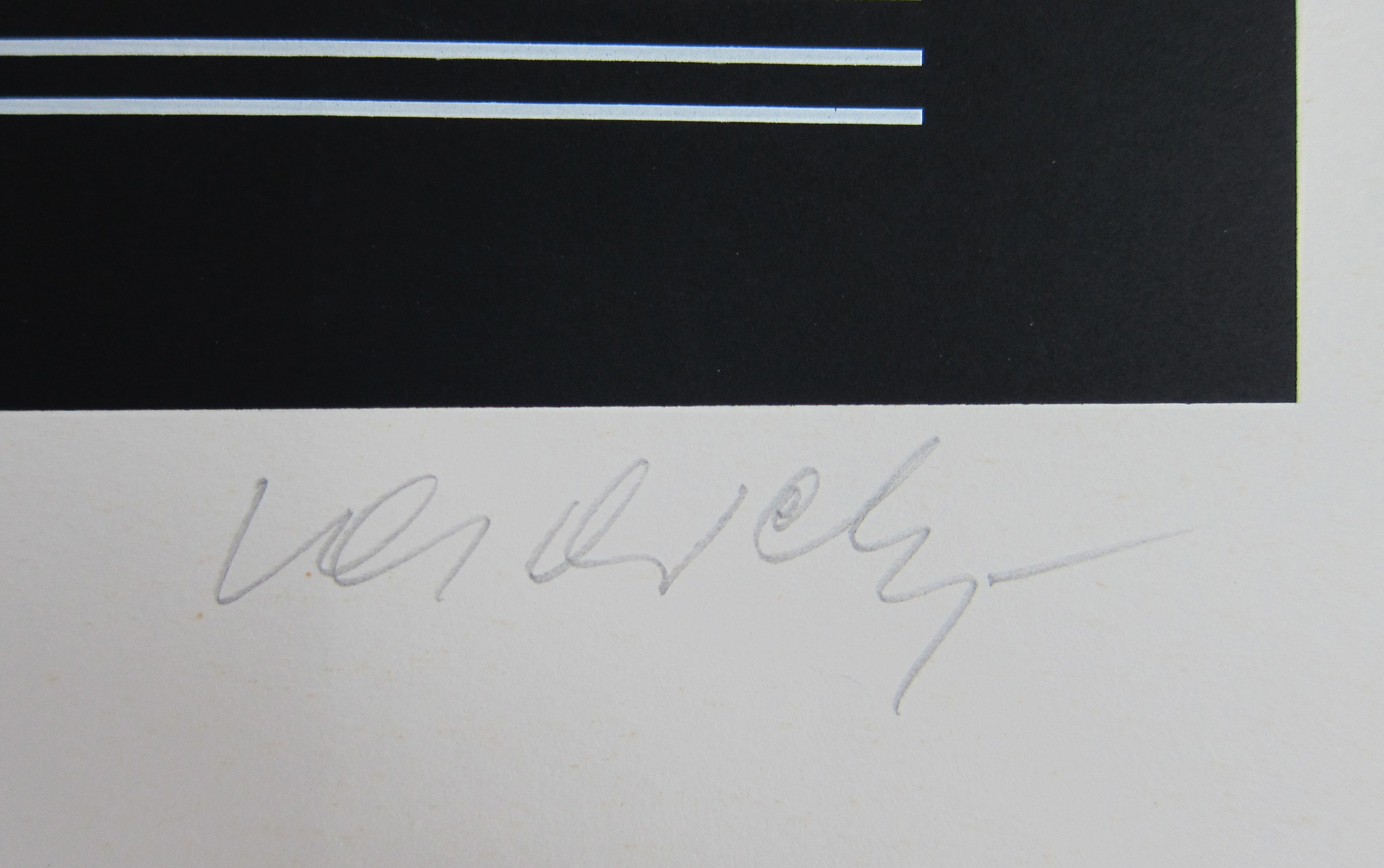
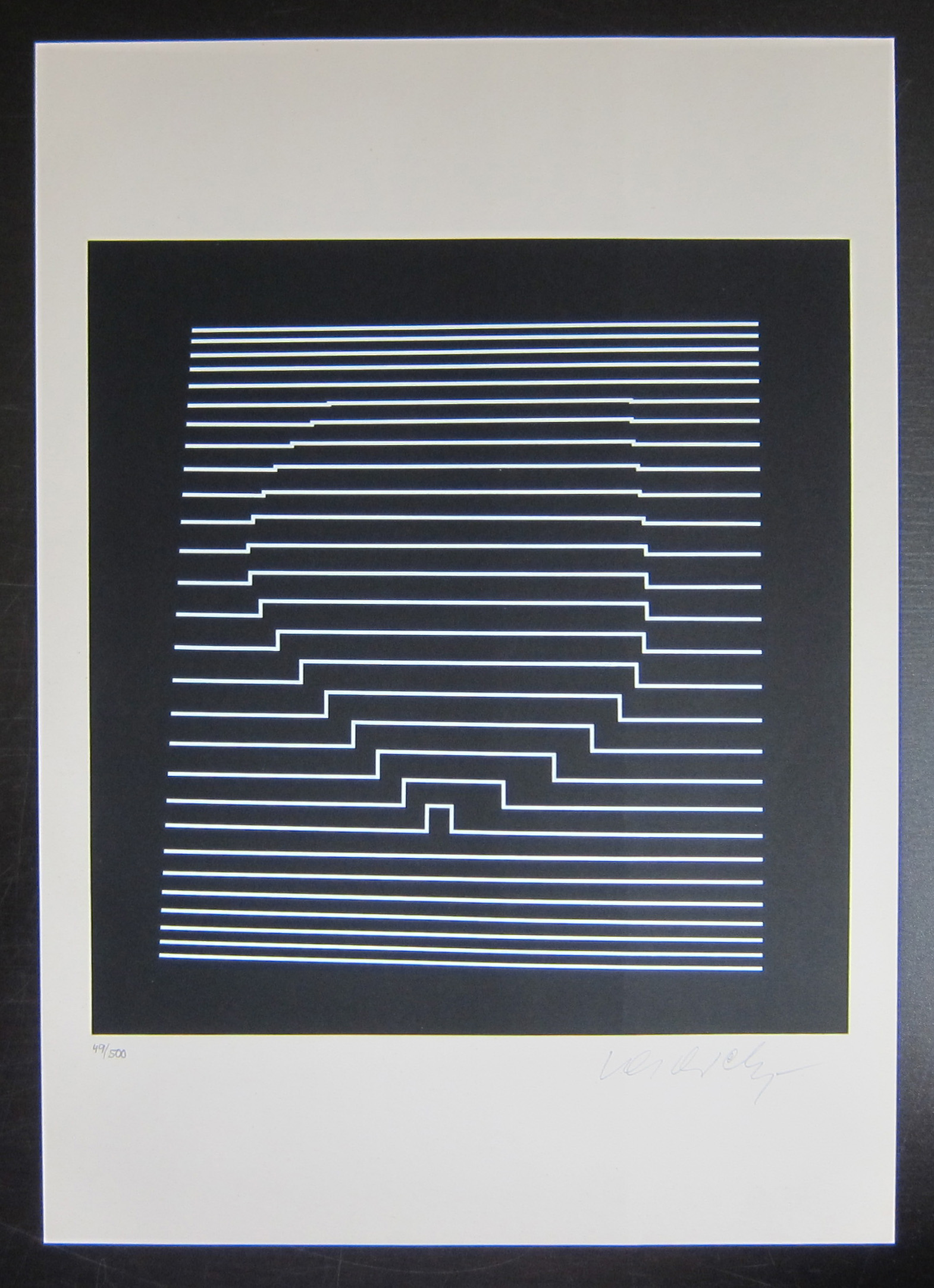
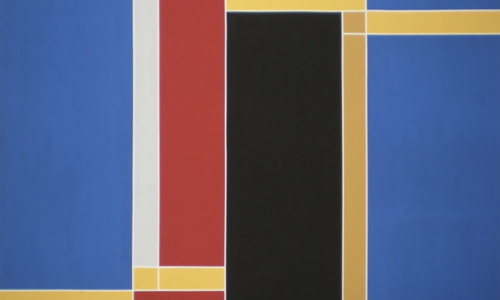
Galerie Der Spiegel in Koln, made a 1968 a memorable publication with Victor Vasarely. Naissances is such a book you will cherish for a long time and find it with each viewing more interesting. The book contains one card whcih can be held behind the tranparent printed pages making each page a different kinetic work of art, plus the book contains two signed and numbered serigraphs which make it even more valuable. I tried to find another copy on the interenet, but it looks like i am the only bookseller who can offer this very special book now. It is not cheap… but i can assure you it is fascinating!
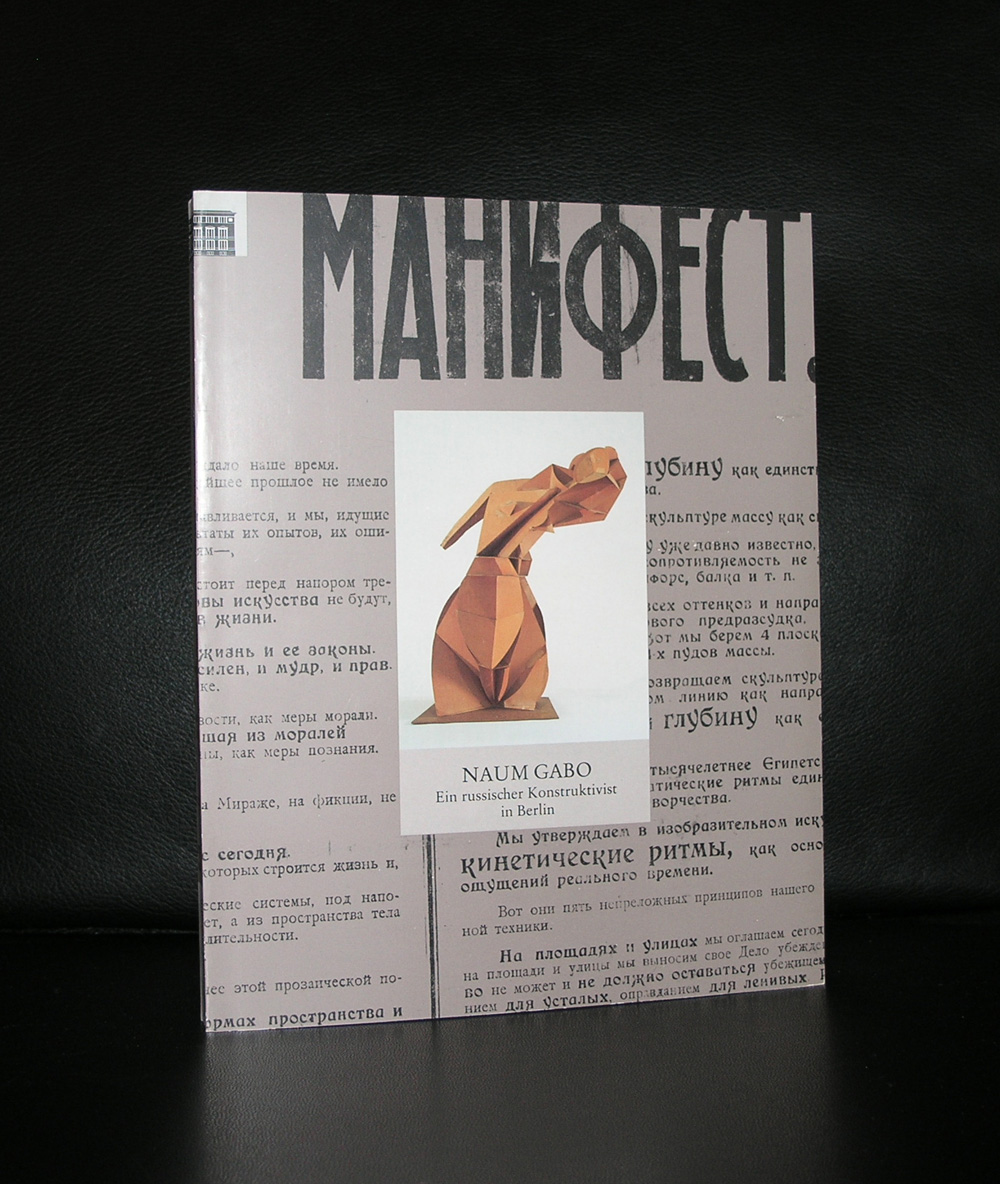
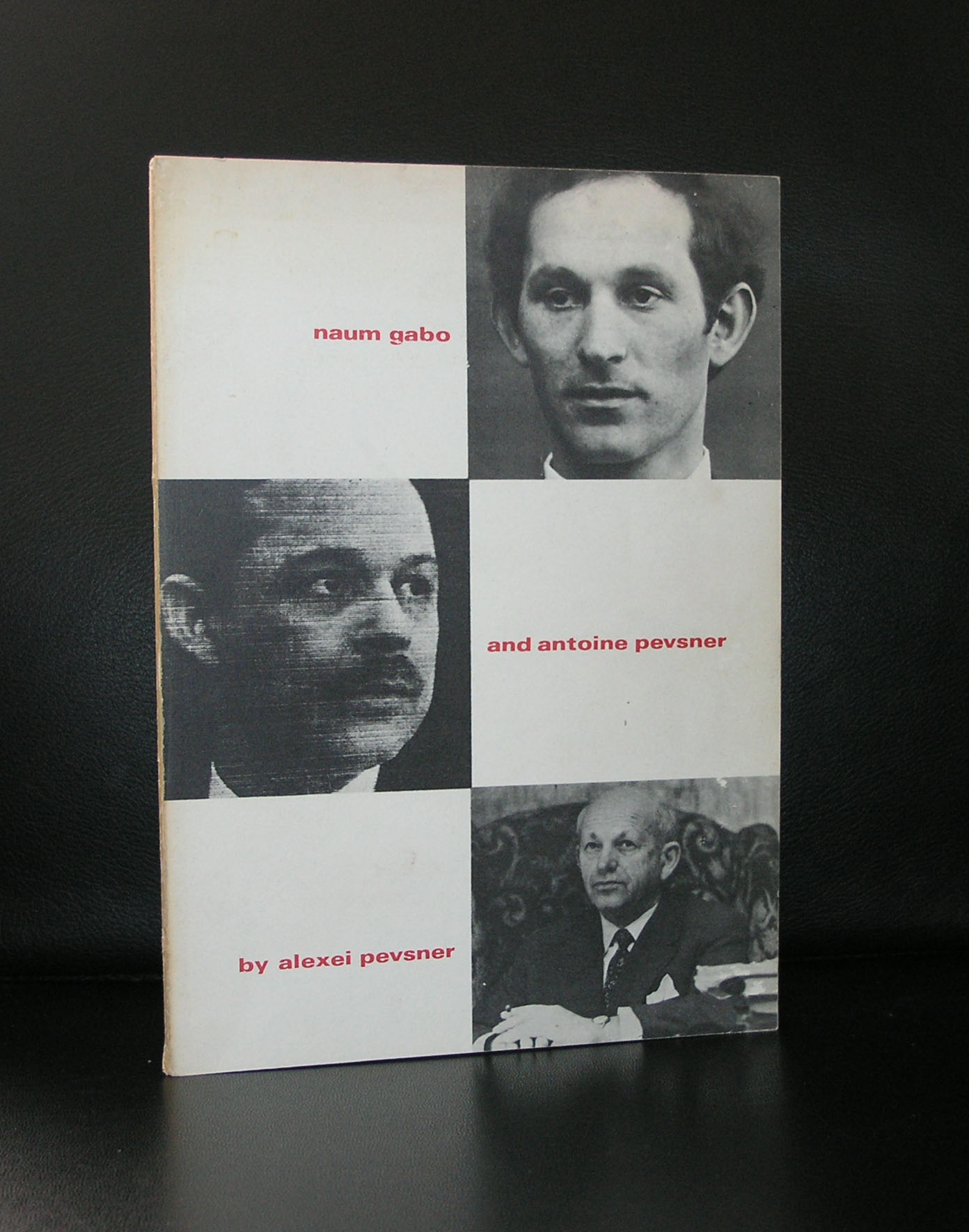
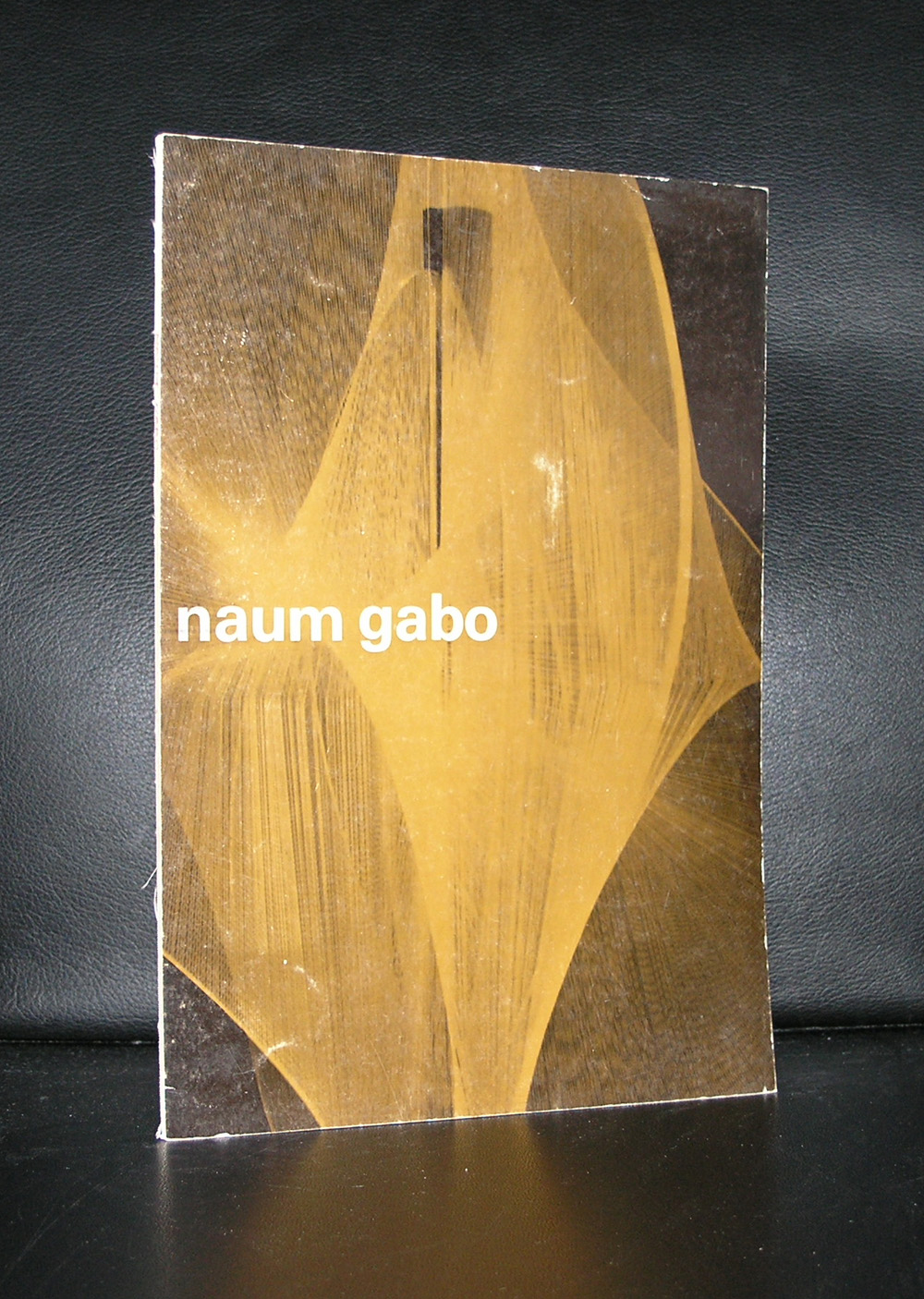
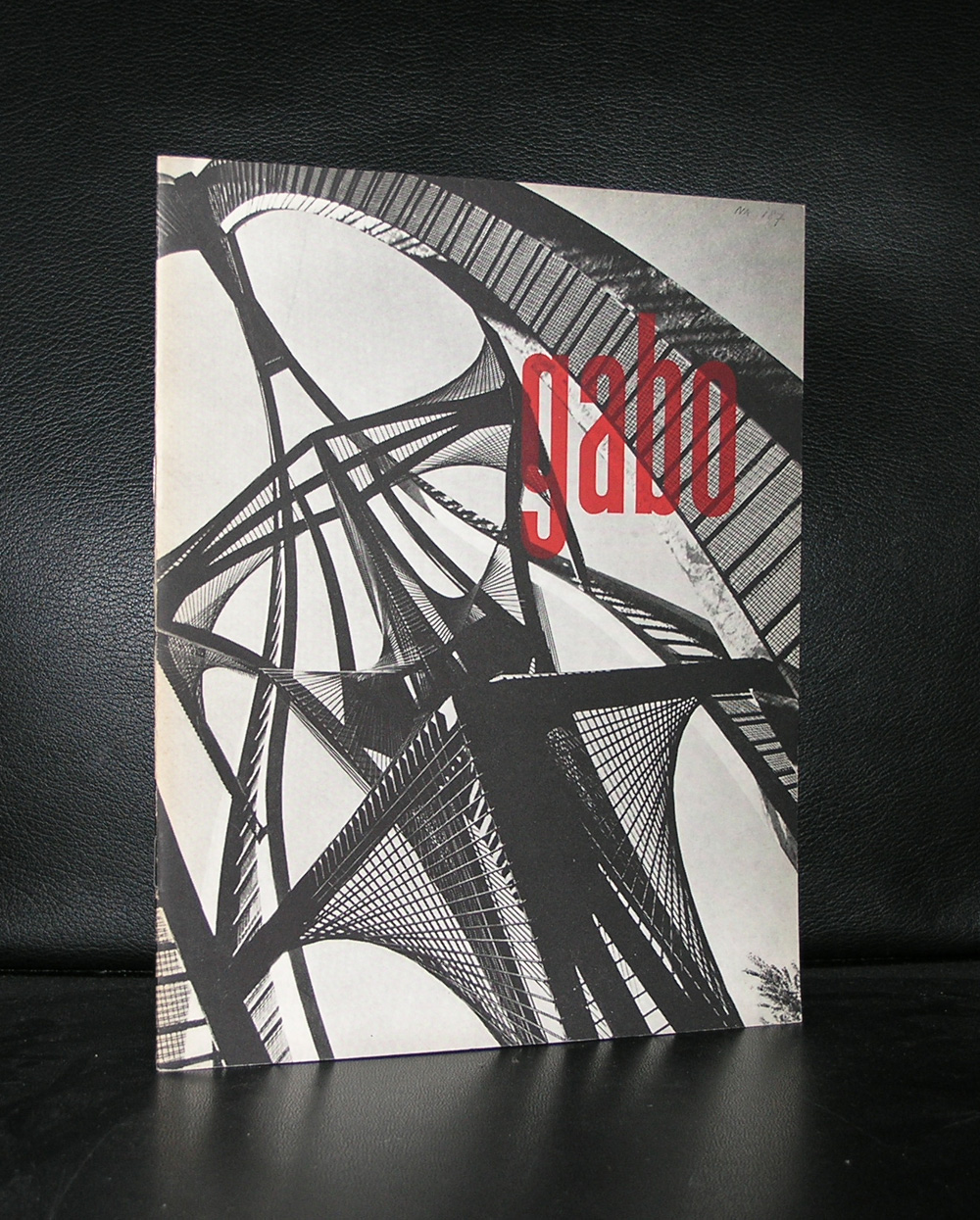
De Bijenkorf building in Rotterdam is one of the iconic buildings in this city. After the bombardment which destructed its complete city centre in WWII, the city rebuild its centre with help of contractors and world famous architects. Among them Marcel Breuer who designed the Bijenkorf building and had a sculpture by Naum Gabo placed before the building. The sculpture has become possibly even more famous than the building by Breuer and was recently cleaned and restored and now has back its original splendor.
Here is a short biography which can be found at the Tate site
Naum Gabo 1890-1977.Constructive sculptor and painter. Born in Briansk in Russia, named Naum Pevsner; younger brother of the sculptor Antoine Pevsner. Entered Munich University in 1910, studying first medicine, then the natural sciences; also attended art history lectures by Wölfflin. Transferred in 1912 to an engineering school in Munich. Met Kandinsky and in 1913-14 joined his brother Antoine (then a painter) in Paris. After the outbreak of war moved first to Copenhagen, then Oslo; began to make constructions in 1915 under the name Naum Gabo. 1917-22 in Moscow with Pevsner, Tatlin, Kandinsky and Malevich; wrote and issued jointly with Pevsner in 1920 a Realistic Manifesto proclaiming the tenets of pure Constructivism. Lived 1922-32 in Berlin in contact with the artists of the de Stijl group and the Bauhaus. First one-man exhibition with Pevsner at the Galerie Percier, Paris, 1924. With Pevsner, designed the set and costumes for Diaghilev’s ballet La Chatte 1926. 1932-5 in Paris, a member of Abstraction-Creation; 1935-46 in England, first in London, then from 1939 at Carbis Bay in Cornwall. Edited Circle jointly with J.L. Martin and Ben Nicholson in 1937. Moved in 1946 to the USA and settled in 1953 at Middlebury, Connecticut; became a US citizen in 1952. Professor at the Graduate School of Architecture at Harvard University 1953-4. From 1950 onwards carried out several large sculpture commissions, including a sculpture for the Bijenkorf store in Rotterdam 1955-7. Created Hon. KBE 1971. Died at Waterbury, Connecticut.
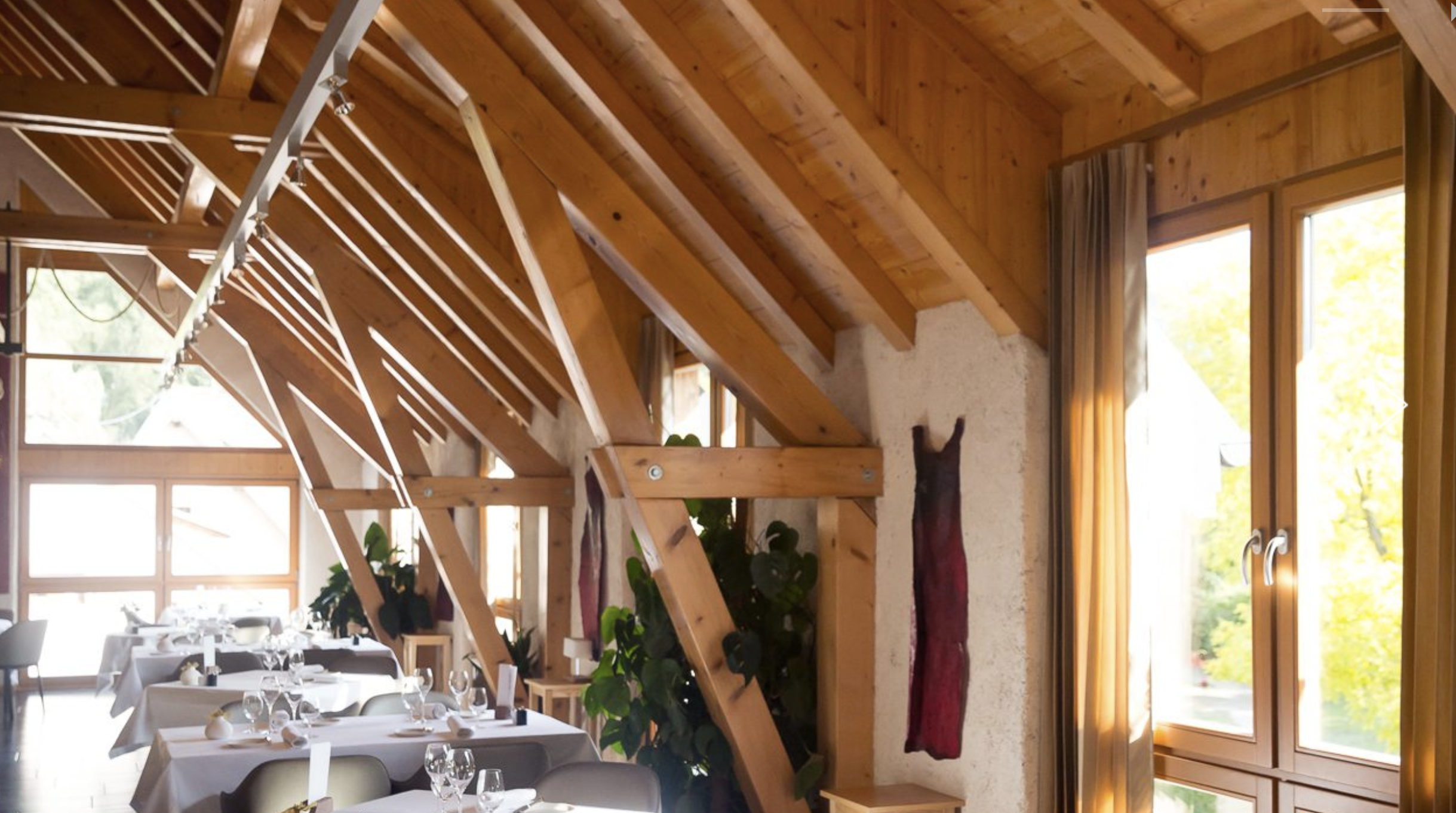
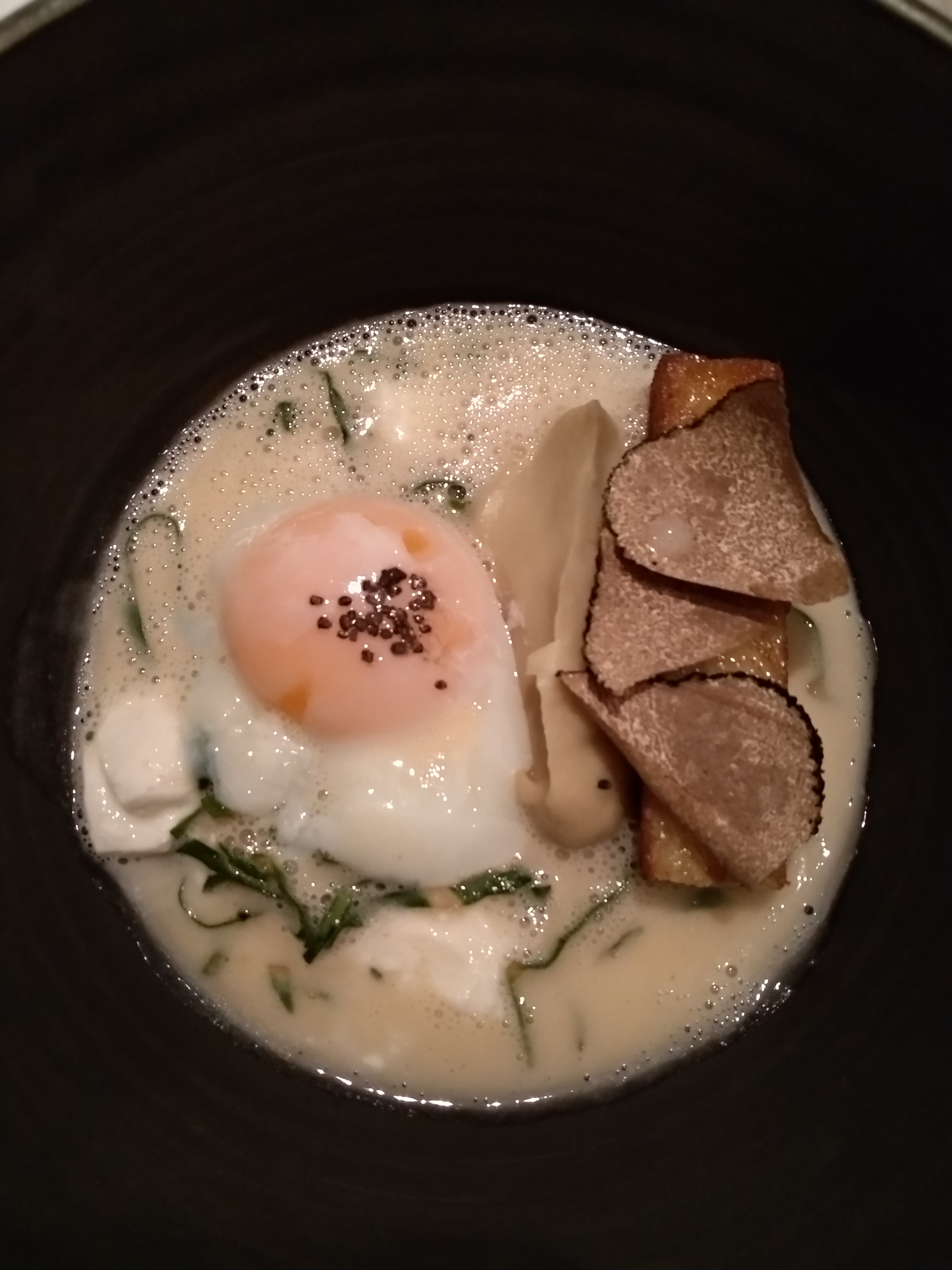
A recent 4 day visit to France , the Alsace region , brought us not only 3 wonderful dinners at the Auberge Frankenbourg,
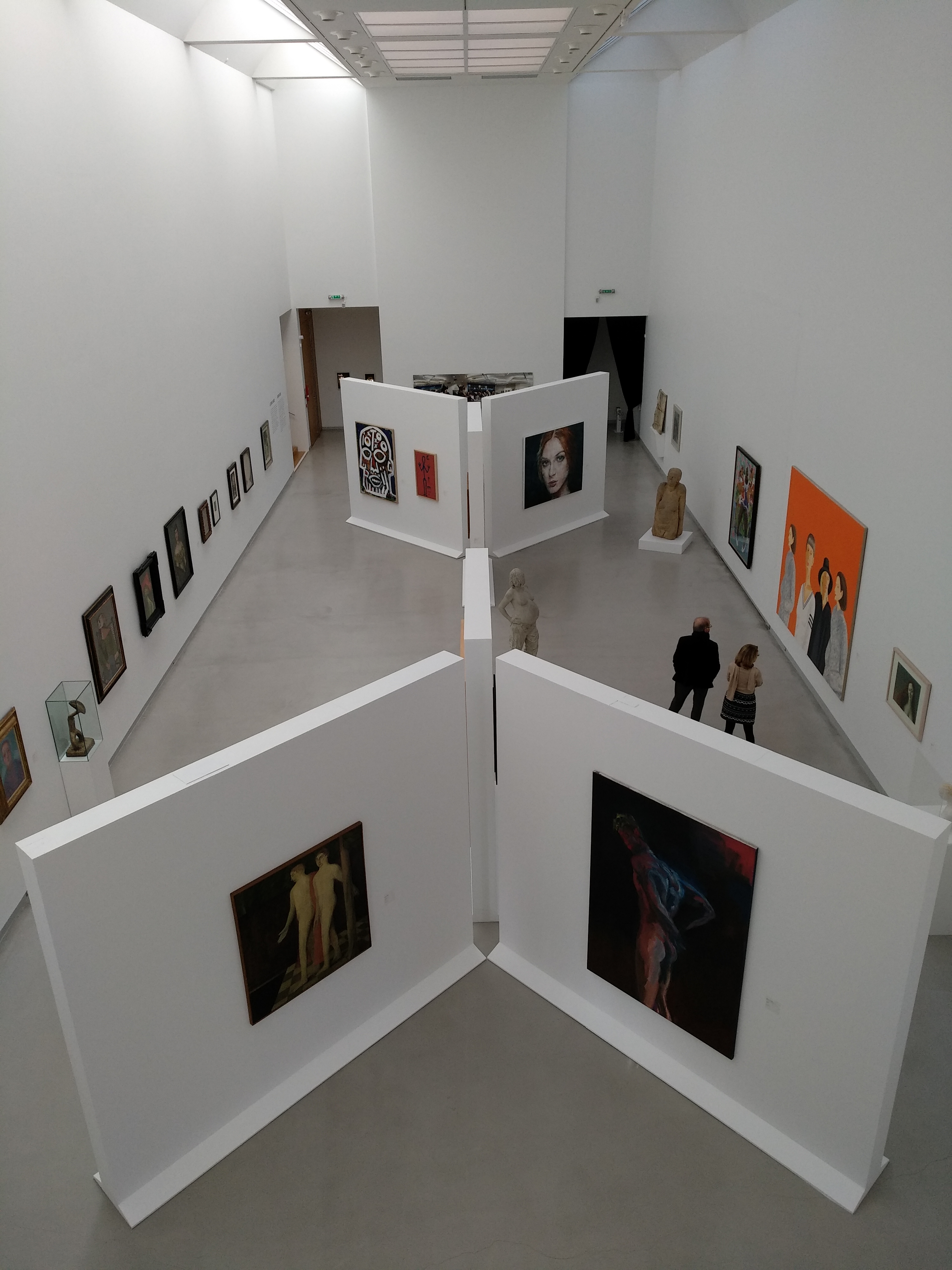
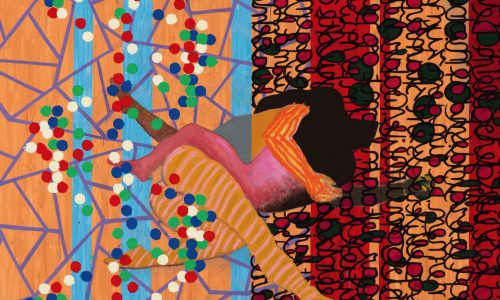
but also made us visit the Museum Würth in Erstein. Some 30 kilometers from the place we stayed and 15 Km from Strasbourg. The museum located behind the “factory” of Würth, does not look like the museum one knows. Modern museum like building, but what struck me most was that it more looked like a storage with some exhibition facilities. The art itself was “my cup of tea” . Modern art with a focus on the last 50 years, but Linda did not like it at all. I thought the museum had some “A” quality art, but at the same time i think that this private collection holds the great and famous names, but hardly has any personal approach to art and collection looks like a random selected catalogue of the great names in todays Modern Art. Still there were 3 items i think were very special. First there was a portrait of a woman by Walter Becker.
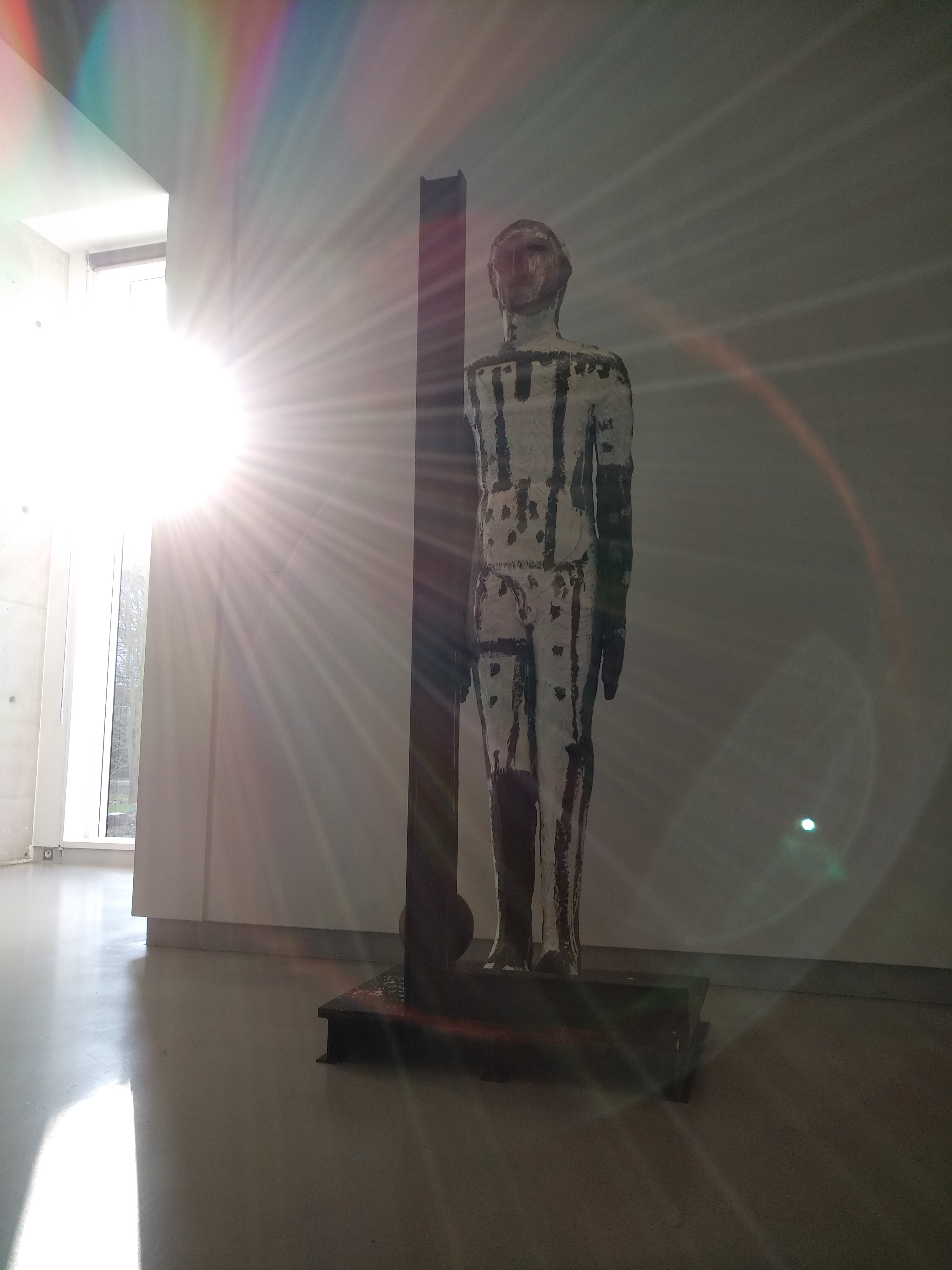
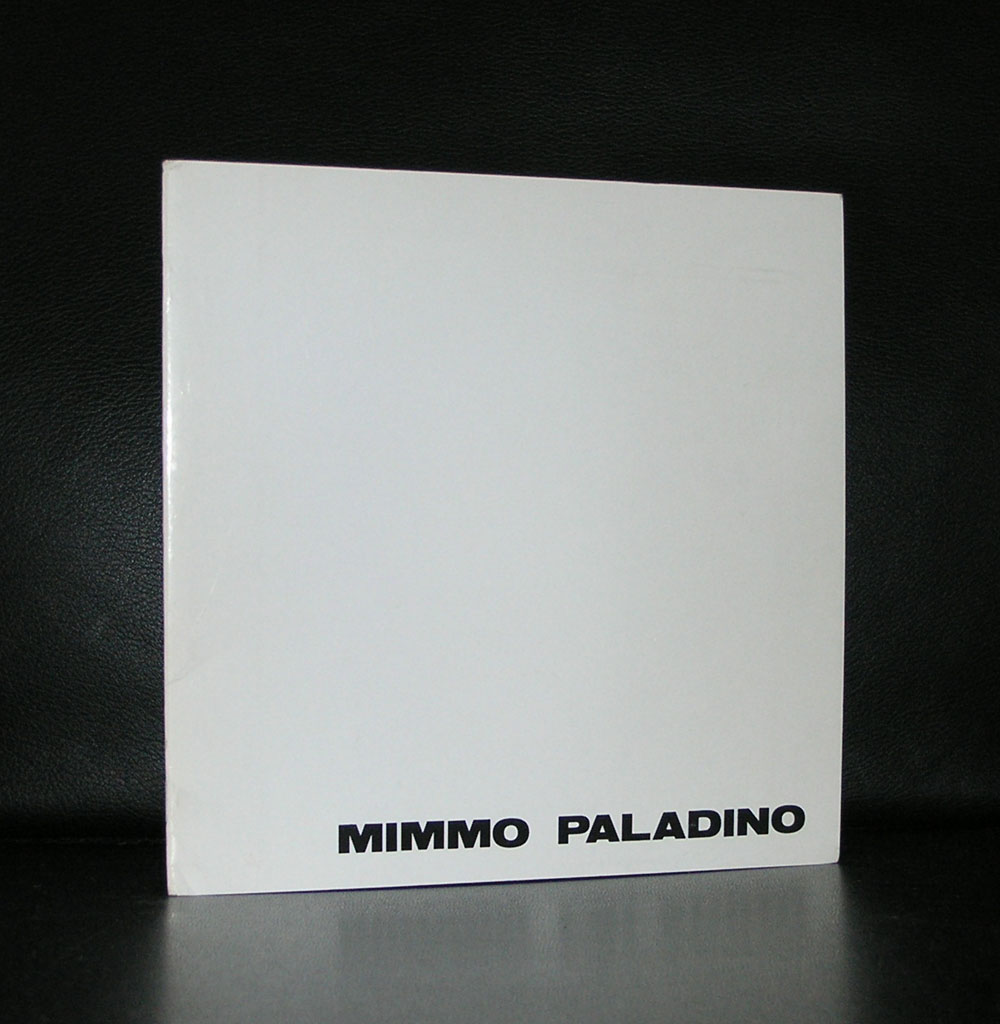
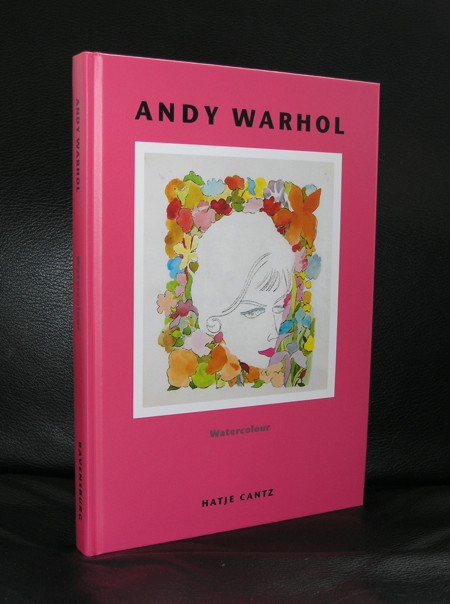
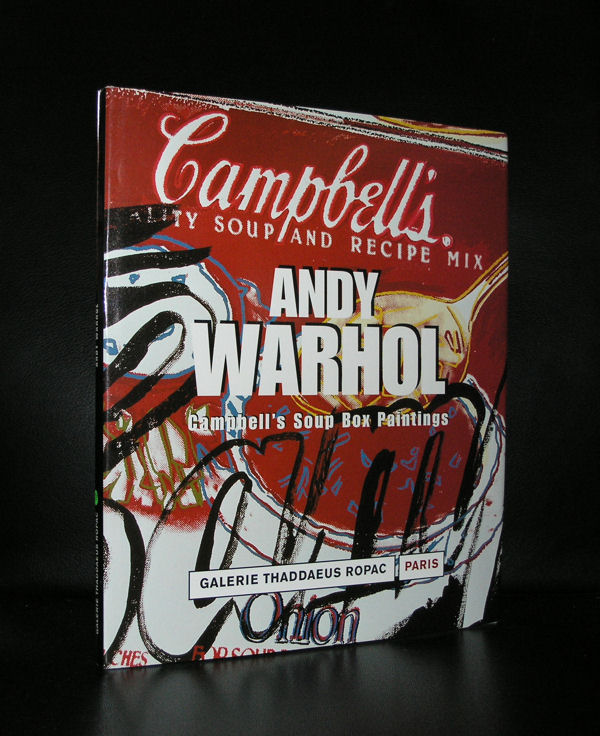
in which the position of the legs and arms made it almost a constructivist painting. Secondly Secondly the statue by Mimmo Paladino. and thirdly there was a large Andy Warhol drawing. A design /sketch for a large silkscreen in which the outline of the picture could clearly be seen.
I never had seen one of these before which made the visit special enough. Würth has some 10 locations with museums spread all over Europe, including one in Den Bosch in the Netherlands which we shall visit in the near future.
Ps. How about the similarities between the portraits by Rosemin Hendriks and Andy Warhol. Perhaps Warhol has been a source of inspiration?
There are some nice publications on Becker, Warhol and Palladino availabel at www.ftn-books.com
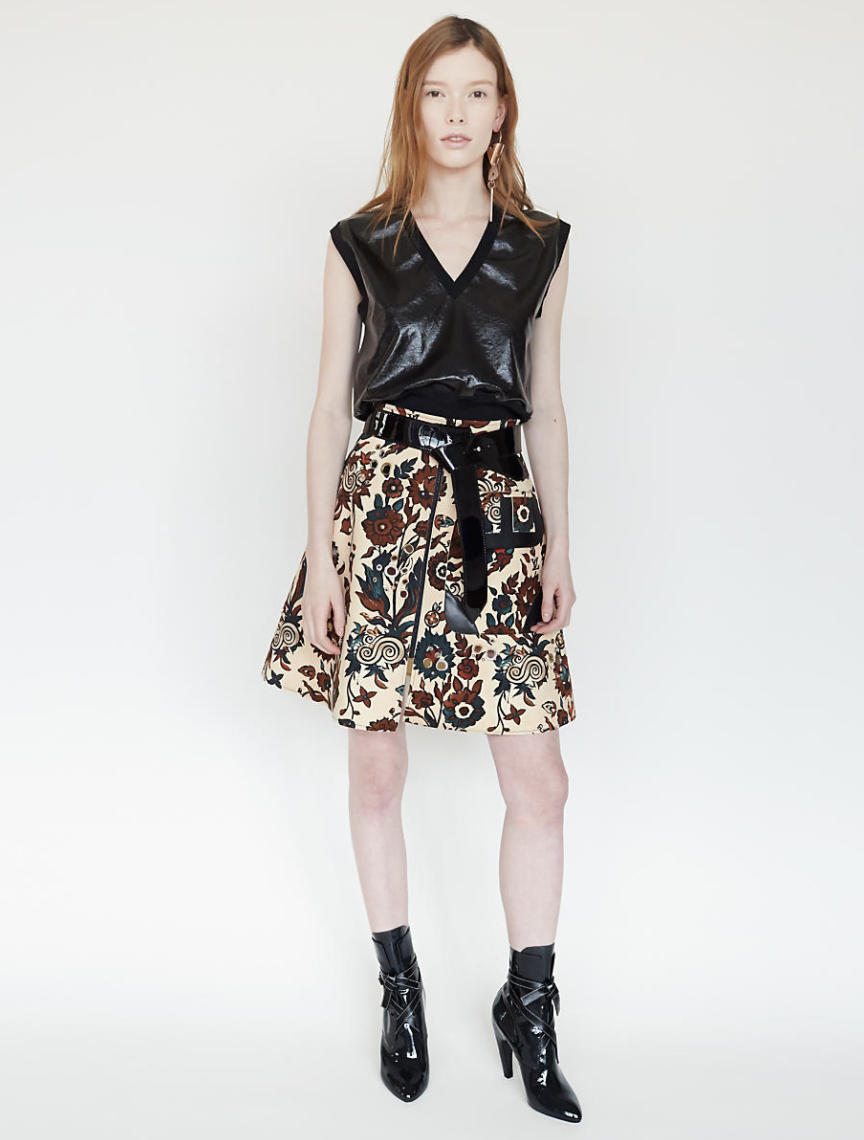
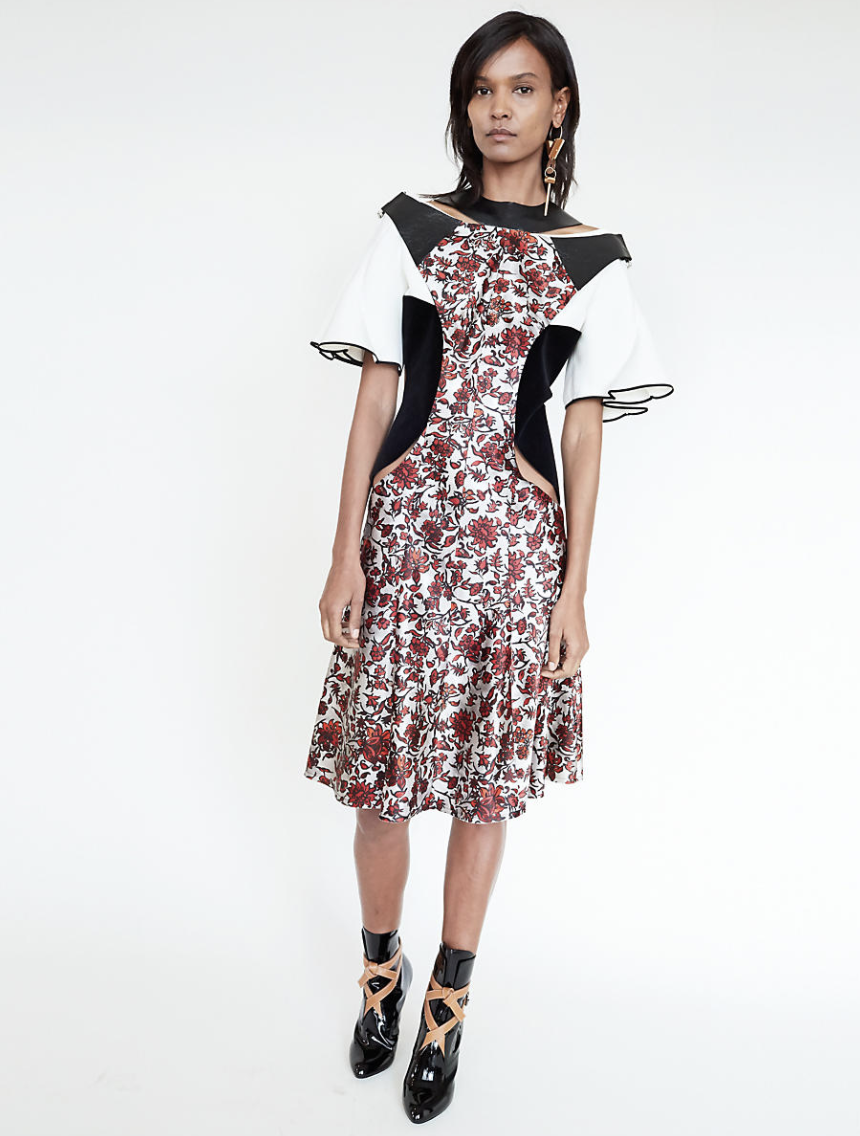
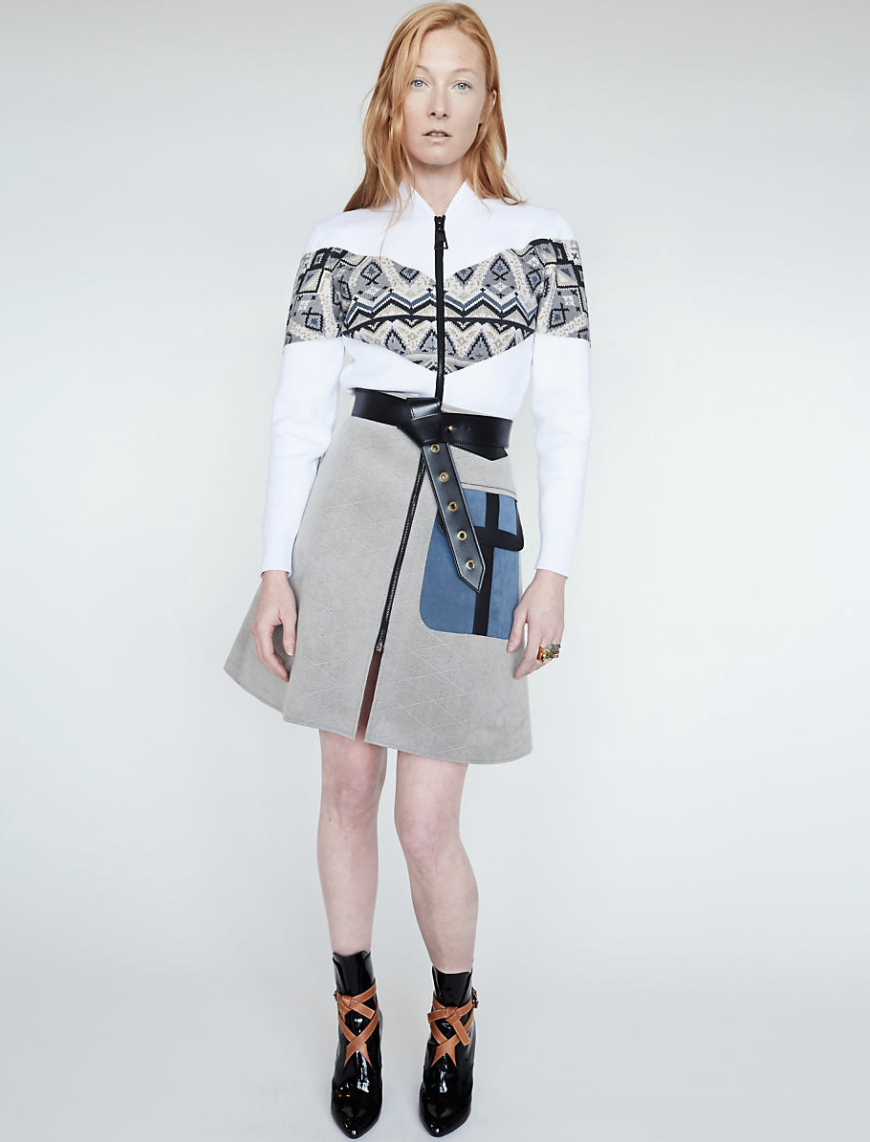
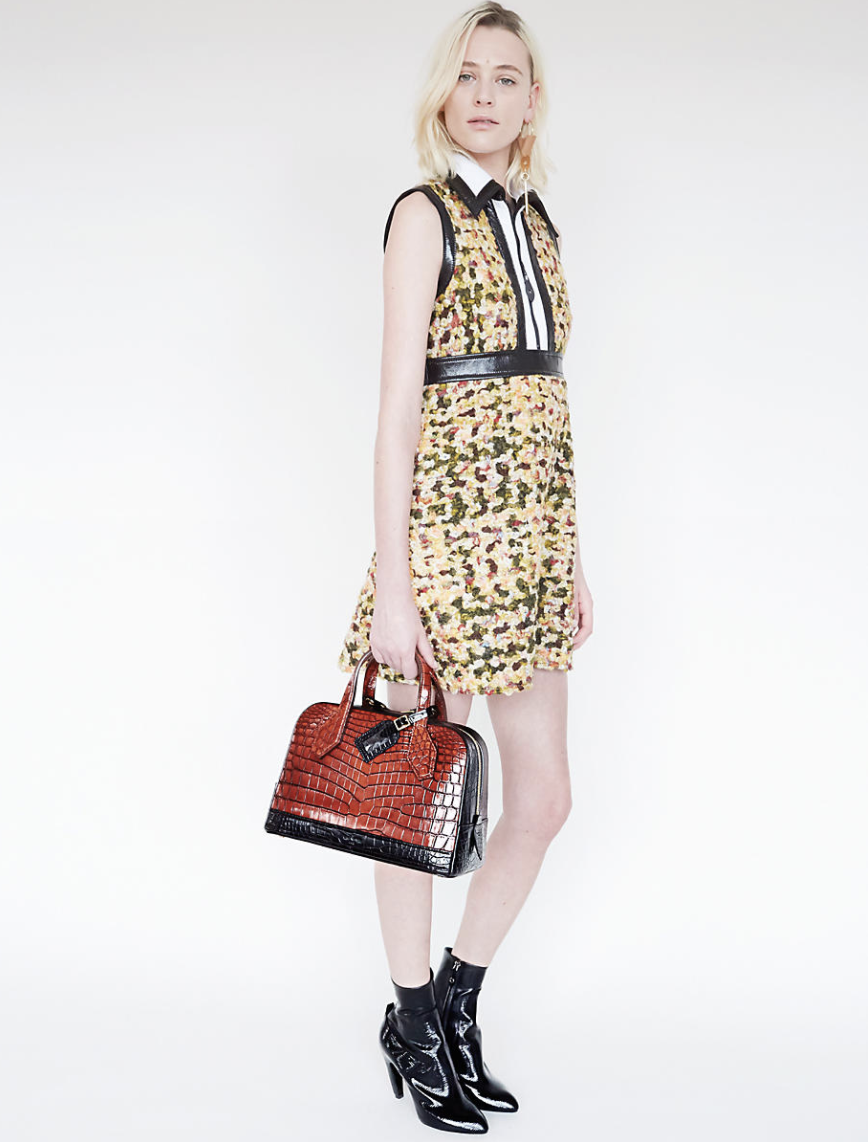
For Nicolas Ghesquiere first Fall 2014 womenswear collection, Louis Vuitton invited German photographer Juergen Teller for a distinctive interpretation of the collection.
Photographed from the House’s Parisian headquarters, with intimate views of the Seine and Eiffel tower, twelve models grace the Fall 2014 women’s collection in edgy attitude.
In this selection, glorious smooth, full-grain leather is contrasted with hybrid materials. Bold, bright colours are juxtaposed with muted halftones. Hand-crafted artisanal techniques are updated with high-tech twist. It was my luck to find a , in pristini/ still sealed condition special edition of this important Louis Vuitton Publication. I did not want to open it, because a collector should want it in this condition, but found some excellent photo’s by Teller on Google to support the quality of this special LOUIS VUITTON edition and perhaps this is the present you are looking for for Christmas.
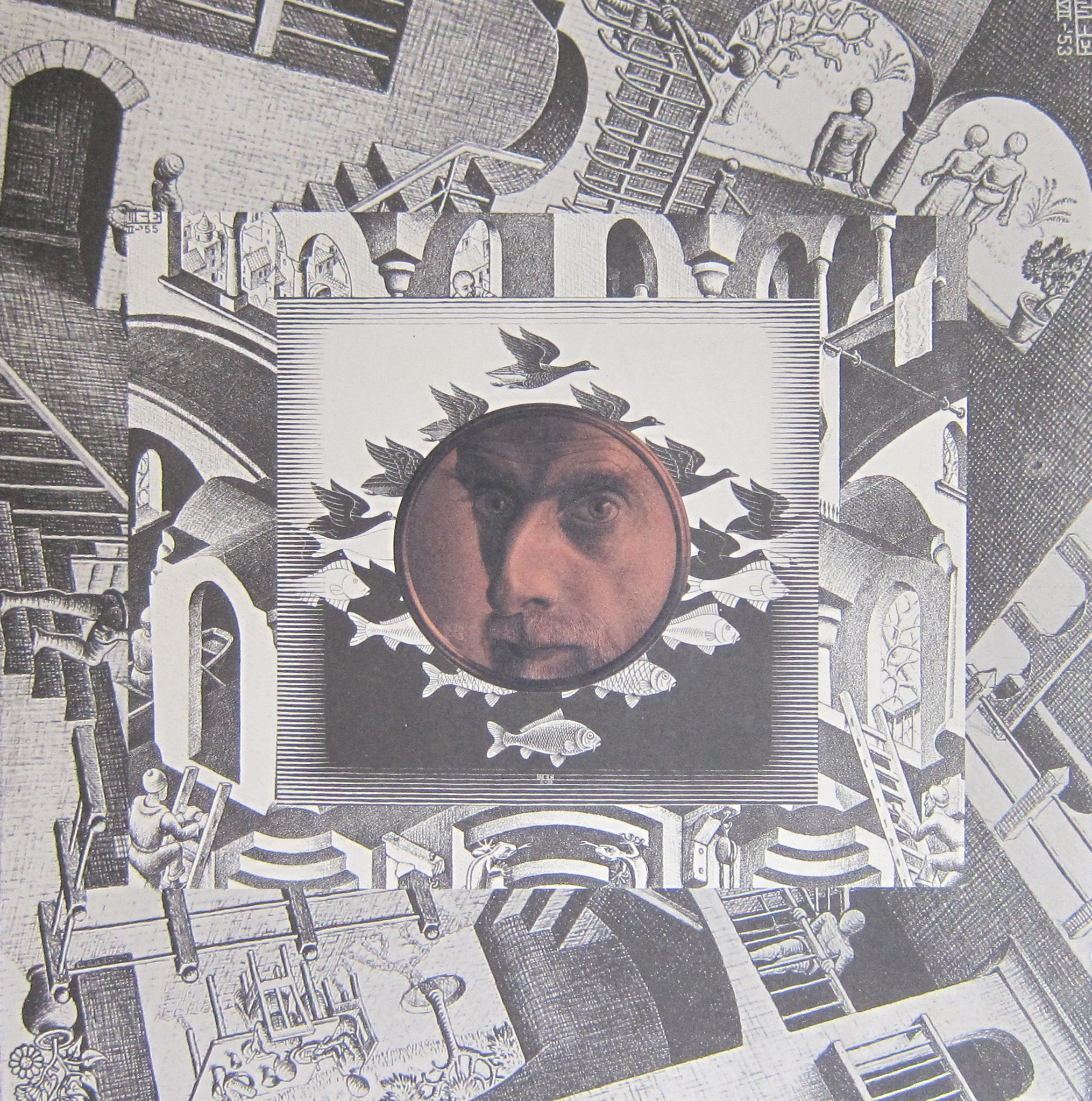
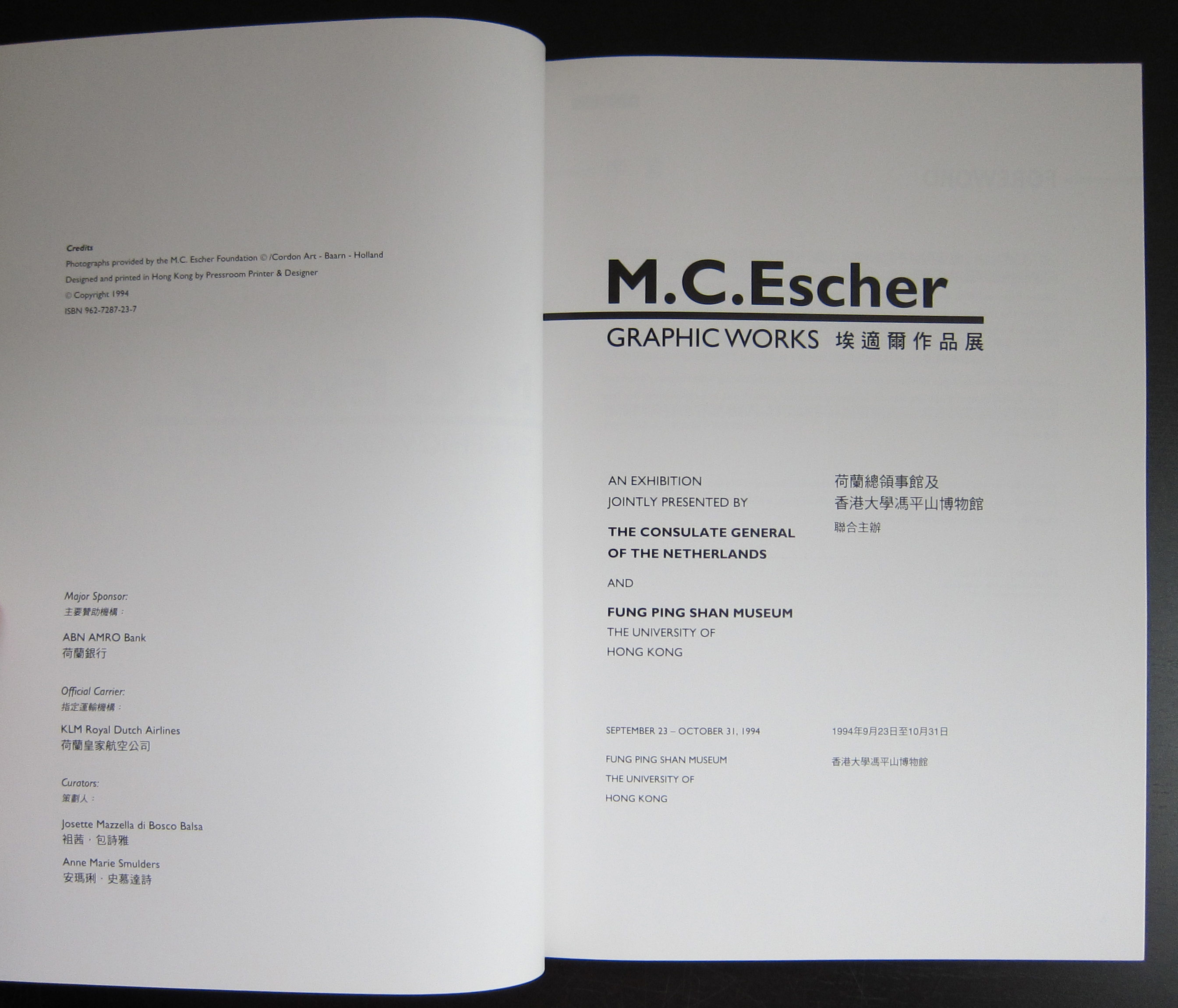
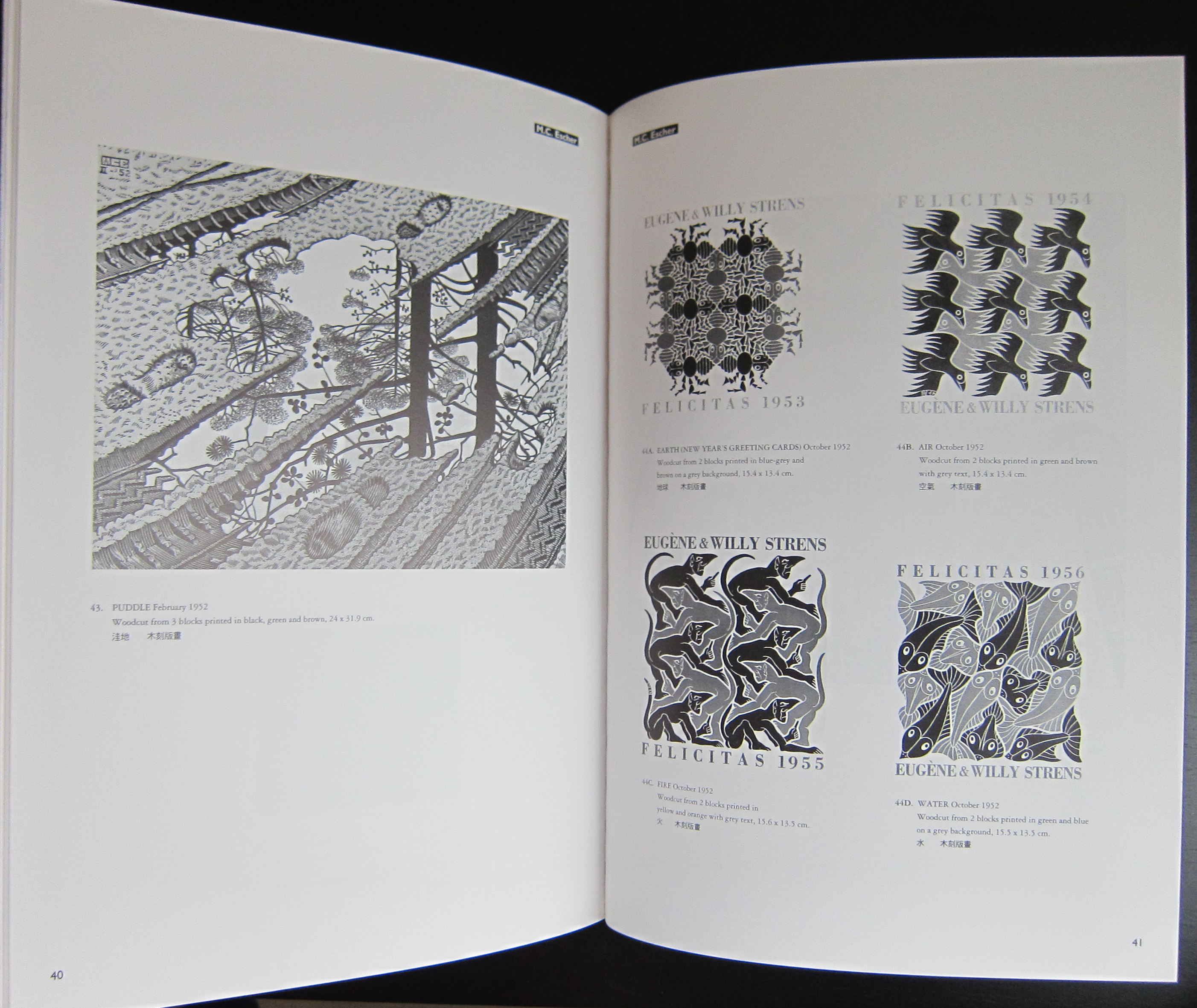
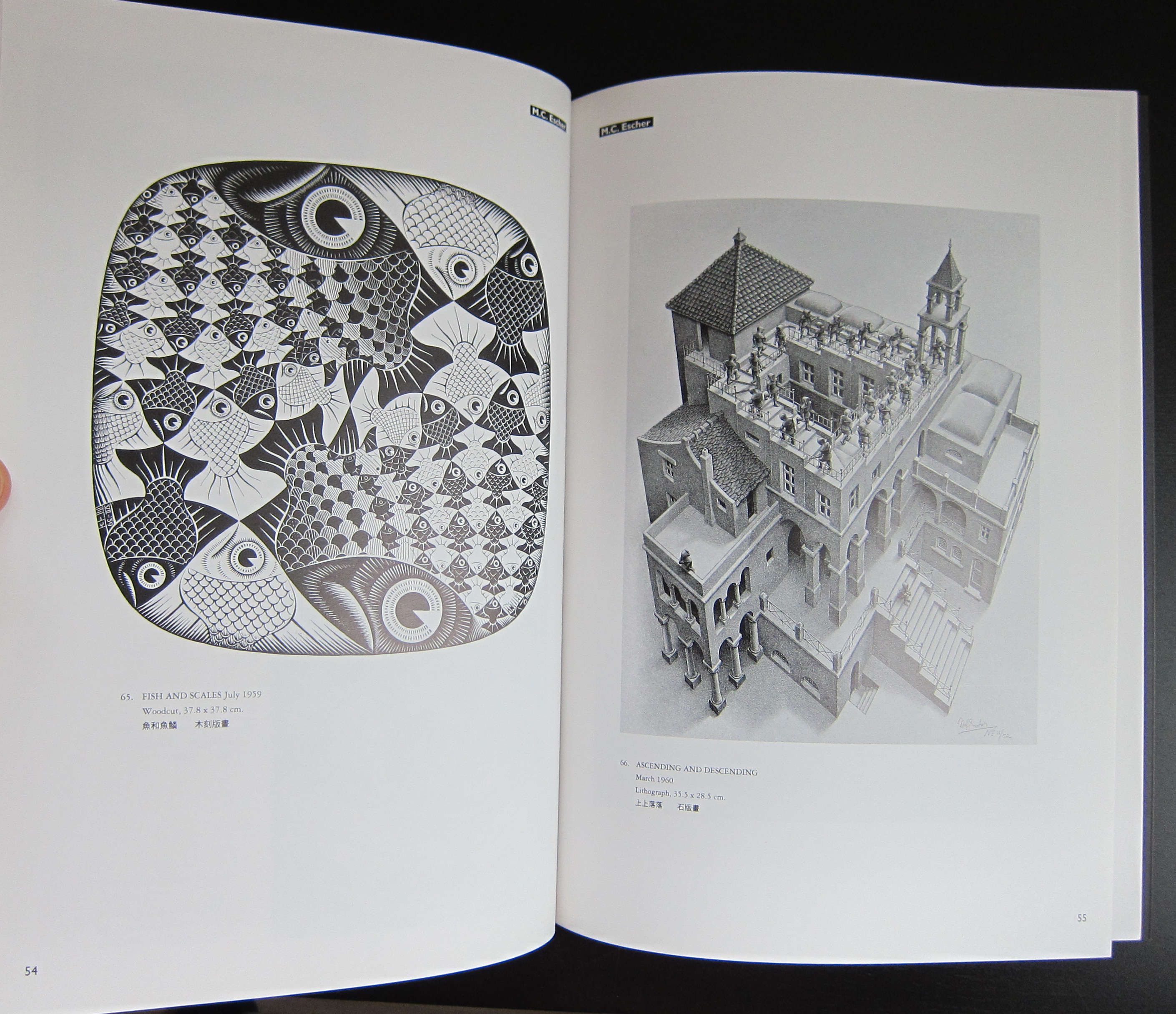
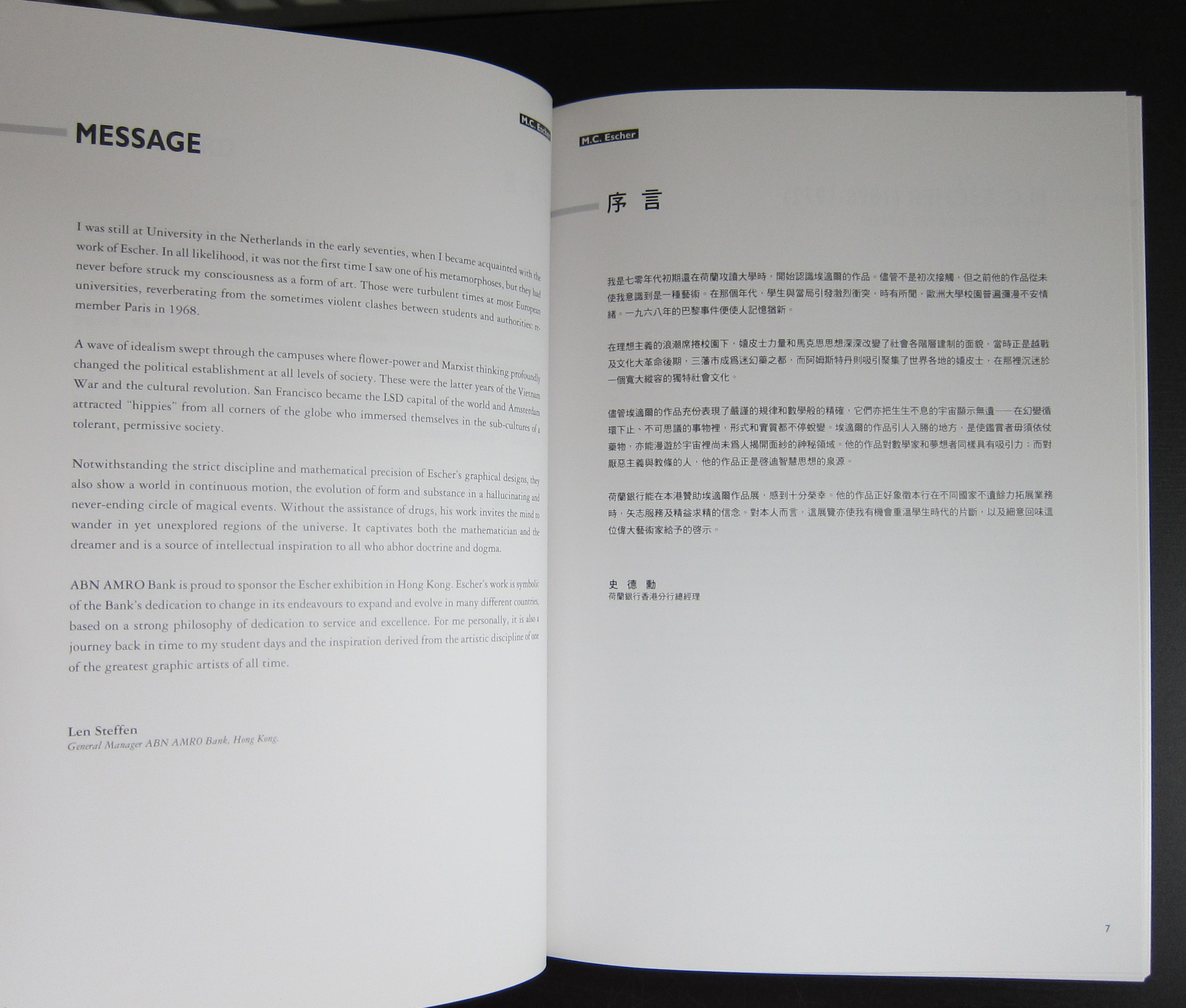
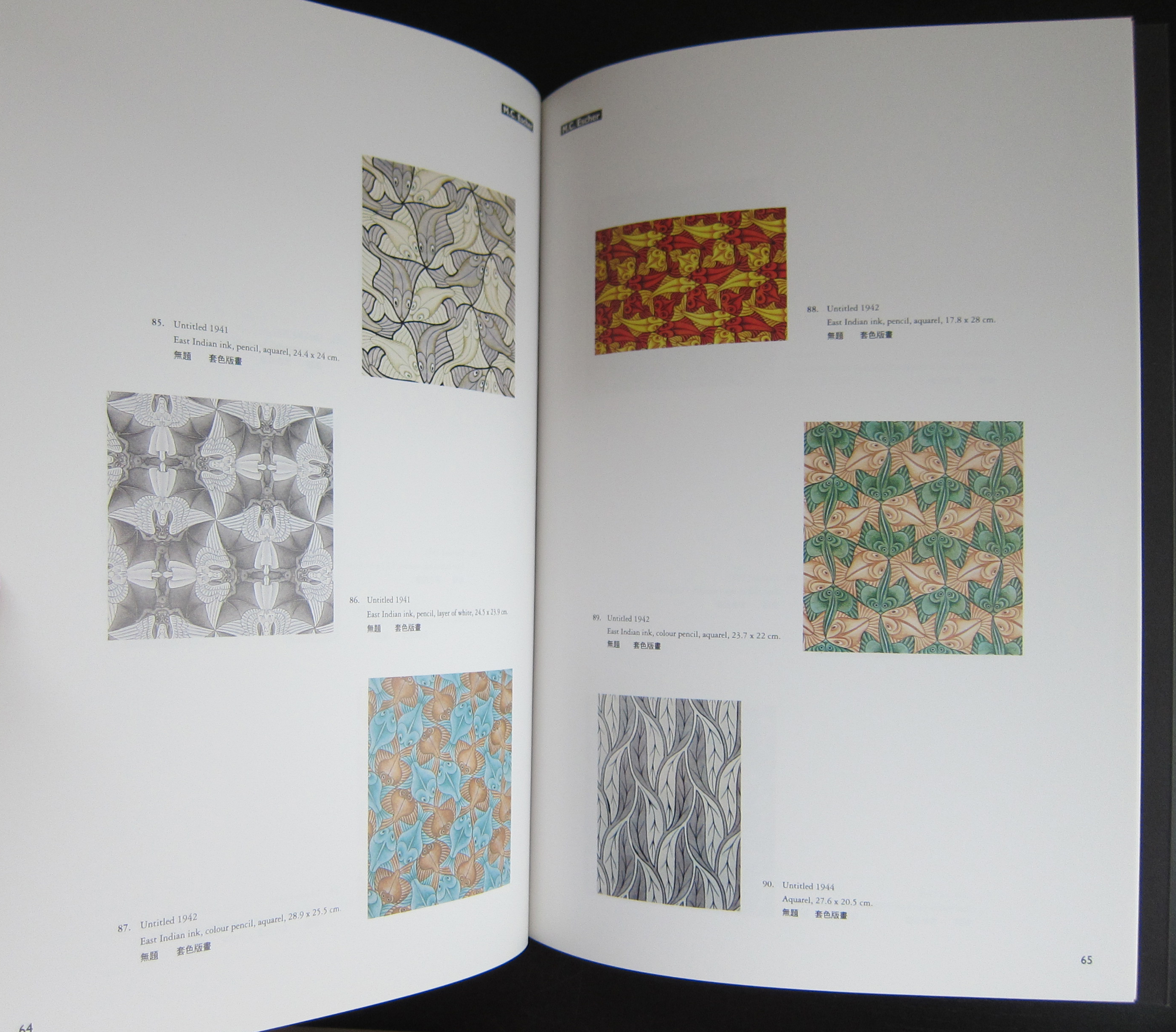
It was 5 years ago that i discovered an Escher title that i never had encountered before.
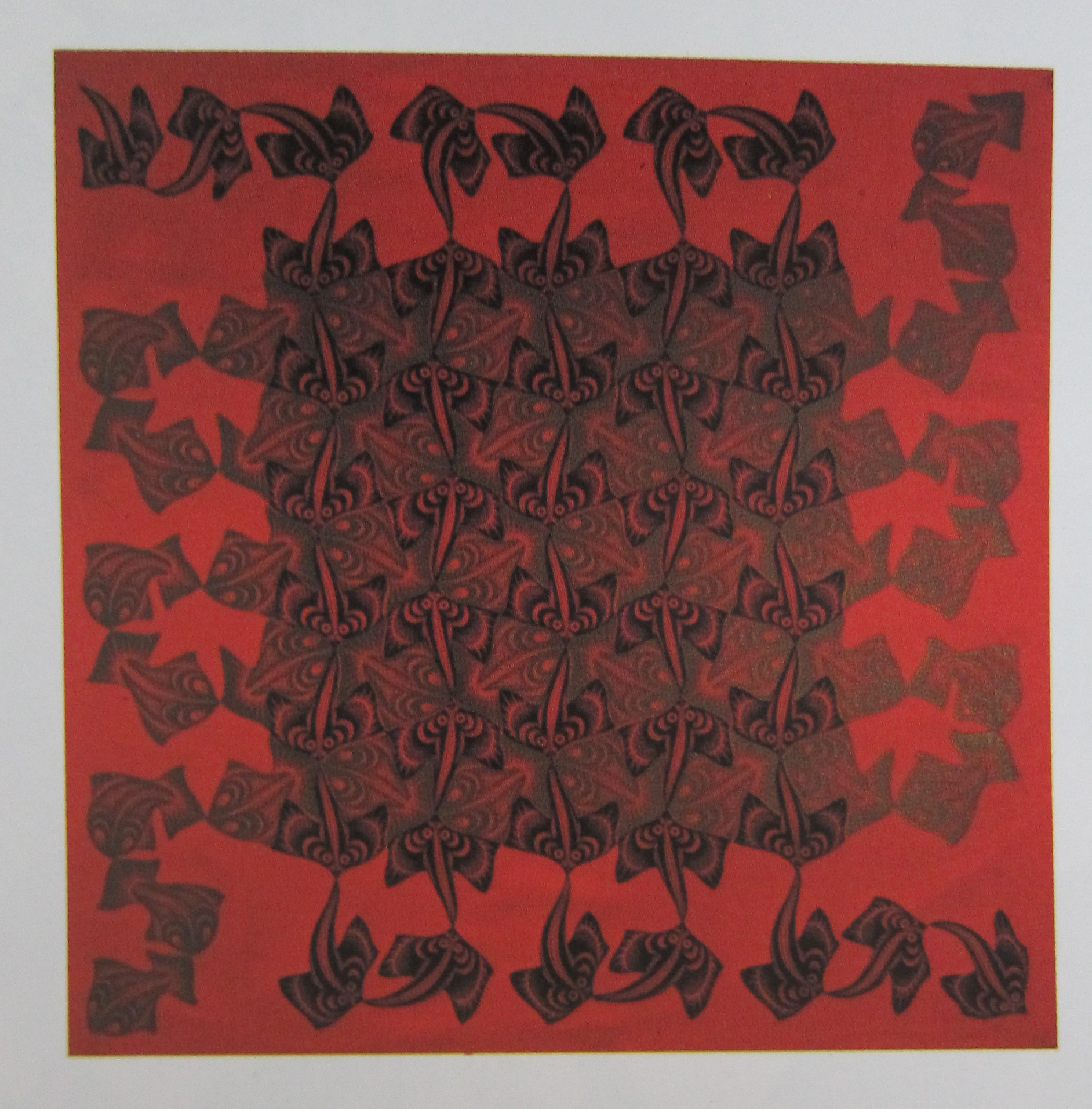
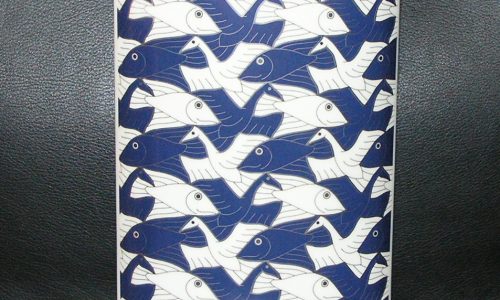
This can be explained easily, because the publications was initiated by the Fung Ping Shan museum, which is now not only a museum but also a University and Art gallery in Hong Kong. Publication by this museum are rare and it is even more exceptional to encounter one of their publications in Europe. This is one of the smaller museums in the world and i do not know how they managed to get an Escher exhibition, but i suspect it was bought from Cordon Art. Cordon Art is the sole owner of the reproduction rights of the works by M.C Escher and probably has still the largest collection of original works by the artist. It was 1994 that this book was published and what strikes me most is that the reproduction and print quality is the best that was possible in those days. The book outshines other Escher publications from that era and is possibly the best that was published on the artist in the nineties. Escher is always present in the inventory of www.ftn-books.com , but this one is rare and probably a one time offer .
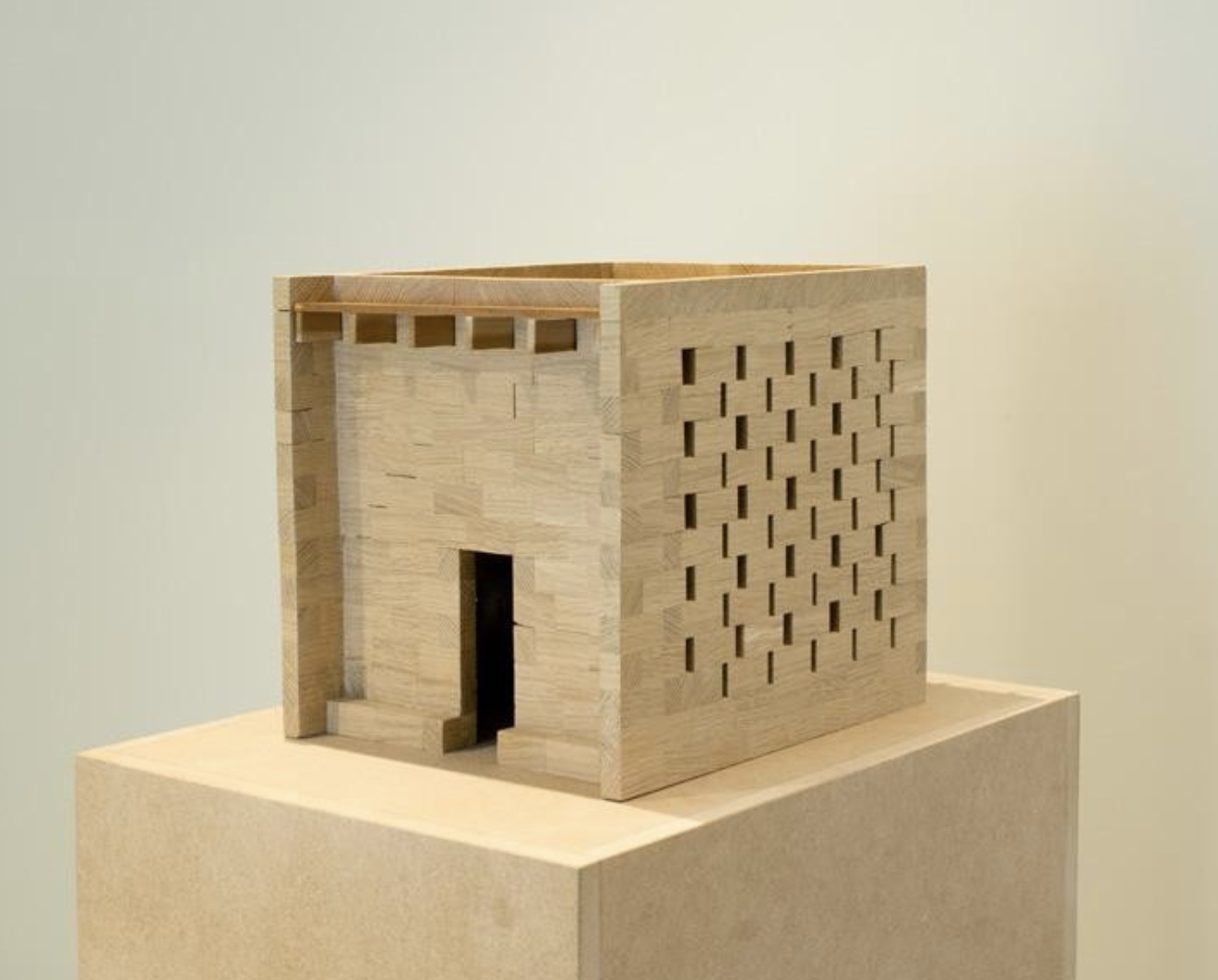
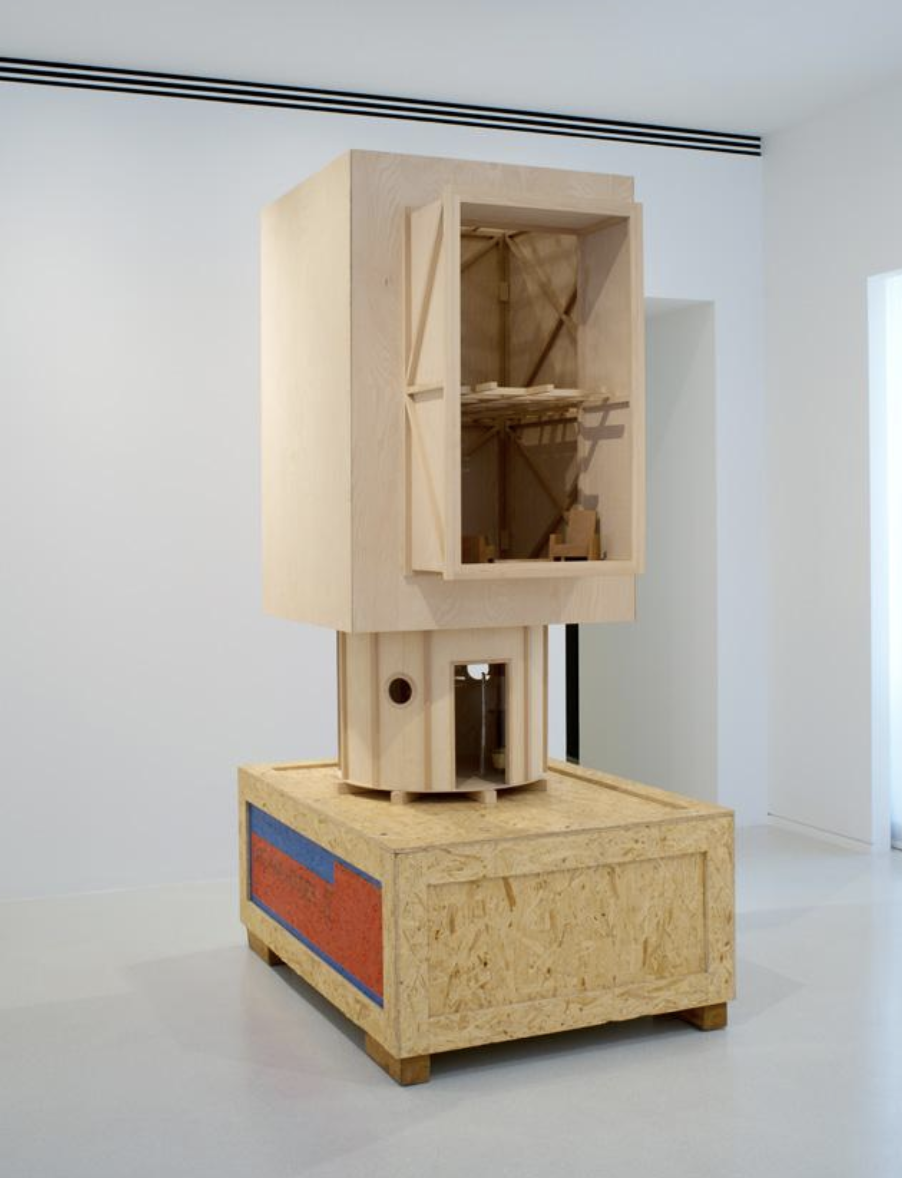
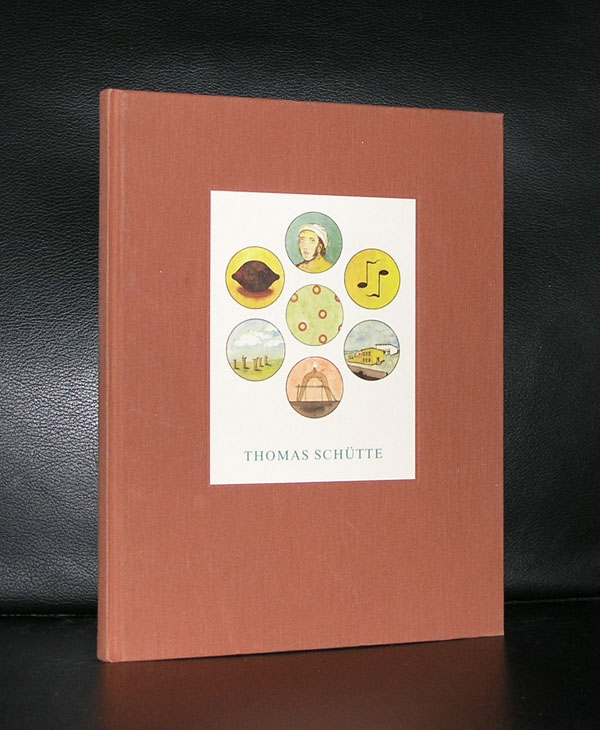
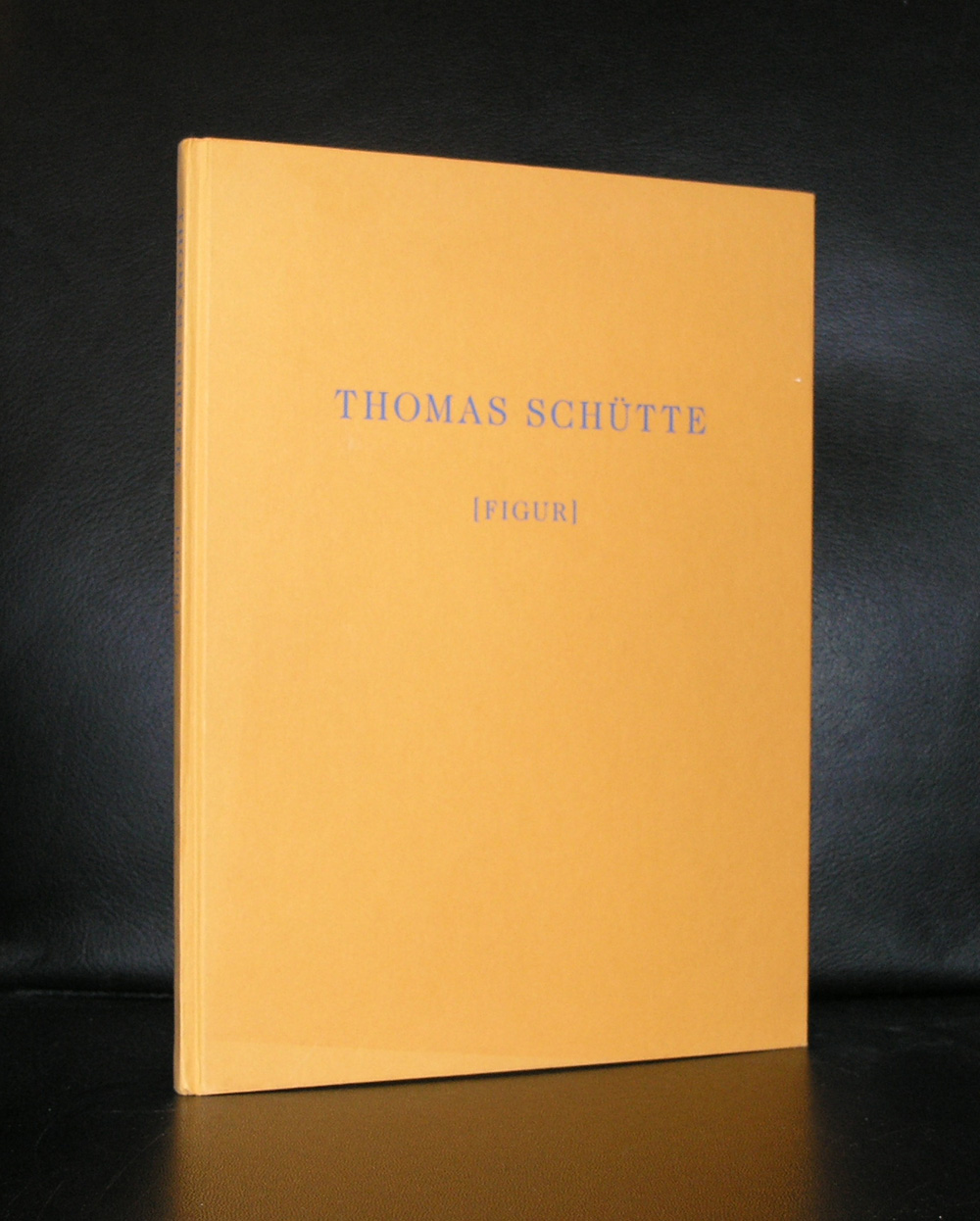
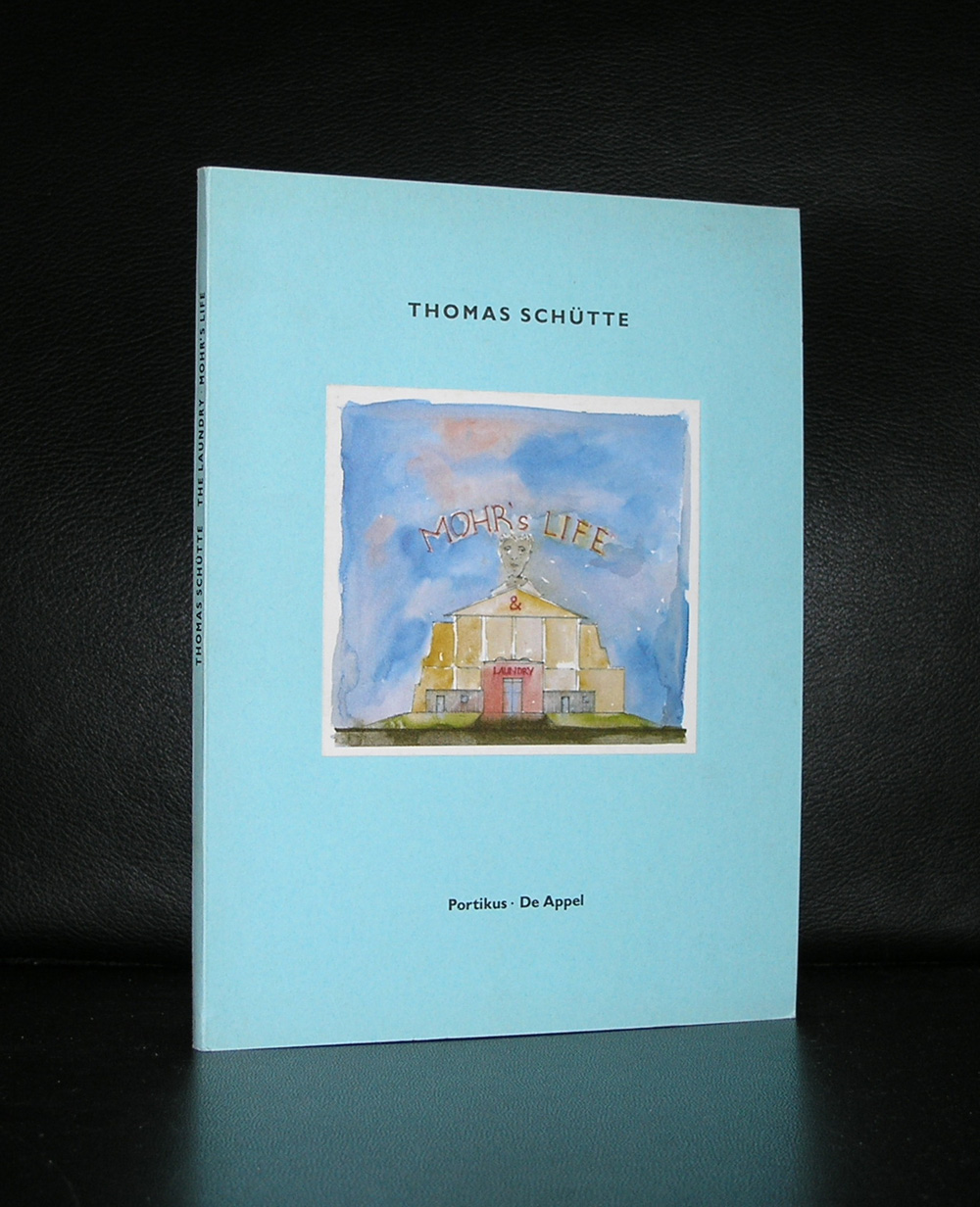
For me there are two personal reasons to love the works by Thomas Schütte. The first reason for me is his architectural art. Always trying to find a different approach to architecture makes his works interesting and in the same category as the architectural works by John Hejduk.
Secondly there is his publications. Meticulously designed books. Published by the best publishers, printed by the best printers and from start to finish typical Thomas Schütte productions. These books are among the best art books published in the last 50 years and i am proud to have some of them in my inventory of www.ftn-books.com
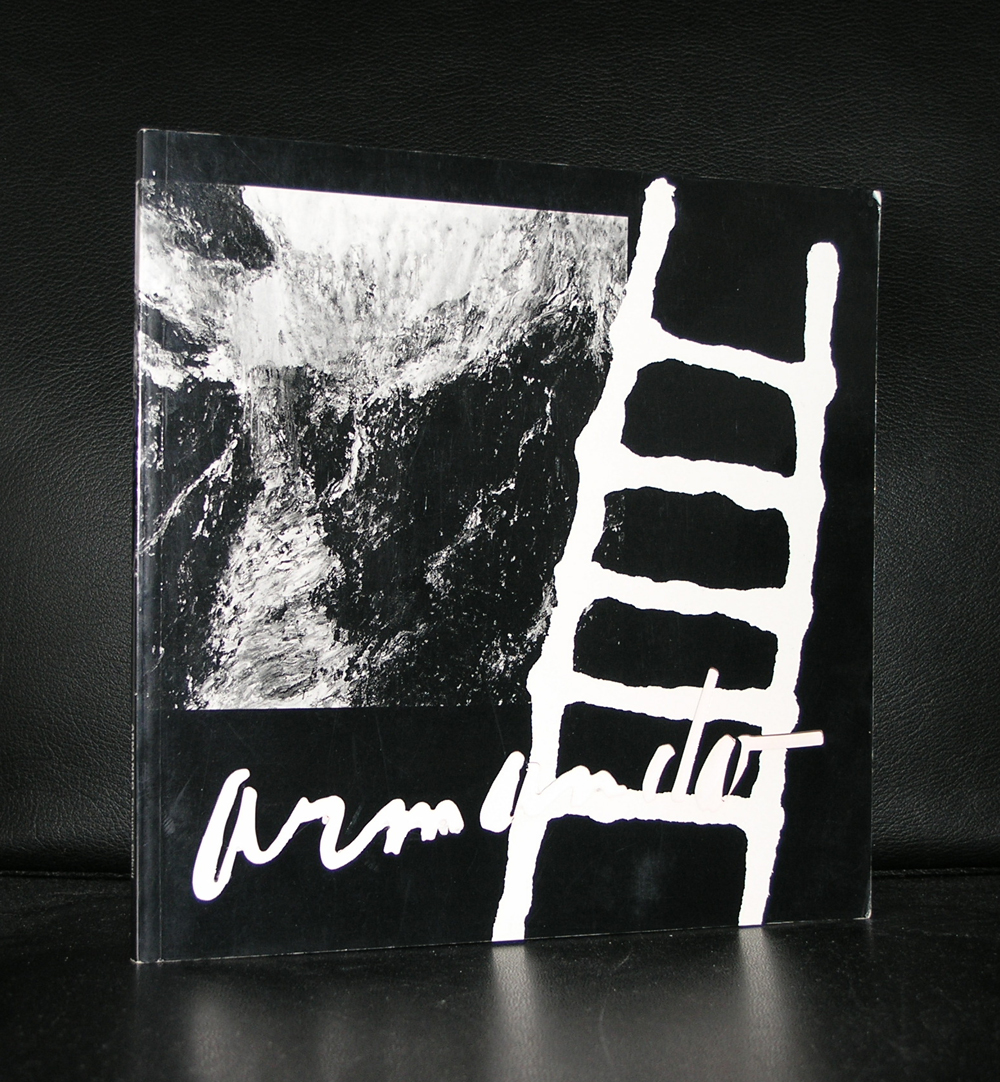
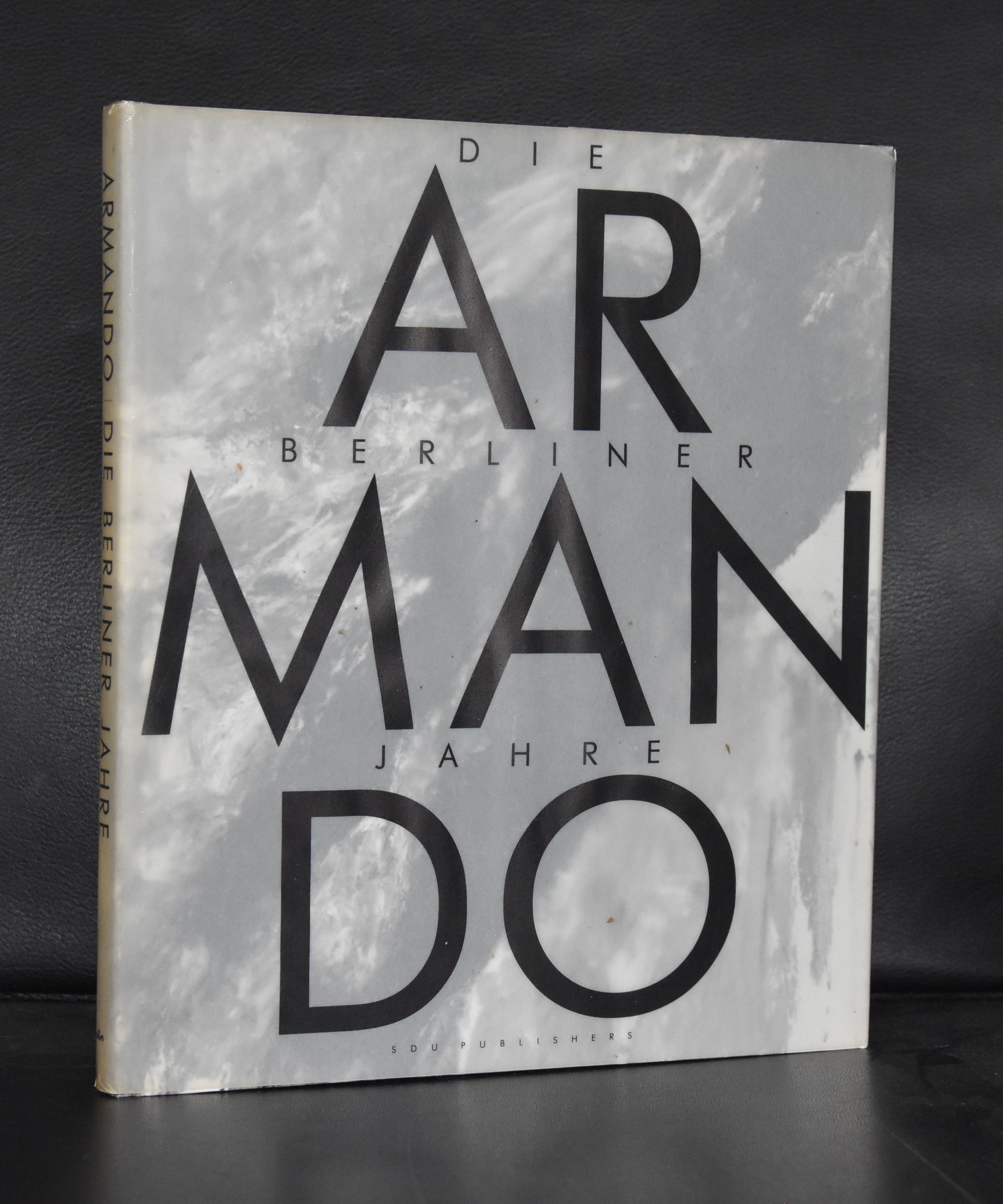
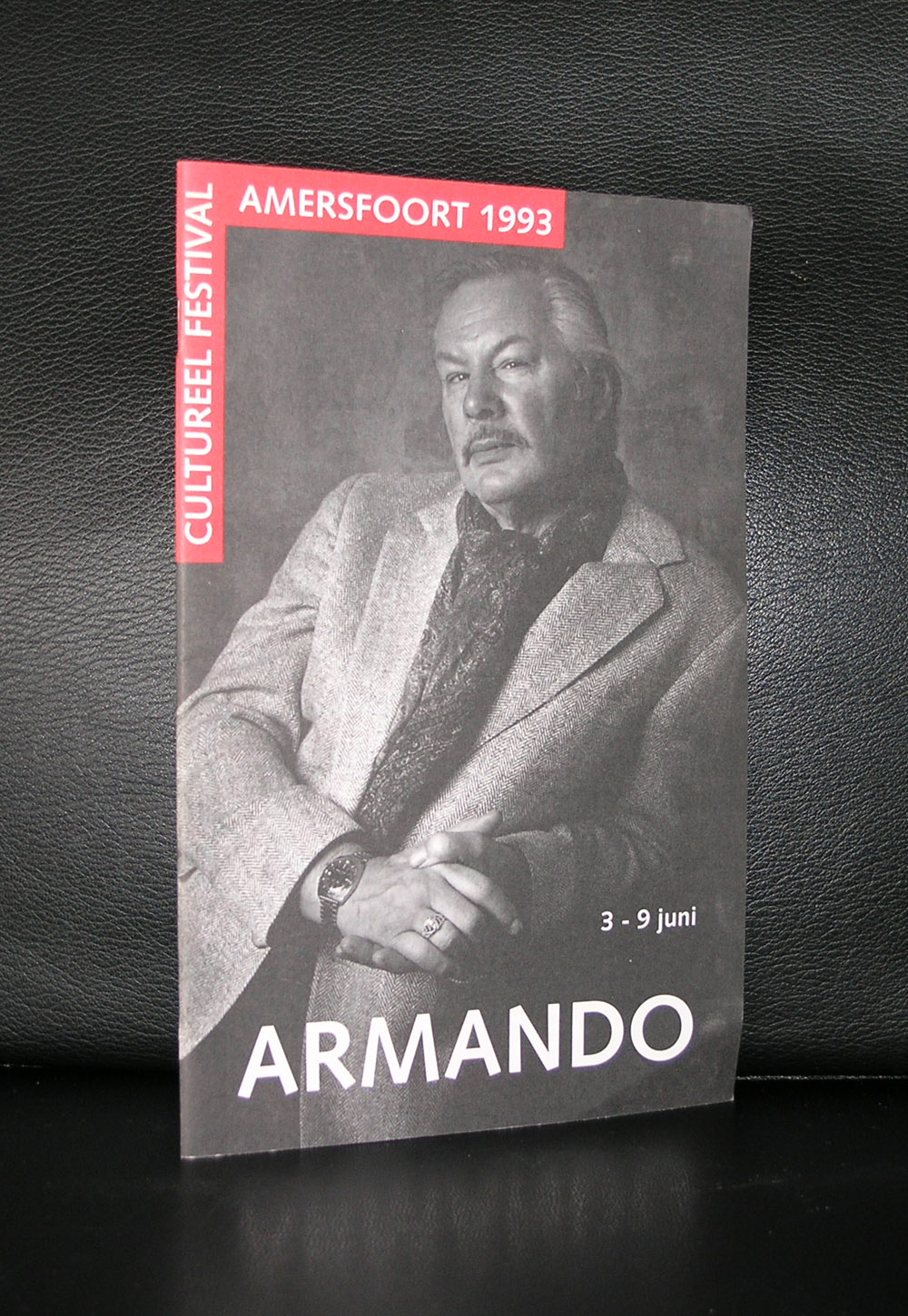
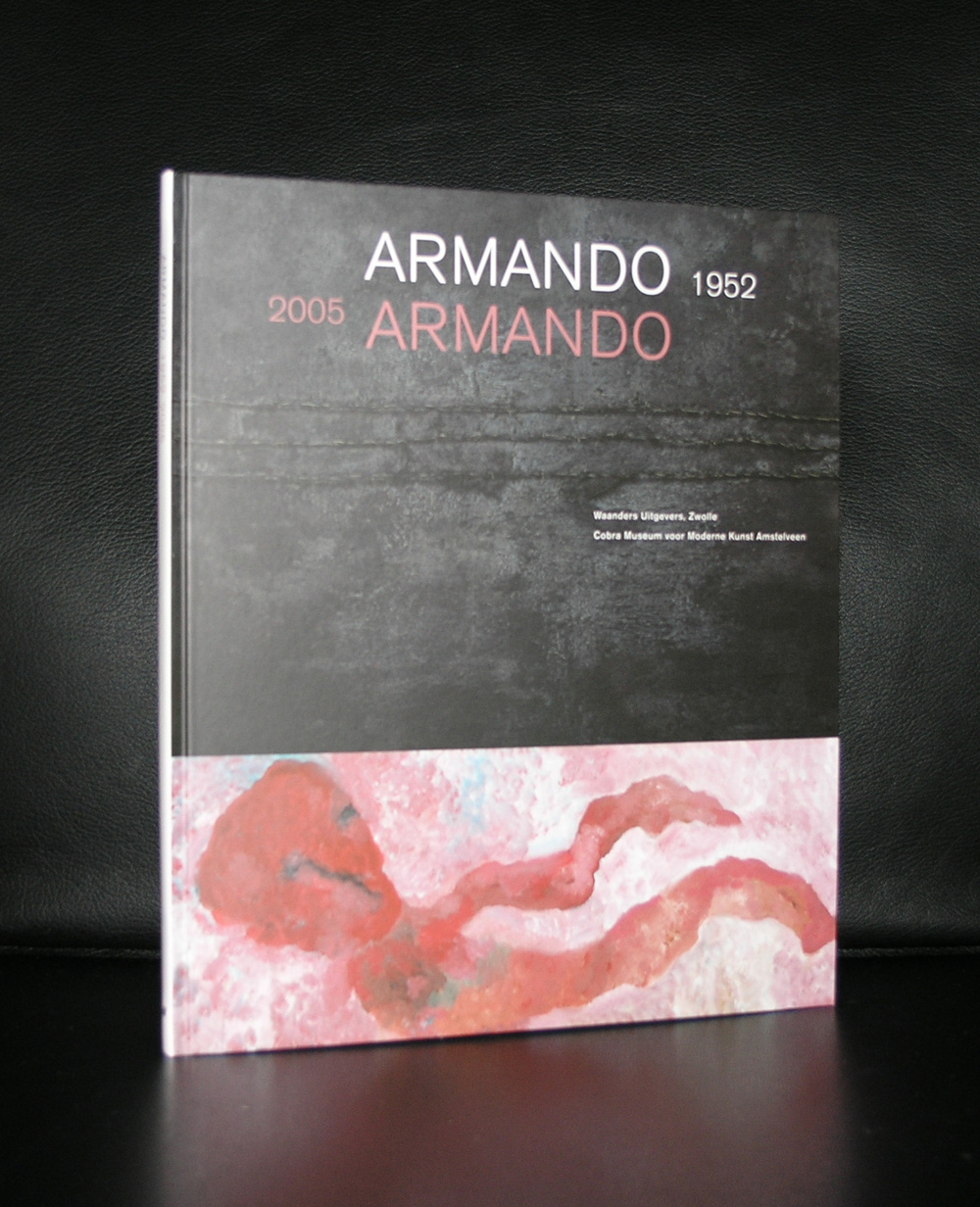
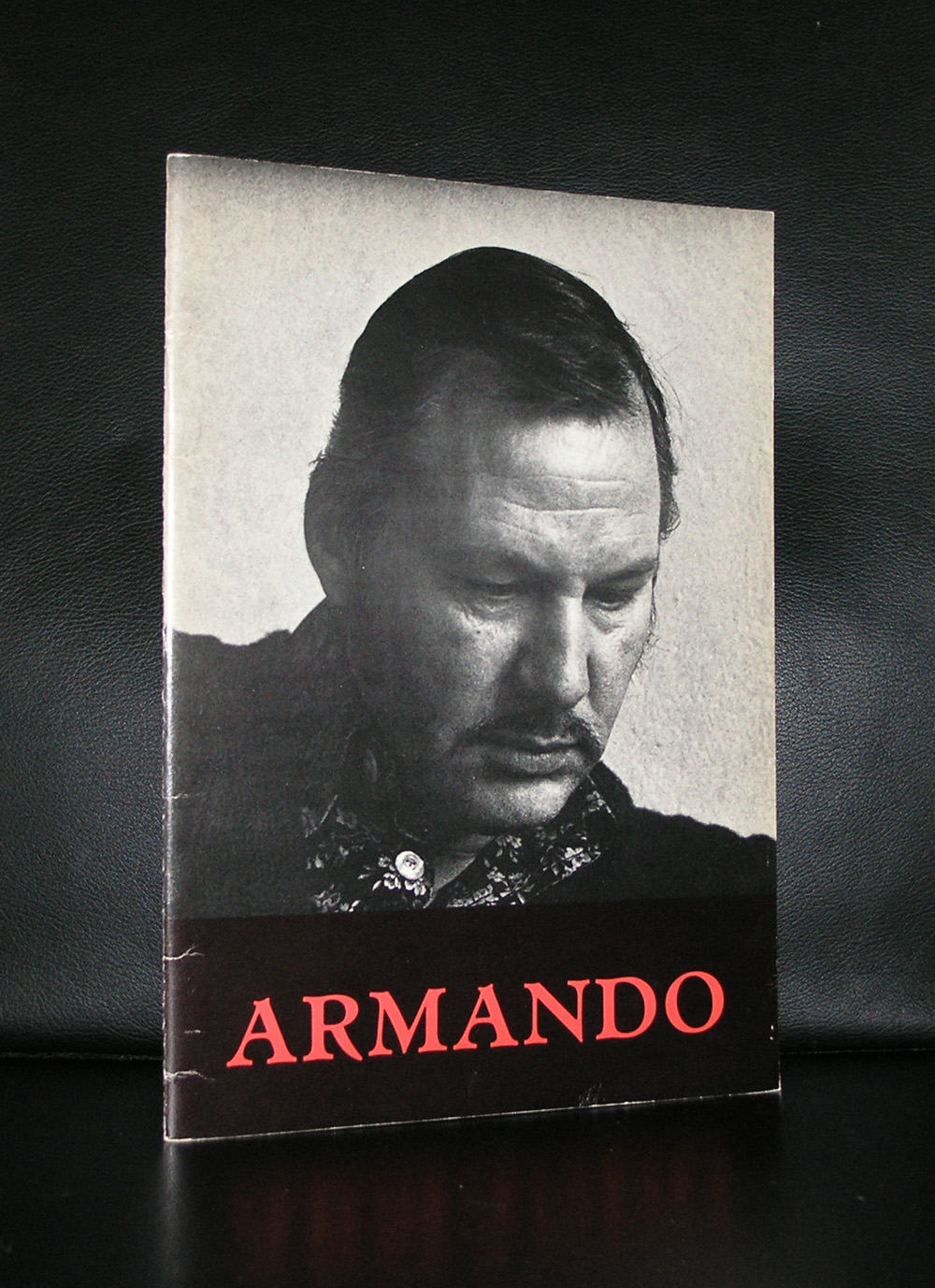
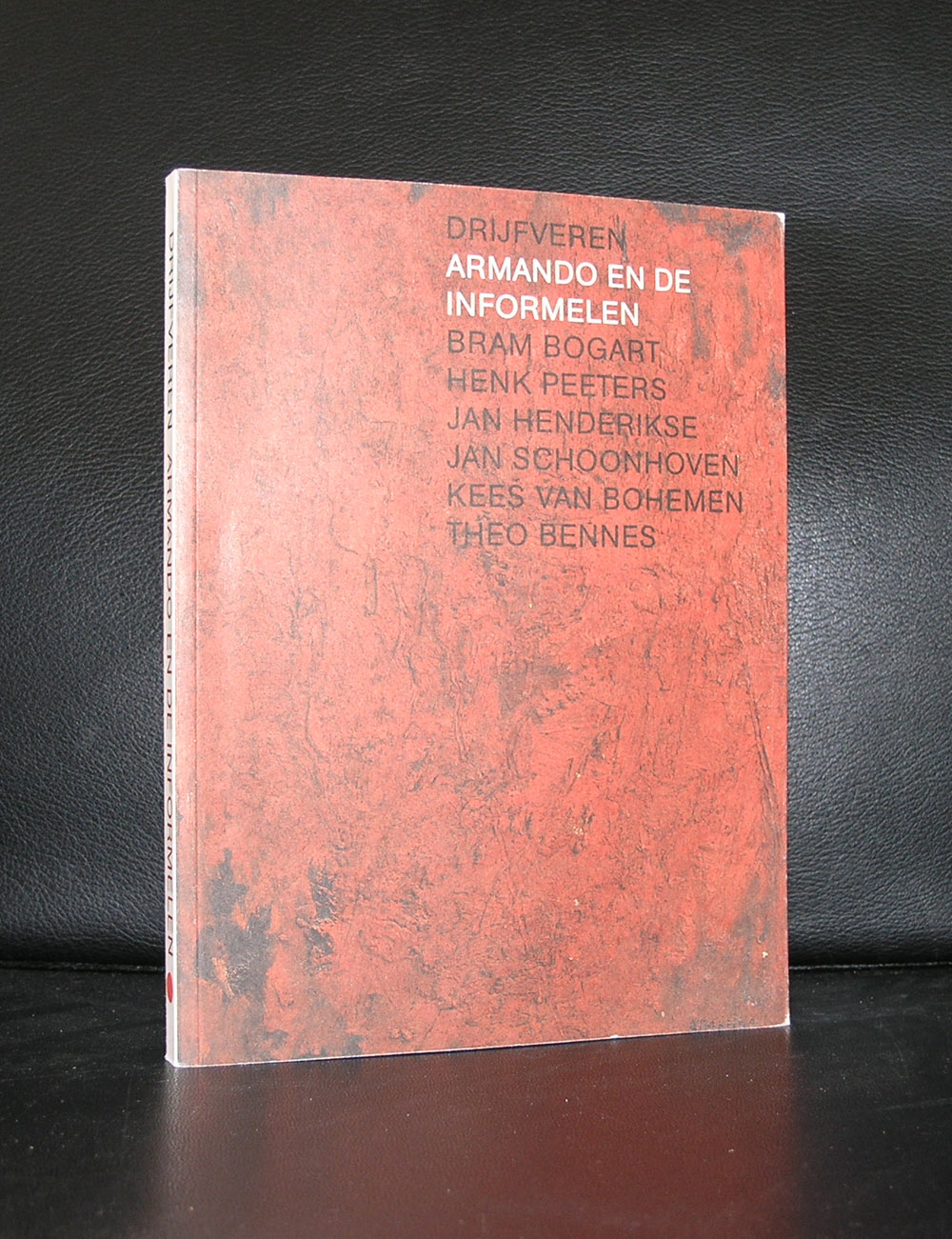
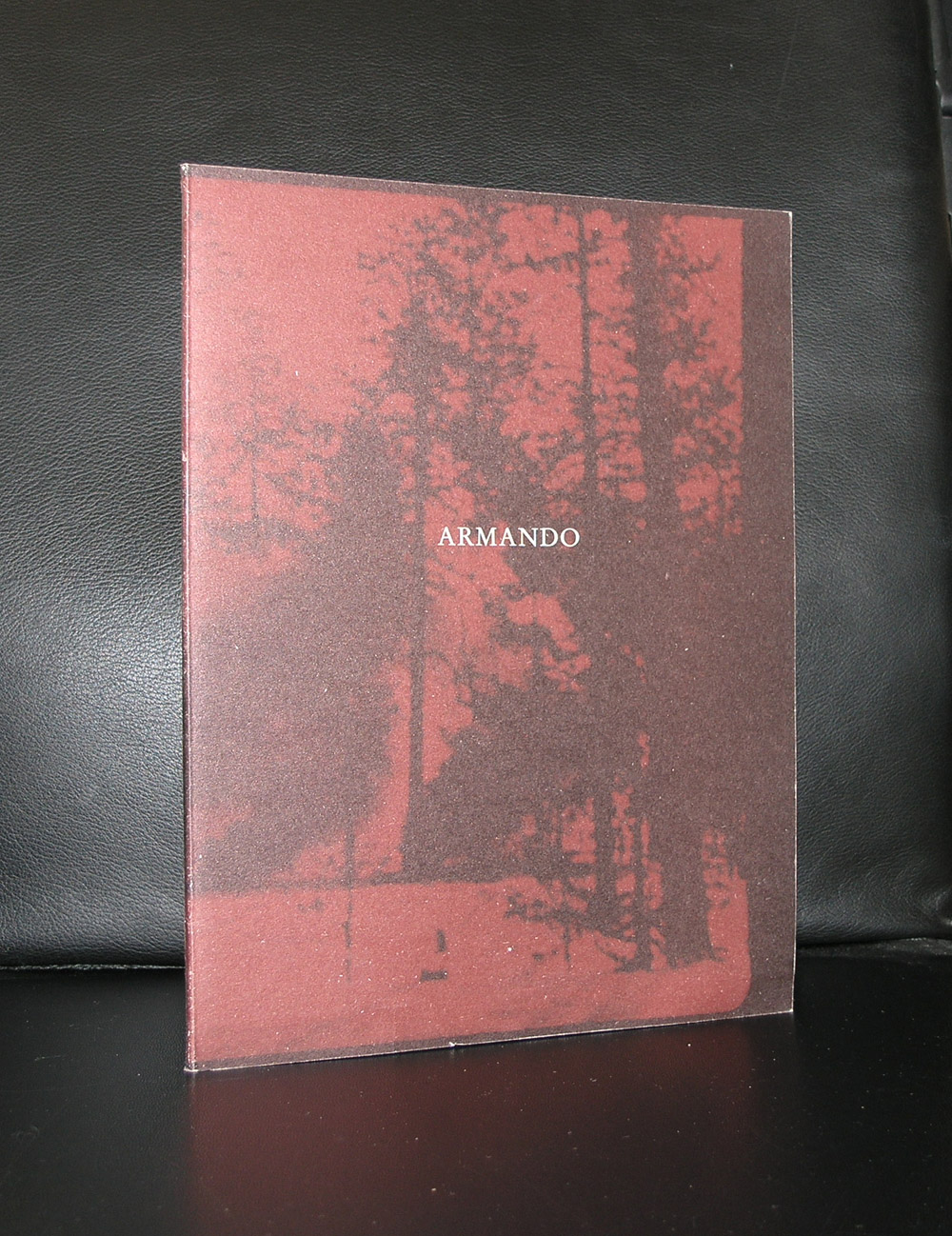
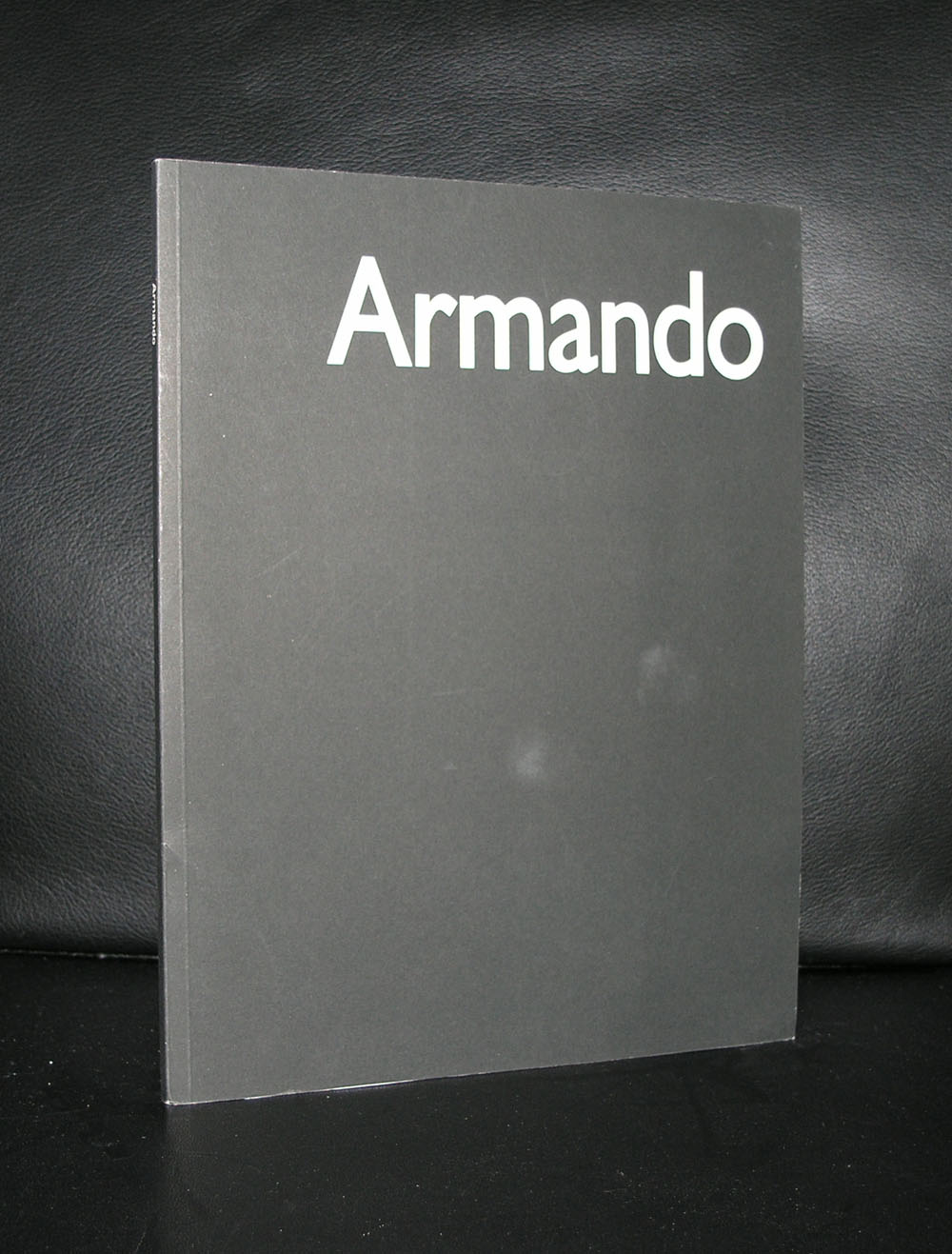
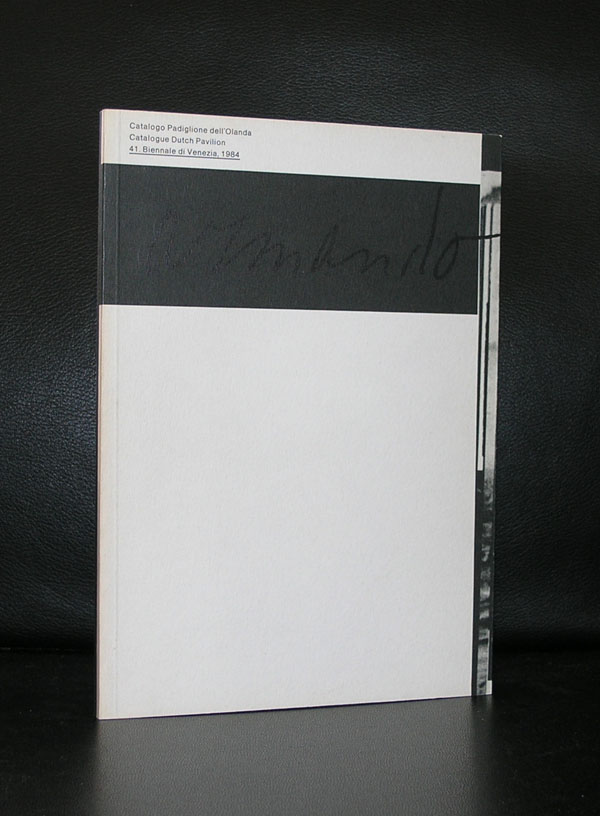
At one time in the last decade there was a true Armando Museum in AMERSFOORT, but since a fire destroyed the museum in 2007 the largest part of the Armando collection had to be relocated and found a place in the MOA museum / Museum Oud Amelisweerd.
http://www.moa.nl/nl/Collections/Armando
and of course this great short documentary in the series HOLLANDSE MEESTERS which is an excellent portrait of thsi dutch master.
This site contains over 2100 works by Armando , which makes it the most important public place on the internet to view the works by Armando (Herman Dirk van Dodeweerd). You can spent some great time over there, but what it lacks is the story and the essential timeline on the works by Armando. No problem , because www.ftn-books.com has some great titles on Armando available at www.ftn-books.com to read and see whyArmando is such a great artist.
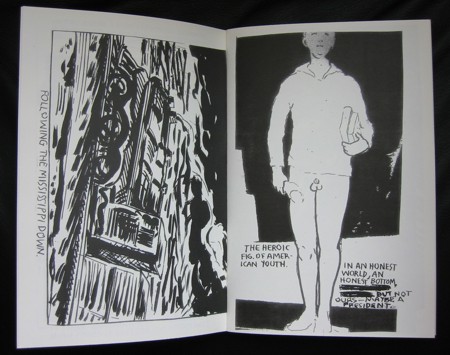
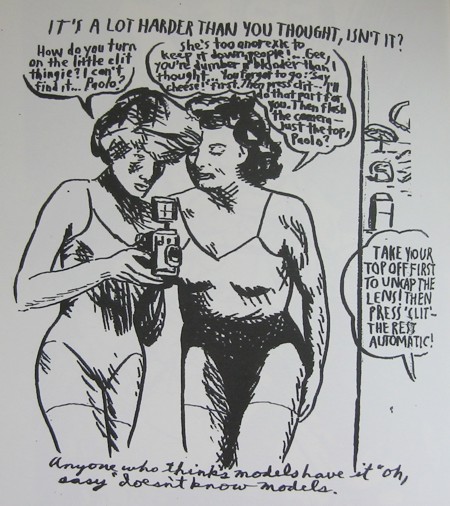
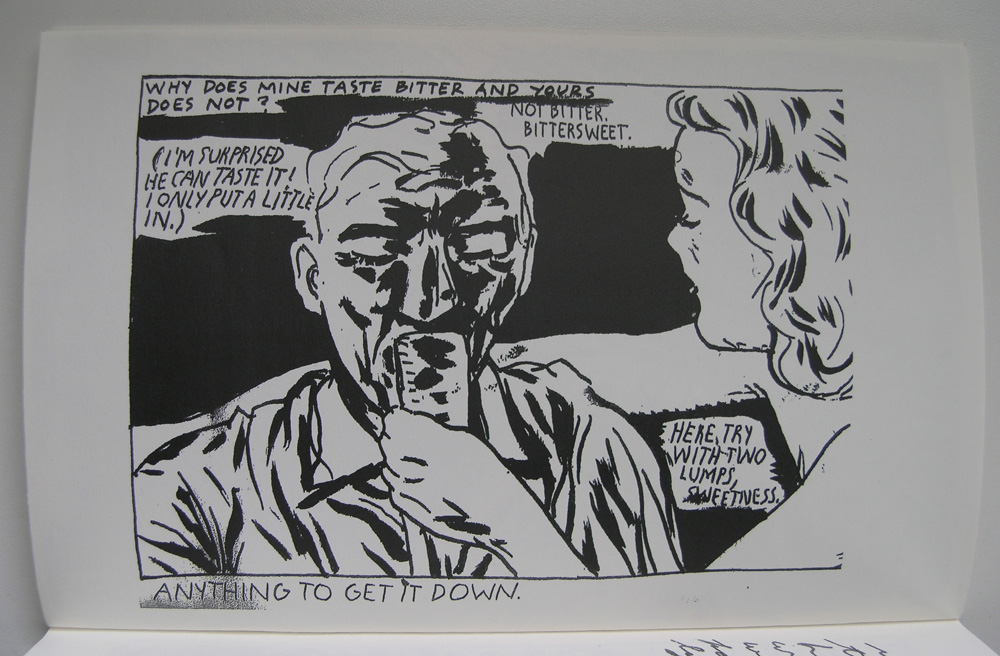
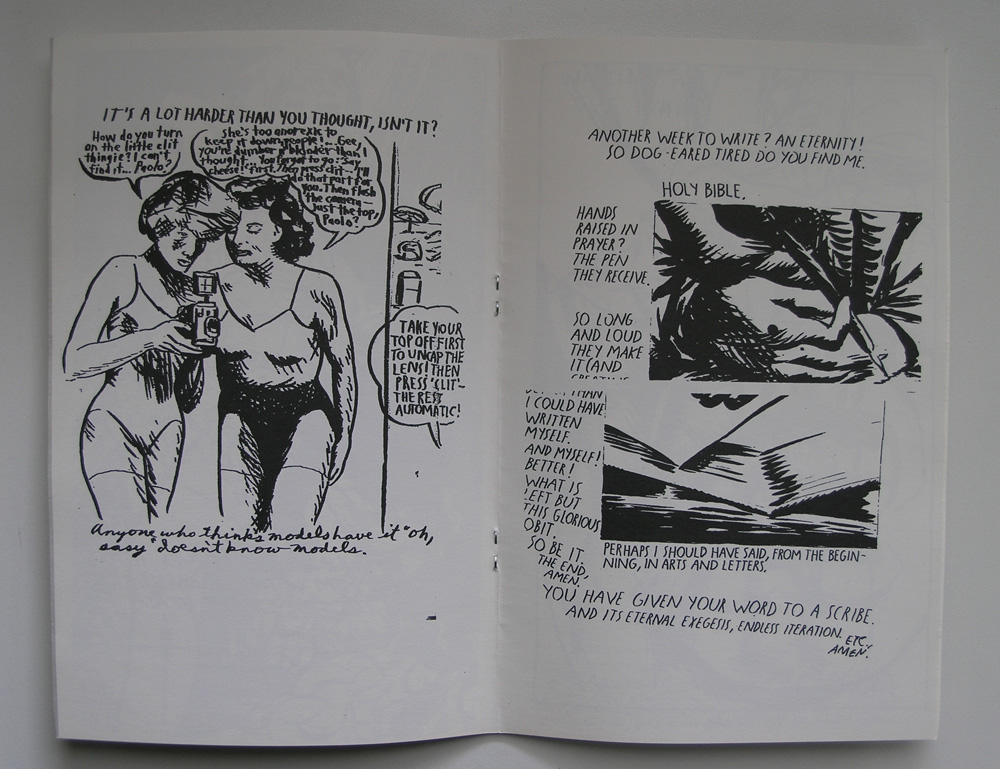
In 2002 Raymond Pettibon made the opening exhibition for the GEM museum. The exhibition was curated by Roel Arkesteijn. Pettibon worked day and night to include over 600 drawings and designs, but he finished in time to make it a memorable exhibition. After the opening he had time to make and finish 3 comic books, which were printed ( copied ) and stapled “in house” by Chantal Sieuw. These 3 titles are since their publication date highly sought after and collectable Pettibon books , because the edition was only 100 copies for each title these are rare editions to any art collection.
The edition is numbered xx/100
The Brush Life blog is the third and final in the series on Pettibon’s GEM publications and because of its autobiographical character it is by far the most important one and has become rare and expensive. For more information please contact me . POA.
Artist / Author : Raymond Pettibon
Title : Brush Life
publisher : GEM, 2002
Number of pages : 28
Text language : English
Measurements: 8.7 x 5.6 inches
Condition: MINT
Highly recommended and collectable publication published on the occasion of the 2002 Pettibon opening exhibition of the GEM museum. Edition of only 100 copies. all numbered in red ink.
Artist/ Author: Oliver Boberg
Title : Memorial
Publisher: Oliver Boberg
Measurements: Frame measures 51 x 42 cm. original C print is 35 x 25 cm.
Condition: mint
signed by Oliver Boberg in pen and numbered 14/20 from an edition of 20