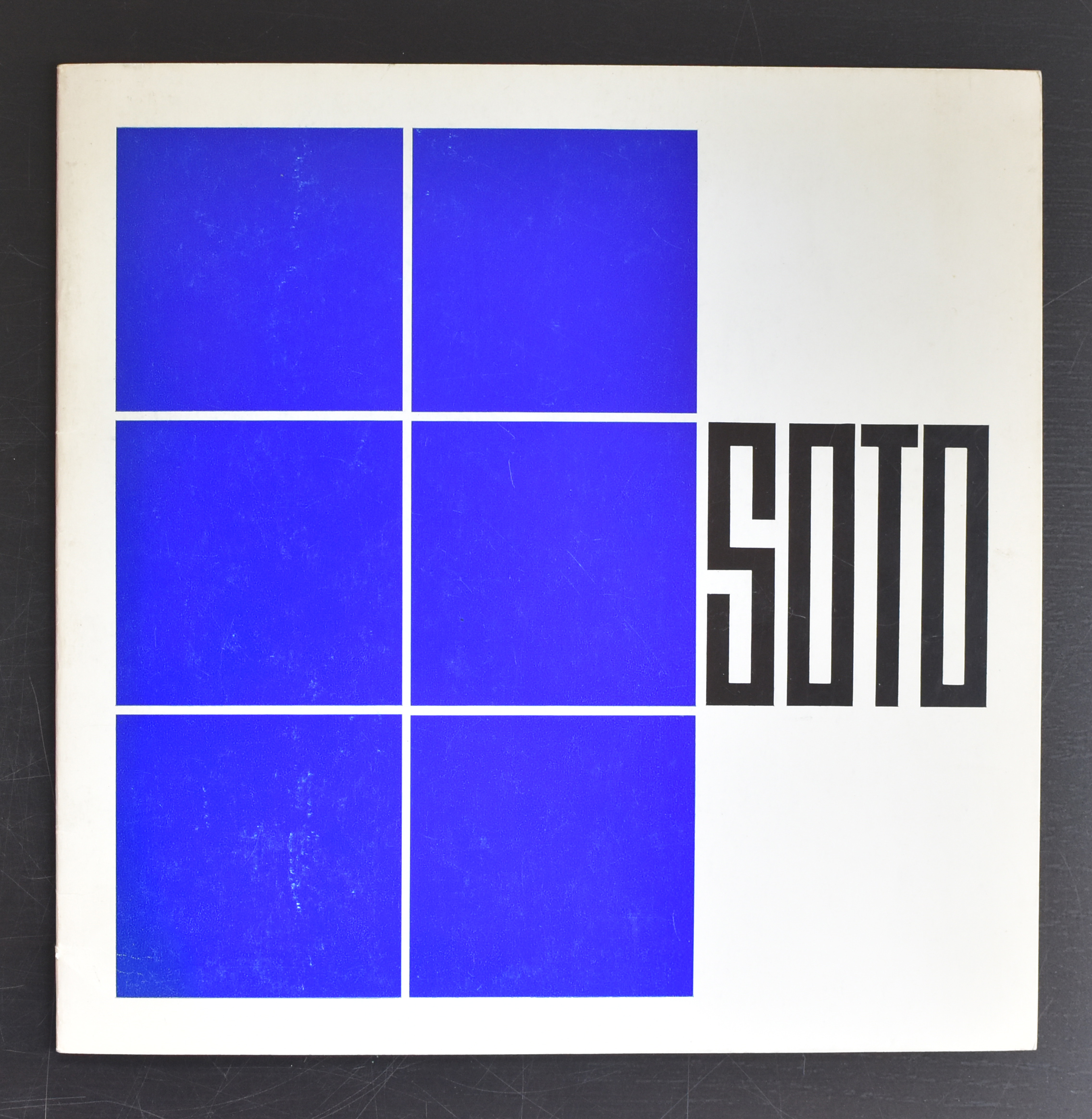
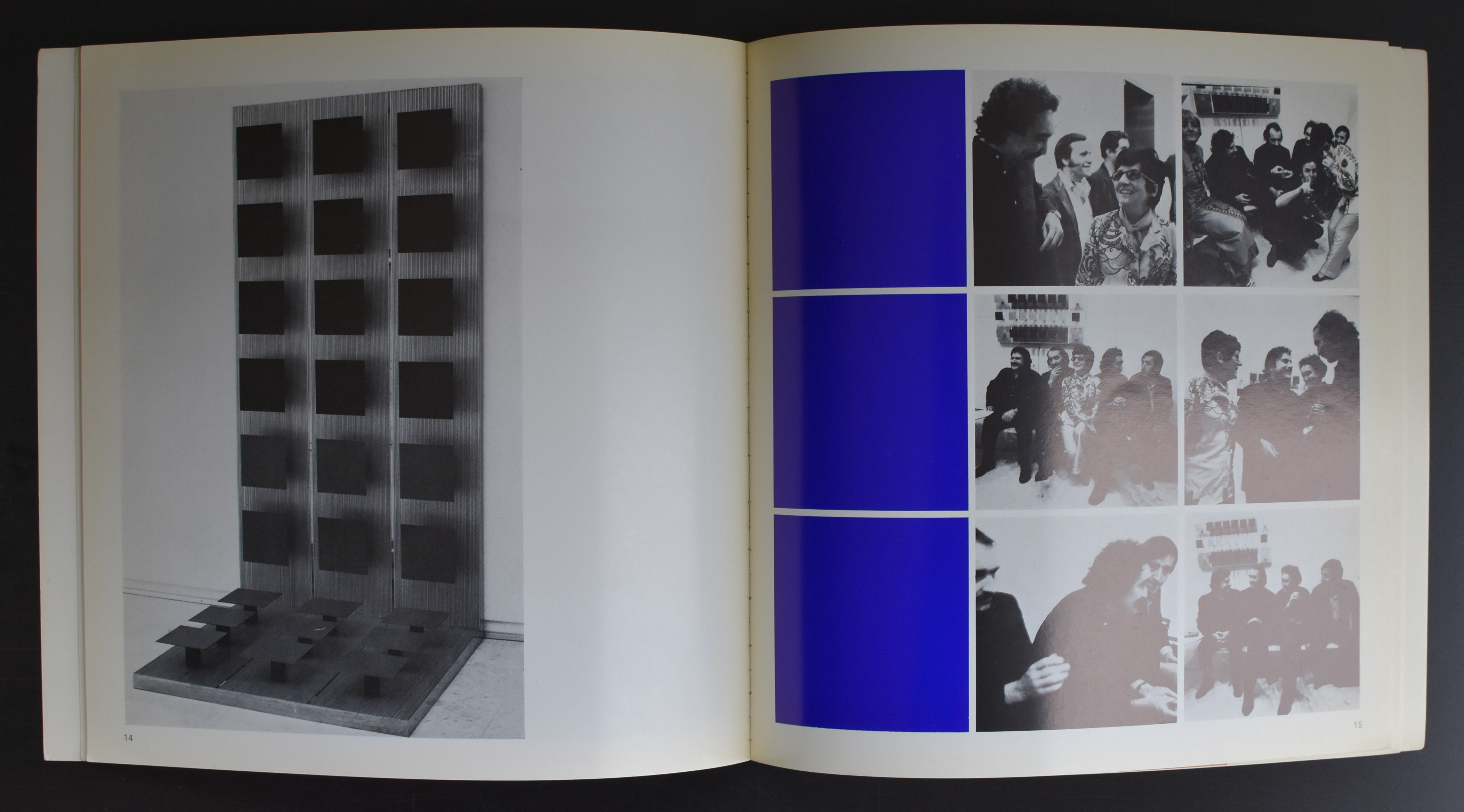
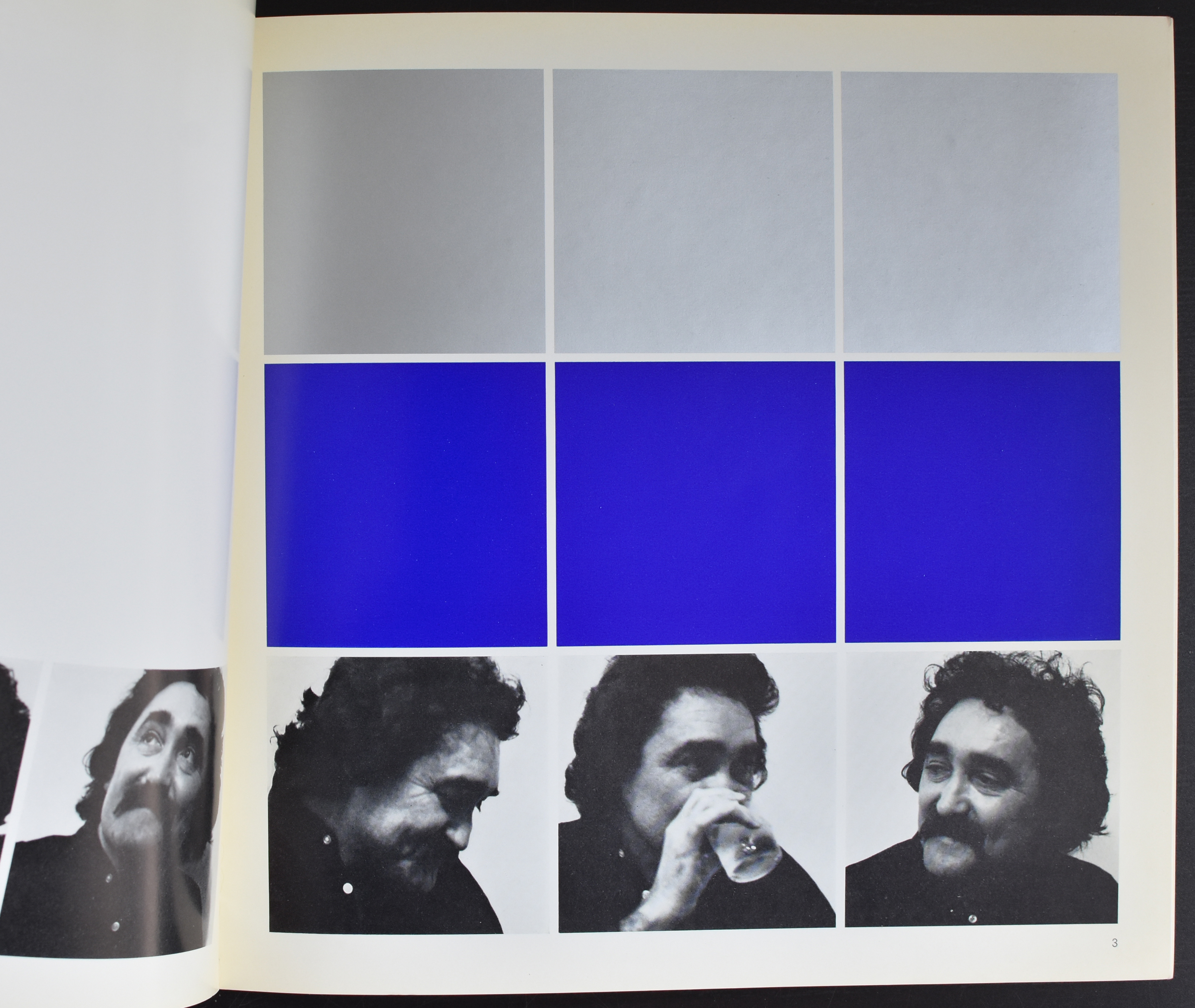
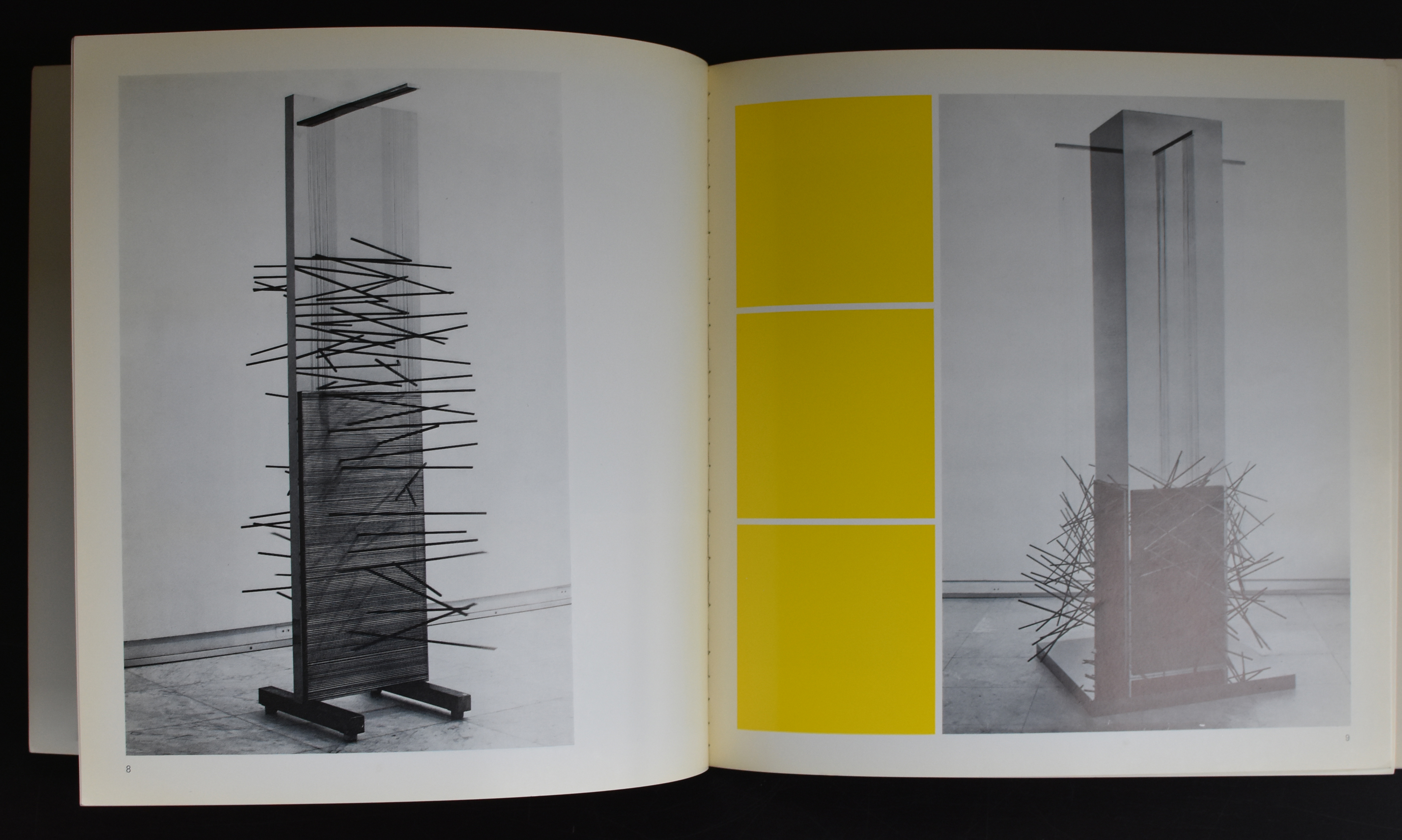
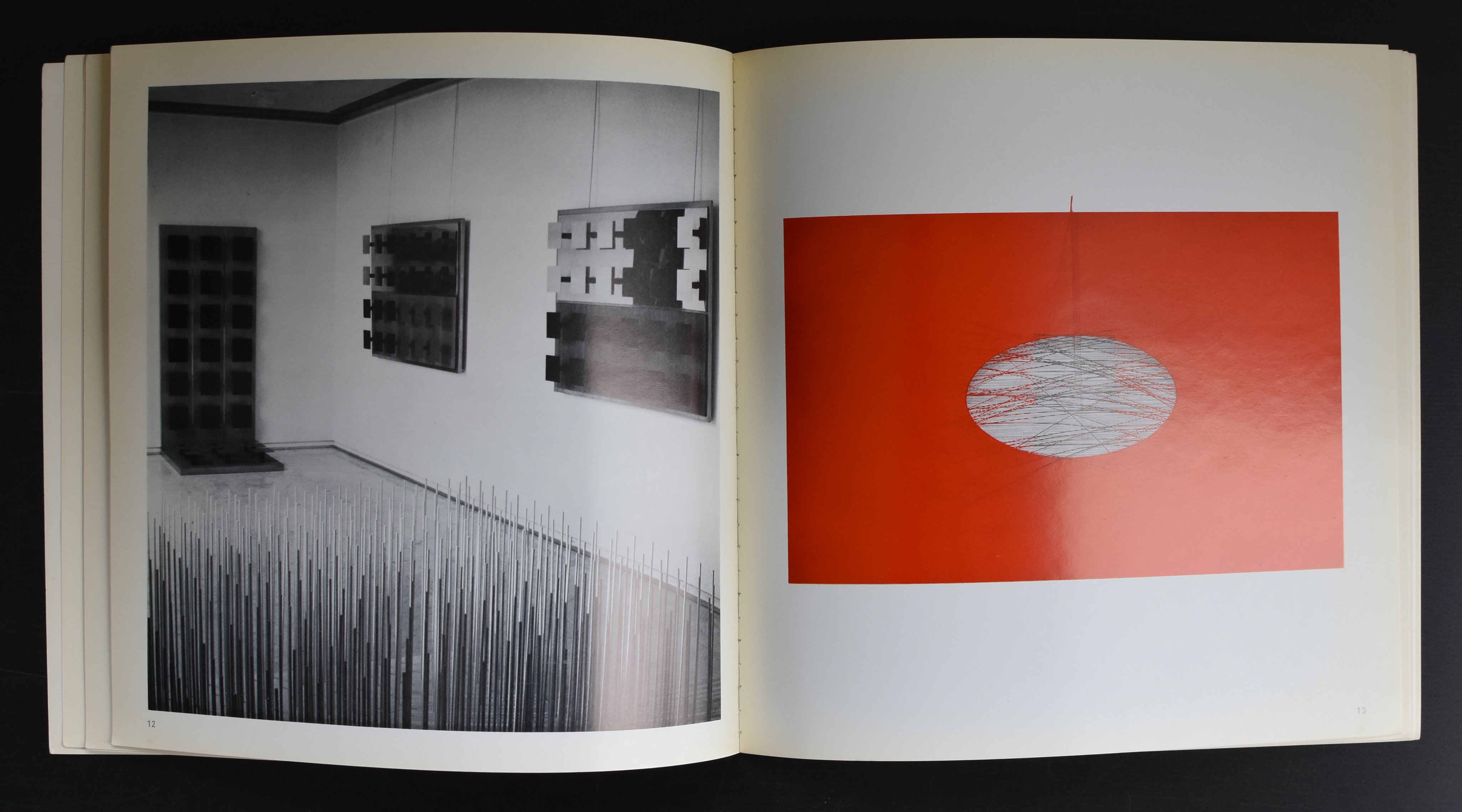
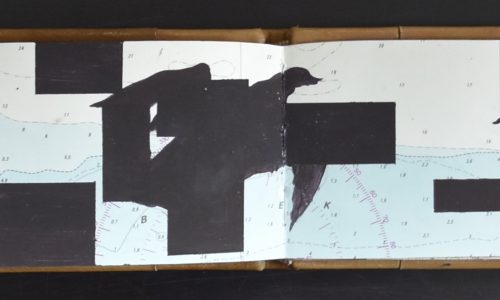
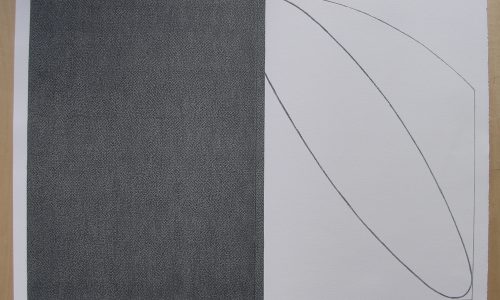
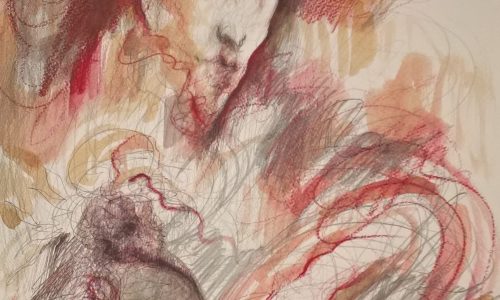
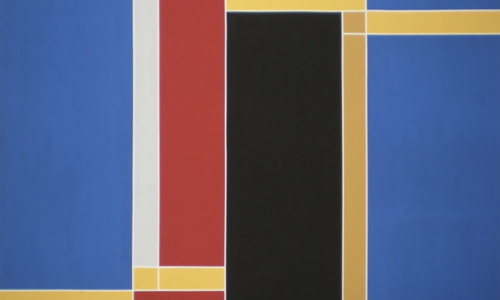
One of my favorite galleries of all time is the galerie Denise Rene in Paris and not only because the artists they represent are the ones i like most, but also because of their publications which in many cases contain something extra. Like this SOTO catalogue from 1970 which i acquired last week. The blue, silver and yellow squares within the catalogue are all executed in silkscreen prints and which combinations forms an abstract composition within the catalogue, which makes this catalogue some kind of an artist book and not an ordinary catalogue. This catalogue is now available at www.ftn-books.com. As for the other Denise Rene catalogues search for Denise Rene and find some other great catalogues by this famous gallery in Paris.
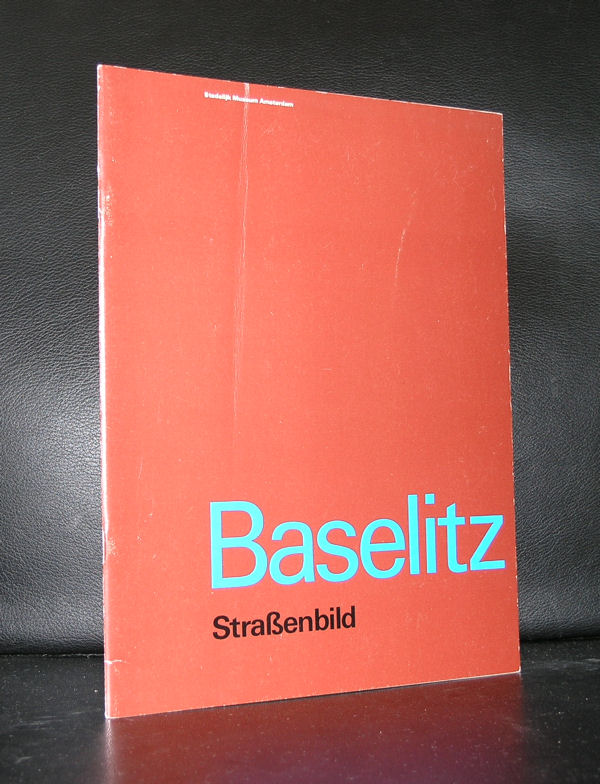
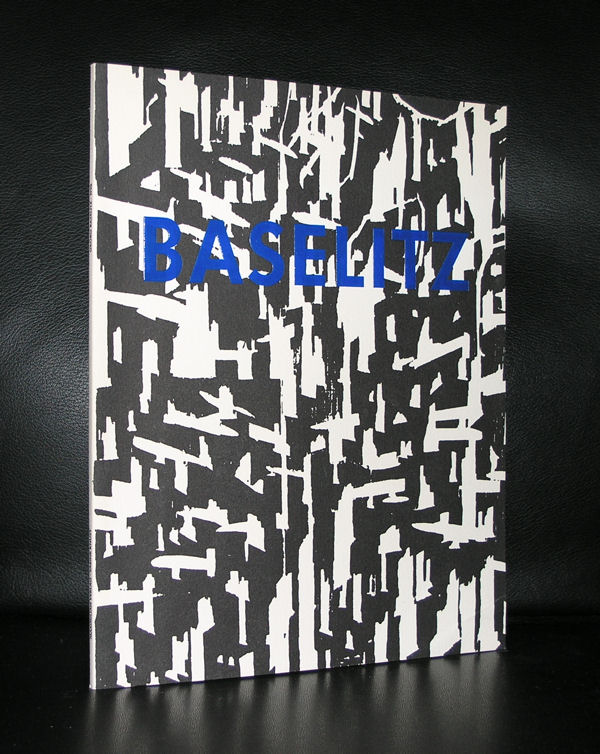
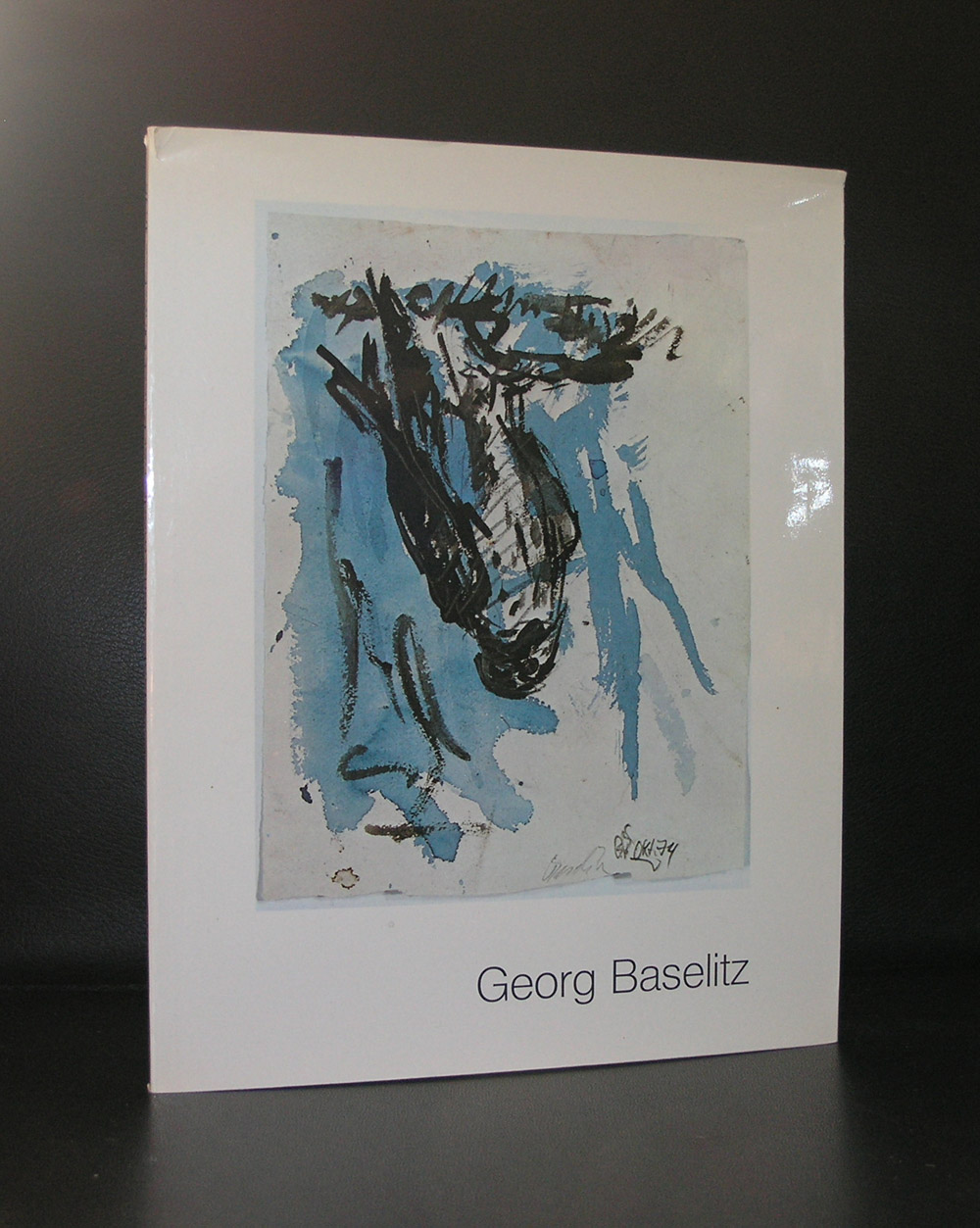
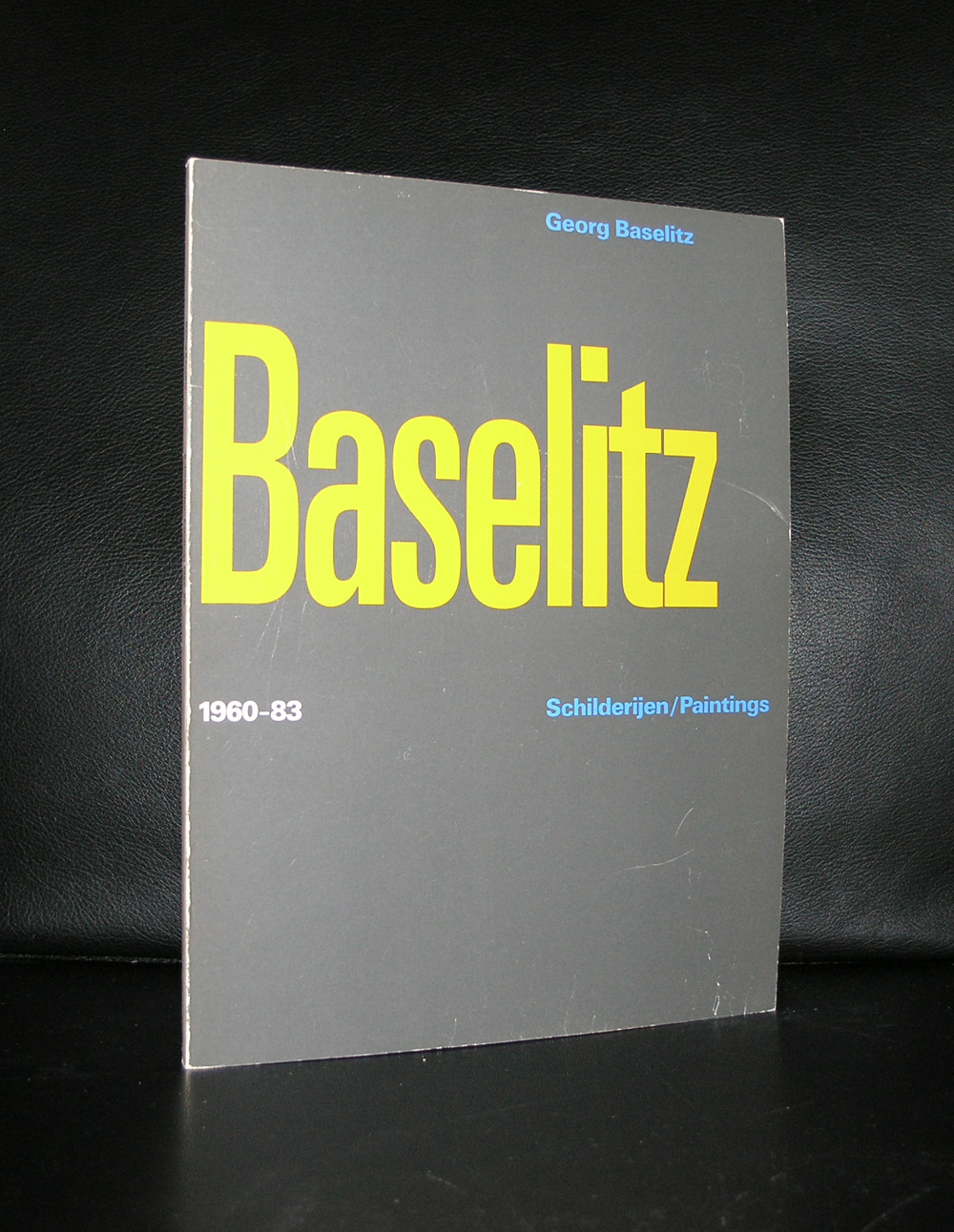
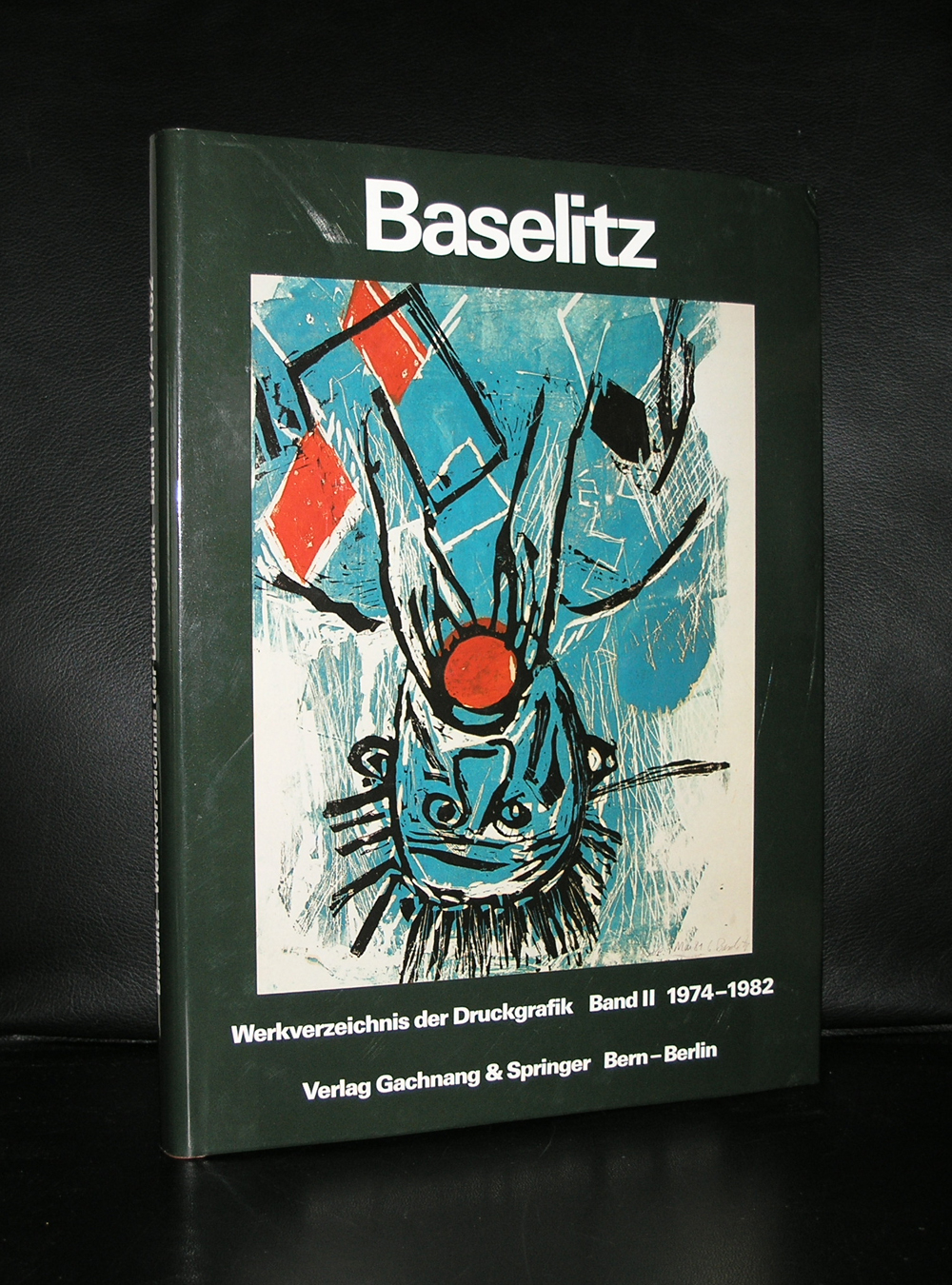
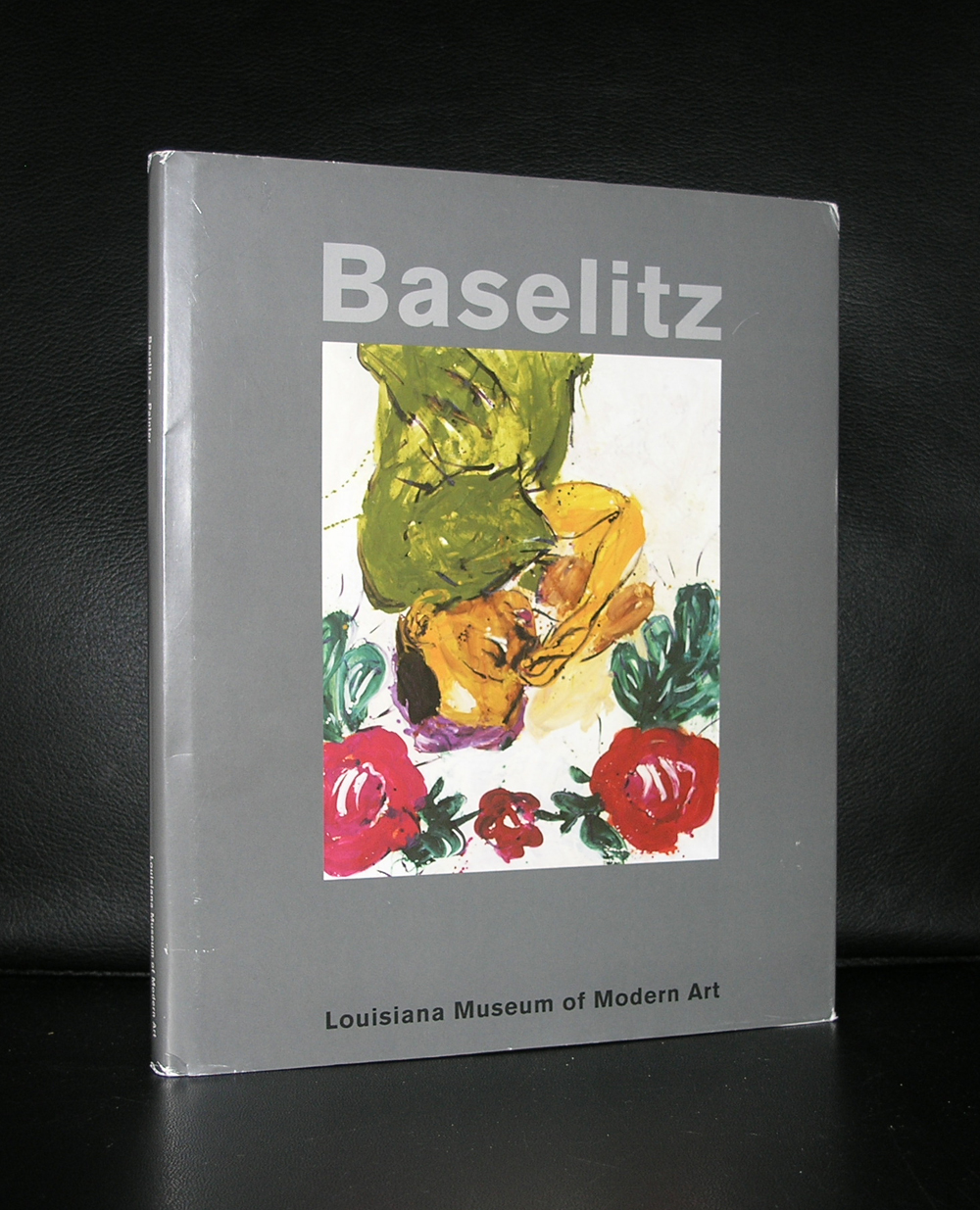
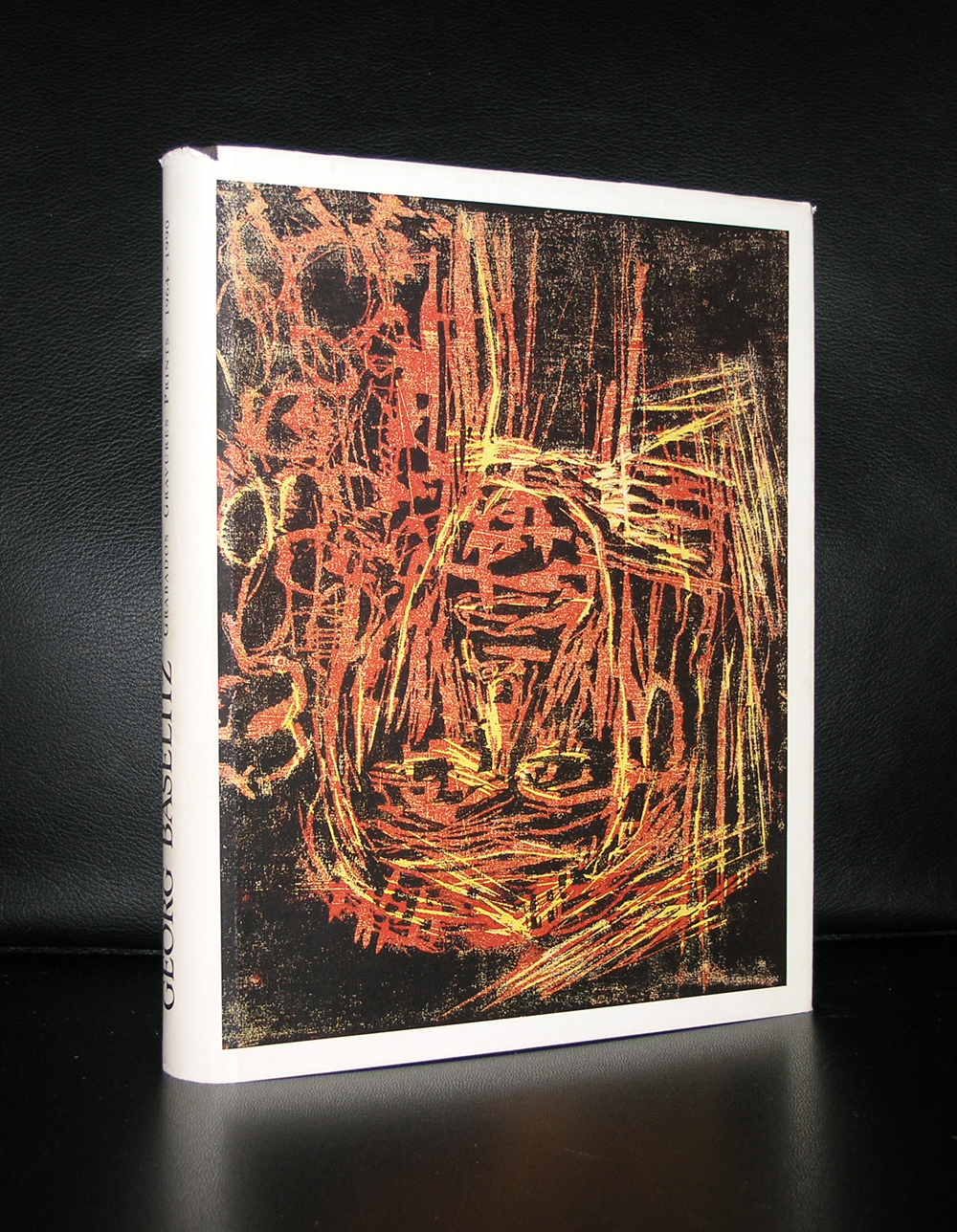
At the time i had not seen that many Modern Art works, the first time i encountered the works by Baselitz i thought of them as stupid, a gimmick, but seeing more of them ..specially the very large onses , i altered my opinion and now i find them impressive and monumental. This proces took some 30 years, but i honestly can say that for me, Baselitz is one of the greatest living artists.
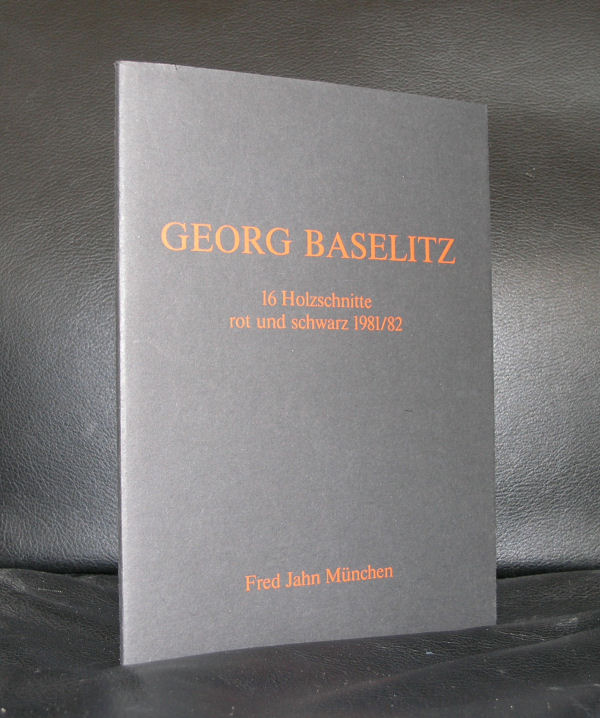
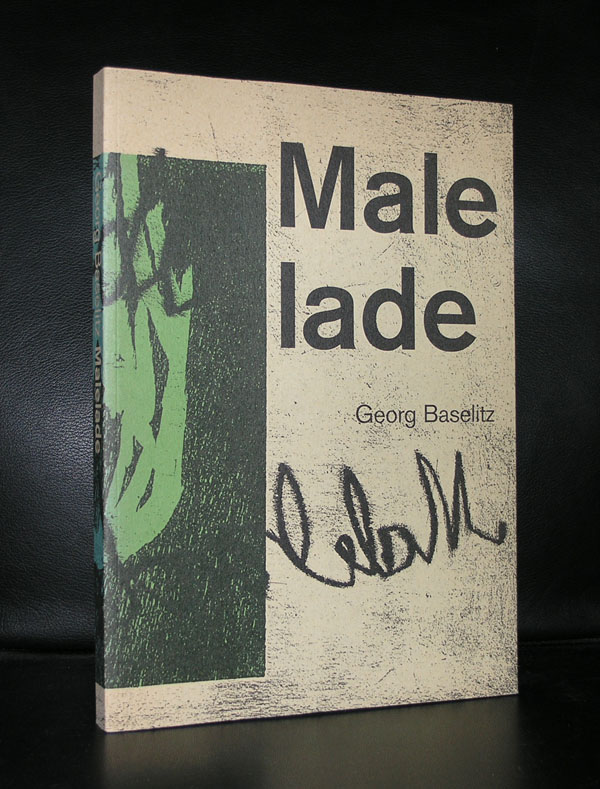
Georg Baselitz, born Hans-Georg Kern in Deutschland near Dresden in 1938, now lives and works between Basel (Switzerland), the Ammersee (Bavaria) and Imperia (Liguria). He has been an influence on international art since 1960, his works developing in the arena of the reception of German expressionism on the one hand, and the lightness of American painting (Jackson Pollock, Willem de Kooning) on the other. His Helden [heroes] group, finger-paintings, fracture and Russian paintings, which focus on his German past are represented in almost all distinguished museum collections. From the late 1960s, Baselitz demonstrated his premiss of visual insight taking priority over the subject by deliberately showing his works upside down. The result is a unique simultaneity of figuration and abstraction. This urge towards permanent variation and change is also evident in his late work. Since 2006 he has produced so-called remix paintings in which, with an unprecedented lightness of touch, he re-examines the iconography of his own historical works. Many Baselitz titles can be found at www.ftn-books.com including the facsimile reprint of the famous Malelade artist book.
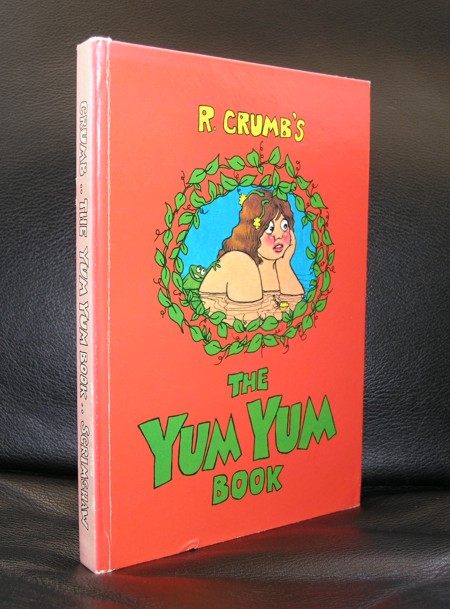
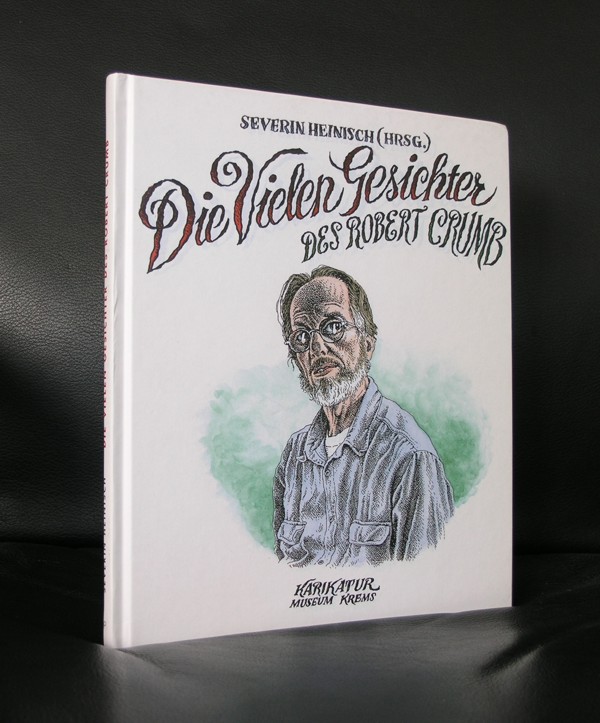
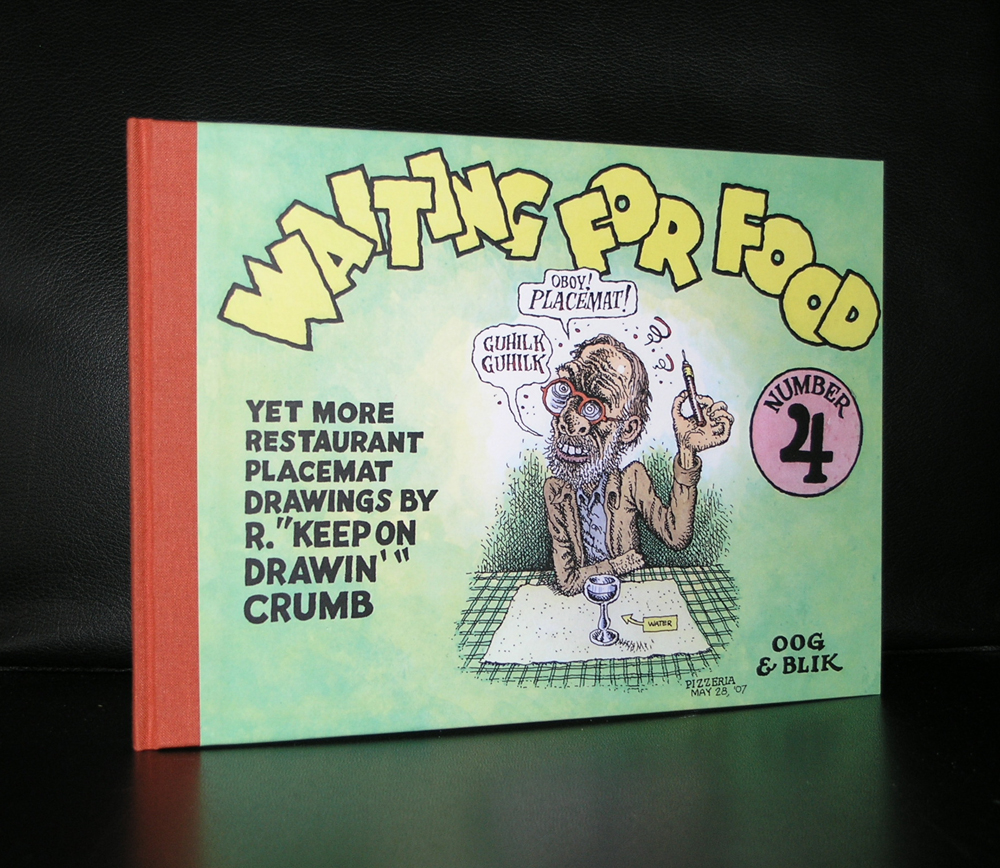
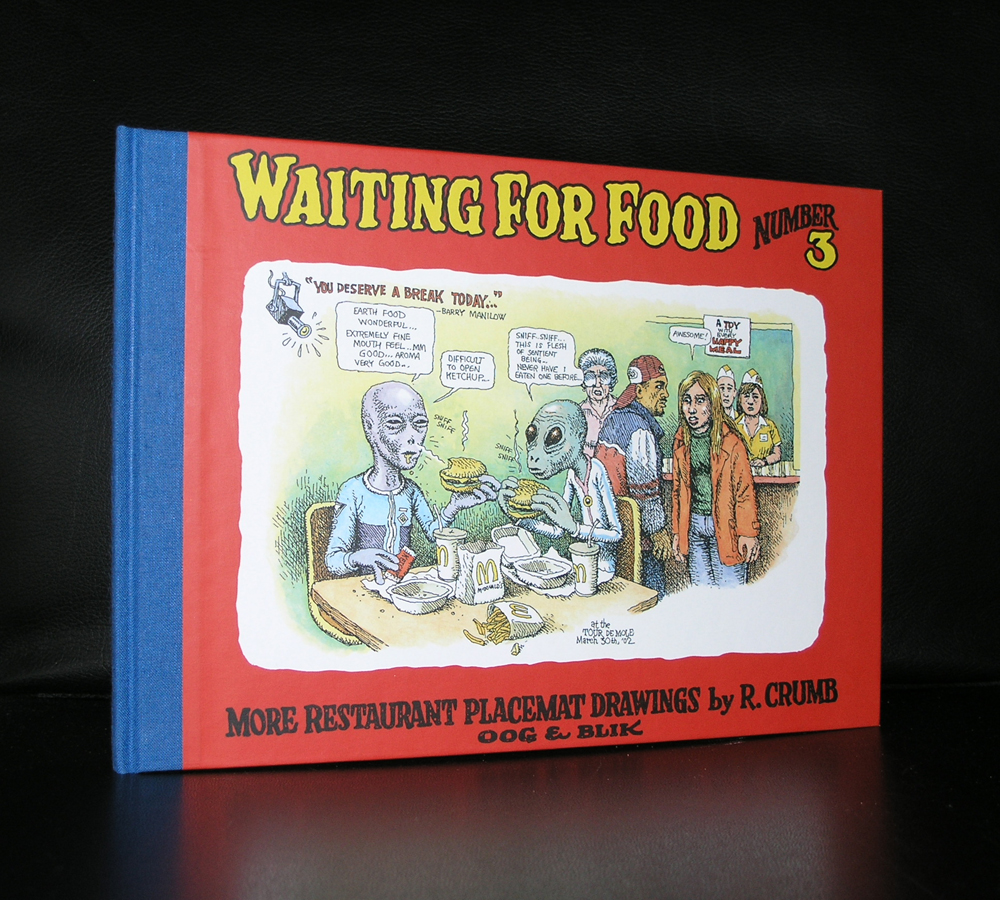
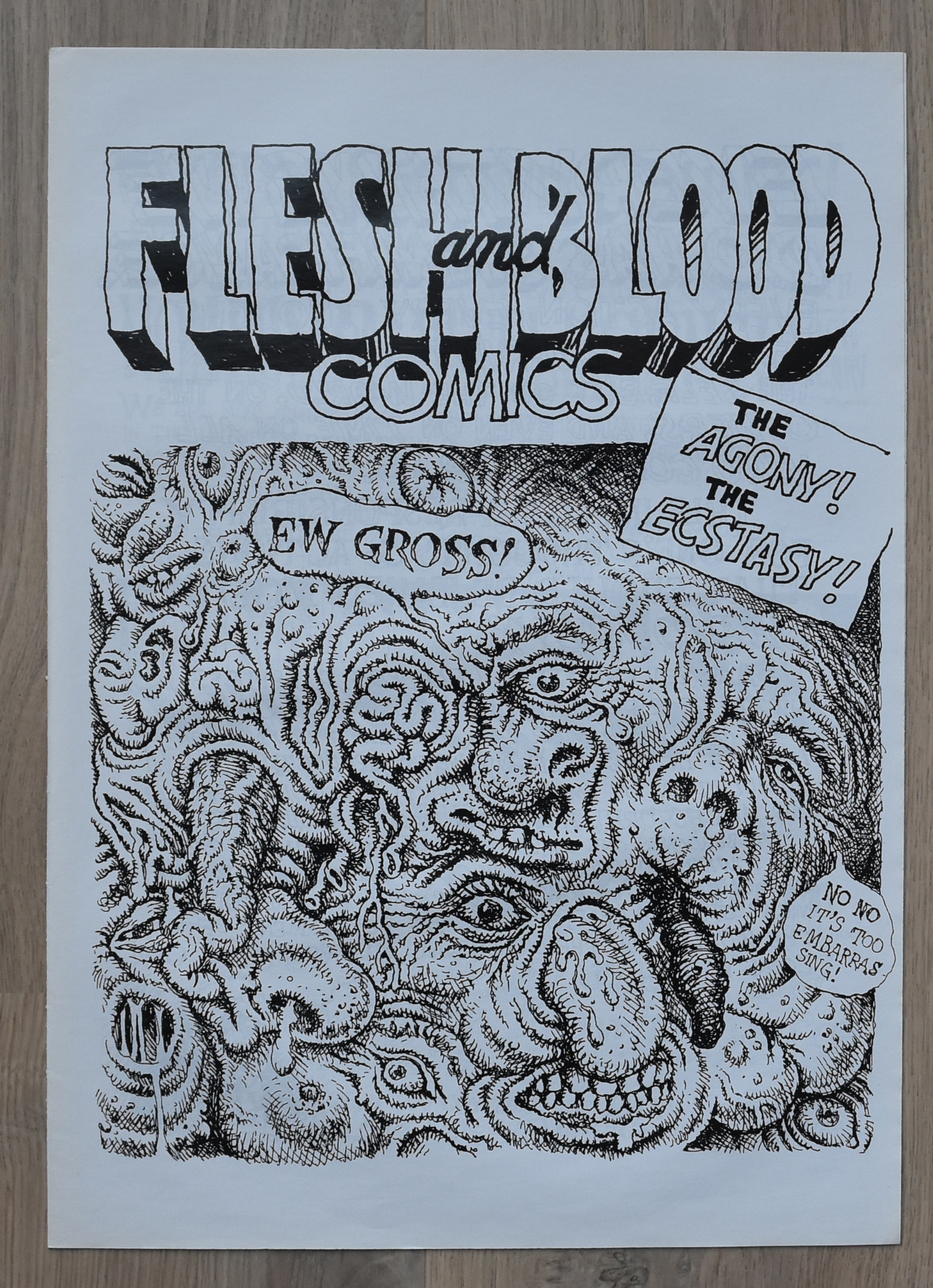
Robert Crumb, one of the “founders” of the underground comic movement and very important for the evolution of comics. Totally independent , a very personal style and a free spirit in thoughts and subjects, he introduced , sex and drugs into comics.
Robert Crumb was born in Philadelphia in 1943. As a kid, he started drawing homemade comic books, together with his brother Charles, for the amusement of himself and his family. One of the characters he invented back then was Fred the Cat, named after the family’s pet. Eventually, Fred became Fritz the Cat, one of Crumb’s best-known characters.
Crumb left home in 1962, getting a job as a greeting card artist in Cleveland, Ohio. At the same time, he continued his comics, sending one to the public gallery section of Harvey Kurtzman’s Help! Magazine. Encouraged by Kurtzman, Crumb moved to New York to work for Help! Unfortunately, this magazine folded just after Crumb returned from an eight-month stay in Europe. Crumb stayed in New York for a while, making comics trading cards for Topps Gum, among other things, and then returned to Cleveland.
In January 1967, Crumb moved to California, where he did some comics for a magazine called Yarrowstalks. His work was so well received they asked him to do a whole comic book, and soon the first issue of Zap was ready. The publisher however disappeared with all of the original artwork. Crumb, who had not only saved xeroxes of his work, but was already halfway with the next issue of Zap, found Don Donahue and Charles Plymell willing to publish it. And so the material for the second Zap comic was published as Zap #1, after which the older material for the first issue was printed as Zap #0. All of these have become collector’s items.
Zap Comix became a success, and soon other artists, like Rick Griffin, Victor Moscoso and S. Clay Wilson, started contributing their work. Interest in Crumb’s work resulted in ‘Head Comix’, a collection of his comics published by Viking Press, and a ‘Fritz the Cat’ book by Ballantine. Crumb also contributed to other publications from the underground movement, such as the East Village Other. When animator Ralph Bakshi turned to Crumb to make Fritz the Cat into an animated movie, Crumb eventually agreed, but soon became exhausted with the pressure and left it to his wife, Aline Kominsky, who signed the contract. Crumb hated the film so much that he killed off Fritz once and for all in a strip in The People’s Comics.
The end of Fritz the Cat
In the early 1990s, Robert Crumb and his family moved to France, where they still live today. The creator of unforgettable characters such as Mr. Natural, Mr. Snoid, Angelfood MacSpade and Devil Girl still has a tremendous production, which has been collected in many books. He has worked on a series of comic books with Charles Bukowski in the 1980’s, produced a book on Kafka with David Zaine Mairowitz and also illustrated several issues of Harvey Pekar’s ‘American Splendor’ series. Crumb’s daughter Sophie eventually also turned to comic art.
Crumb is also a talented musician. He plays banjo and mandolin, and has performed with R. Crumb & His Cheap Suit Serenaders and Eden and John’s East River String Band. He has also illustrated a great many album covers, including ‘Cheap Thrills’ by Big Brother and the Holding Company and the compilation album ‘The Music Never Stopped: Roots of the Grateful Dead’.
There are some very nice Crumb titles available at www.ftn-books.com including the rare Point d’Ironie title Flesh and Blood
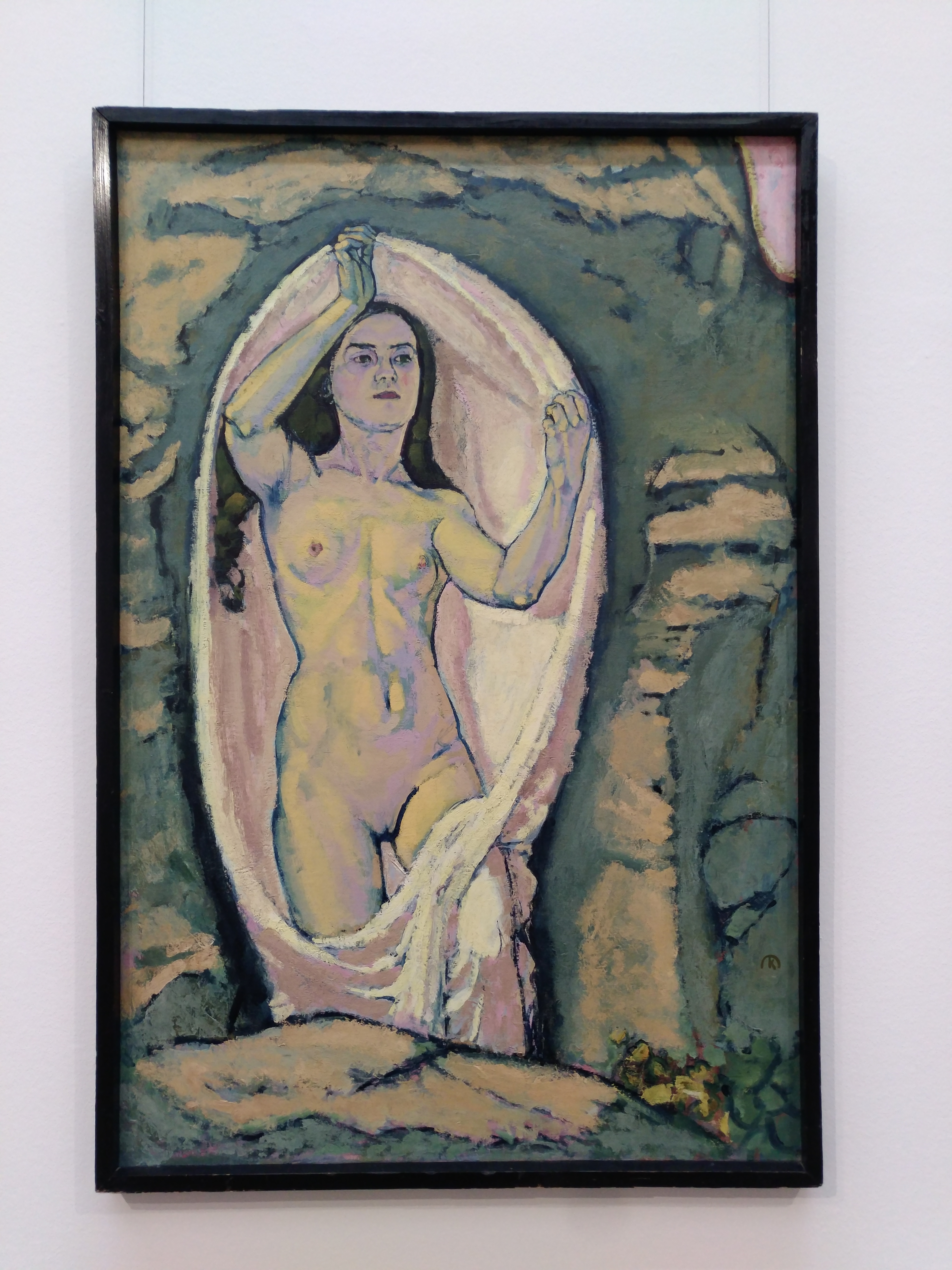
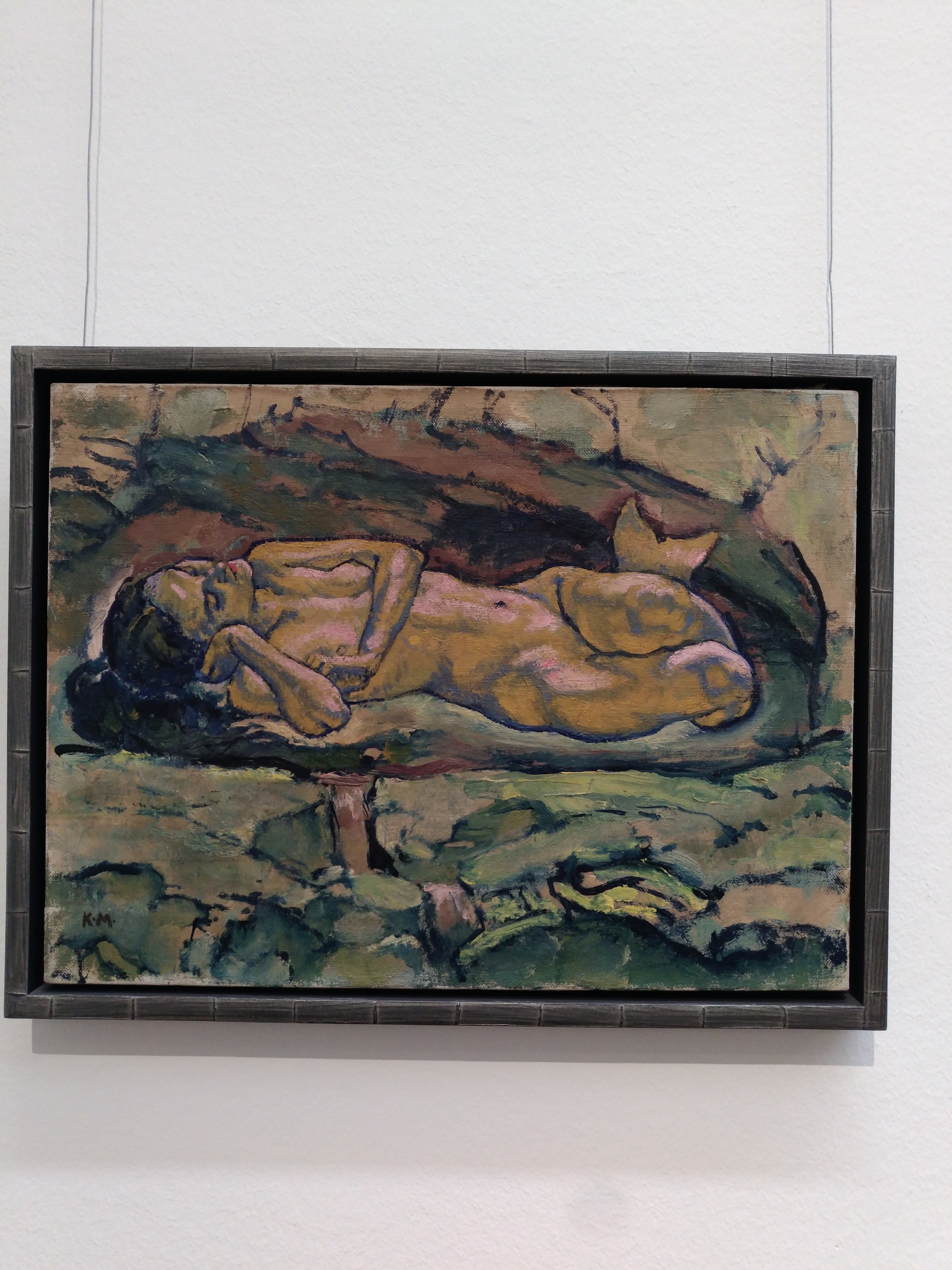
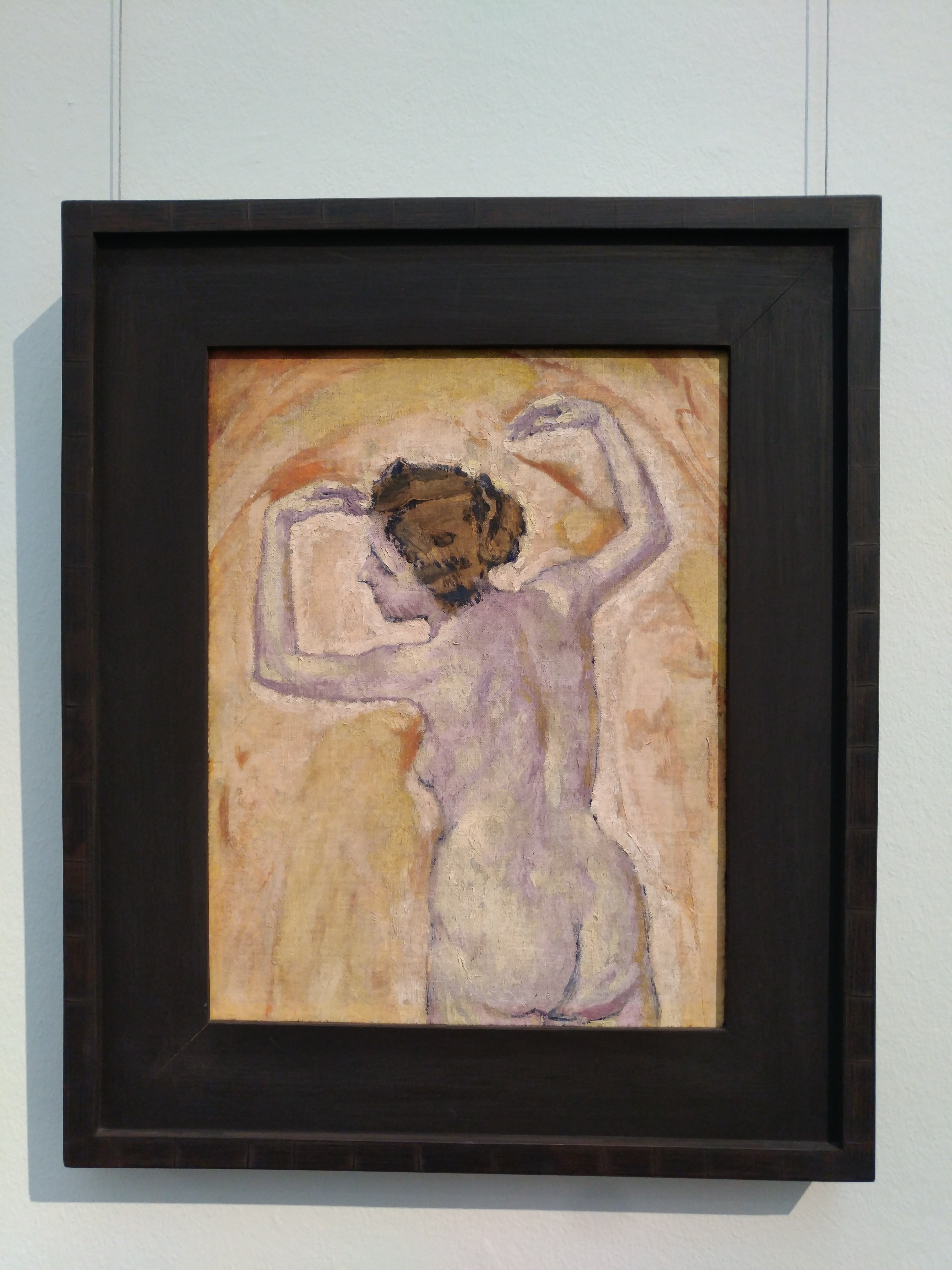
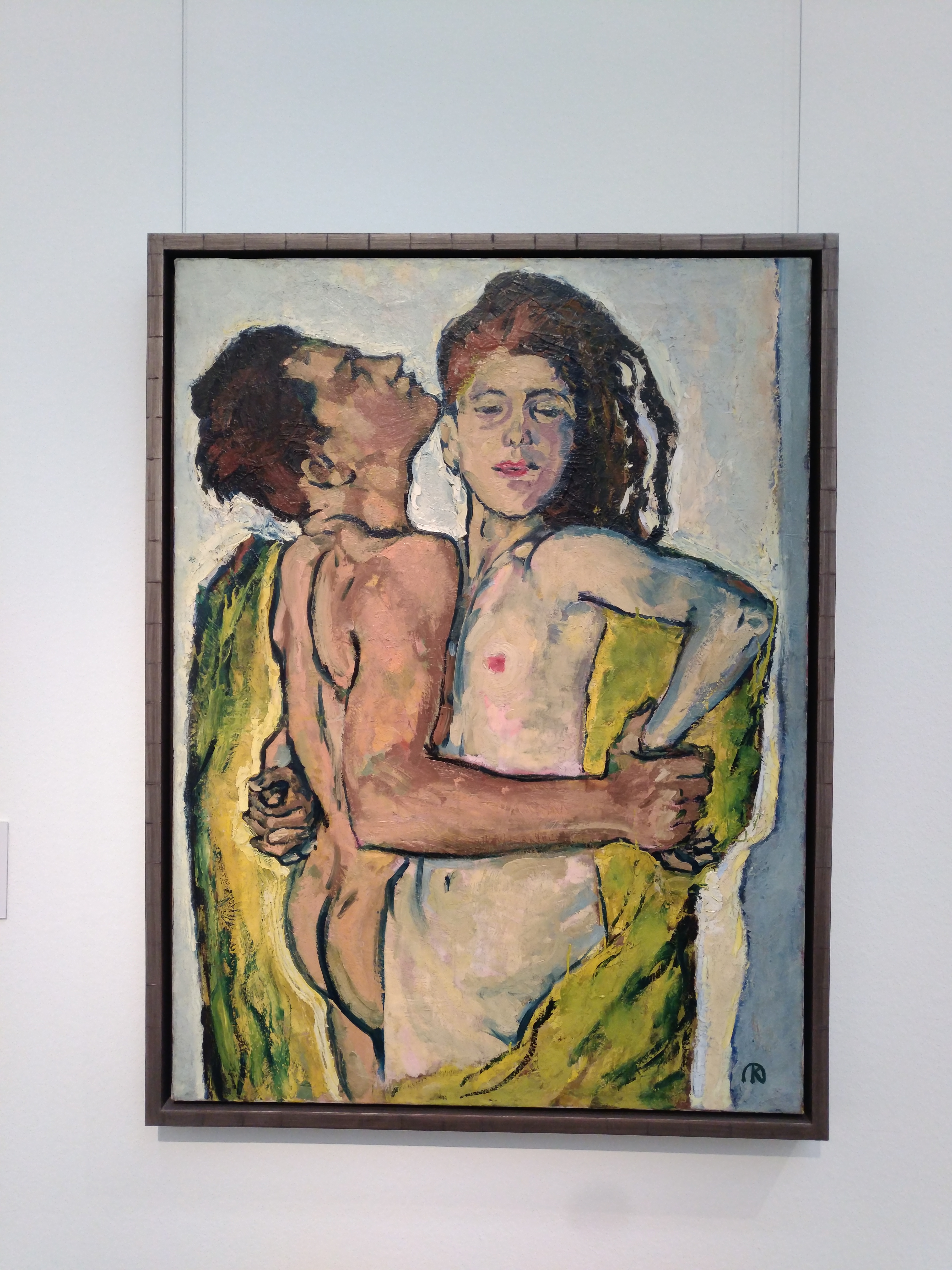
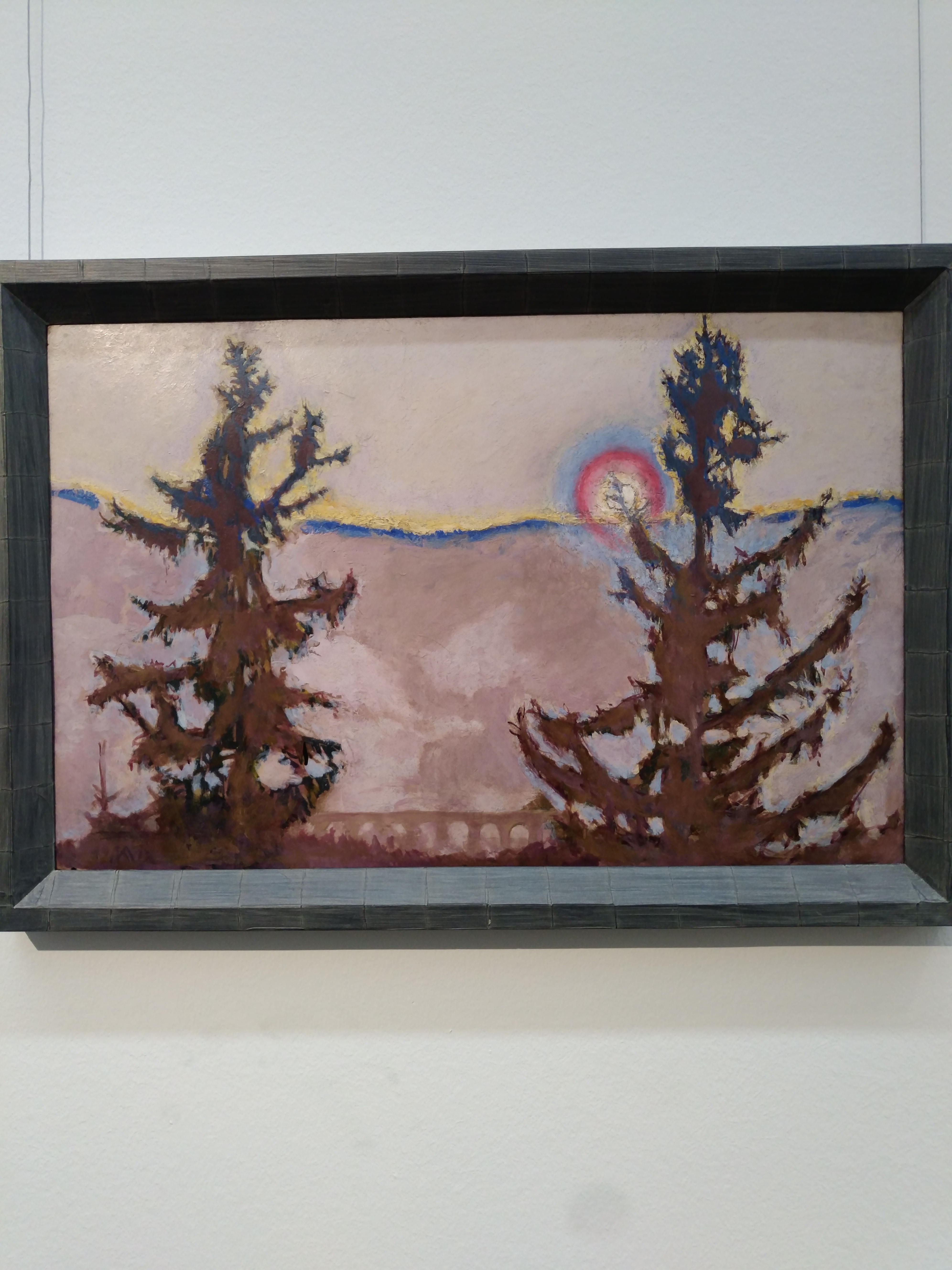
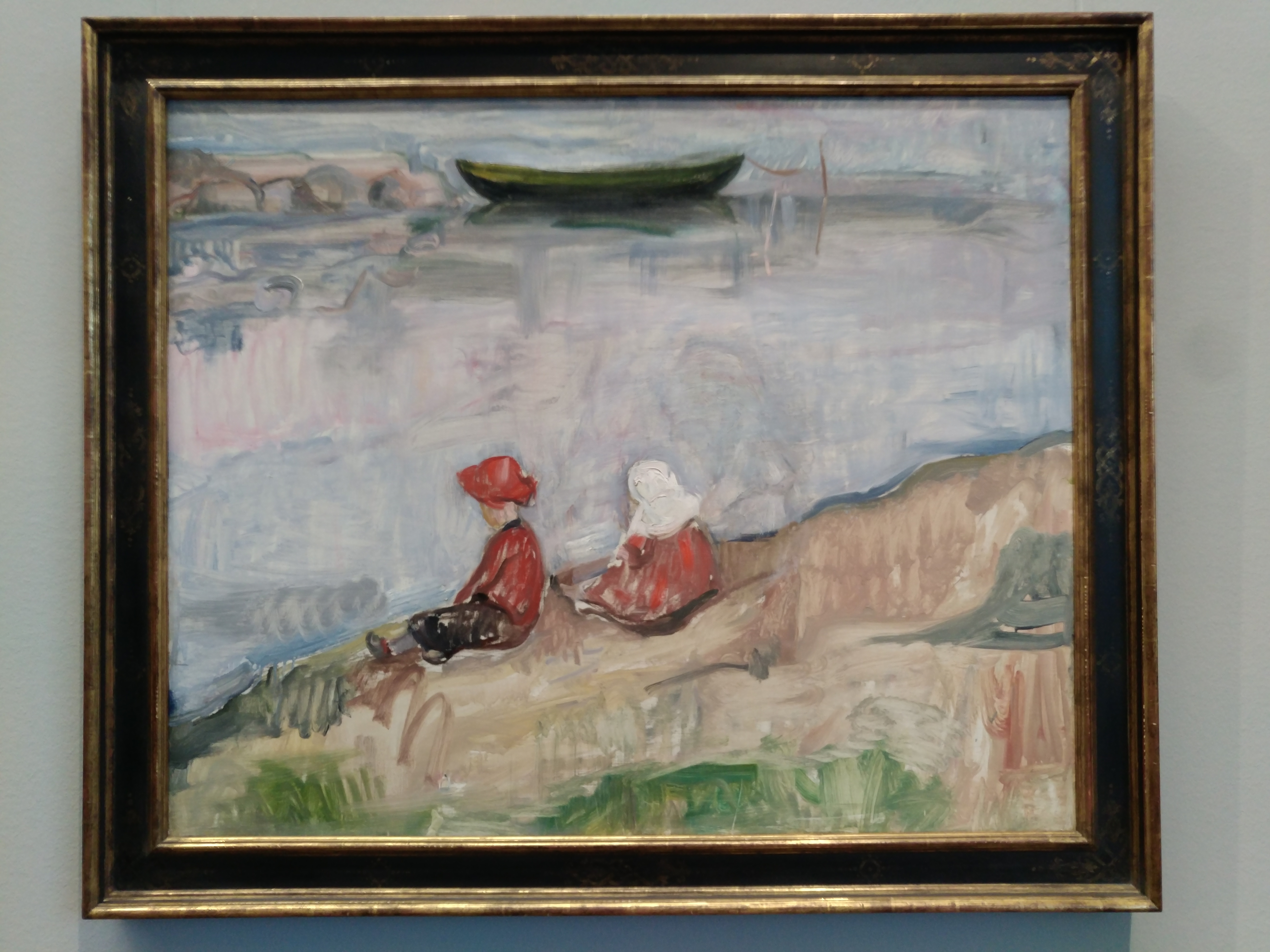
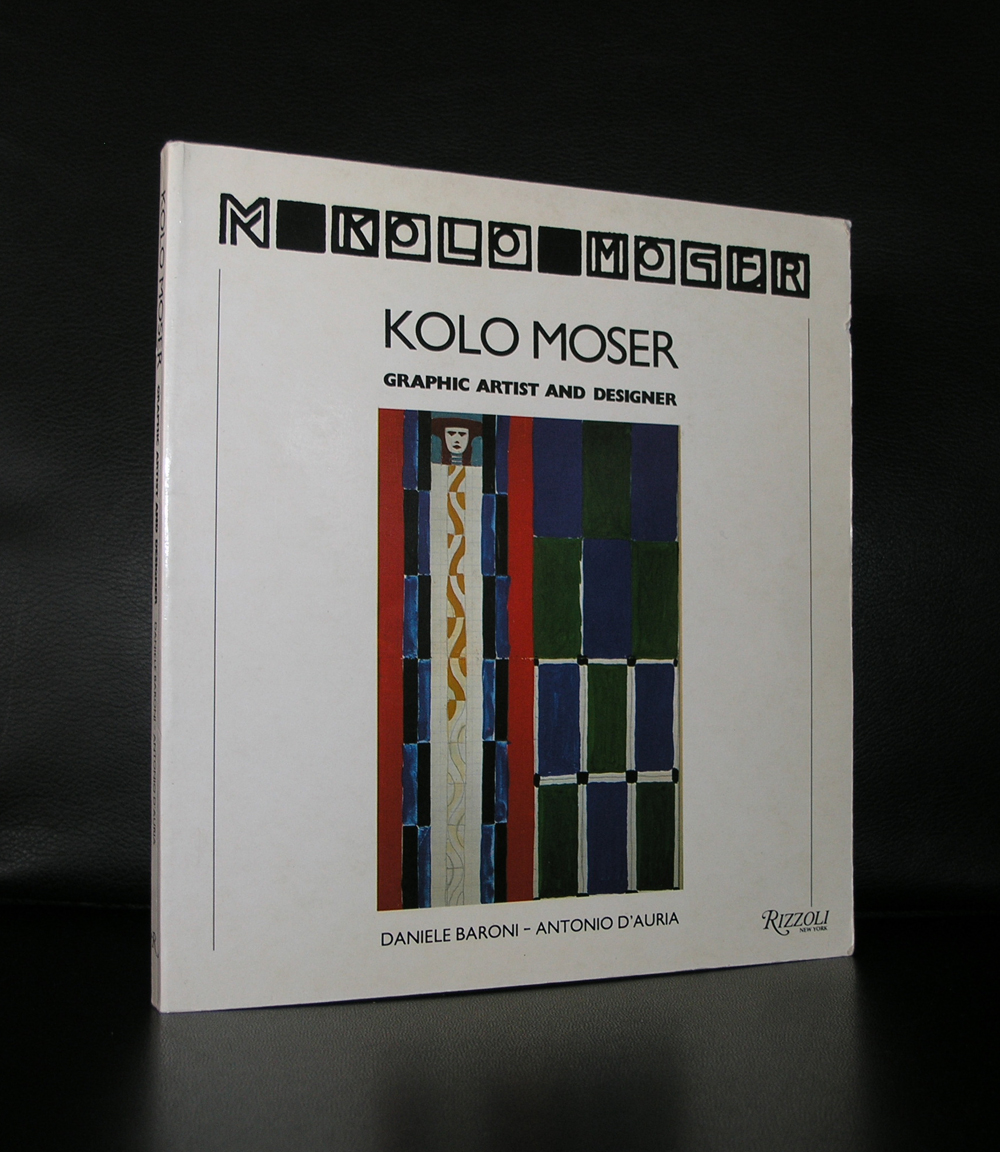
Because the Leopold Museum as a whole was a disappointment (see yesterdays blog), I focused on the other art inside the museum. I had seen all the paintings by Schiele and Klimt before, but were less familiar with the beautiful Munch and excellent series of Koloman Moser paintings which were exhibited. Especially the series by Moser were impressive and showed the transition into the more Modern art of the century to come. Next to the paintings there were some excellent examples of the Wiener Werkstatte exhibition and the combination of these 2 made the visit, except for the disappointing display of Schiele art, still worthwhile.
Born in Vienna, he studied at the Wiener Akademie and the Kunstgewerbeschule, where he also taught from 1899.
His designs in architecture, furniture, jewellery, graphics, and tapestries helped characterise the work of this era. Moser drew upon the clean lines and repetitive motifs of classical Greek and Roman art and architecture in reaction to the Baroque decadence of his turn-of-the-century Viennese surroundings.
In 1901/1902, he published a portfolio titled Die Quelle (“The Source”) of elegant graphic designs for such things as tapestries, fabrics, and wallpaper.
In 1903, Moser and his colleague Josef Hoffmann founded Wiener Werkstätte, whose studios and artisans produced a number of aesthetically and functionally designed household goods, including glassware, flatware, silverware, rugs and textiles. In 1904, he created the Apse mosaic and glass windows for the Kirche am Steinhof in Vienna.
In 1905, together with the Klimt group, he separated from the Vienna Secession. The same year, he married Editha (Ditha) Mautner von Markhof, the daughter to one of Austria’s great industry fortunes.
In 1907 Moser, due to internal conflicts and as his plans for reorganising the Werkstätte (to cope with financial problems) weren’t realised, withdrew from the Wiener Werkstätte.
Koloman was one of the designers for Austria’s leading art journal Ver Sacrum. This art journal paid great attention to design and was designed mainly by Moser, Gustav Klimt and Josef Hoffmann. His design for the cover of one edition of the art journal was later plagiarized by well known street artist and designer, Shepard Fairey.
Books on Moser and the Winer Werkstatte are available at www.ftn-books.com
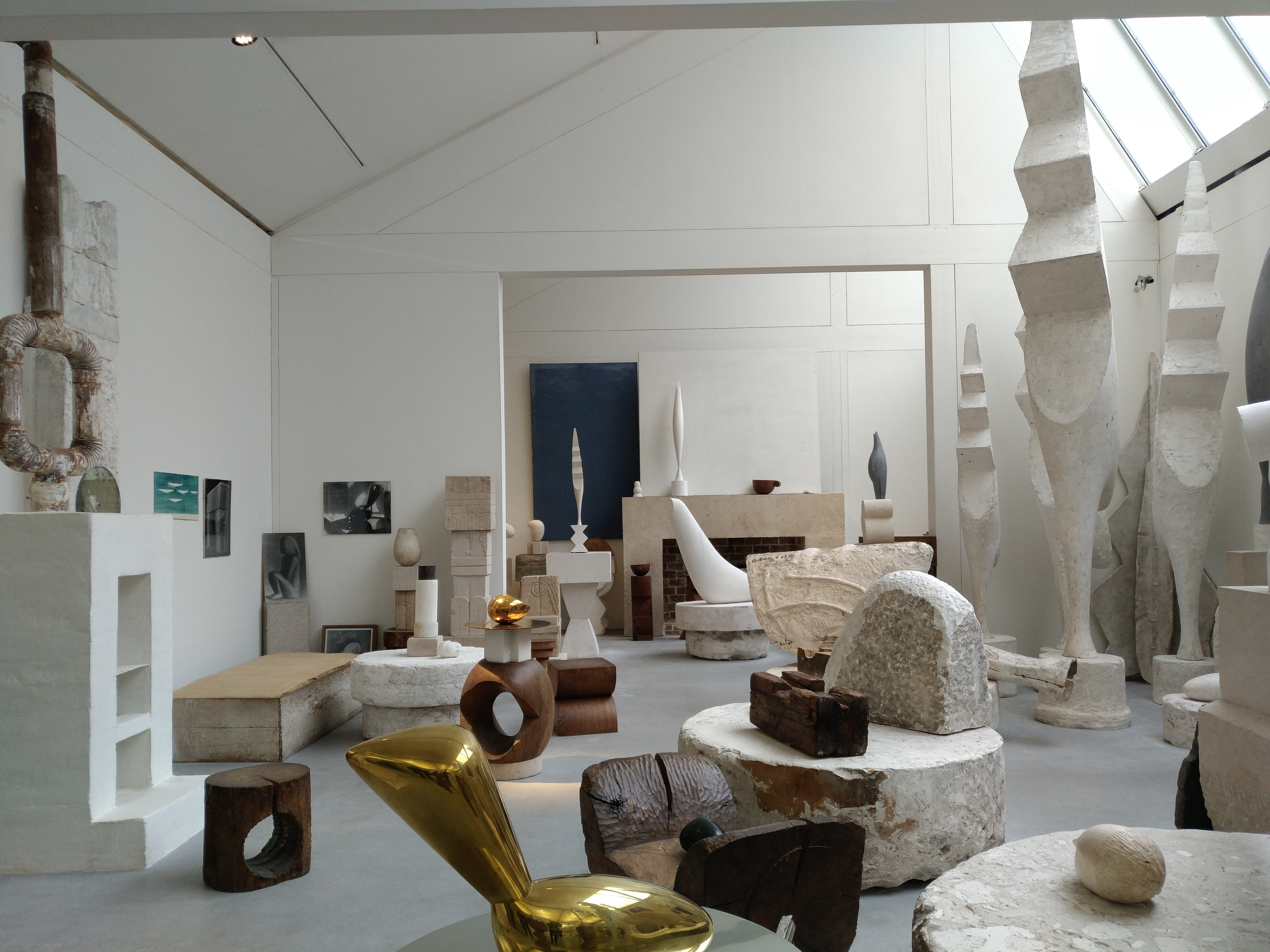
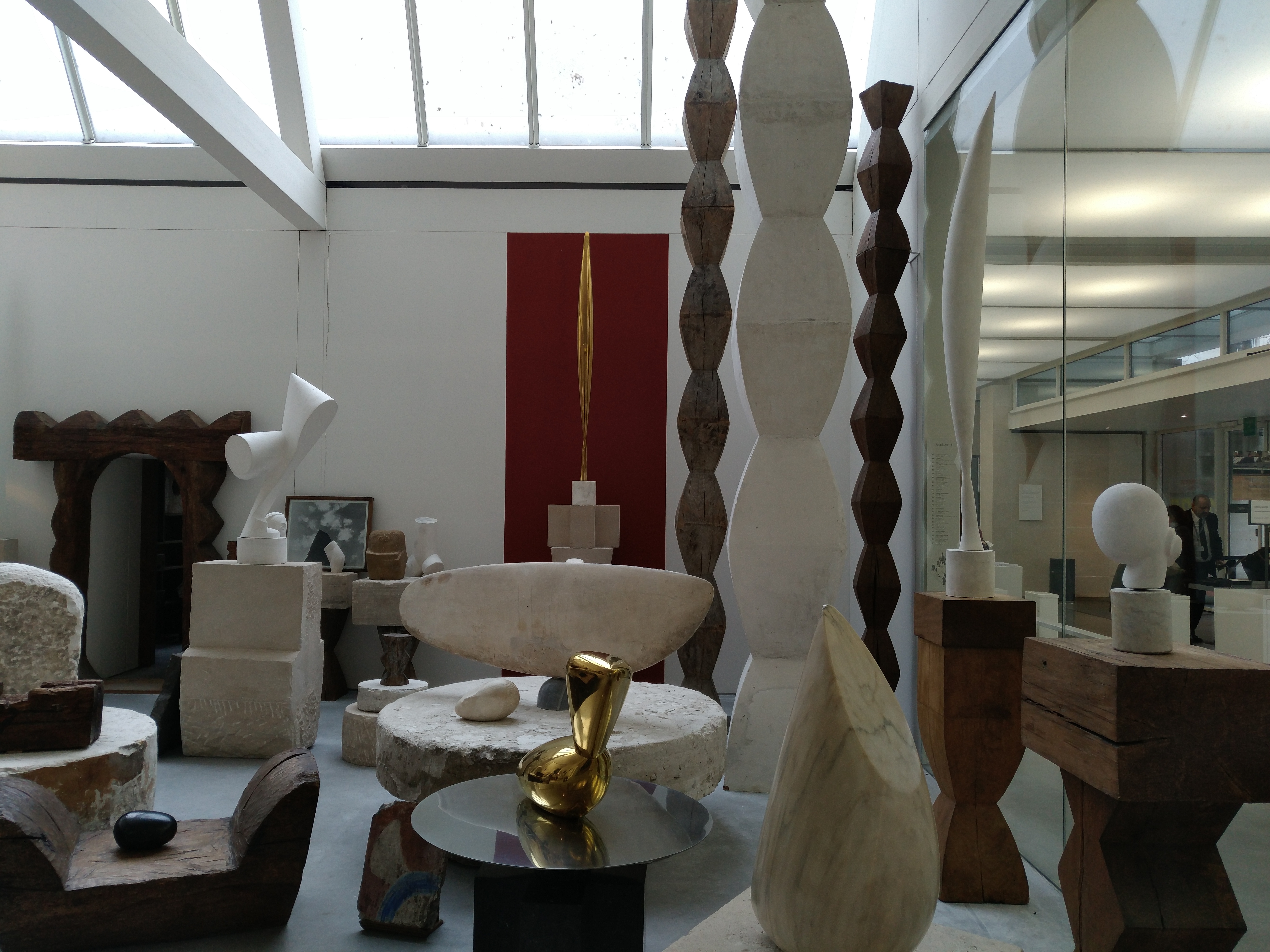
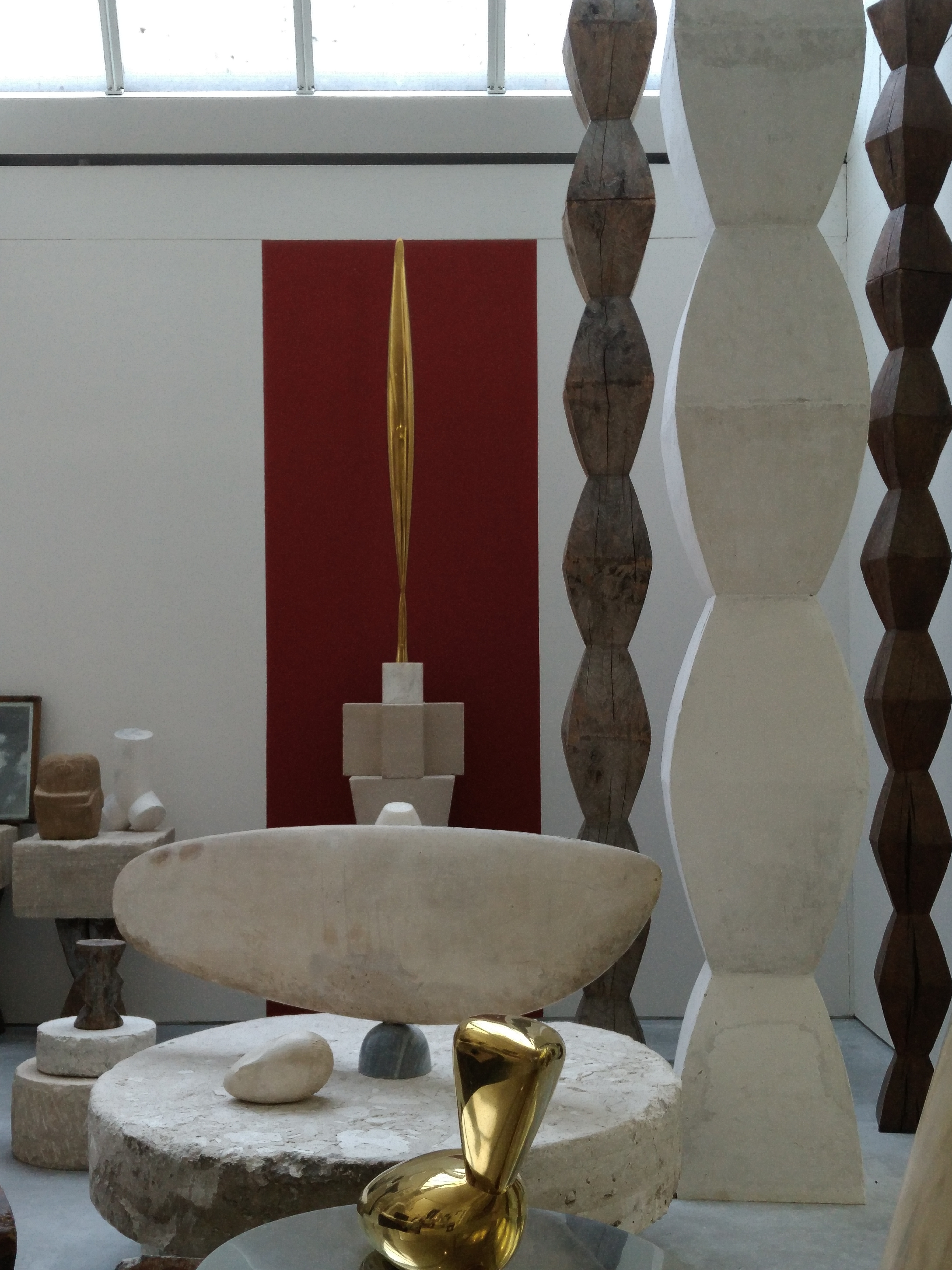
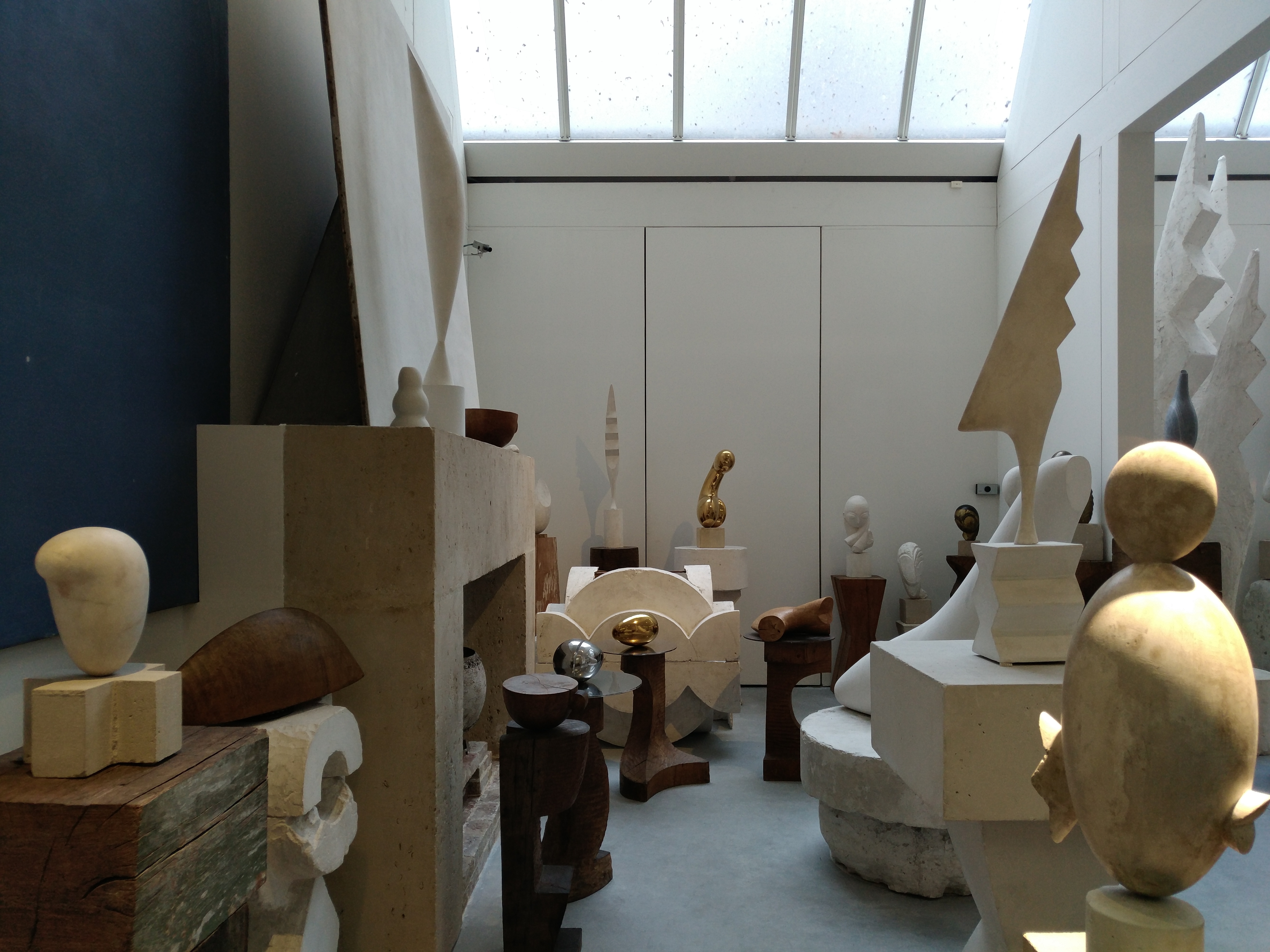
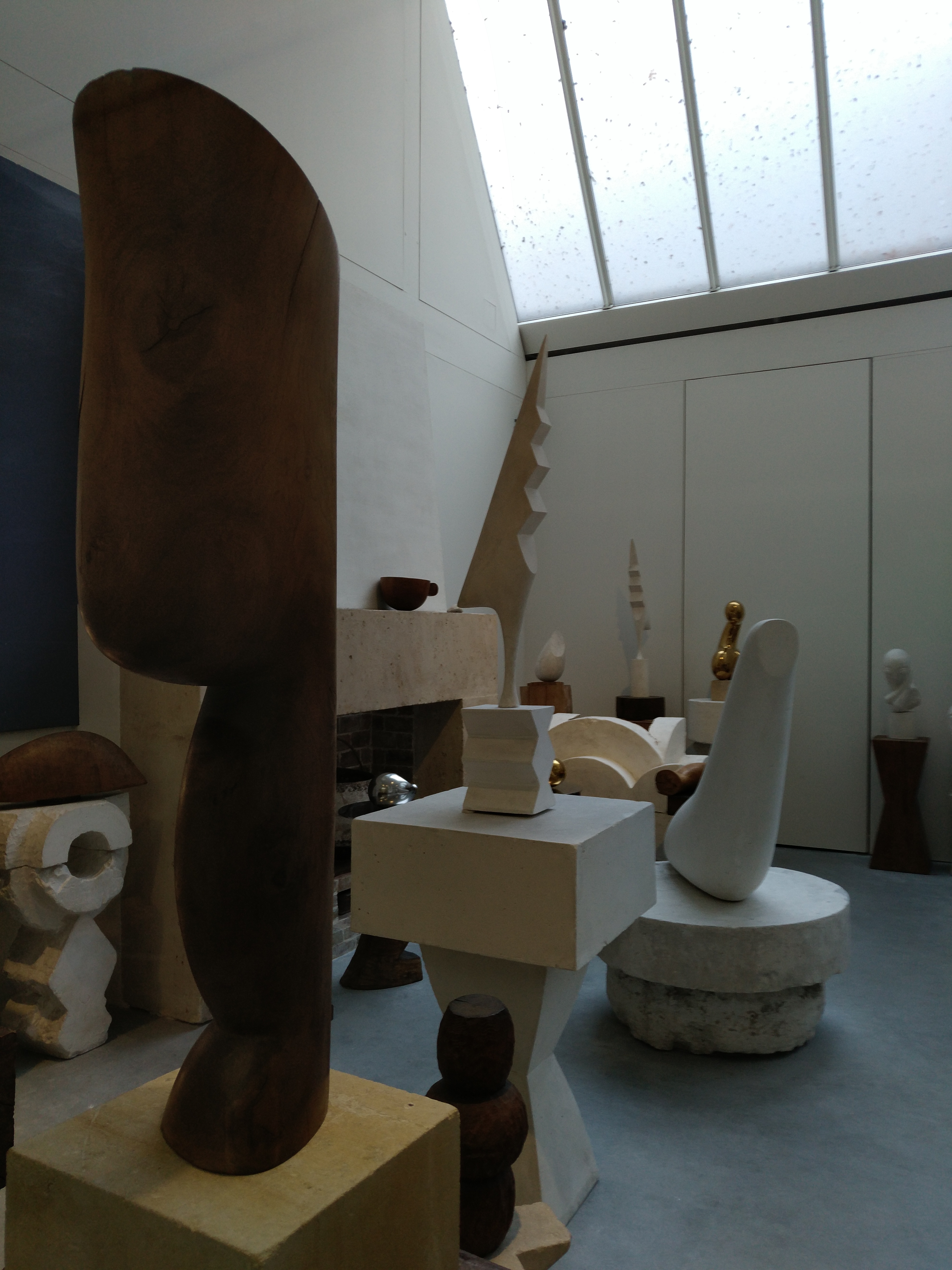
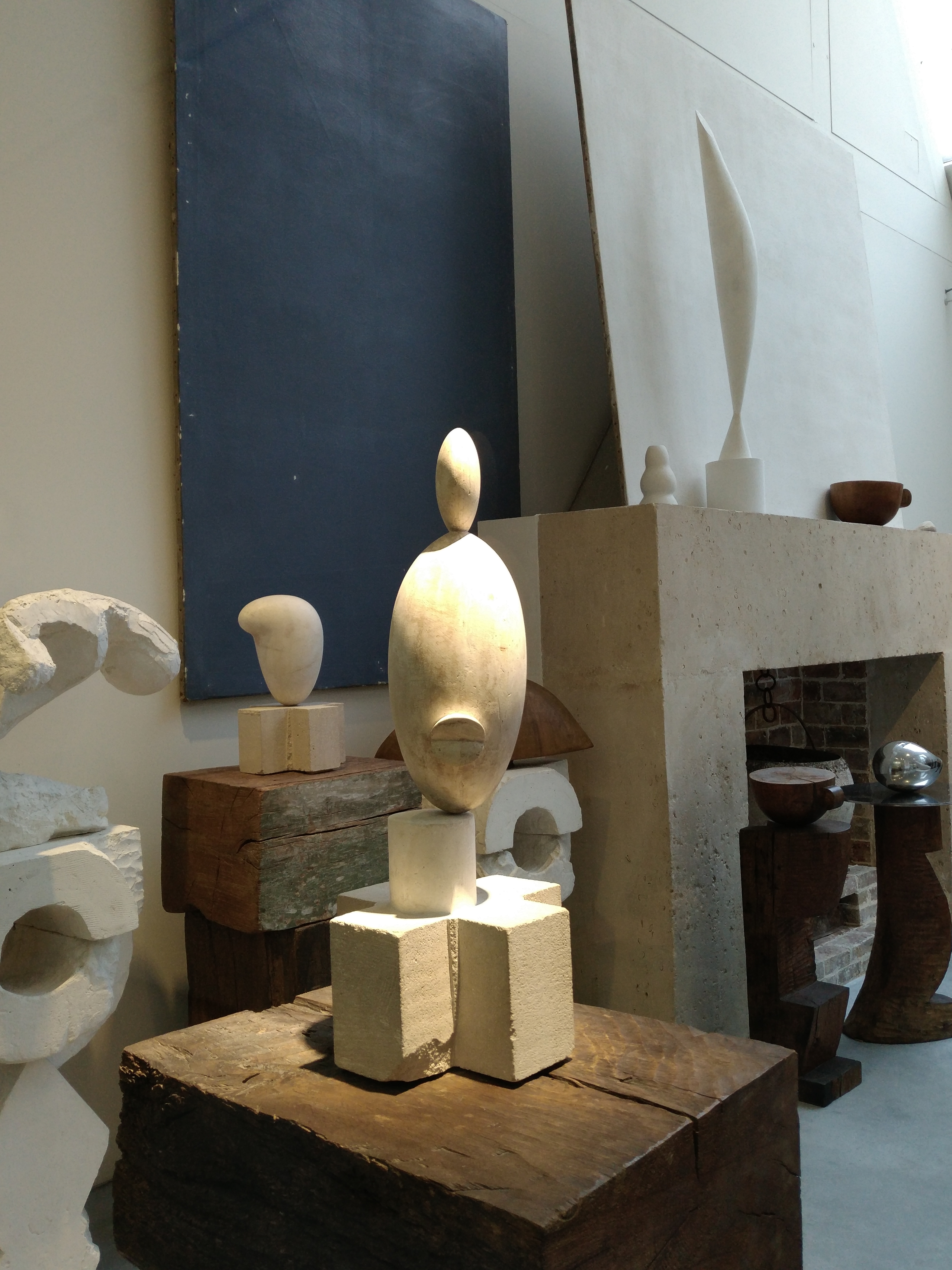
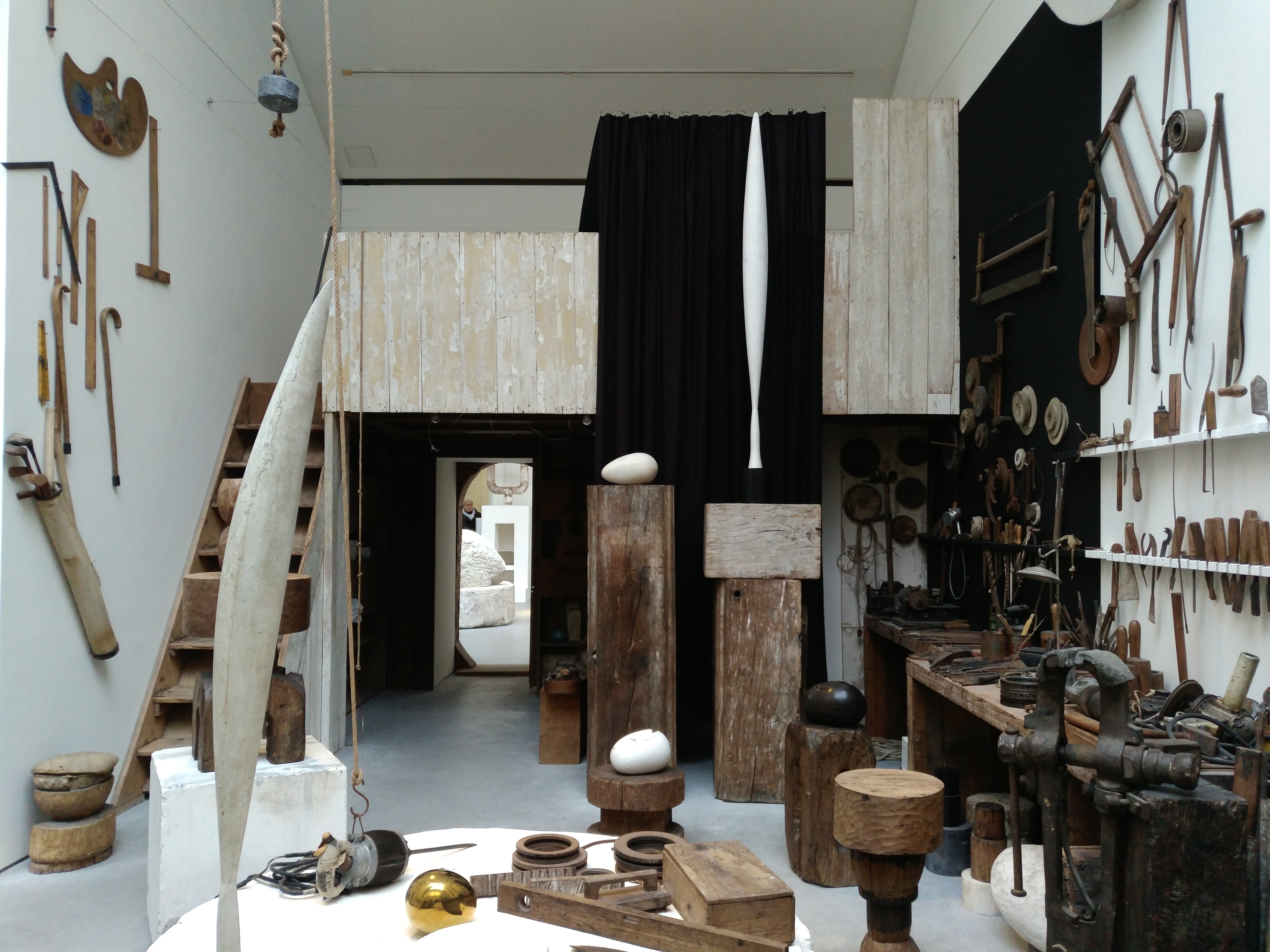
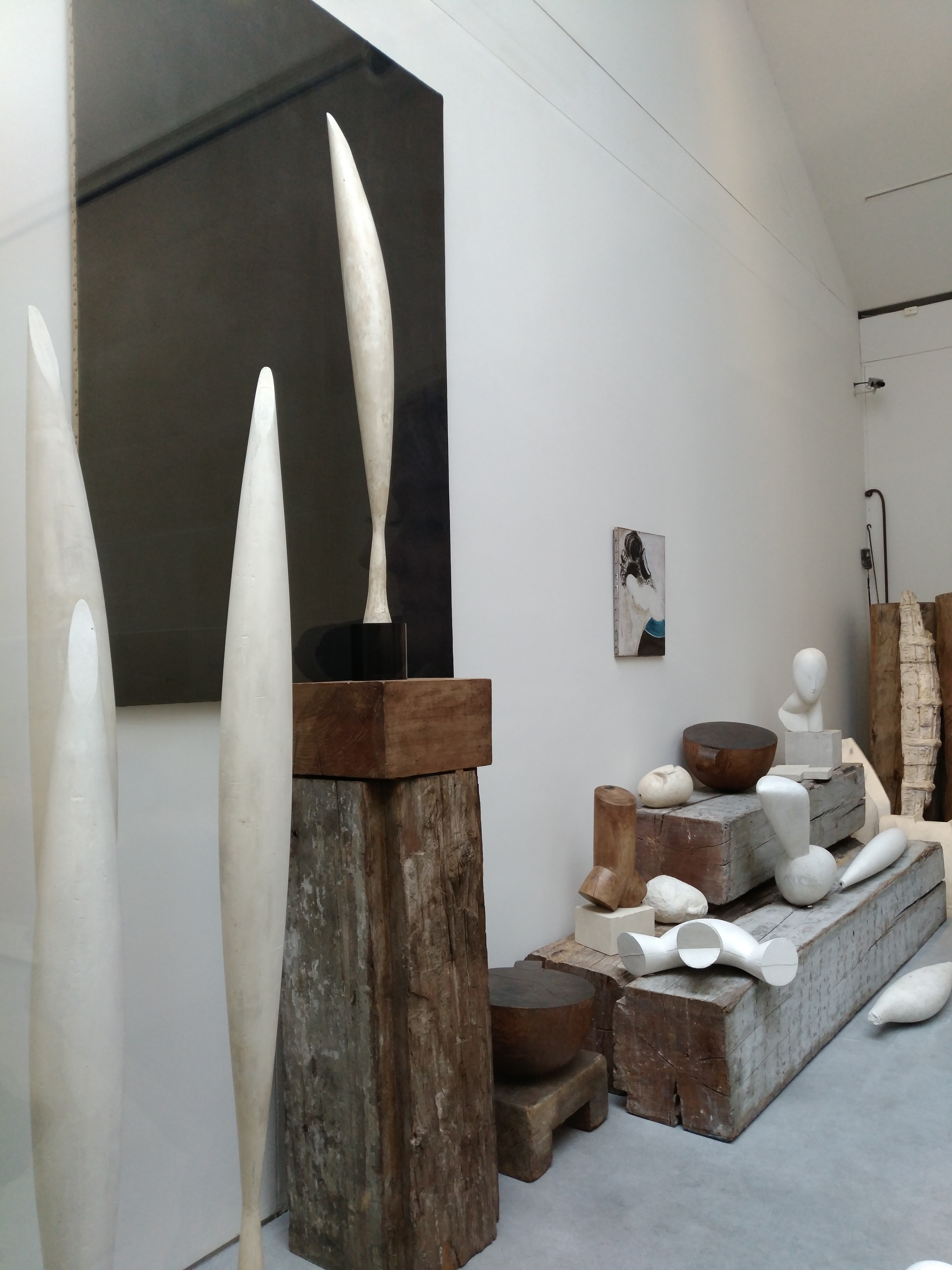
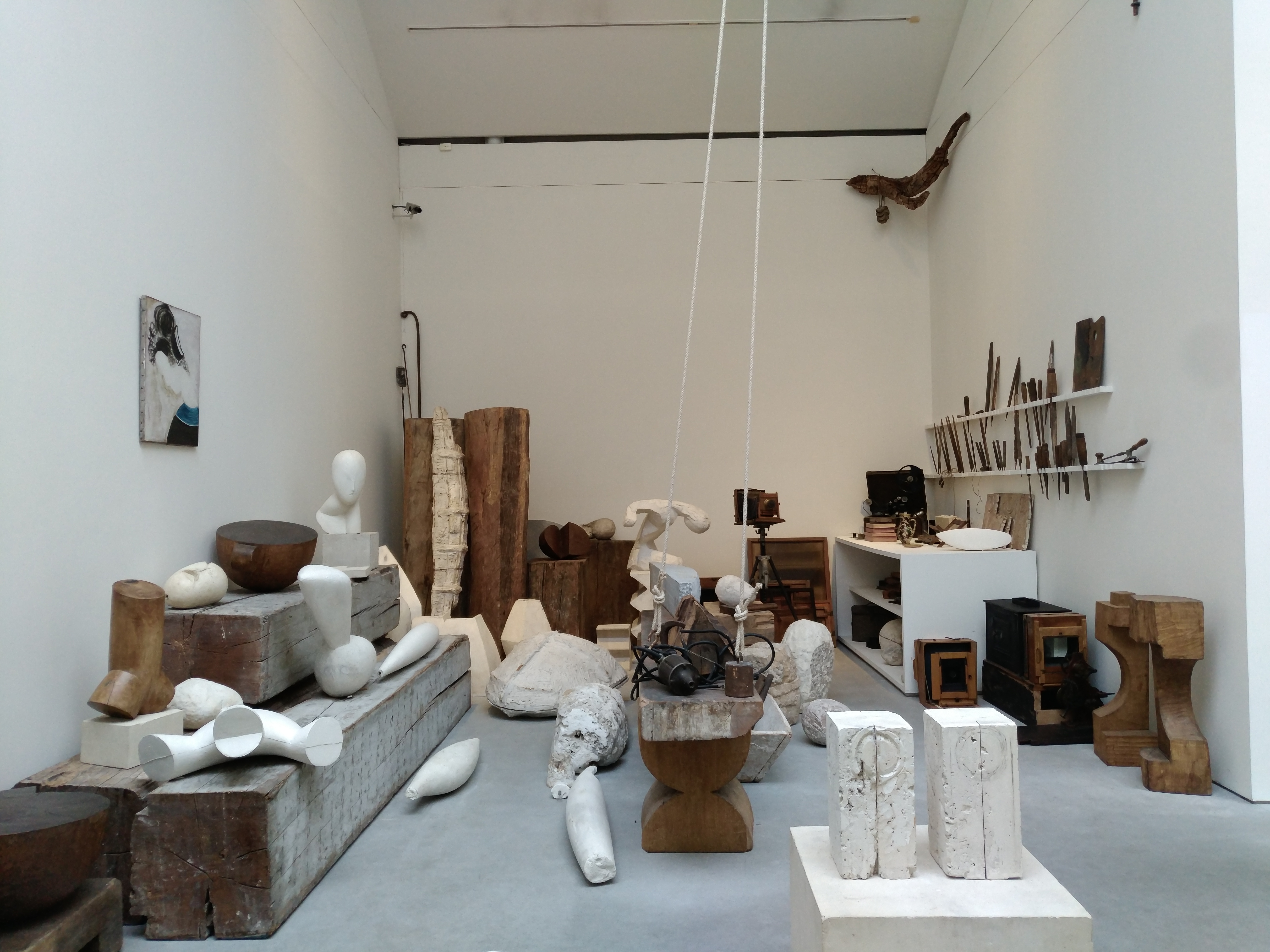
One of the best (free) places to visit in Paris is the studio of Constantin Brancusi. This Studio and all its contents was left to the state of France by Brancusi after his death on the condition that it should be kept complete and on show. First it was located in the Modern art Museum at the Avenue Wilson, but later it became part of the Centre Pompidou complex. A special building by Renzo Piano ( co architect of the Pompidou) was erected and in it the complete studio with all its magnificent art works by Brancusi was re created including all his tools and equipment what makes it the complete setting as it was and gives excellent insight in the proces of creation. 30 minutes is all you need for your visit, but the memory will last a lifetime and to keep this alive there are the books available at www.ftn-books.com
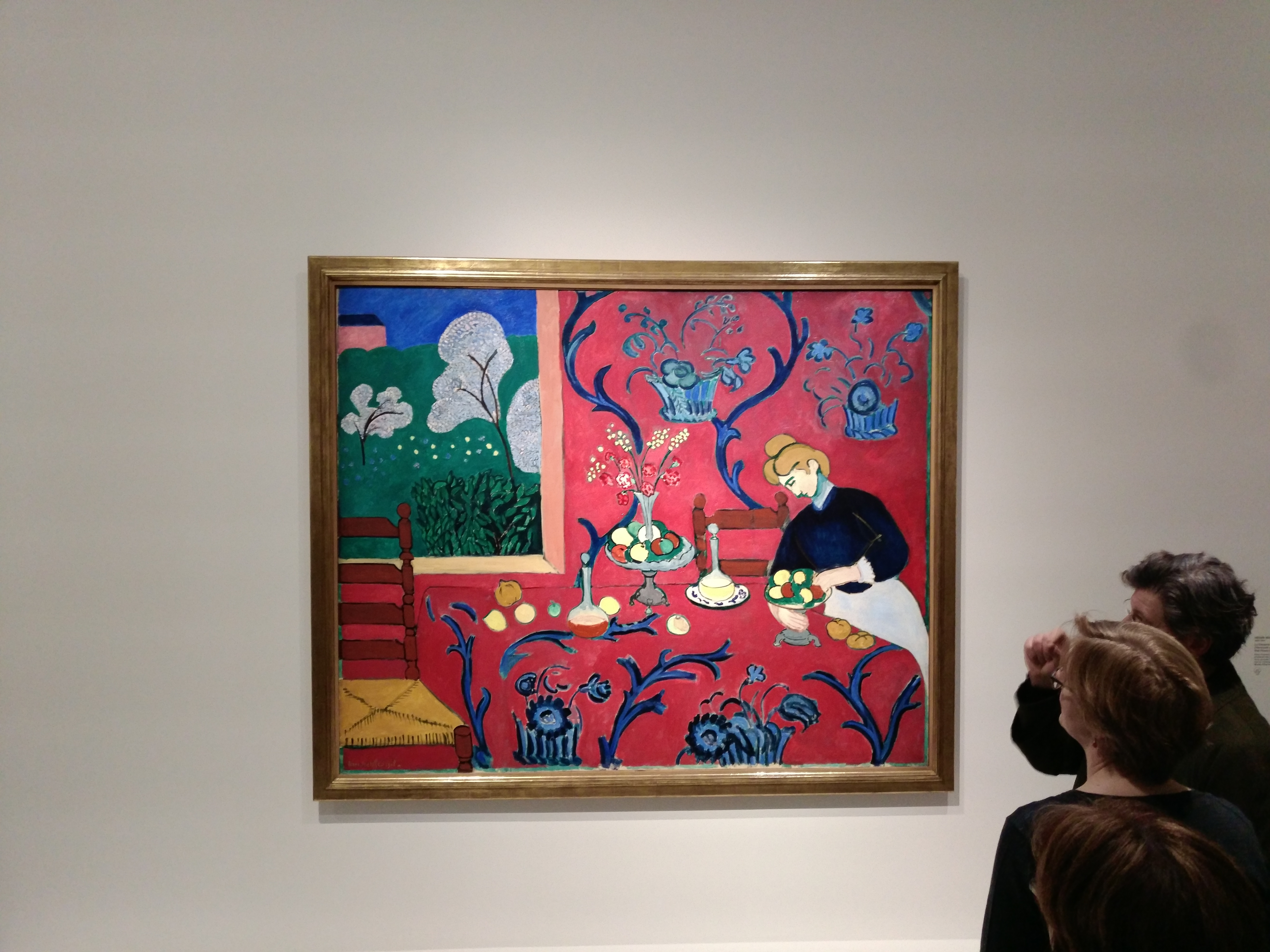
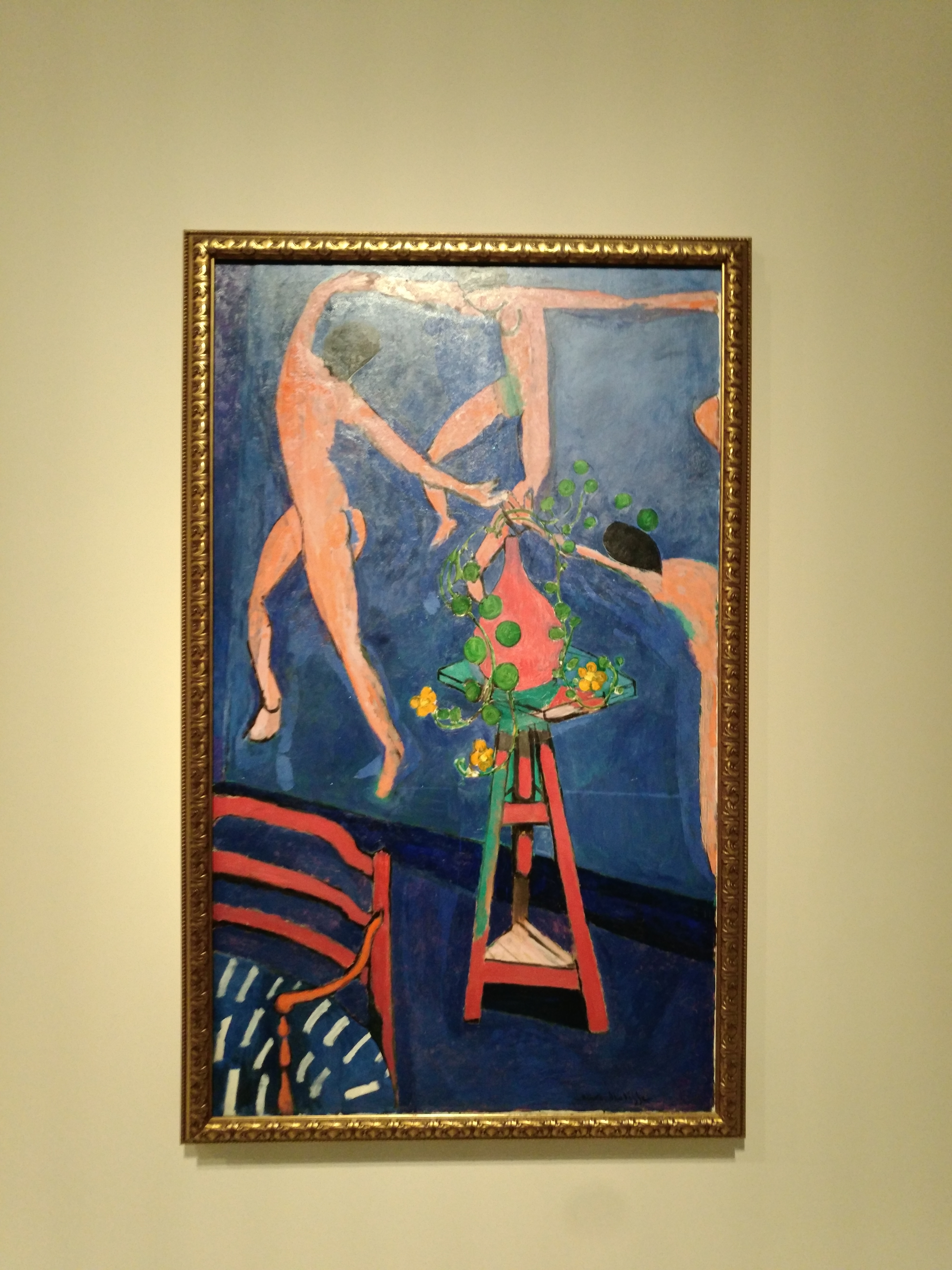
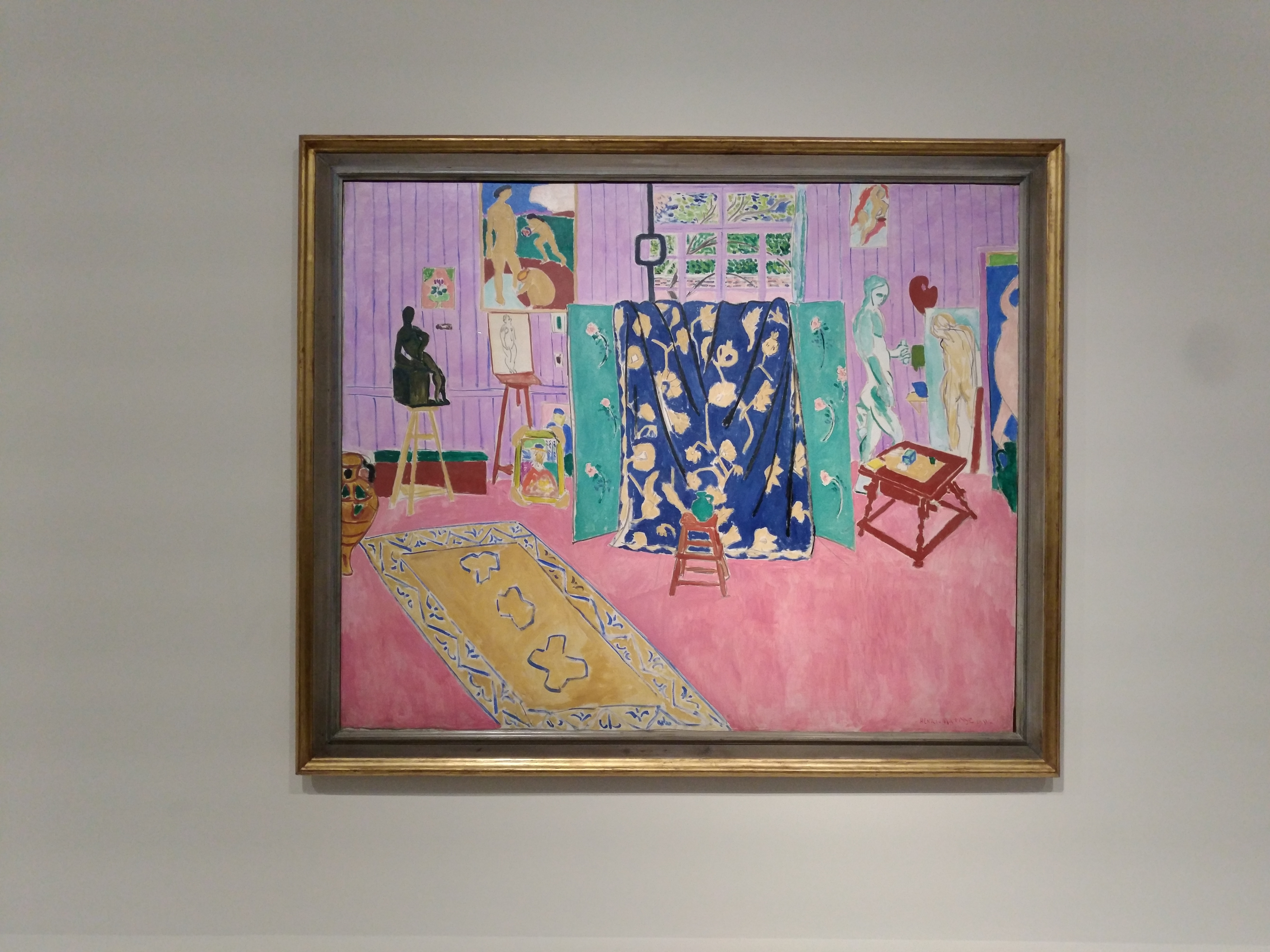
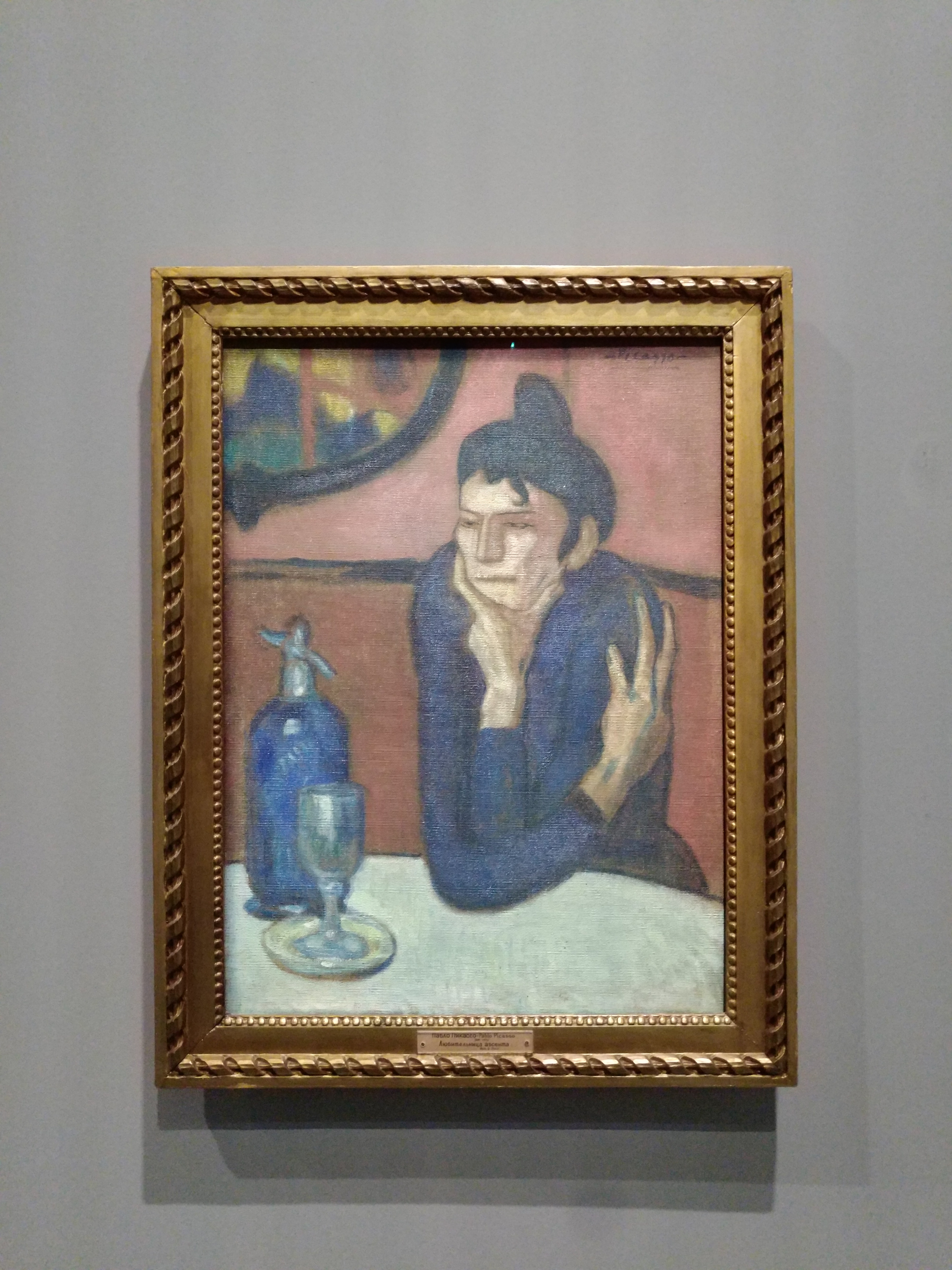
And there we were at the Fondation Louis Vuitton for the Chtchoukine collection…..
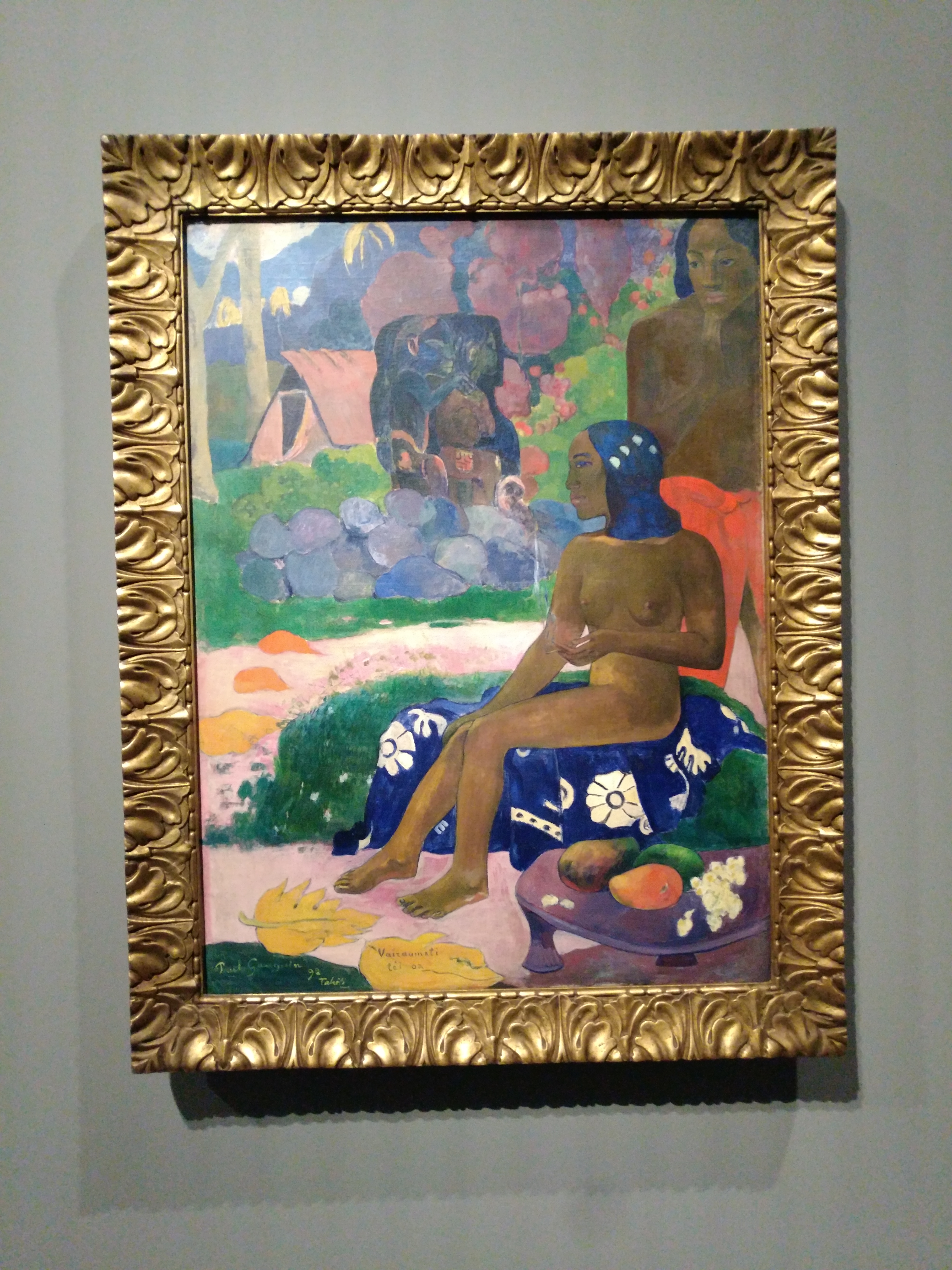
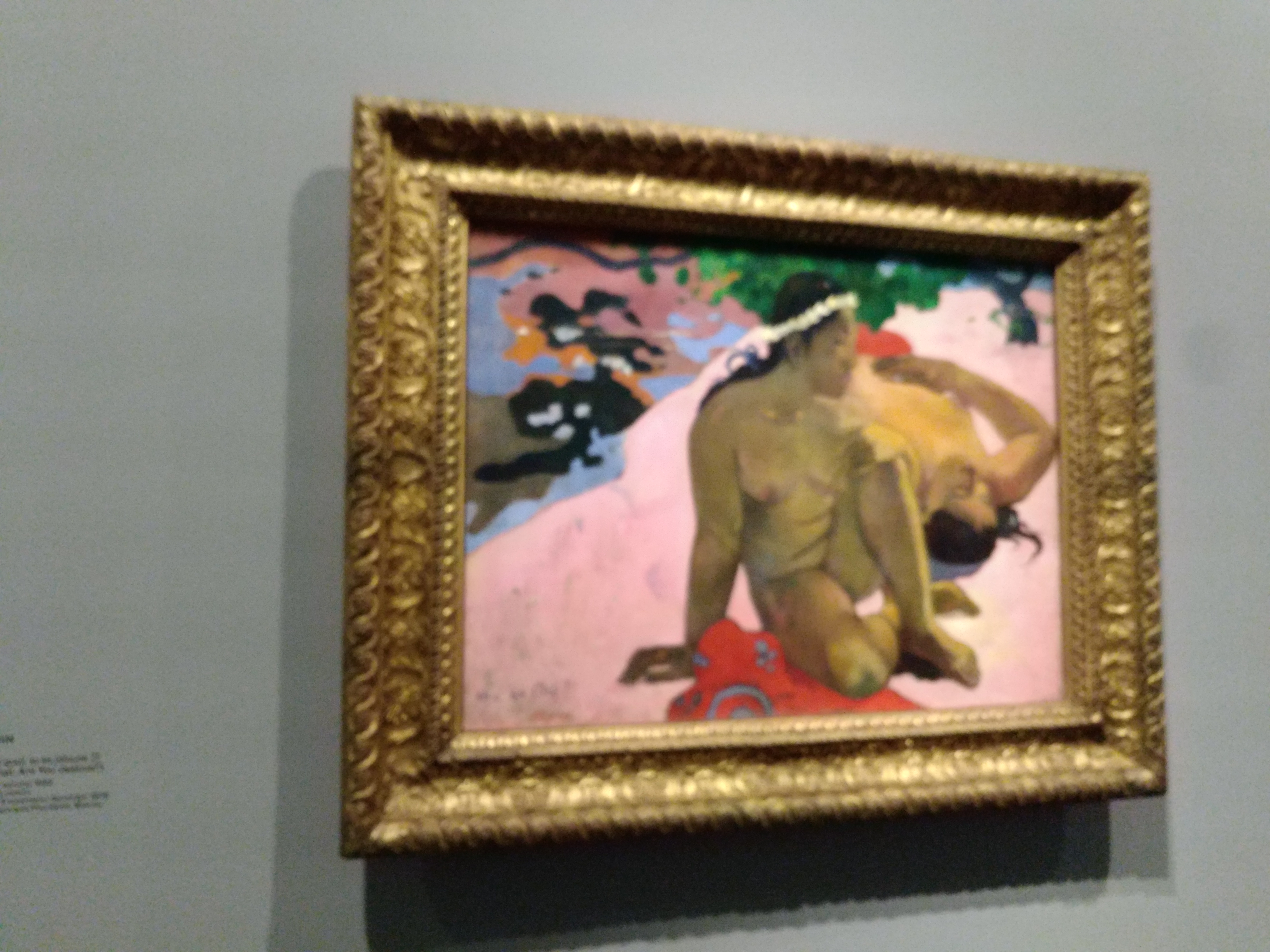
Linda, David , Monica and myself were looking forward to visit this exhibition. What could we expect? Great Picasso’s, the best Matisse paintings, iconic Monet’s. and all in one exhibition …to see this must be a fantastic experience. Some of them i had seen before, like the Gauguin’s in the Beyeler and some even 100 times or more ,because these were in the Gemeentemuseum exhibition in 1996″ FROM MONET TO MATISSE”.
Monet tot Matisse
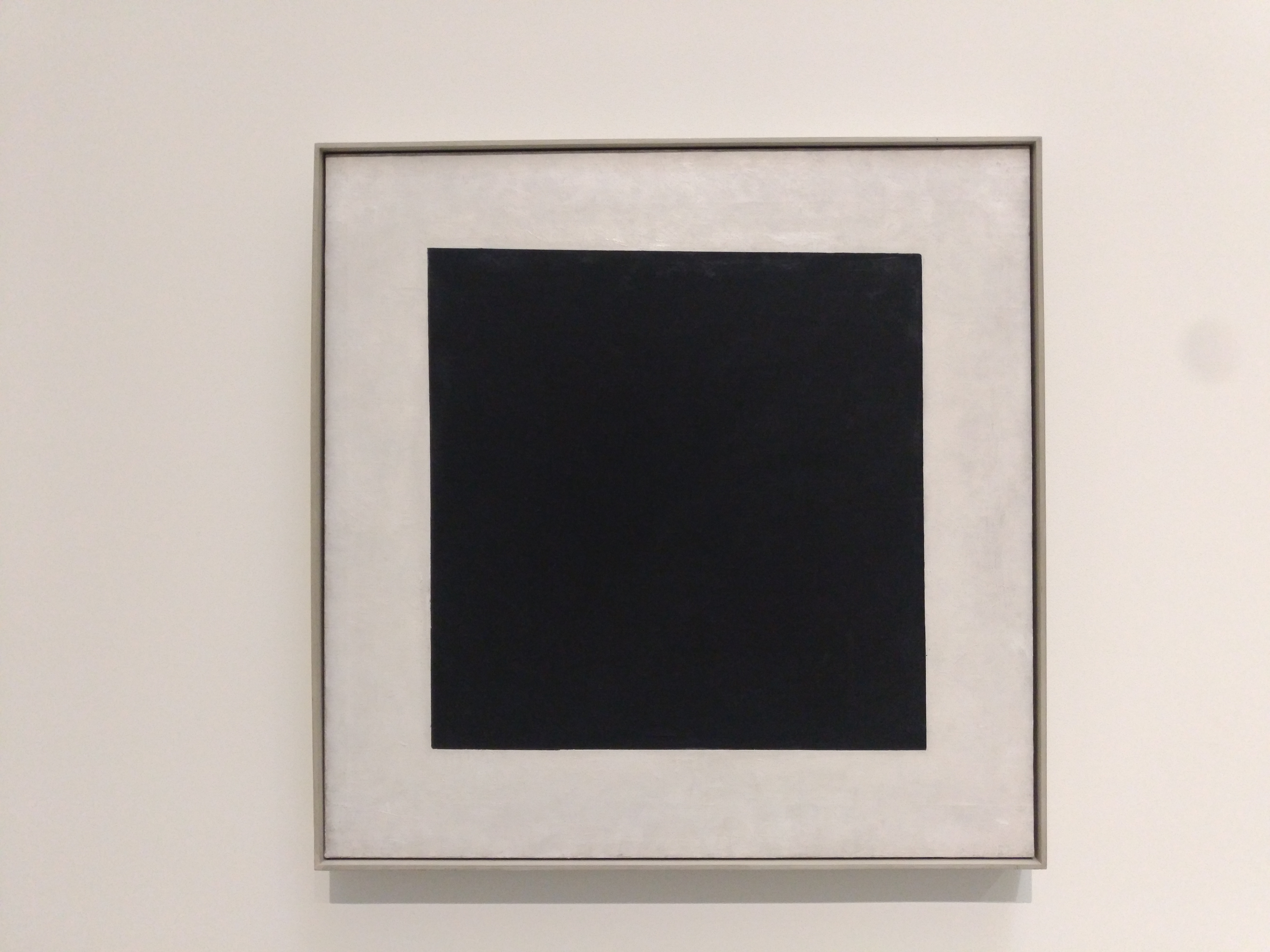
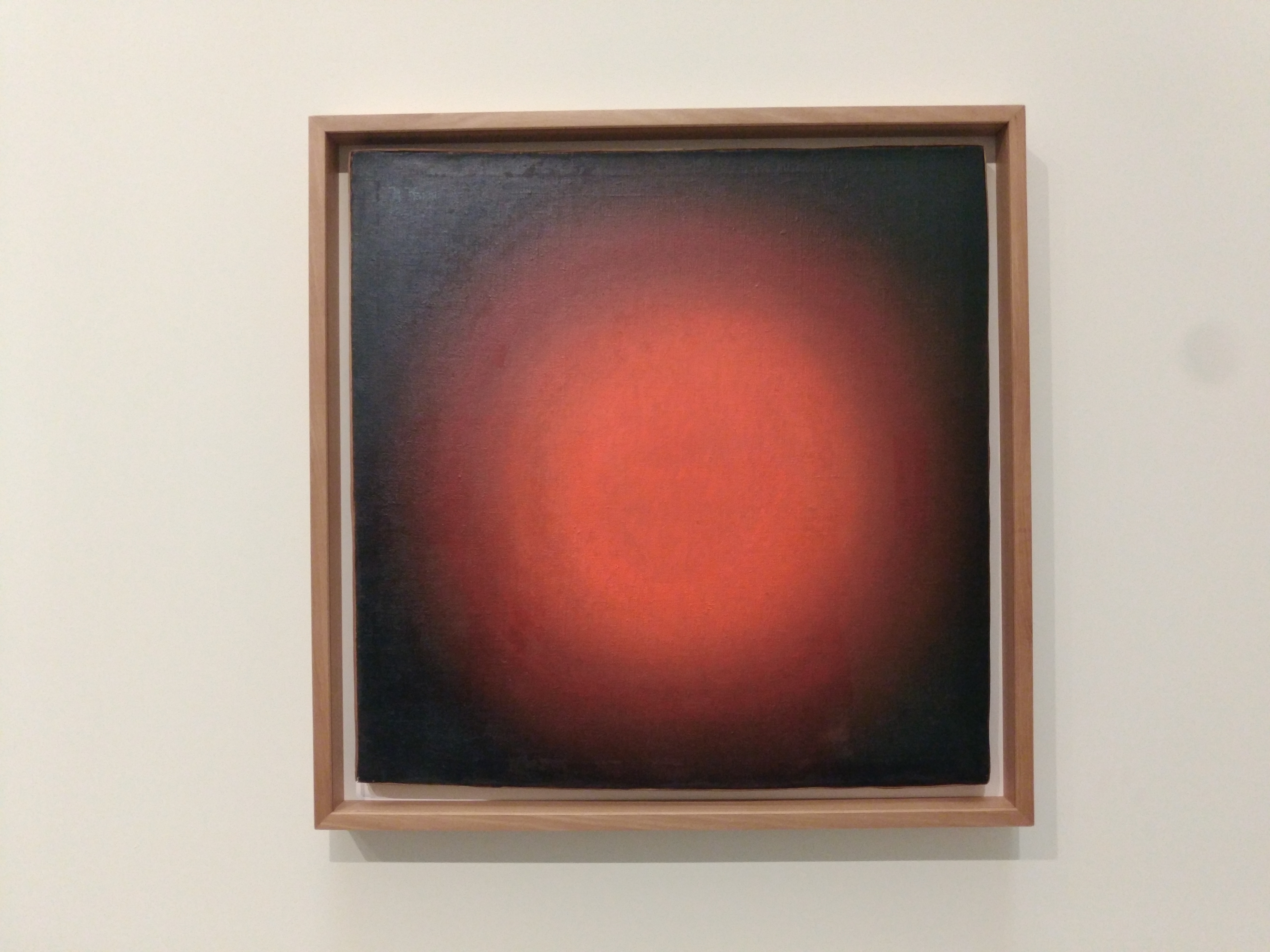
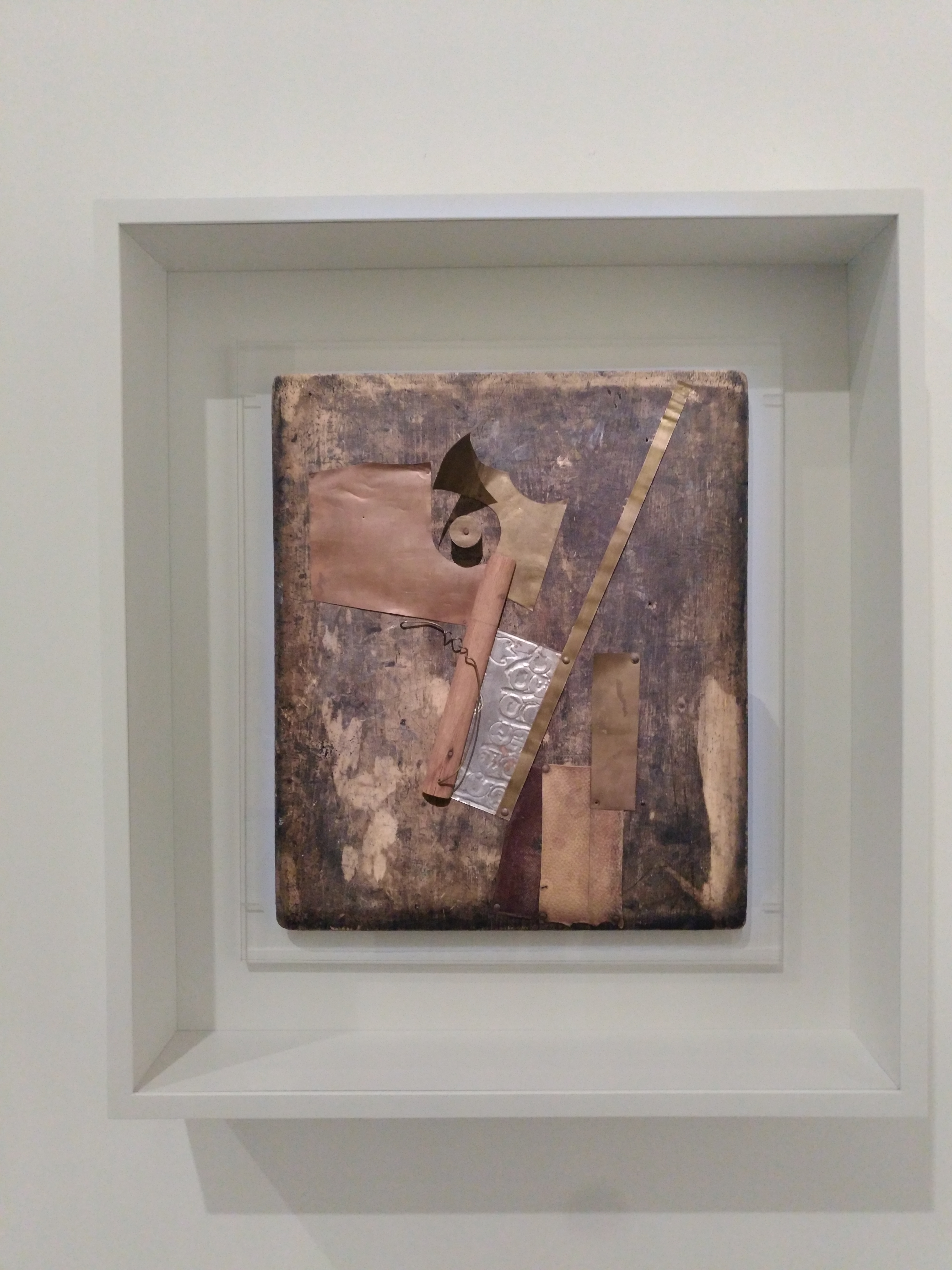
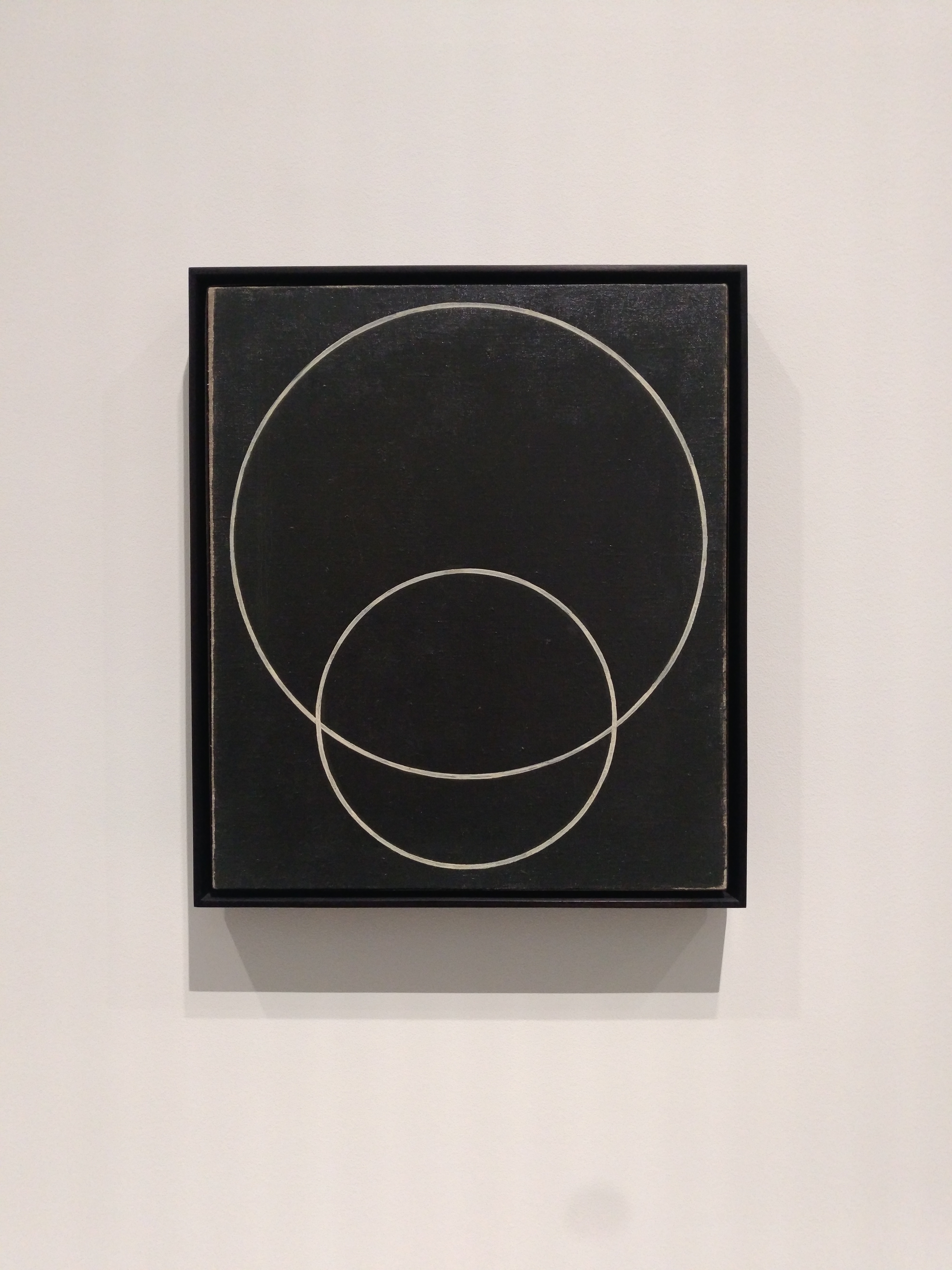
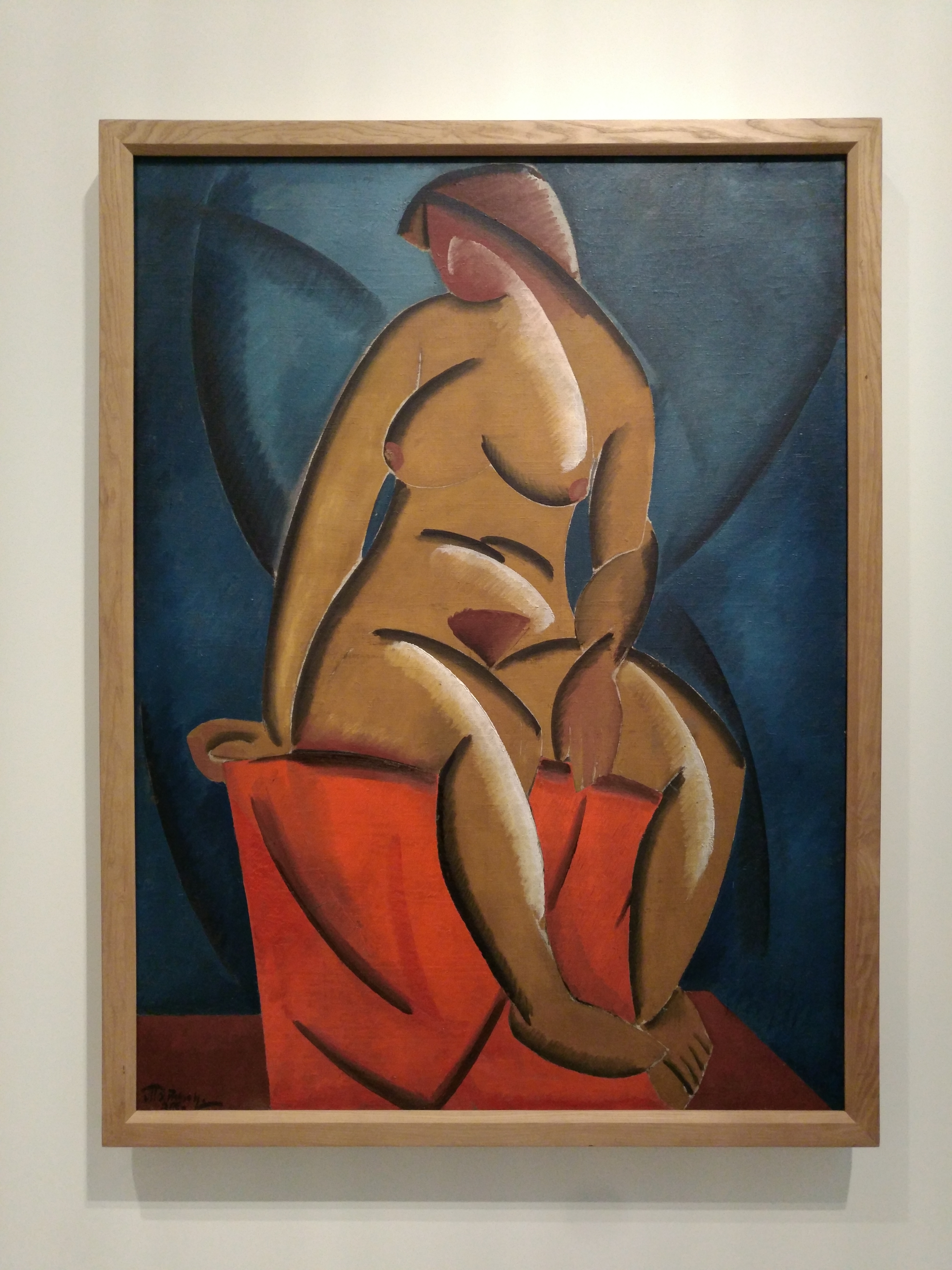
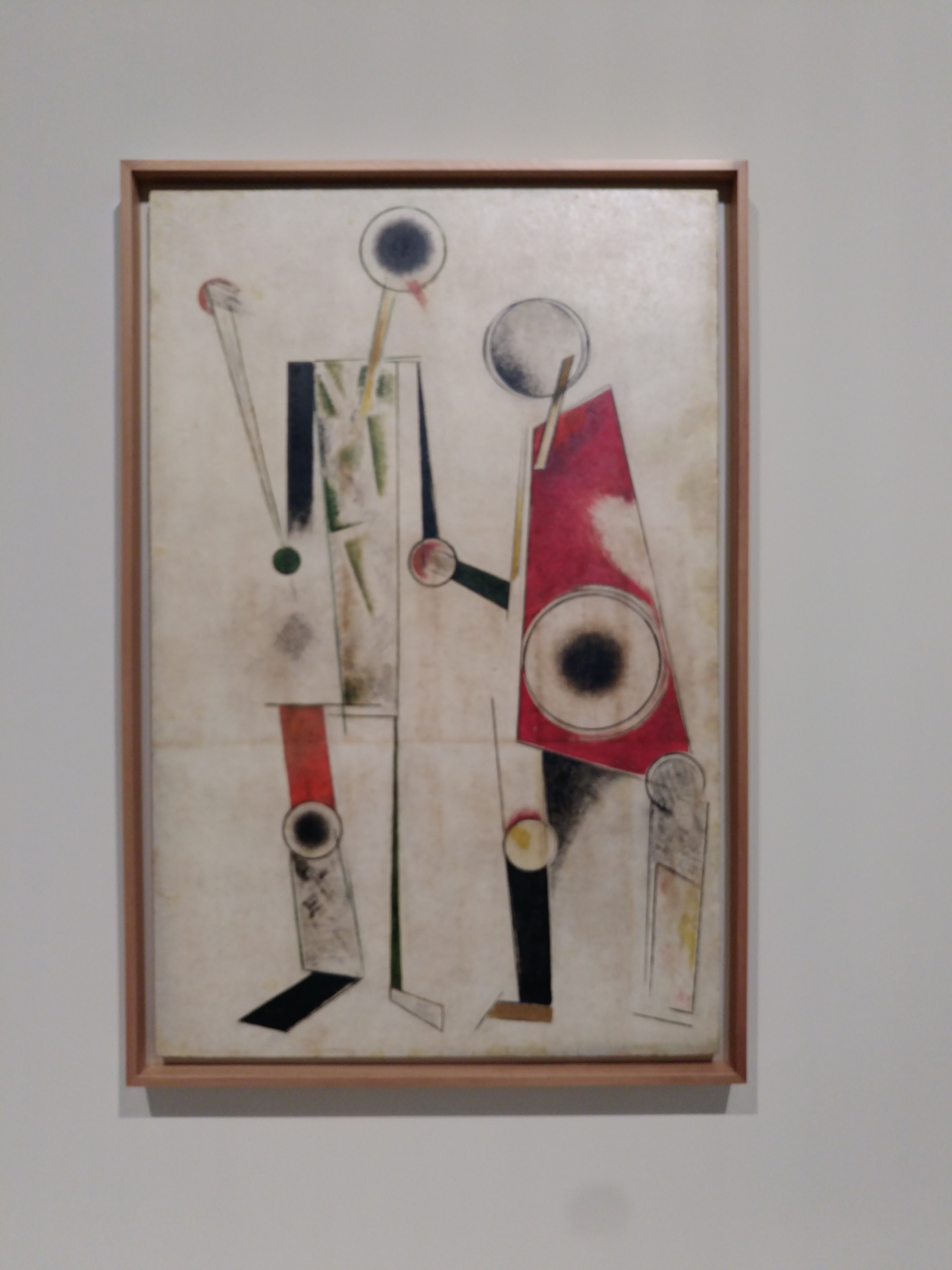
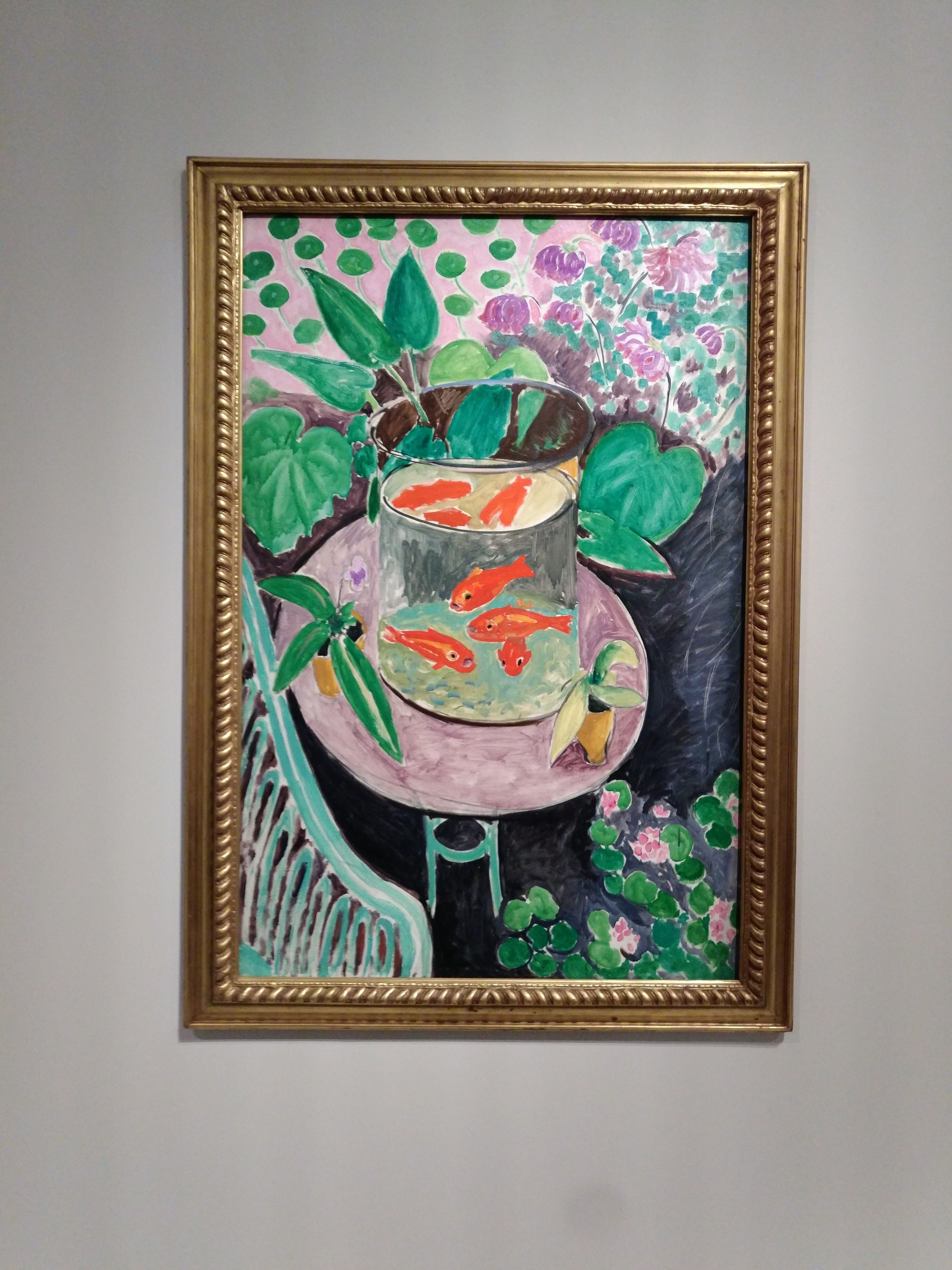
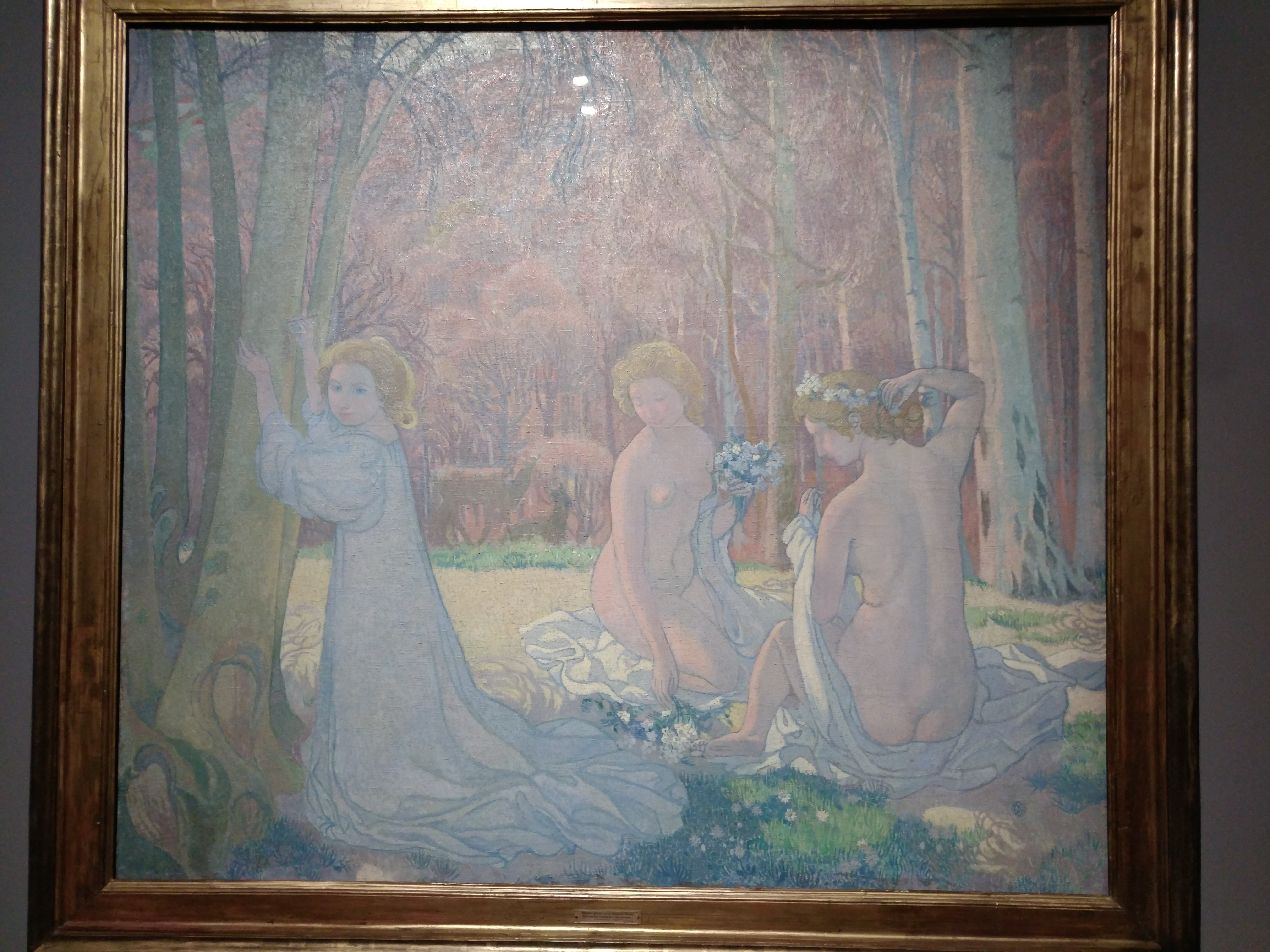
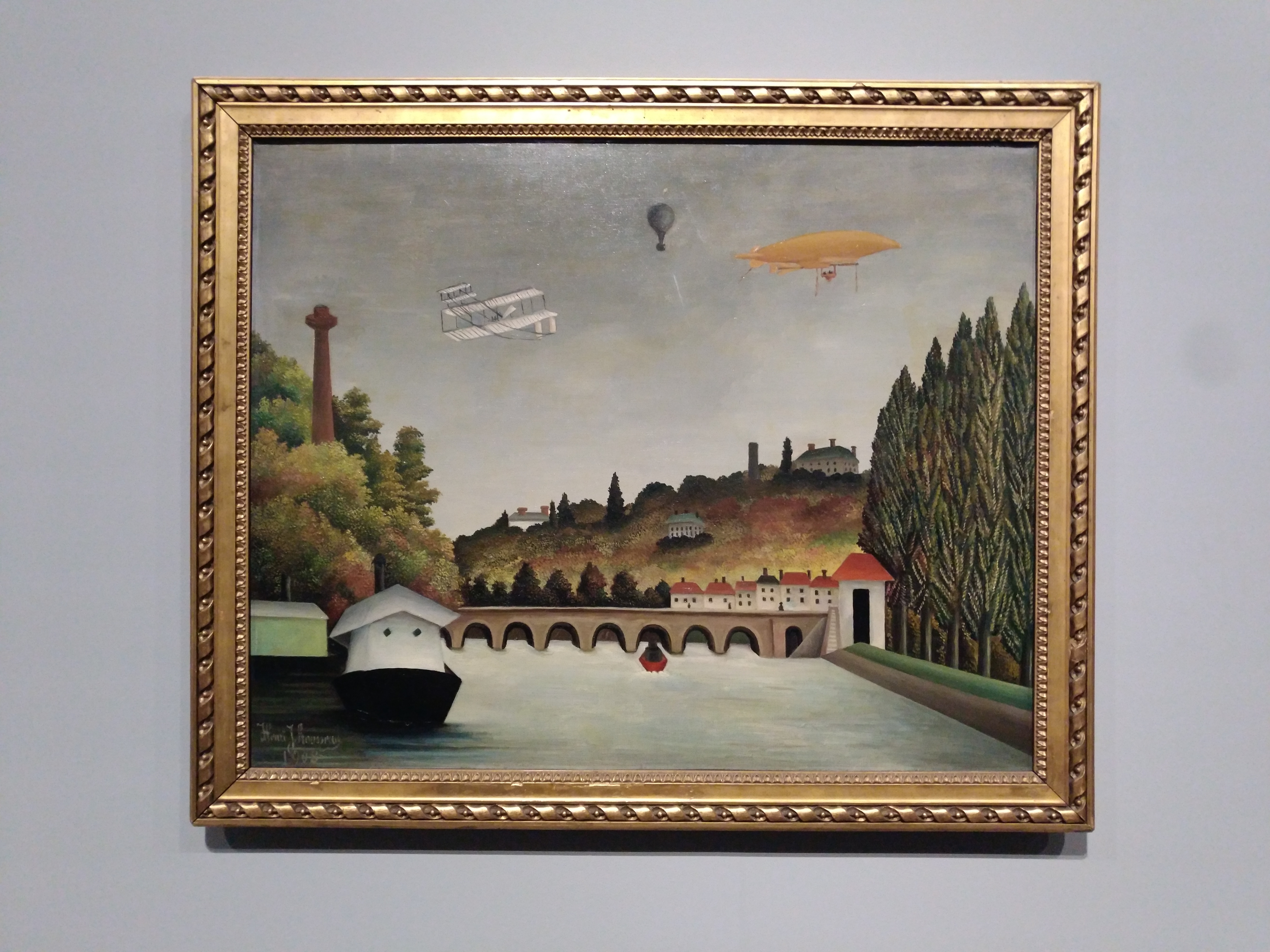
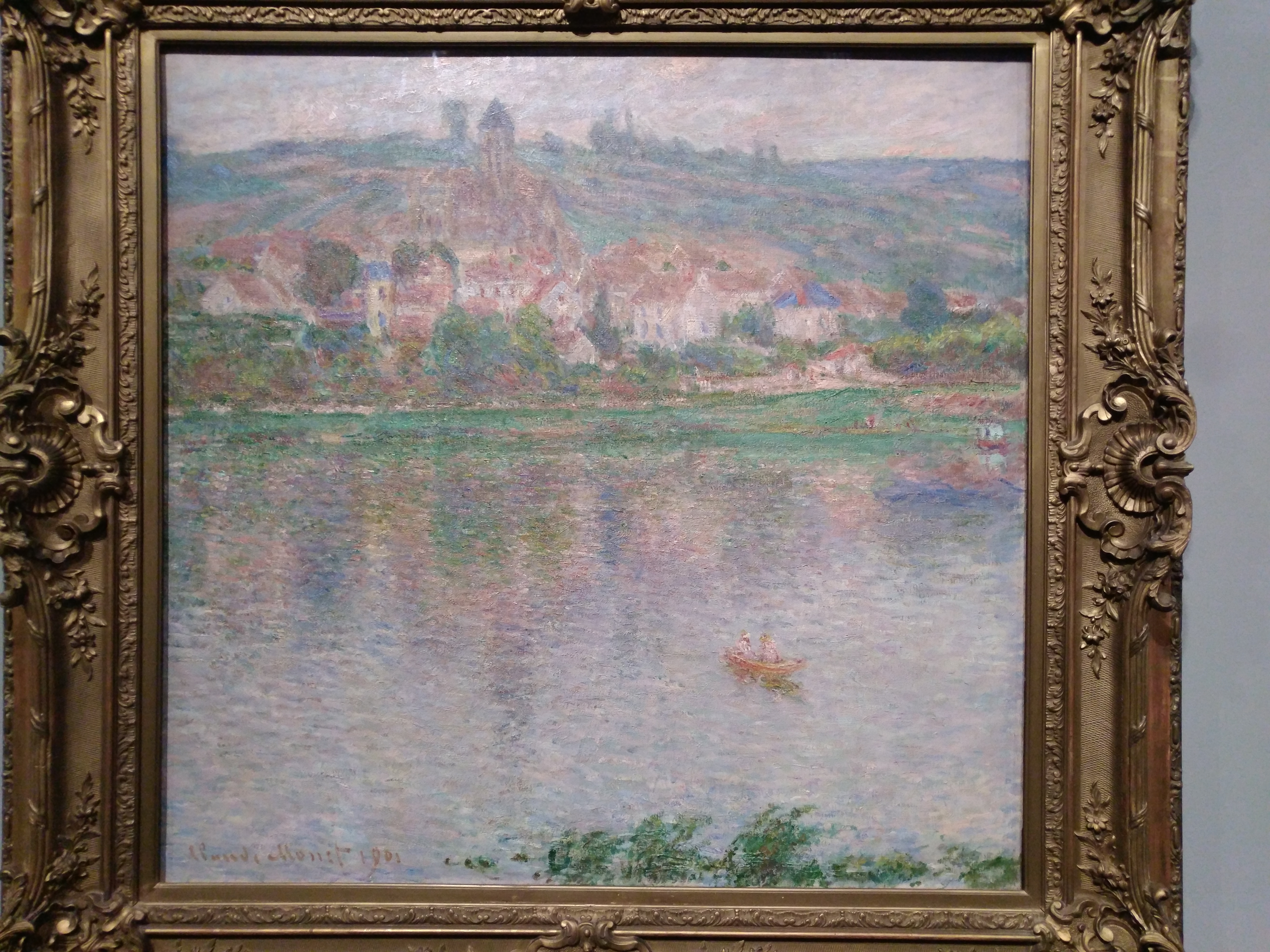
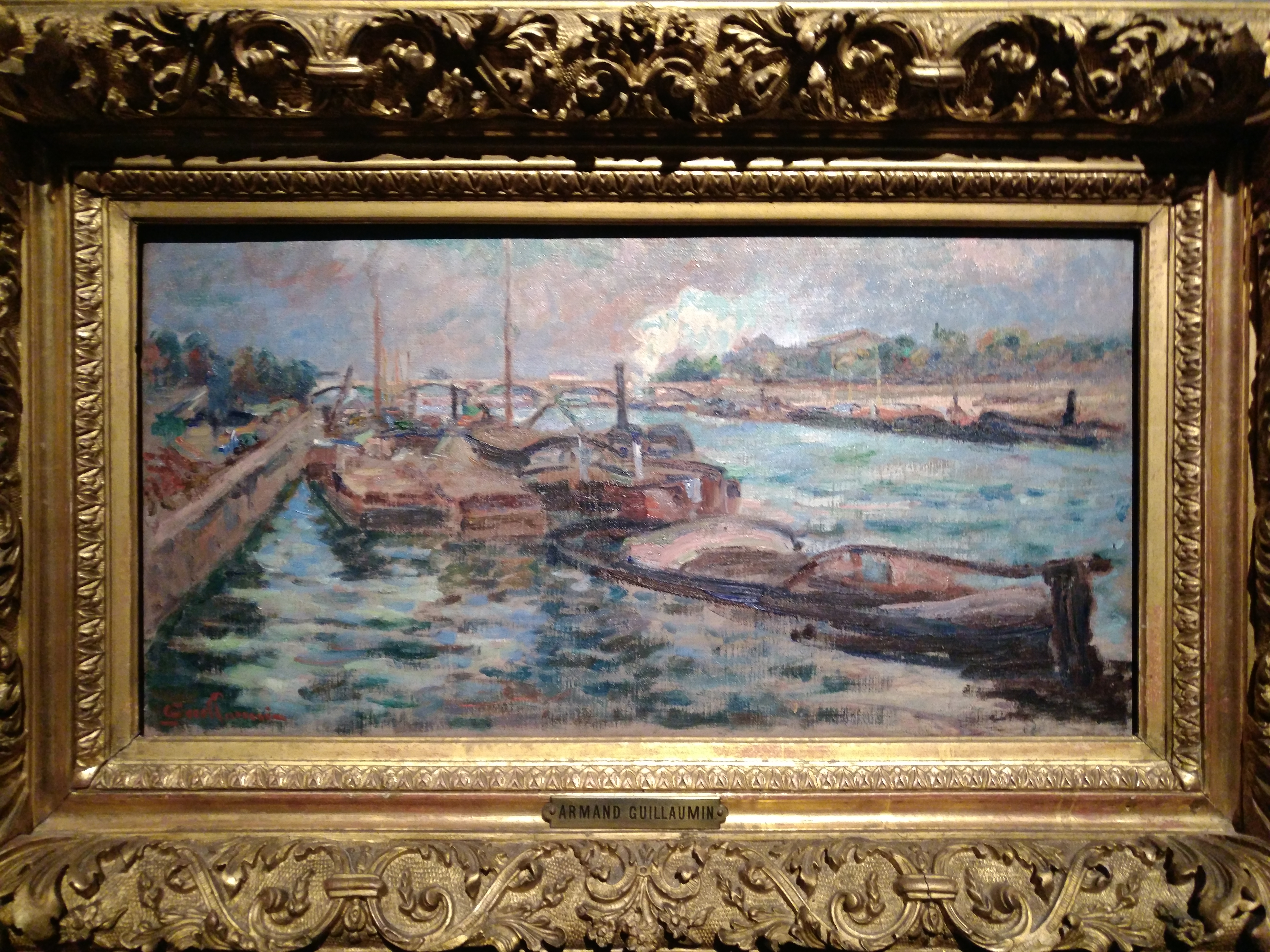
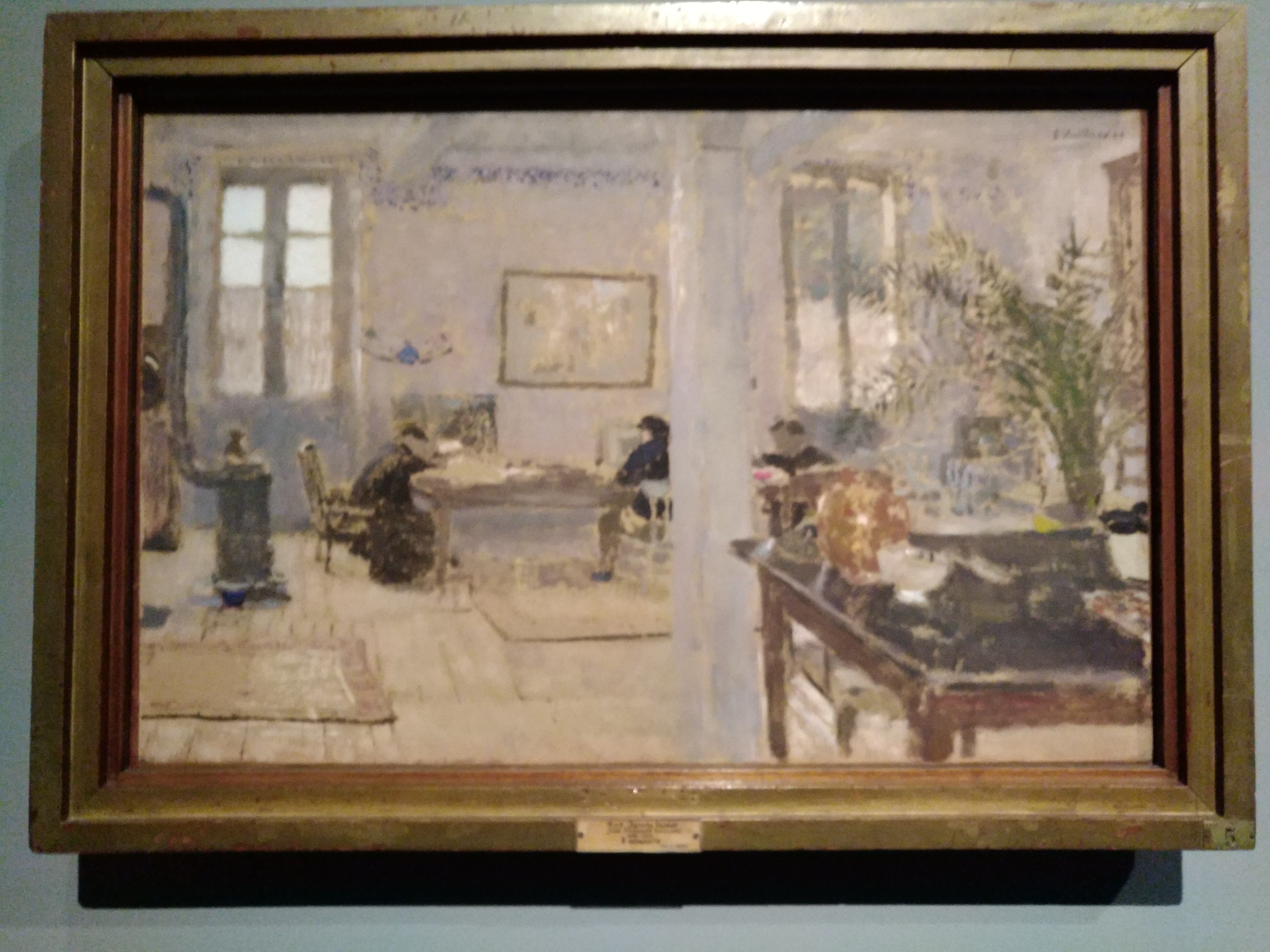
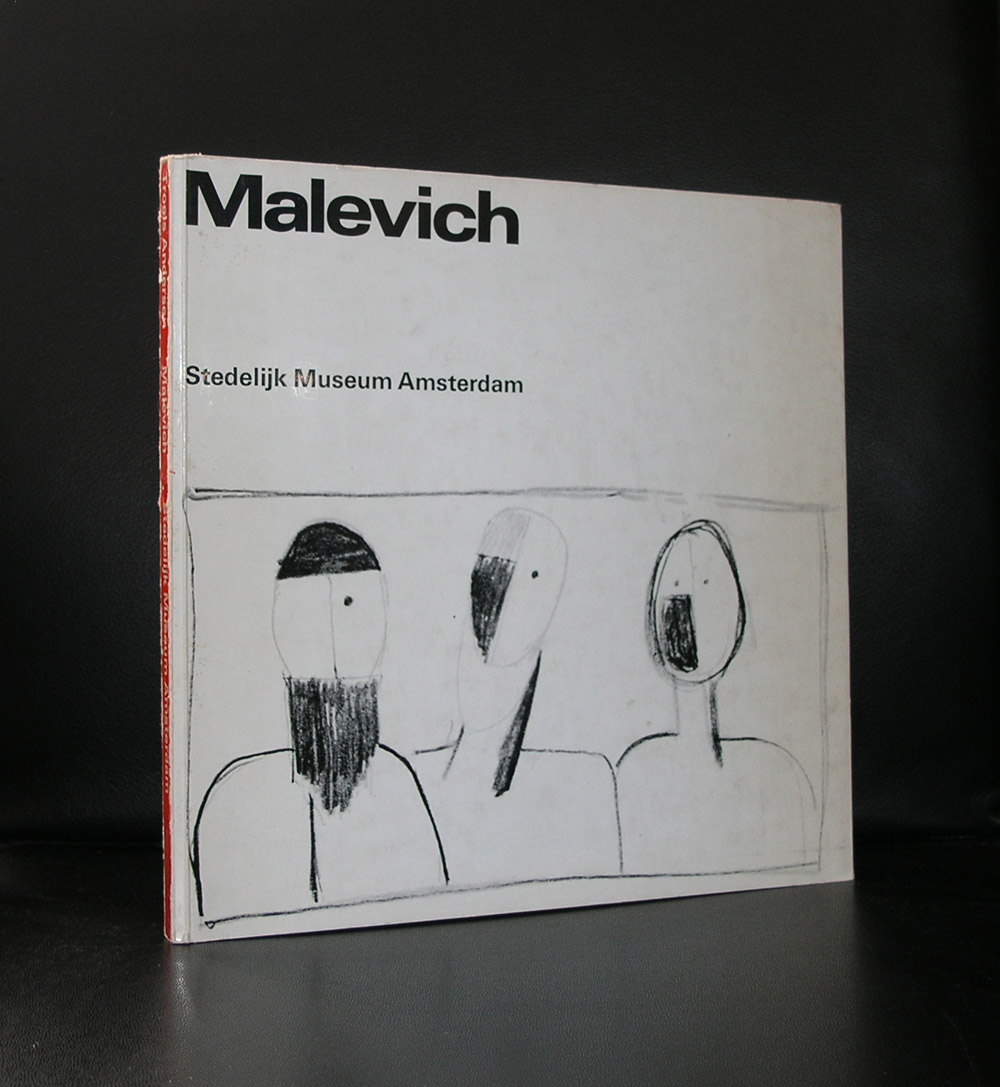
The bowl with gold fish by Matisse is such a painting, but it were the lesser known paintings that impressed me most. There was this magnificent small Rousseau in which one could see the early days of industrialization. Airplane and balloon prominently present in the painting. Furthermore there was this Maurice Denis with the subdued pastel colors. Looking like the dejeuner sur l’Herbe but in the Denis way and a beautiful, very impressive Picasso of 3 Nude Women. But the best was at the end . The part where you could see Chtchoukine had a very good eye for the modern, because the Rodtchenko’s and Malevitch’s were the works in which you could see the transition into Modern Art.
Here above are my favorites from this exhibition and of course there are many books to be found on these painters in the inventory of www.ftn-books.com
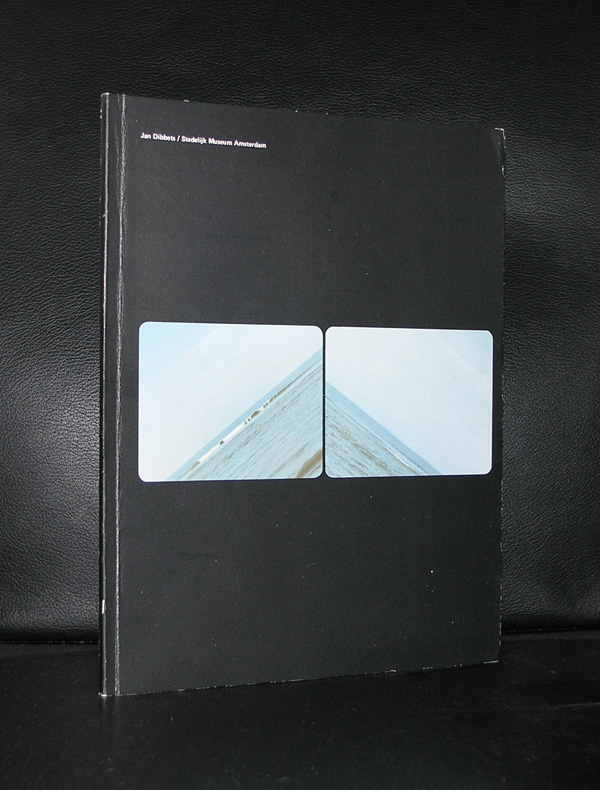
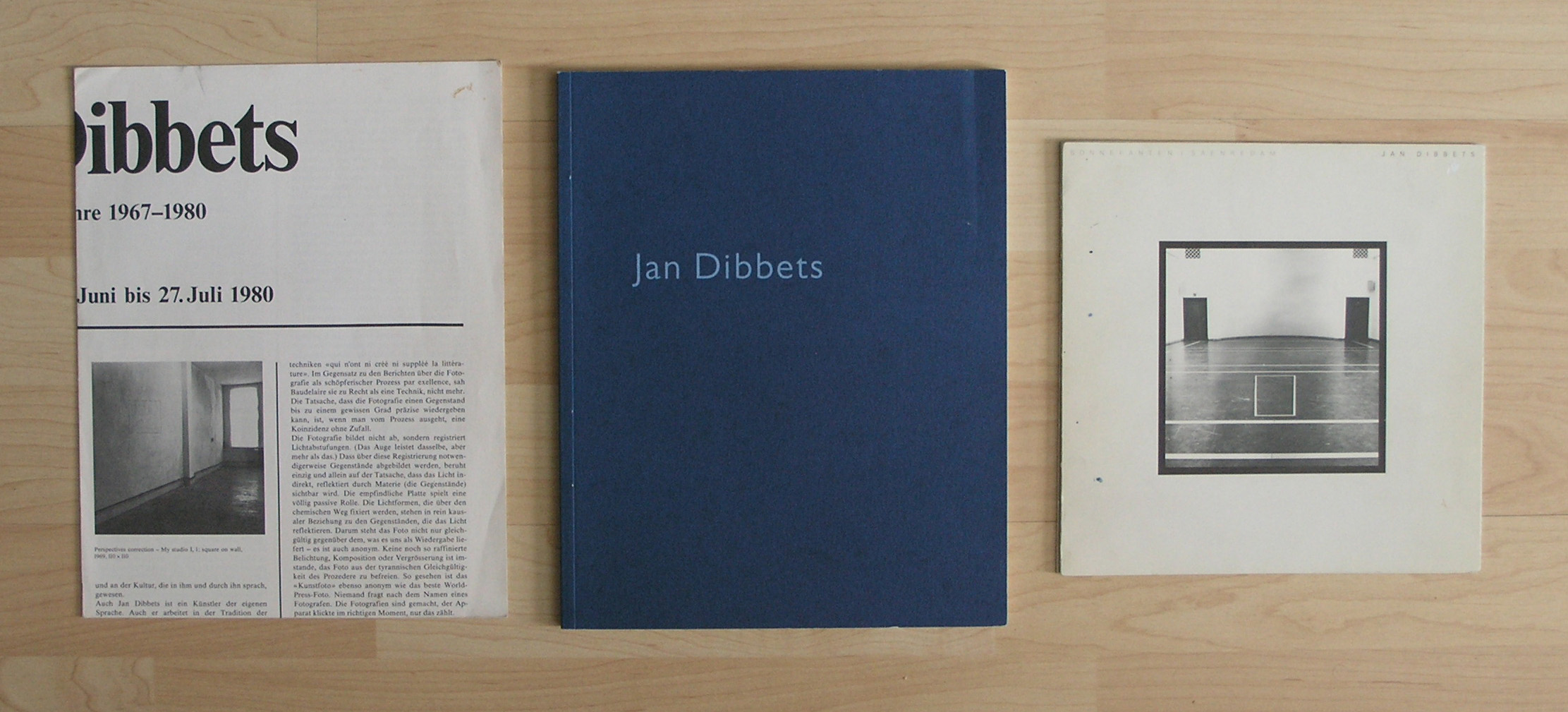
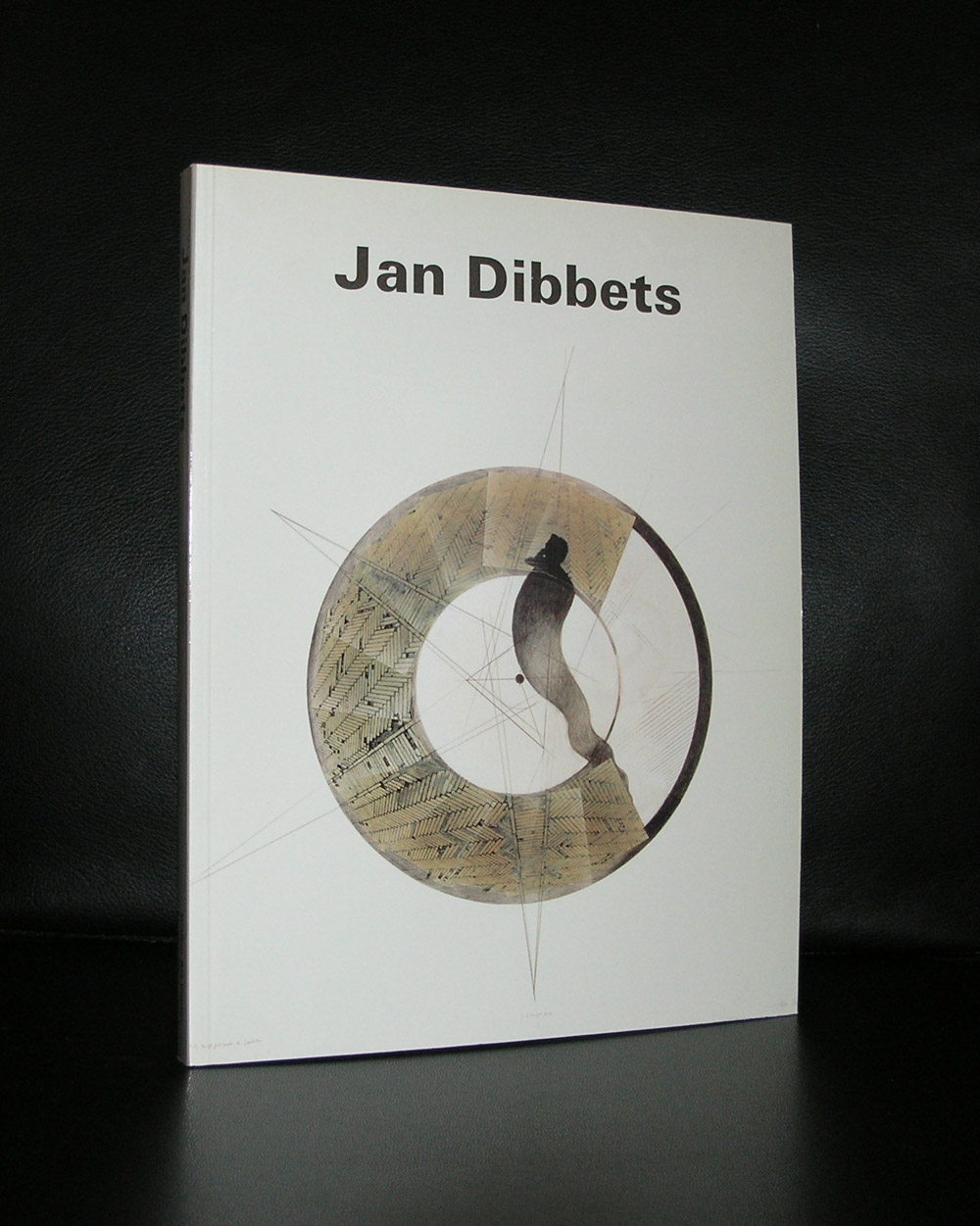
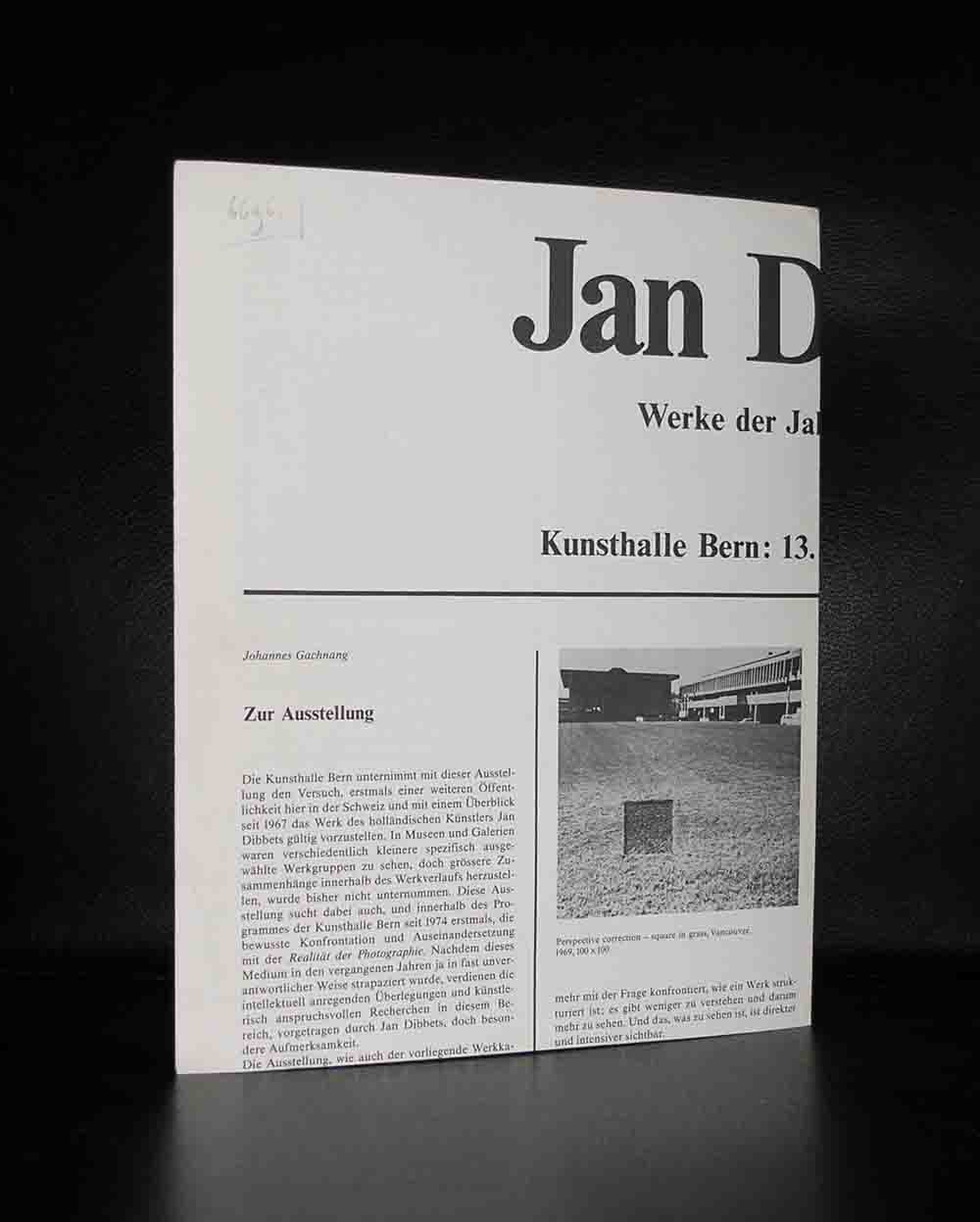
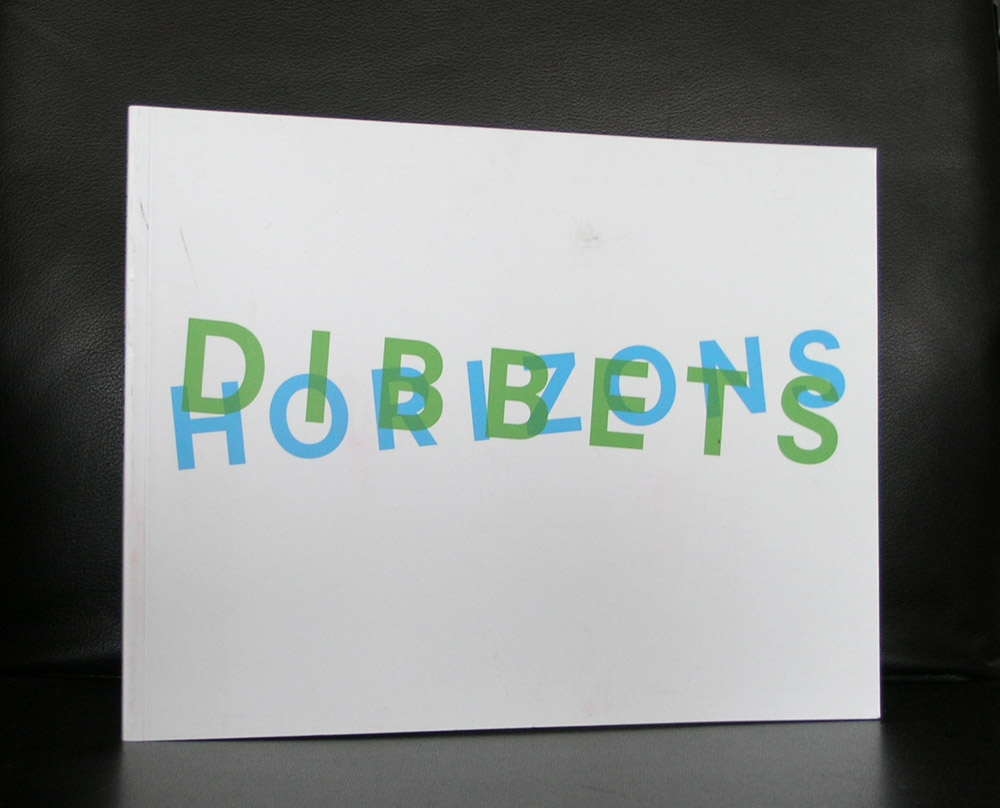
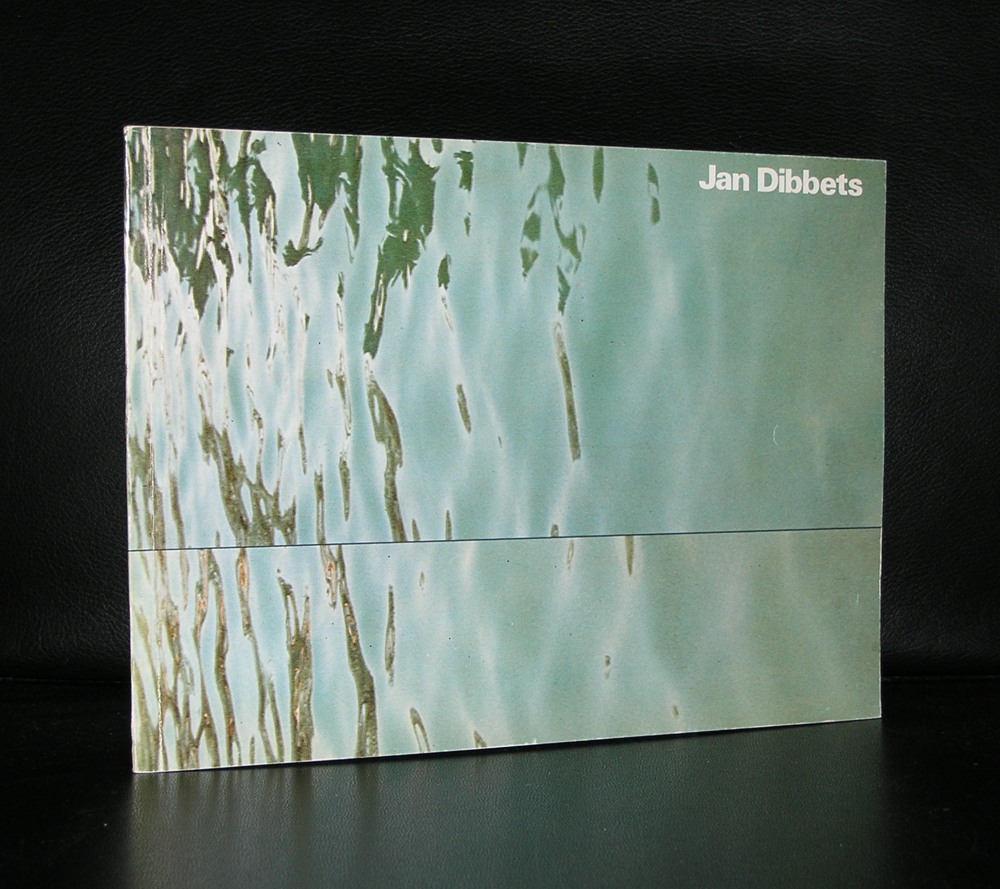
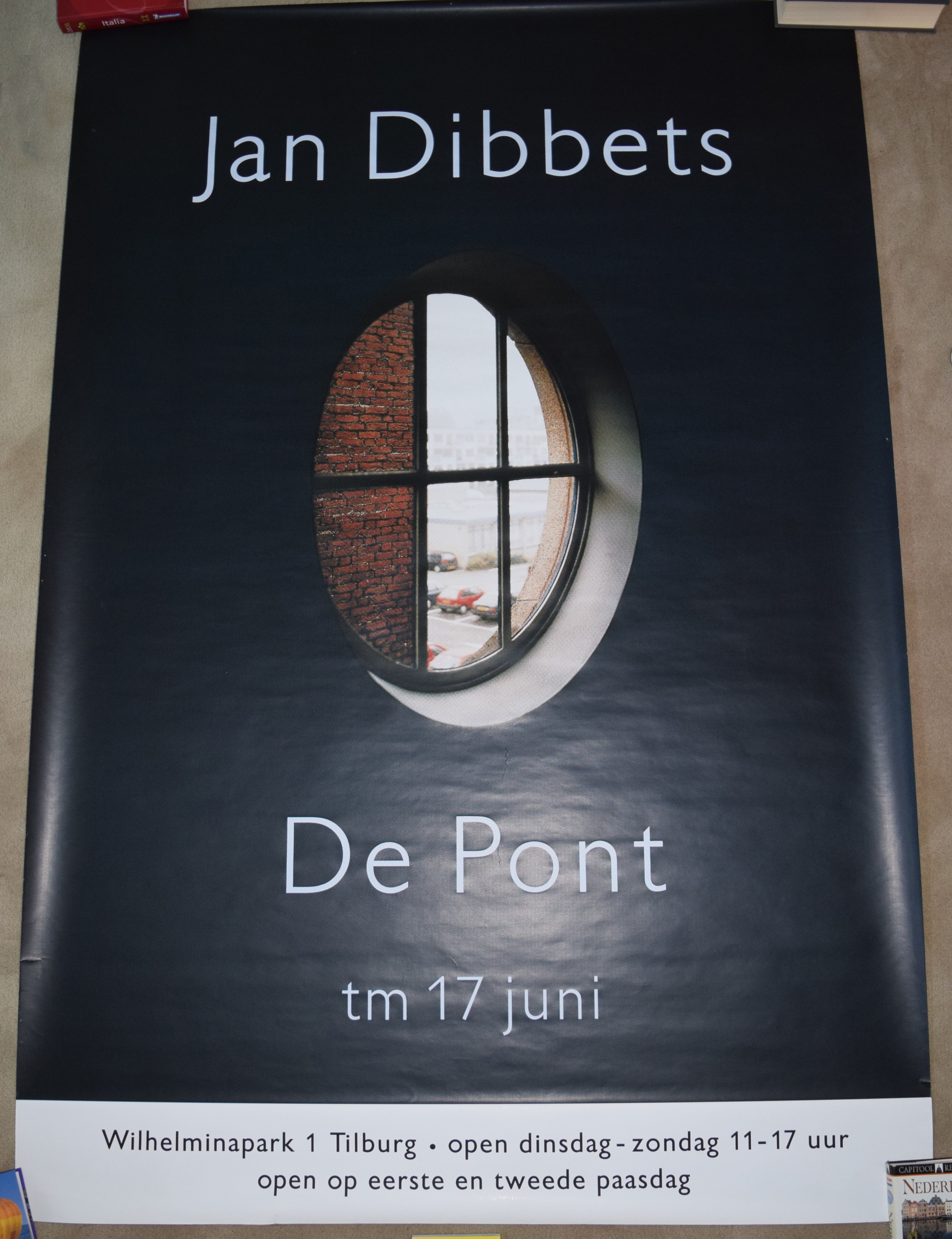
One of the first dutch modern artist i learned to appreciate and admire. Also an artist who has had exhibitions all over the world, so a nice selection of his publications is available at www.ftn-books.com
Conceptual artist in the beginning, he began to alter perspectives with modifications of and cutting out elements from photographs and with these new elements he created a new comopistion. A fascinating proces resulting in practically all cases a new way of looking at an object, building or landscape.
Because i had to read something on Dibbets i encountered something i did not know before. Thanks to Dibbets , the republic of Albania has a small collection of Modern Art. When Dibbets visited Triana in the early nineties he noticed there was no Modern Art at all. He invited his artist friends to make a donation in art and 57 of his friend donated one or more works to start a collection of Modern Art in Triana. Dibbets himself coordinated the transport and thanks to Dibbets, Triana now has its own collection of Modern Art. A great success and important to know that such a small initiative by an artist can give great results.
Last Saturday at De Rijk Fine Art in Den Haag a very exquisite small exhibition opened …name….Too Good To Be True…. and yes this is a small art dealer exhibition where all works shown are for sale and of a rare exceptional quality. Zero, Gruppo N and Minimal art all combined in one beautiful presentation and very well worth visiting, because such an excellent selection of works is rare.( I have never seen so many Dadamaino’s in one place for sale ….so only for this fact visiting is a must.)
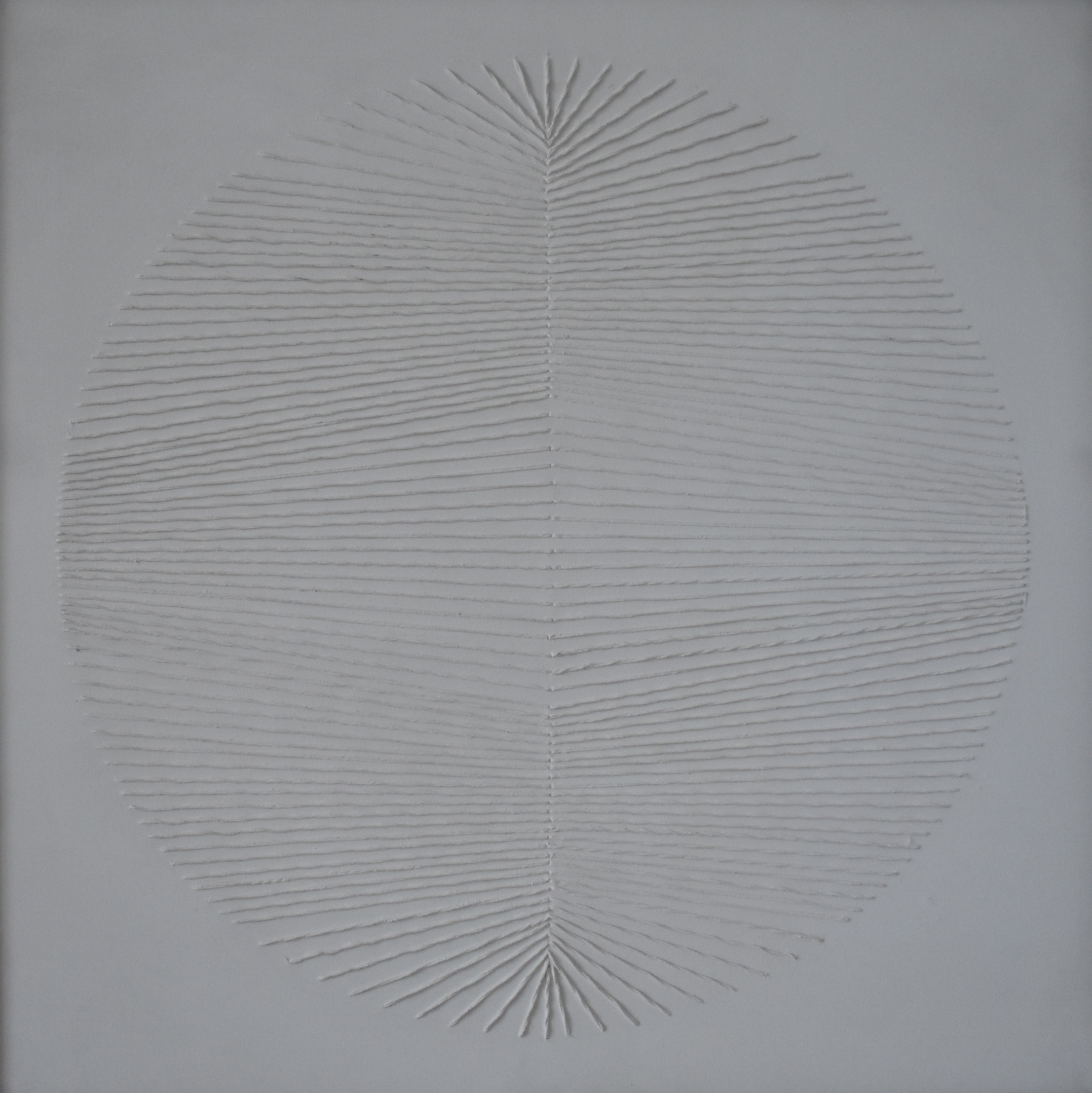
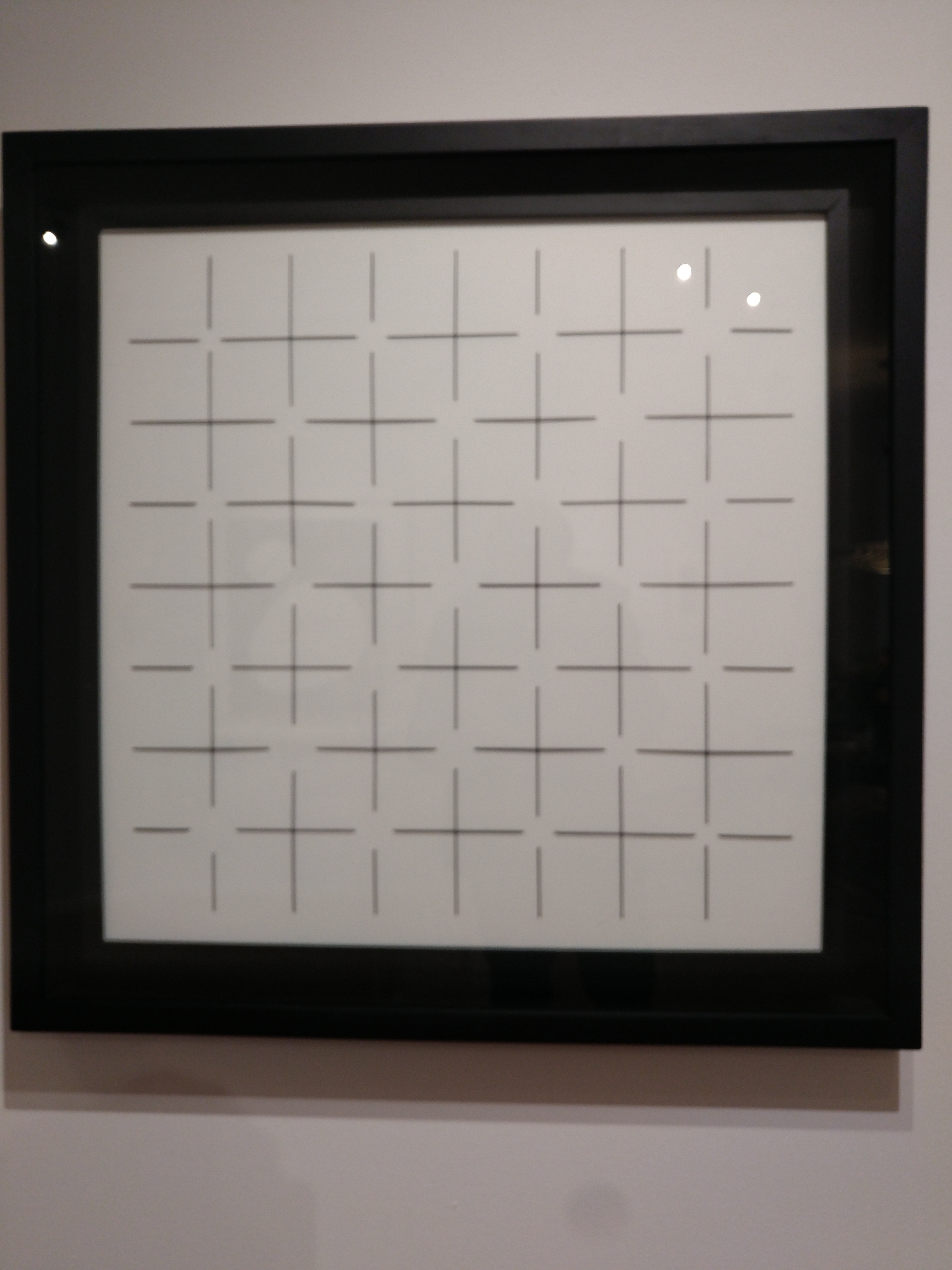
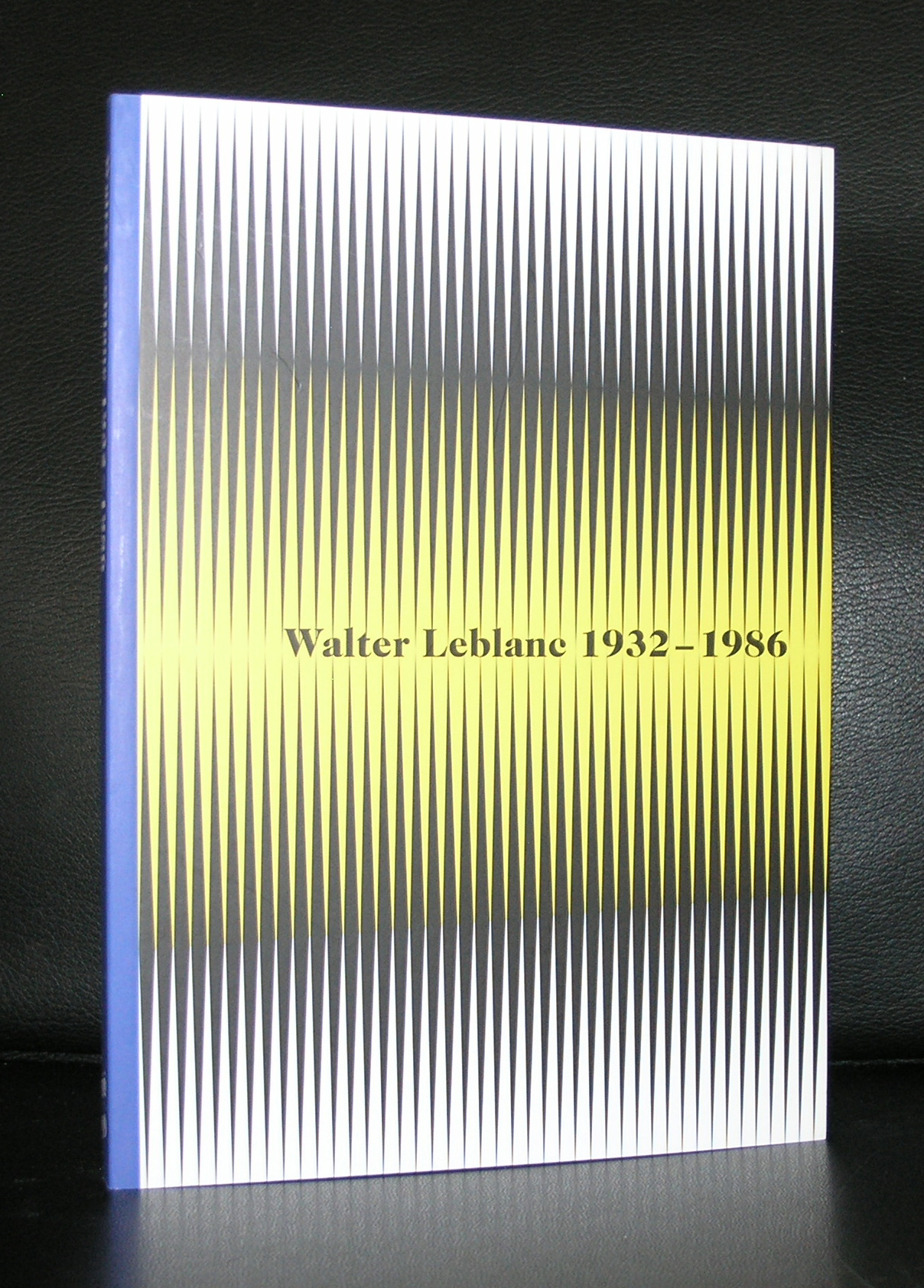
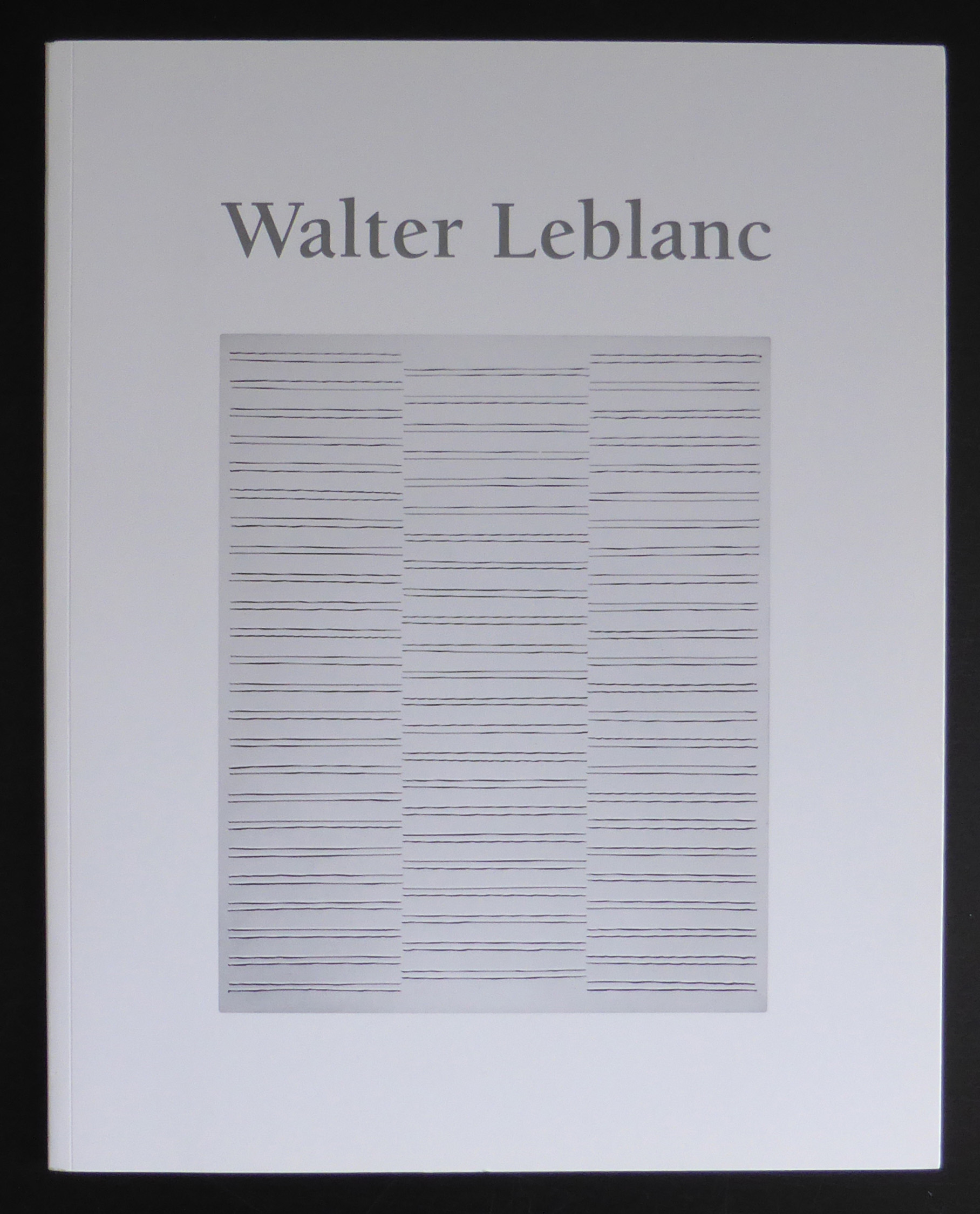
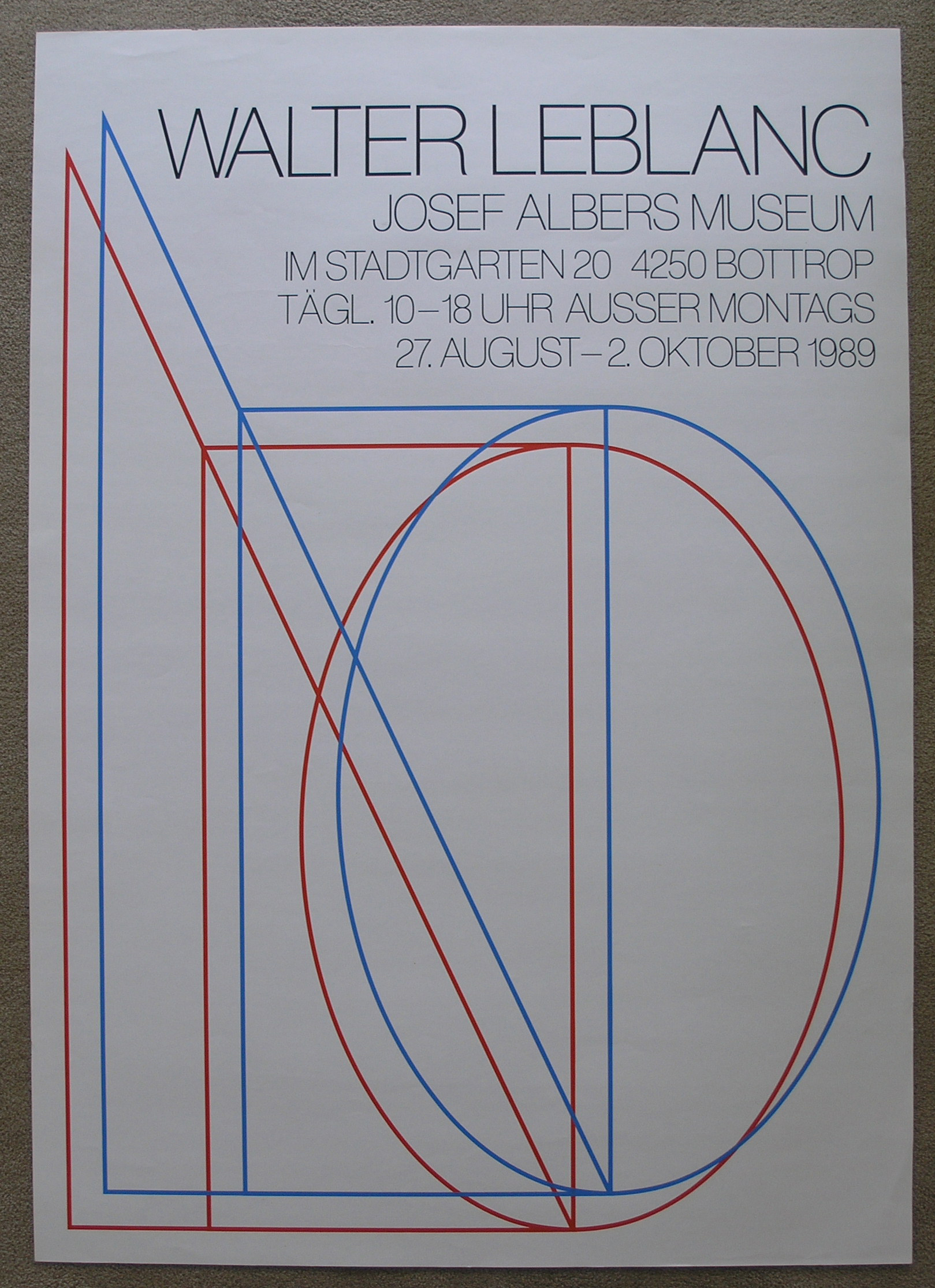
We visited the exhibition last Sunday. Just returned from 2 days Vienna where we chose our new dog, we loved the contrast between the “Art Nouveau and Wiener Werkstatte” and the minimal, but still very complex modern art on show at De Rijk. For me there were 2 highlights. First of all the Walter Leblanc. aprox 90 x 90 cm. A Zero inspired circle of twisted strings from 1963 in AAA condition, very well framed and the lightning made this work in all its simplicity stand out as one of the very best Walter Leblanc’s i have ever seen.
Secondly there were 2 works by Edoardo Landi i liked very much. The larger one of the 2 won me over as soon as i started to take some distance from it. The space between the lines appeared to be different each time, meaning an extra dimension was added to the work. Visiting Den Haag?…go to de Rijk to see some amazing art!
De Rijk Fine Art, Noordeinde 95, Den Haag, +31(0) 653953493
Utz is a 1992 dramatic film directed by George Sluizer, produced by John Goldschmidt and starring Brenda Fricker, Peter Riegert and Armin Mueller-Stahl. Mueller-Stahl won the Silver Bear for Best Actor at the 42nd Berlin International Film Festival.[1]
The film is based on the 1988 novel Utz by Bruce Chatwin, who also co-wrote the screenplay.
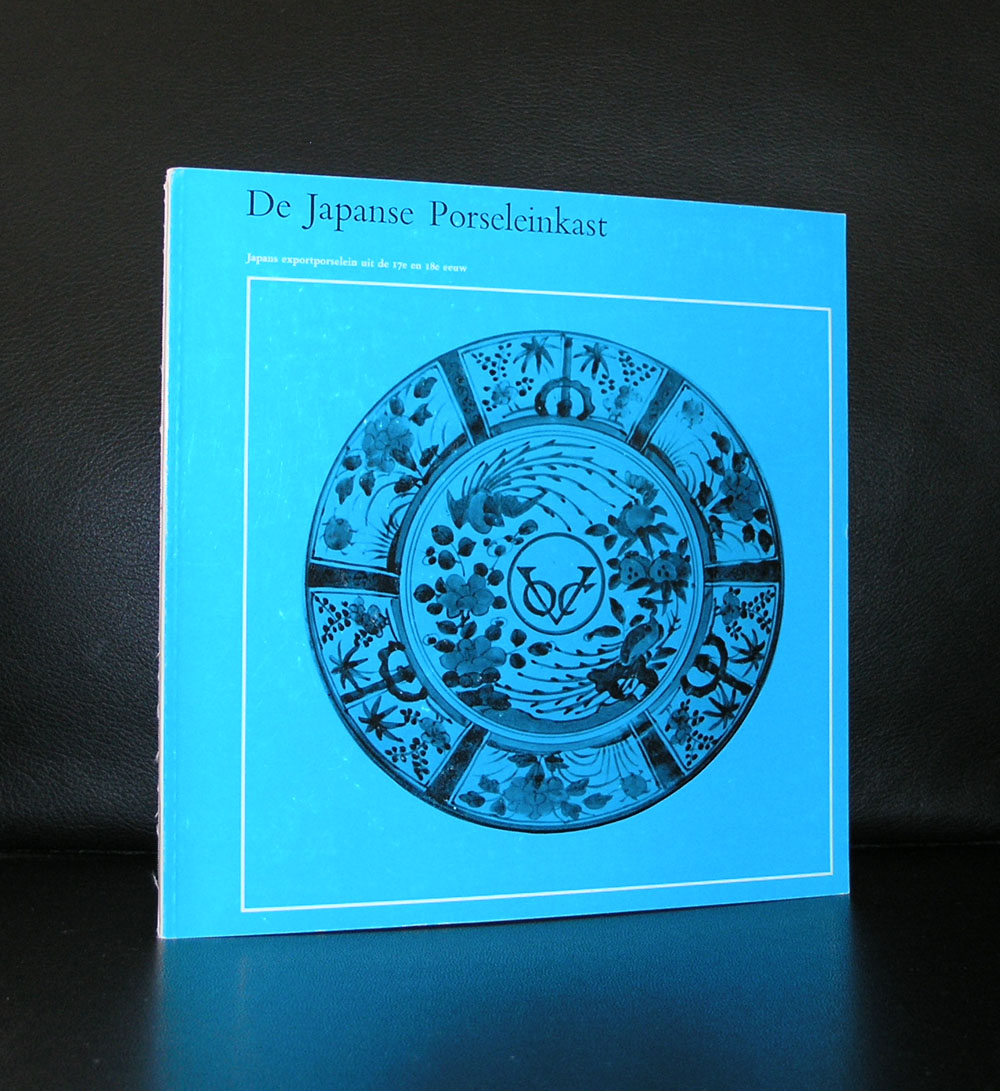
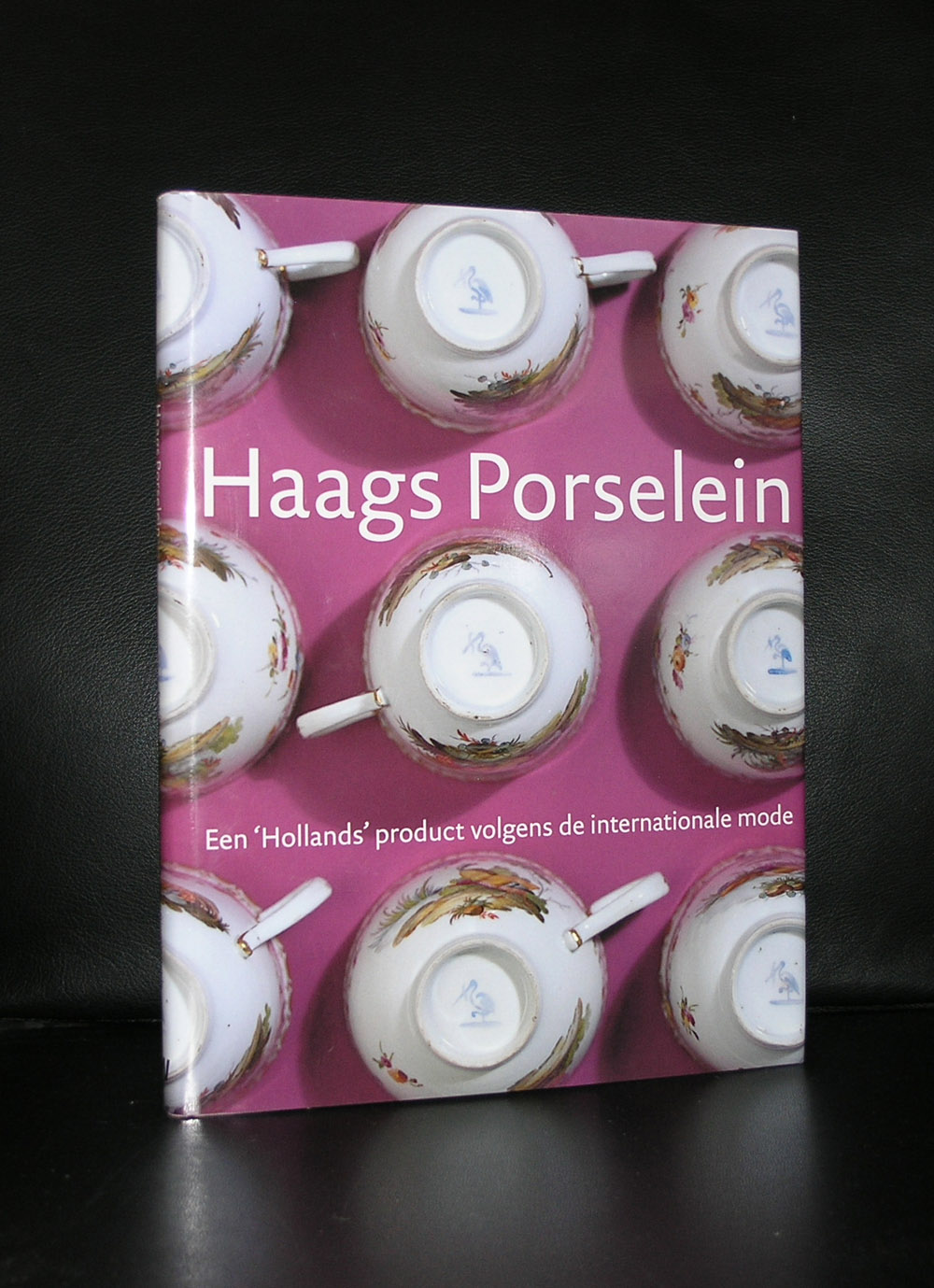
The most iconic scenen in this movie is Armin Mueller Stahl destroying his beautiful collection of Meissen porcelain. Yesterday we were in Vienna to chose our new dog and visited the Dorotheum. Not only an auction house but more a very large department store where one can buy and sell all kinds of collectibles. Among these items for sale were some examples of Meissen from the 19th and 18th century. ( ca. euro 15.000). I never realized these pieces were so valuable, but seeing them you can see where many Contemporary artists get there inspiration from. www.dorotheum.com
OLYMPUS DIGITAL CAMERA
OLYMPUS DIGITAL CAMERA
There are not many but still some 10 titles to be found on porcelain in the inventory of www.ftn-books.com so please take a look.
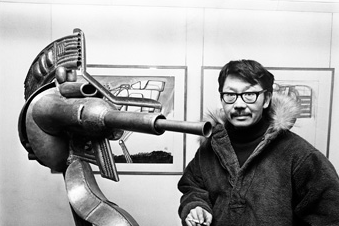
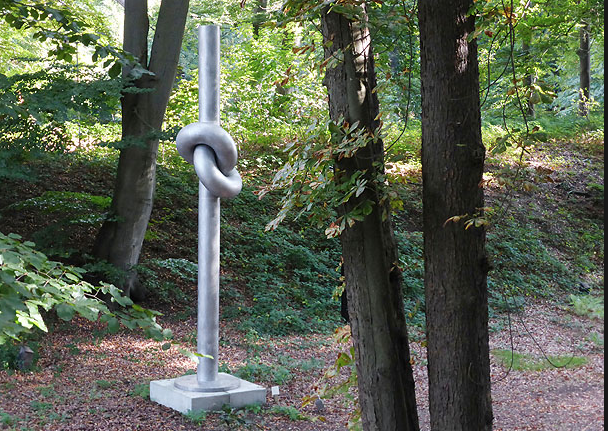
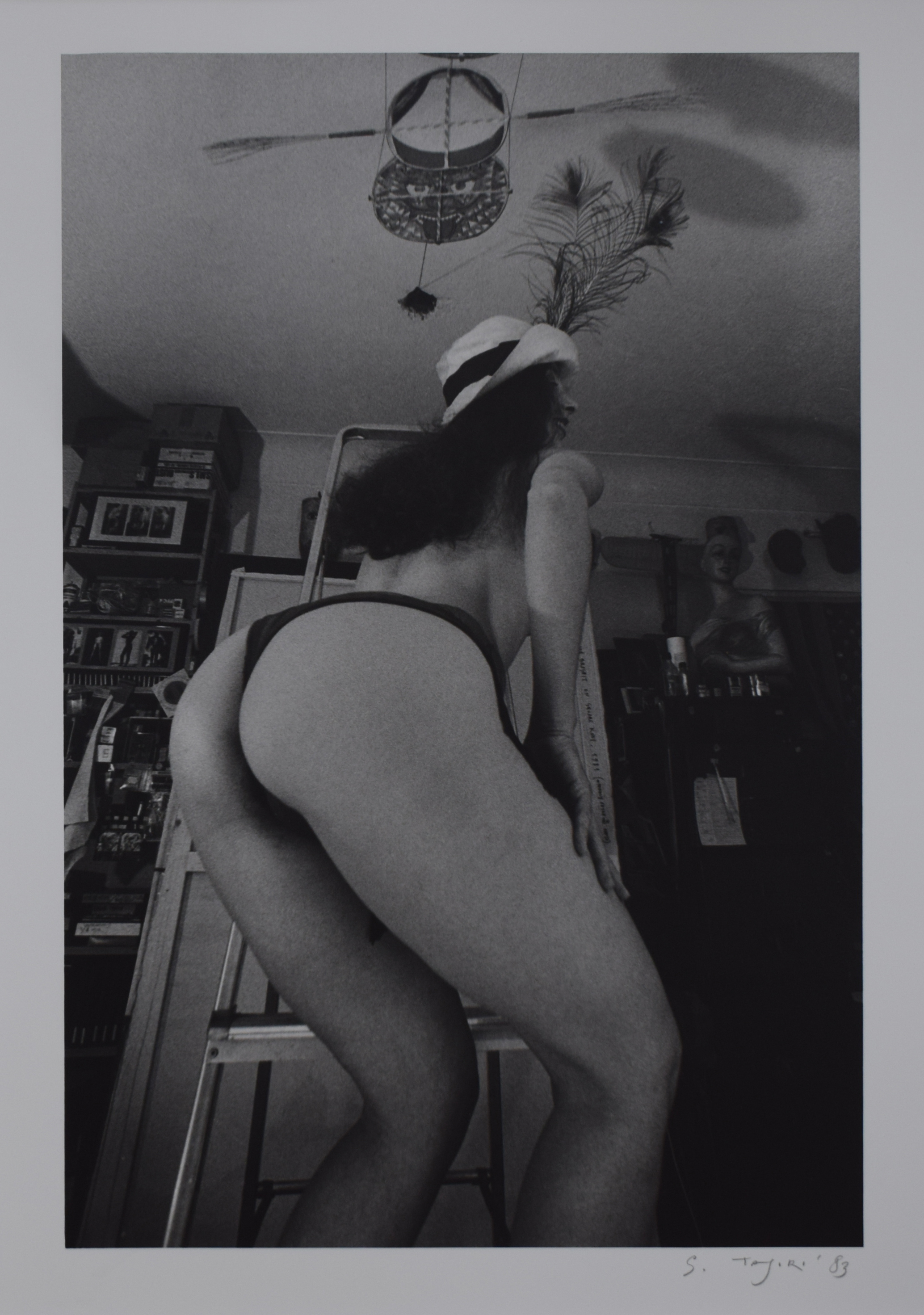
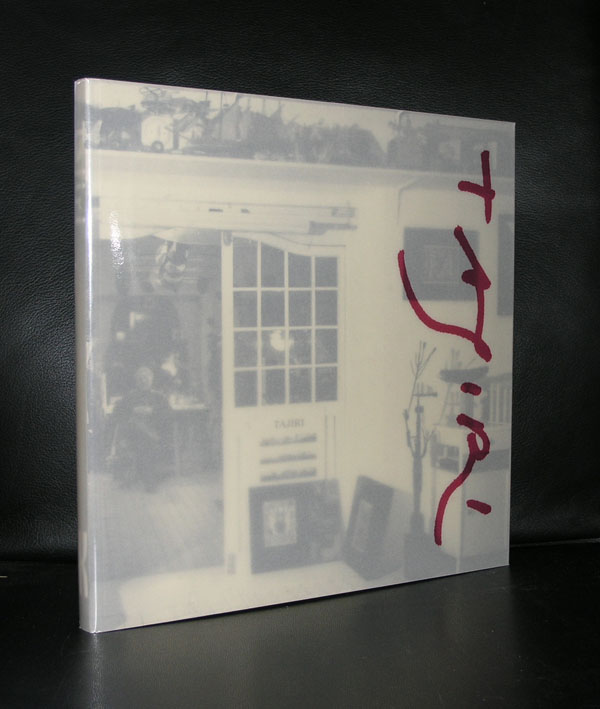
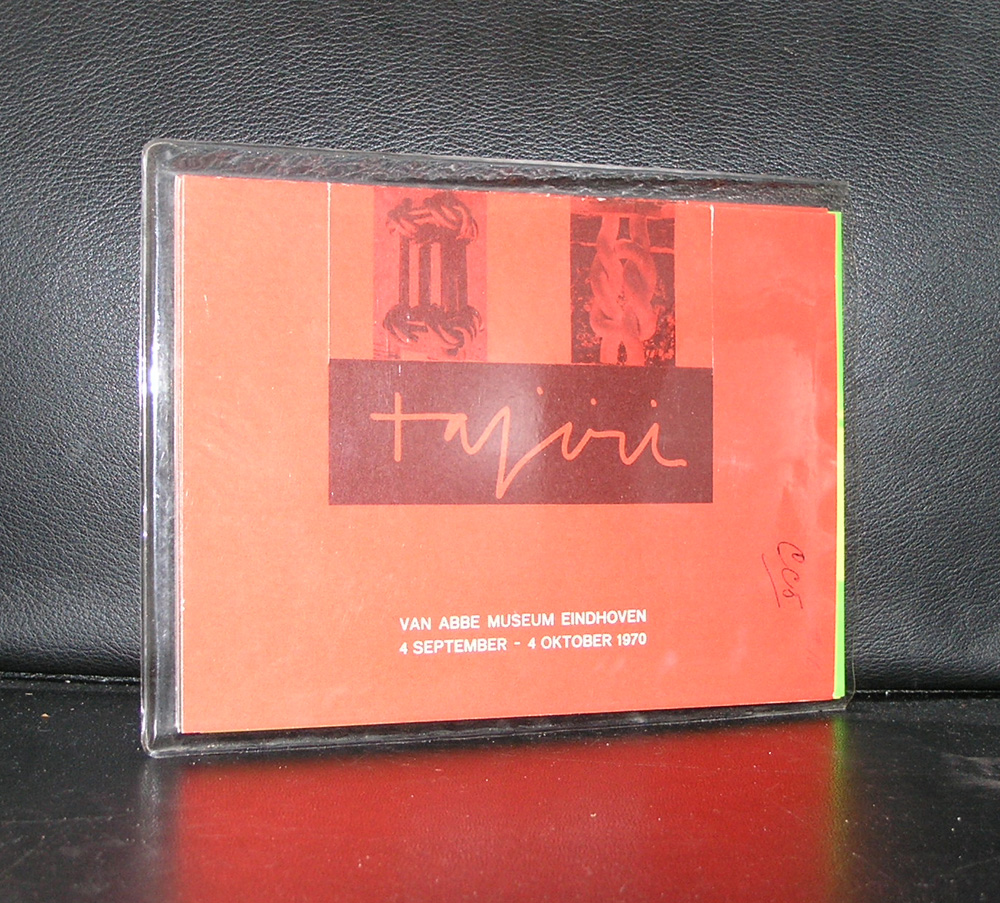
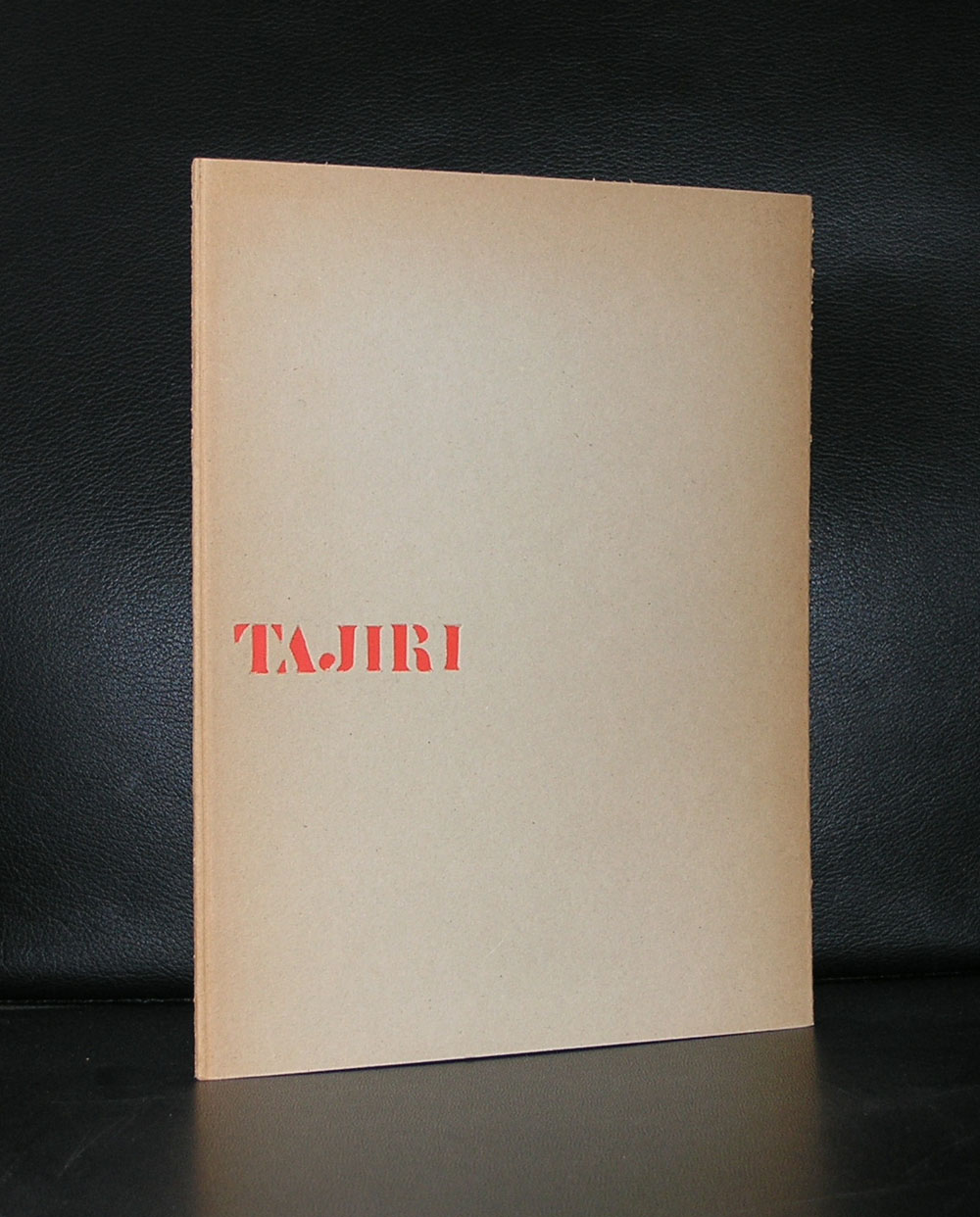
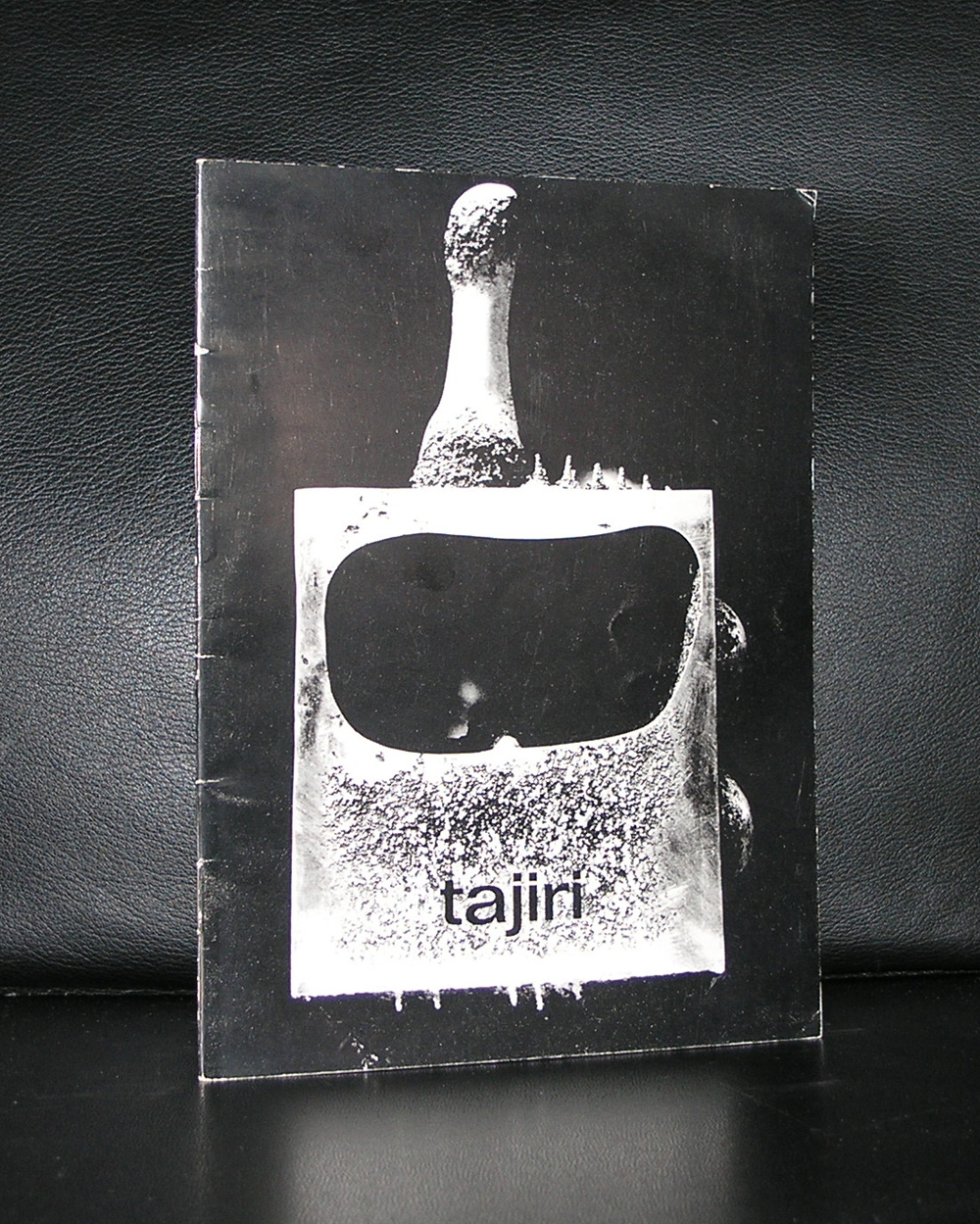
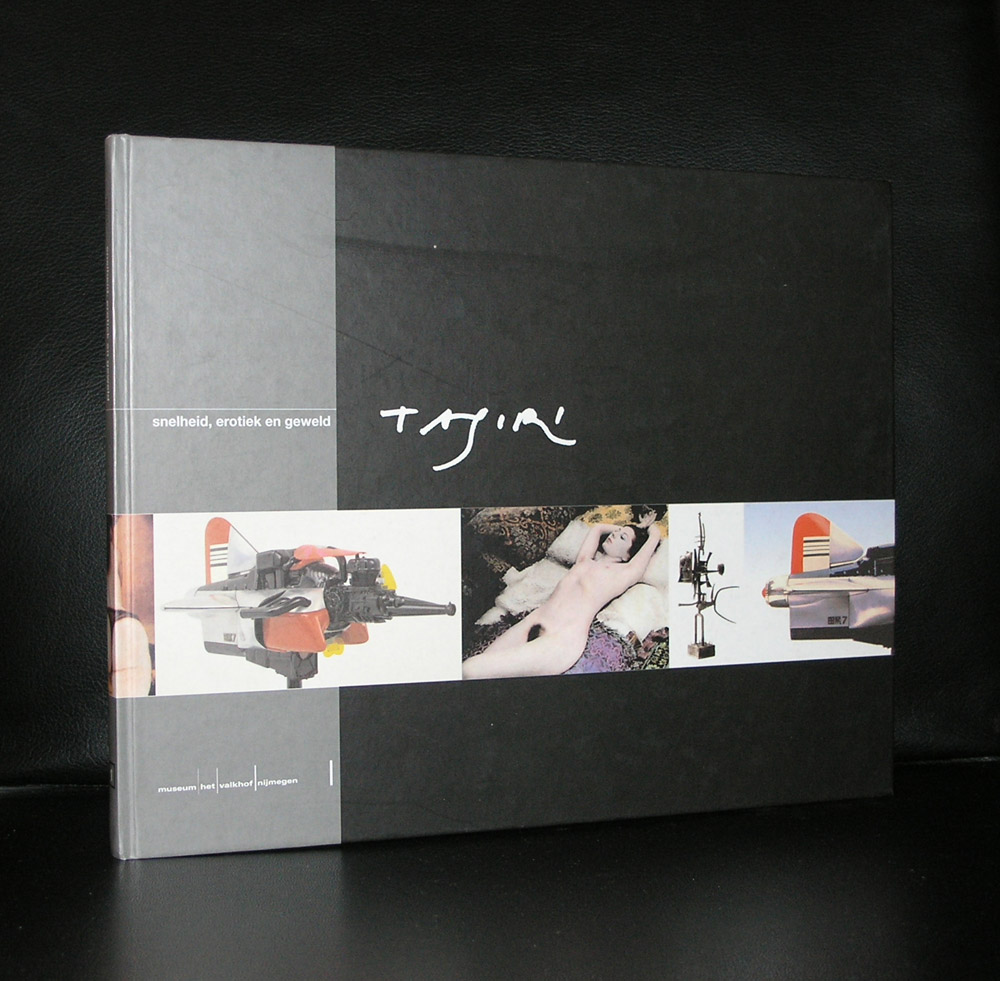
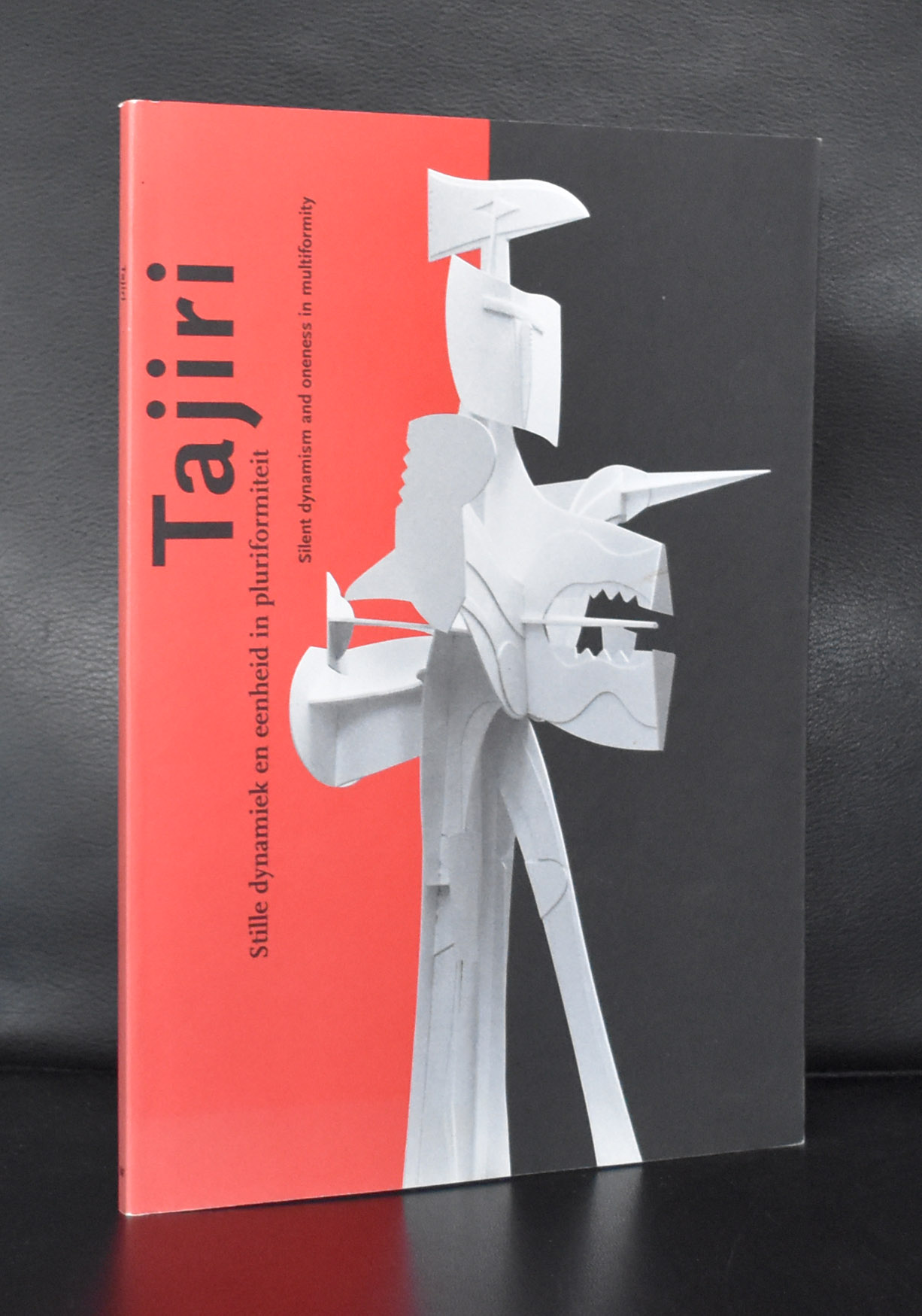
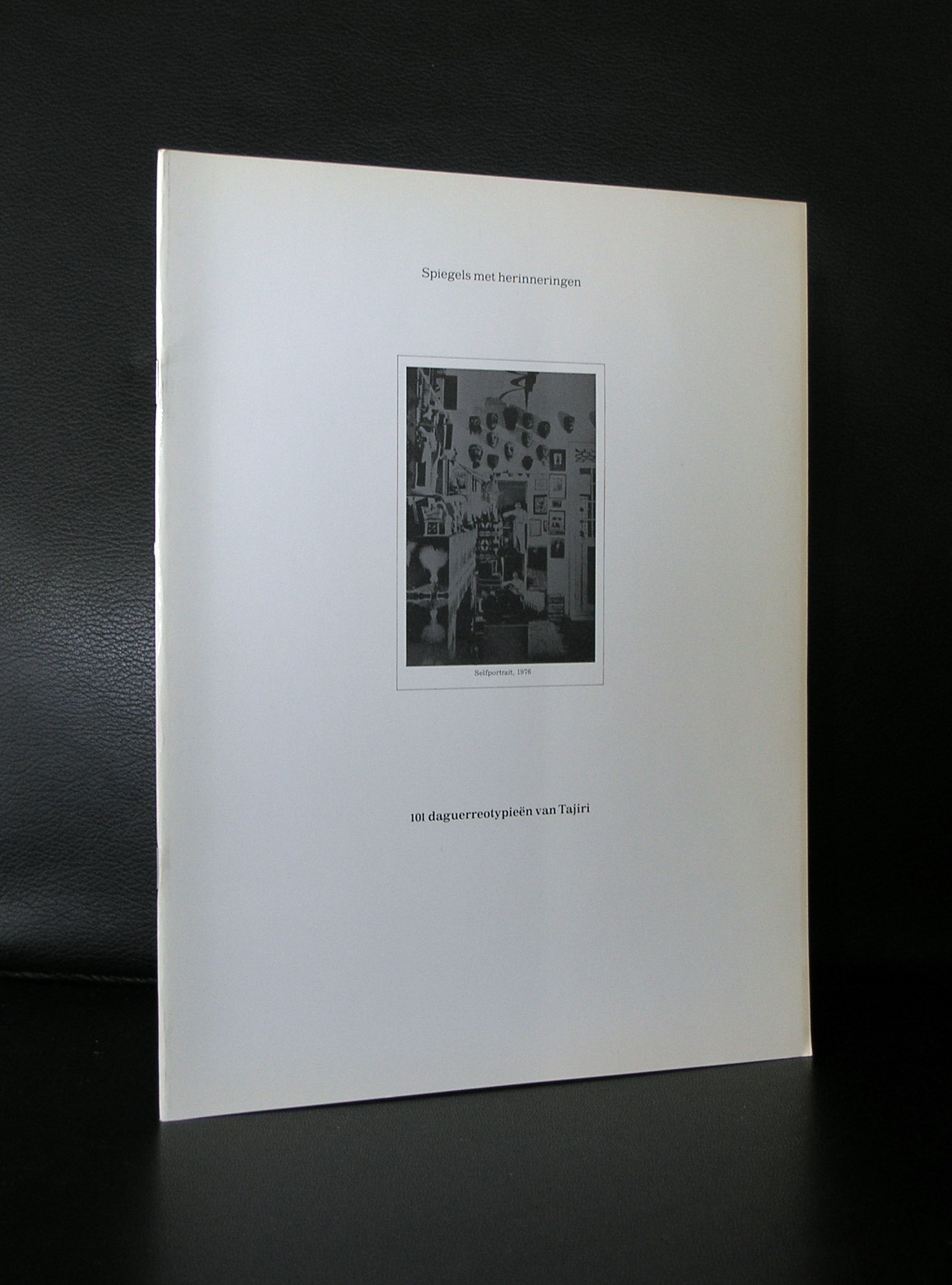
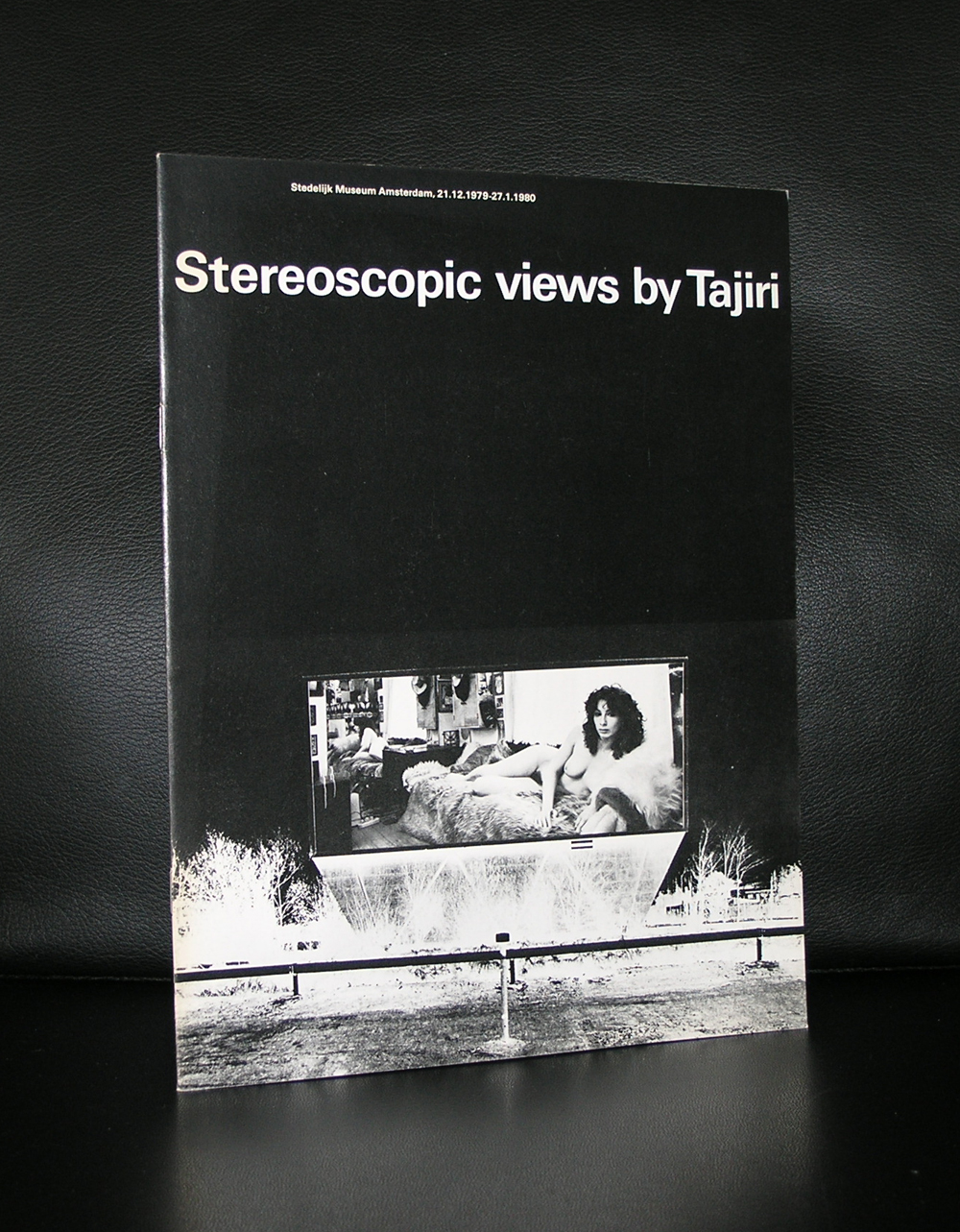
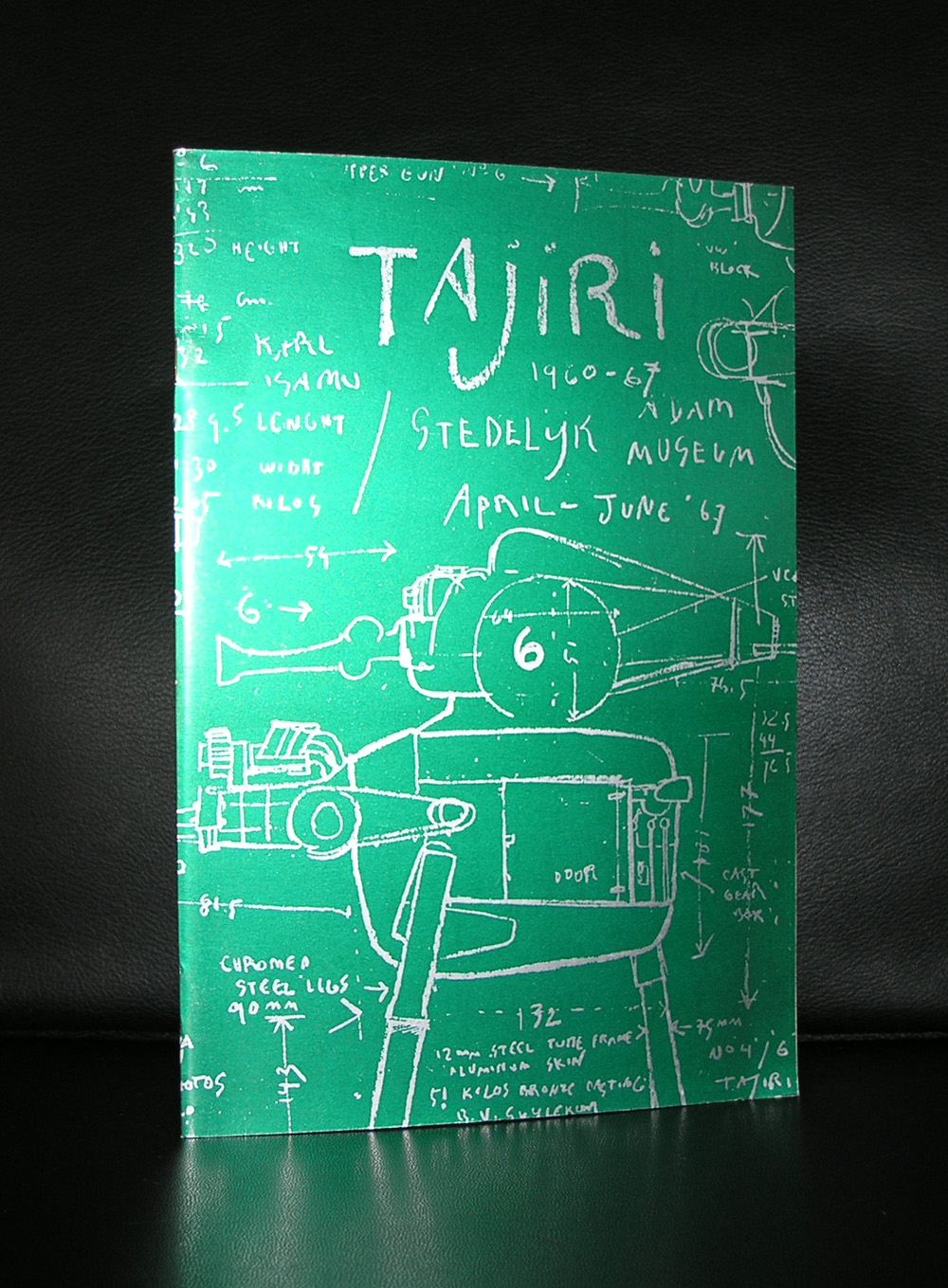
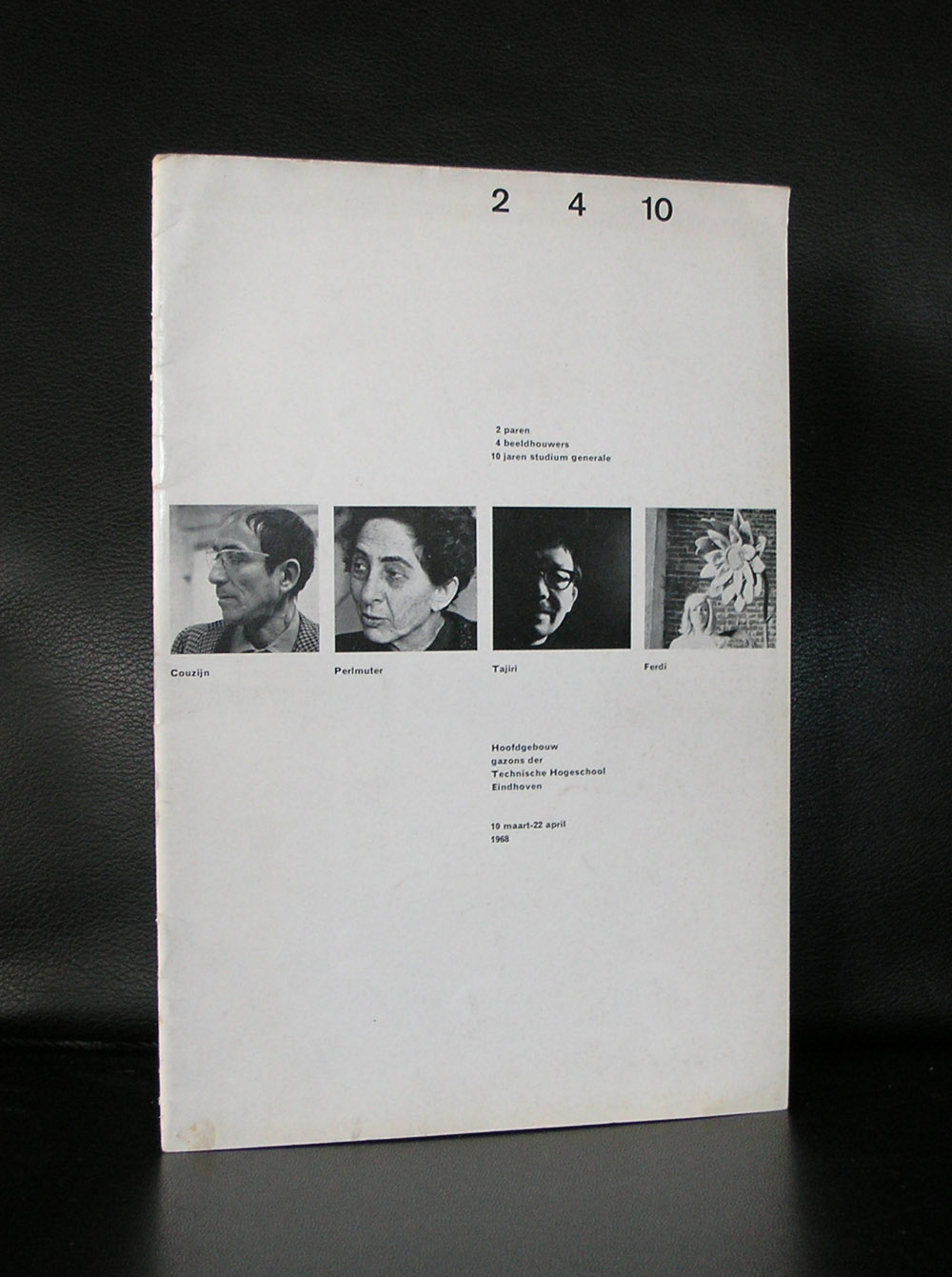
Tajiri…. Photographer, Painter, sculptor, graphic artist . He has practically explored every discipline art has. His claim to fame were his large sculptures and specially the KNOTS are more than impressive. As a person he is even more fascinating, because he was in the middle of things, because of his studies and travels he had met many very important artists.
In 1949 he went to Paris to study with Ossip Zadkine and then Fernand Léger. He met Karel Appel and Corneille in Paris and shows at the 1949 COBRA exhibition at the Stedelijk Museum, Amsterdam. In 1951 he went to Germany and taught at the Werkkunstschule Wuppertal. In 1955 he won a Golden Palm at Cannes, for his first short film, The Vipers, because of his experimental use of the language of film. From 1956 he lived in the Netherlands, since 1962 in Baarlo. He worked as a sculptor and painter. He exhibited at the famous Kassel documenta II, 1959; III, 1964 and IV, 1968. From 1969 Tajiri taught at the Hochschule für Bildende Künste at Berlin. 1969 and 1970 Shinkichi took pictures of every part of the Berlin Wall. In 1970 he went to Denmark and directed the award-winning documentary Bodil Joensen – en sommerdag juli 1970 about Bodil Joensen. In 1975 and 1976 he recreated the Daguerreotype: surreal portraits, nudes and daguerreotypes of the Wall.
On this last subject www.ftn-books.com has a very nice publication available. Daguerreotyoes were Tajiri’s other specialty.
Artist/ Author: Oliver Boberg
Title : Memorial
Publisher: Oliver Boberg
Measurements: Frame measures 51 x 42 cm. original C print is 35 x 25 cm.
Condition: mint
signed by Oliver Boberg in pen and numbered 14/20 from an edition of 20