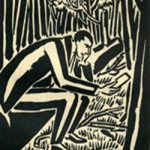
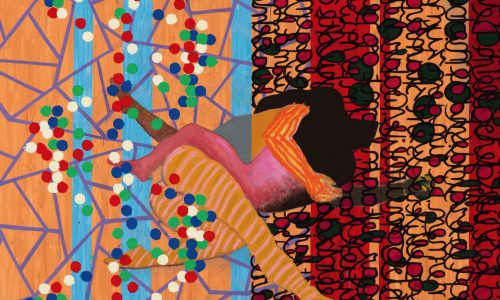
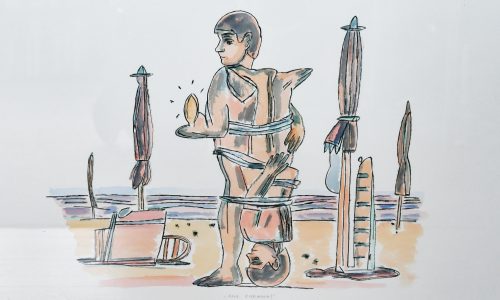
From the early eighties on i a am an admirer of the french comic book artist…. Jacques de Loustal, better known as Loustal. He invented a comic book art form which is based on illustrations in which a complete scene/story is drawn within one drawing and with these illustrations he tells a complete story and challenges your imagination. Now his books are published all over the world. In the Netherlands they are mainly published by Oog & Blik, but in his early days his books and prints were almost all published in his native country France. One of the books that really stands out is WHAT HE EXPECTED OF HER. an adult view on marriage and relations. A highly recommended title of this fascinating artist. Available at www.ftn-books.com
Prins Hendriklaan 50, 3583 EP Utrecht, the Netherlands
Yes, you still can see and visit this iconic architectural masterpiece which was designed by Gerrit Rietveld at the time he was a “de Stijl” member. Together with Piet Mondriaan and Theo van Doesburg he was was one of the founders of the DE STIJL mouvement in the Netherlands.
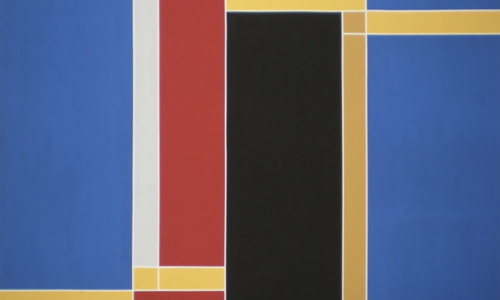
Soon Theo van Doesburg dropped out of this mouvement because he found himself restricted by the horizontal and vertical lines the mouvement prescribed. He wanted to use the Diagonal line too, but Rietveld believed in these horizontal and vertical lines and used them together with the primary colors he loved so much and draw with them one of the most beautiful small buildings from the last century. When you visit Utrecht, visit the Schroderhuis too. BTW. the house got its name from the first inhabitant of the house. She commissioned Rietveld to build it for her. Truus Schröder-Schräder lived in it for her entire life.
www.ftn-books.com has some nice books on the Rietveld husi and a kit from which you can rebuild the house yourself in a much smaller scale.
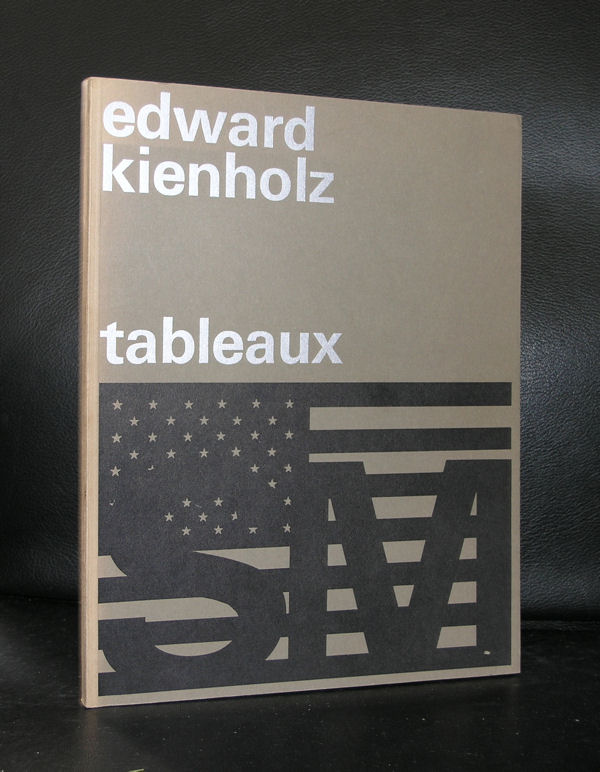
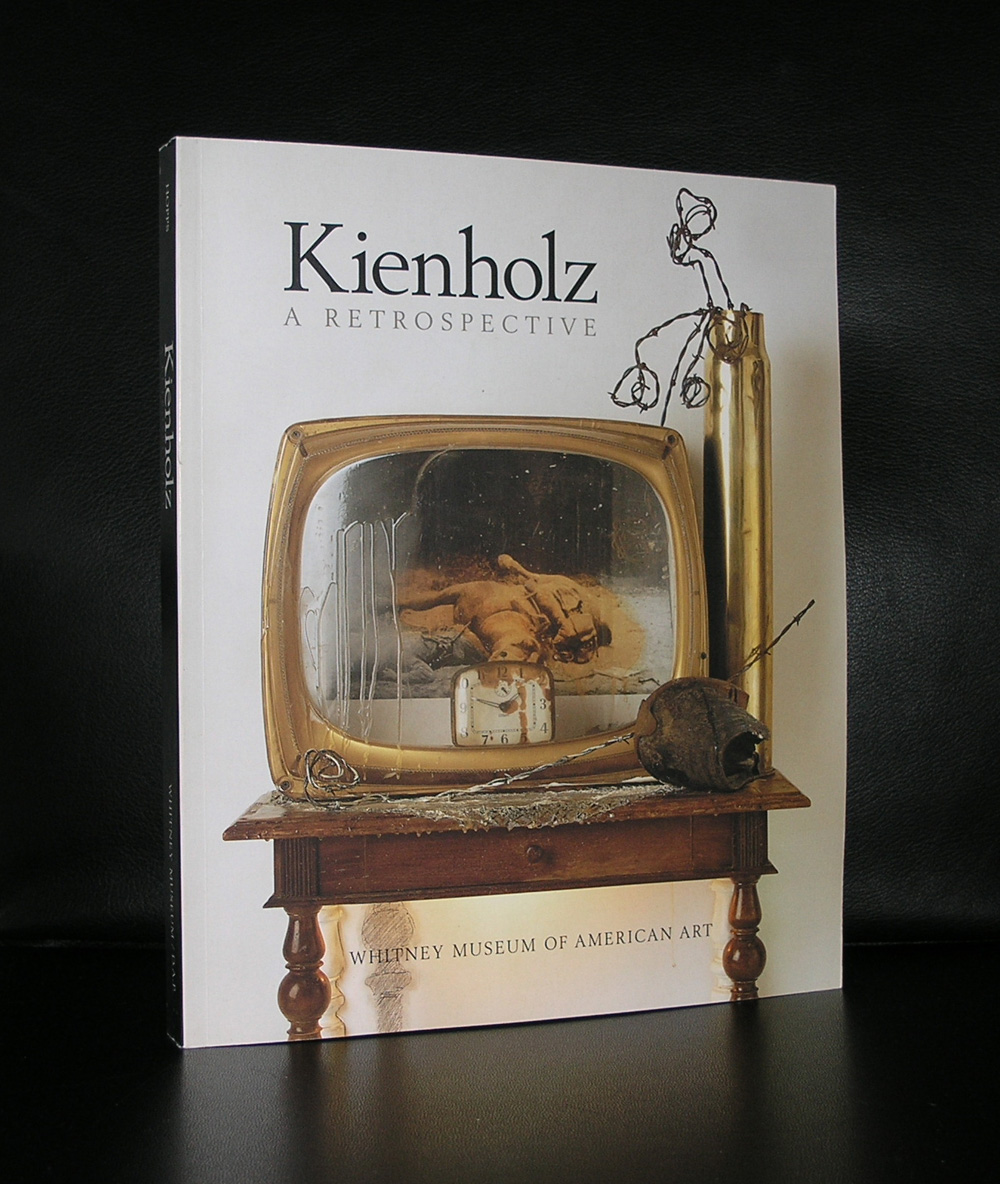
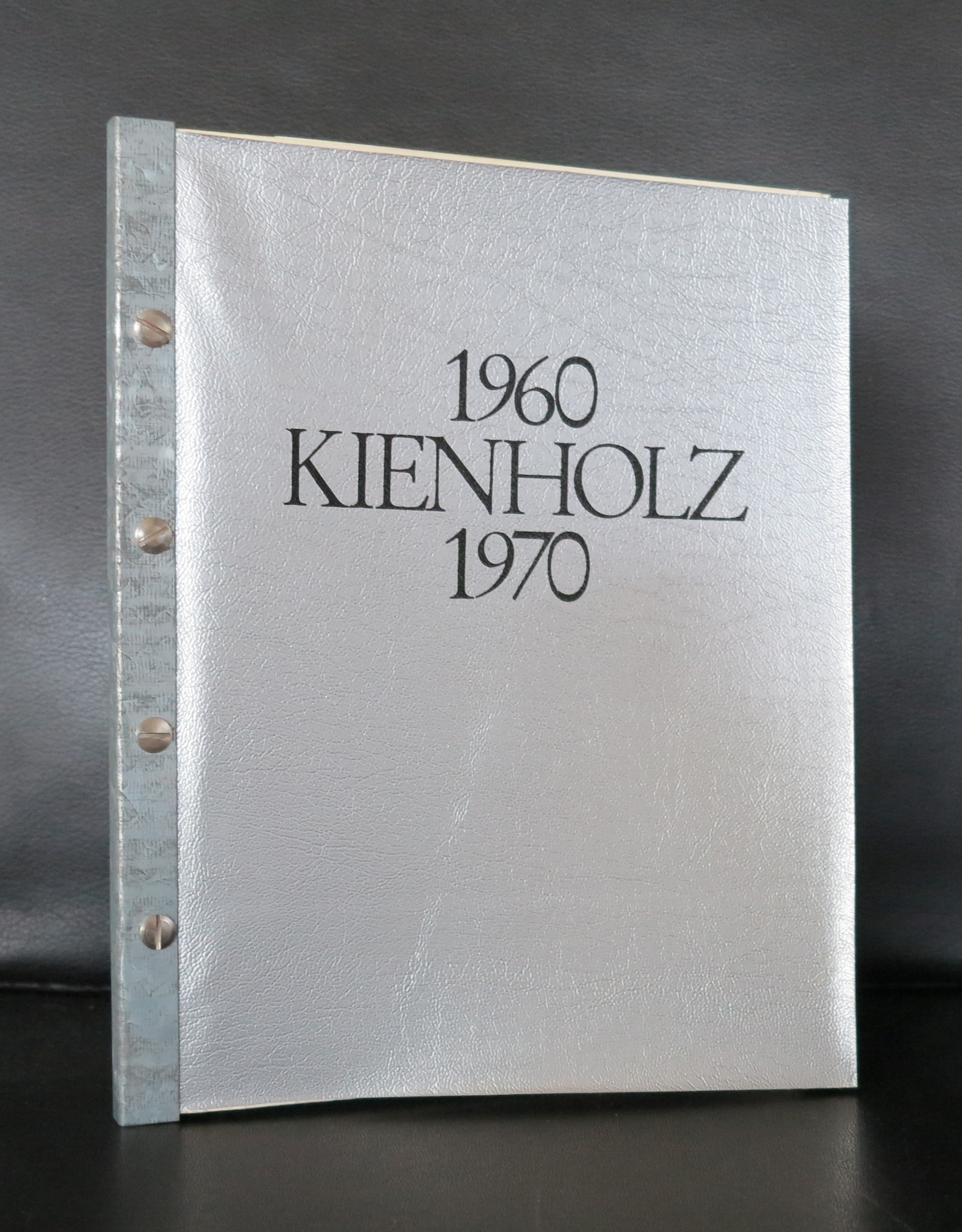
At the time the Stedelijk Museum reopened again after its long time restoration, I noticed the return of one of my favorites within its collection…..the Beanery. The Beanery is a one on one replica of the local bar Kienholz visited frequently and stands out for me, because of its originality. It is almost like a surrealist environment in which heads are replaced with clocks.
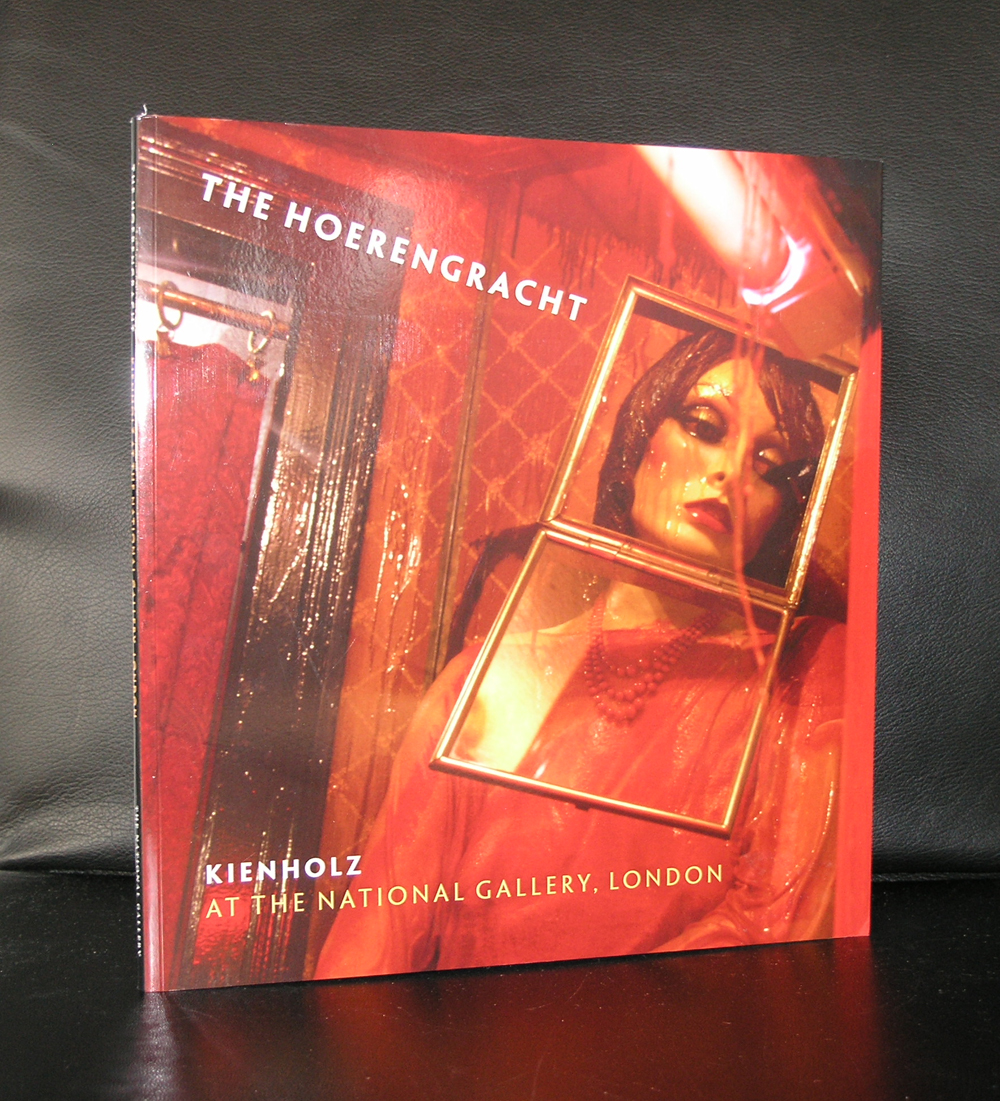
Kienholz makes environments which you can enter and experience and this Beanery from 1965 is one of his best. Because of the regular wear and tear over the years it had to be restored. There is a nice video on You Tube which gives information on the restauration and shows the importance of this Kienholz work. Lately Kienholz made another project in the Netherlands called HOERENGRACHT of which the catalogue is also available at www.ftn-books.com
This is the text the Stedelijk Museum published on the Beanery:
ABOUT THE BEANERY
Edward Kienholz (1927–1994) made The Beanery in 1965, basing it on his local bar, The Original Beanery on Santa Monica Boulevard in Los Angeles. It took Kienholz six months to consolidate and replicate the bar’s content in an artwork. Everything in the installation is life size: from the figures – inspired by Kienholz’s friends and acquaintances – to the bar, bottles of beer and spirits, ash trays, cash register, telephone book, and jukebox. Even the photos on the wall duplicate those of The Original Beanery.
Remarkably, Kienholz gave each person in his bar a clock for a face, a reference to his fascination with time. Only the barman, modeled after Barney, the bar-owner at that time, has a face. Smelling and sounding like an actual bar, the installation is an evocative sensory experience that visitors are allowed to enter. The typical bar smell is characteristic for the way Kienholz work. The artist made a special recipe: the smell has to be assembled from beer, rancid fat, urine, mothballs and cigarette ash. The scent paste has been made multiple times by the restoration team of the Stedelijk Museum (the urine has been replaced by ammoniac). By coating the work with a synthetic resin the artist instills a sense of mortality and transience, which is amplified by the brown color of the interior, with its evocations of age and decay.
The Beanery is also something of a time capsule. The sign warning “faggots stay out” clearly conveys the intolerant attitudes of American society at the time, while the headlines of the 1964 newspaper in a newspaper dispenser at the door indicate that the United States is on the brink of war with Vietnam. Kienholz came up with the idea of creating his own version of the Beanery in 1958 but commenced work on August 28, 1964, upon reading the headline Children Kill Children in Vietnam Riots while visiting the real bar. The harsh contrast between the “real time” represented by the newspaper headline and the “surreal time” of the bar’s customers impelled Kienholz to start work on the tableau.
A few month ago i contacted Eja Siepman van den Berg and inquired after a small statue she had made in an edition. The first contact resulted in an invitation to come and visit her in her studio in Beetsterzwaag, but because of circumstances it was impossible for us to make an appointment to visit.
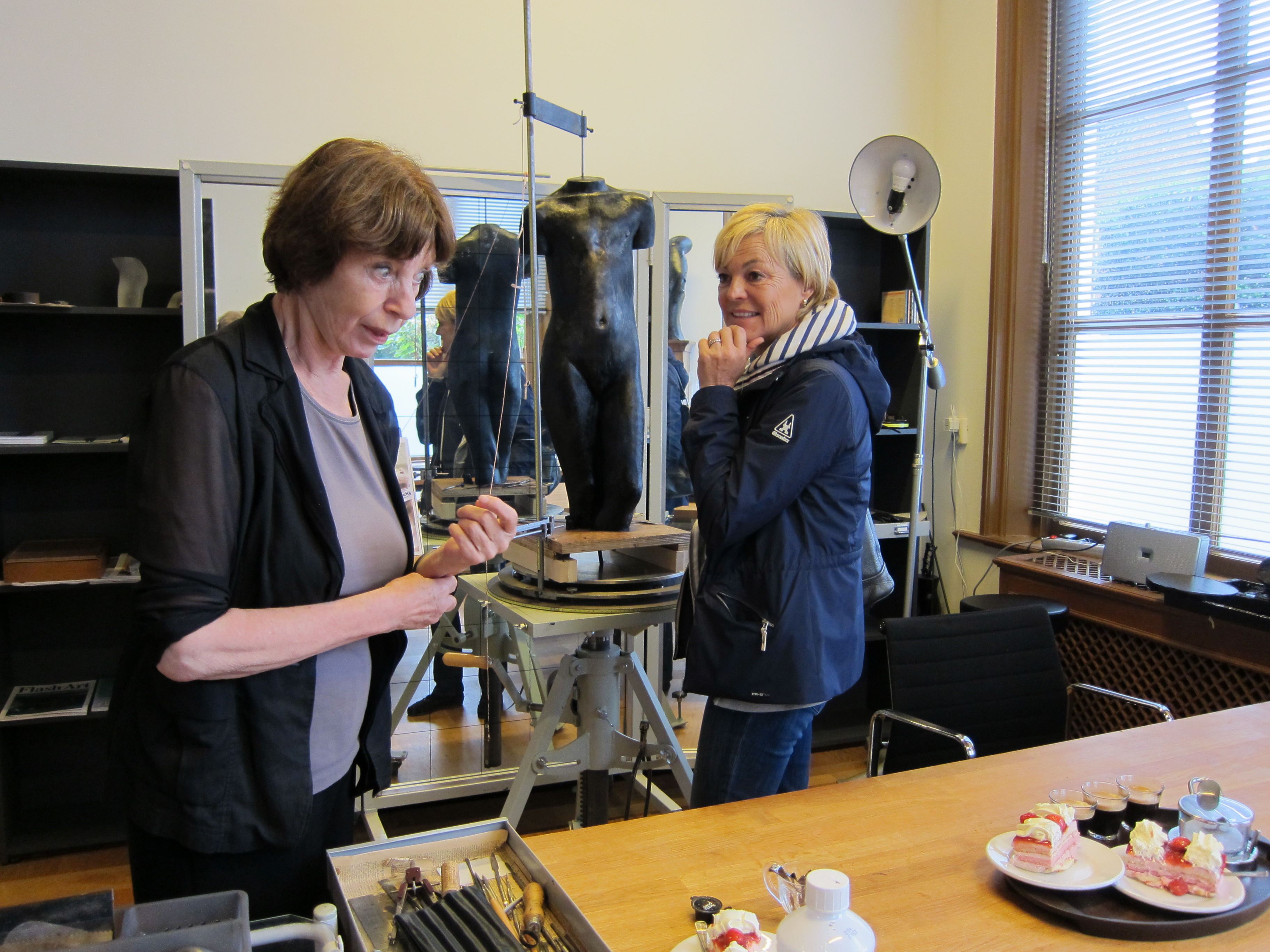
Time passes and circumstances change so we finally had a chance to take some days off and decided to go to Friesland and yes …there is also the studio of Eja. We contacted each other again and found a time to visit on the 10th of august. I really looked forward to visit this fascinating artist because i never visited a real sculptors studio.
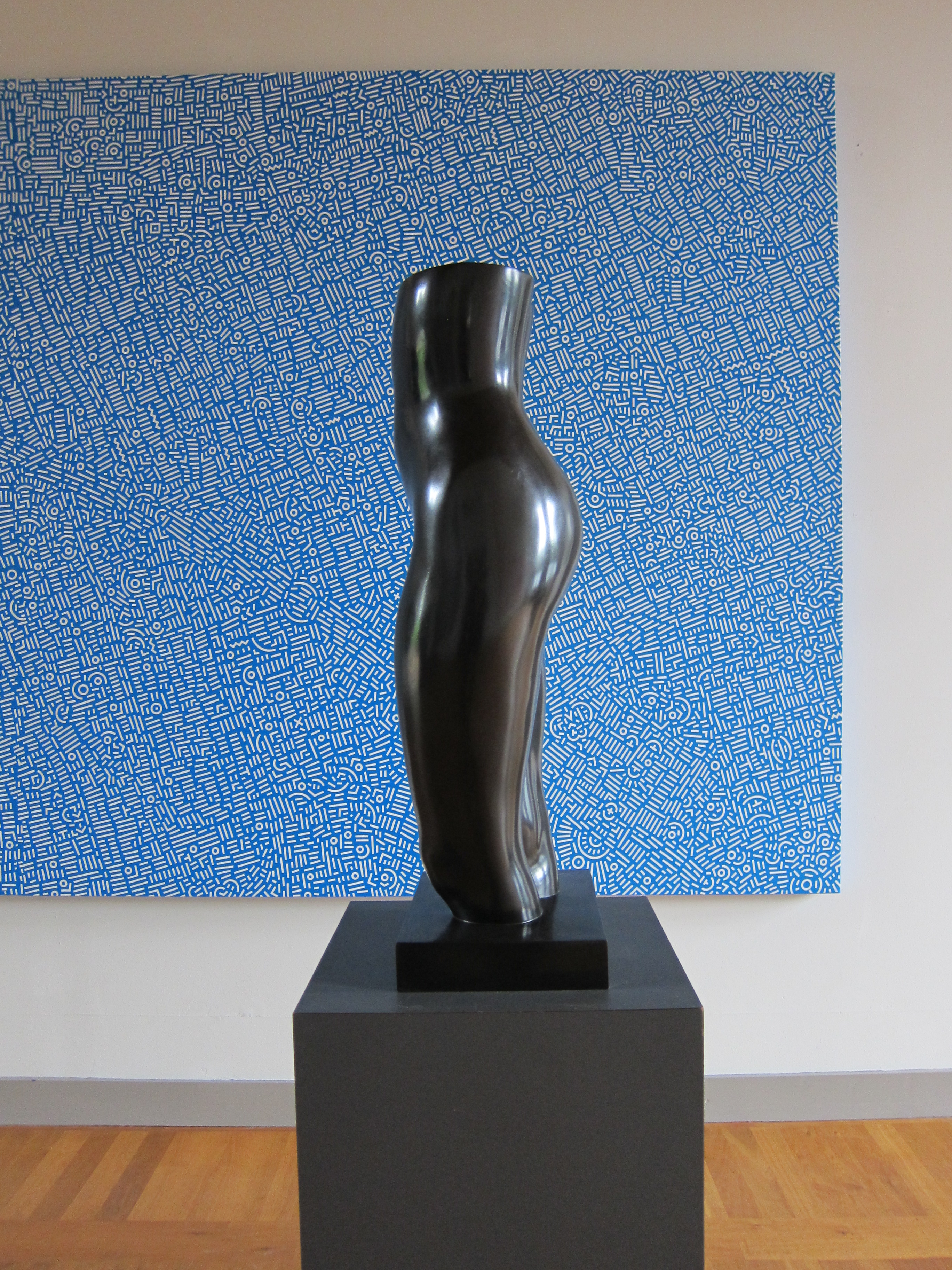
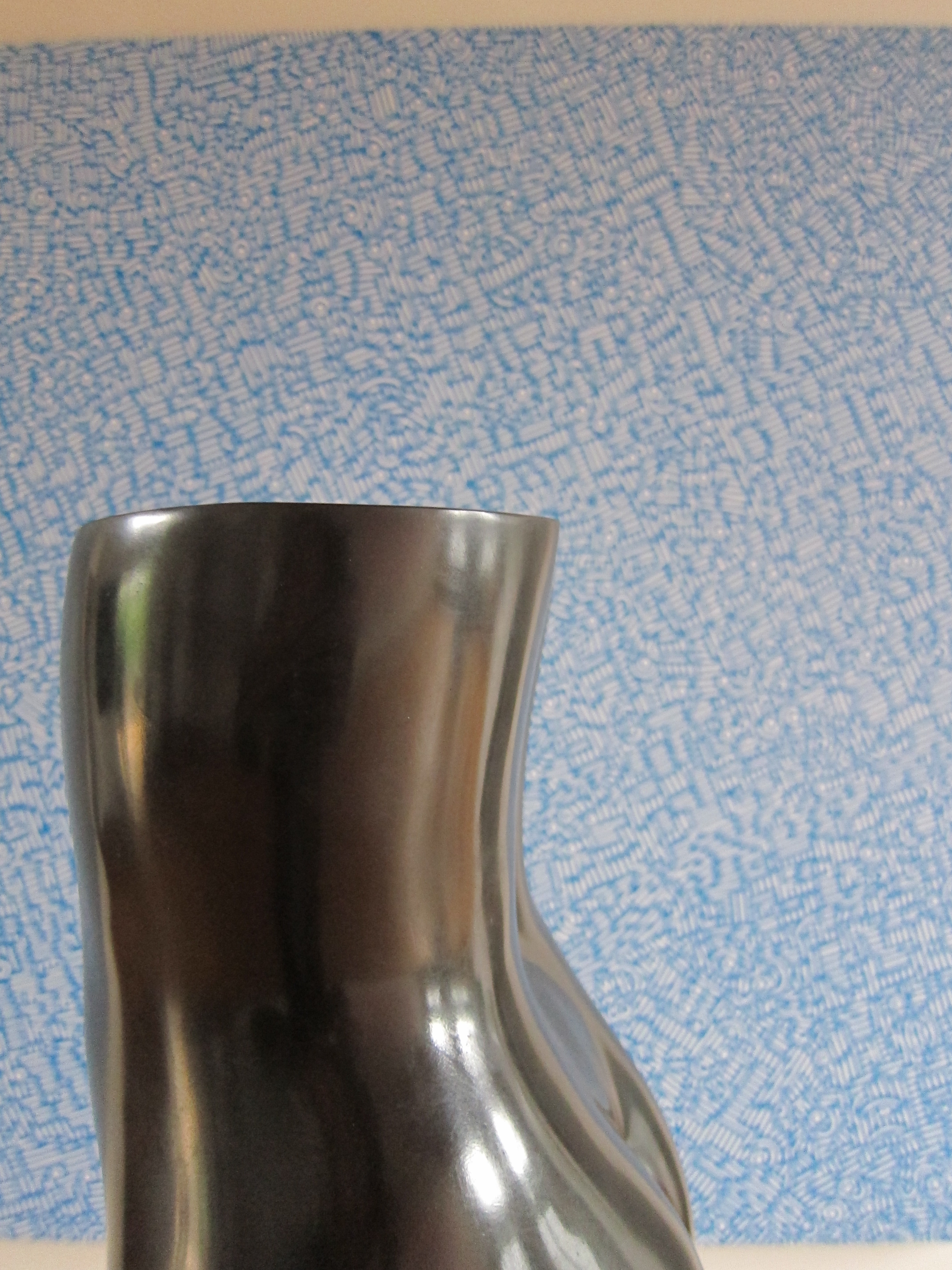
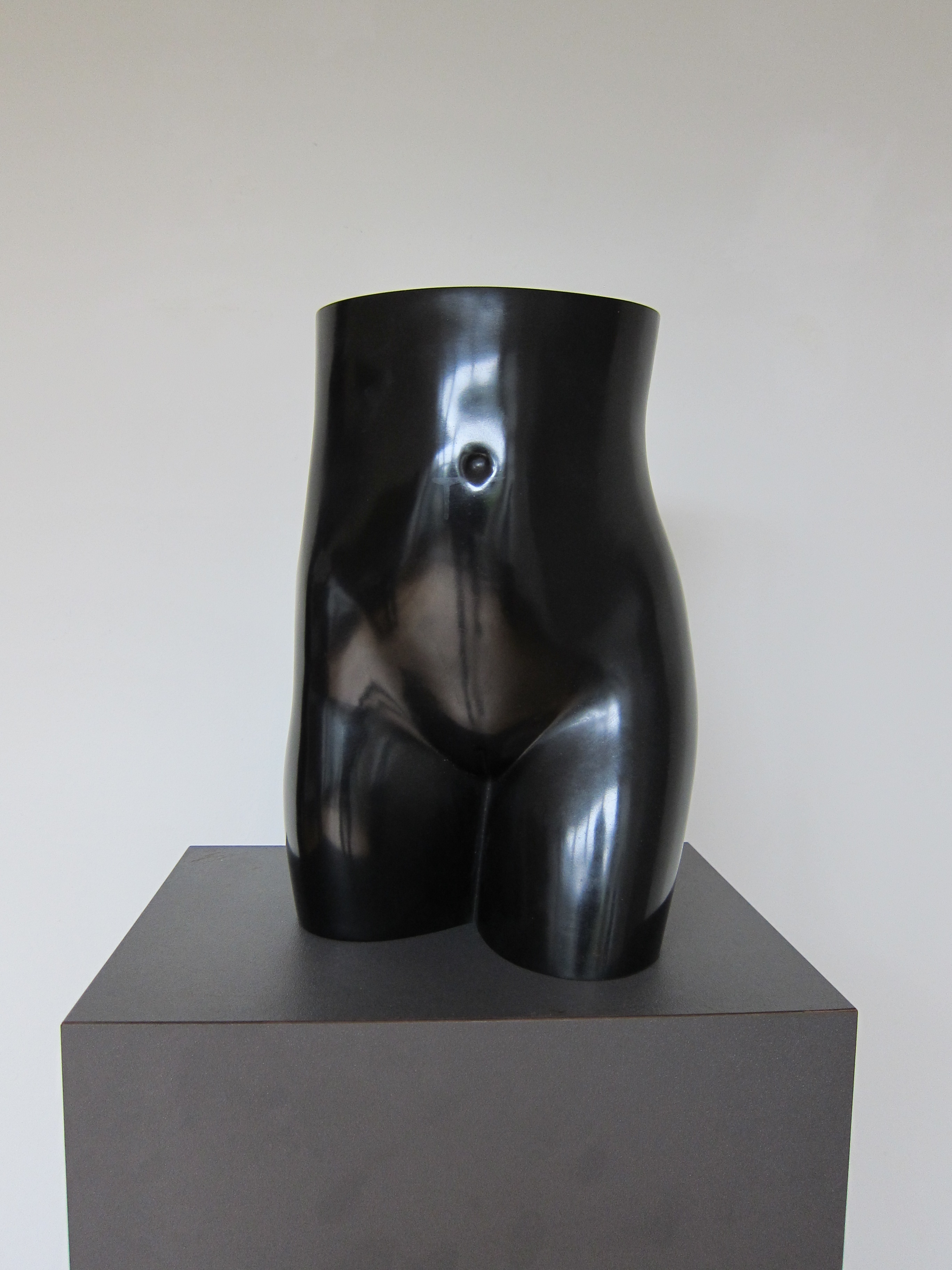
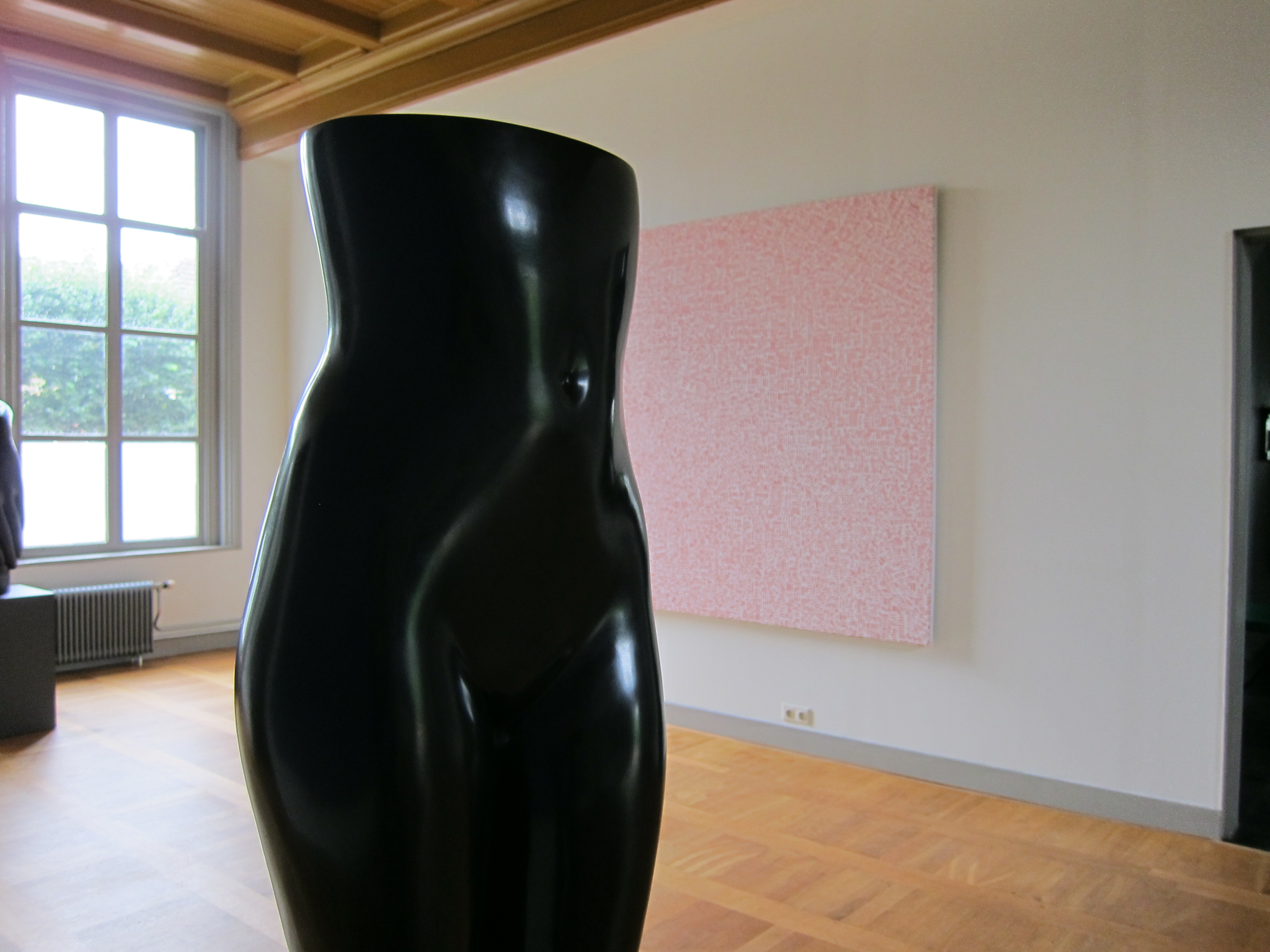
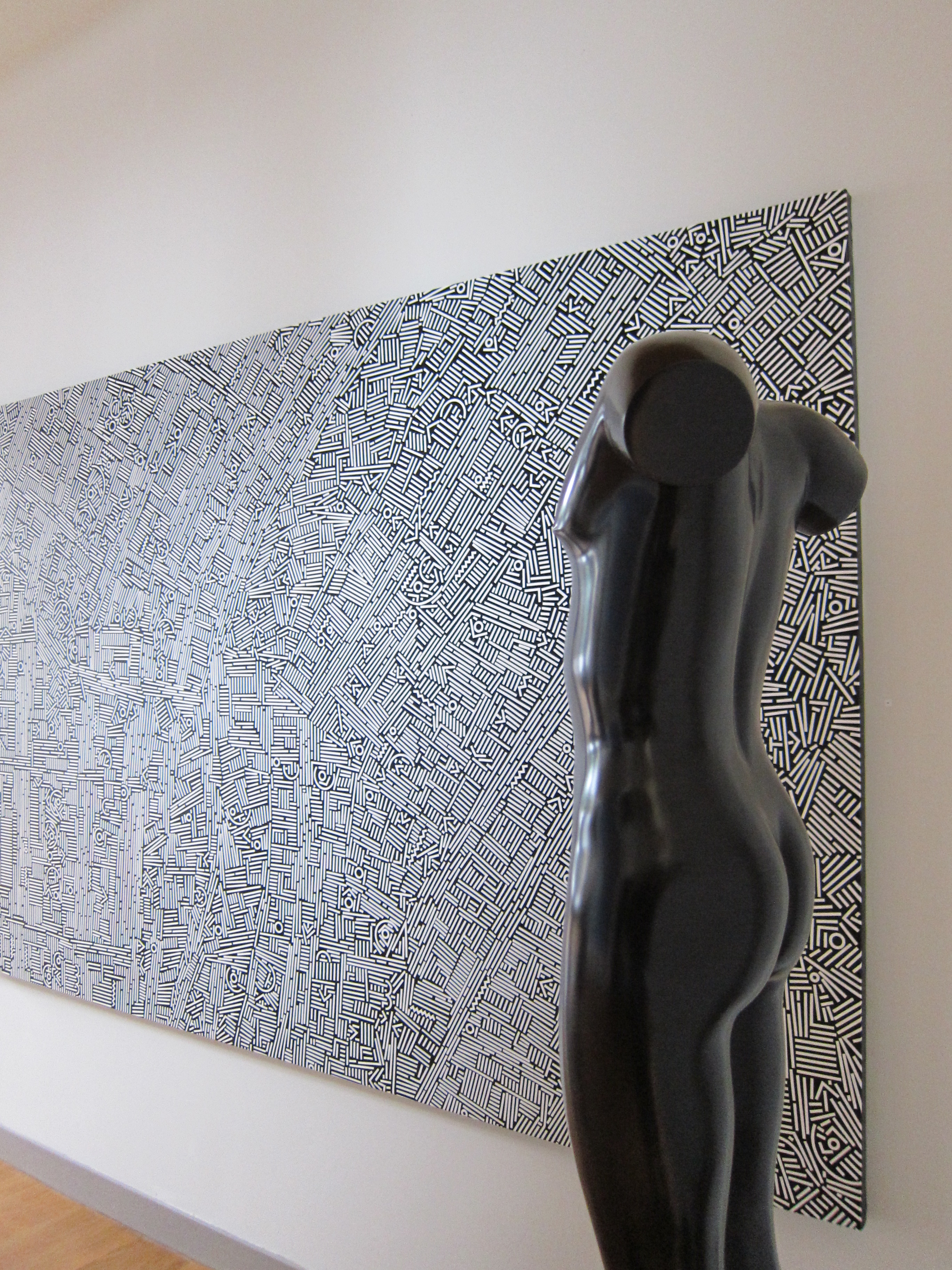
The morning of the 10th it was raining again and we run towards the entrance where we were met by Eja Siepman van den Berg. Turned to the left and walked right into the studio gallery where there was a special exhibition by a Chinese artist Xinjian Lu ( blog in a few days ), together with the statues by Eja. The abstraction of the large paintings by Xinjiang with the bronzes by Eja worked extremely well. Each showed its qualities together with the works by the other and nowhere a work dominated . I took some pictures which show just what i mean. This was a perfect setting for both artists.
After showing us the gallery and the works which were on show we soon chose our favorites and it appeared that the more abstraction was within the sculpture the more we admired it. Not that the full body sculptures were not appealing, but we thought that the sculptures with the focus on a specific body part were more abstract and had more strength
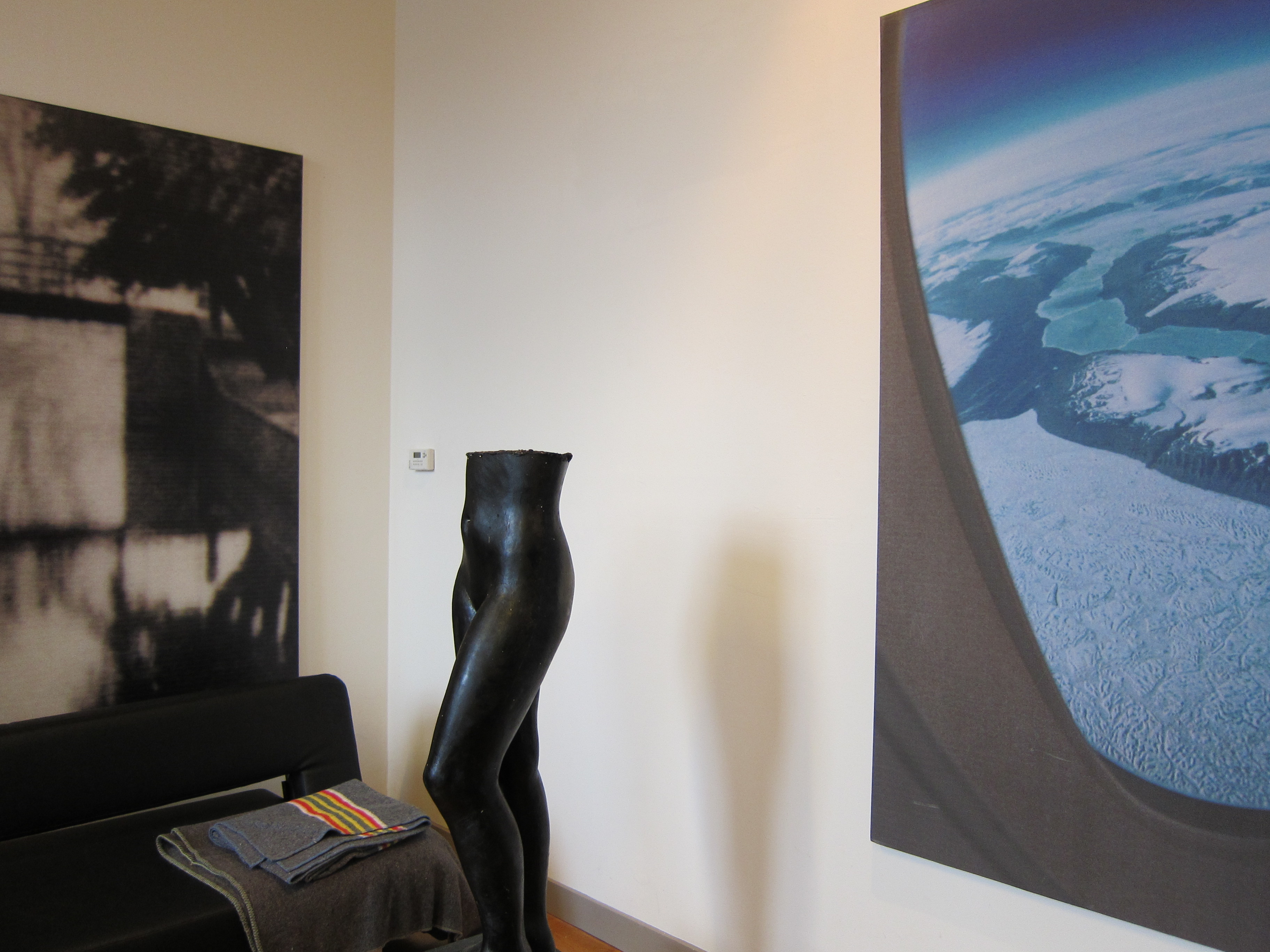
The next room, where we drank coffee, was the artist studio. Decorated with a magnificent photograph by Eja on the wall together with a work by JCJ van der Heijden.
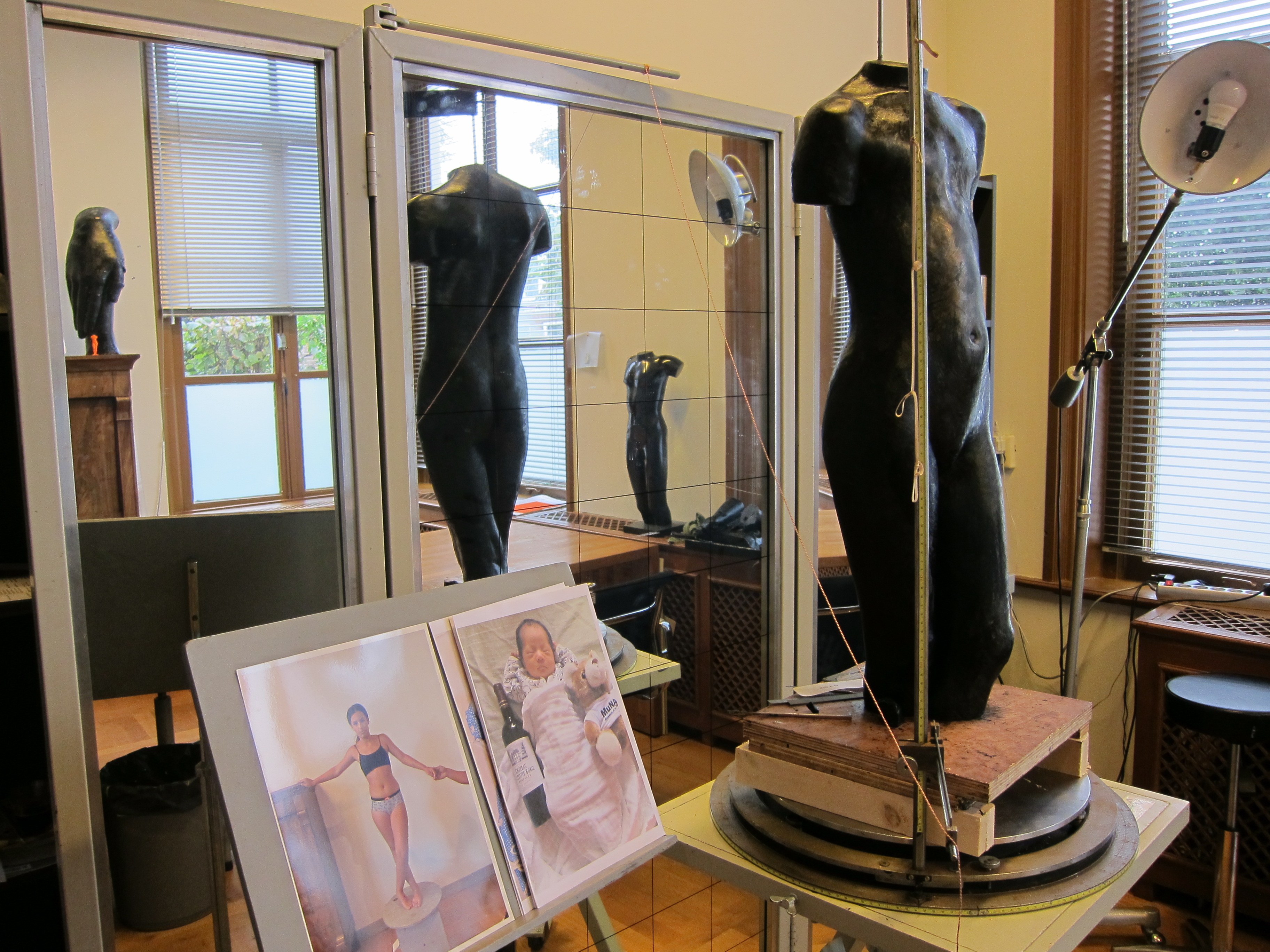
I never knew she was a gifted photographer as well , but she explained that she made photographs during the time she had a shoulder injury and it was almost impossible for her to sculpt. The Large JCJ van der Heijden was the remainder of an exhibition which was one time held in the gallery. An extremely organized studio, with a special spot with mirrors to make the sculptures. The one that she was busy with was modelled after a photograph and in most cases Eja uses photographs to model after. Eja explained that the editions of the sculptures is protected by french law in which is stated that the maximum number of sculptures which is allowed to be made from one cast is eight. Above this number one speaks of an edition which of course can be limited too.
It takes an extremely lot of work before the final result can be shown in the gallery or museum and one can only admire the patience any sculptor must have before the final result can be shown. Sculptors must be a different kind of artist breed and one can only have the greatest respect for the path they have chosen to show their art to us…. their public.
A week ago i found in a small bookstore a remainder of this excellent book on the works by Auke de Vries. A book i must share with you, because it not only is the largest, but also by far the best publication on Auke de Vries. In over 400 pages you will see the best of over 5 decades of this artist.
For all Auke de Vries fans, this is not to be missed and i have only 2 copies available at:
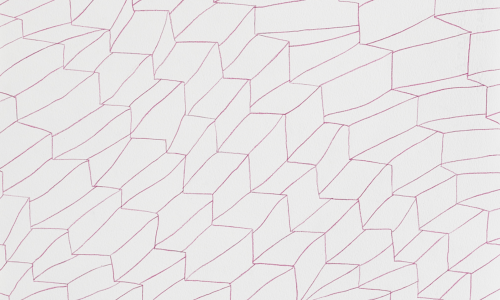
The second time i met Günter Tuzina was with his exhibition in 1992 in The Haags Gemeentemuseum and noticed that he still followed his own artistic path. Making variations on his windows with crossed lines in color schemes which were very recognizable and typical for the works by Tuzina. At the time Tuzina executed a walldrawing for one of the staircases in the Gemeentmuseum which is beside the LeWitt, Toroni and Forg staircase drawings still on show. I think Tuzina is one of those artists you can see work of and immediately know it is by Tuzina. A few years ago i was impressed by a work which was for sale at Christie’s but unfortunately it was out of my budget and sold for twice+ the estimation, but one can get lucky too, because a little before that i noticed these 2 beautiful drawings on the local book market, which were made in a series of 55 for the Bebert publishing house. Both are signed and numbered and all the drawing on each of them is done by hand and all have a different background color. These are from the same edition of 55 copies but the background colors vary and therefore these are unique and…..these beauties are now for sale at
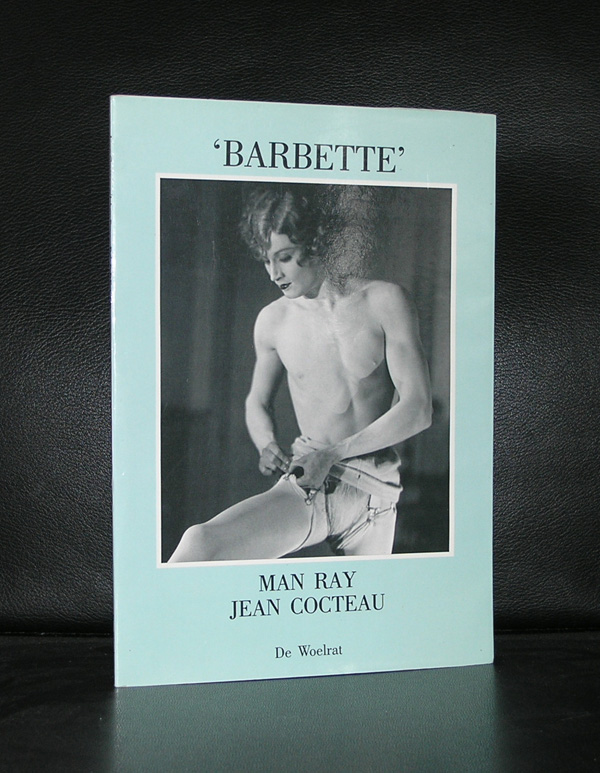
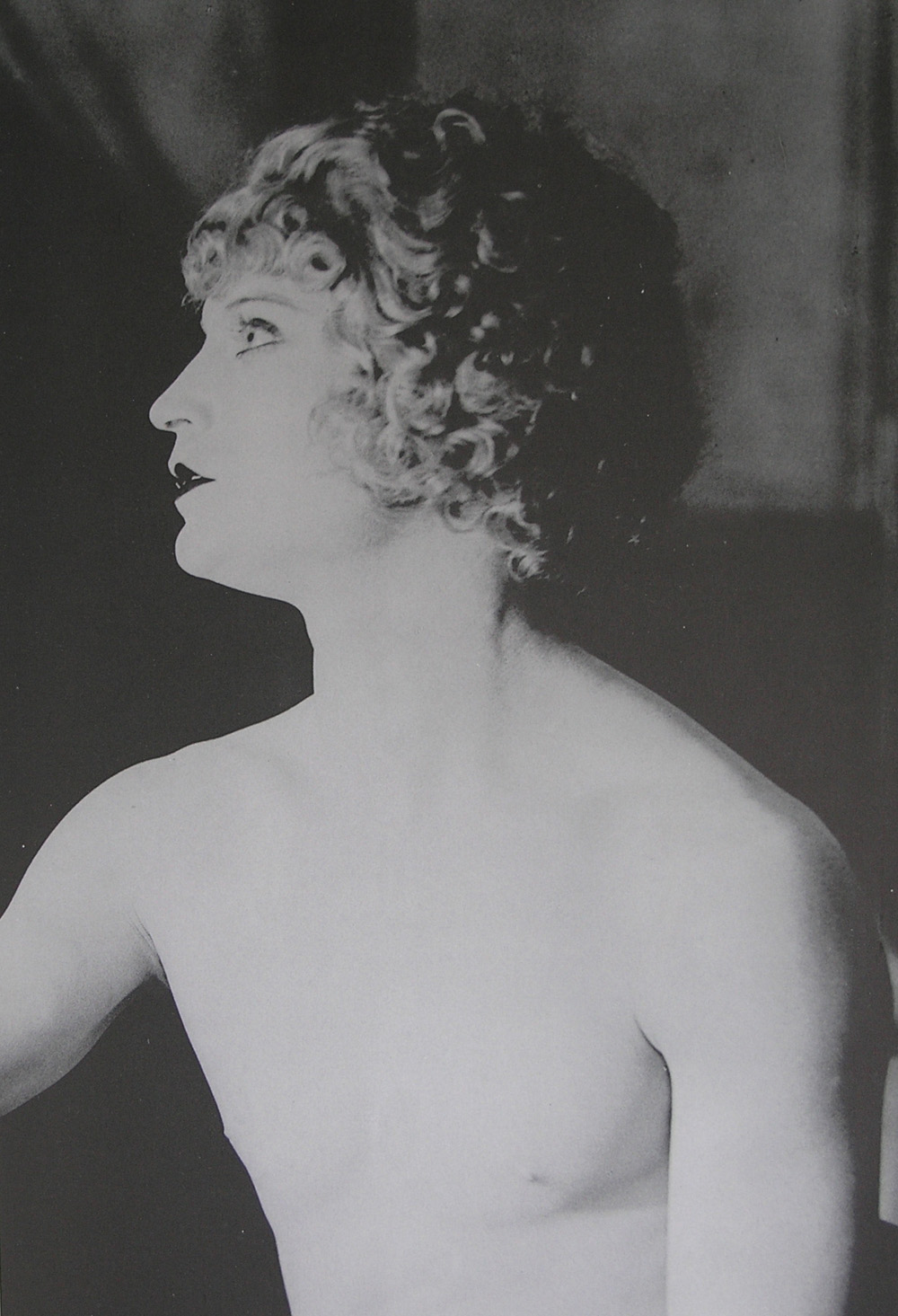
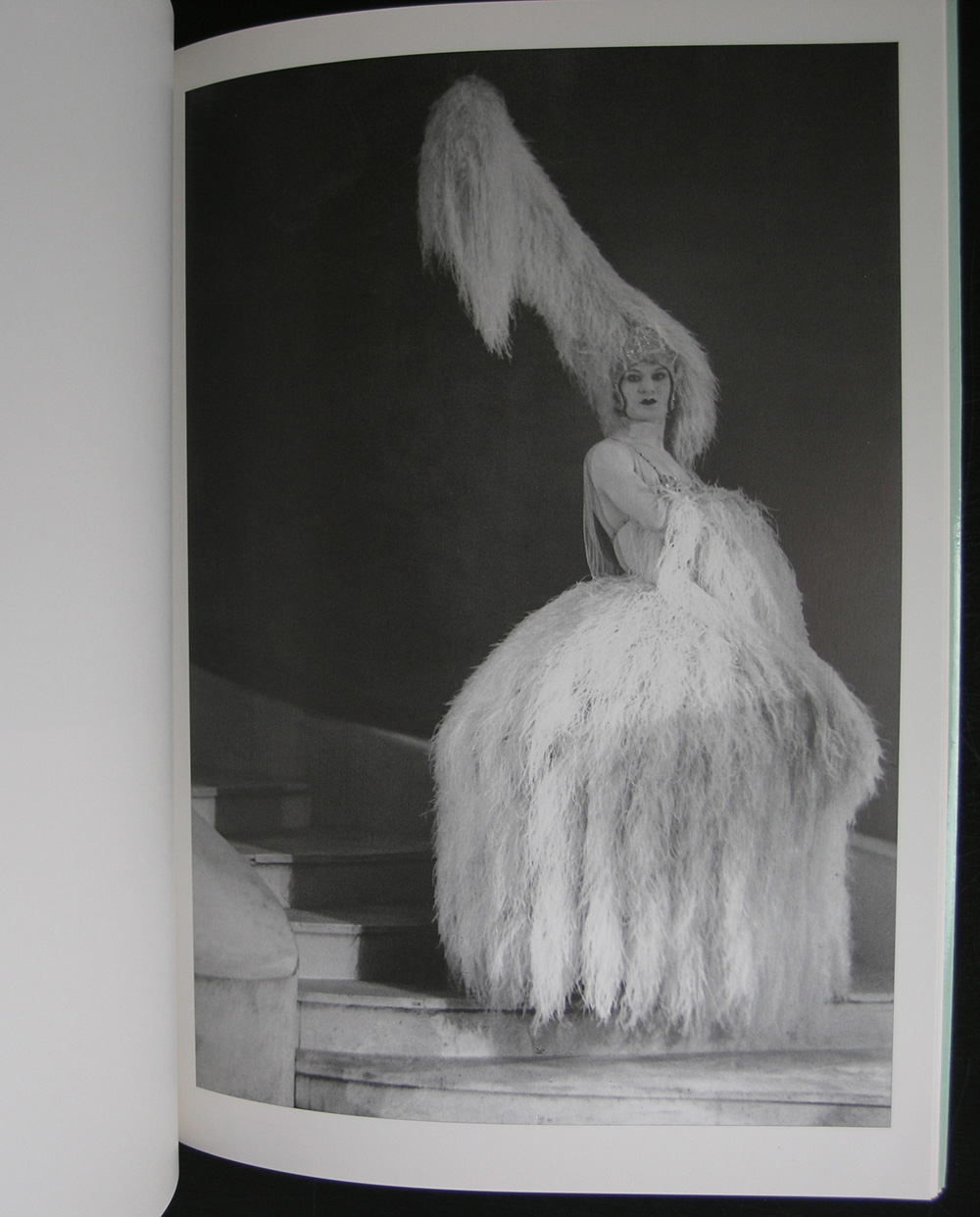
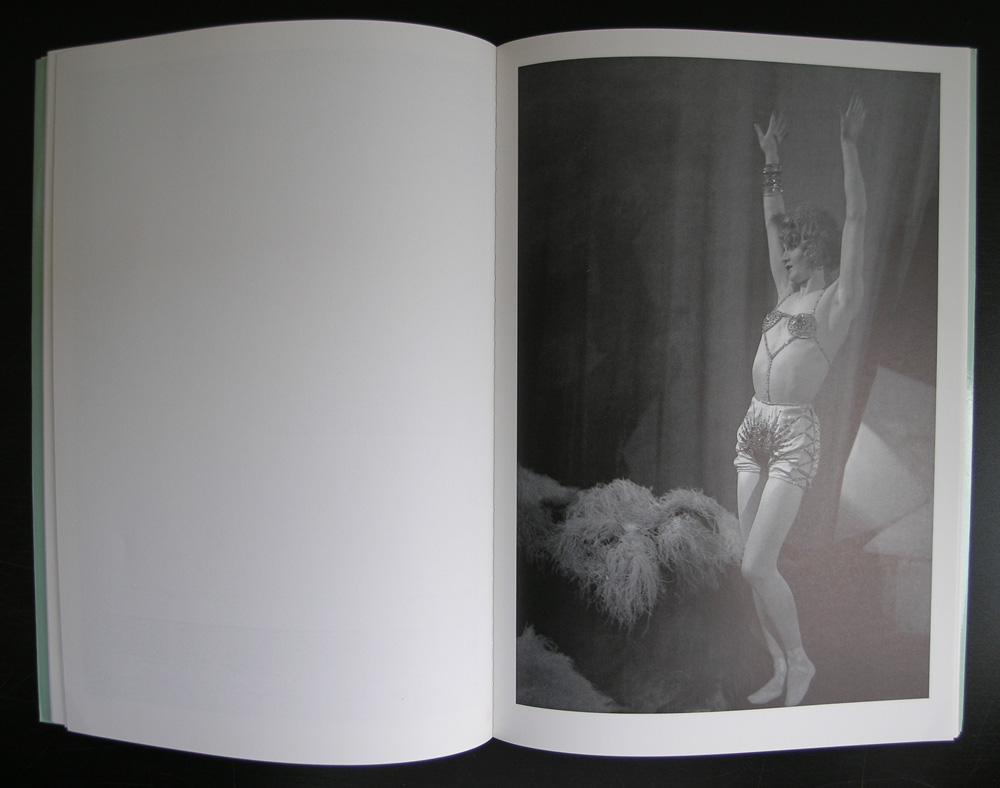
In the mid twenties Jean Cocteau commissioned Man Ray to take the photographs of his famous Barbette performance. A performance in which he personated the beautiful and famous Barbette and this would become one of the first “public” personifications of a woman by a man. Cocteau is a highly original artist and when i searched on the internet for he Barbette book, which i have in the collection of www.ftn-books.com, i encountered this excellent article
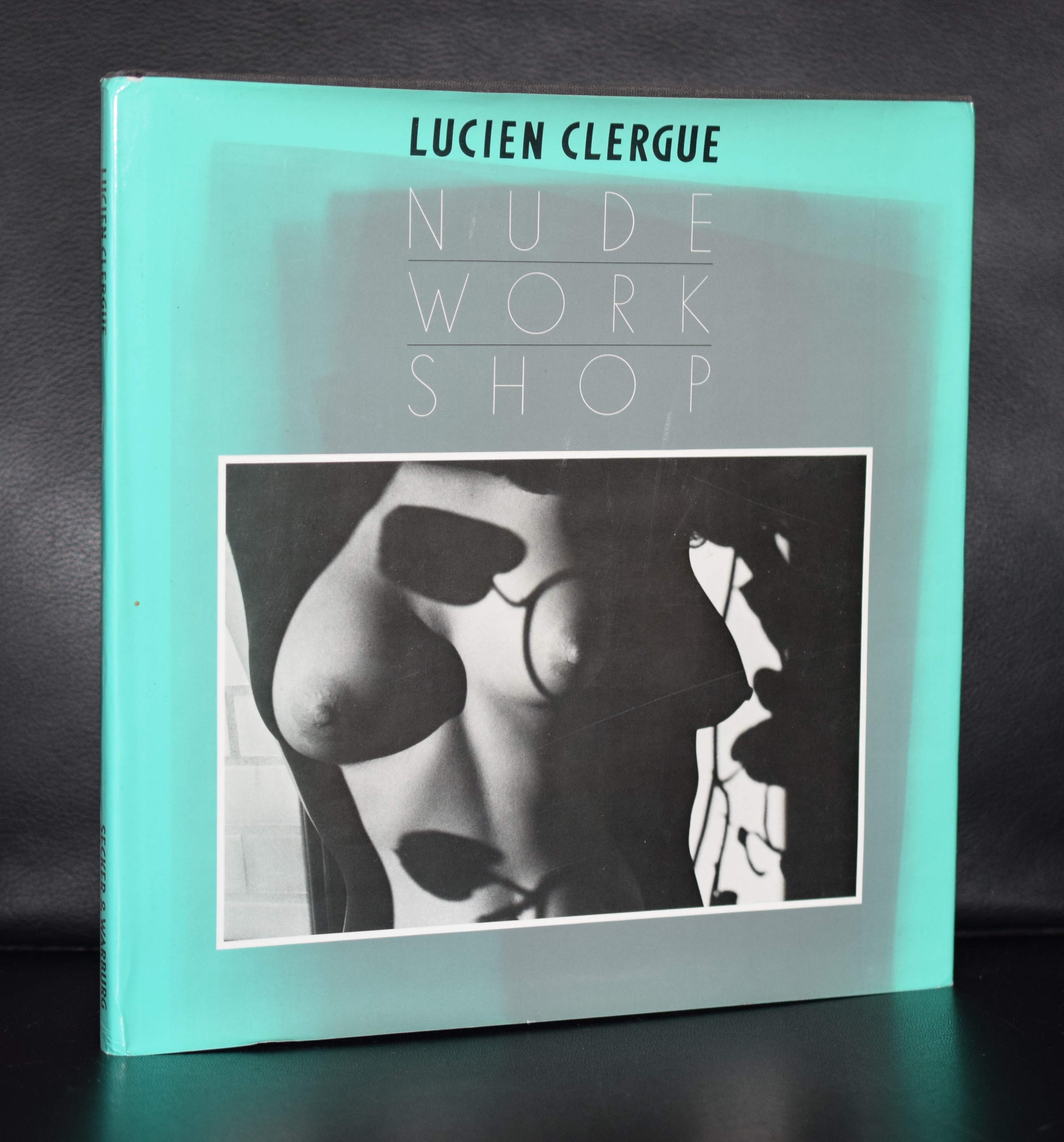
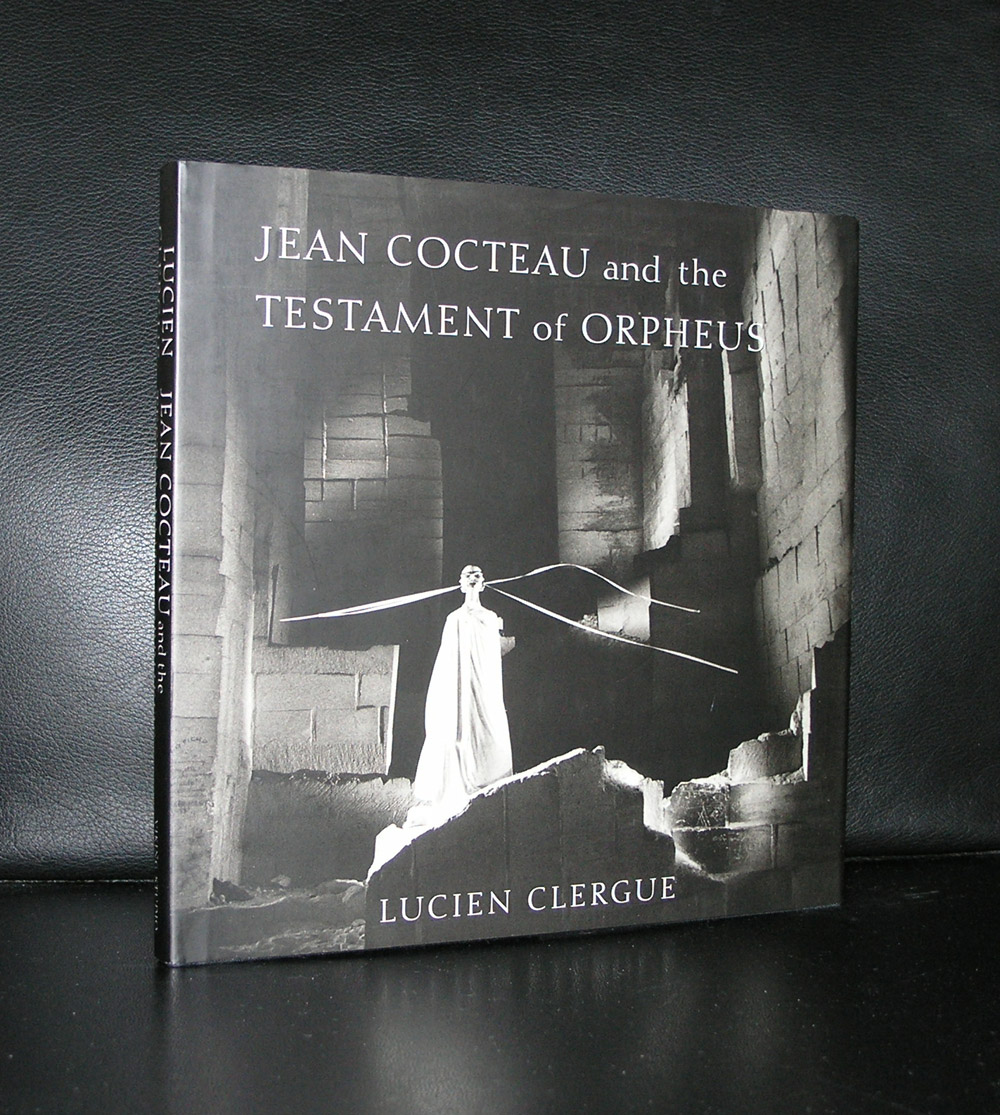
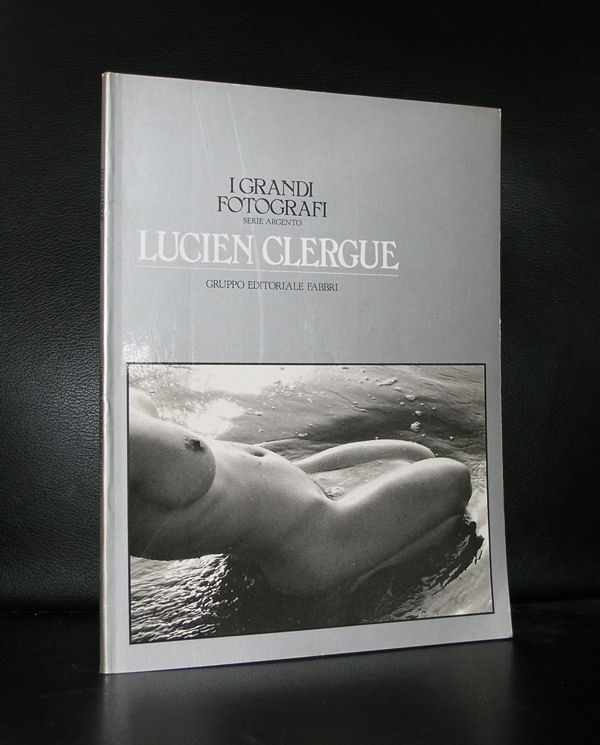
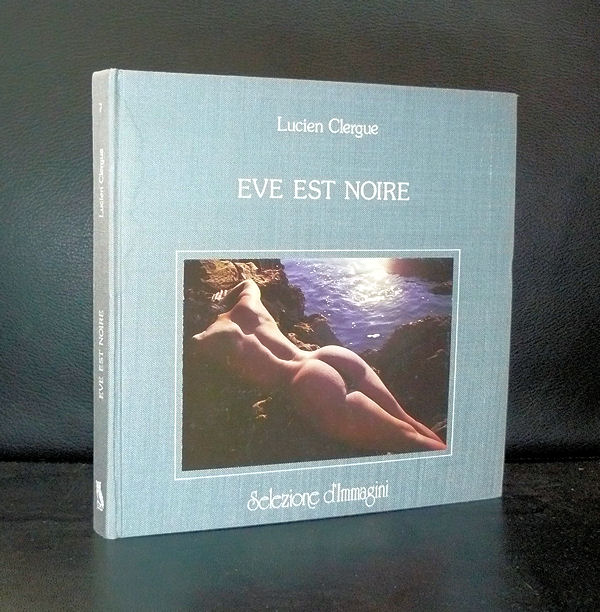
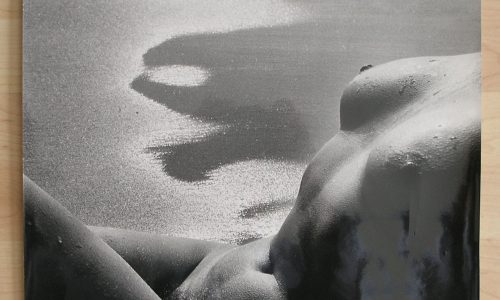
A few days ago i wrote about ARTA . A small gallery in Den Haag in which they sold editions by graphic artists. Immediately i remembered the Lucien Clergue photo i bought with them. At one time they had a small number of photographs from an edition by Lucien Clergue…. a naked woman … in the Mediterranean sea. A very beautiful body which attracted me, not only because it was one of the first nude photographs that was offered to me , but also because of its quality. At that time i even had no idea that photographs were printed in editions too, but looking at the back of the photo and seeing the stamp, signature and edition number i realized that this was the reason it was so affordable. It was one of the great purchases as a collector, because now these photographs are worth 200 times as much and are collected by photography collectors all over the world.
Lucien Clergue (1934-2014) proved to be one of the greats in photography from the last century and this sereis of naked women in the sea are among his best. . I still cherish this photo and even remember that i picked the perfect copy for my collection. There is no place for it anymore to hang it on the wall , so now and then i think about the selling it and maybe in the future i decide to do so.
SInce i am a full time antiquarian bookseller i regularly encounter Lucien Clergue publications and put them up for sale at www.ftn-books.com and on each such occasion i remember this beauty in the sea by Lucien Clergue.
There is a great selection of photographs still available at www.anneclergue.com, but the one i have in mycollection i did not encounter anywhere on the web.So this is to share it with you .
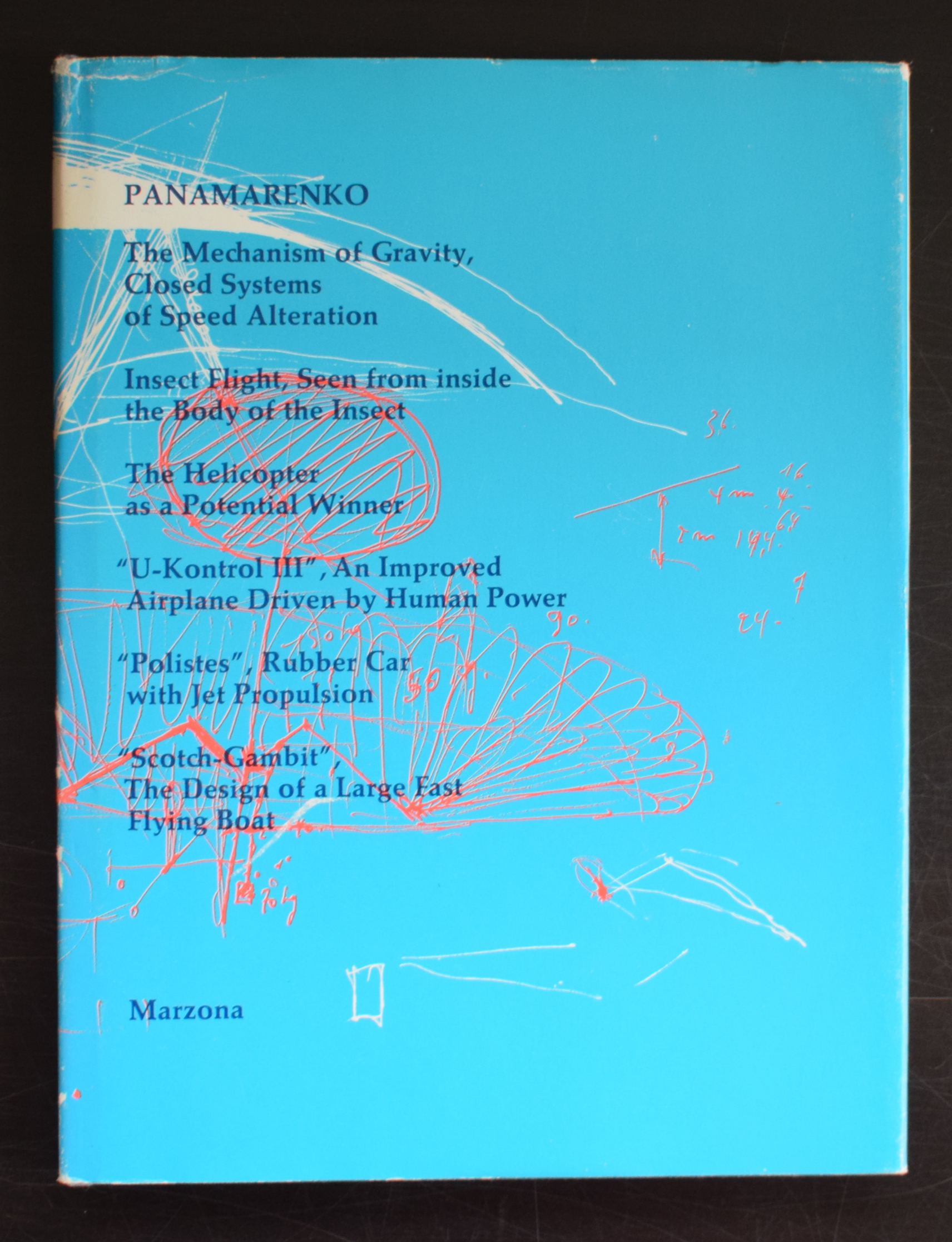
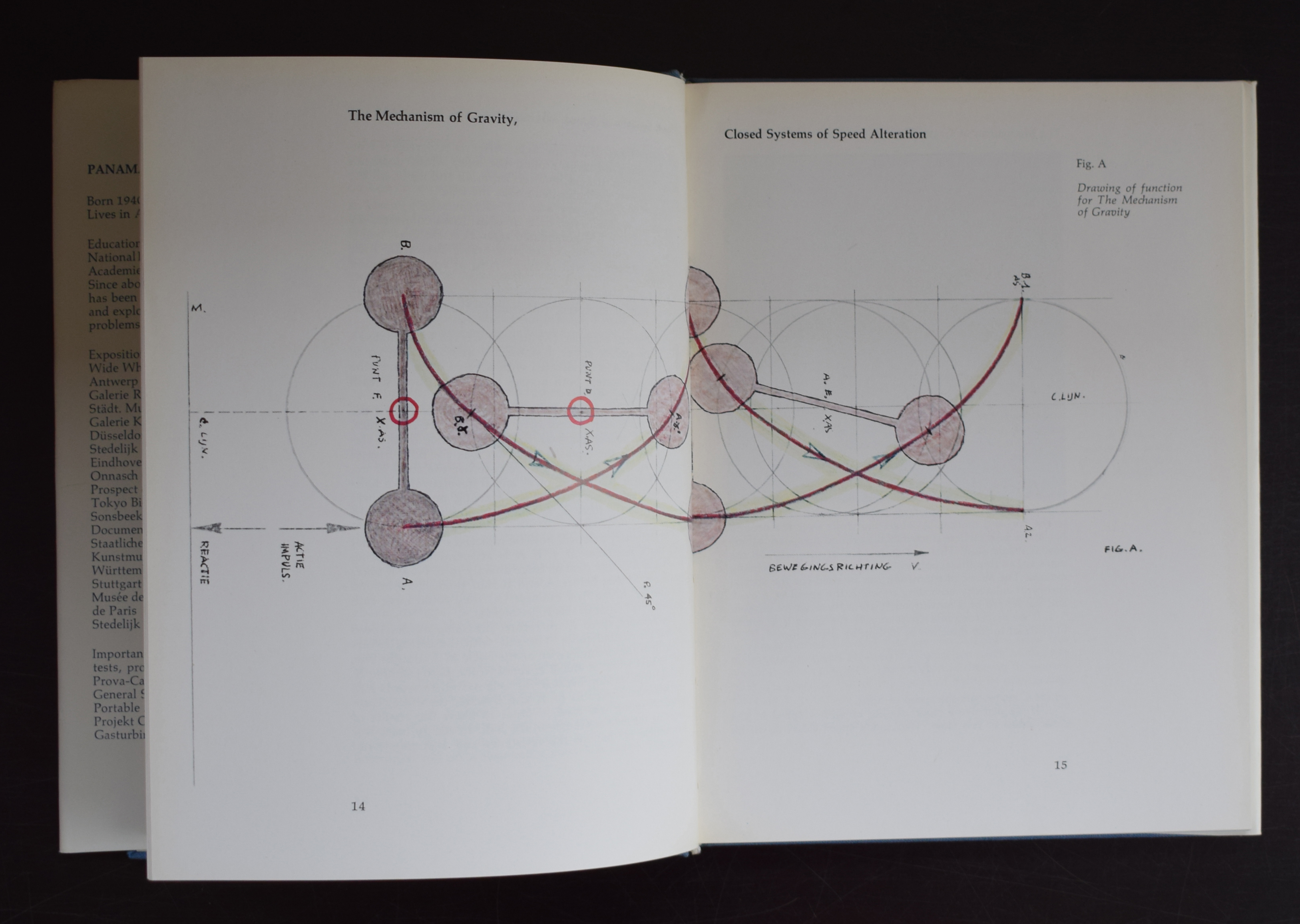
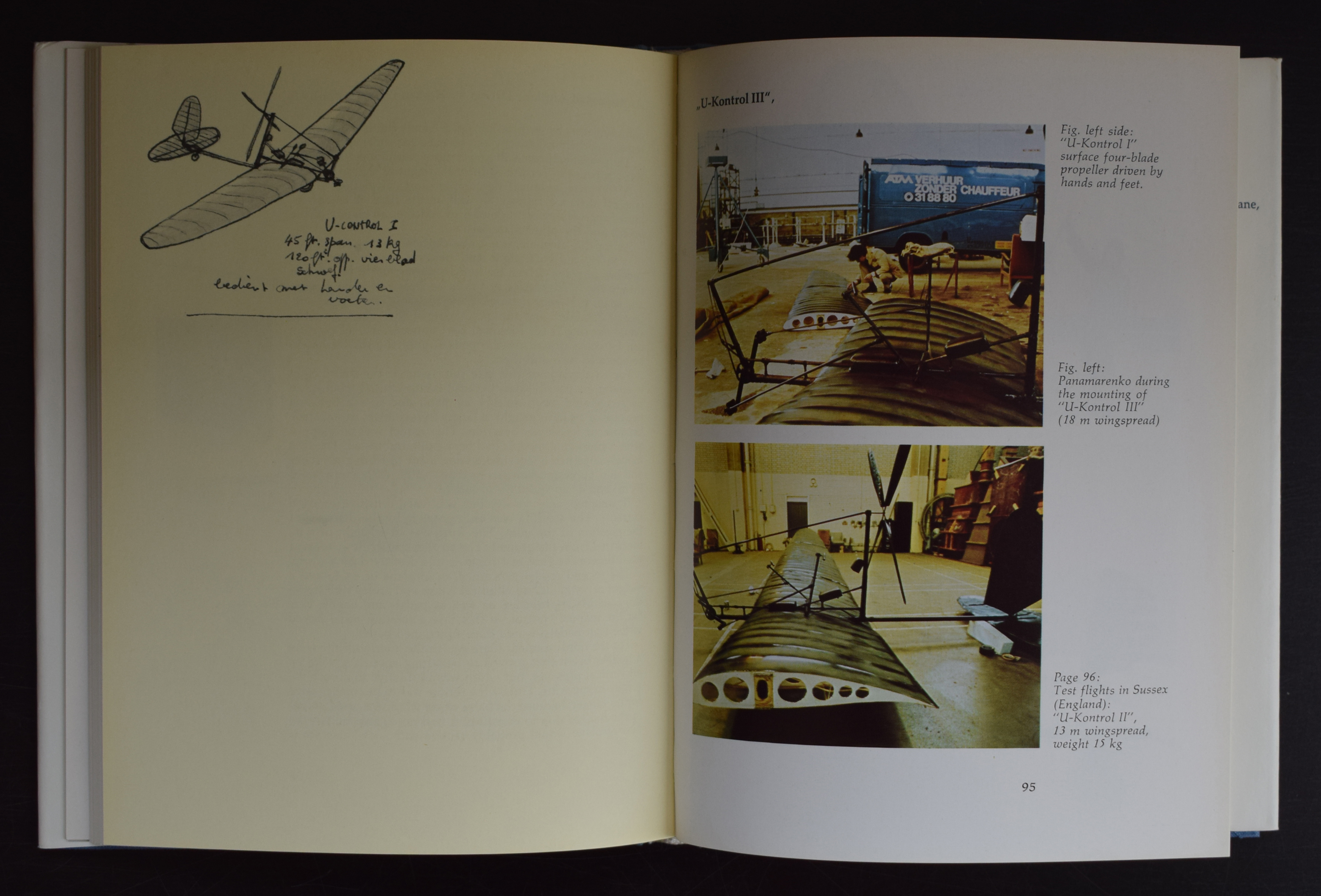
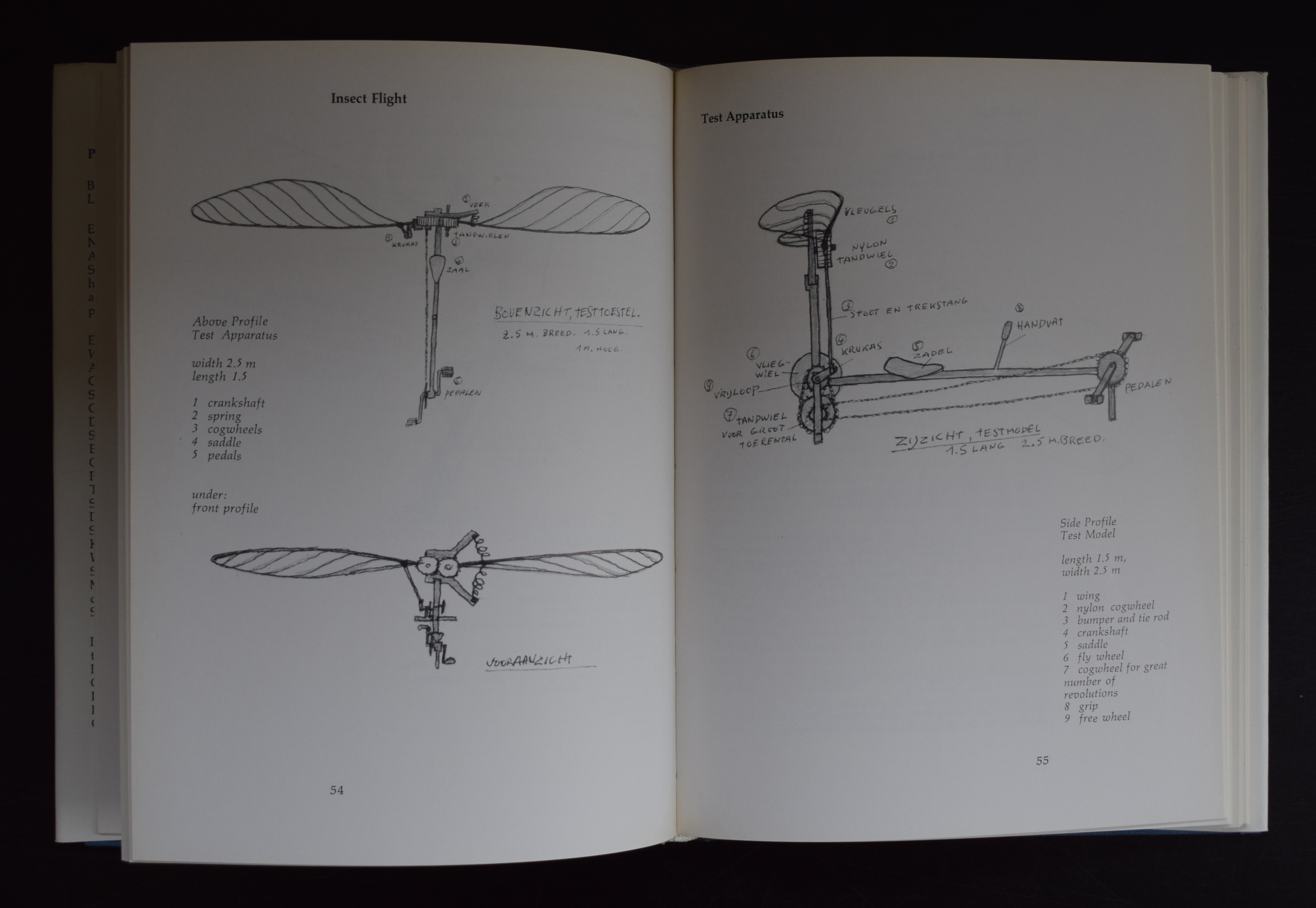
Panamarenko is one of the artists which i follow with great interest and because of this interest i have collected many titles on this fascinating artist. I know of excellent gallery publications , beautiful Museum editions ( Berlin ao) and many limited editions, but one of the most interesting to me is this edition by Marzona. An early book on Panamarenko but with many detailed description of the “machines ” he invented and produced. It shows the strength of his imagination. Totally original designs by an artists who stayed true to his belief that he had to invent and make his dreams come true.
The Marzona edition is from 1975, and because of this publication date it includes many of the inventions Panamarenko has become famous for:
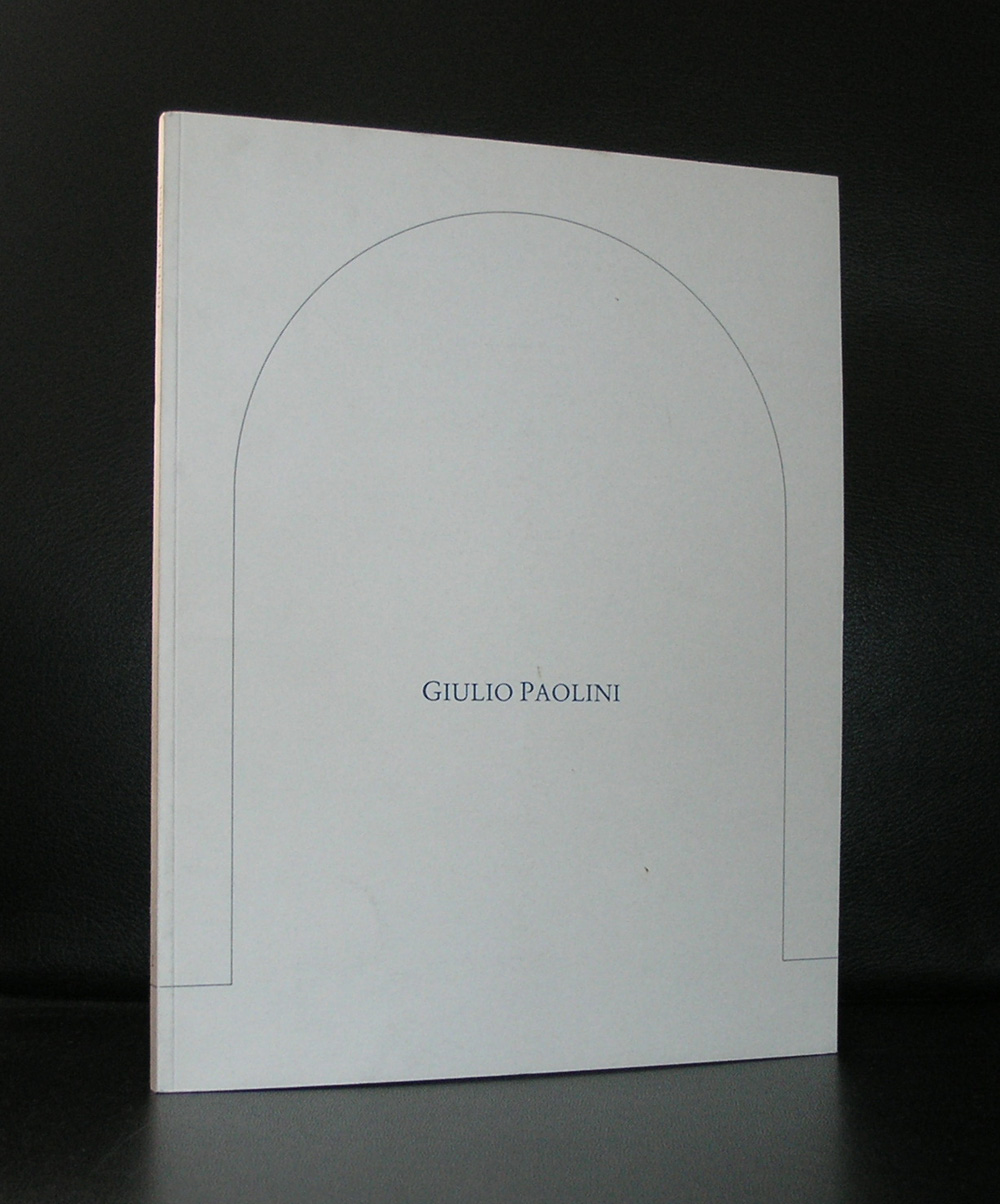
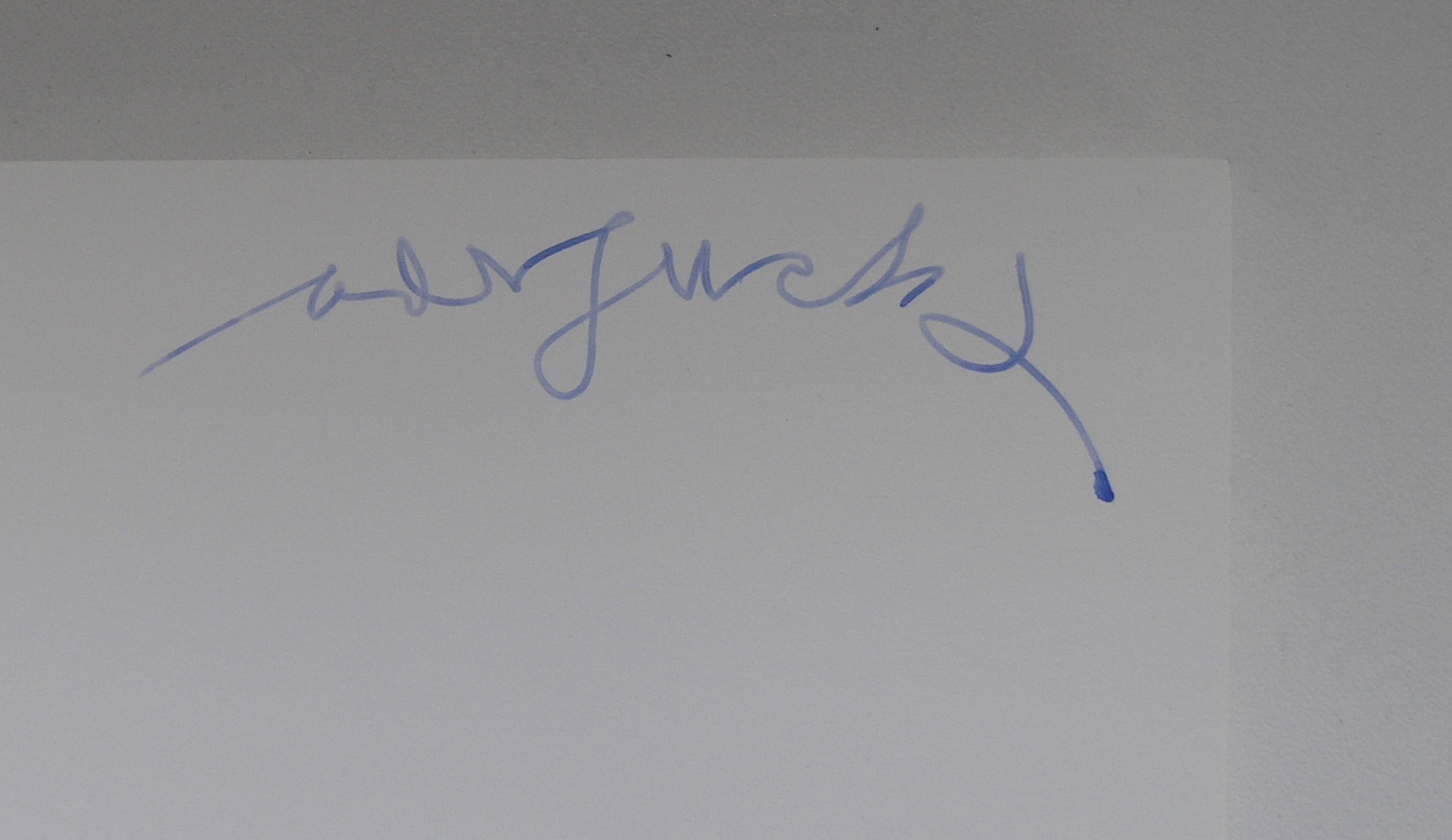
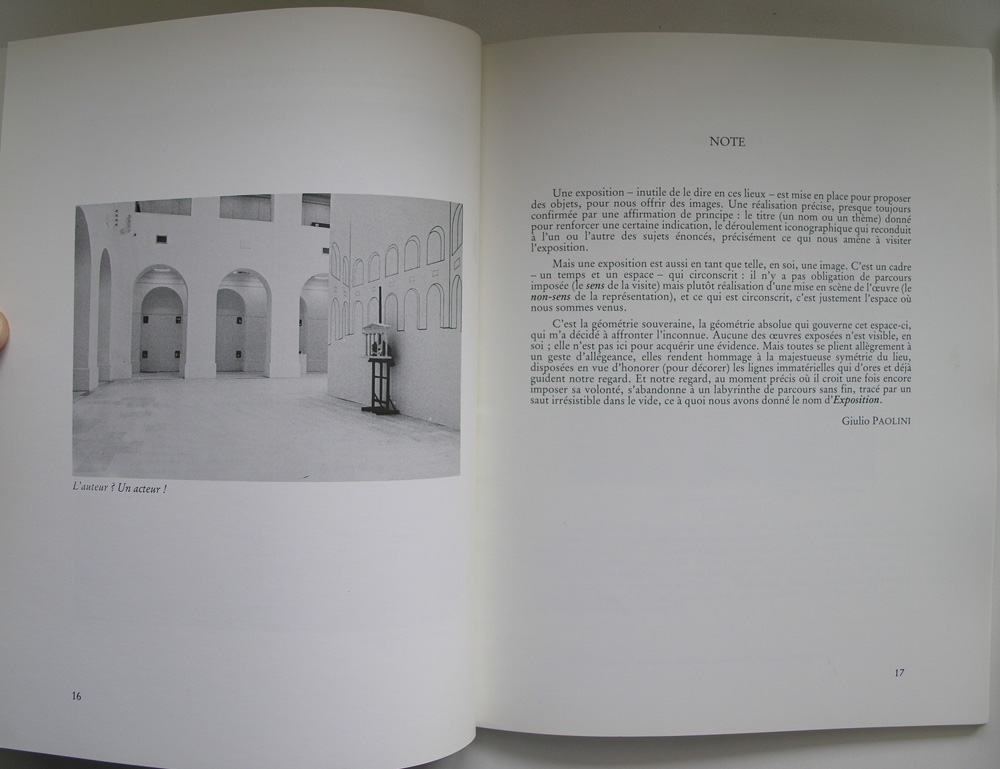
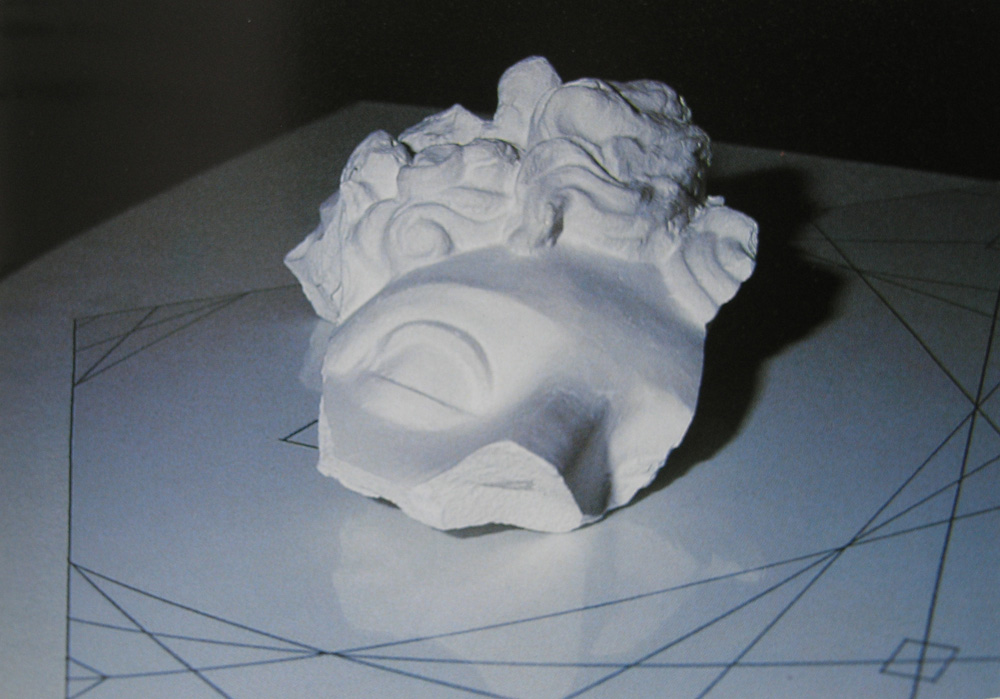
The catalogue i write about is the Giulio Paolini catalogue made for the Musee des Beaux Arts Nantes from 1987. This is not such a well know catalogue but because of its provenance i chose this one. Paolini is a well known “Arte Povera”artist and this fame has brought him all over the world with his art. One of his admirers is Rudi Fuchs who organized exhibitions with Paolini in the van Abbemuseum and the Stedelijk Museum and because of this, he always received complimentary copies whenever there was another exhibition with Paolini. One of these catalogues i have for sale is signed by Rudi Fuchs, meaning that this must have belonged to his personal library. It is a rather obscure publication, but very nicely published with an impressive cover with the name of Giulio Paolini underneath an arch. Exhibition was organized by Henry-Claude Cousseau, but the importance of this catalogue and proof of its quality is that is was within the library of Rudi Fuchs. Signature in blue ink on the first inner page.
Artist/ Author: Oliver Boberg
Title : Memorial
Publisher: Oliver Boberg
Measurements: Frame measures 51 x 42 cm. original C print is 35 x 25 cm.
Condition: mint
signed by Oliver Boberg in pen and numbered 14/20 from an edition of 20