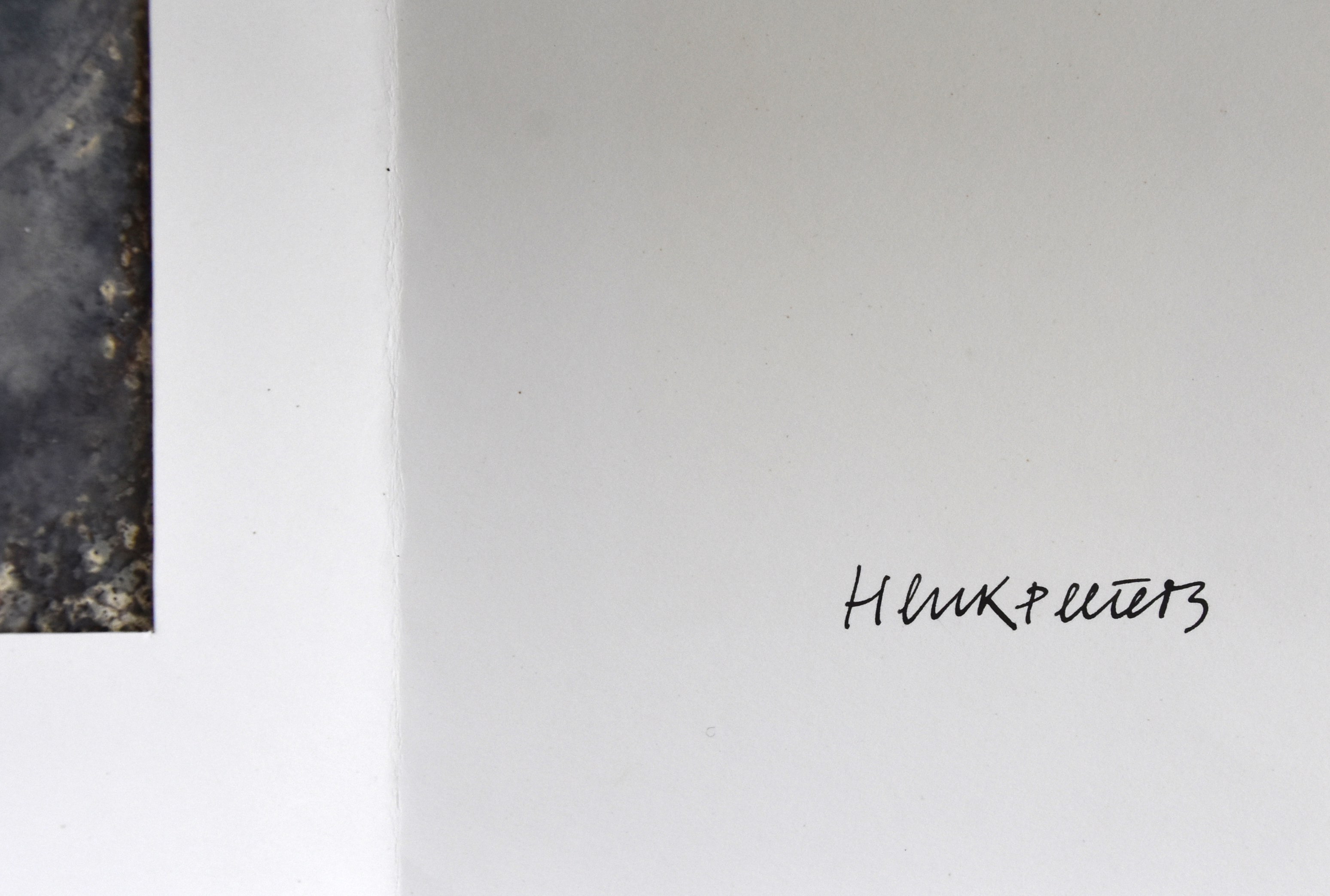
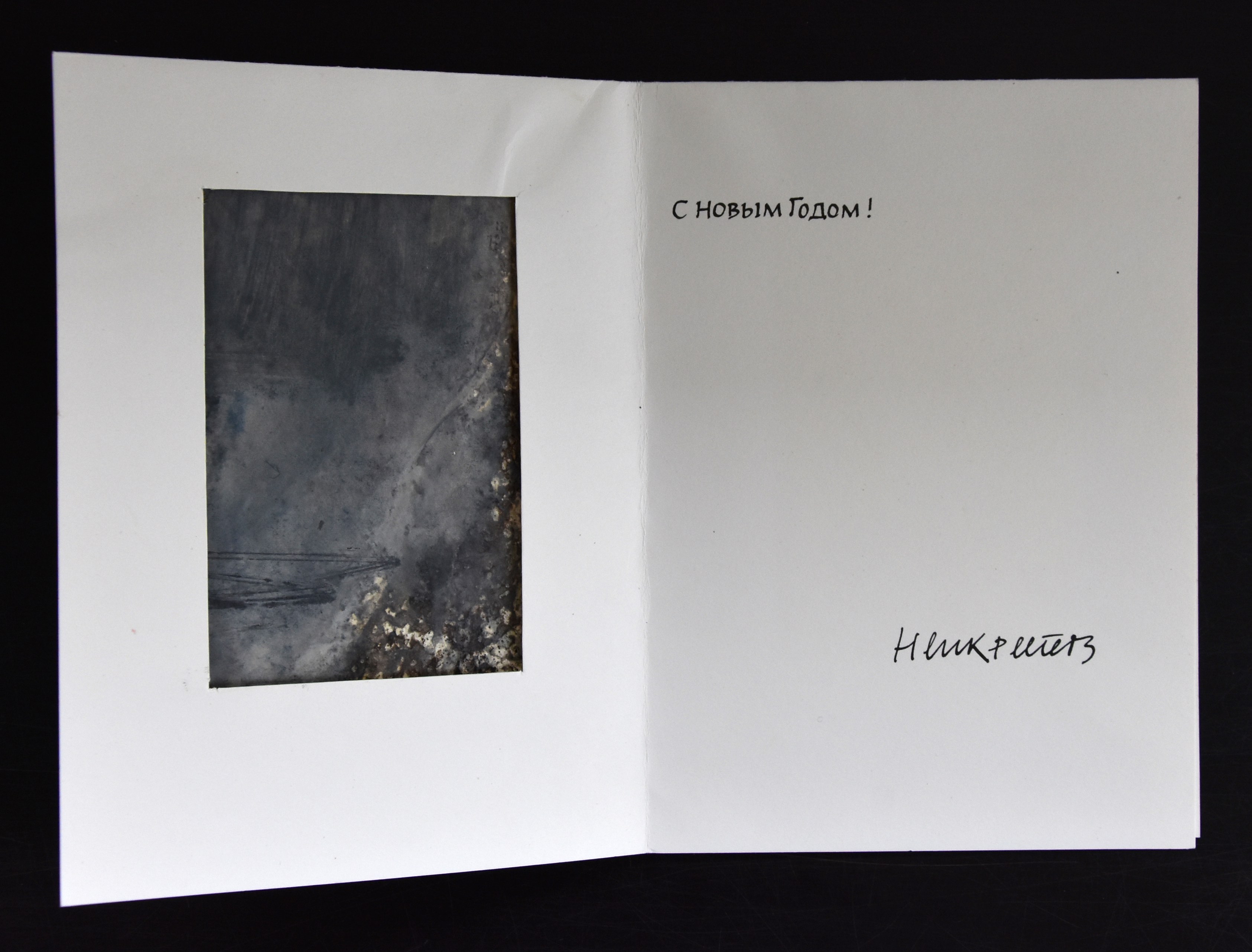
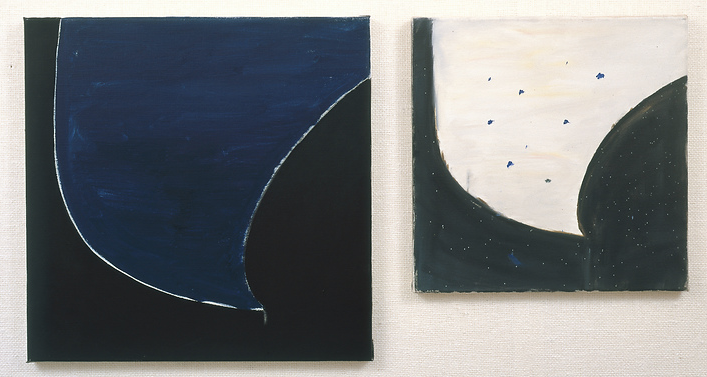
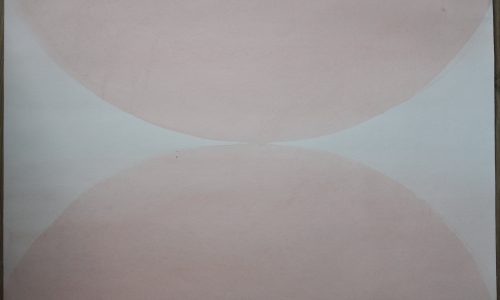
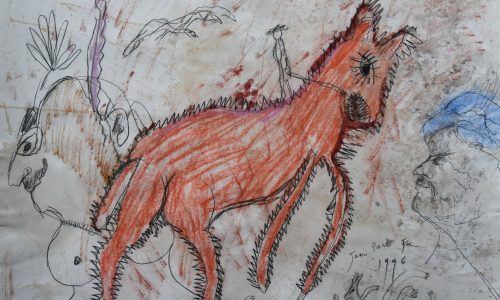
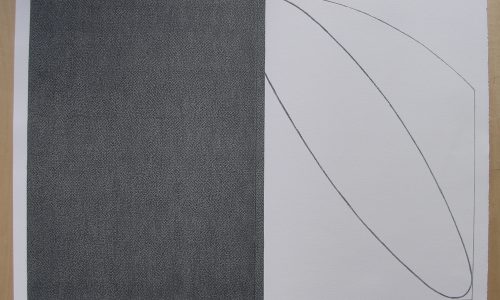
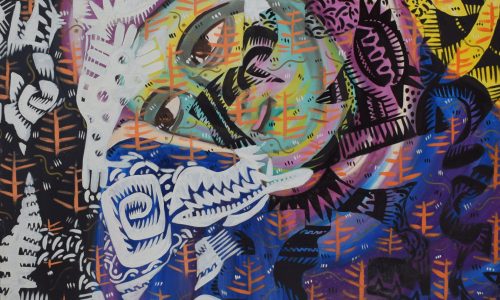
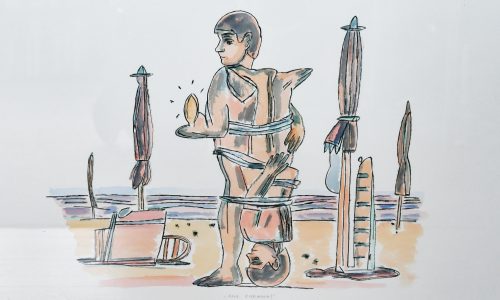
Later this year i will devote another short blog to Henk Peeters. Peeters has become world famous for his contributions to the art world as a ZERO / NUL artist. Since yesterday i added a small composition by Henk Peeters to my inventory. A s good as his best Informal and Zero paintings, but on a very small scale this is a great little piece of art and now available at www.ftn-books.com
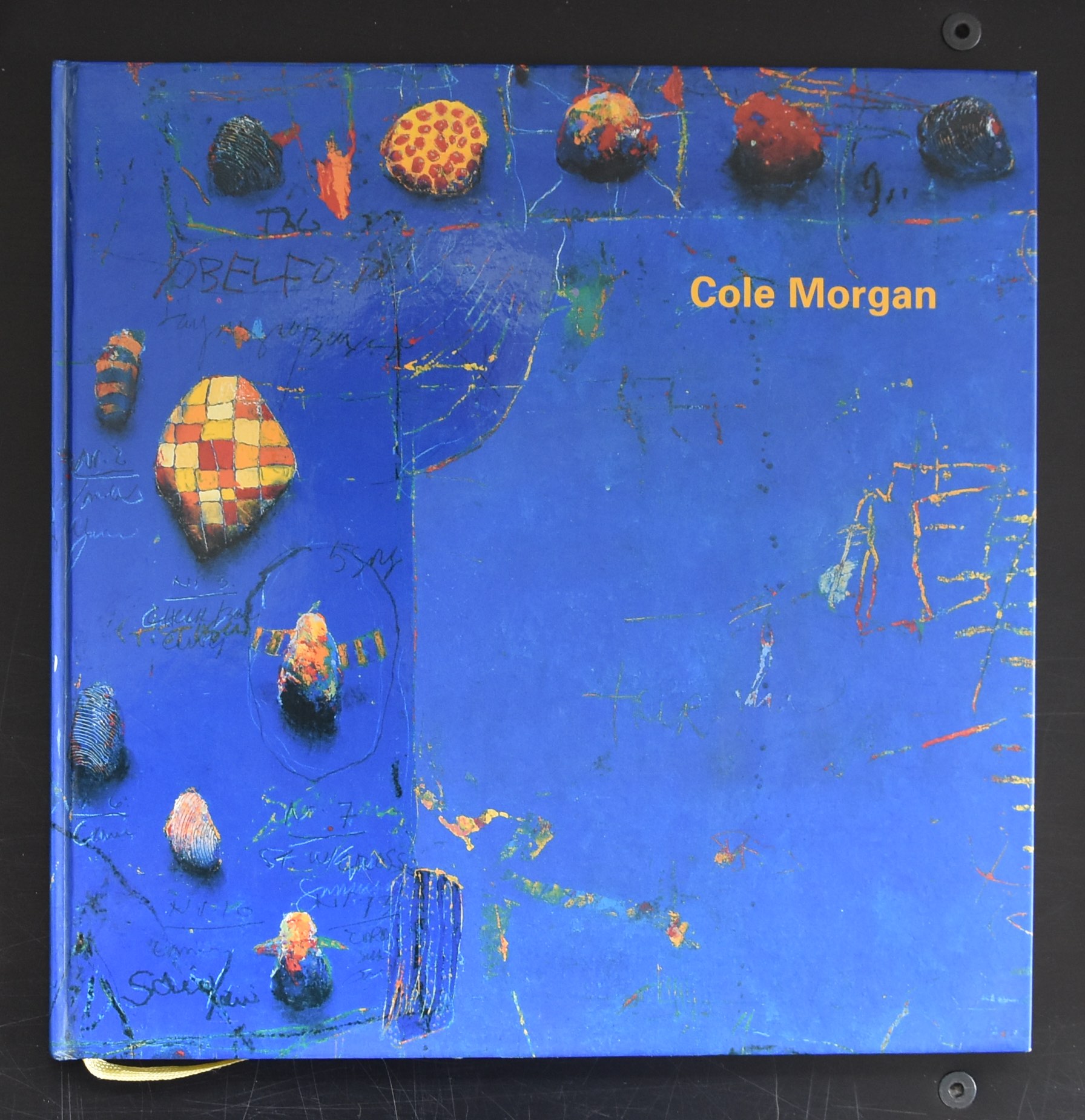
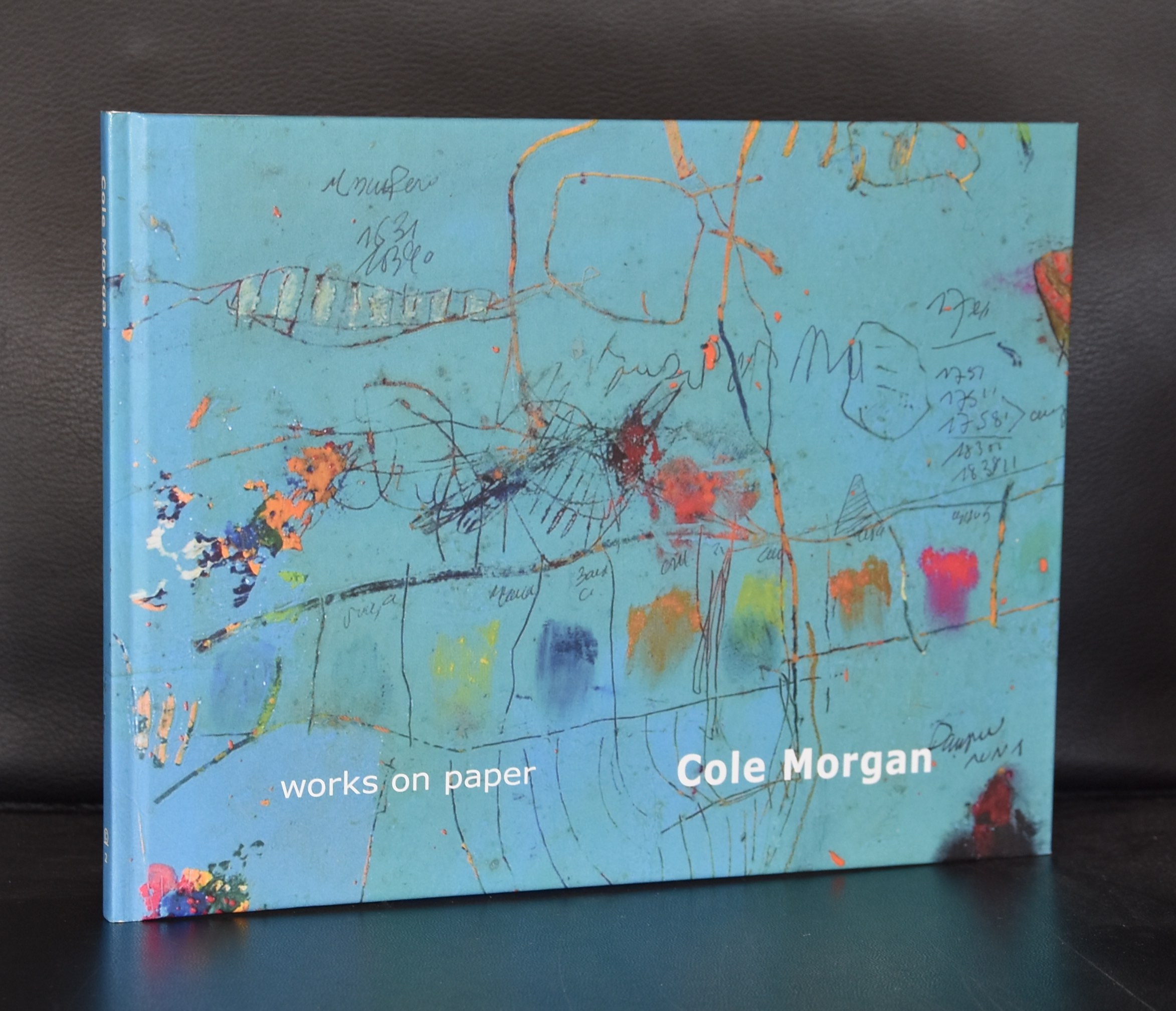
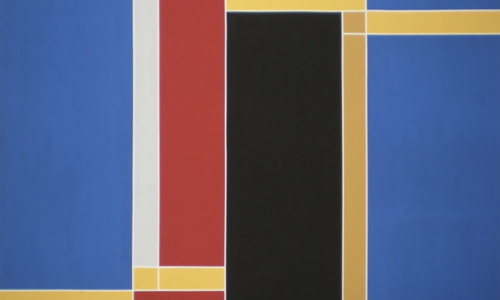
The first time i encountered work by Cole Morgan was at an exhibition at gallery de TWEE PAUWEN in The Hague. It struck me as an easy form of abstraction, but original in its approach and very accessible for Abstract Modern Art. Since i have seen many more pictures by Cole Morgan. At auction, during visits at the dentist, legal offices and attorneys….even saw one at a hairdresser. So many people have learned to look at his pictures and admire his works. Recognizable yes, original perhaps, ever lasting modern art?….probably not, because when you have seen one painting by Morgan , in my opinion you have seen them all. These paintings are constructed works, with brightly colored elements he composes his paintings and differs on the ones he made before. Because of his clientele, his price level has always been high and this way of producing paintings has been quite lucrative for him.
Now that his paintings appear at auctions their true value disappoints and many a collector has made a wrong investment for the moment. Nevertheless…. if you look at them as pure decorative paintings, these paintings convince. They are somewhat childish and because of their simplicity appeal to many and therefore are encountered in many offices . My advise…When you can pick one up at a reasonable price, do not hesitate and enjoy it as long as you like it, but do not expect to make a profit on it. This is art is to be consumed. There are some very nice books on Cole Morgan available at www,ftn-books.com
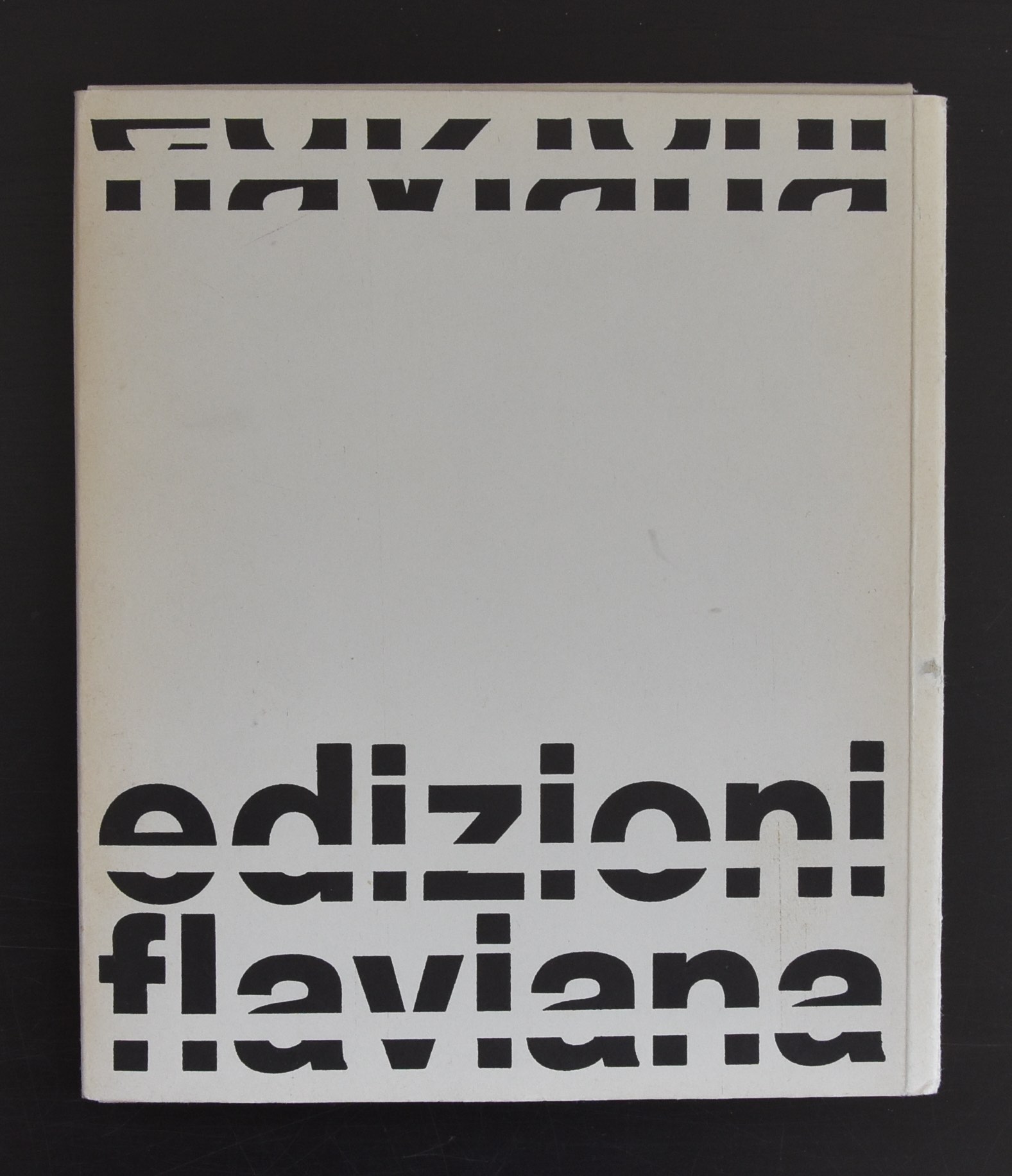
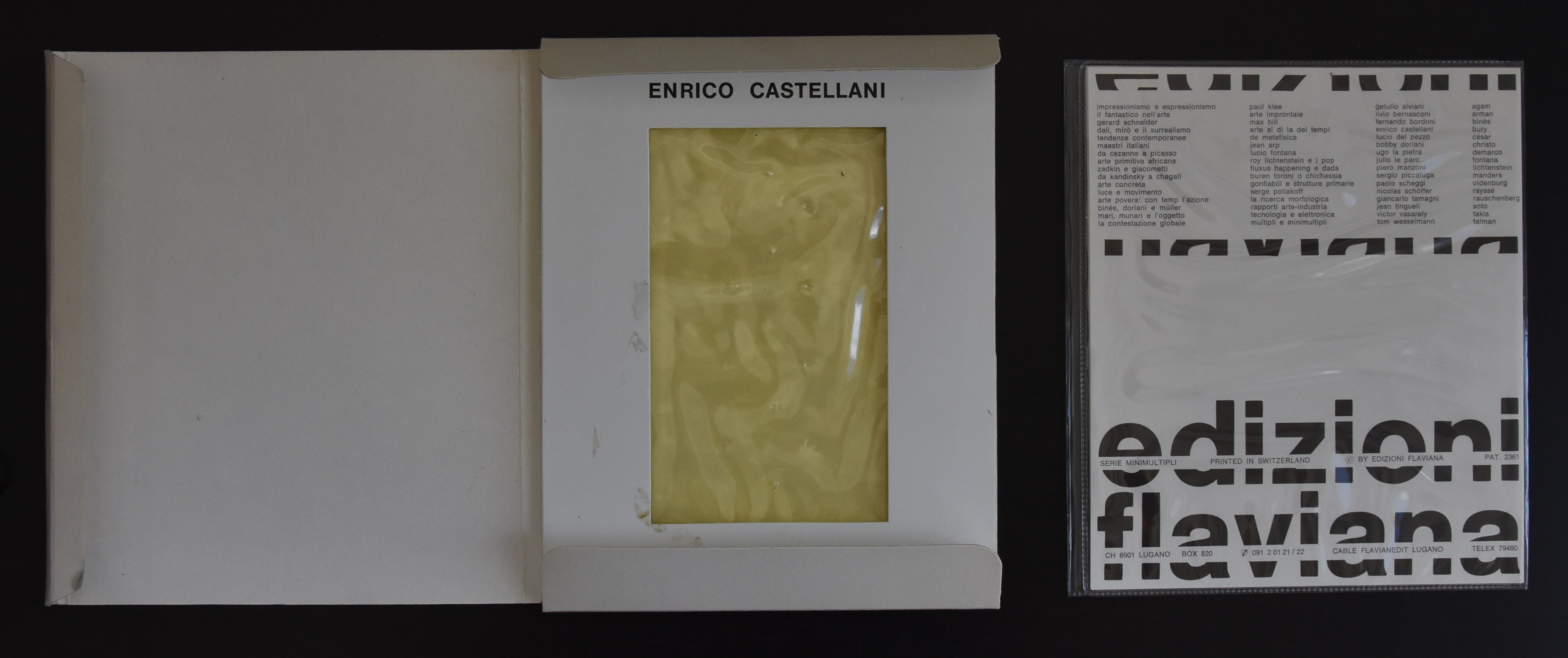
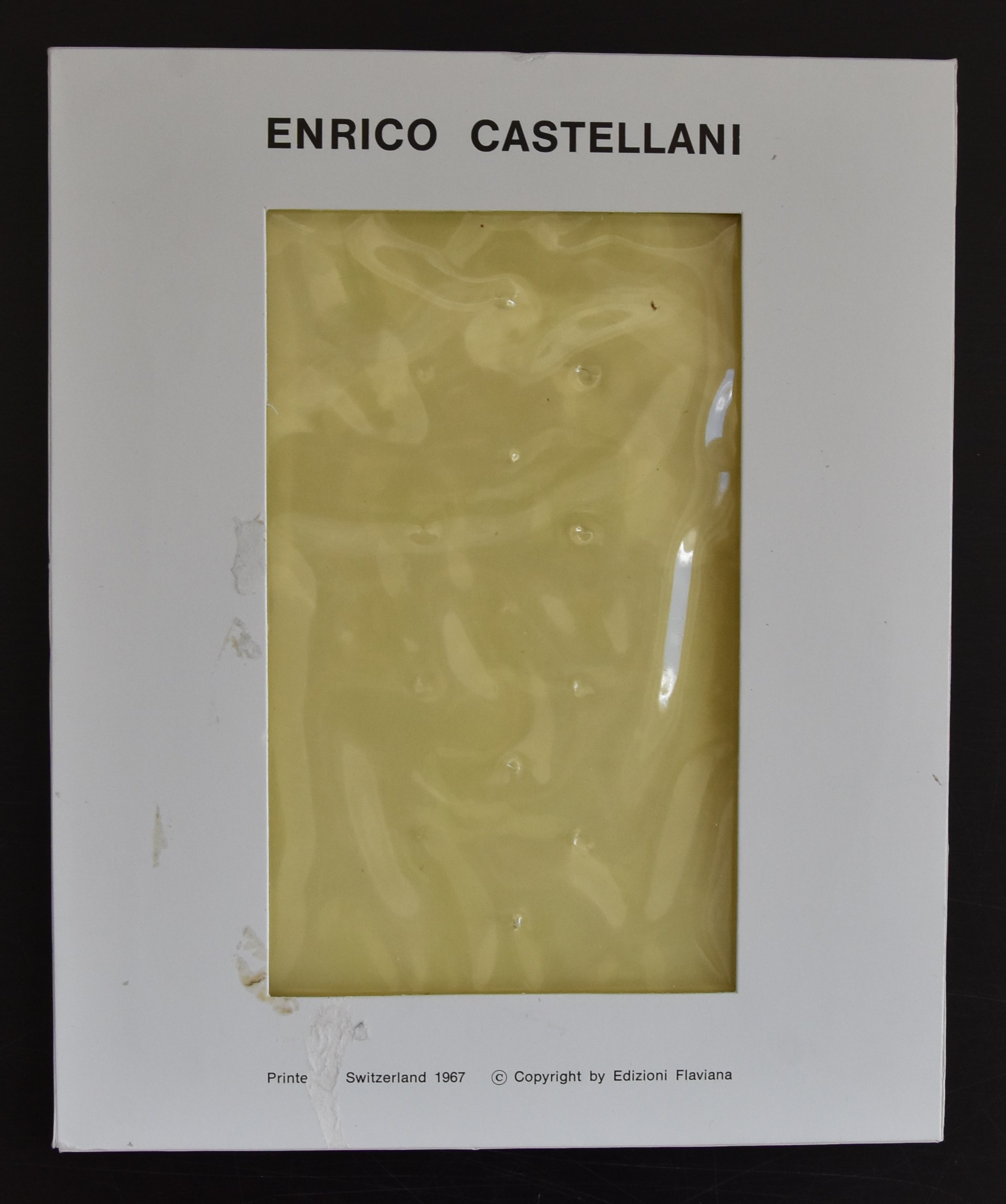
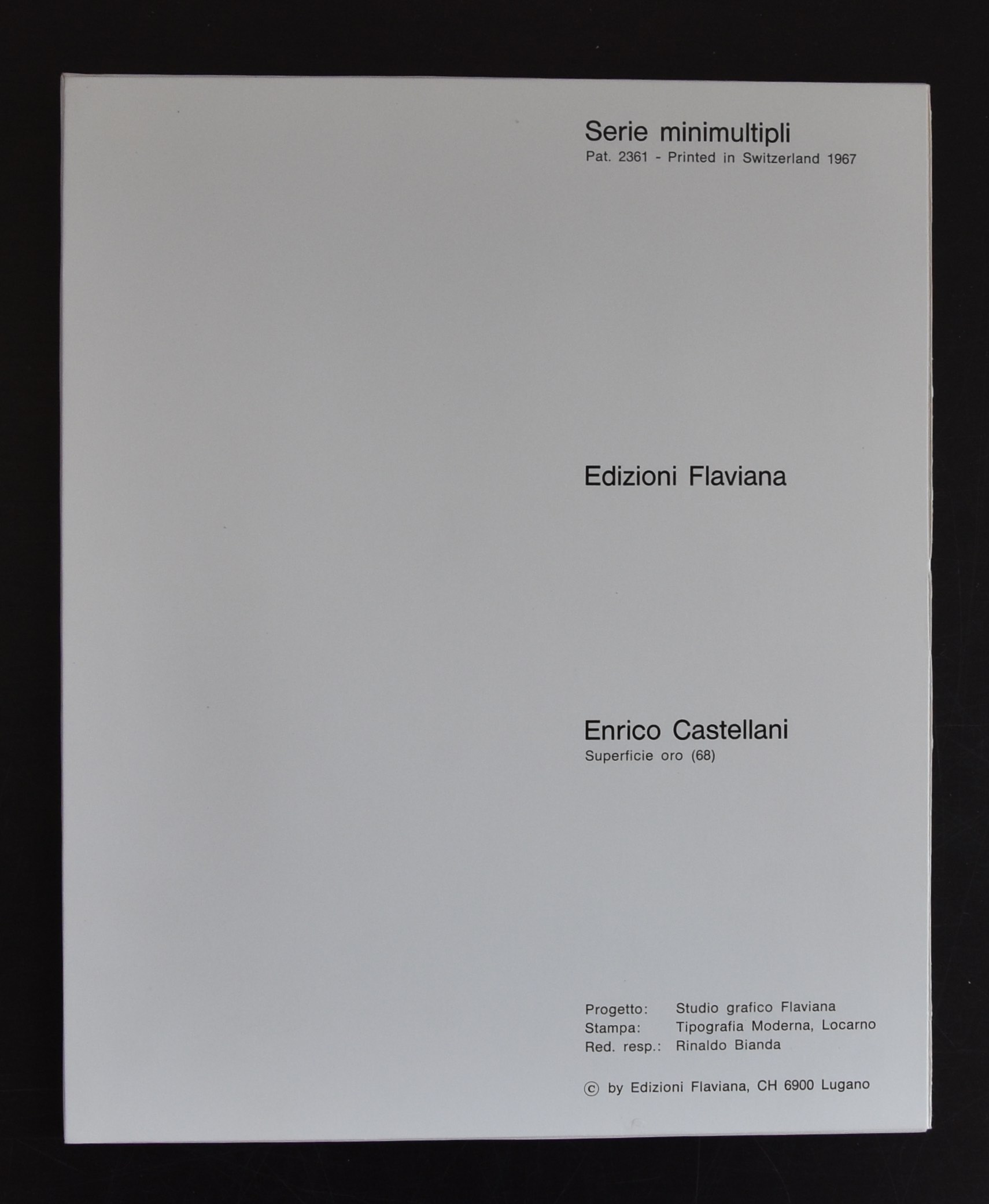
Manzoni, La Pietra, Colombo, Christo and Enrico Castellani. What do they have in common?. Yes , they were all artists who started their careers in the early sixties, but an another lesser known fact is that they were all chosen to publish within the Minimultipli series by Edizioni Flaviana a small, but also art collection worthy, work of art. The ones which i added today to the inventory of my store are considered to be the best of the series. Tomorrow the Ugo de La Pietra. But here is the Superficie Oro by Enrico Castellani from 1967.
This Enrico Castellani is believed to have been published in an edition of only 1000 copies ( others within the series were published also in 1000 copies) of which few will have survived as good as this one. The “envelope”, plastic covered inlay and the multiple are all in exceptional condition . Published in 1967. This Castellani is a true ZERO work of art. He encountered many dutch and german artist who belonged to the ZERO and NUL mouvements in Germany and the Netherlands and he himself , as his friends Fontana and Manzoni, were influenced by the ideas of these groups of artists. The ” Superficie Oro” shows it in the smallest scale possible, but even at this size, it truly is an outstanding work of art and now available at www.ftn-books.com.
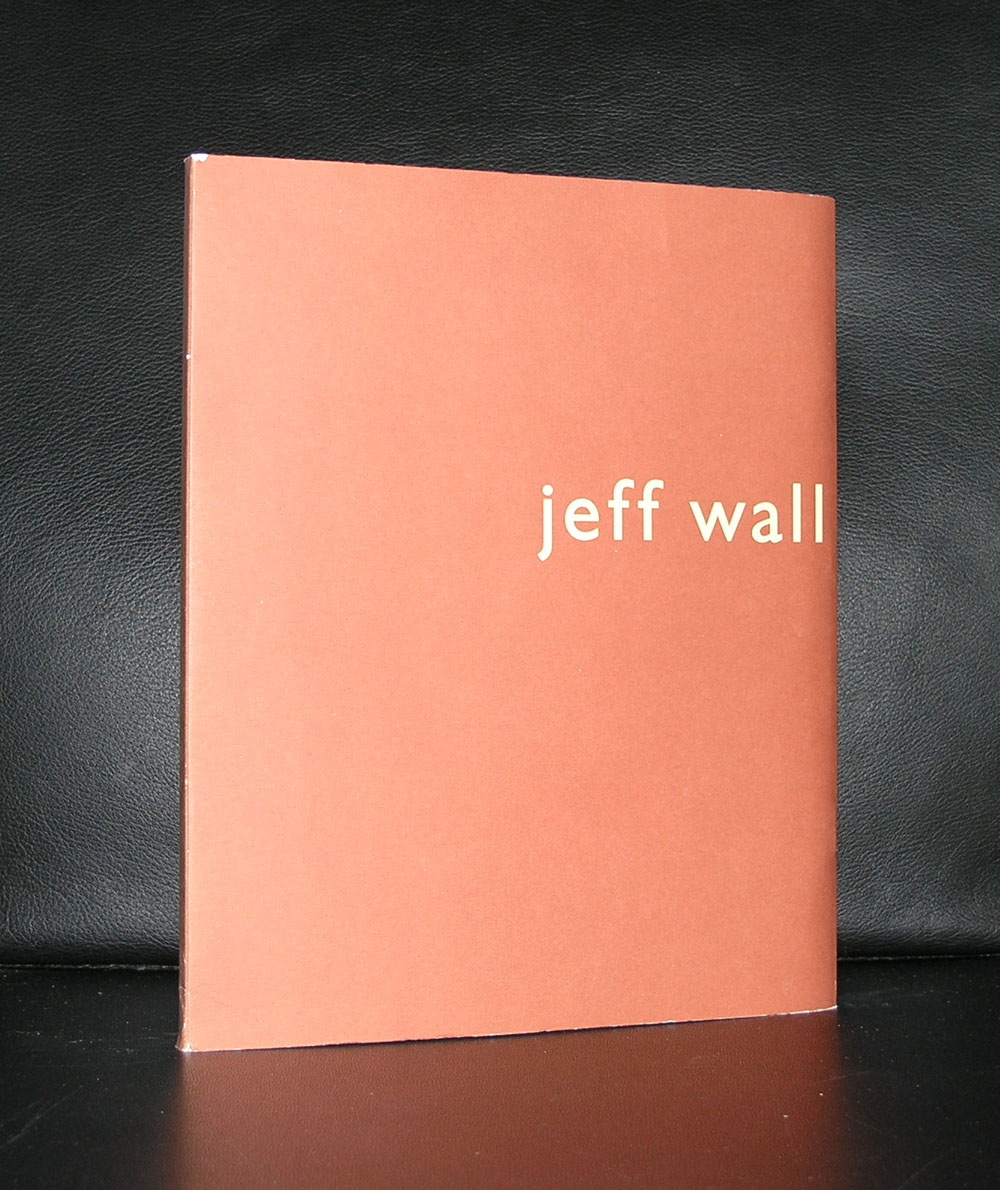
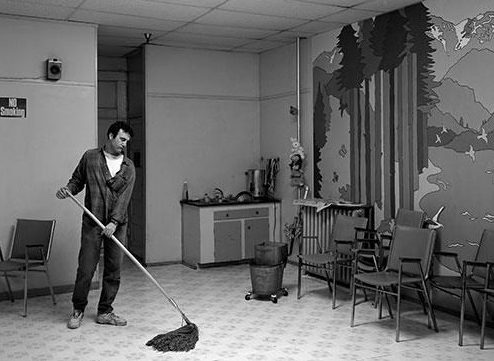
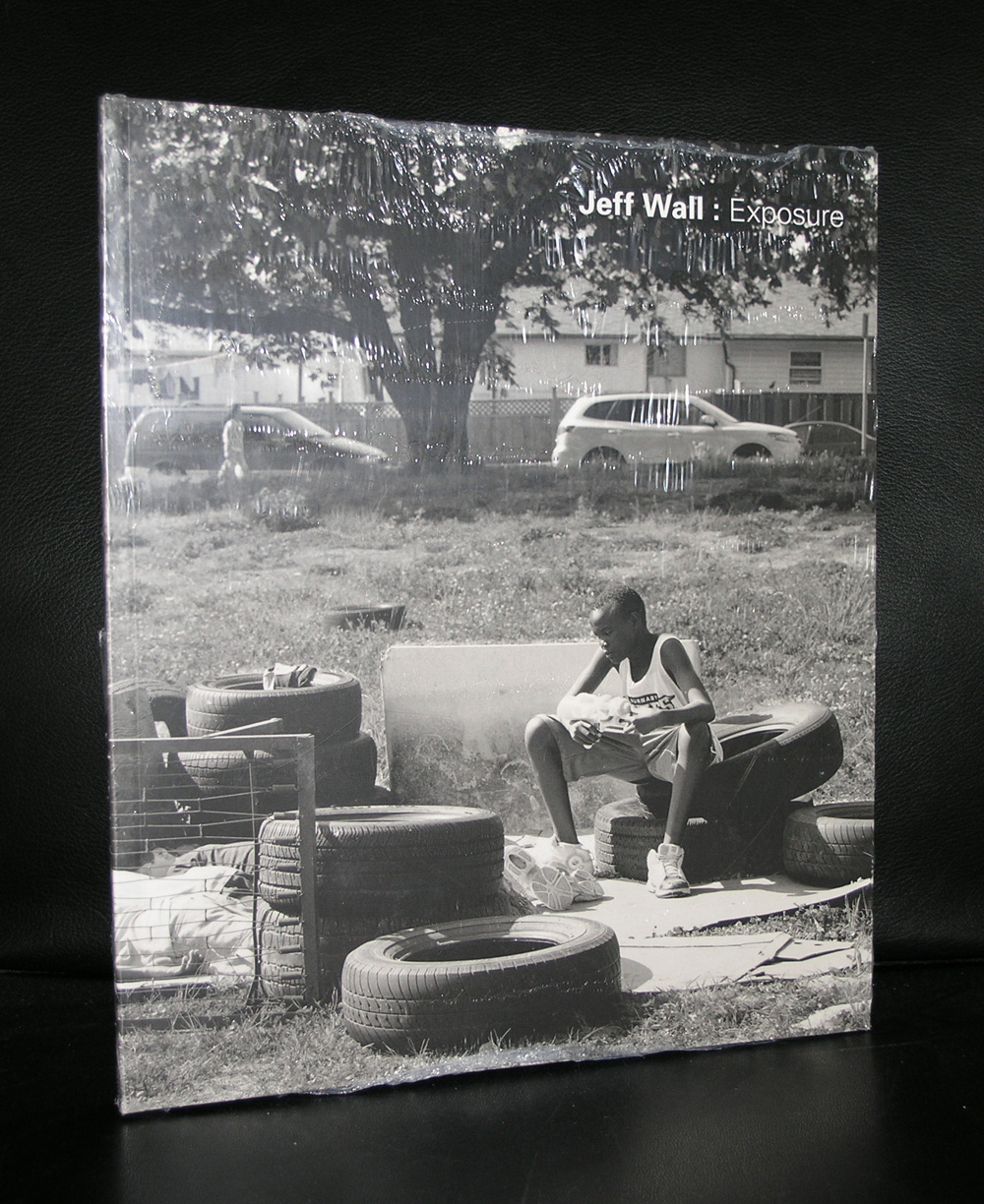
The scenes that Jeff Wall photographs look random and by chance, but reality is …..they are completely staged.
Since the 1980s, Wall ( Born in Vancouver/Canada) has produced critically acclaimed work in the form of color transparencies backlit by fluorescent light strips and presented in lightboxes. He was one of the first artists to make photographs on a large scale. The standard lightbox was created for the primary purpose of outdoor advertising. In Wall’s work, this medium became a platform for his figurative tableaux, street scenes and interiors, landscapes and cityscapes. Wall explores themes such as the relationships between men and women and the boundary between metropolis and nature. He offers social commentary on violence and cultural miscommunication, and conjures seductive nightmarish fantasies and personal memories. These scenes provide the basis for photographic reconstructions of Wall’s experience. They derive their inherent suspense from a combination of extreme realism and sometimes elaborate artifice.
www.ftn-books.com has some important publications by Jeff Wall available.
His first exhibition was in Dusseldorf in 1977, but he nver joined the NEUE WILDEN . A group of painters who were in vogue in those days. He felt himself more comfortable when compared with painters like Broodthaers and Picabia, who had an extra layer in their paintings.
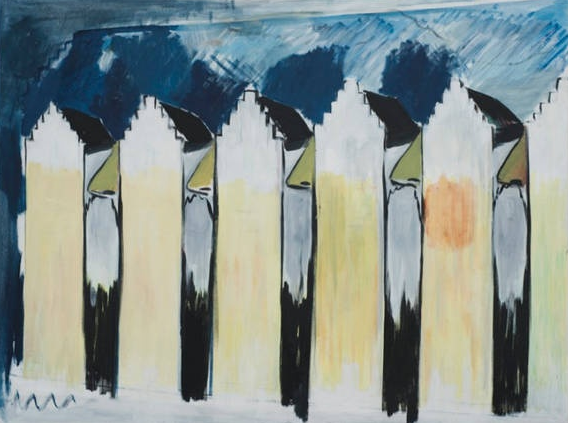
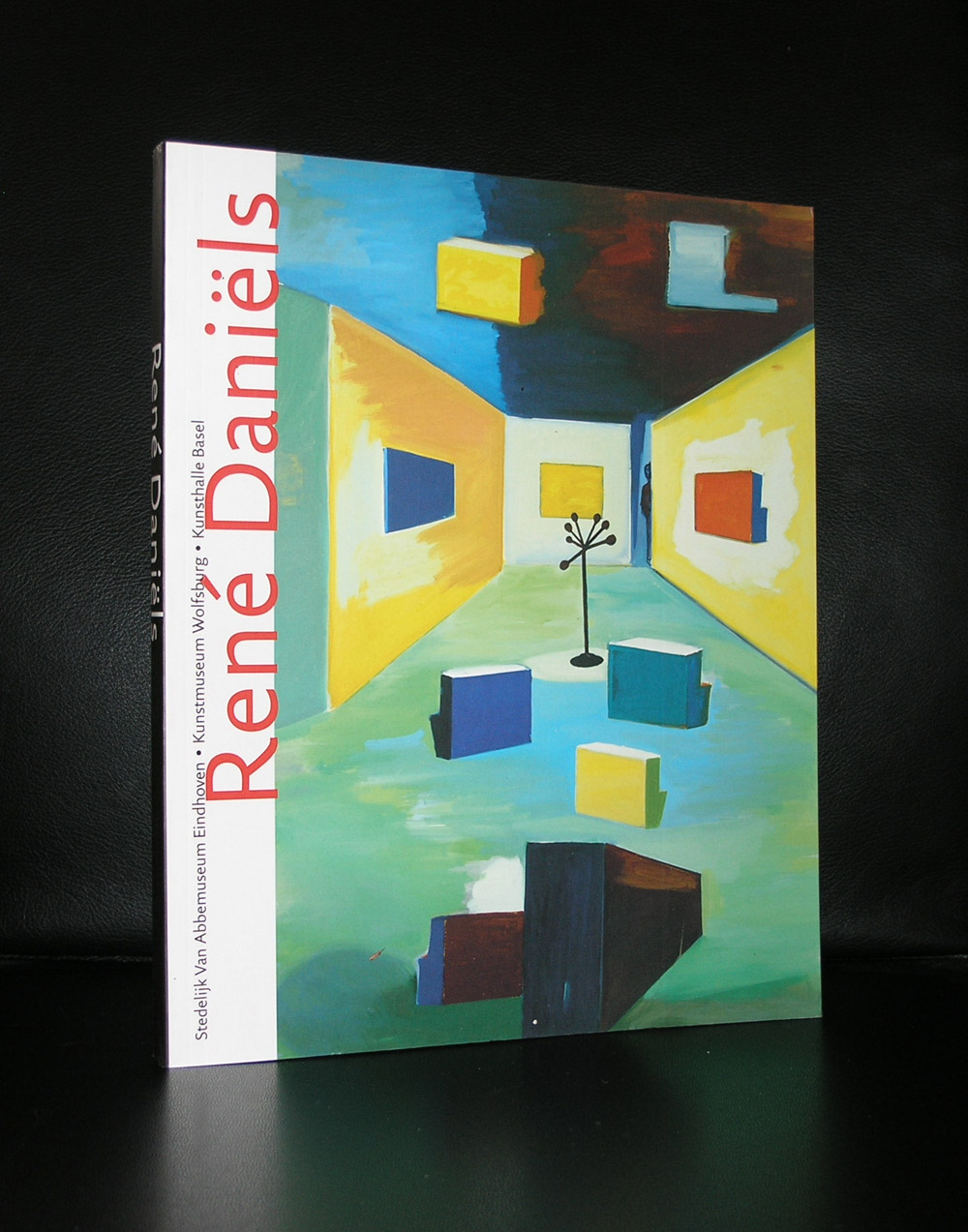
His paintings look abstract, but when you study them in more detail you see that they are a complete abstract reproduction of reality. . Piccadilly/London, WTC New York and old houses in Gent can all be distinguished when you look long enough at the paintings.
The paintings look simple, but in reality they are very thought over and are complex and typical Daniels.
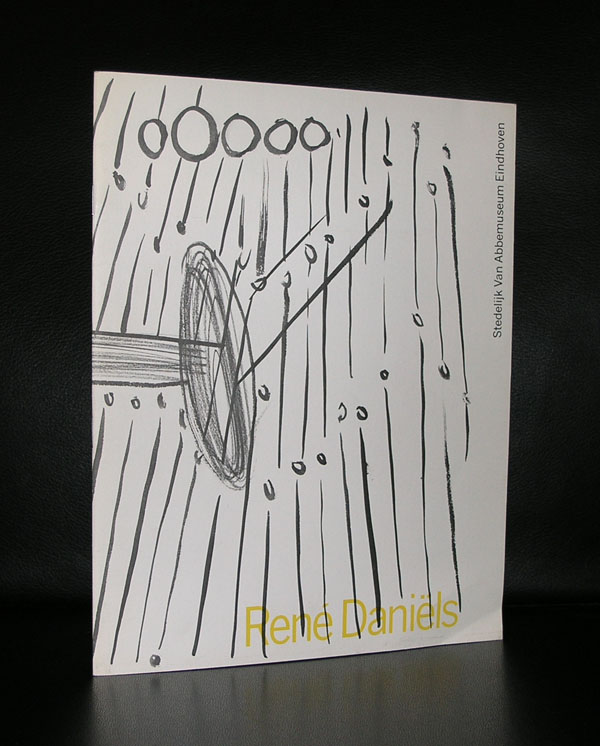
Rene Daniels has not had a long career …in 1987 he had a stroke and because of that had to finish his career at that moment as a painter. Since 2006 he paints again , but his style and approach to painting has changed, because of his motor skills are far less than before. But what he made in that very short period of nearly 10 years is of the highest quality and the museums that have work by Daniels should feel lucky to have it in their collections. You can find work(s) by Daniels in the collections of a.o. the van Abbemuseum, Gemeentemuseum Den Haag, Stedelijk Museum, Dordrechts Museum, Groninger Museum and Bonnefanten Museum
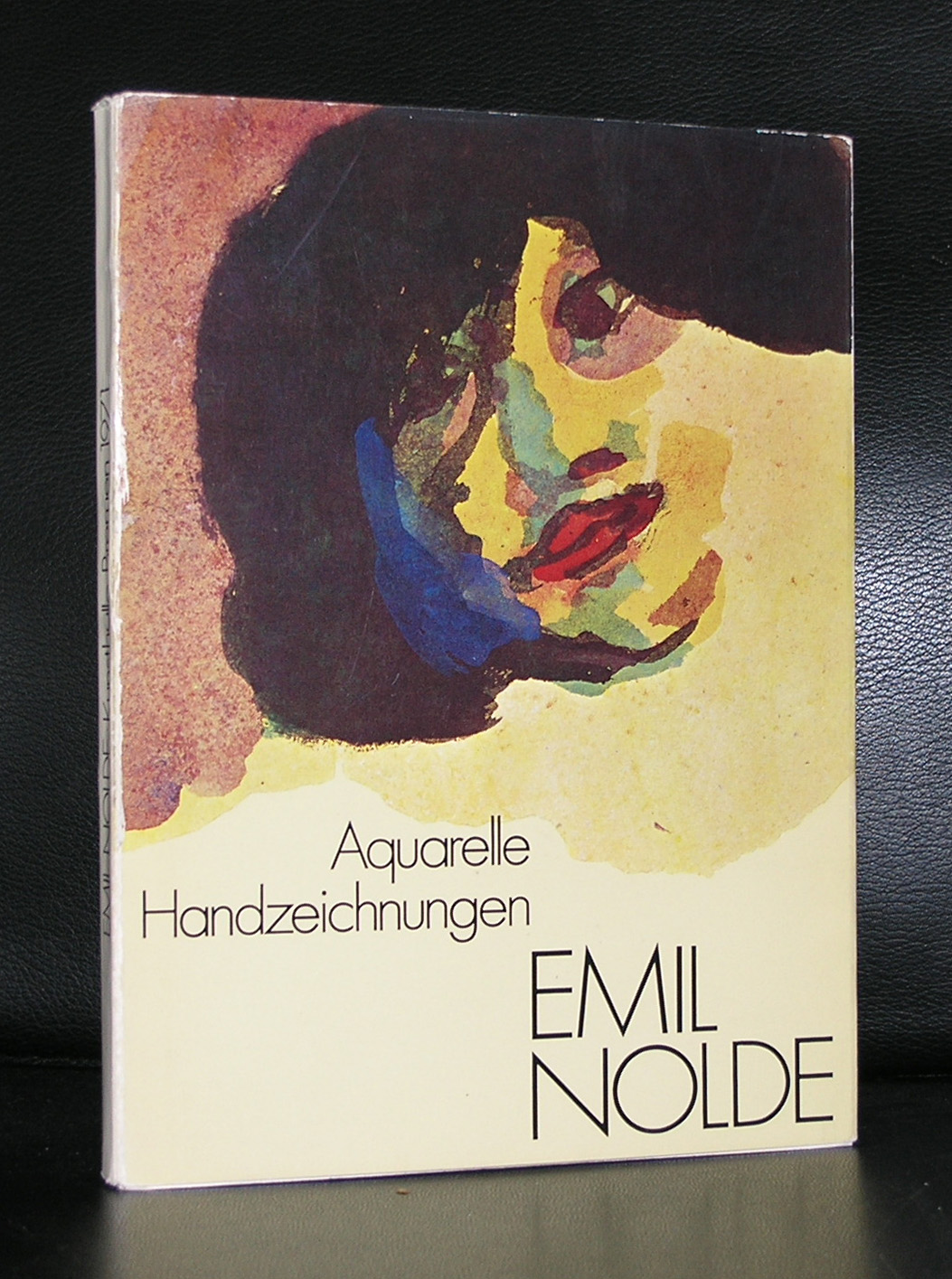
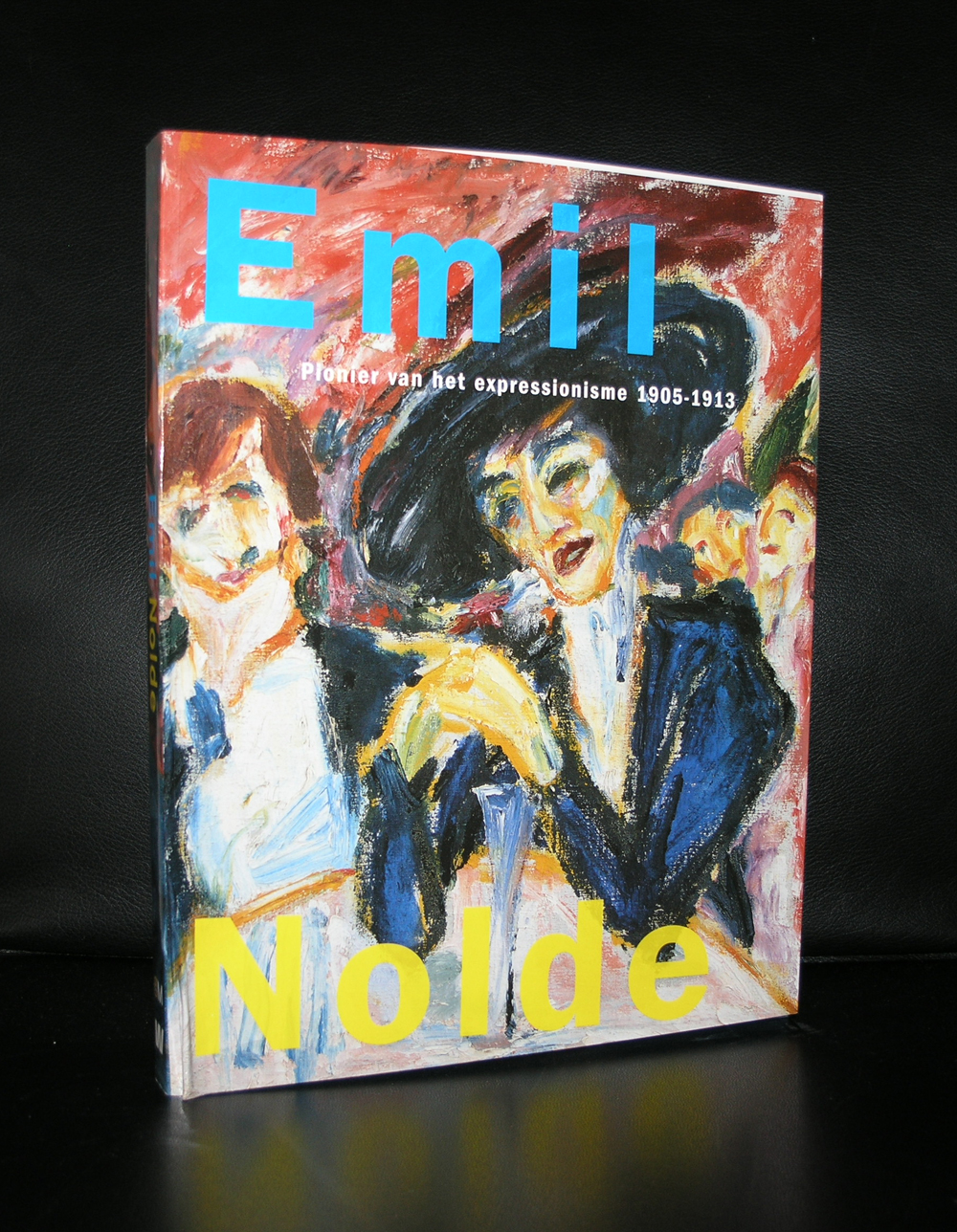
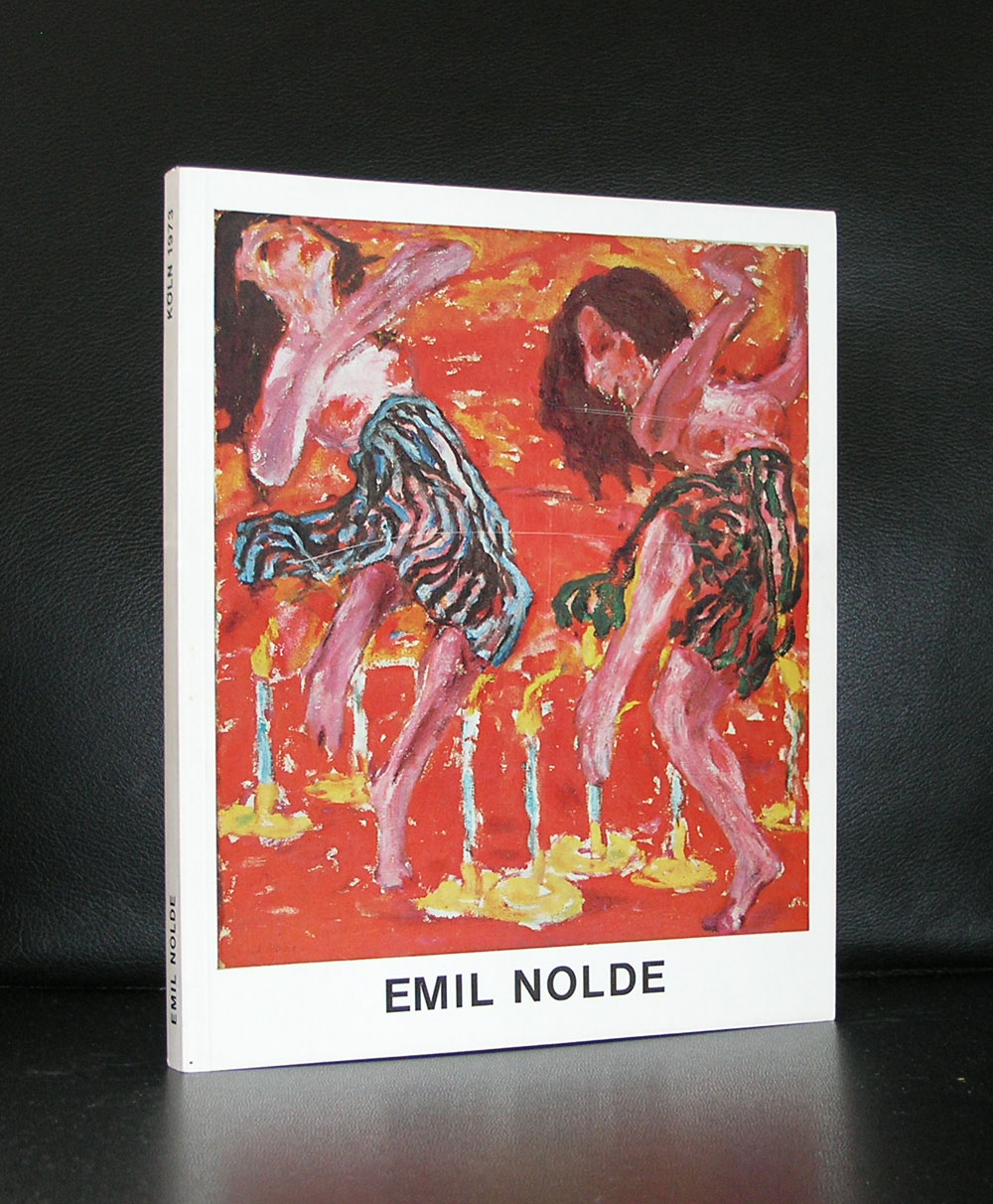
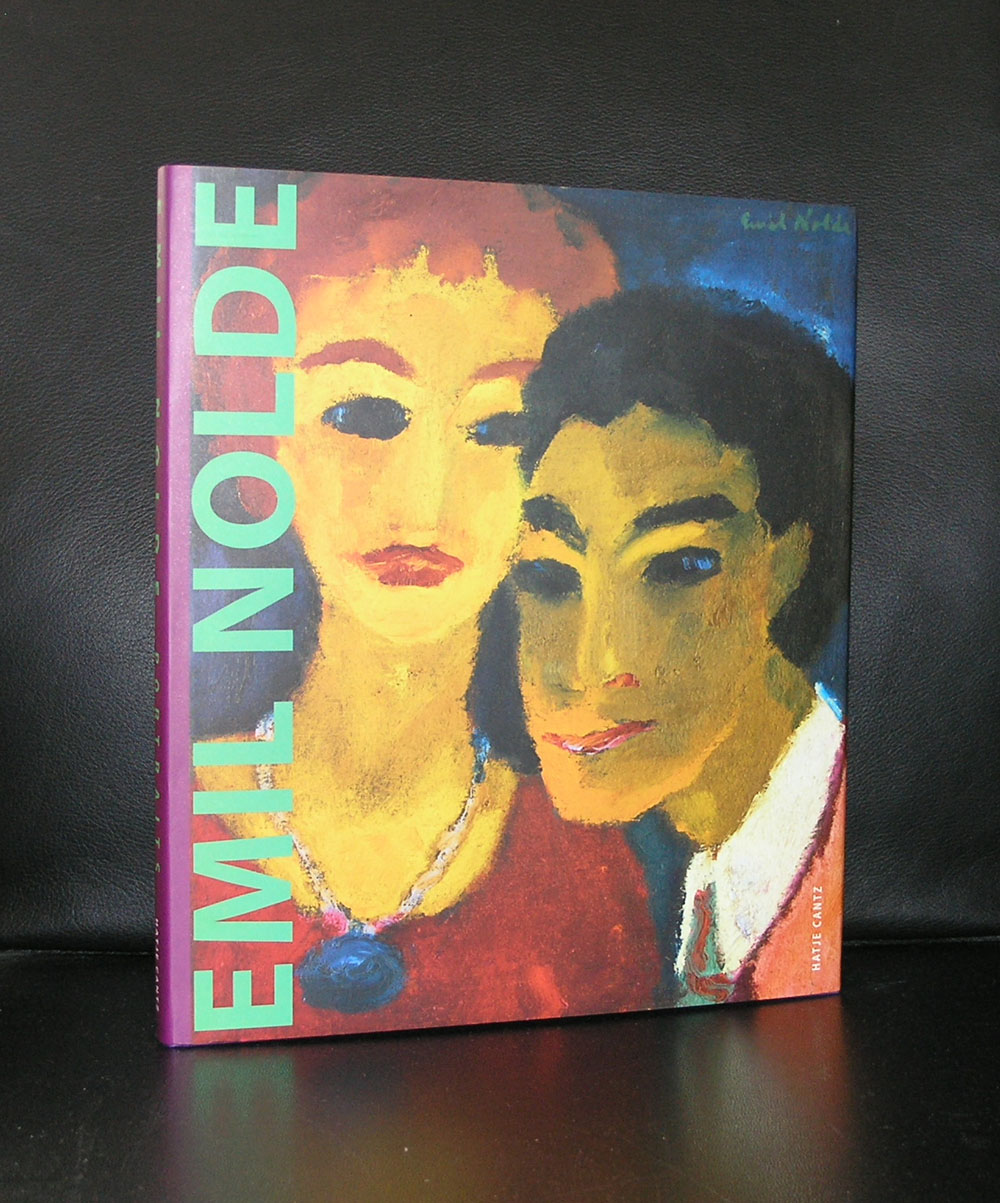
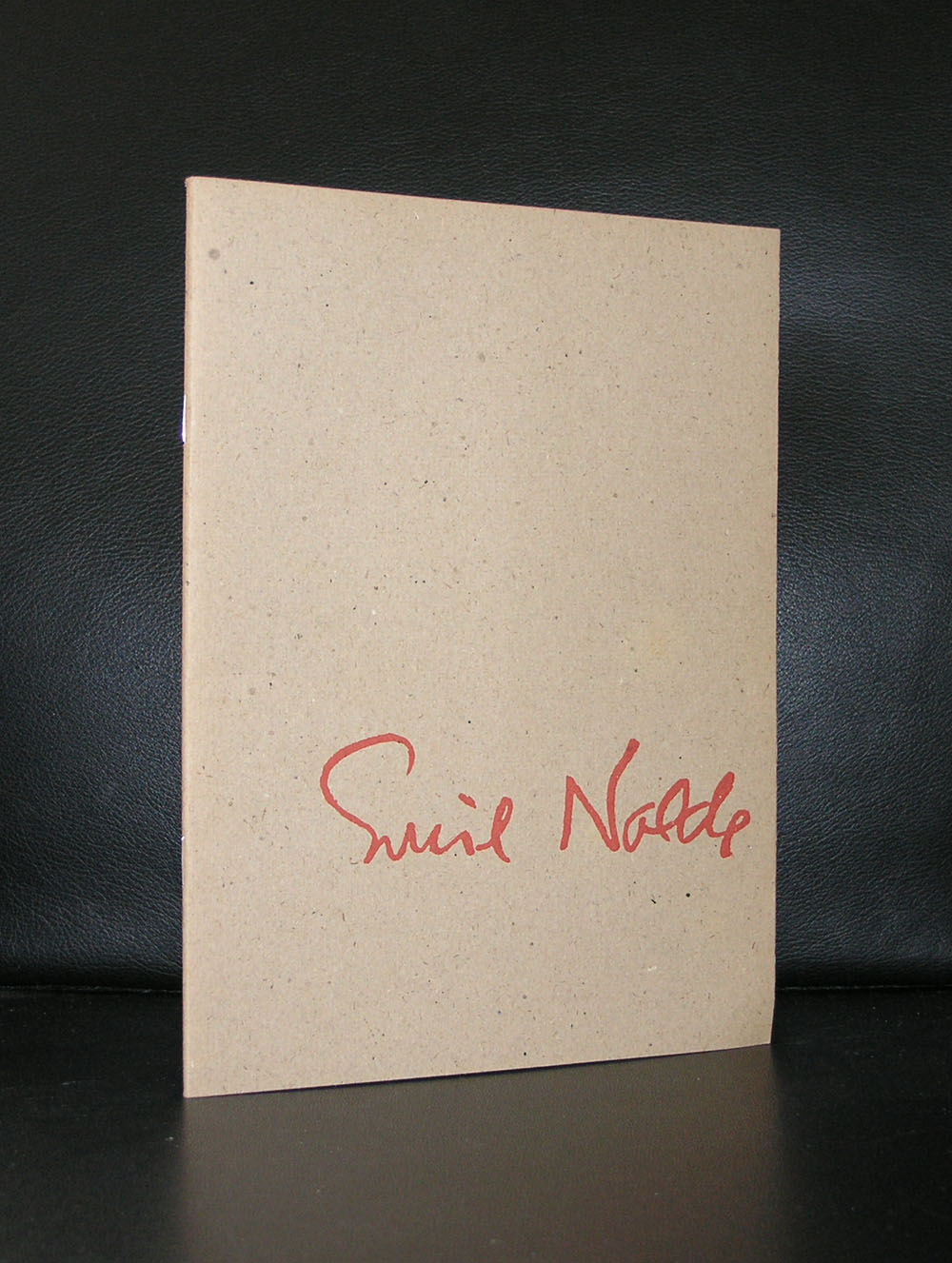
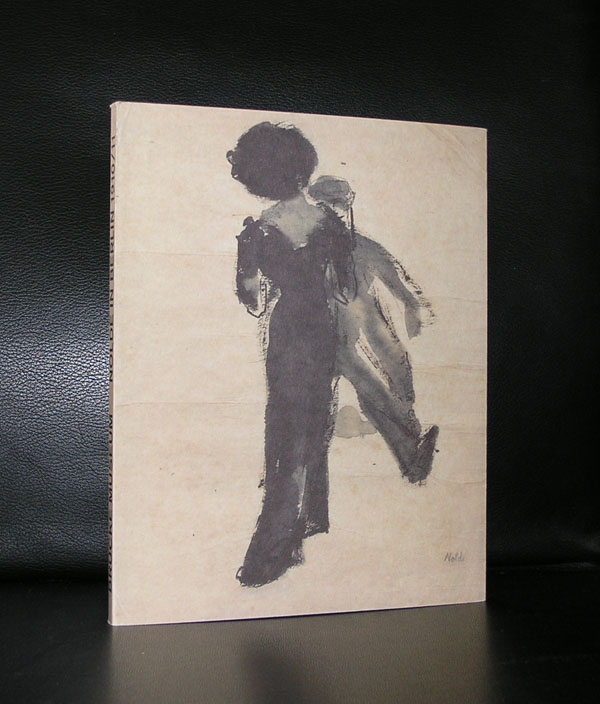
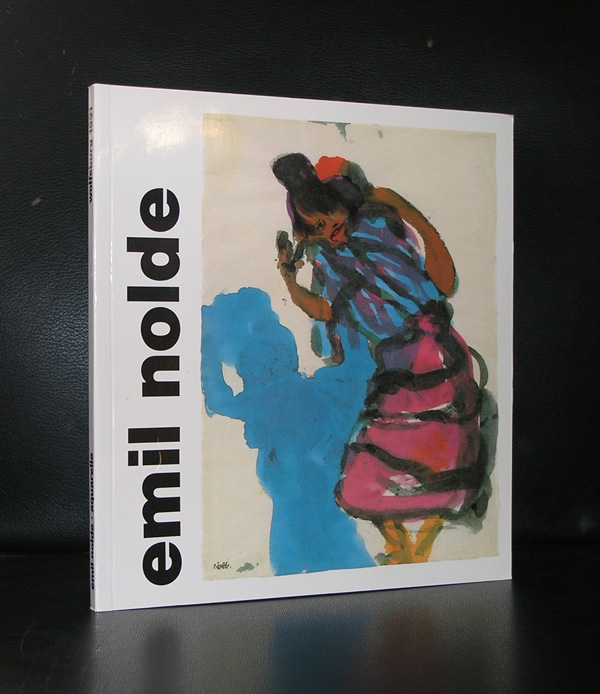
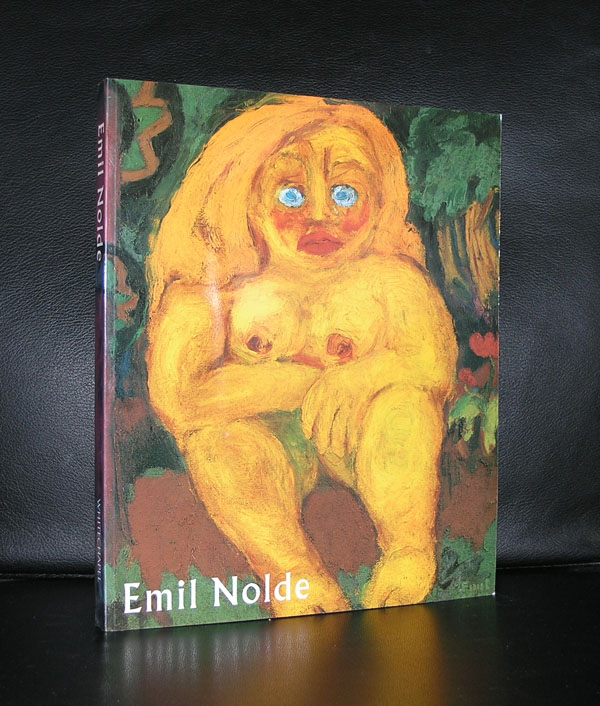
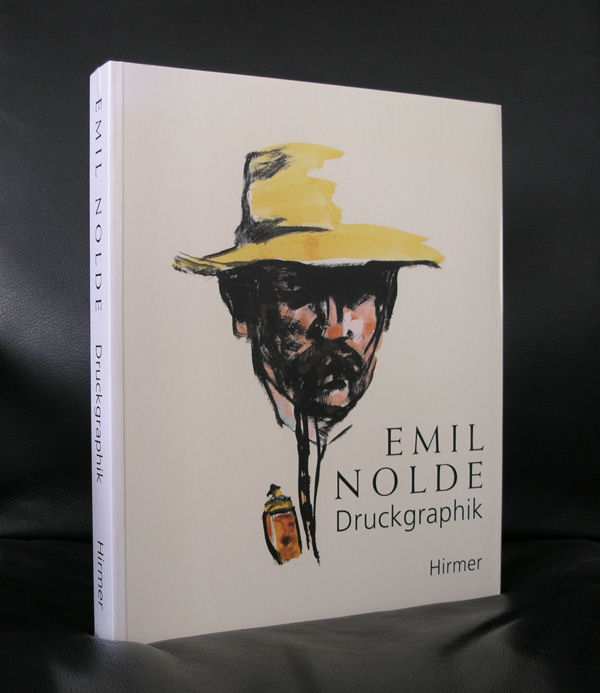
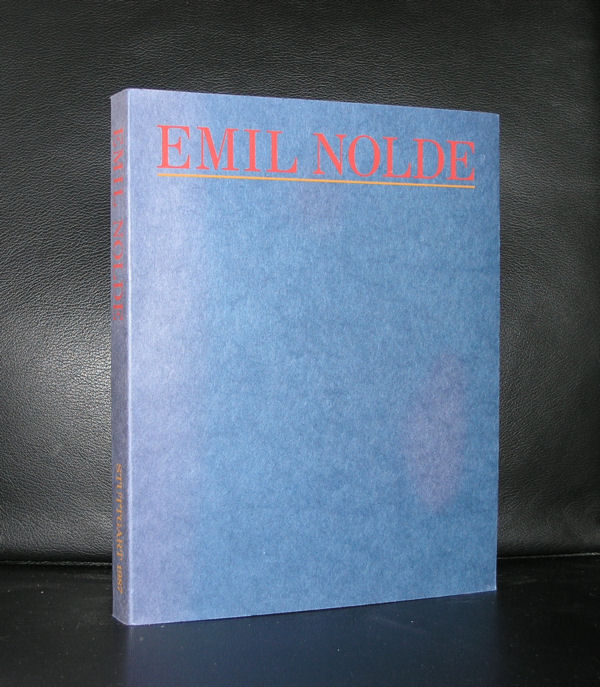
Emil Nolde had a very long life and witnessed many art styles during this life, soaked them up and made a style which is personal and highly recognizable as Emil Nolde. For me it is a something between Kirchner ( see last weeks blogs) and Gauguin. It is pleasing in its appearance, but the use of primary colors makes it also unreal and typical for the BRUCKE group. Wikipedia mentions his interest in van Gogh …..
Emil Nolde (born Emil Hansen; 7 August 1867 – 13 April 1956) was a German-Danish painter and printmaker. He was one of the first Expressionists, a member of Die Brücke, and was one of the first oil painting and watercolor painters of the early 20th century to explore color. He is known for his brushwork and expressive choice of colors. Golden yellows and deep reds appear frequently in his work, giving a luminous quality to otherwise somber tones. His watercolors include vivid, brooding storm-scapes and brilliant florals.
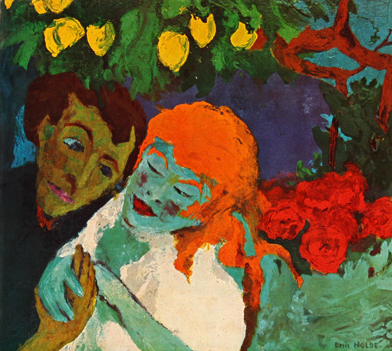
Nolde’s intense preoccupation with the subject of flowers reflected his interest in the art of Vincent van Gogh
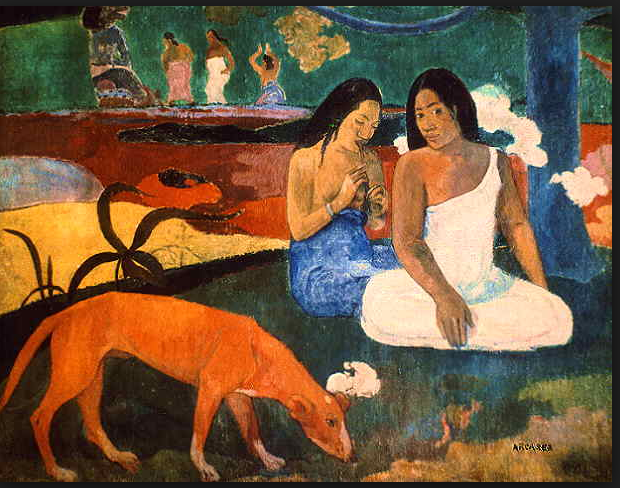
….. but take a look at this Gauguin and you see immediately what a mean.
left Gauguin and right Nolde . You can see the similarities in color and even some aspects of the composition look the same. Far fetched?….maybe a little , but for me Nolde stands much closer to Gauguin and even Chagall than to van Gogh.
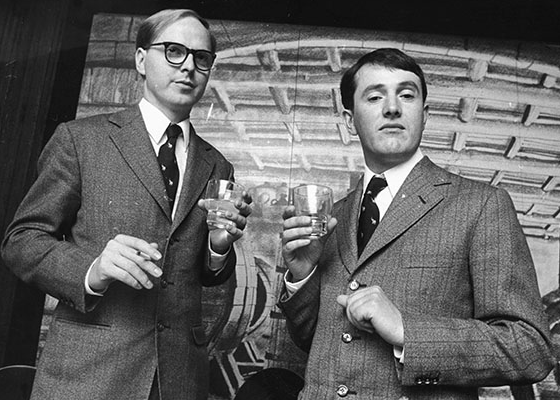
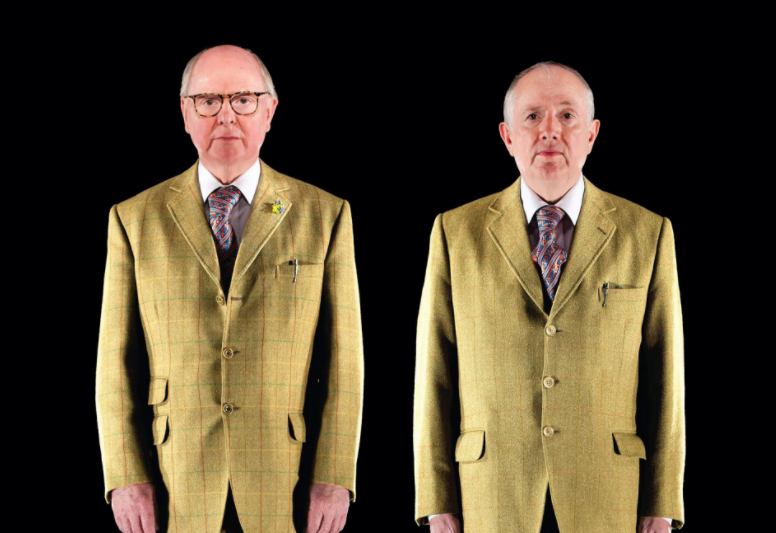
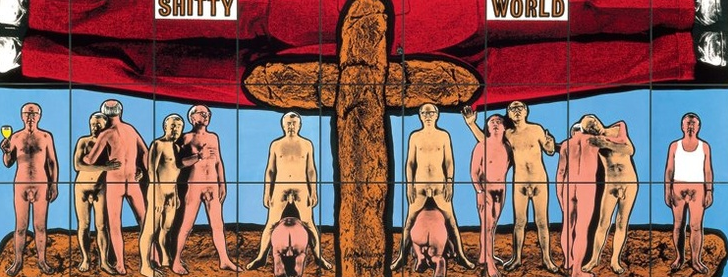
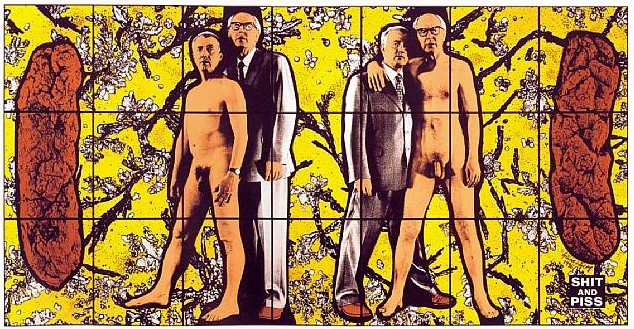
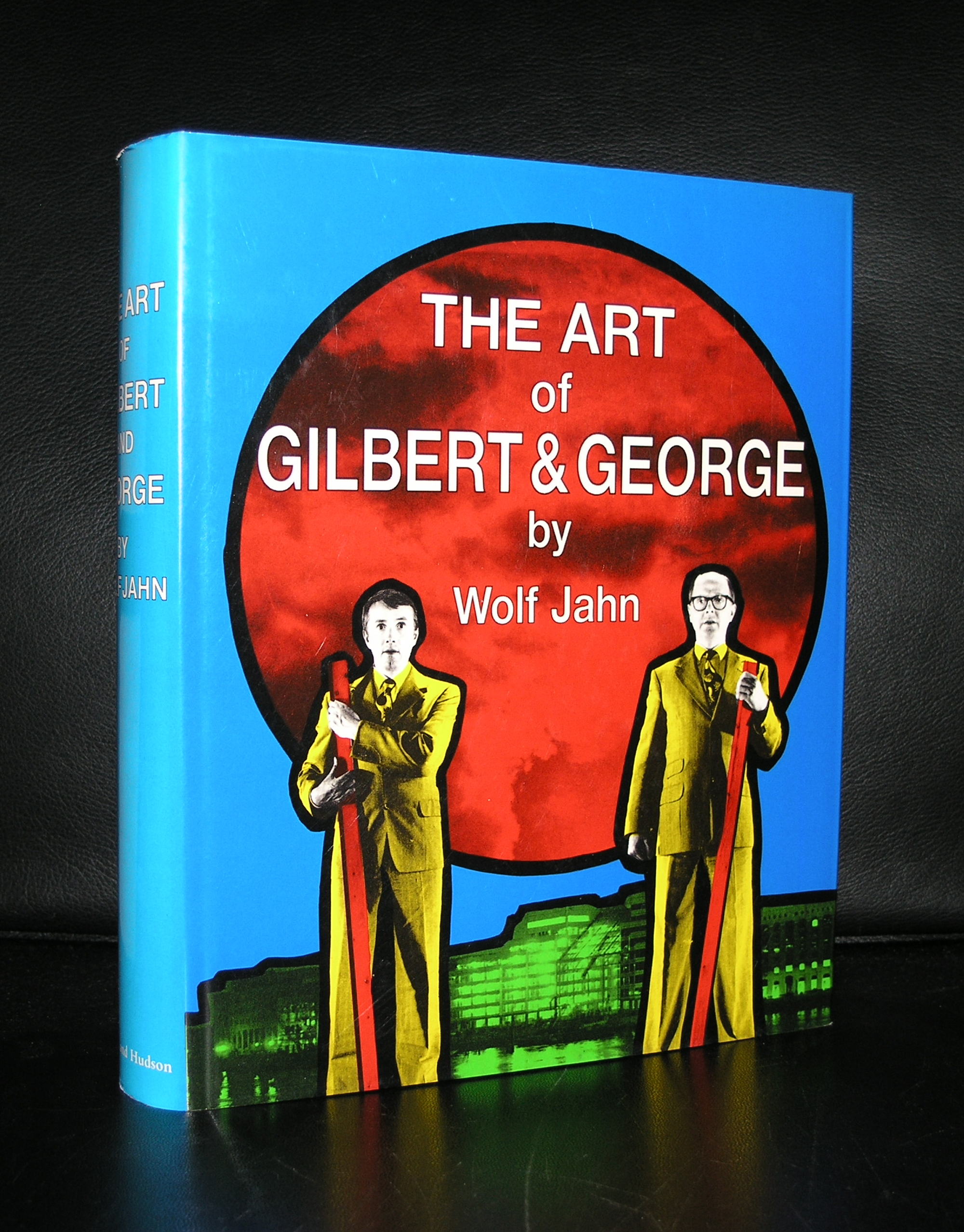
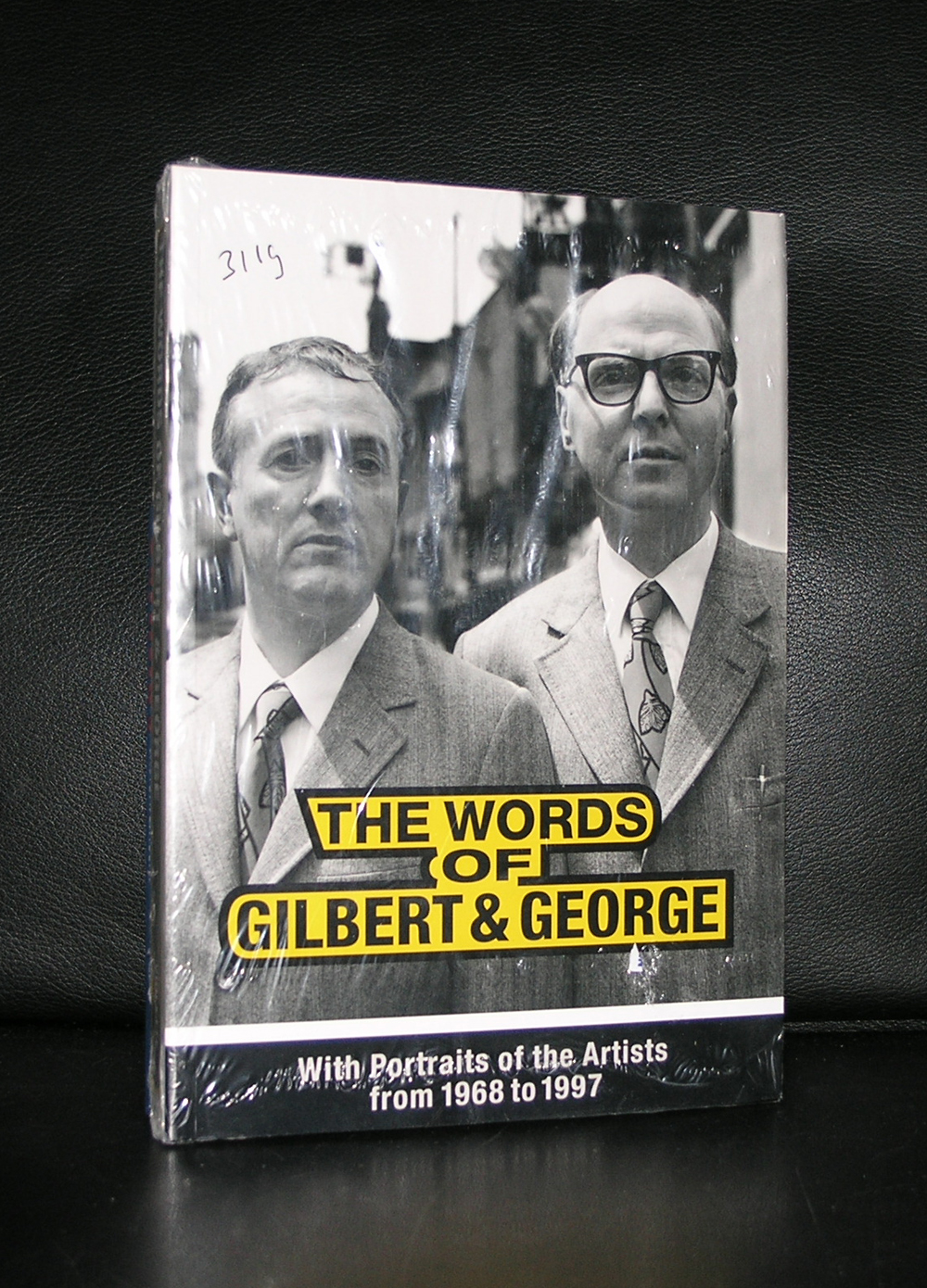
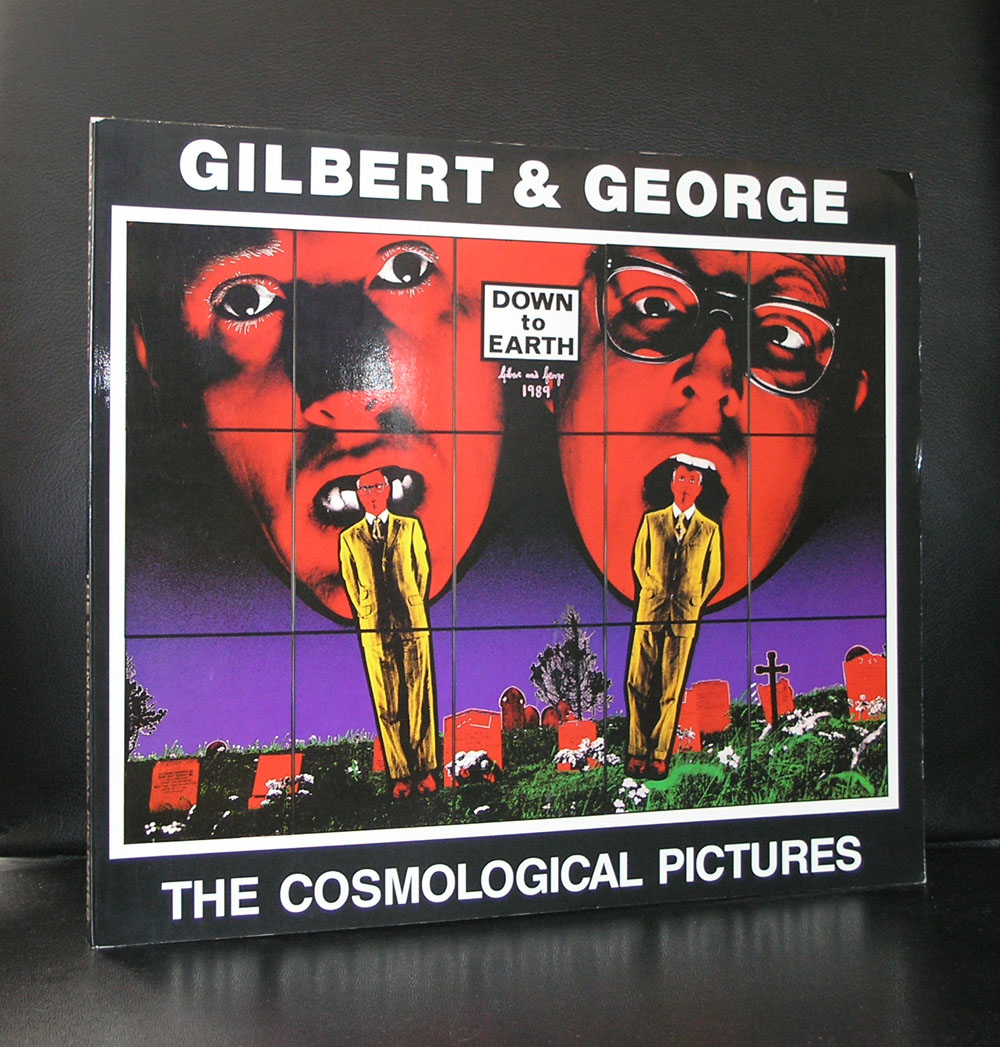
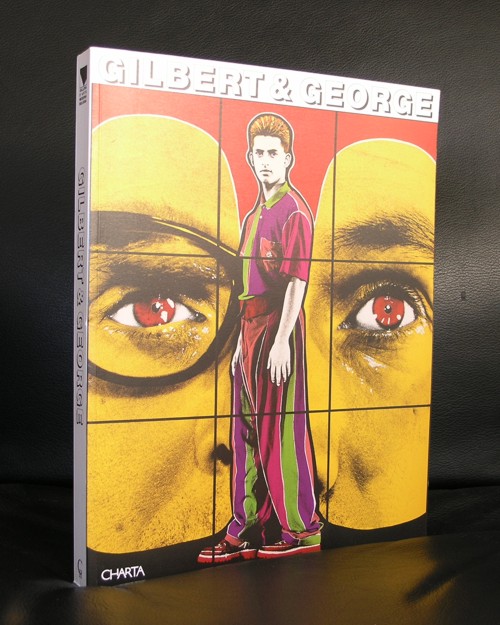
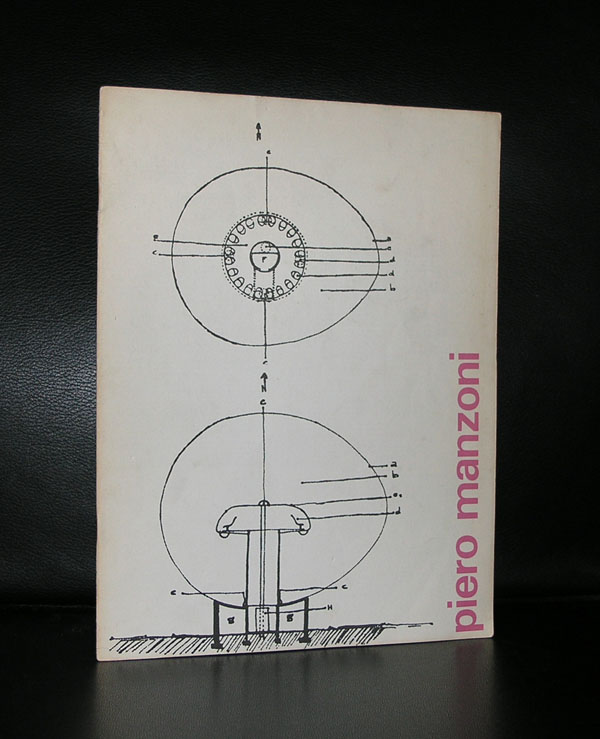
The blog of yesterday reminded me that Piero Manzoni was not the only artist who used faeces as a subject in their art. Gilbert & George is another example who used the subject in a far more explicit way than Manzoni did. With the canned Manzoni multiple it is still uncertain if the contents is the same as the label indicates , however with Gilbert & George it is no question at all, because the pictures show the subjects as they are.
Still the composition and execution are 100% recognizable Gilbert & George, but personally i like the more society and critical related subjects better and far more pleasing to look at, but just to show that many more artists used the subject it is nice to devote a blog on these 2 great artists.
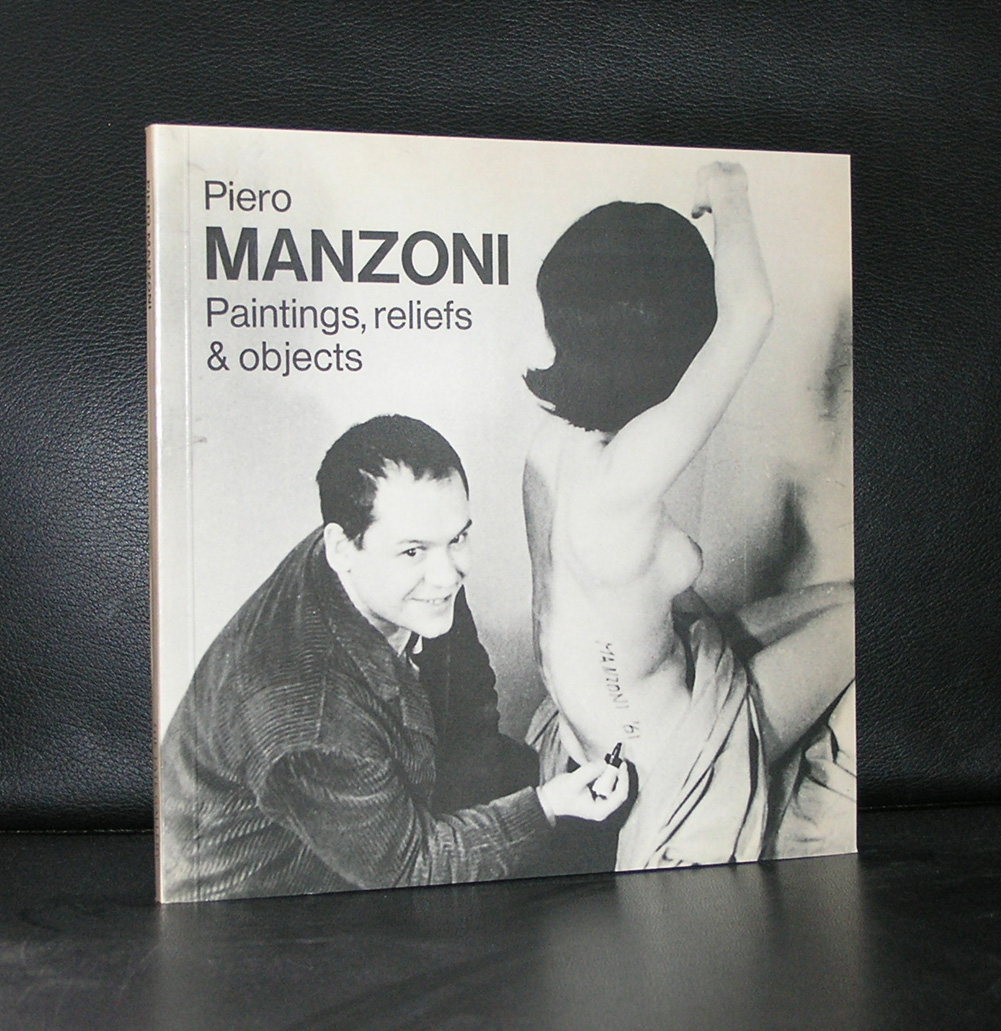
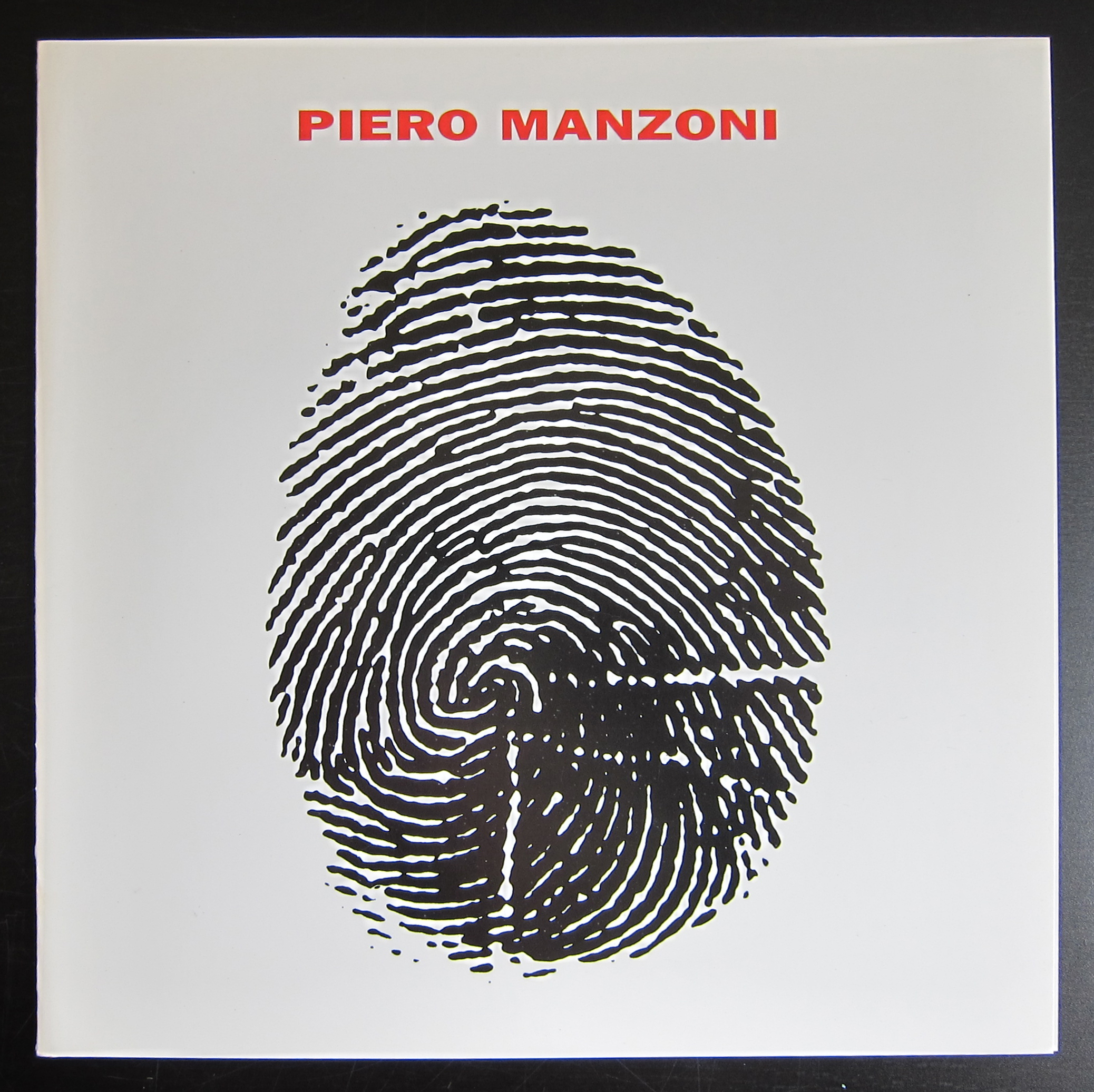
In May 1961, while he was living in Milan, Piero Manzoni produced ninety cans of Artist’s Shit. Each was numbered on the lid 001 to 090. A label on each can, printed in Italian, English, French and German, identified the contents as ‘”Artist’s Shit”, contents 30gr net freshly preserved, produced and tinned in May 1961.’ In December 1961 Manzoni wrote in a letter to the artist Ben Vautier: ‘I should like all artists to sell their fingerprints, or else stage competitions to see who can draw the longest line or sell their shit in tins. The fingerprint is the only sign of the personality that can be accepted: if collectors want something intimate, really personal to the artist, there’s the artist’s own shit, that is really his.’ (Letter reprinted in Battino and Palazzoli p.144.)
It is not known exactly how many cans of Artist’s Shit were sold within Manzoni’s lifetime, but a receipt dated 23 August 1962 certifies that Manzoni sold one to Alberto Lùcia for 30 grams of 18-carat gold (reproduced in Battino and Palazzoli p.154). Manzoni’s decision to value his excrement on a par with the price of gold made clear reference to the tradition of the artist as alchemist already forged by Marcel Duchamp and Yves Klein among others. As the artist and critic Jon Thompson has written:
Manzoni’s critical and metaphorical reification of the artist’s body, its processes and products, pointed the way towards an understanding of the persona of the artist and the product of the artist’s body as a consumable object. The Merda d’artista, the artist’s shit, dried naturally and canned ‘with no added preservatives’, was the perfect metaphor for the bodied and disembodied nature of artistic labour: the work of art as fully incorporated raw material, and its violent expulsion as commodity. Manzoni understood the creative act as part of the cycle of consumption: as a constant reprocessing, packaging, marketing, consuming, reprocessing, packaging, ad infinitum. (Piero Manzoni, 1998, p.45)
Artist’s Shit was made at a time when Manzoni was producing a variety of works involving the fetishisation and commodification of his own body substances. These included marking eggs with his thumbprints before eating them, and selling balloons filled with his own breath. Of these works, the cans of Artist’s Shit have become the most notorious, in part because of a lingering uncertainty about whether they do indeed contain Manzoni’s faeces. At times when Manzoni’s reputation has seen the market value of these works increase, such uncertainties have imbued them with an additional level of irony. ( text on this subject comes from the Tate site : http://www.tate.org.uk/art/artworks/manzoni-artists-shit-t07667)
Guido Lippens has made paintings and drawings in so many styles. Sometimes with a free hand like the drawings by Jan Schoonhoven and other times painted, like a super realistic painting,…. with grids and patterns. Paintings for the art of painting, but without any depth or feeling. Lippens , born in Zeeland is not very known outside this province, but has had his moments and exhibitions during the last 5 decades. He even had one time an exhibition in the Stedelijk Museum Amsterdam, but his most famous one was the one in the Noordbarabants Museum, which catalogue is available at www.ftn-books.com
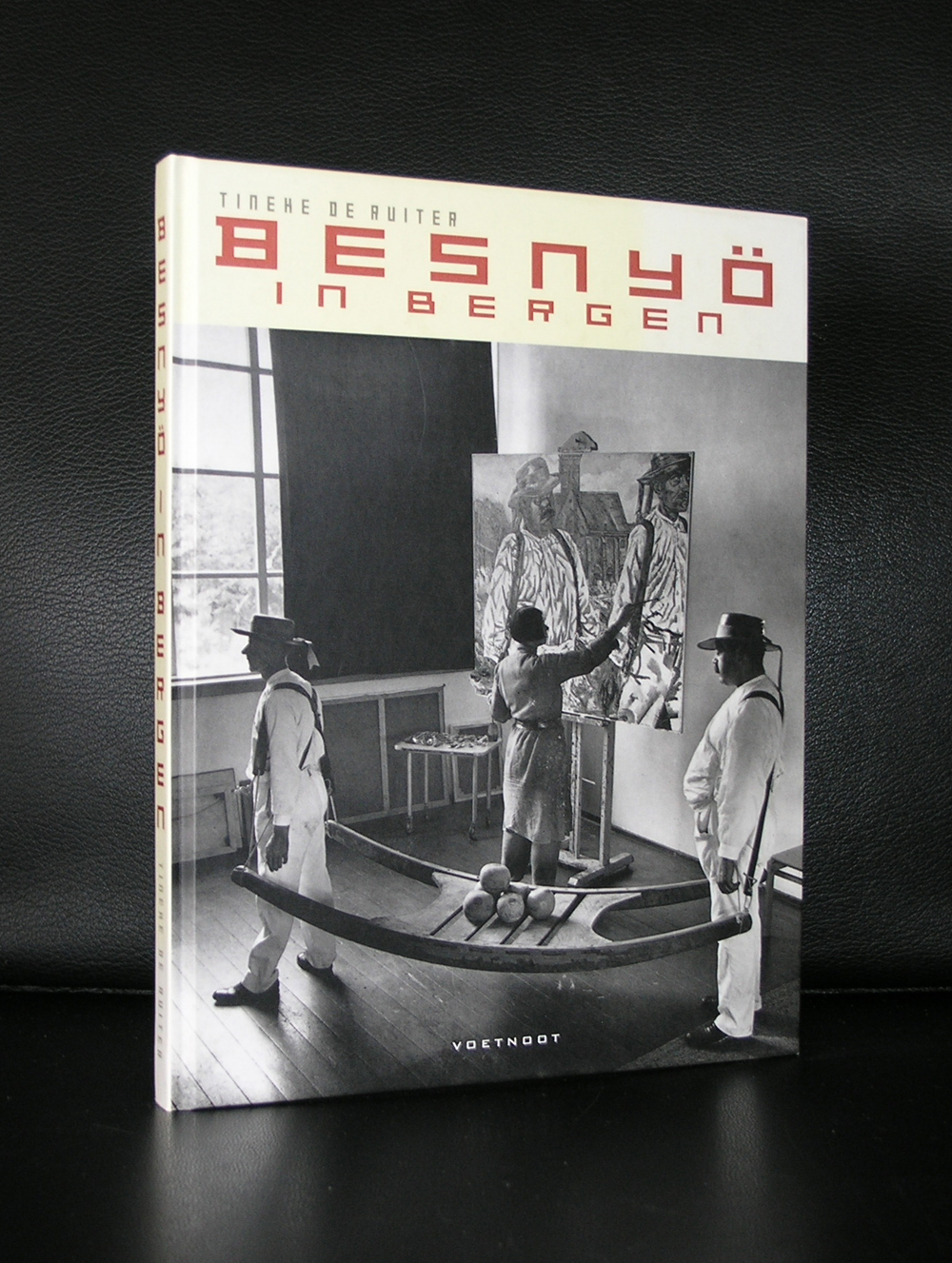
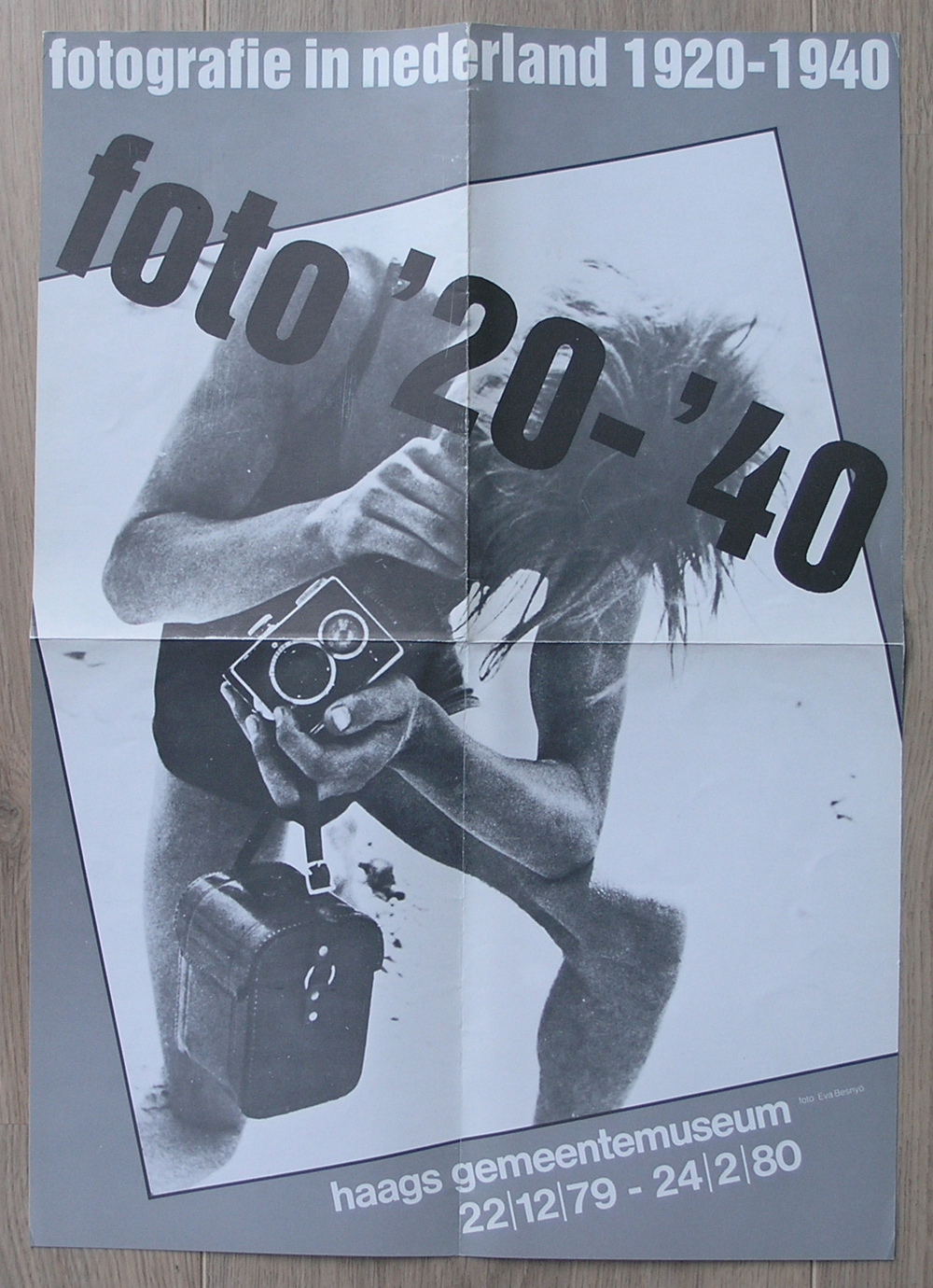
Born in Hungary, educated by Pecsi and advized to continue her education in Berlin she met John Fernhout, the son of Charley Toorop and married him and became a dutch citizen. She worked and lived practically her entire life in the Netherlands and because of the contacts she made through her husband she became one of the most important artist photographers of her time. She contributed to many publications with her excellent photographs and for the DOLLE MINA movement ( Womens Liberation movement) she was the house photographer. Personally i find her 50’s and early sixties photographs the most intriguing . They stand out from the rest. I was surprised to find so many books with her photographs in my inventory but one has to be mentioned separately. Eva Besnyö in Bergen is special.
OLYMPUS DIGITAL CAMERA
OLYMPUS DIGITAL CAMERA
For more Eva Besnyö search at www.ftn-books.com on Besnyo and find more
Artist/ Author: Oliver Boberg
Title : Memorial
Publisher: Oliver Boberg
Measurements: Frame measures 51 x 42 cm. original C print is 35 x 25 cm.
Condition: mint
signed by Oliver Boberg in pen and numbered 14/20 from an edition of 20