Piet Dirkx cigarbox 120
Piet Dirkx cigarbox 120

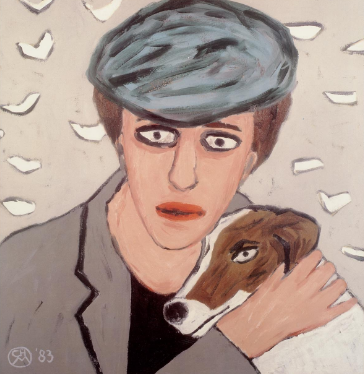
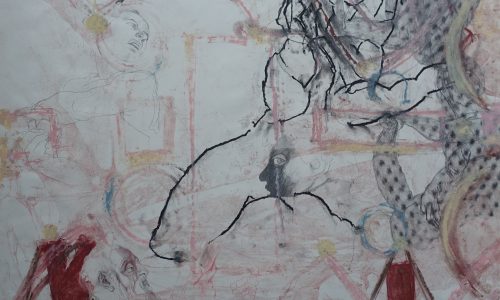
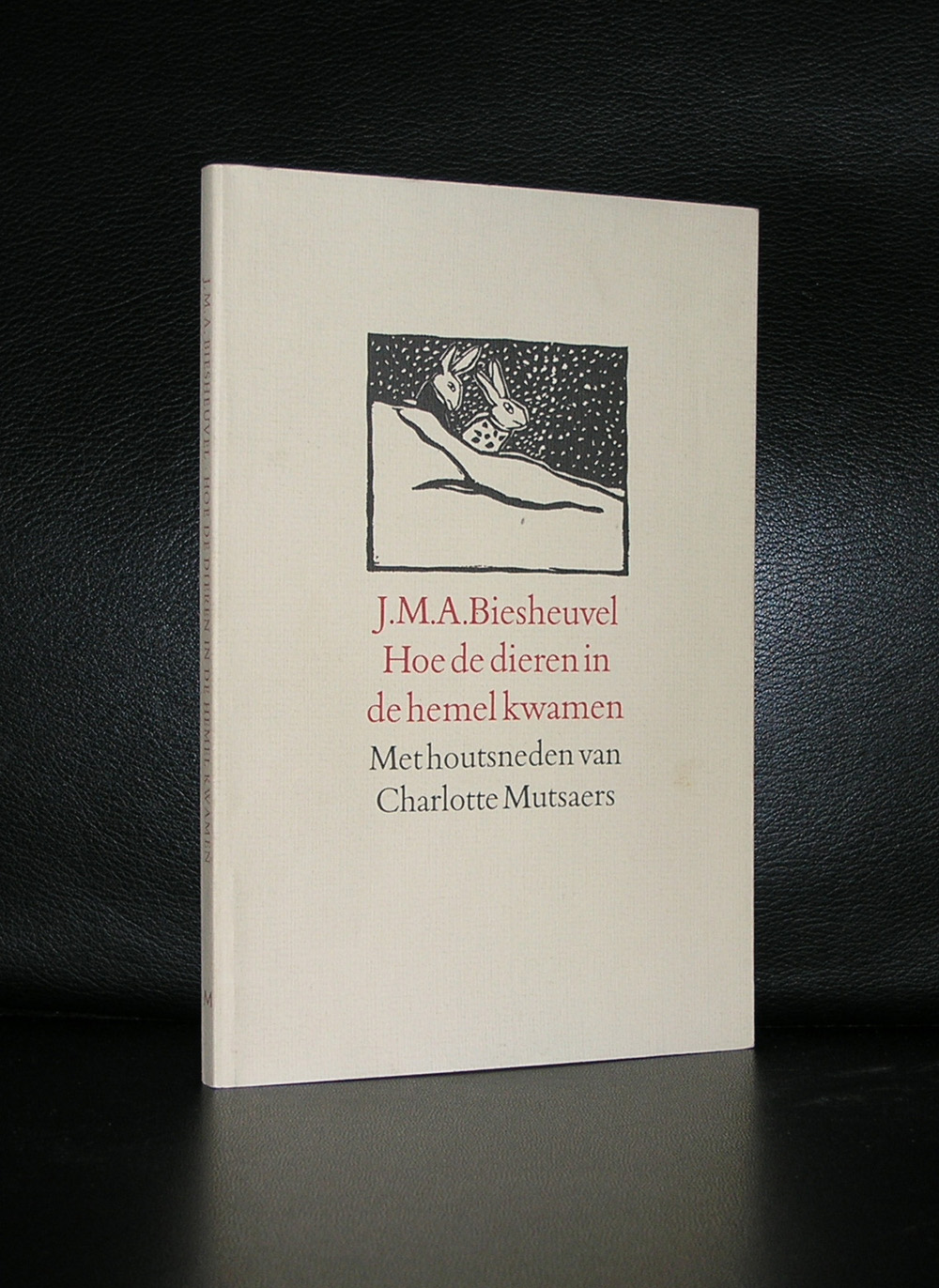
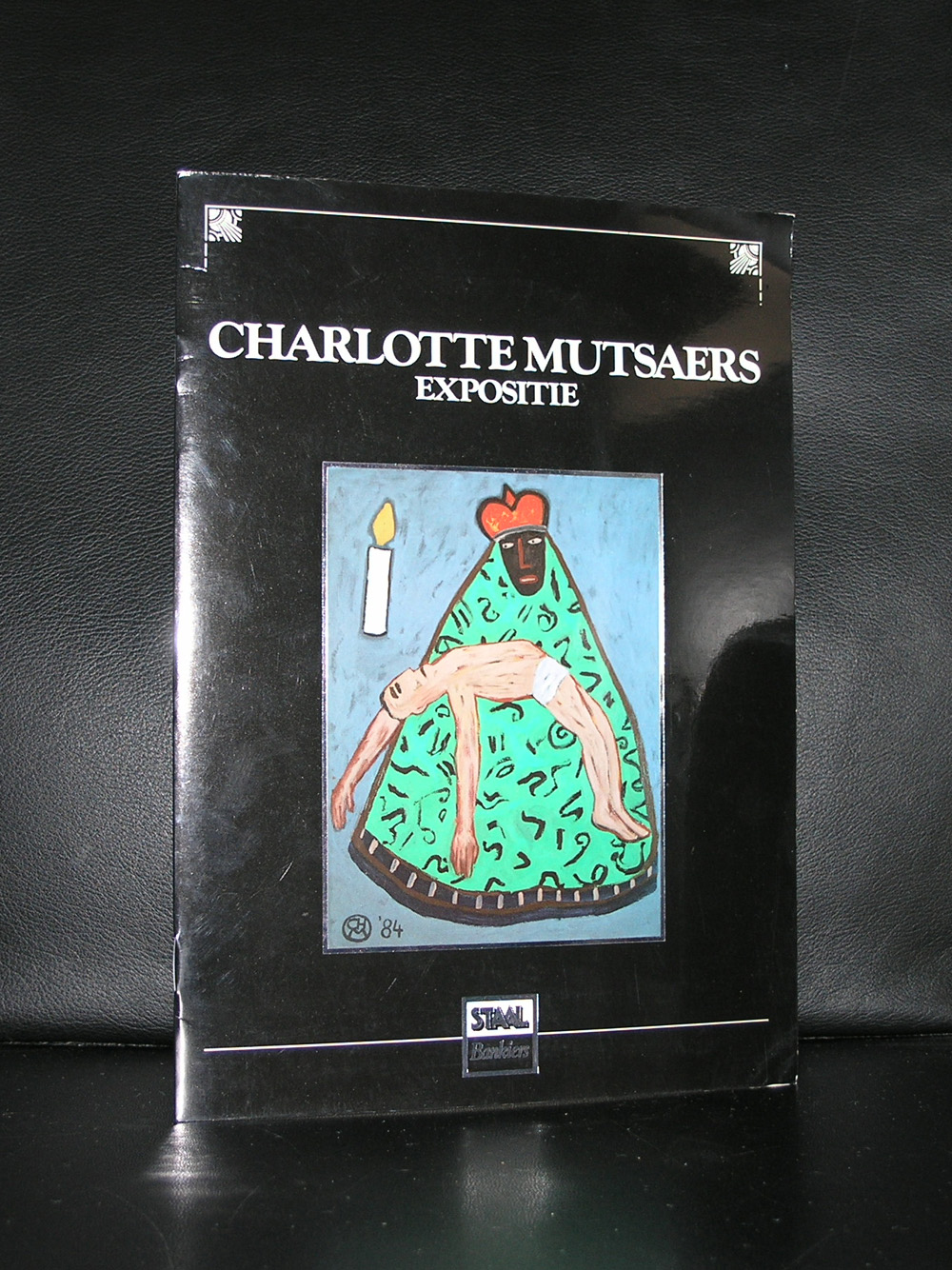
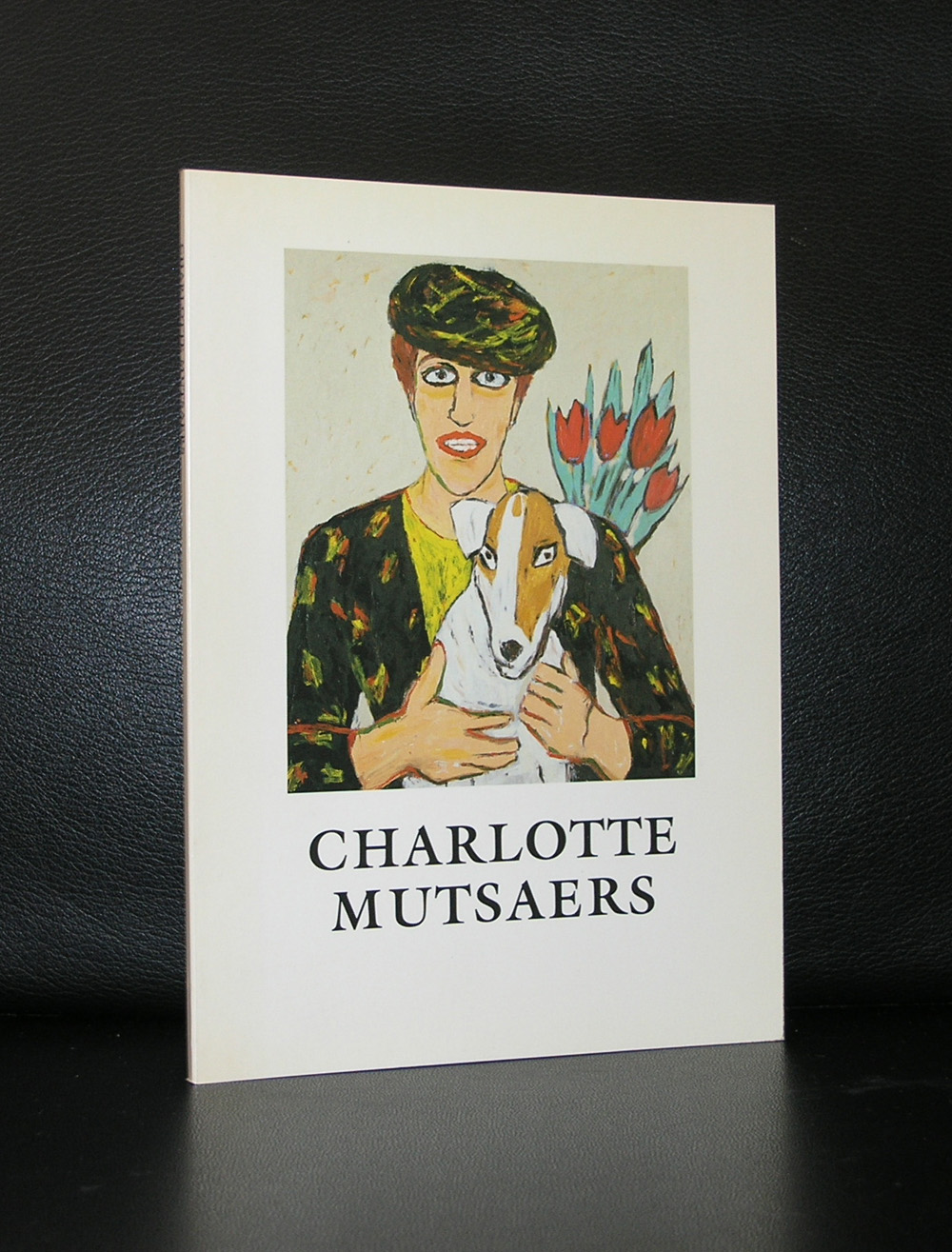
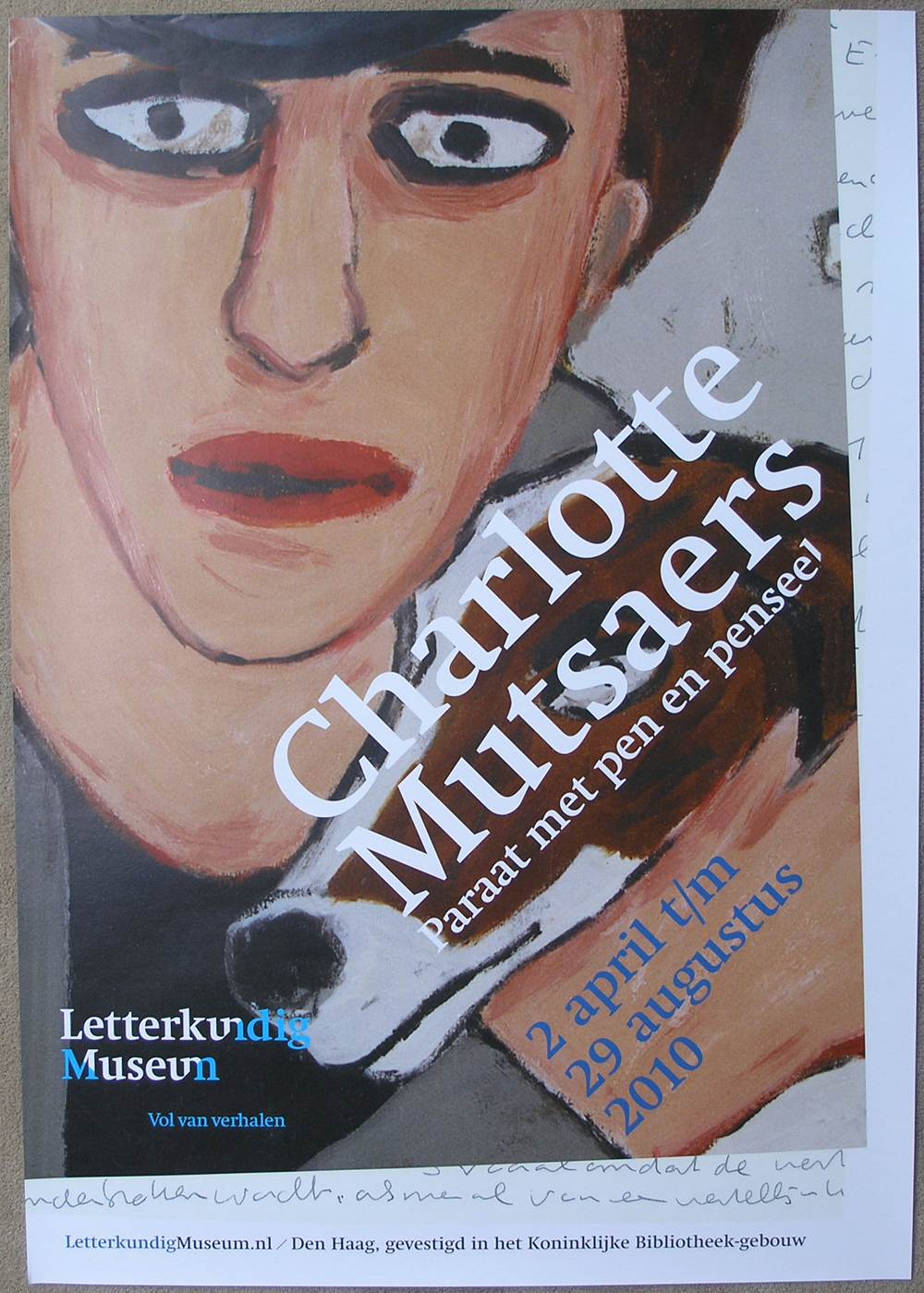
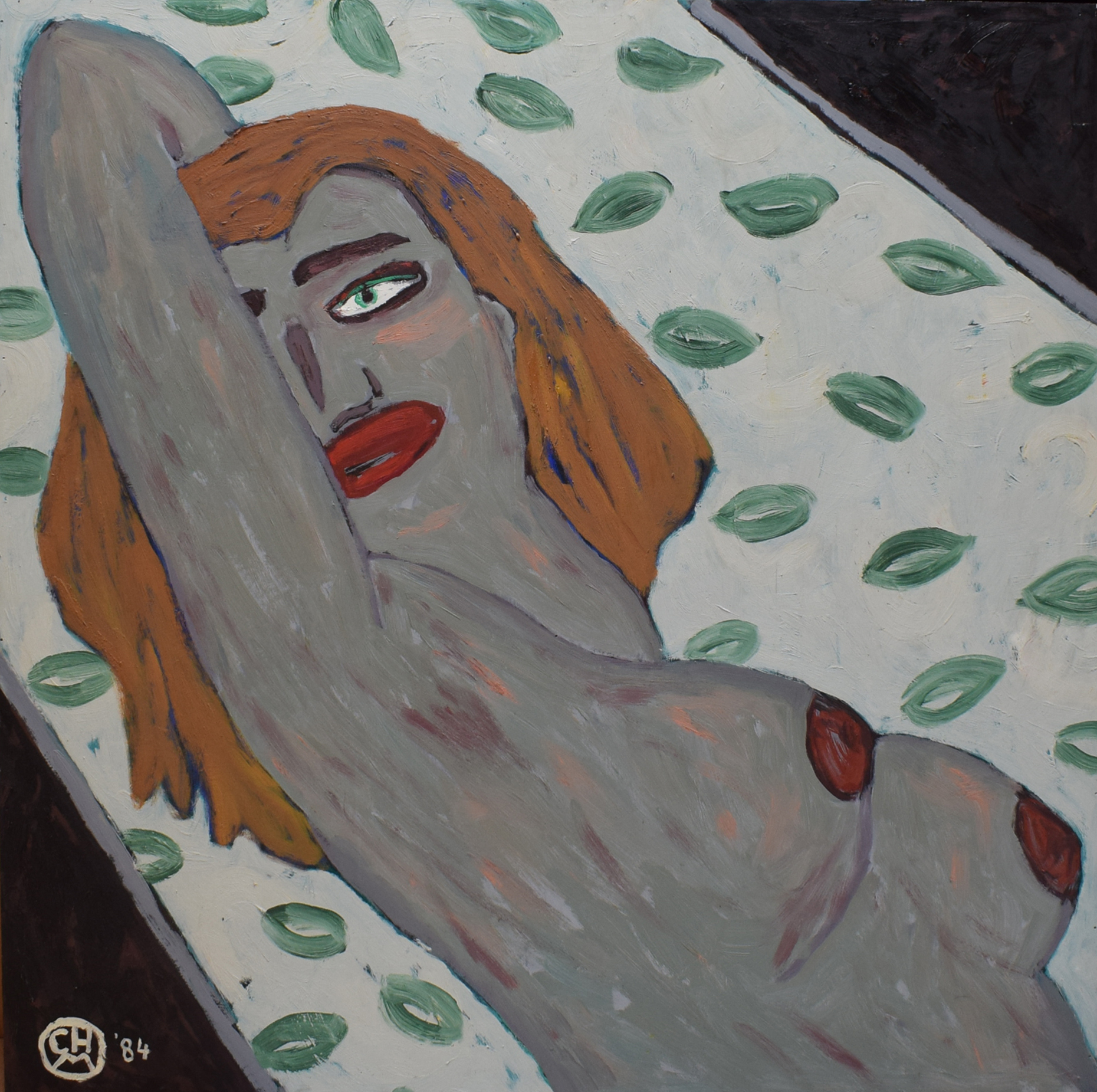
The second blog on a female artist is on Charlotte Mutsaers, winner of the P.C. Hooft price as an author, but what most people tend to forget is that Mrs. Mutsaers started her career in art, (after studying Dutch language), as a painter and at one time gave lessons at the same Gerrit Rietveld academy in Amsterdam at which she followed her art lessons.
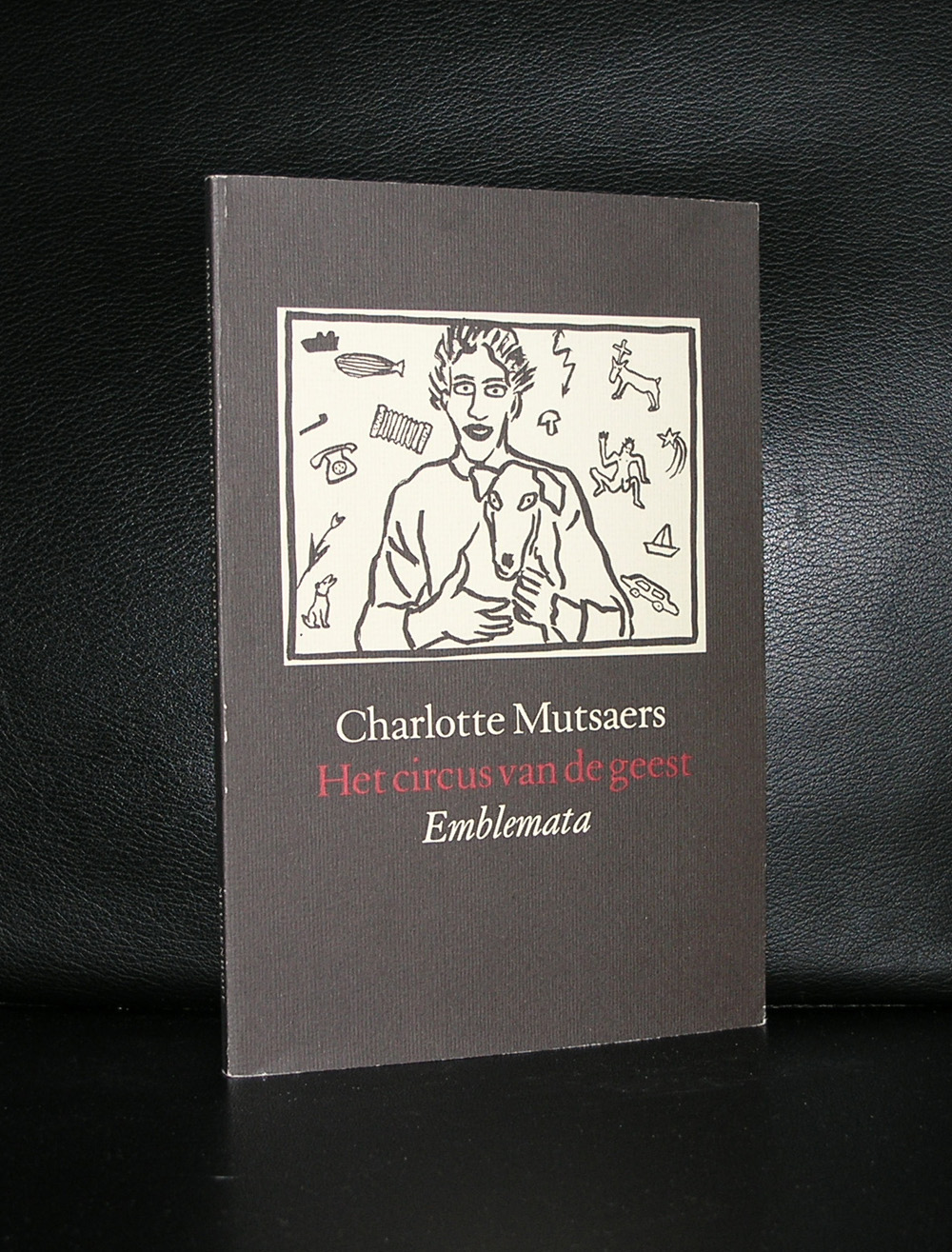
A serious career as a painter took off with exhibitions with gallery Piet Clement and in the Gemeentemuseum Arnhem (Director Liesbeth Brandt Corstius). In the meantime illustrating books written by herself and illustrating some by others. This continued until 1988. The year in which DE MARKIEZIN was published. From that date on every 2 or 3 years a new novel was published and she became a fulltime writer. This certainly does not mean that her paintings were not good enough. On the contrary… I think her art is at least as original as her writing and since during her painting career only a limited number of paintings were finished, her paintings are scarce and become rarely available on the market.
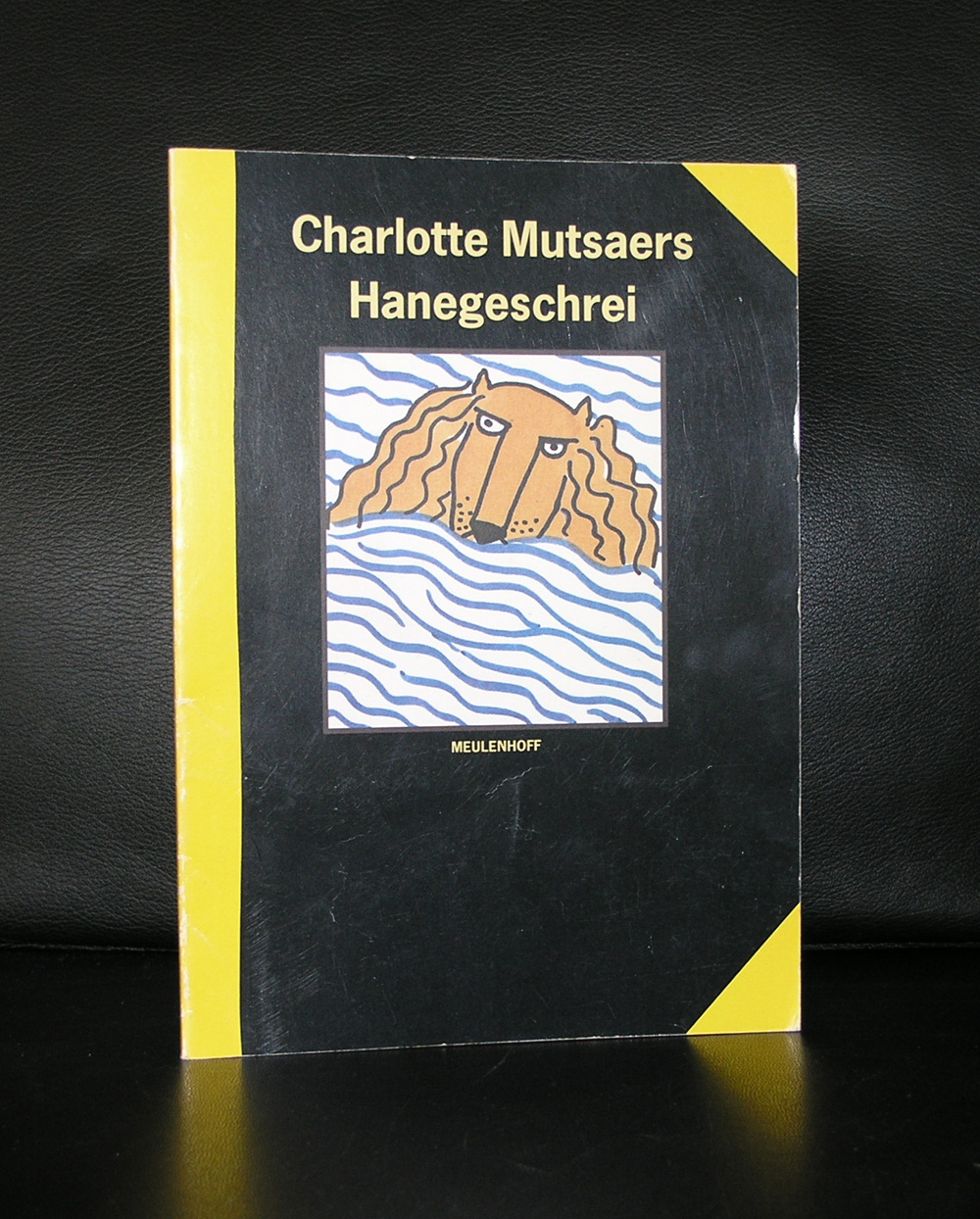
Of course there is also the extremely nice symbiosis between her art and her writings in which she illustrates with her own personal drawings the stories she has written herself. Hanegeschrei is probably the best known of them. available at www.ftn-books.com
Charlotte Mutsaers in well known in the Netherlands and Belgium, but deserves a world audience for her paintings and her writing.

Piet Dirkx cigarbox 119
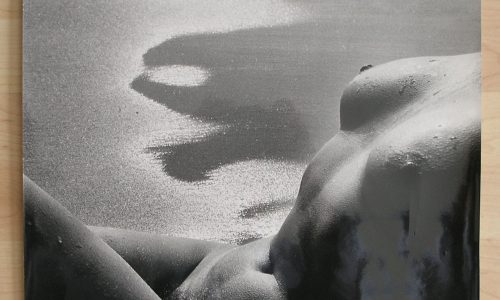
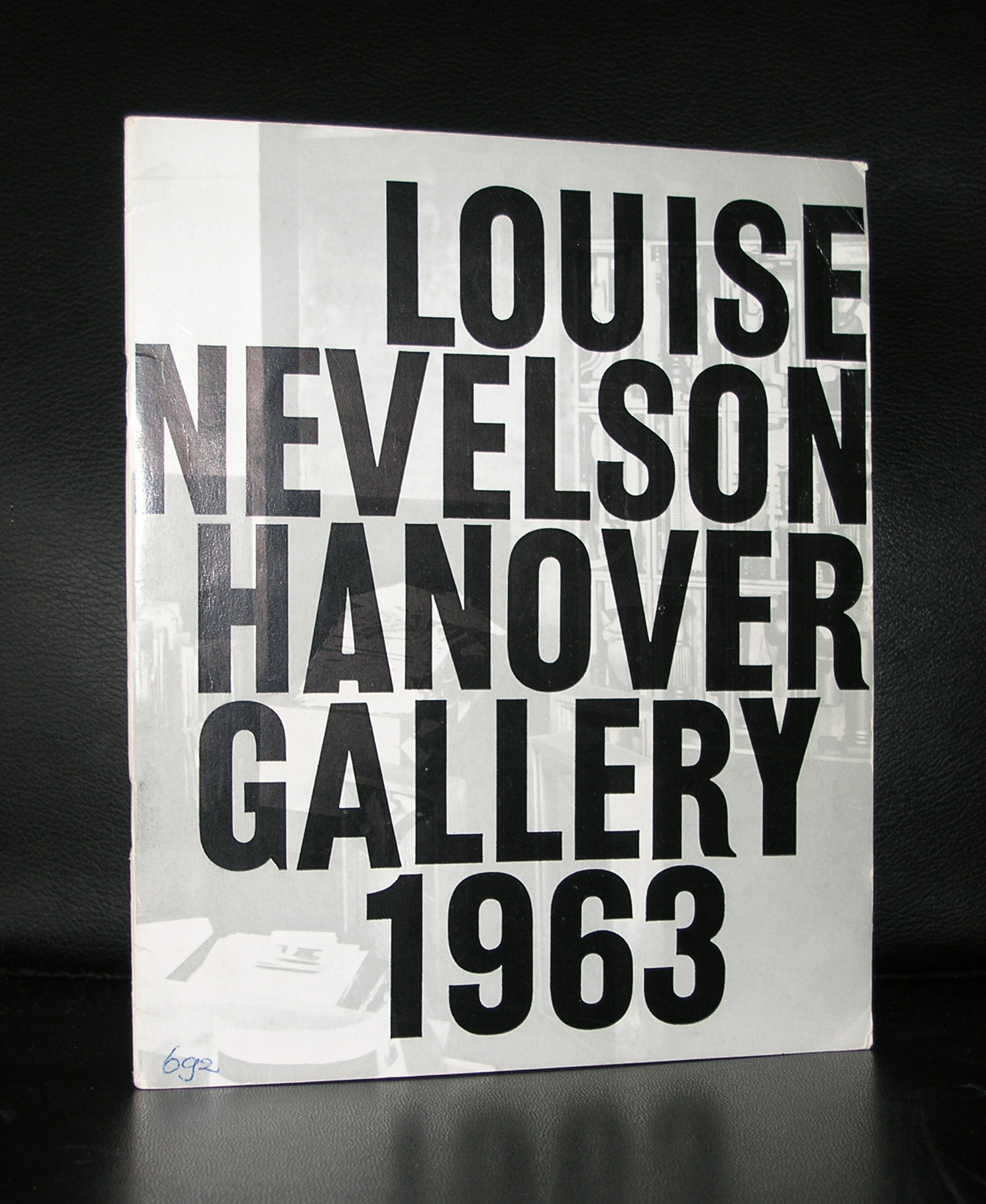
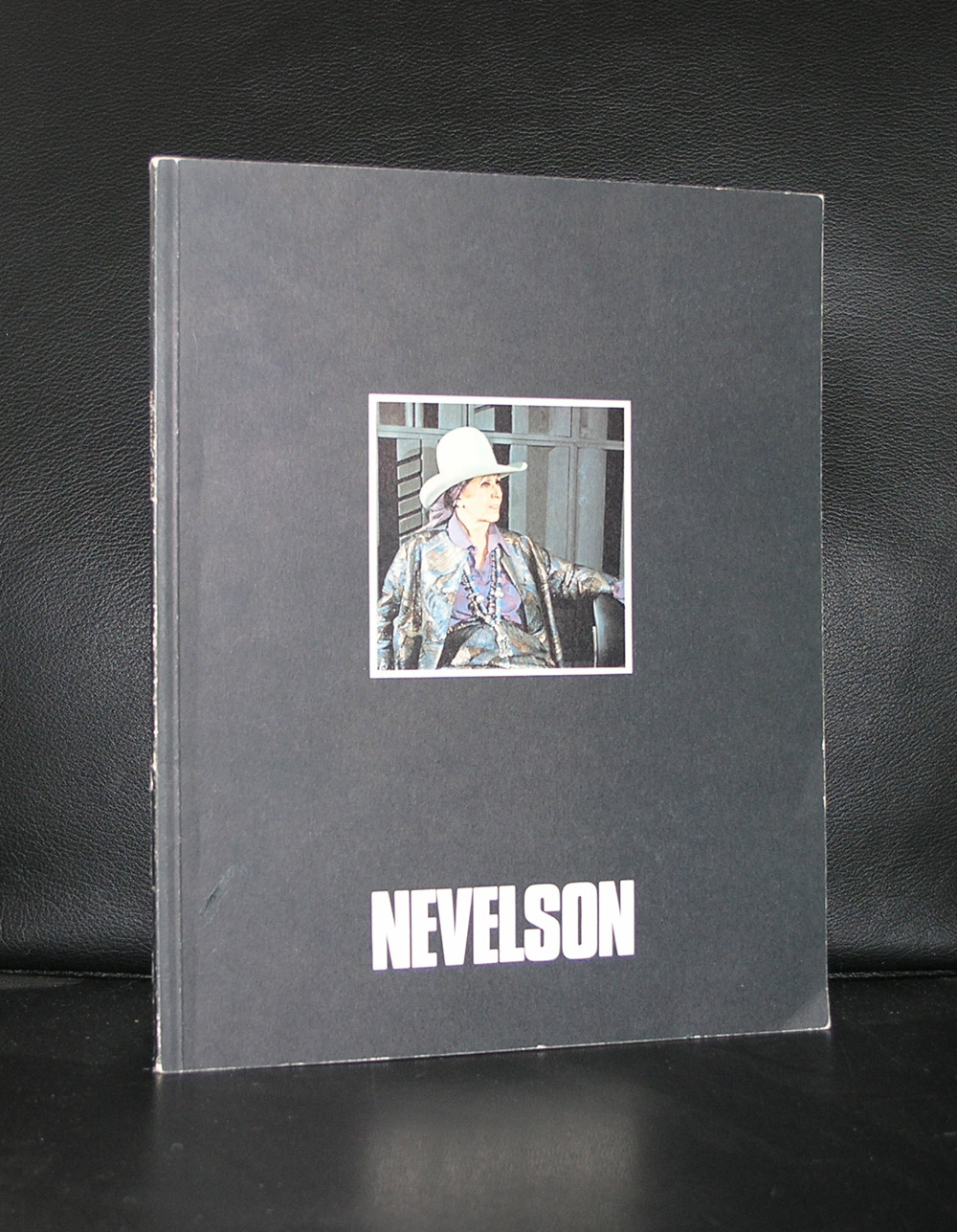
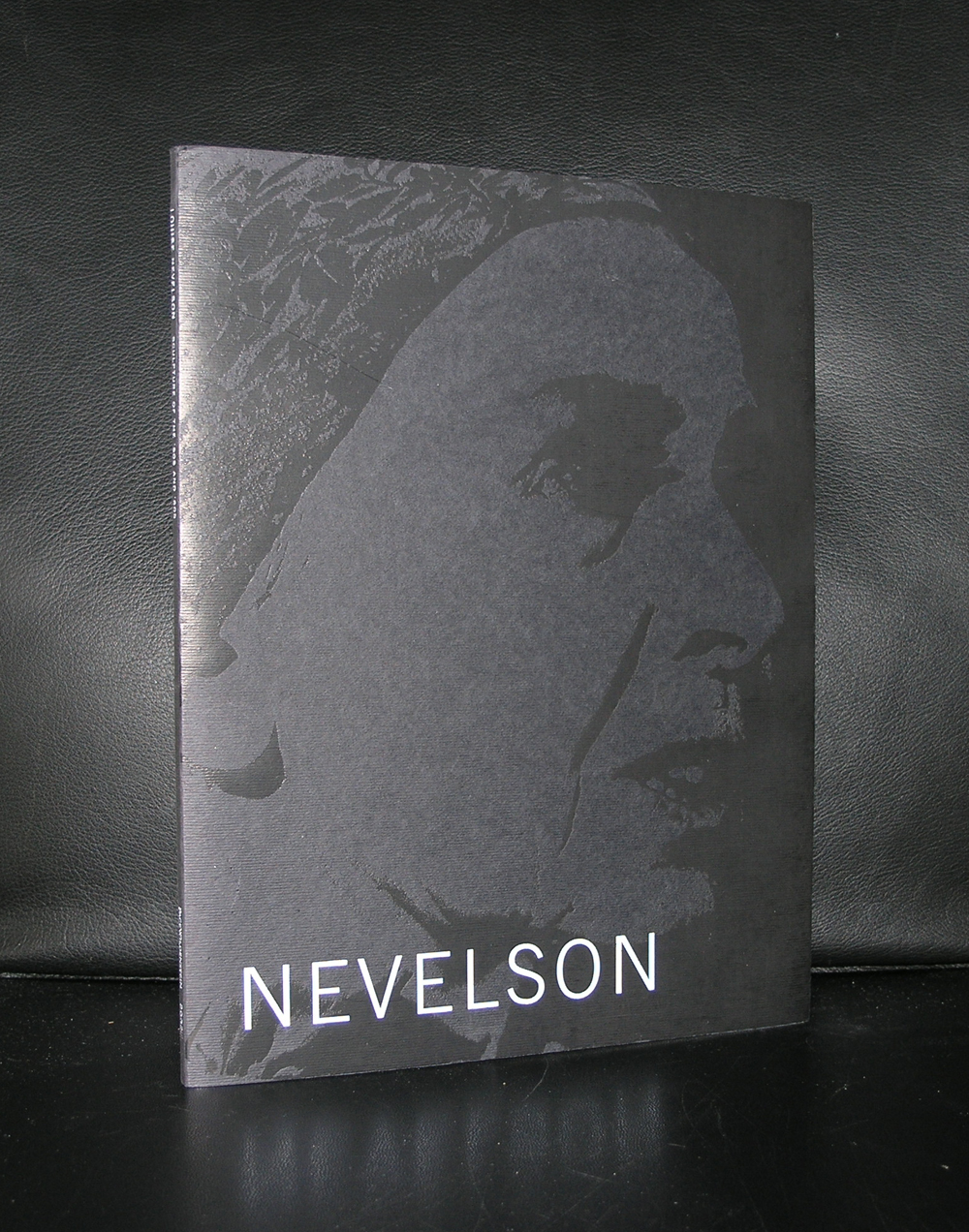
The next 3 days will be with short blogs on female artists that i admire very much. Today’s one is on Louise Nevelson who’s portrait by Suzy Embo is for sale at www.ftn-books.com.

Next year , starting at 23rd of june 2017 a large retrospective on Embo’s photographs will be organized at the FOMU /FotoMuseum Antwerpen. The photograph i have for sale was a lucky find , because it was hidden in one of the great Nevelson catalogues i bought years ago. Excellent condition of the photograph and the strong image of Louise Nevelson makes this one of my favorite artists photographs i have ever seen.
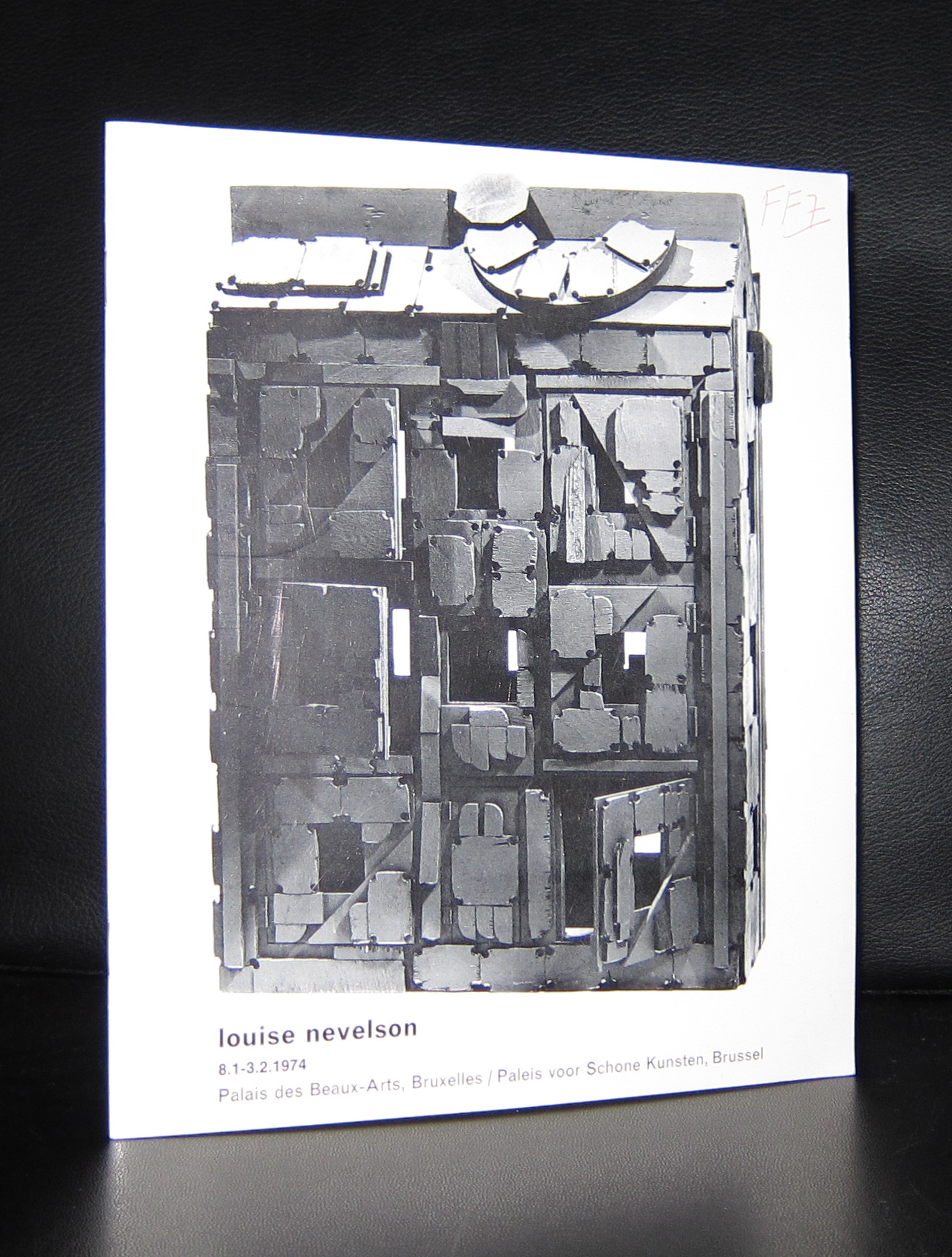
Louise Nevelson is in European undervalued artist, who made assemblages from left over materials and who was not that well known some 30 years ago. She had her exhibitions and retrospectives, but only since a few decades her works appear at auctions and in group exhibitions by Abstract expressionists. Stil she had a loyal following of admirers in the Netherlands and Belgium. In Belgium she even had a solo exhibition in the Paleis voor Schone Kunsten in 197 and you can visit one of the large works at the Centre Pompidou museum in Metz, but for the most of us in Europe this artist was a mystery….(and still is). The case in the US was a total different one. She was recognized as one of the most important sculptors from the 20th century from the early 60’s and onwards.
Major museums began purchasing Nevelson’s wall sculptures in the late 1950s, and she was included in the landmark “Sixteen Americans
” exhibition at New York’s Museum of Modern Art in 1959. In the following decades she earned commissions for large-scale sculptures from institutions such as Princeton University (Atmosphere and Environment X, 1969), the Massachusetts Institute of Technology (Transparent Horizon, 1975), and the Philadelphia Federal Courthouse (Bicentennial Dawn, 1976). In 1967 the first major retrospective of her work was presented at the Whitney Museum of American Art in New York City. During the 1970s and ’80s Nevelson expanded the variety of materials used in her sculptures, incorporating objects made of aluminum, Plexiglas, and Lucite. Not until she was in her 60s did Nevelson win recognition as one of the foremost sculptors of the 20th century.

Piet Dirkx cigarbox 118
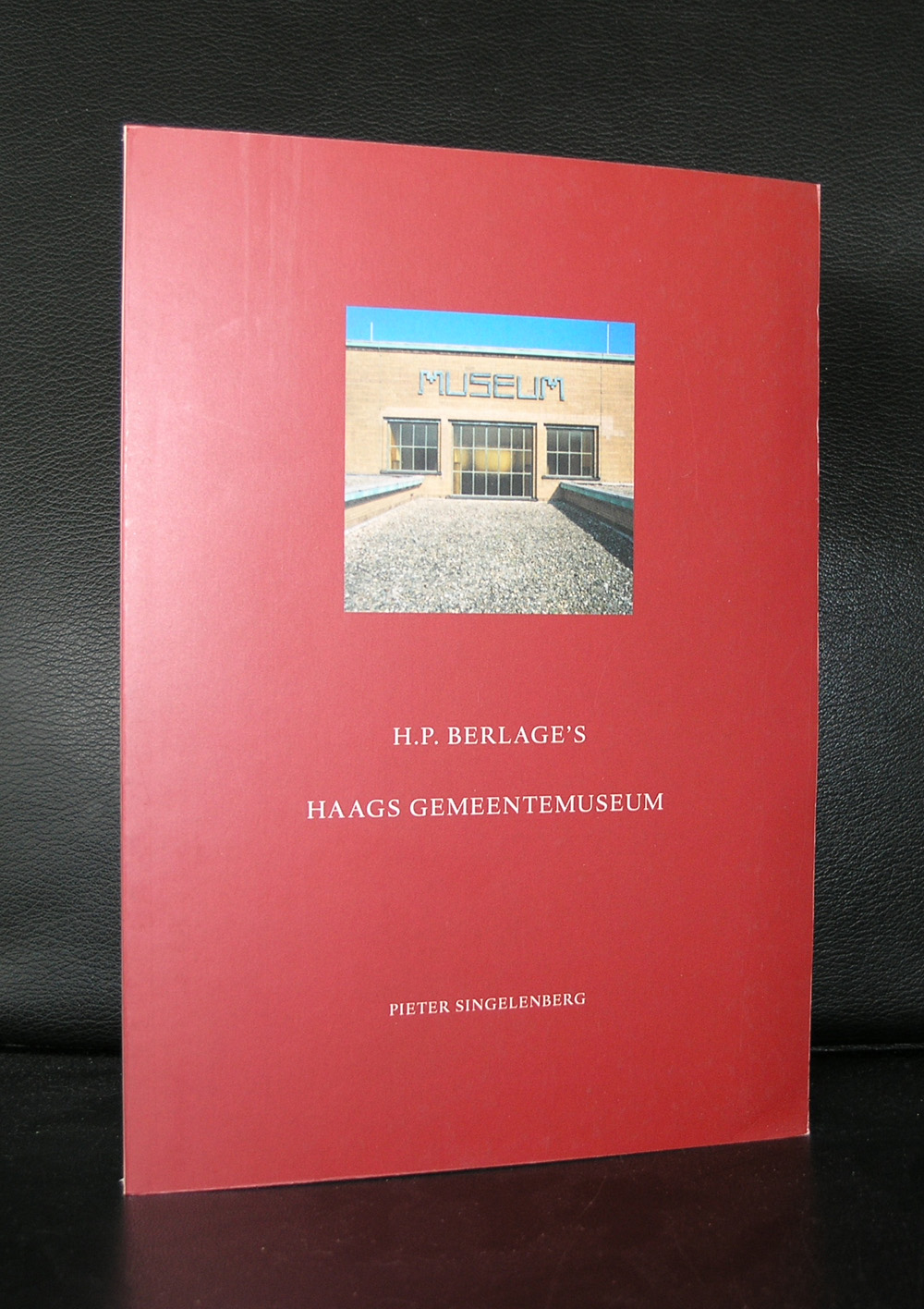
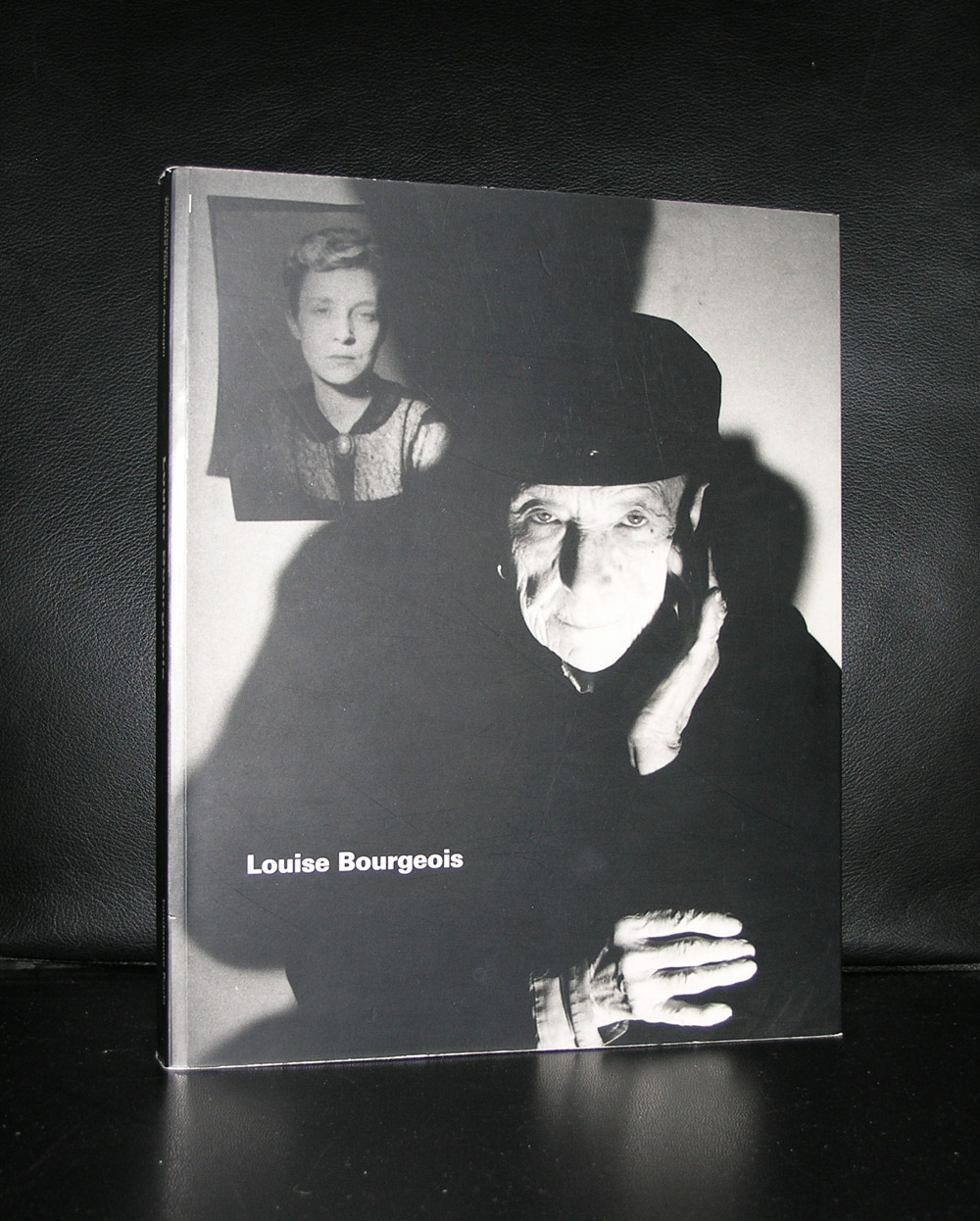
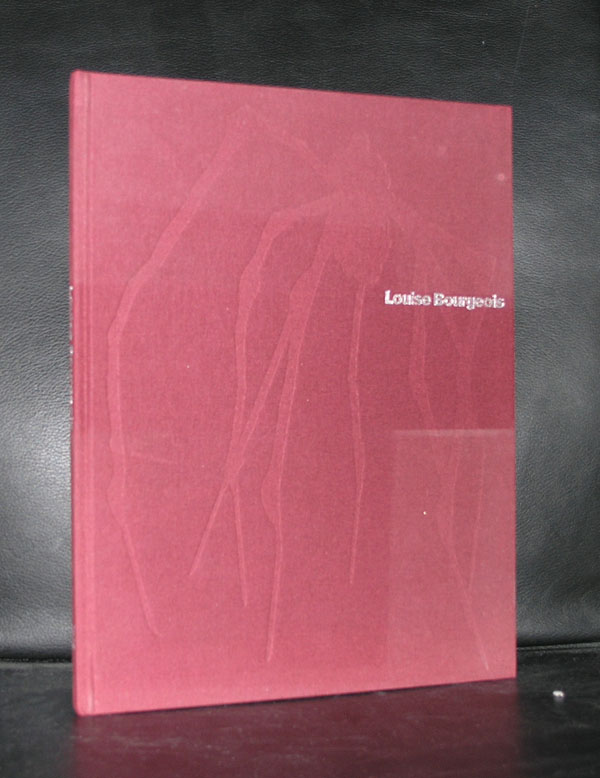
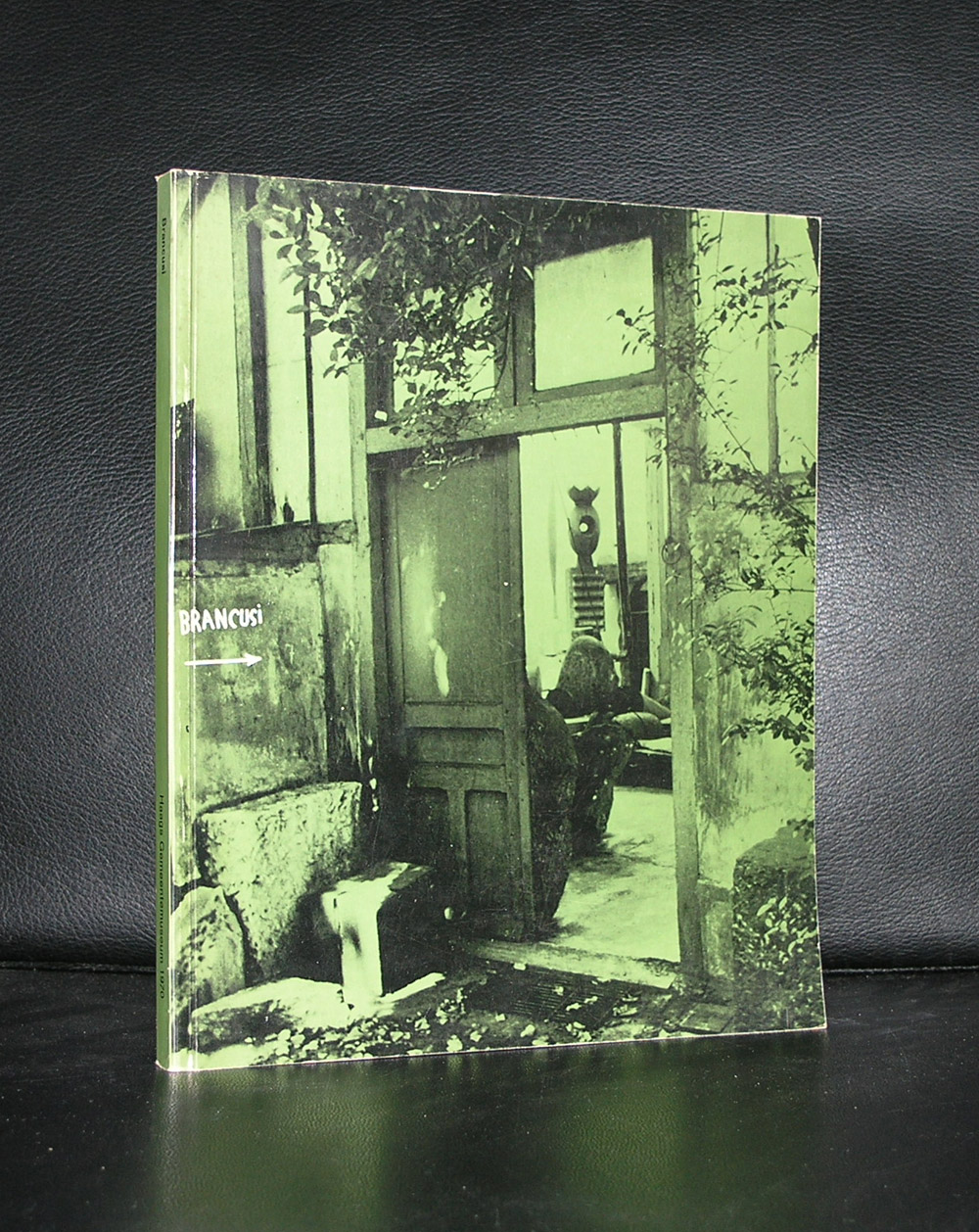
It was an exhibition i was really looking forward to. I know the collection of sculptures the Gemeentemuseum Den Haag has very well and thought they would make a superb exhibition with them. Last weekend we visited the exhibition and….i must say i was disappointed. The statues and sculptures were grouped and i could distinguish themes and periods within the groups, but what struck me most is that there were too many sculptures on too little space. For me sculptures must have space around them. That is the reason sculptures outside work so well. In the Gemeentemuseum there were too many on too little space and on top of it, the epic spider by Louise Bourgeois was not shown within the exhibition, but was squeezed into one of the smallest cabinets of the museum.

This sculpture exhibition competes with too many other exhibitions at the same time and far too many objects within the exhibitions, made the museum visit one of the least attractive ones of the last years.
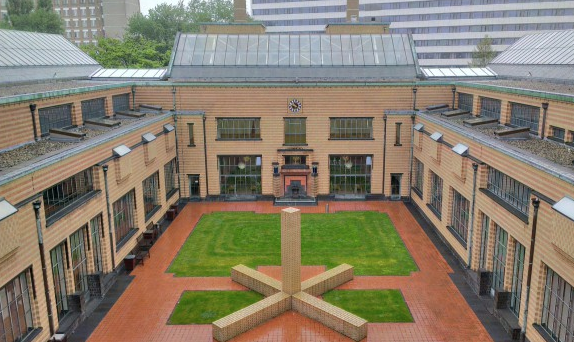
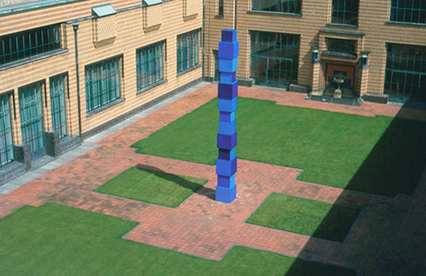
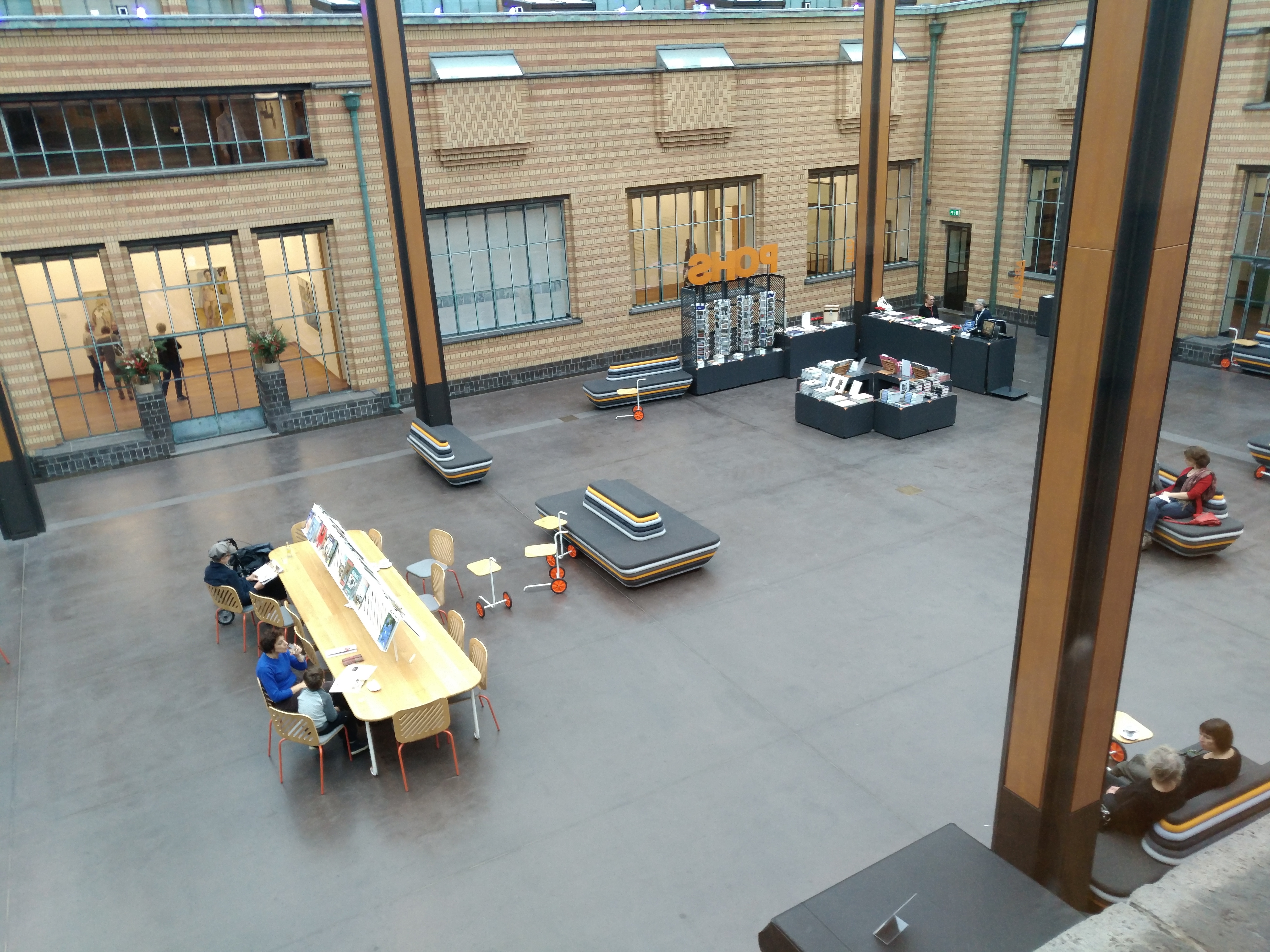
I love the museum, but this collection deserves far better than the way it now is exposed to the public. Far too many objects. No space between them….no air to breathe at all . The SCHATKAMER in which the STIJL period is exhibited on the ground floor is one of the worst museum spaces i know of in the Netherlands and now that the inner garden is (unfortunately) covered( see photos), because they wanted a space to drink coffee ( beside the restaurant), read some magazines and sell some books( beside the museumstore), the beautiful Bourgeois sculpture is now squeezed into a cabinet and is no longer a part of the sculpture exhibition FROM RODIN TO BOURGEOIS, because it is placed out of the exhibition on the other side of the building. So please free the inner garden space from everything in it and make this an exhibition space and put the Bourgeois, Nauman, Carl Andre in it or better…. use it for the Sol LeWitt,Serieel project nr. 1: Groep B (1966-1970). These sculptures really deserve some space and a better exposure. That would be a real “tribute to Sol LeWitt”. Go and see what space can do for a beautiful sculpture. Visit the Serra in the Guggenheim in Bilbao or the Giacometti in the Beyeler and see how it must be done to present them in the best way possible. Space and air is what these great sculptures need.
A last remark, the Museum shop is turning into a souvenir shop. If that is what they feel the museum needs, the museum certainly must follow that path, but i feel strongly that it is nice to learn something about the great art which is shown in a museum and for that you need other products than scarves, cups, pencils and the occasional postcard. For books on the Gemeentemuseum and its collection and exhibitions there is still another place to visit ….please visit www.ftn-books.com and find here the publications this great museum has published over the last 60 years.
One positive thing about the current exhibitions. The Tomas Rajlich exhibition is exquisite ( blog next week) and the Ravesteyn room with the Givenchy dresses and the Audrey Hepburn filmclips in the background is great.

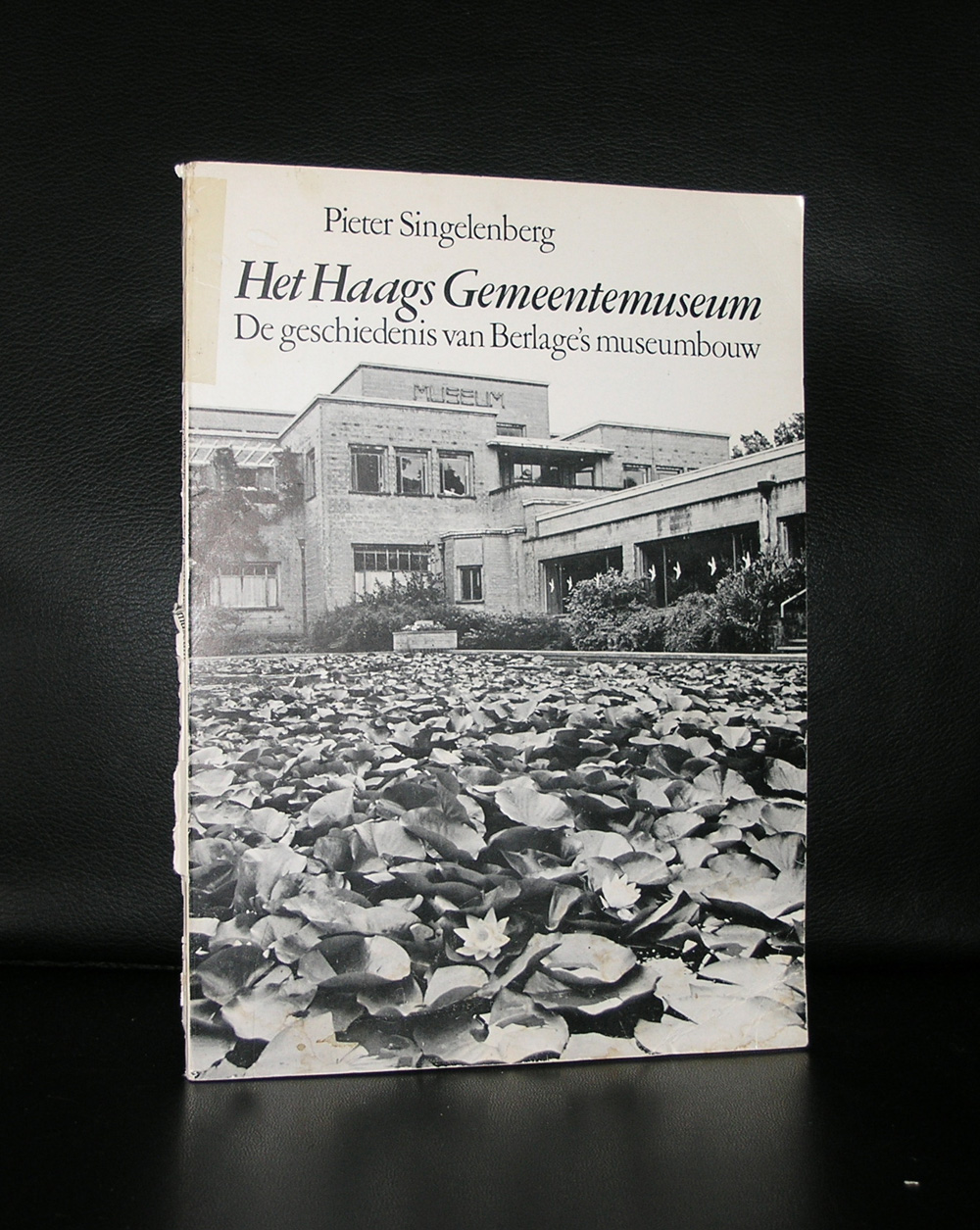
the PIET DIRKX DAILY wishes you a Merry Christmas

Piet Dirkx cigarbox 117


Piet Dirkx cigarbox 116

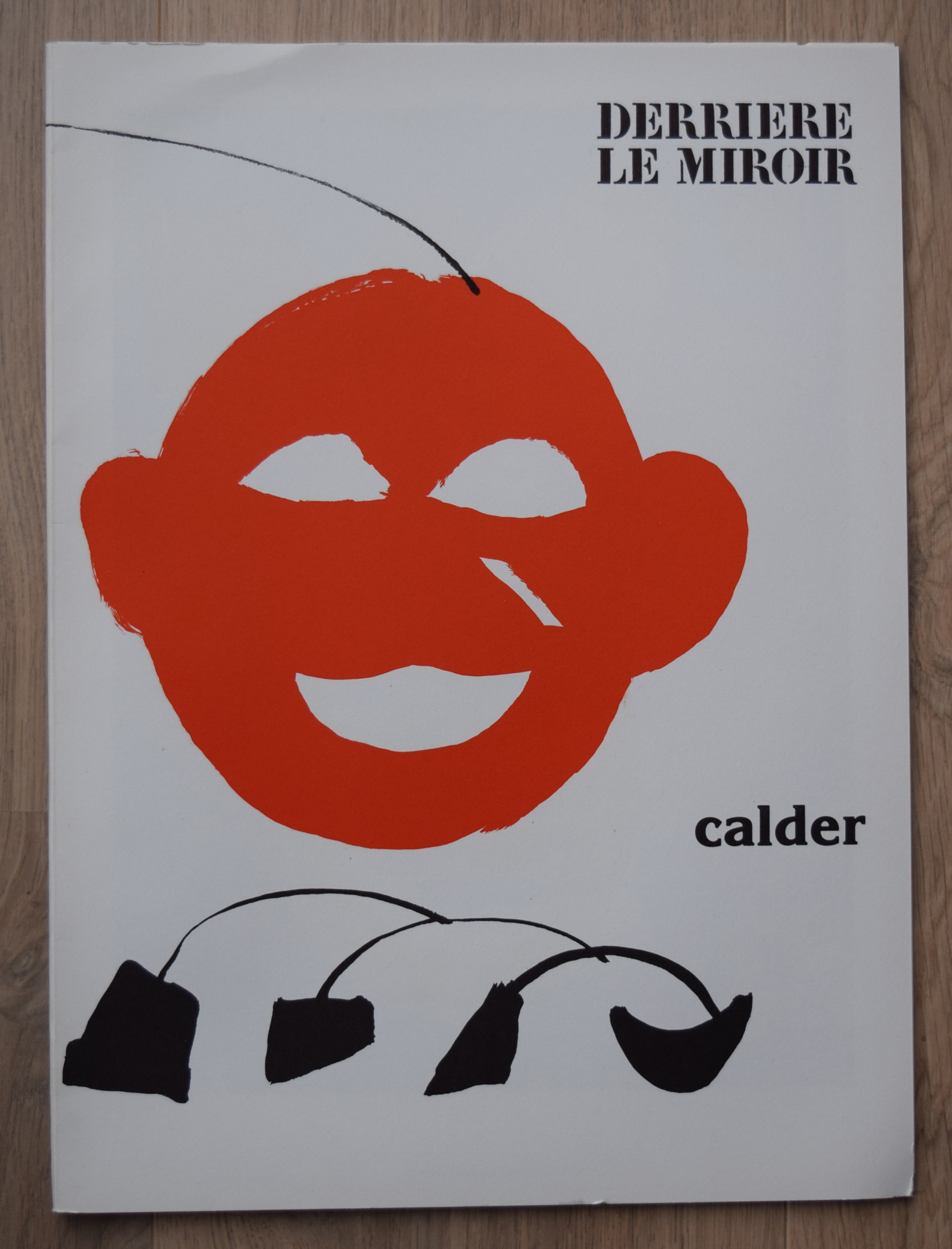
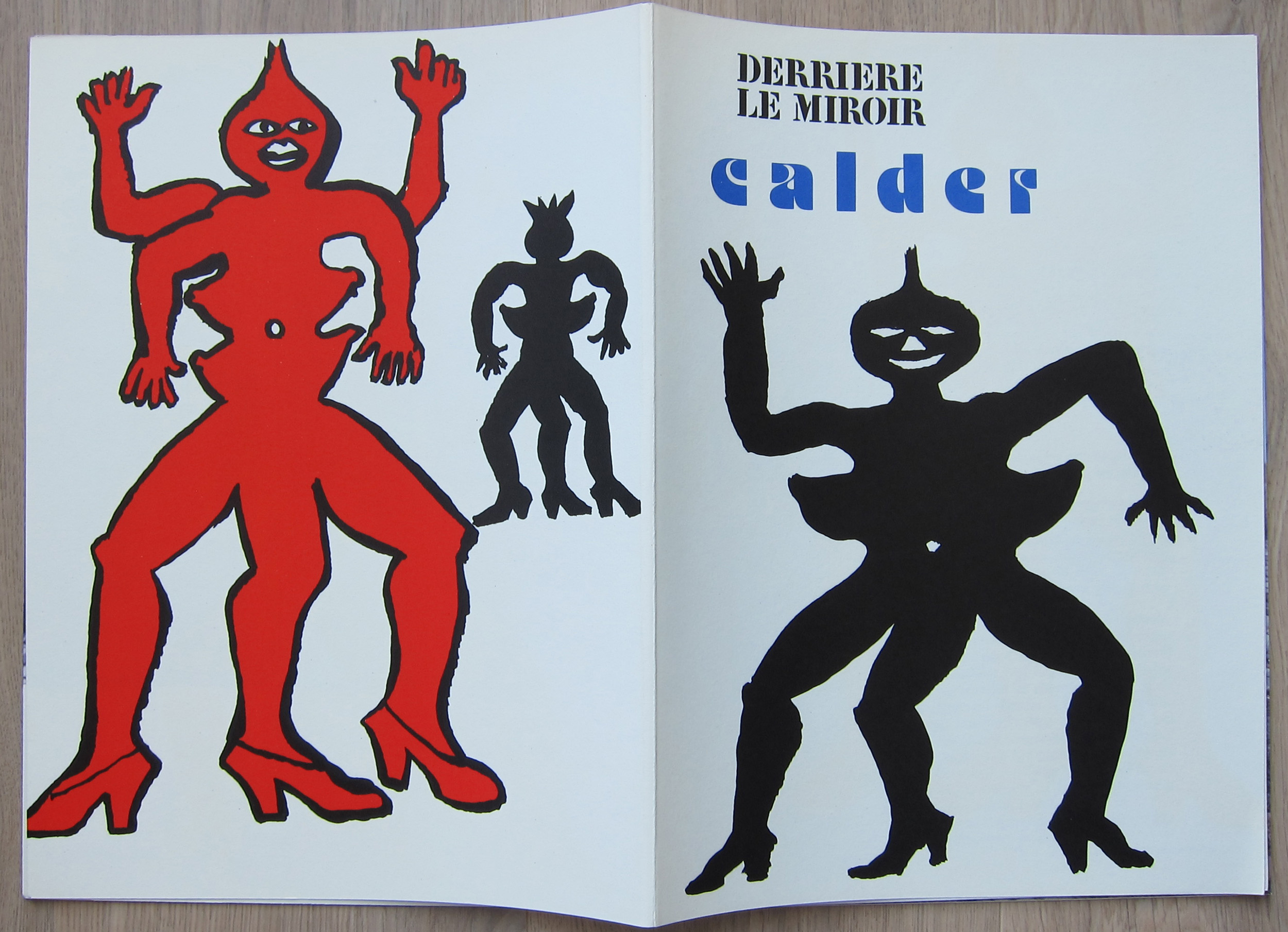
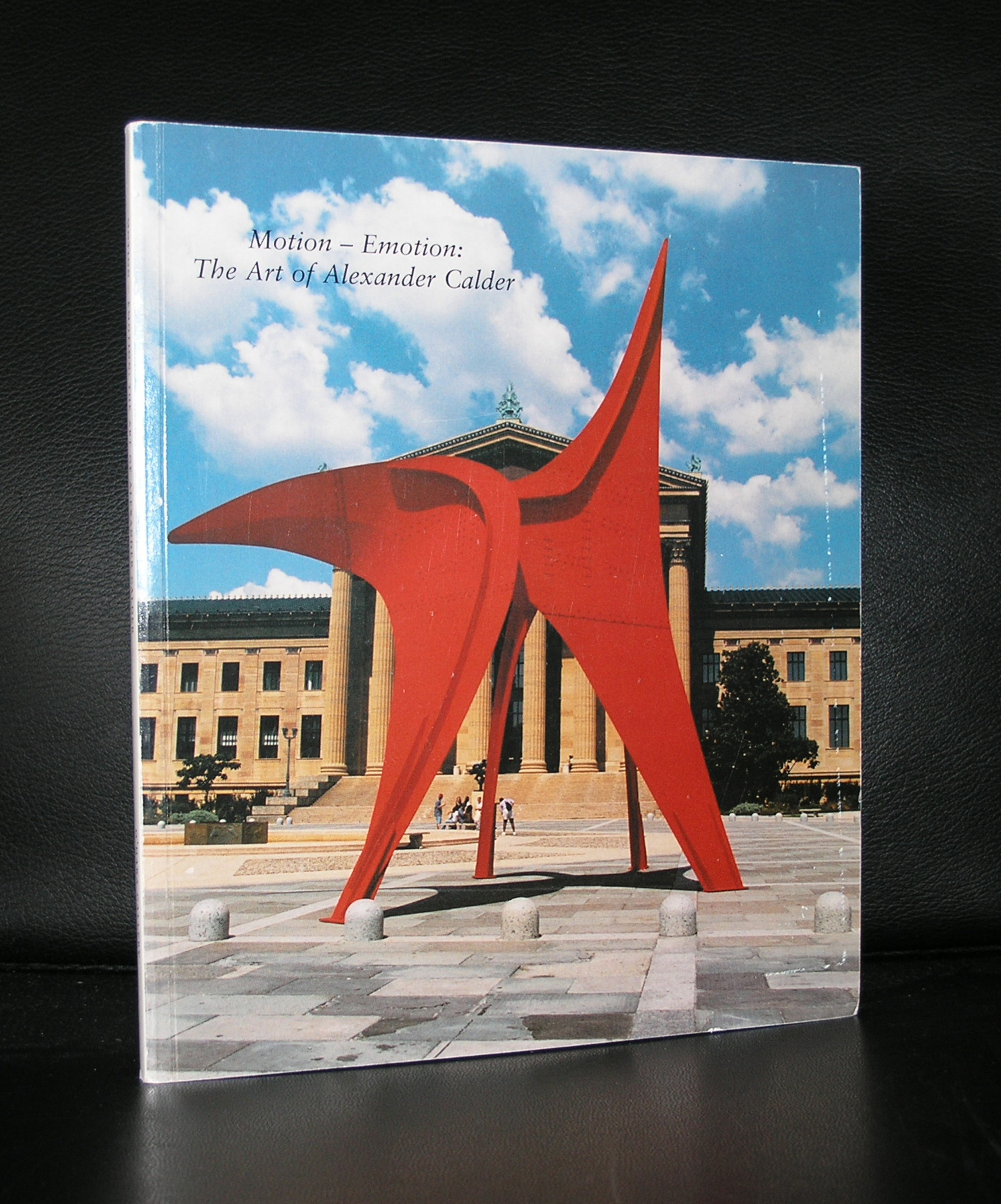
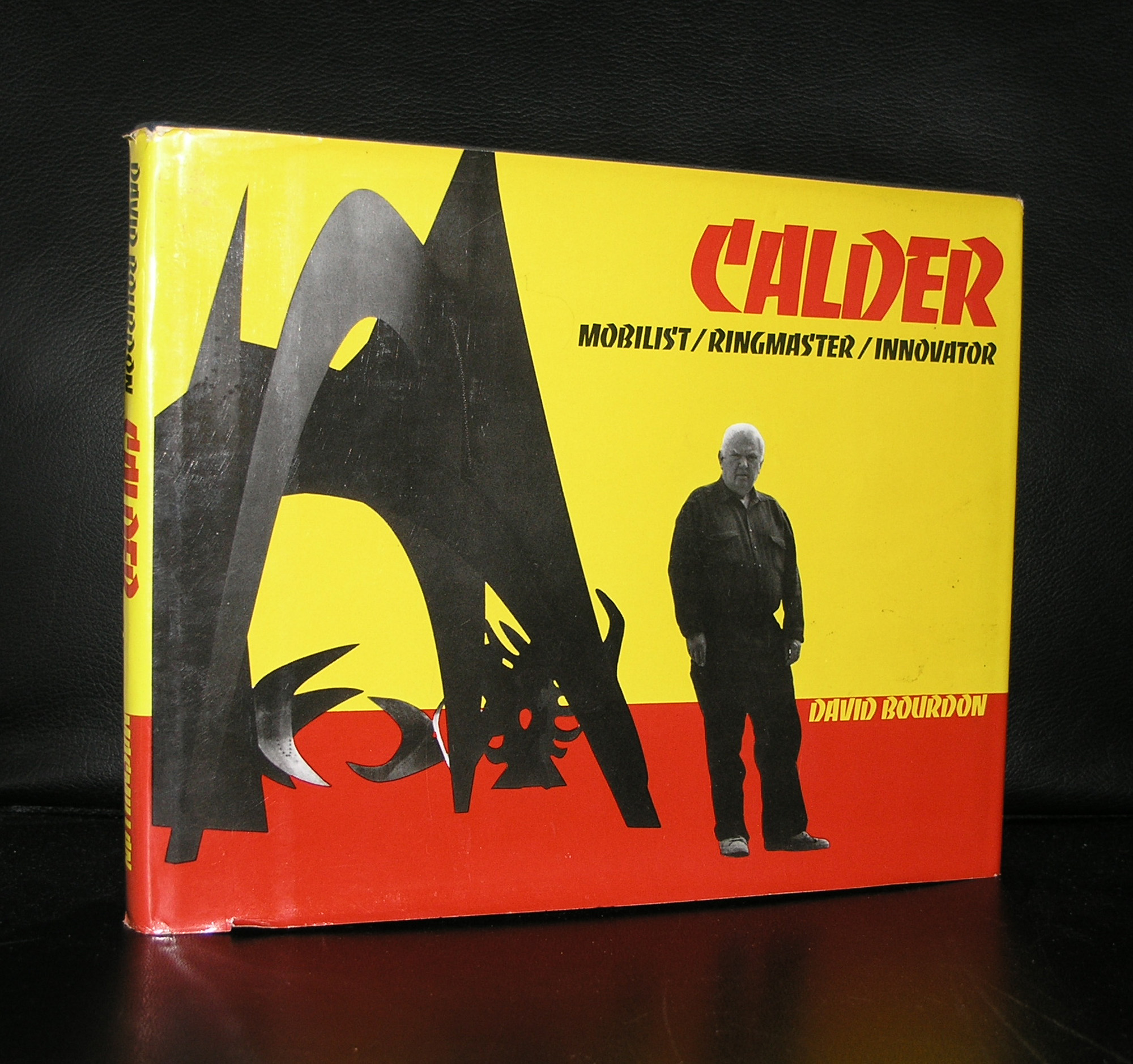
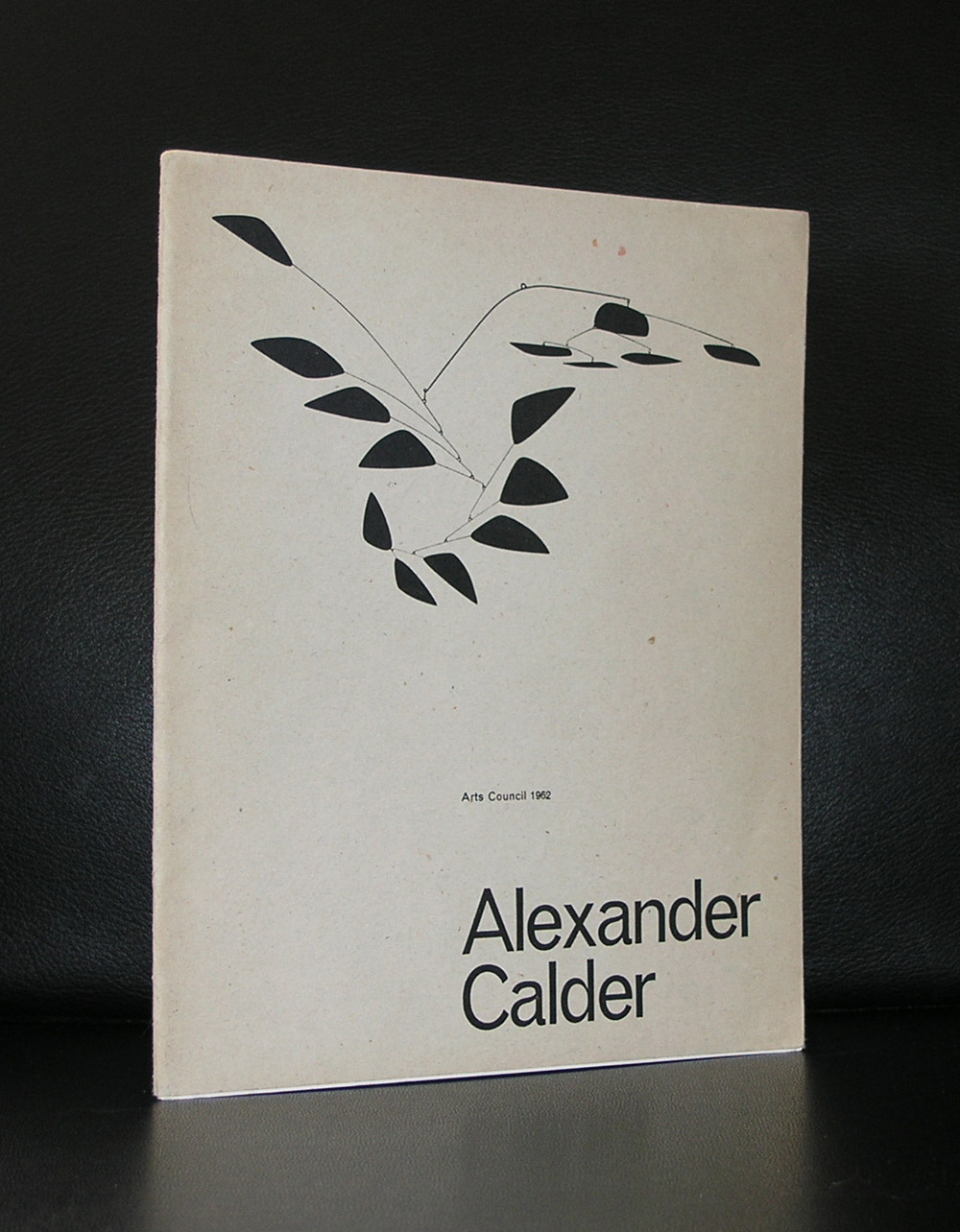
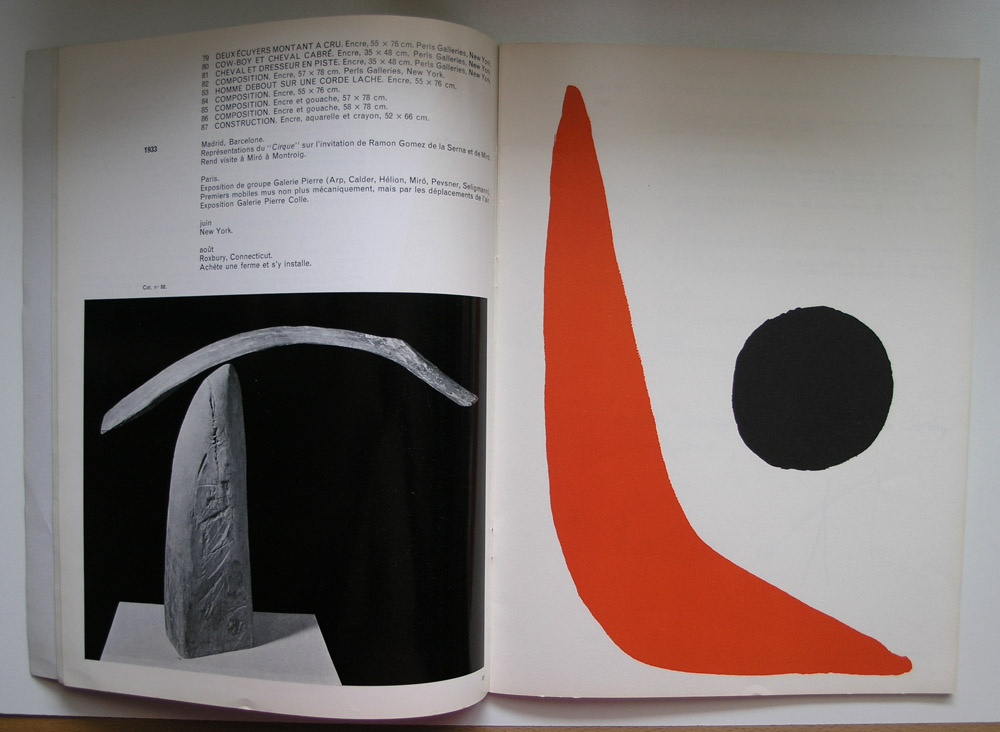
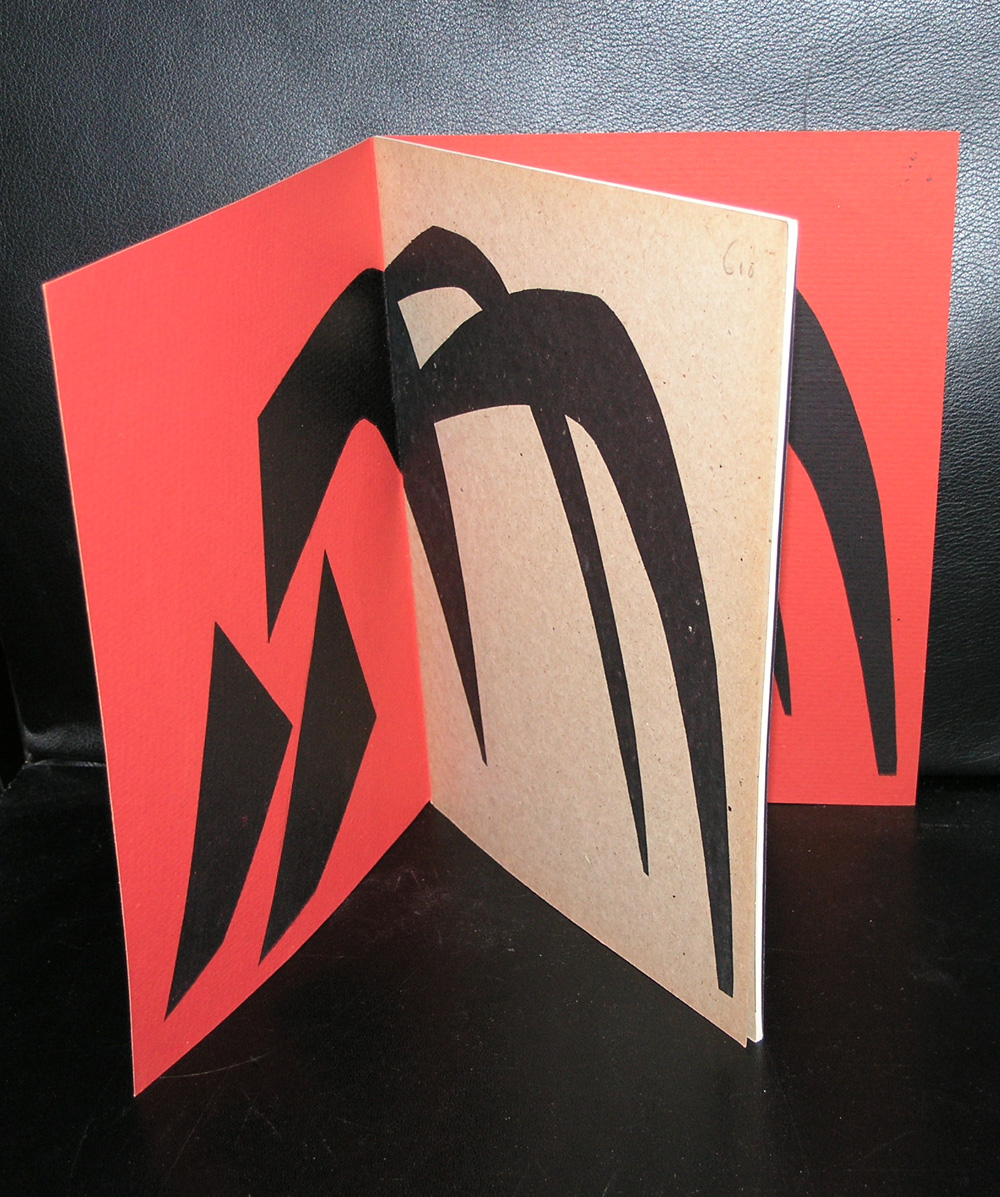
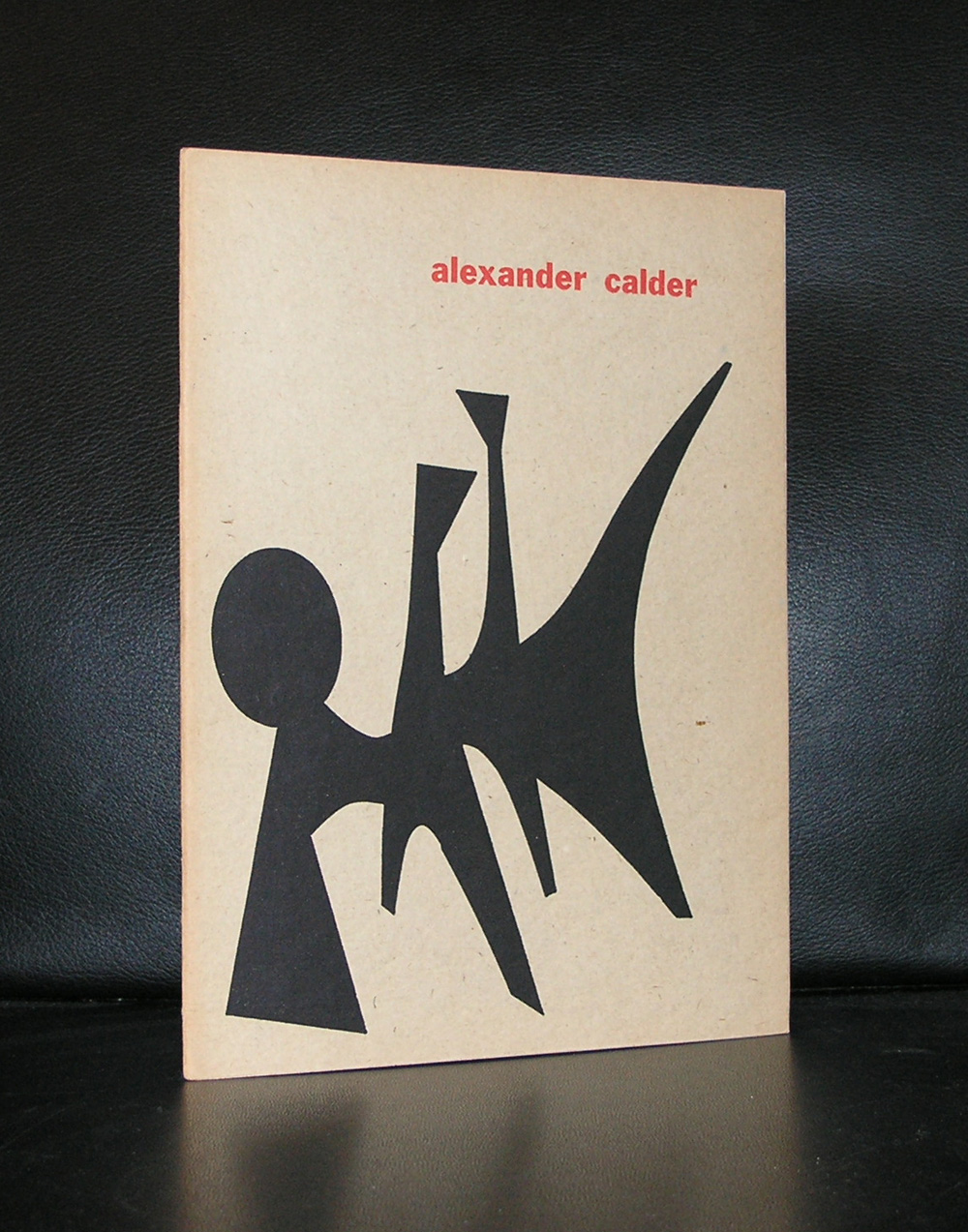
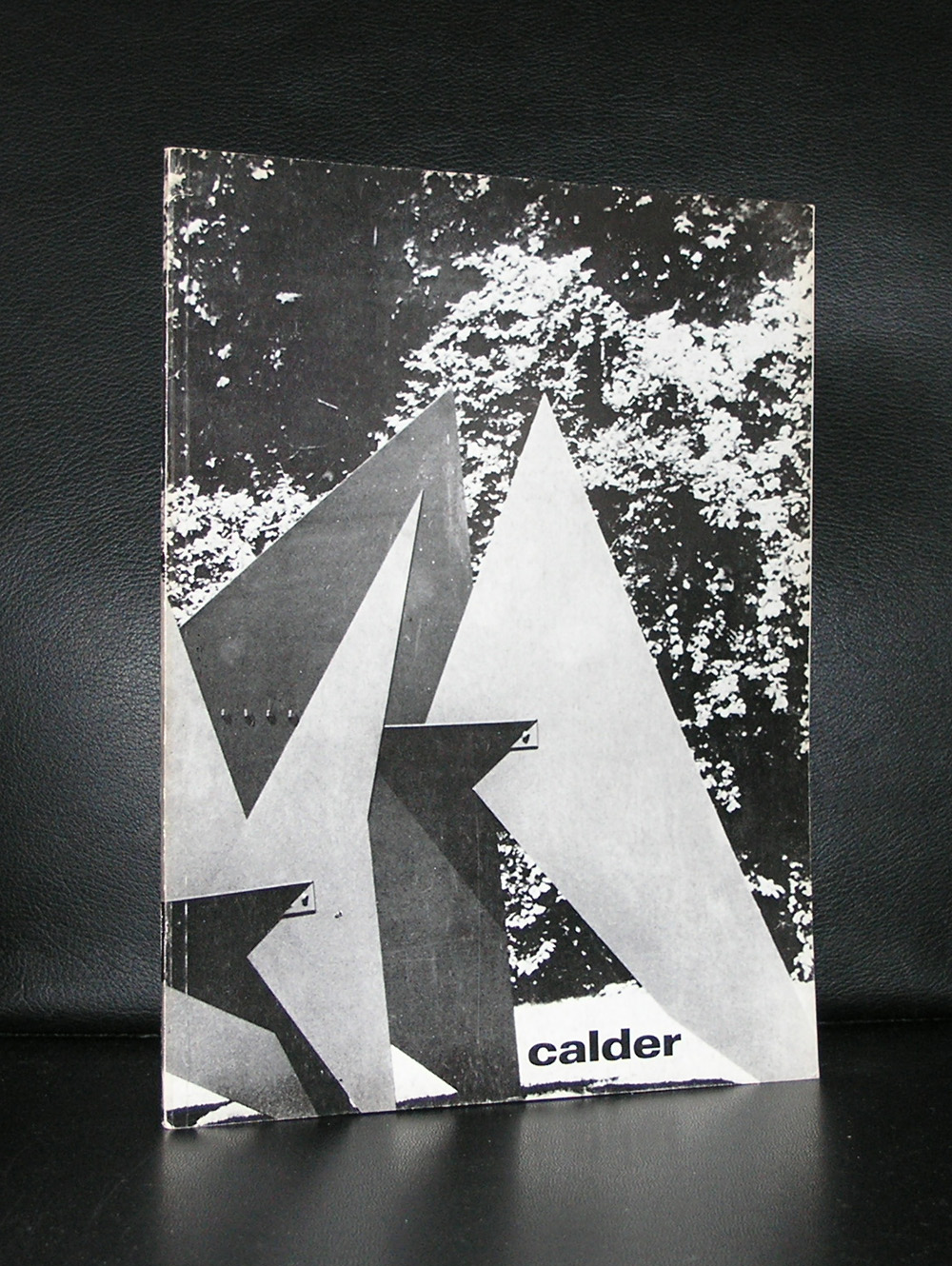
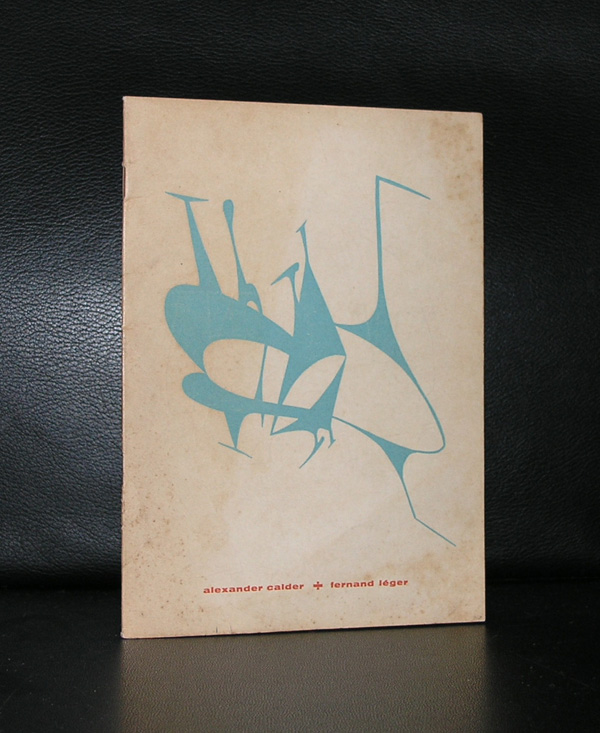
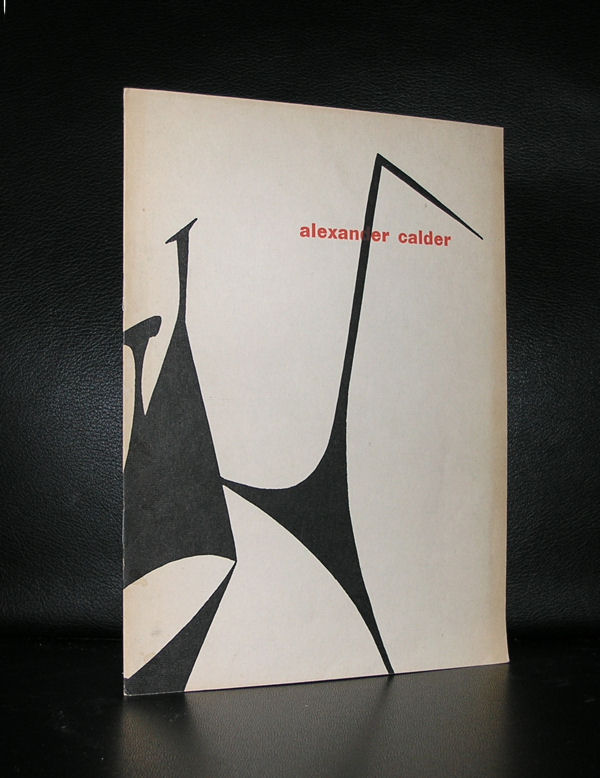
Born in the 19th century . Calder has become for me one of the pioneers in Modern Art. The public knows Calder by name for his mobiles, but for me Calder is the first artist who explored the extreme sizes in sculpture. Later, this was followed by Serra, but Calder must have been one of the very first to make sculptures bigger than a building. A few of these can be found in STORM KING, but these are not the only ones. These very large sculptures are scattered all over the world.
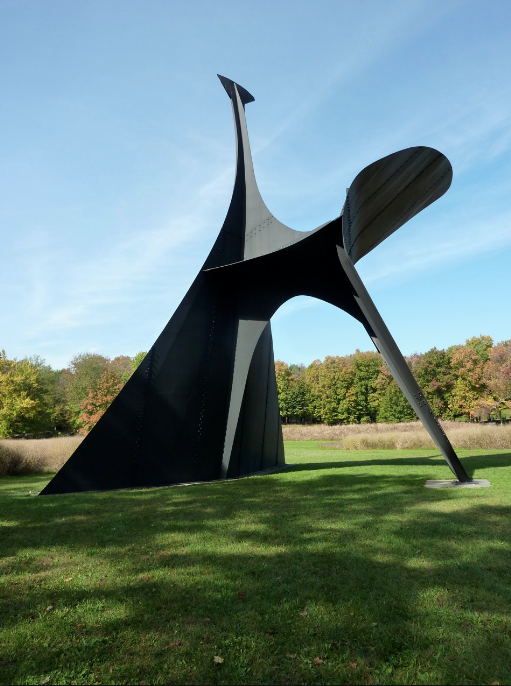
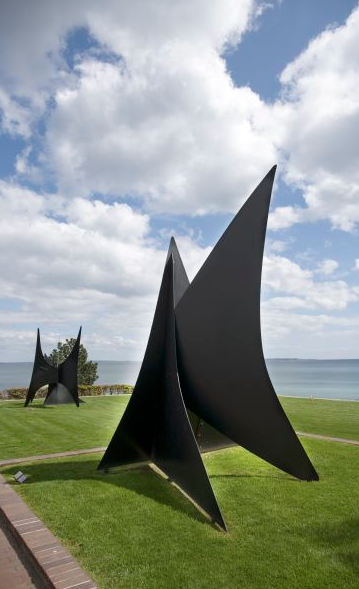
From Denmark to Brazil, the Calder statues are the highlights among other statues in sculpture parks all over the world. It is a pity there is only one large sized Calder in dutch collections. It is the “anteater” from the collection of the Rijksmuseum.
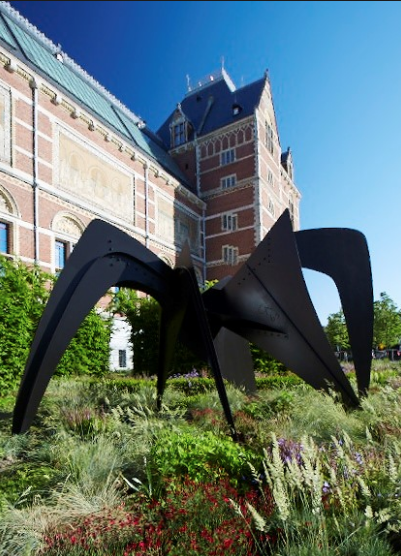
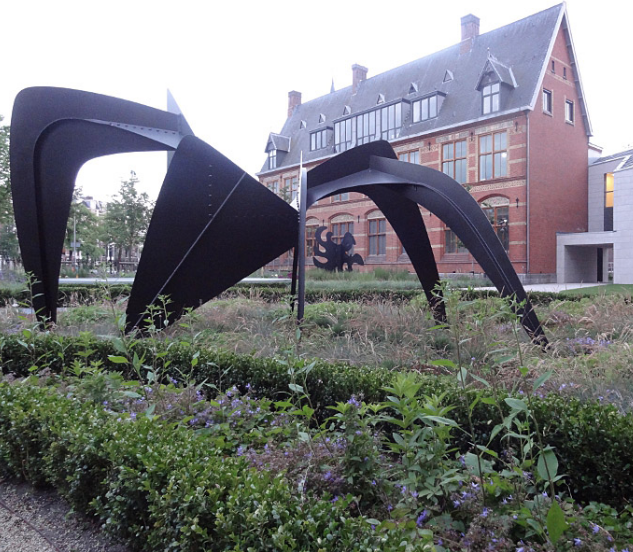
So do not miss them when you are abroad or there is a special exhibition on Calder because they are among the very best in Modern sculpture. I am fortunate to have some great classic Calder publications within the inventory of www.ftn-books.com