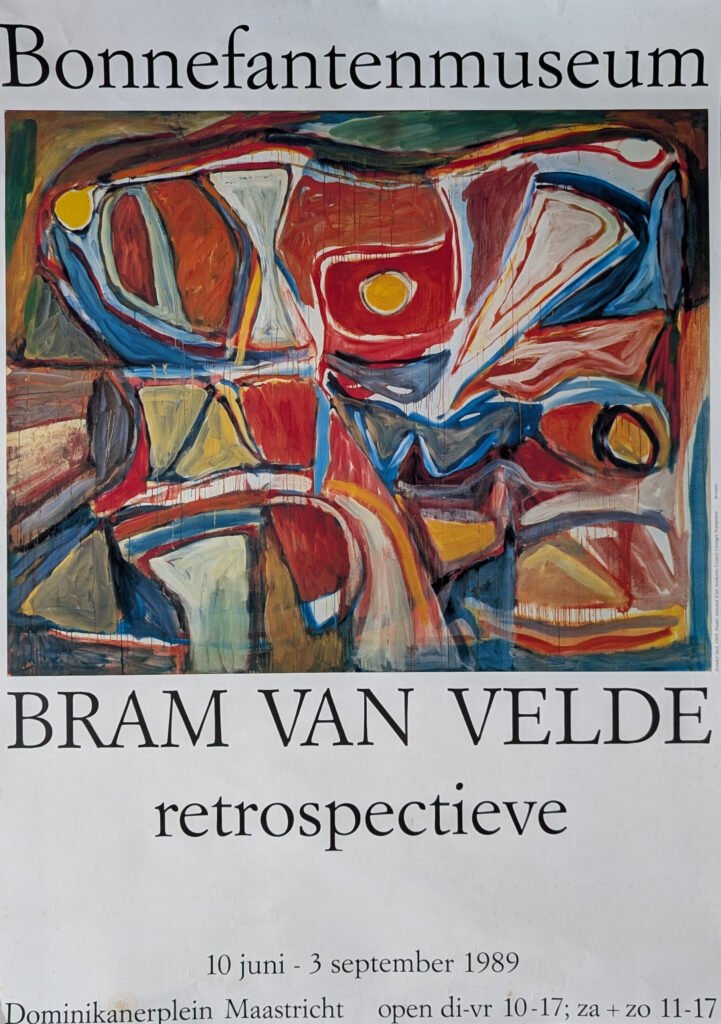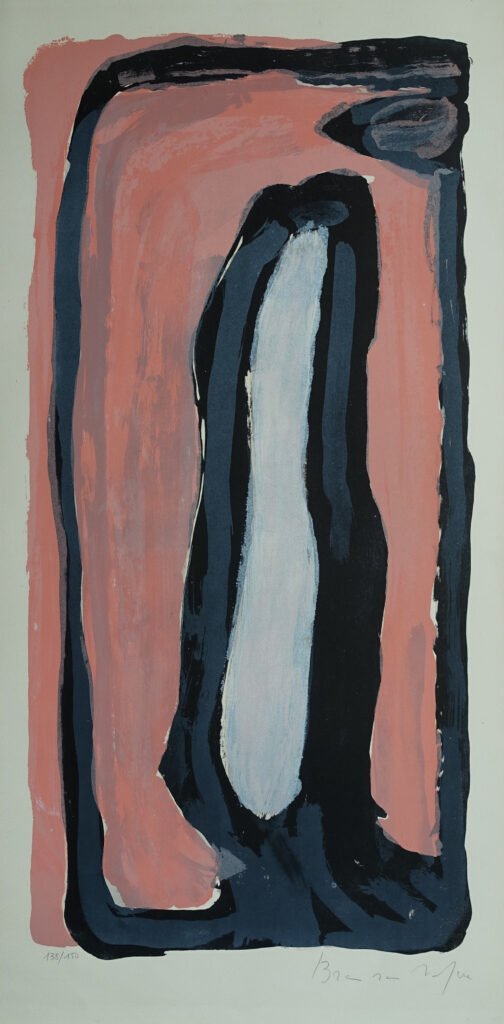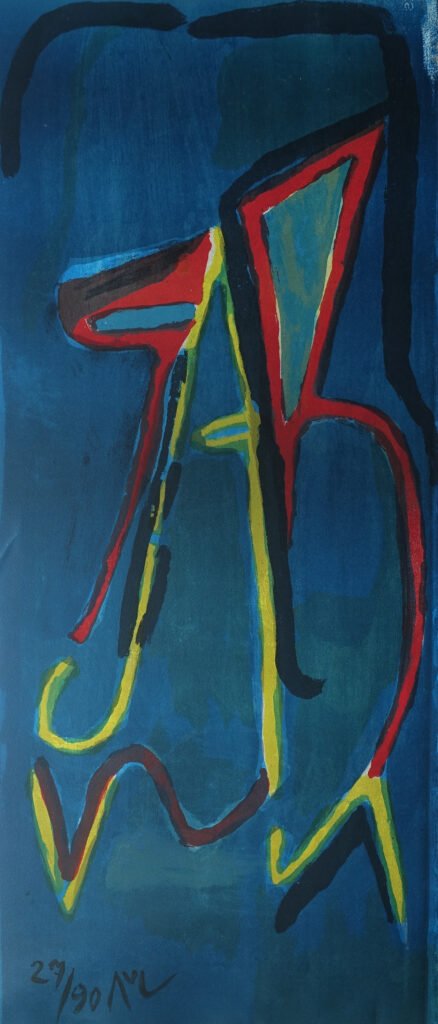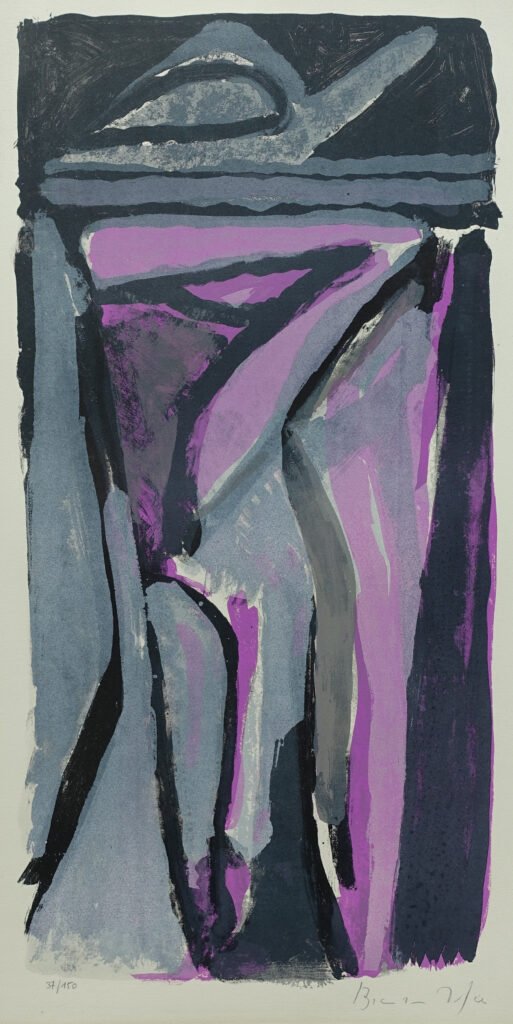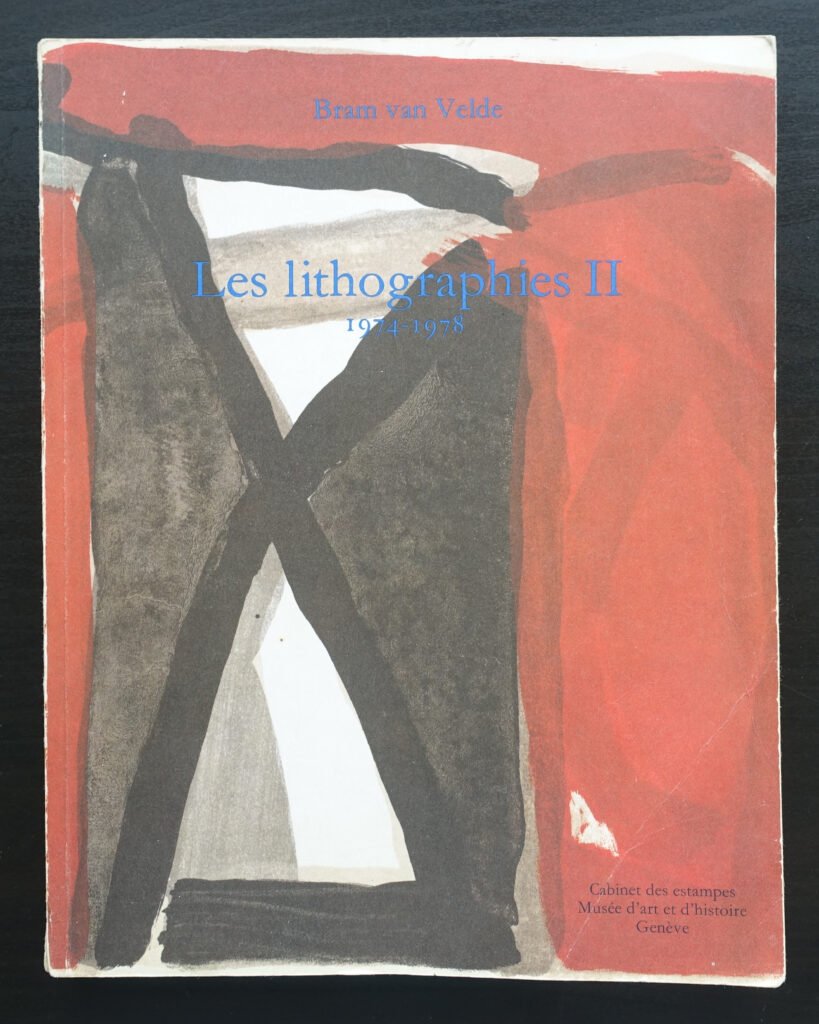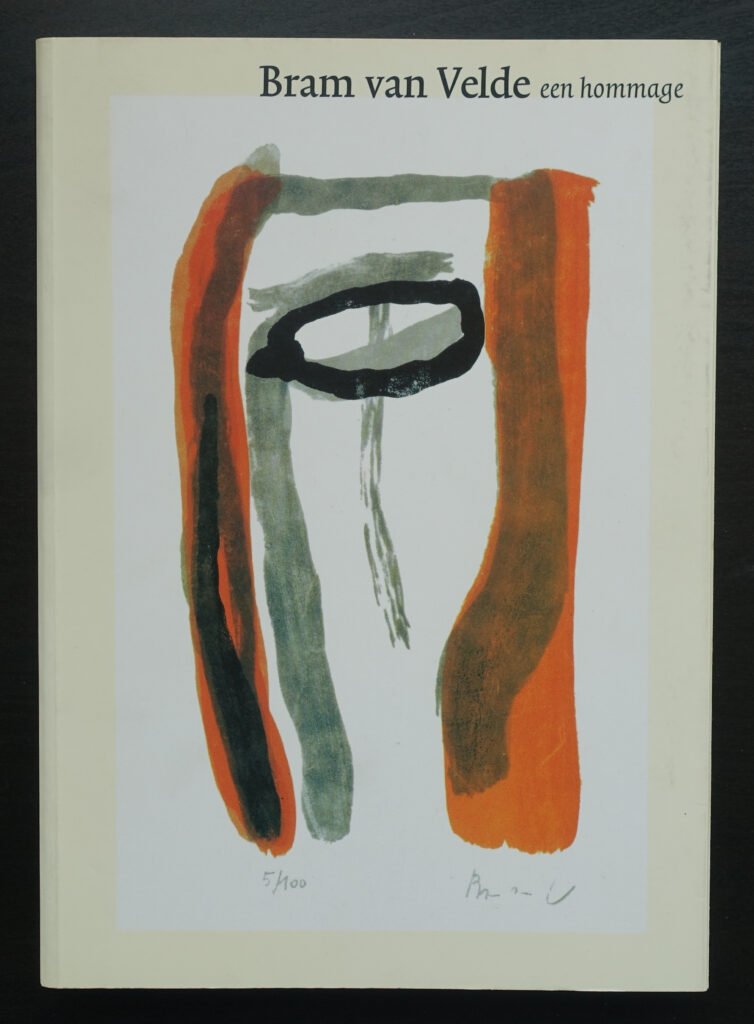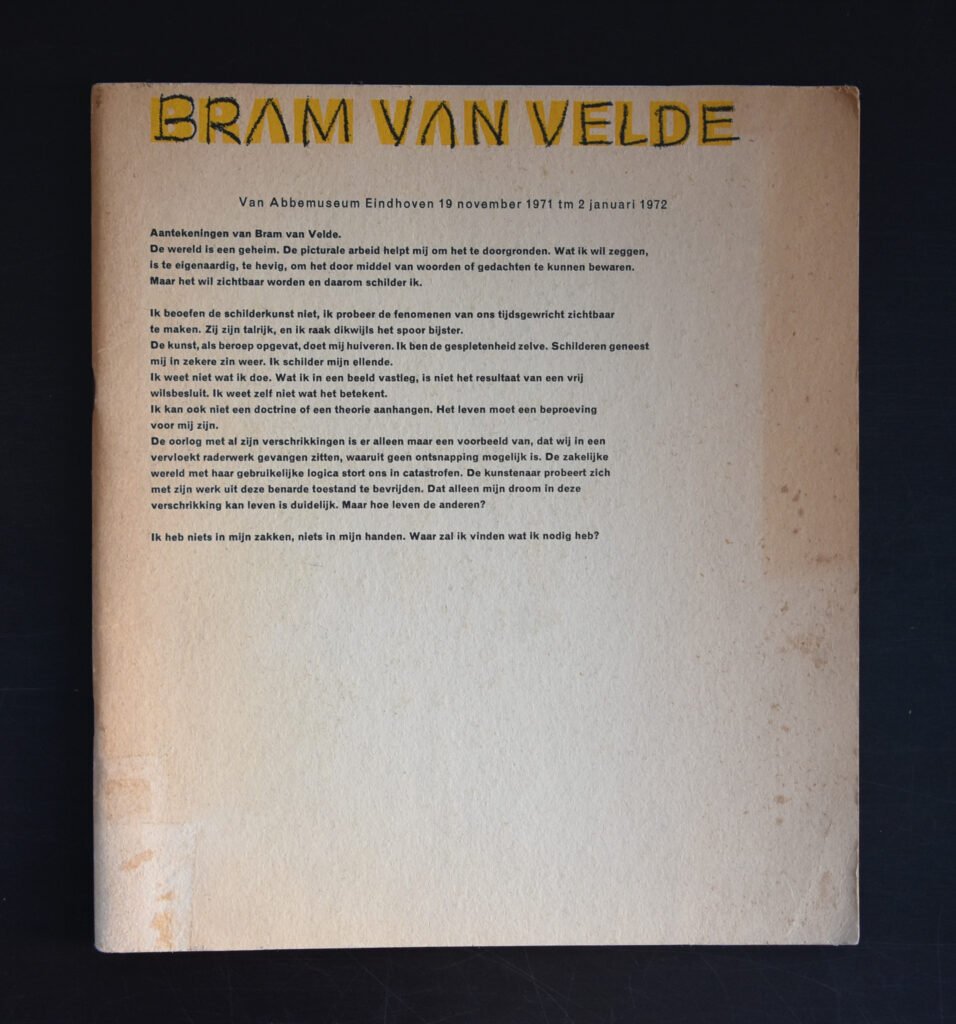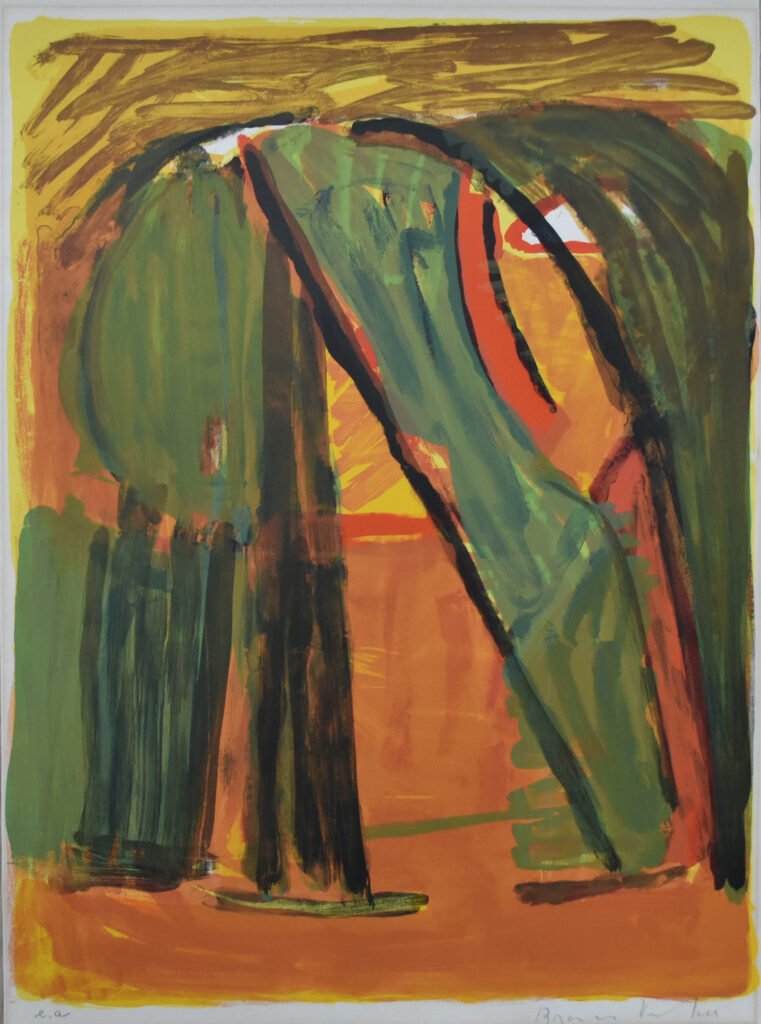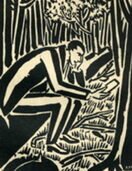


There’s a particular kind of artist whose reputation grows in the shadow of a bigger name, then slowly steps out of it. Bram van Velde is one of them. For decades he was “the painter Samuel Beckett wrote about” a footnote to literary history rather than a headline in art history. That’s changing, and it’s worth asking why.
Beckett’s essays on van Velde , describing a painter who paints “having nothing to paint with, nothing to paint from, no power to paint, no desire to paint” — turned him into a kind of philosophical mascot for the impossibility of expression. It was flattering, but it was also a trap: van Velde became interesting as an idea before he was fully seen as a painter. As Beckett studies have matured and scholars have gone back to separate the myth from the canvases, van Velde has started to be read on his own terms — as a serious voice in postwar European abstraction, alongside Tachisme and the broader School of Paris, rather than just the guy Beckett liked.
That re-reading is exactly the kind of shift that tends to precede a market catching up to a reputation.
Van Velde sits in an unusually useful spot art-historically: Dutch-born, trained in the shadow of German Expressionism, based for most of his life in Paris, working in a gestural, color-saturated abstraction that runs parallel to but distinct from American Abstract Expressionism. Museums building out global, less US-centric accounts of postwar abstraction need figures exactly like him and both MoMA and Tate already hold his work, which gives curators an easy institutional foothold to build shows and scholarship around.
This is the part that matters most for value, and it’s not speculation it shows up in the market data. Auction records for van Velde are sparse: only 57 tracked lots between 2000 and late 2025, with just 31 carrying a realized price. Liquidity is modest, with only four lots appearing in the most recent 12-month window, up from just one the year before meaning there’s essentially no glut of his work resurfacing to satisfy demand. When interest rises against that kind of scarcity, prices move fast, because there’s nothing to absorb the pressure.
And they have moved. The median realized price over the full 25-year record is around $310, but the most recent 12 months carried a median of $25,000 against a previous 12-month median of just $100 a shift the data flags outright as a 100% jump. That’s an extreme swing on a small sample, so it shouldn’t be read as a stable new baseline. But it is a sign of a market that’s thin enough to reprice sharply the moment real demand shows up and a top sale of €25,800 for a painting at Artcurial in December 2025 shows where serious buyers are willing to go for the right work.
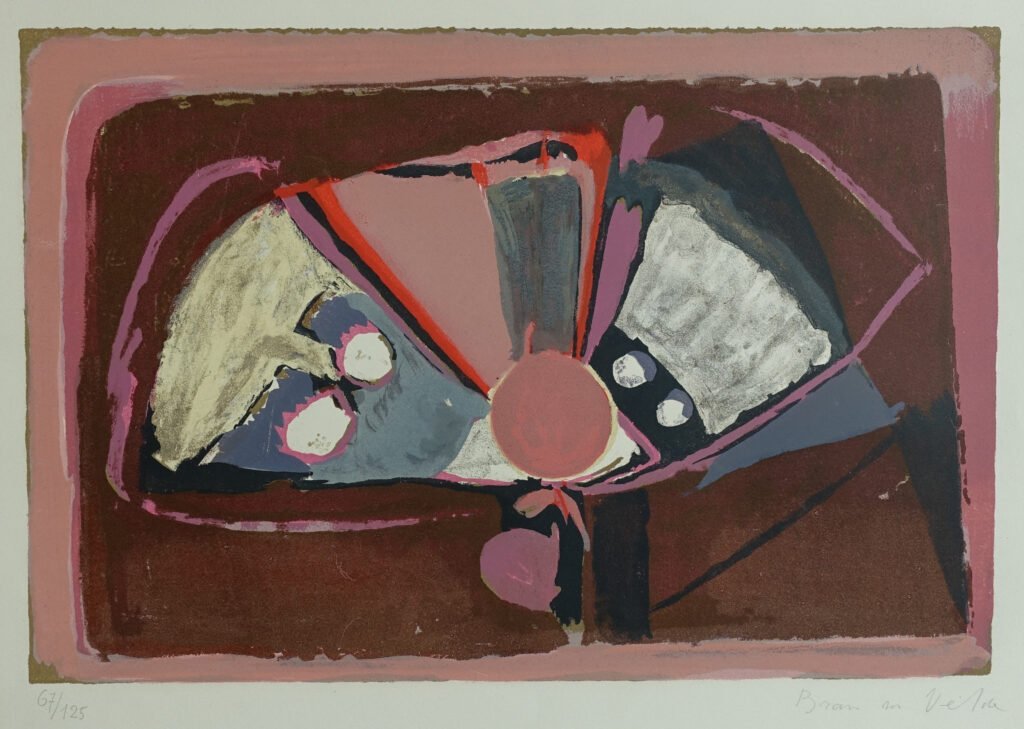
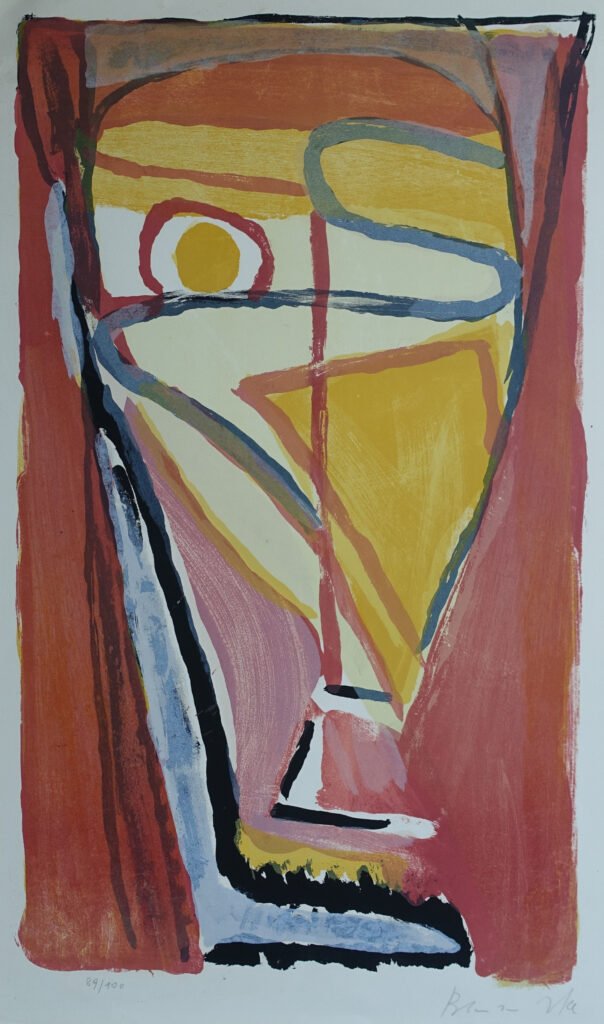
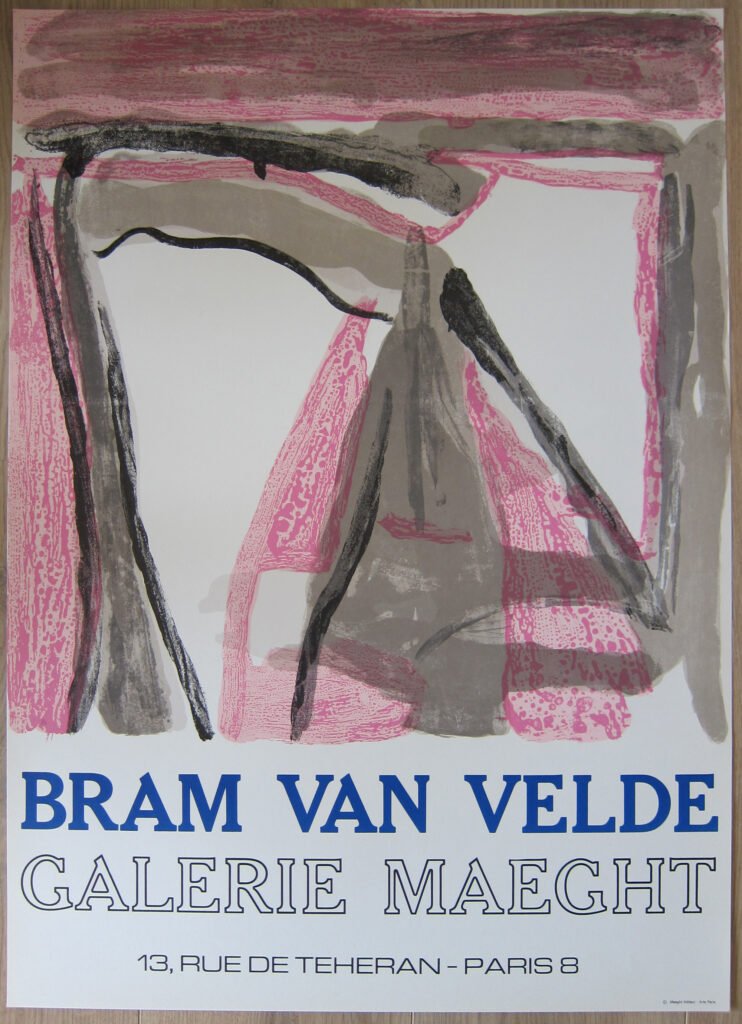
Prices cluster below €600 for prints and lithographs, while unique works on paper and paintings reach significantly higher results. That’s actually a healthy structure for a rising reputation: affordable lithographs and etchings — including his contributions to landmark portfolios — keep van Velde’s name circulating among collectors and galleries at low cost, building familiarity, while the unique paintings stay scarce and climb independently. The cheap end builds the audience; the thin end captures the value.
None of this is a guarantee. A market built on four or five recent sales is fragile — one or two more transactions could just as easily undercut the recent highs as confirm them, and van Velde’s rehabilitation is still more visible in scholarship and museum interest than in a deep, liquid market. If you’re thinking about this as an investment thesis rather than an art-historical one, treat the recent price jump as a signal worth watching, not a trend line to extrapolate from.
Van Velde is benefiting from three things converging at once: a critical re-reading that separates him from the Beckett mythology, an institutional need for exactly his kind of transitional, pan-European figure, and a market so thin that renewed attention shows up immediately in price rather than getting absorbed. That combination more respect, same scarcity is usually the recipe for an artist’s value climbing steadily rather than spiking and fading.
There is still a chance to buy van Velde at reasonable fixed prices at www.ftn-books.com