Posted on Leave a comment

Gustave Moreau (1826-1898)

I remember the year i was living in Paris to be filled with visiting museums. One of the first I visited was the Moreau Muzeum. I really do not know if it still the same venue. but I remember that I was impressed , pulling out large panels from the walls , filled with canvasses. Together with the Jeu de Paume and the Roding museum these are the museums I still remember very well and I was reminded of that visit when I listed the Stadsgalerij Heerlen catalog on Moreau, which is now available at www.ftn-books.com

Gustave Moreau, the French artist, gained his reputation as a painter of symbolic allegories. It was in 1864 at the Salon in Paris that Gustave Moreau first made a breakthrough with the painting ‘Oedipus and the Sphinx’. His most important works include ‘Salomé’ and ‘Saint Sebastian and the angels’.

Education
Born on April 6, 1826, in Paris, Gustave Moreau studied at the art academy in Paris and subsequently under Théodore Chassériau, a pupil of Jean-Auguste-Dominique Ingres, whose work is considered part of the romanticism movement.

Italy
Gustave Moreau made his debut at the Salon in Paris in 1852 with ‘Pieta Plaza’. This work clearly showed the influence of Théodore Chassériau and Eugène Delacroix. From 1857 to 1860, Moreau worked in Italy, where he studied the work of Andrea Mantegna, Benozzo Gozzoli, and Michelangelo. In 1881, he was commissioned to create illustrations for a collection of fables by Jean de la Fontaine. Moreau spent five years working on this project.

Mythology and Bible
Gustave Moreau painted a large series of artworks based on stories from mythology and the Bible. Towards the end of his life, he became a teacher at the art academy in Paris. Albert Marquet, Henri Matisse, and Georges Rouault were all students of Gustave Moreau at the École des Beaux-Arts.

Gustave Moreau passed away on April 18, 1898, in Paris. In his will, he left his house and studio along with all the artworks present there to the French state. His residence on Rue de La Rochefoucauld was opened to the public in 1903. The Musée Gustave-Moreau exhibits significant works by Gustave Moreau, such as ‘Jupiter and Semele’ (1895), ‘The Chimeras’ (1884), and ‘The Return of the Argonauts’ (1891-1897).

Posted on Leave a comment

Sylvie Zijlmans / Hewald Jongenelis

Recently i acquired a Boymans publication by these two artists.. T”en To ONE” is published like an artist book by Museum Boymans van Beuningen and deserves to be present in every collection of artist books and it occurred to me that the collection of special catalogs by Boymans van Beuningen is growing more important by the year. Many important publications were published in the last 3 decades and for me the Boymans publications are becoming more important than the ones the Stedelijk Museum Amsterdam published during the last 3 decades. Stil the 50’s, 60’s and part of the 70’s publications by the Stedelijk Museum are among the most important ever published.

the TEN TO ONE book is now available at www.ftn-books.com

Posted on Leave a comment

Art & Project , a History

a little promotion for an exhibition which must not be missed for those interested in conceptual art and the history of one of the most important galleries in the world from past century. Art & Project is arguably the most important galerie in the Netherlands from past century and has presented many of the nowadays great names in MOdern Art. They published over a period of 2decades a few hundred of important publications on MOdern art. Among these the famous bulletins of which 156 were published. The exhibition will be opened until the 25th of February 2024. A must visit .

www. ftn-books.com has 64 different bulletin titles available and furthermore, letters, invitations, publications and catalogs. Here is a selection of the Bulletin ‘s available

Posted on Leave a comment

Peter Bischof (1934-2021)

Peter BISCHOF, born in 1934 in Vienna, underwent his studies at the Academy of Fine Arts in Vienna during the 1950s under the guidance of Boeckl and Gütersloh. Peter Bischof’s artistic achievements were honored with numerous solo exhibitions, the first of which took place in 1959 at the Viennese gallery adjacent to St. Stephan. He was a valued member of the artistic inner circle surrounding Msgr. Otto Mauer. From 1958 onward, he actively participated in exhibitions and graphic biennials both nationally and internationally, including Europe, America, Japan, and India. As a member and later vice-president of the Vienna Secession from 1970 to 1971, he contributed to the development of the art movement. His early representations conveyed dynamic, almost dance-like physicality, which later transitioned into a contemplative and static portrayal of the human body. The artist resided and worked in Kösslwang, Upper Austria.

On August 5, 2021, Peter Bischof passed away.

www.ftn-books.com has the 1969catalog now available

Posted on Leave a comment

General Idea ( from 1969)

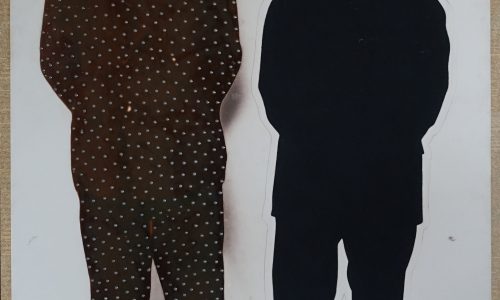
As part of the late 1960s Toronto counterculture, AA Bronson (b. Michael Tims, 1946, Vancouver), Felix Partz (b. Ronald Gabe, 1945, Winnipeg, d. 1994), and Jorge Zontal (b. SlobodanSaia-Levy, 1944, Parma, d. 1994) united in 1969 to form the single entity known as General Idea. From their earliest projects, such as the staging of The 1970 Miss General Idea Pageant, to later activist initiatives during the AIDS crisis, General Idea delved into multimedia, conceptual, and performance art as a means of engaging with mainstream culture and its repressions.

Currently touring from the National Gallery of Canada in Ottawa to the Stedelijk Museum in Amsterdam and the Gropius Bau in Berlin, General Idea’s definitive retrospective showcases their groundbreaking work. In addition to their well-known pieces, the group’s drawings have also received extensive recognition, exhibited at the Drawing Center in New York and MAMCO in Geneva.

While most of the group’s drawings have never been seen, they hold a significant place in General Idea’s collaborative and co-authored approach. Created by Jorge Zontal during brainstorming sessions, these drawings bear the “GI” signature, added shortly before Zontal’s death, and are considered to be a joint effort. After the group’s move from Toronto to New York in 1985, their drawings became more regular, reflecting their increasing isolation from the global art scene and the impact of the pervasive AIDS epidemic. As time passed, their initial joy was subdued by the loss of friends, as well as the deaths of Jorge and Felix themselves, which the group had to confront and incorporate into their work.

The hand-drawn nature of these motifs follows a logic reminiscent of General Idea’s affinity for mass production and reflects the virality of their AIDS-centric works. In their ever-changing and persistent nature, these drawings offer a captivating glimpse into General Idea’s unique artistic perspective and unconventional ideas of authorship, exposing the limitations of representation while acknowledging its pressing importance.

www.ftn-books.com has now this scarce publication available. It contains five off-set prints

Posted on 1 Comment

Roger Bezombes (1913-1994)

Roger Bezombes, a French artist specializing in painting, sculpture, medal-making, and design, underwent his education at l’École des Beaux-Arts in Paris. In his artistic endeavors, Bezombes adopted the vibrant color palette famously used by Henri Matisse. His paintings and studies of landscapes and figures often drew inspiration from his observations of exotic cultures, particularly those in the Mediterranean and North Africa. Bezombes had a strong affinity for travel, exploring countries such as Belgium, Germany, Italy, Greece, Crete, Israel, North Africa, and the United States. His works received regular exhibitions in Paris through prestigious events like the Salon d’Automne, the Salon des Artistes Independants, and Les Tuileries. Influenced by notable artists like Gauguin, Van Gogh, and Matisse, Bezombes developed a distinctive and widely cherished style that has captivated audiences around the globe. Additionally, he contributed to various artistic ventures, including tapestry designs for Aubusson, posters (such as the notable image employed by Air France), and costumes and sets for ballet performances at the Metropolitan Opera House in New York. Bezombes represents the quintessential French artist of our time — passionate, dedicated, and continuously engaged. These exceptional qualities resonated profoundly in his artwork, leading to its high demand and collection both within France and internationally.

www.ftn-books.com has now the Documents publication on Bezombes available.

Posted on Leave a comment

Pierre Eugène Clairin (1897-1980)

Born in 1897, Pierre Eugene Clairin was a multifaceted artist, excelling in the fields of painting, illustration, and writing. His journey in the art world commenced under the tutelage of Fernand Cormon, studying painting in his studio. Furthering his education, in 1919, he embarked upon studies with Paul Serusier at the Academie Ranson. Exhibiting his works in both Pont Aven and New York, Clairin experienced immense success in the latter. Immersing himself in the cultural landscapes of Morocco and Algeria, he drew inspiration from these rich environments. Additionally, Clairin donned the hat of an aviator during the First World War. Later on, in the 1950s, he lent his artistic prowess to illustrate the works of Montherlant and Camus. Finally, in 1980, Pierre Eugene Clairin passed away.

www.ftn-books.com has the 1957 Cailler publication on Clairin available.

Posted on Leave a comment

Frans Baake (1958), Unveiling the Artistry and Rarity: Exploring Baake’s Limited Edition Artist Books

Introduction to Frans Baake and his limited edition artist books

Frans Baake is a renowned artist known for his exceptional talent in creating limited edition artist books. Born and raised in Delden the Netherlands, Baake’s passion for art  has culminated in the creation of unique and captivating works of art. His limited edition artist books have gained significant recognition in the art world for their exquisite craftsmanship and artistic vision.

Limited edition artist books are a special form of art that combines the aesthetics of visual arts with the written word. Unlike traditional books, limited edition artist books are produced in a limited quantity, making them highly sought after by collectors and art enthusiasts. These books are not mass-produced, ensuring that each copy is a masterpiece in its own right.

The significance of limited edition artist books in the art world

Limited edition artist books hold a special place in the art world due to their rarity and artistic value. These books bridge the gap between literature and visual arts, creating a unique and immersive experience for the reader. The limited quantity of these books adds to their allure, making them highly coveted by collectors.

Artists like Frans Baake use limited edition artist books as a medium to express their creativity and push the boundaries of traditional storytelling. These books often incorporate various art forms such as painting, printmaking, collage, and sculpture, resulting in a multi-dimensional and visually stunning artwork. The fusion of different art forms within the pages of these books allows artists to convey their message in a truly distinctive and impactful manner.

Exploring the artistic process behind Frans Baake’s limited edition books

Frans Baake’s artistic process is meticulous and intricate, reflecting his dedication to creating exceptional limited edition artist books. Each book is a labor of love, with Baake meticulously handcrafting every aspect of the book, from the binding to the illustrations.

Baake begins his artistic process by carefully selecting the materials for his books. He values the tactile experience of holding a book, so he chooses high-quality paper, leather, and fabrics that enhance the overall aesthetic and durability of the book. The materials he selects often have a symbolic significance, adding another layer of meaning to the artwork.

Once the materials are chosen, Baake dives into the creation of the artwork. He employs various artistic techniques, including printmaking, painting, and collage, to bring his vision to life. Each page of his limited edition artist books is a masterpiece, showcasing his technical skill and artistic prowess. Baake’s attention to detail is evident in every stroke of the brush and every cut of the paper, resulting in a visually stunning and emotionally evocative artwork.

Limited edition artist books are highly coveted by collectors due to their rarity and artistic value. Unlike mass-produced books, limited edition artist books are produced in a limited quantity, making each copy a rare find. This limited availability adds to the collectability and value of these books.

Collectors are drawn to limited edition artist books as they offer a unique opportunity to own a piece of art that is not only visually stunning but also conceptually rich. The limited quantity ensures that each book is unique, making it a valuable addition to any art collection.

Furthermore, limited edition artist books often appreciate in value over time, making them an attractive investment for collectors. As the demand for these books increases and the editions become sold out, the value of the books can rise significantly. Collectors who acquire limited edition artist books not only have the pleasure of owning a beautiful piece of art but also have the potential to see their investment grow.

How to acquire Frans Baake’s limited edition artist books

Acquiring Frans Baake’s limited edition artist books can be a challenging task due to their limited availability. These books are often sold through specialized art galleries, art fairs, or directly through the artist’s studio. It is essential to stay informed about upcoming exhibitions or releases to have the opportunity to acquire one of Baake’s masterpieces.

Additionally, joining mailing lists or following art galleries and institutions that represent Baake can provide valuable information about the availability of his limited edition artist books. It is also worth considering reaching out to art dealers or art consultants who specialize in contemporary art and can assist in acquiring Baake’s books.

The impact of limited edition artist books on the art market

Limited edition artist books have had a significant impact on the art market, shaping the way we perceive and collect art. These books have become highly sought after by collectors, leading to an increase in demand and market value.

The rise of limited edition artist books has also led to a greater appreciation for the artistry and craftsmanship involved in their creation. Artists like Frans Baake are pushing the boundaries of what is possible within the medium, resulting in a renaissance of bookmaking as an art form.

Furthermore, limited edition artist books have democratized the art world by making art more accessible to a wider audience. These books offer an affordable entry point into collecting art, allowing individuals to own a piece of art without breaking the bank. This accessibility has expanded the reach and influence of artists like Frans Baake, making their work more widely recognized and appreciated.

Other notable artists and their limited edition artist books

Frans Baake is not the only artist creating limited edition artist books. Many other notable artists have embraced this medium to express their creativity and share their artistic vision.

One such artist is Anselm Kiefer, a German painter and sculptor known for his large-scale mixed-media works. Kiefer’s limited edition artist books often incorporate his signature use of unconventional materials, such as lead and straw. These books are highly sought after by collectors for their unique combination of visual and textual elements.

Another artist worth mentioning is Kara Walker, an American artist known for her provocative and thought-provoking artworks. Walker’s limited edition artist books explore themes of race, gender, and identity, challenging societal norms and expectations. Her books are visually stunning and intellectually stimulating, making them highly desirable among collectors.

The value of investing in limited edition artist books

Investing in limited edition artist books can be a rewarding endeavor both personally and financially. These books offer a unique opportunity to own a piece of art that is not only visually captivating but also conceptually rich. As the demand for limited edition artist books continues to rise, the value of these books can appreciate significantly over time.

Moreover, collecting limited edition artist books allows individuals to support and promote the work of talented artists like Frans Baake. By acquiring these books, collectors become custodians of art, ensuring that these masterpieces are preserved and appreciated for generations to come.

Conclusion: Celebrating the artistry and rarity of Frans Baake’s limited edition artist books

Frans Baake’s limited edition artist books are a testament to the artistry and creativity that can be found within the pages of a book. His meticulous craftsmanship and attention to detail have resulted in visually stunning and emotionally evocative artworks that captivate and inspire.

Limited edition artist books, like those created by Frans Baake, hold a special place in the art world due to their rarity and artistic value. These books bridge the gap between literature and visual arts, creating a unique and immersive experience for the reader. The limited quantity of these books adds to their allure, making them highly coveted by collectors.

Collecting limited edition artist books is not only a way to acquire beautiful and meaningful works of art but also an opportunity to support and promote the work of talented artists. By investing in these books, collectors become custodians of art, ensuring that these masterpieces are preserved and appreciated for generations to come.

CTA: If you’re interested in exploring the world of limited edition artist books, I encourage you to visit Frans Baake’s website or contact your local art gallery to inquire about the availability of his works. Acquiring one of Baake’s masterpieces is a unique opportunity to own a piece of art that celebrates the artistry and rarity of limited edition artist books.

www.ftn-books.com holds currently several titles by Frans Baake in sites inventory

artists books by Frans Baake
Posted on Leave a comment

Leon Adriaans (1944-2004)

Leon A. Adriaans was a Dutch painter widely known as the “last true Brabander” and the “inventor of Brabant art”, according to Maarten Beks (1994). Born in Helmond in 1944, he was the fifth child of Leo and Alberta Adriaans. Leo’s father was a factory manager in a textile mill. Unfortunately, their family had to endure the loss of their third child, Winus in September 1946. Years later, Leo decided to change his name to Leowinus, which he later shortened to Leon.

During his time in primary school, one of his teachers, Harry Crijns, recognized his talent for drawing. Additionally, stonecutter André Driessen also encouraged Leon Adriaans to become an artist. However, his parents sent him to a secondary school, after which he applied to attend the art academy in ‘s-Hertogenbosch. He was accepted on the condition that he would get his secondary school diploma while attending evening classes. Leon Adriaans studied there from 1963-1967, but was ultimately disappointed with the prevailing art theories at that time.

Adriaans’ artistic growth was largely influenced by the “zware Van Nelle club,” which consisted of his colleagues from his student days, including Henk van der Rijdt, John van der Rijdt, Richard Menken, and Frans Schouten. Henk van der Rijdt also introduced the group to Jacques van der Heyden, who was known as JCJvanderheyden. The group frequently experimented with various mediums of art, such as video, film, and sound. Adriaans interpreted Arte Povera within the context of the “zware Van Nelle club,” working primarily with inexpensive and easily obtainable materials to create a new kind of visual language.

From 1970 onwards, Adriaans used animal feed bags as his painting canvas. In the mid-70s, Adriaans rented out a stable and field in the Sterrenbos, just south of Den Bosch. This allowed him to pursue his love for animals. Aside from being an artist, he also managed to live as a farmer. In 1975, Adriaans had his first exhibition at the Utrecht cultural center ‘t Hoogt. He described his work in the following words: “My very first exhibition has begun. It is centered around black, white, suffering, women, my work, animals, and the unknown” (Van den Hoven, 2008, 64).

www.ftn-books.com has the important GESMOLTEN RIJP IN DOOLBROEK book now available.

Posted on Leave a comment

Jan Knap (1949)

Jan Knapp was born in Chrdimi, Czech Republic in 1949. From 1970 to 1972 he studied architecture in Prague and painting at the Academy of Fine Arts in Dusseldorf. In the 70’s he immigrated to the United States (he stayed from 1972 until 1982, living mainly in New York). At the end of the 1970s he founded the “Normalgruppe” together with Milan Kunc and Peter Angermann. The group is a rare group that brings together three resident artists, Kunc from Cologne, Angermann from Nuremberg and finally, at least formally, Chrudimi and Knap from New York. Knap’s pilgrimage continued into his 1980s. First he studied theology in Rome from 1982 to 1984, then from 1984 to 1989 he lived and worked in Cologne, and finally from 1989 to 1992 he lived and worked in Modena. Currently he lives and works in Cologne, Modena and the Czech Republic.

www.ftn-books.com currently has the Centraal Museum catalog on Knap available.