
Lucio Pozzi operates as a phantom provocateur, wielding Conceptual Art not merely as a medium, but as a scalpel to excise the calcified assumptions tethering the creative act. His trajectory is a restless migration; he oscillates between polarities of aesthetic experience with the disciplined fervor of a clockwork mystic. Early canvases acted as vessels, absorbing the seismic tremors of European vanguardism—the fractured optics of Cubism, the dream-logic of Surrealism—before transmuting them through the prismatic lens of the American ethos. He inhaled the raw, gestural electricity of the New York School and the iconoclastic spirit of Fluxus, weaving these disparate threads into a singular, agitated tapestry.
Within the crucible of his studio, Pozzi remains perpetually obsessed with the semiotics of the pigment. He dissects painting’s structural architecture, interrogating the antagonistic dialogue between the tactile mark and the receptive surface, all while navigating the volatile, mercurial temperament of color. He is an alchemist of the visual vernacular, treating style like a crumbling vestige to be discarded in favor of a protean existence. Labels, to him, are but leaden weights; he evades them with the grace of a shadow negotiating a labyrinth.
His repertoire defies compartmentalization—sculpture coalesces into photography, while performance bleeds into the permanence of installation. This sprawling, multifaceted fluency has cemented his status as a sentinel of contemporary intellect, a figure whose creative vitality remains unquenched by the passage of time.
The reach of his output is panoramic, anchored firmly within the institutional cathedrals of art history. From the hallowed halls of MoMA and the Art Gallery of Ontario to the prestige of the Venice Biennale and the intellectual forge of Documenta, Pozzi’s presence is ubiquitous. He stands not as a relic of a bygone movement, but as a persistent, unsettling vibration in the international consciousness, his legacy inscribed in the permanent collections of the world’s most formidable curators.
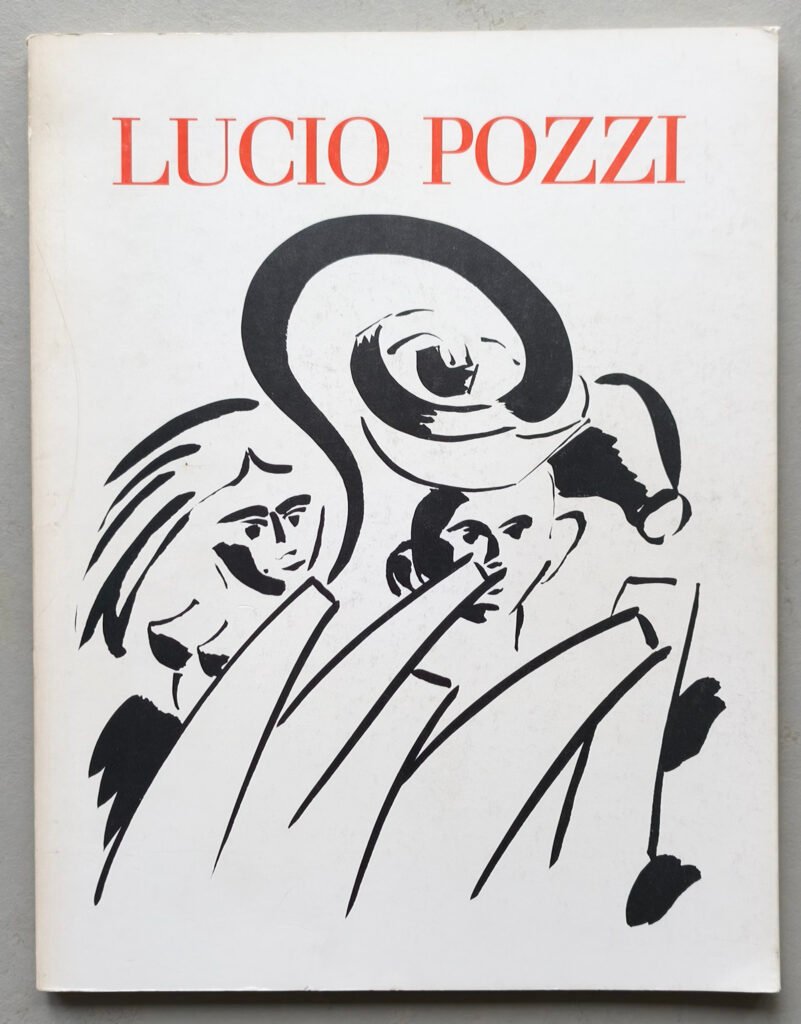
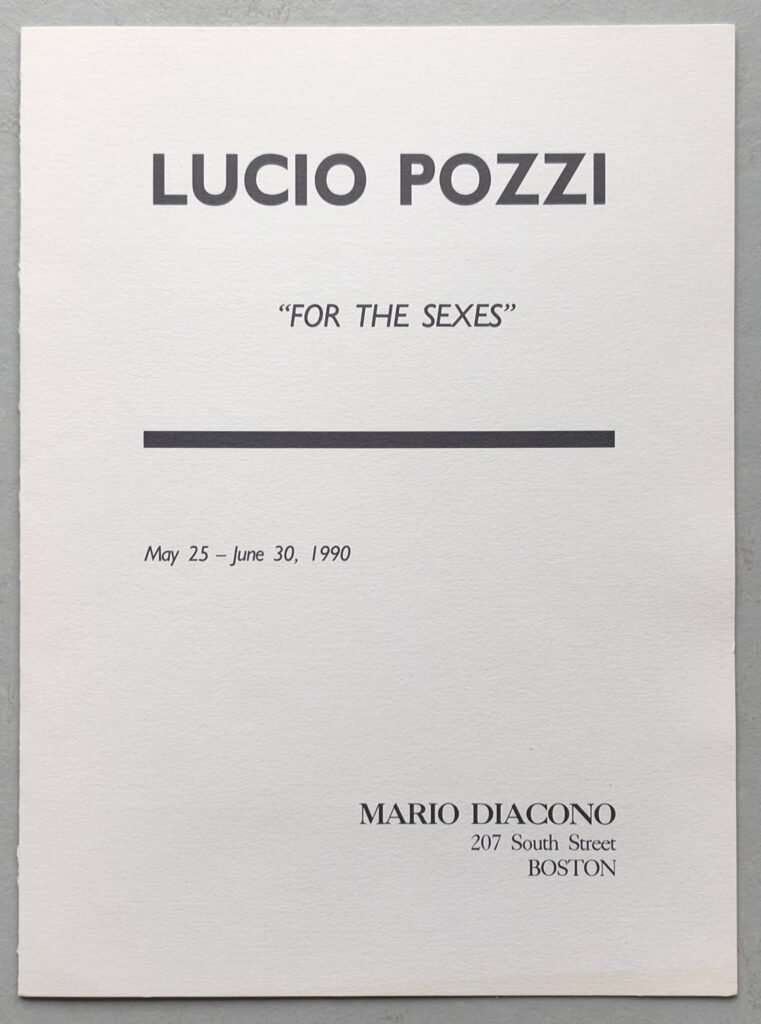
www.ftn-books.com recently added a series of publications on Pozzi.