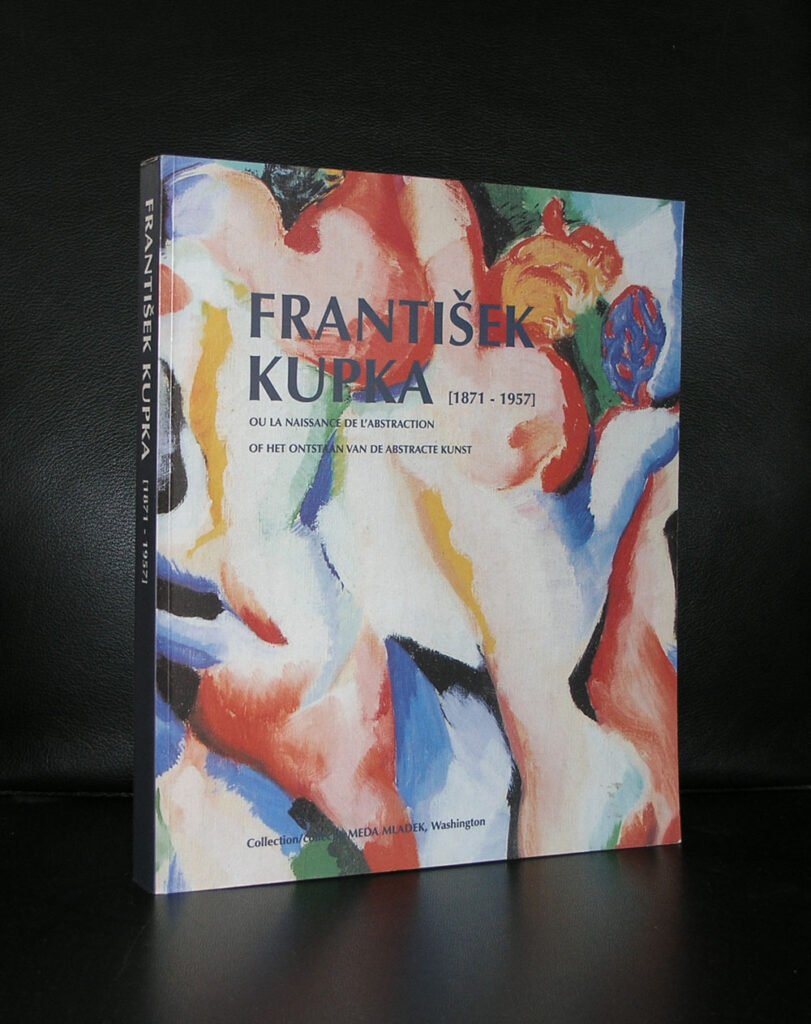


In 1957, shortly before his death, František Kupka finalized the sale of *”Mme Kupka among Verticals”* to The Museum of Modern Art. This oil painting had remained in his private studio for roughly four and a half decades since its creation in 1910–11. The composition features the visage of Eugénie Straub Broad—Kupka’s wife and primary inspiration—ensconced within a series of energetic, segmented chromatic strokes. Her refined expressions, characterized by shut eyes, parted lips, and a raised chin, rise out of the rhythmic, staccato vertical marks. The piece originated from an abandoned, Symbolist-era portrait of his wife, which Kupka reworked into a work of near-abstraction. Much like his other seminal works, this piece exists in the liminal space between human representation and non-objective art—a boundary he would soon cross, establishing himself as a pioneer of total abstraction.
Born in the Bohemian town of Opočno, Kupka was the eldest of five siblings. During his adolescence, an apprenticeship with a saddler exposed him to spiritualism and cosmic theory—themes that would eventually inform his investigations into the intersections of religion, geometry, and color. After completing his formal education at the art academies in Prague and Vienna, he relocated to Paris in 1896. There, he drew creative fuel from Fauvist and Neo-Impressionist displays, diversifying his aesthetic approach while maintaining a livelihood as a satirical cartoonist.
As the 1910s dawned, Kupka deepened his inquiry into the synergy of color and geometry, evidenced by the vertical structures found in *The Musician Follot* (c. 1911) and *Mme Kupka among Verticals*. This exploration reached a summit with *Amorpha: Fugue in Two Colors*, a pivotal work debuted at the 1912 Salon d’Automne and currently held by the Prague National Gallery; it stands as one of the inaugural instances of abstract art exhibited in Paris. MoMA’s archives house thirty-nine circular studies related to this painting, which illustrate the artist’s dedicated, repetitive process. These purely abstract compositions serve as archaic prototypes of abstract thought, discarding traditional perspective to foster a sense of motion through rotating forms and a restricted color selection.
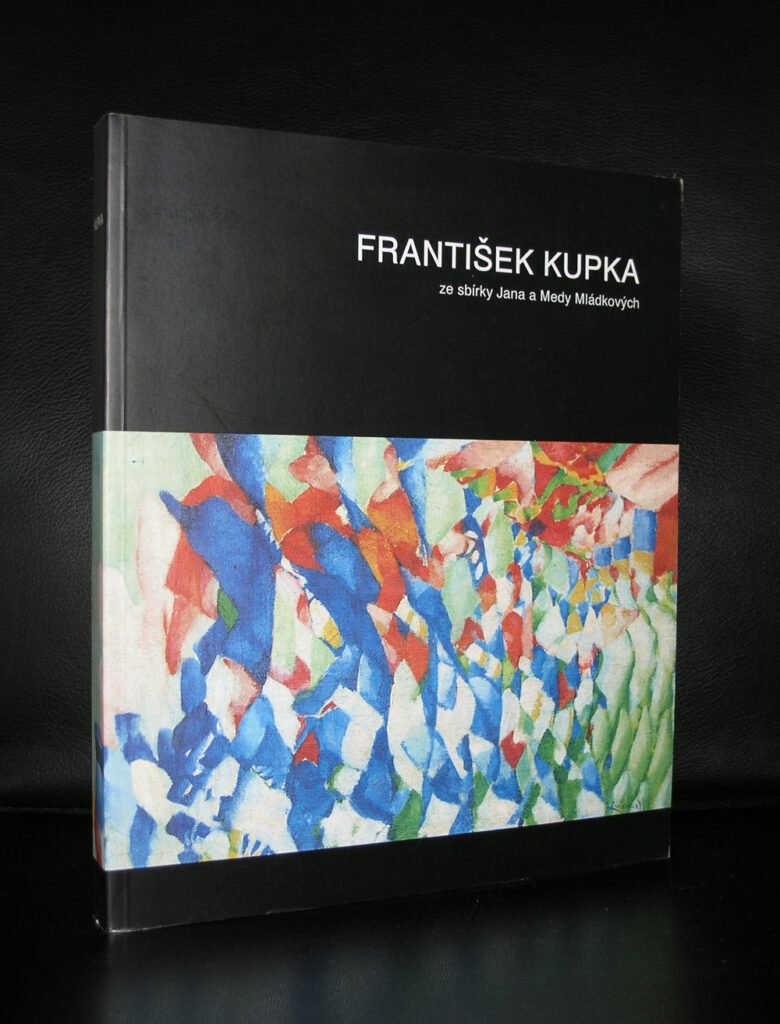
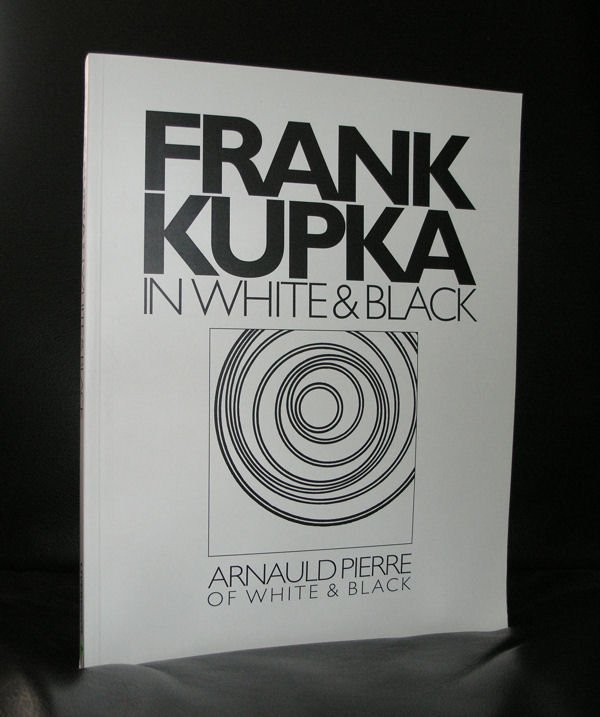
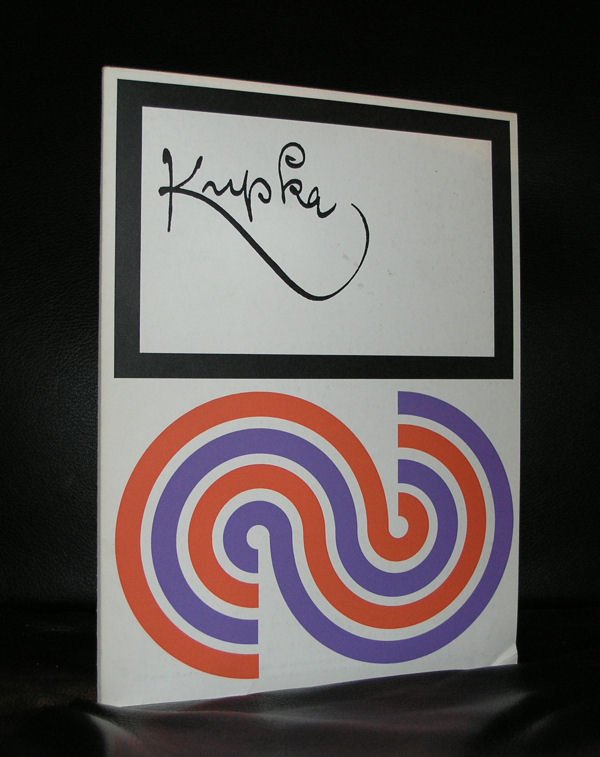
Kupka publications available at www.ftn-books.com