

Sol LeWitt, who lived from 1928 until 2007, was a central figure in forging the radical aesthetic shift of the 1960s, a movement that stood in direct opposition to the Abstract Expressionism dominating the New York art scene of the prior decade. Eschewing descriptive imagery or traditional narrative, LeWitt stood apart from his contemporaries by prioritizing the mental concept above all else. In a unique practice—save for his early works on paper—he often tasked others with creating his pieces, provided they adhered to his meticulous and rigid set of instructions.
As a primary voice in the conceptual art movement, cemented by his 1969 text *Sentences on Conceptual Art*, LeWitt remains a cornerstone of study for subsequent generations investigating the primacy of the “idea.” He consistently pushed the boundaries of artistic definition, asserting in 1971 that a creative idea possesses artistic validity even when it remains unmanifested. In his 1967 *Artforum* essay, “Paragraphs on Conceptual Art,” he further contended that the evolution of a work—including sketches, failed attempts, and the surrounding discourse—often holds more significance than the completed object, as these elements reveal the artist’s intellectual trajectory.
Hailing from Hartford, Connecticut, LeWitt remained engaged in his craft until his passing in 2007. Following his graduation from Syracuse University in 1949 with a BFA, he spent time in the field of graphic design at I.M. Pei’s architectural firm. By 1960, while working at the Museum of Modern Art’s book counter alongside notable peers such as Dan Flavin, Robert Ryman, and Robert Mangold, he found himself at the epicenter of a burgeoning artistic revolution. This period saw his involvement in a series of landmark exhibitions, including 1966’s “Primary Structures” and “10,” as well as “When Attitudes Become Form,” curated by Harald Szeemann in 1969.
LeWitt’s enduring legacy was celebrated in a massive 2000 retrospective, which toured from the San Francisco Museum of Modern Art to the Museum of Contemporary Art in Chicago and New York’s Whitney Museum of American Art. Today, his contributions are housed within the world’s most prestigious collections.
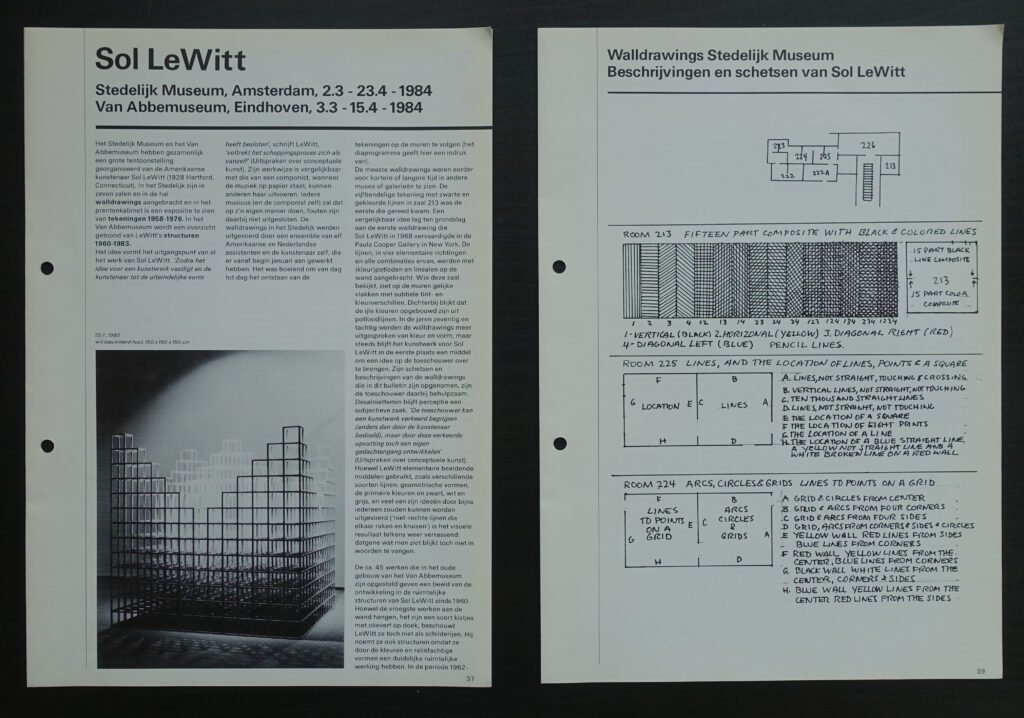
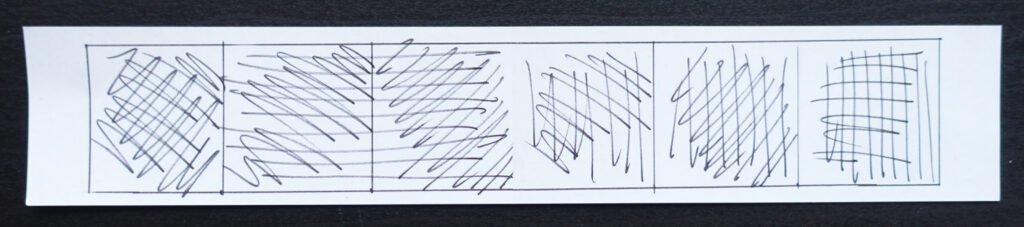
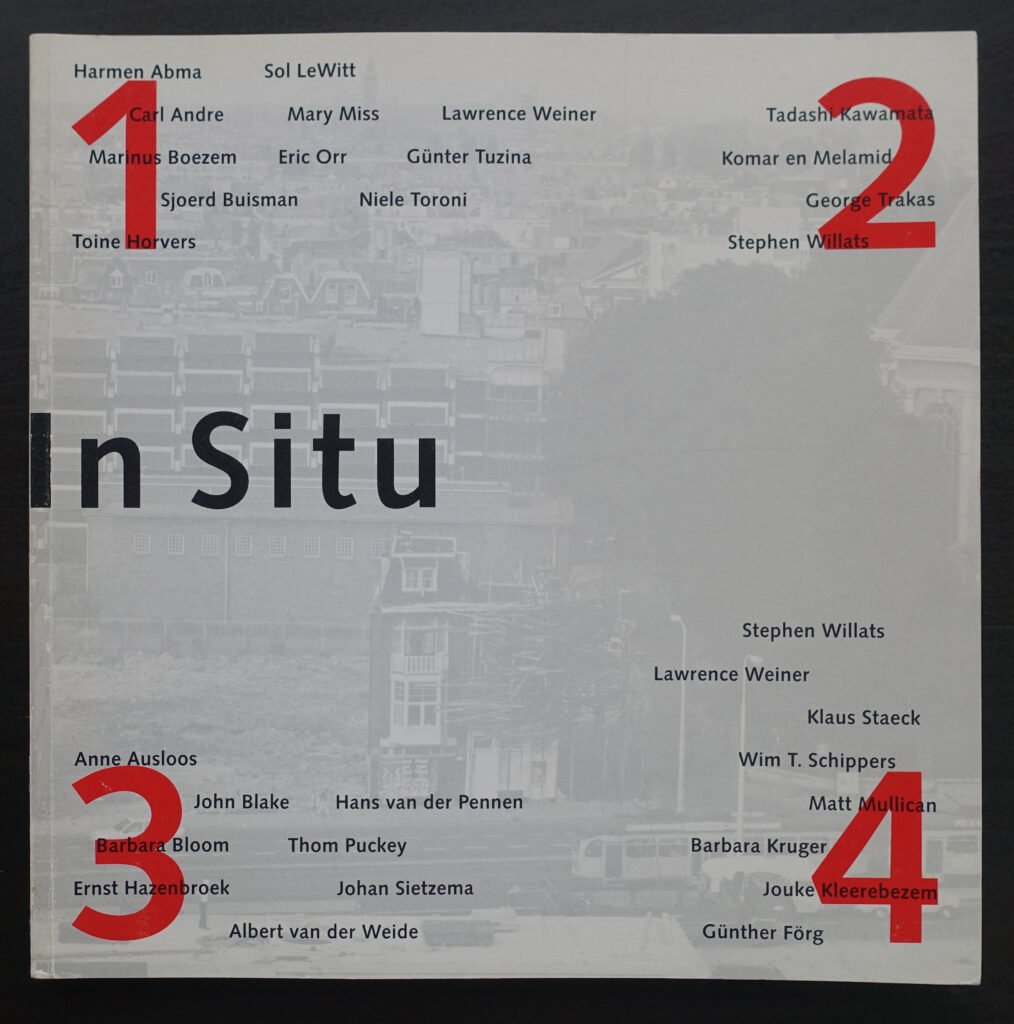
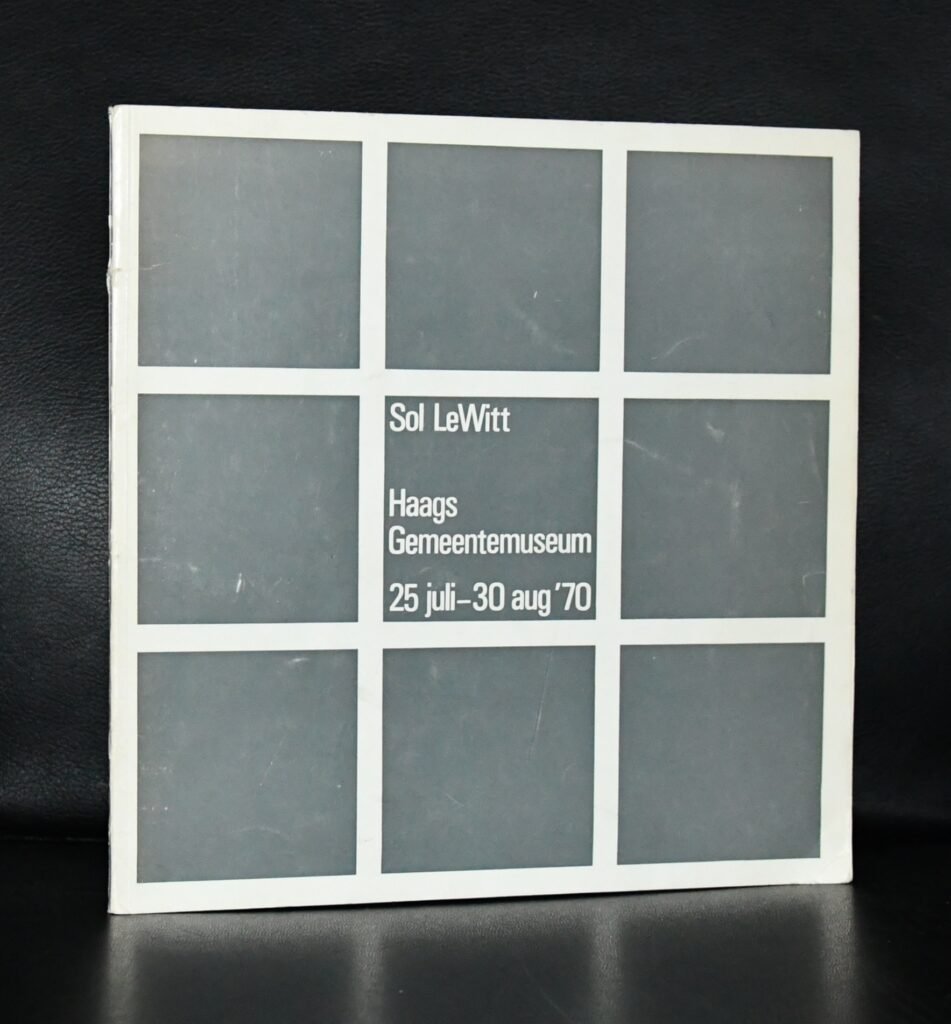
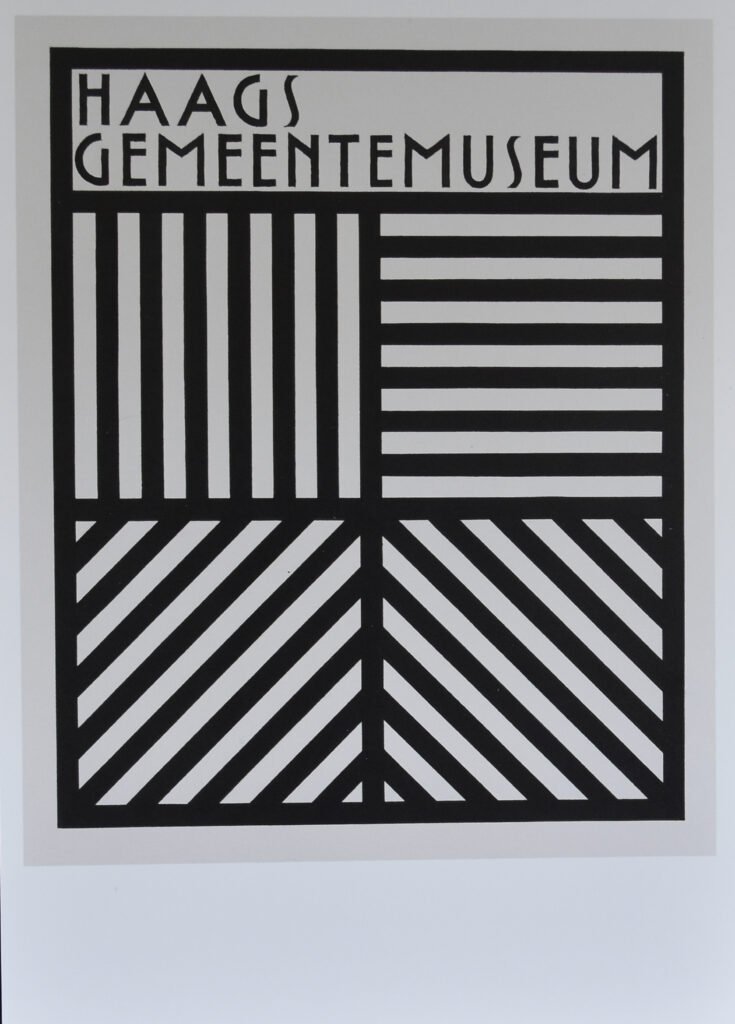
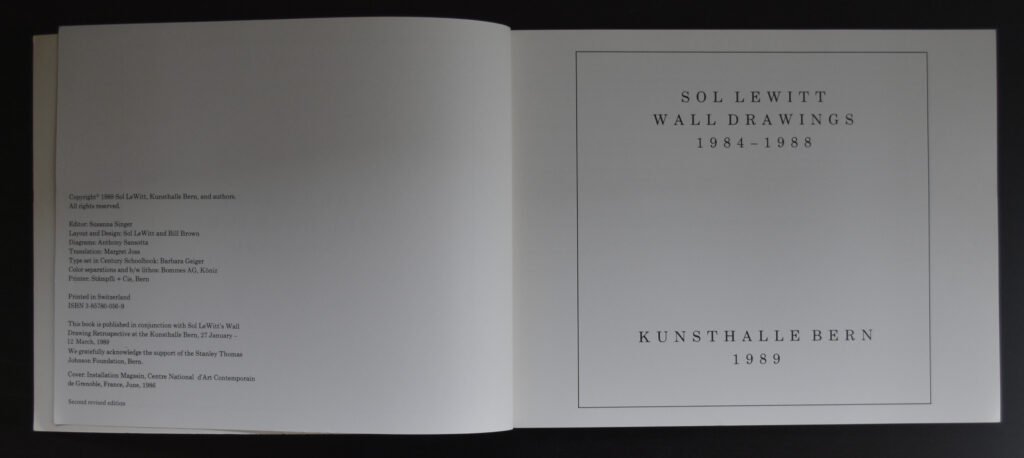
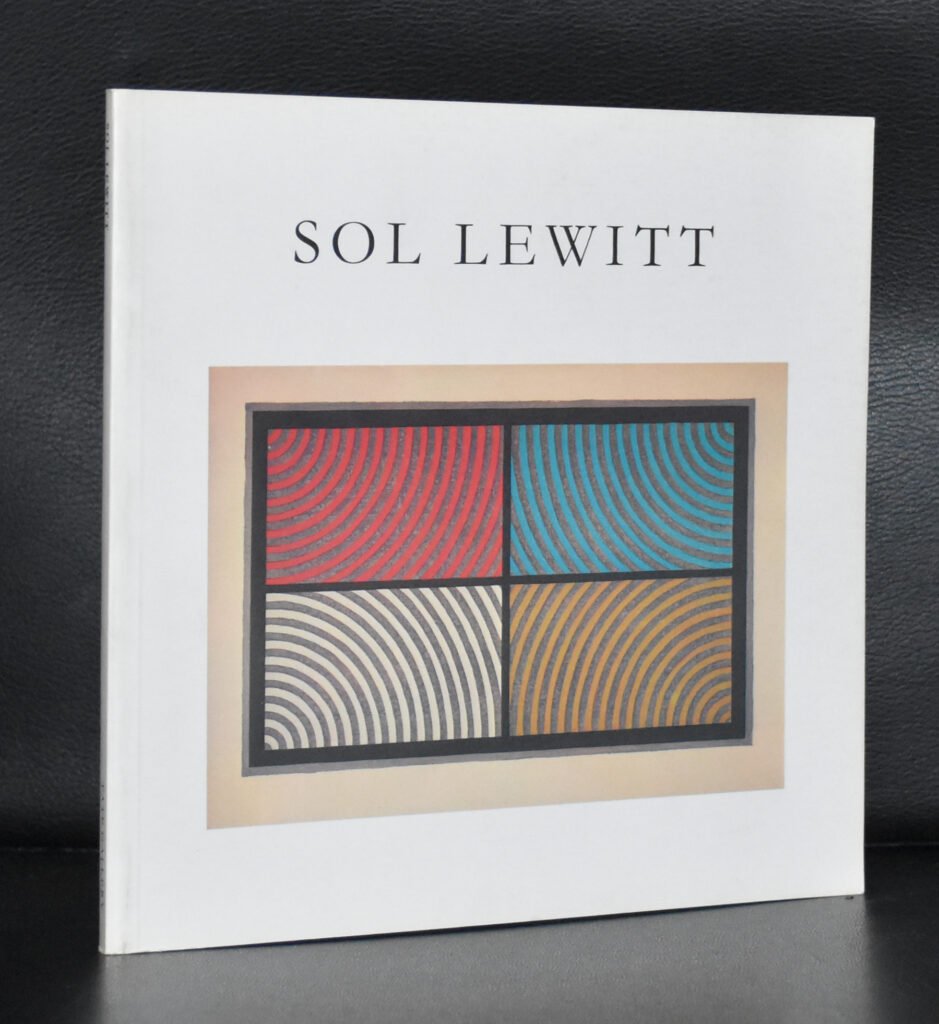
In my early years at the Gemeentemuseum Den Haag i met with Sol a couple of times and since i have been a great admirer of his works. Therefore it is no wonder that i have collected many publications on this great artist over the years. A few are still for sale at www.ftn-books.com