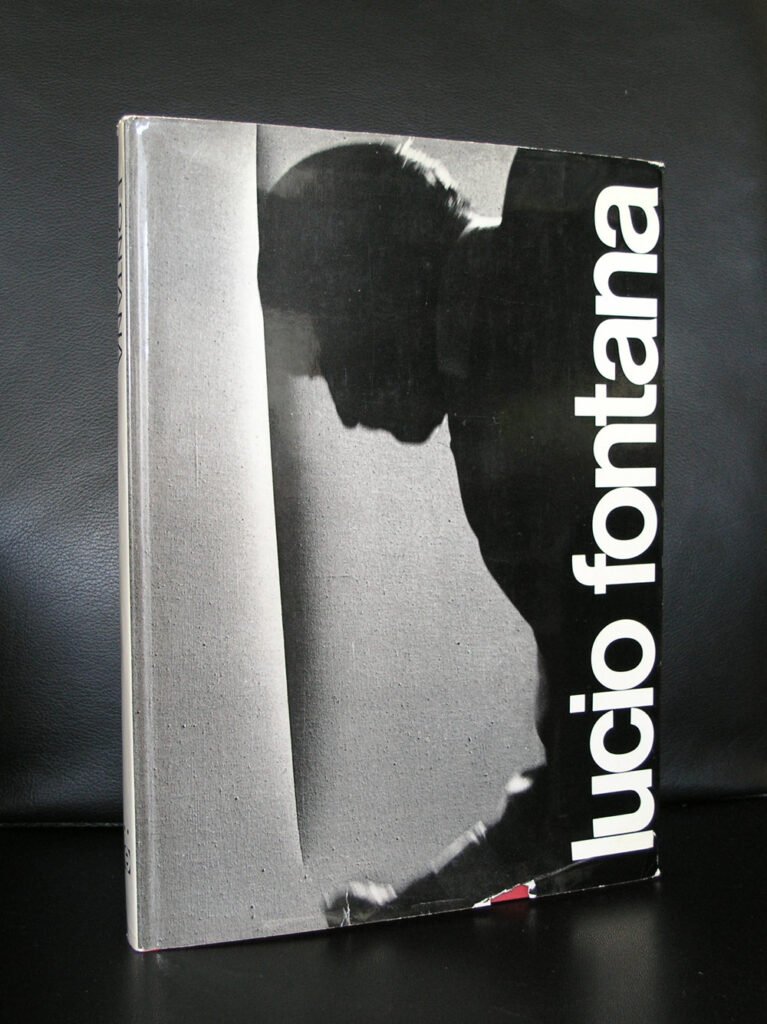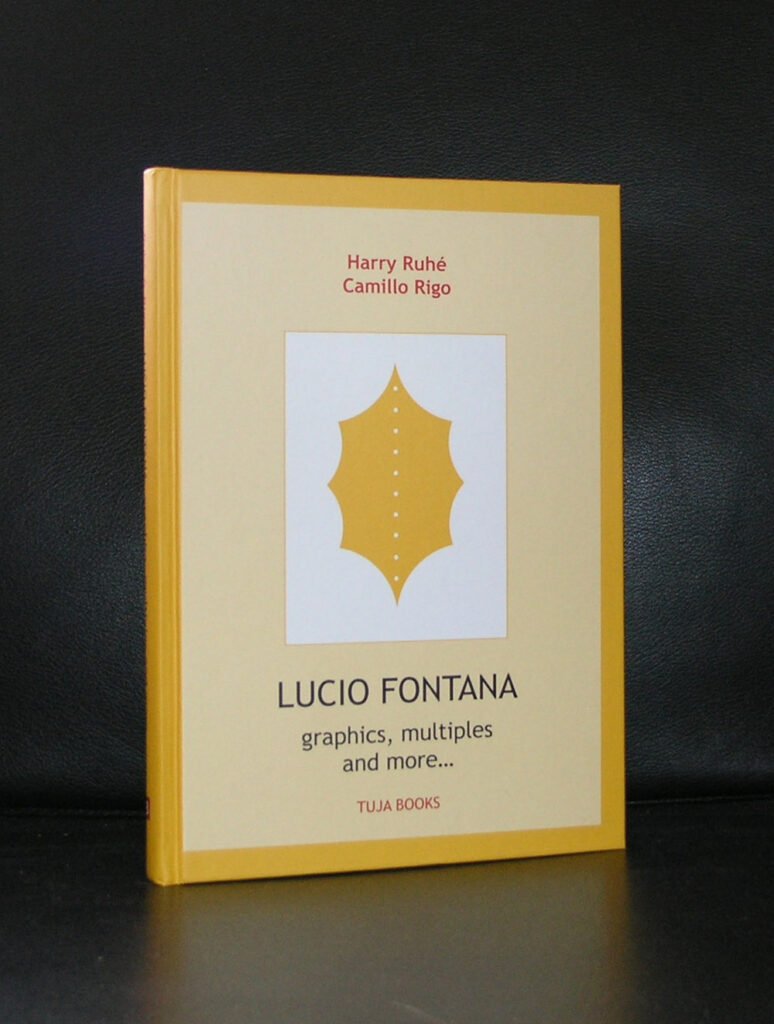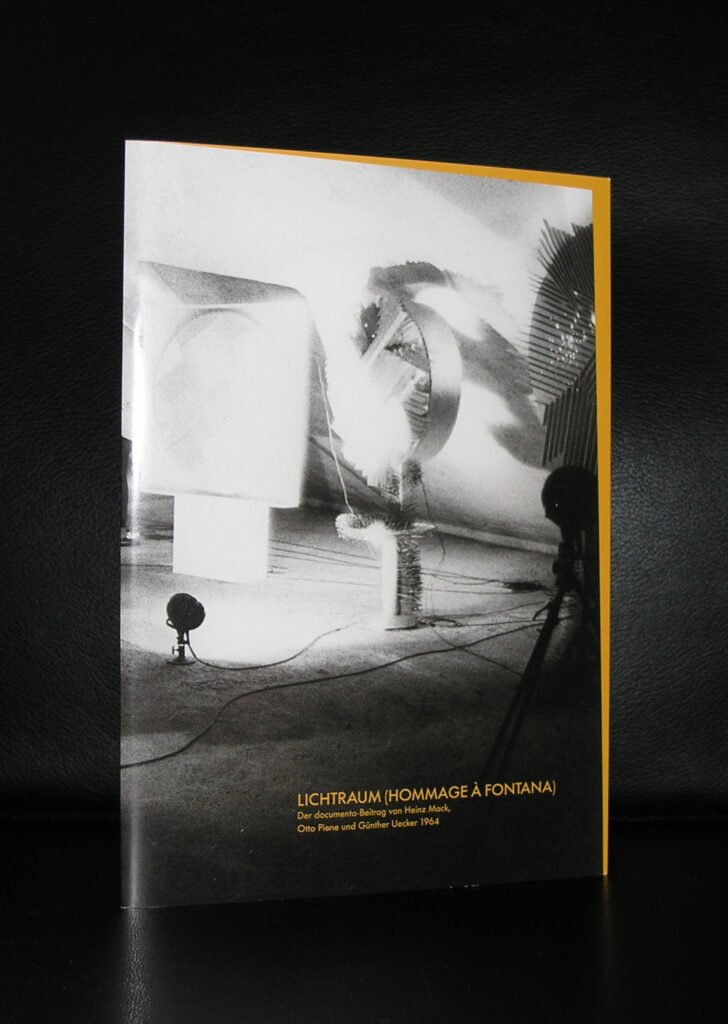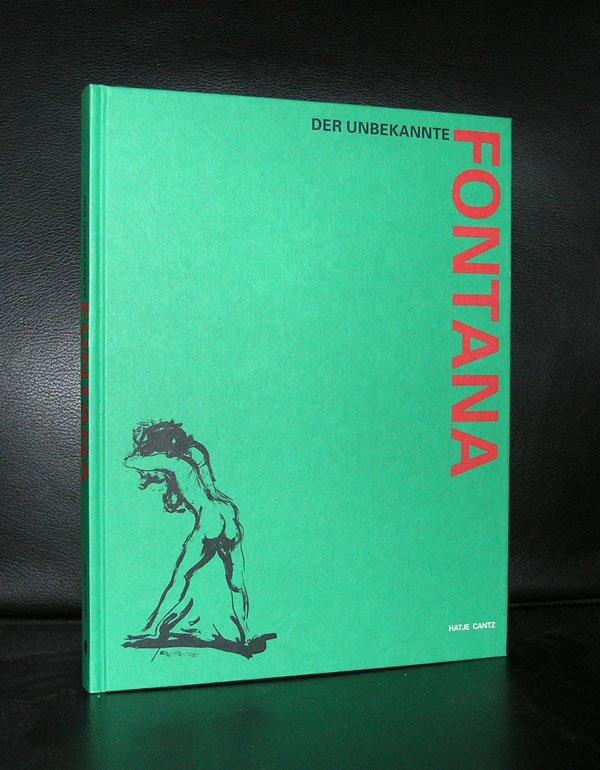


Originating from Rosario de Santa Fé, Argentina, Lucio Fontana was born on February 19, 1899, to an Italian father and an Argentine mother. After spending his formative years between 1905 and 1922 in Milan, he returned to his birthplace to pursue sculpture, initially in his father’s workshop before establishing his independent practice. His early professional milestones include participating in the 1926 inaugural show by Nexus, a collective of local artists, followed by a two-year stint at Milan’s Accademia di belle arti di Brera upon his return to Italy in 1928.
By 1930, the Galleria del Milione in Milan hosted Fontana’s debut solo presentation. He became closely aligned with the gallery’s circle of abstract Italian sculptors by 1934. His artistic trajectory expanded in 1935 when he visited Paris to integrate into the Abstraction-Création group. During that time, he also honed his ceramic expertise in Albisola and the Sèvres factory near Paris, eventually joining the anti-Fascist collective Corrente in 1939 while deepening his ongoing professional partnerships with architects.
Fontana returned to Buenos Aires in 1940. There, in 1946, he co-founded the Academia de Altamira with his pupils, an institution that produced the “White Manifesto.” Upon returning to Milan in 1947, he partnered with various intellectuals to author the initial “Spatialism Manifesto.” This ideological shift prompted his return to ceramics in Albisola, providing a medium to investigate the concepts behind his “Spatial Concepts” (1949–60) series.
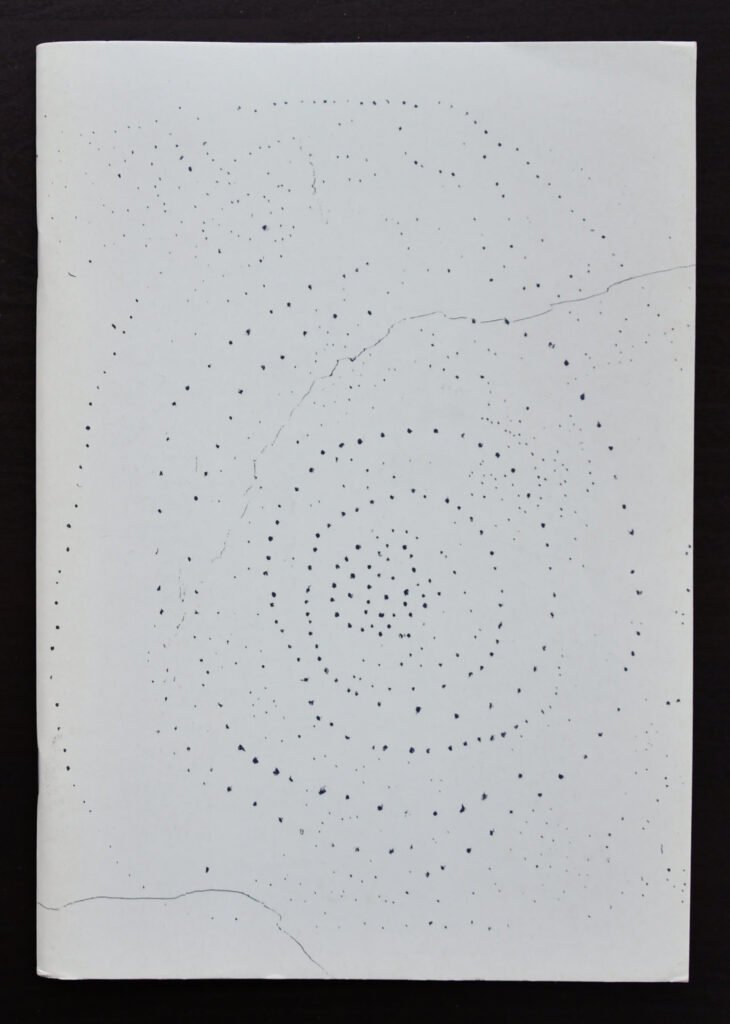
The year 1949 proved transformative, as Fontana pioneered his first paintings characterized by *buchi* (perforations) while simultaneously unveiling his debut “spatial environment”—a darkened installation featuring amorphous sculptures, fluorescent imagery, and black light. This innovation spurred his later use of neon ceiling lighting. Throughout the 1950s, he engaged with Italian Art Informel and experimented with techniques like slicing and puncturing across his sculptural and painterly works. His international presence grew with a 1961 exhibition at New York’s Martha Jackson Gallery, and by 1966, he was contributing costume and set designs for La Scala. In the final phase of his life, Fontana focused intently on the curatorial presentation of his art within the numerous retrospectives dedicated to his career.
www.ftn-books.com has a nice selection of publications on Fontana now available.