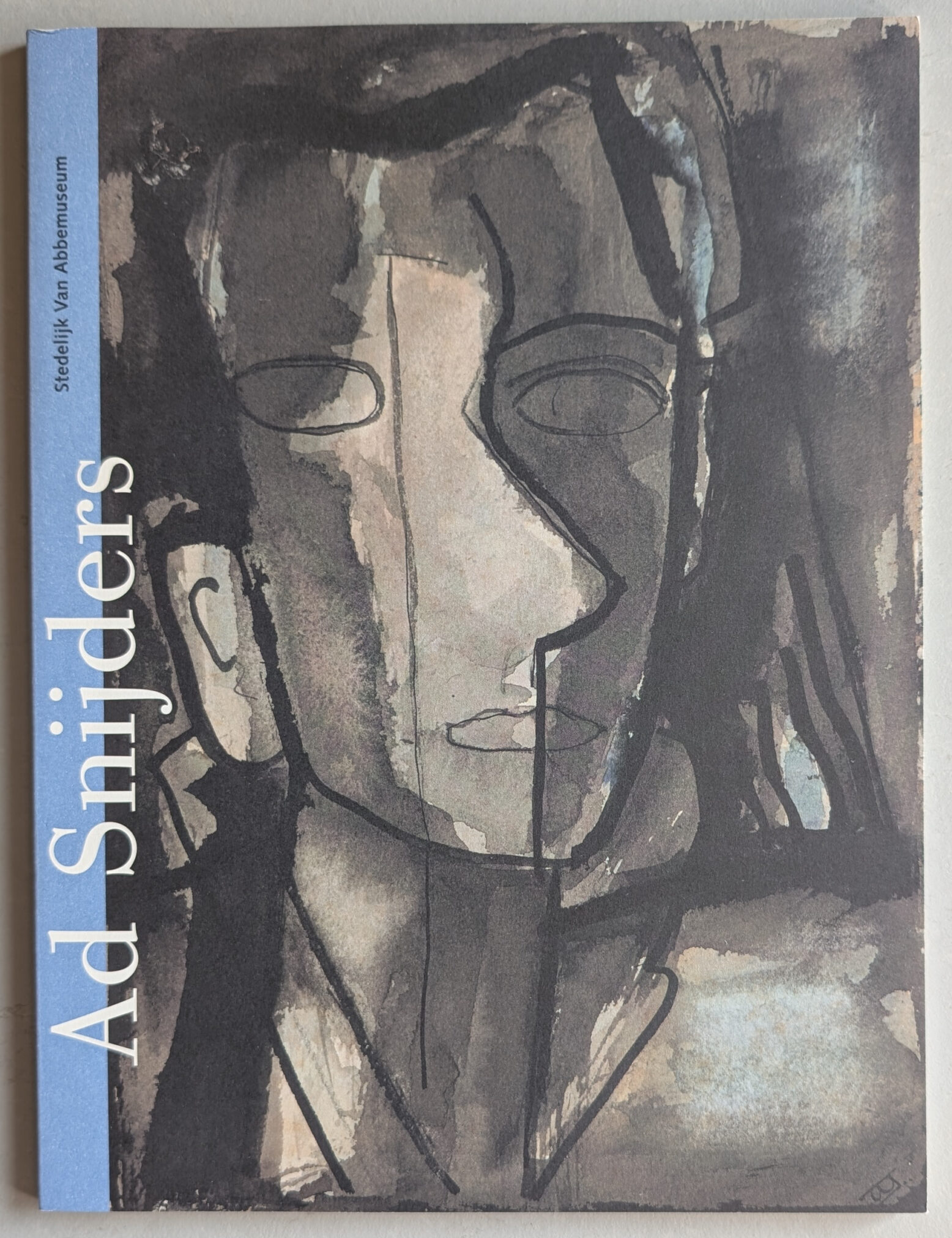
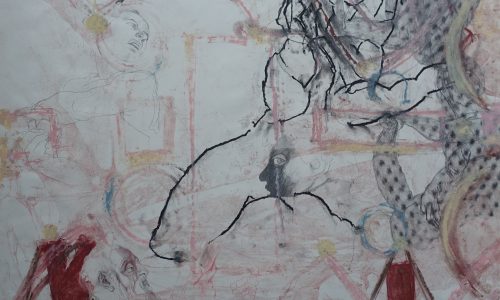
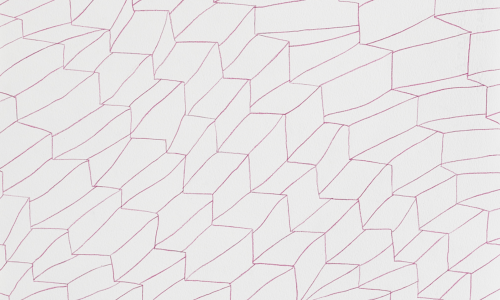
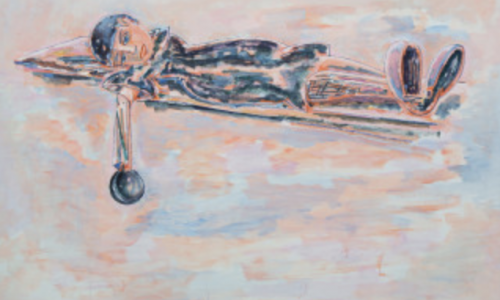
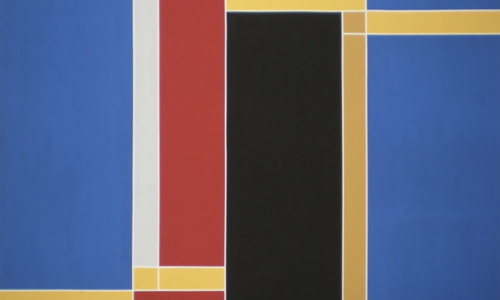
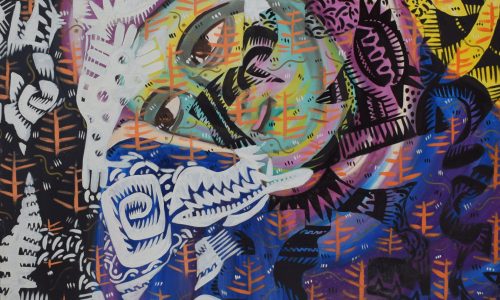
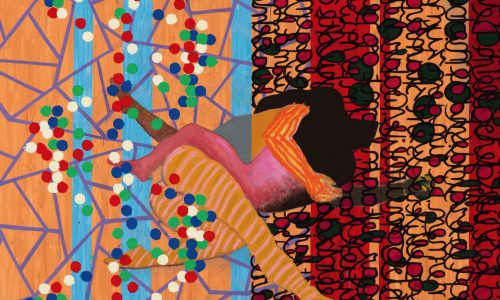
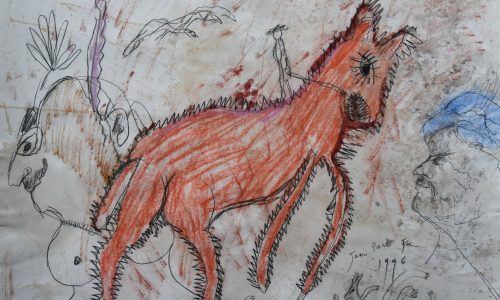
Renowned artist Ad Snijders (1929-2010) of Eindhoven is a self-taught individual. Though he draws inspiration from nature in his versatile oeuvre, the content of his work is predominantly determined by the potency of color, composition, and surface texture. After a period of creating exclusively drawings, Snijders produces his first oil paintings in 1955, characterized by dark outlined, hermetic blocks of color against a white background. He utilizes hardboard as his canvas, sometimes adding coal dust, sawdust, and glue to create an irregular surface. During this time, his interest lies in the works of Cobra painters such as Karel Appel and Asger Jorn, though he claims his work has little to do with theirs. In 1956, the formal severity gives way to a looser brushwork. Colors blend together and swirling brushstrokes lend a dynamic quality to his compositions. His work bears resemblance to that of École de Paris artists like Bazaine, Bissière, and Manessier, whom Snijders encounters at the Van Abbemuseum. His spontaneous and erratic technique also evokes the American Abstract Expressionism movement, though he only becomes familiar with it at the end of the 1950s.
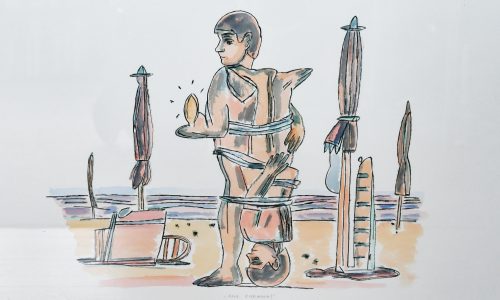
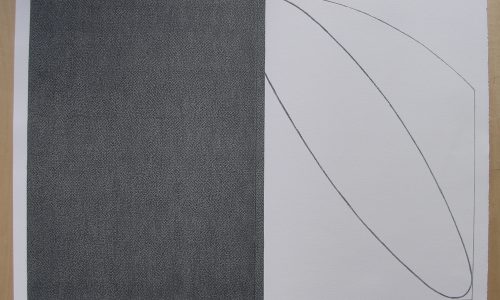
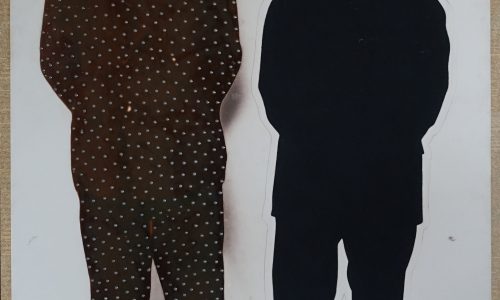
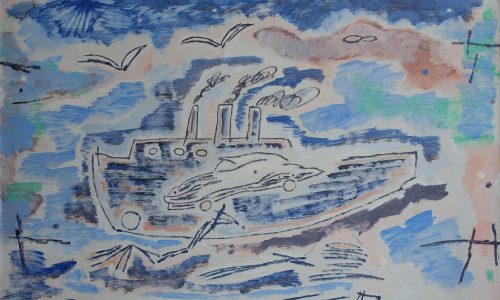
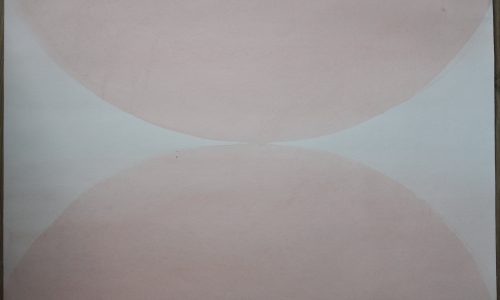
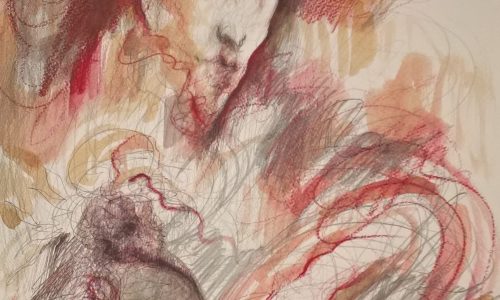
Starting from 1957, he is given regular opportunities to present his work at the Van Abbemuseum, including in the exhibition series Artists in Brabant. The period that follows is marked by rapid and successive changes in his work. Initially, his color palette and material usage become increasingly subdued, until a nearly black painting surface remains. He then creates a series of almost monochrome, white paintings. In the early 1960s, Snijders stays in France for a while thanks to a scholarship. In the mid-1960s, he swaps painting for assemblages, a technique that aligns with the American Pop Art movement and the French Nouveau Réalisme, where everyday objects are brought together to form a relief. In line with the prevailing conceptualist trend at the time, they openly question the purpose and meaning of painting. The title of the exhibition where Snijders’ assemblages are shown in 1963, SAS (which stands for Schijt aan Schilderkunst or “Screw Painting”), speaks volumes in this regard. From the 1970s onwards, Snijders returns to painting. Initially, he creates figurative, erotic compositions, followed by abstract chalk drawings, gouaches, and mixed media works in the 1980s. In terms of color usage and composition, these later works are reminiscent of his oil paintings from the late 1950s. Together, they are considered to be among the highlights of his body of work.
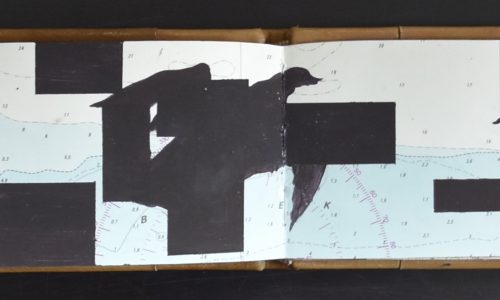
www.ftn-books.com has several Snijders titles now available.