

Donald Judd stands as a pivotal figure in postwar art history. During the 1950s, he pursued studies in philosophy and art history while attending classes at the Art Students League in New York. His initial public recognition came not as an artist but as a critic, penning reviews for Arts magazine between 1959 and 1965. Over this period, he evolved from working as an abstract painter toward creating the hollow, geometric forms that would define his legacy. Central to this shift was his 1964 essay “Specific Objects,” published the following year in Arts Yearbook 8. In it, he argued for a new category of art that broke free from painting and sculpture’s inherited conventions, prioritizing exploration of “real space”—three-dimensionality—through industrial materials and cohesive, unified forms.
By 1964, Judd began outsourcing fabrication of his work to professional sheet-metal shops, using materials like galvanized iron, aluminum, stainless steel, brass, and copper. This move eliminated direct physical craftsmanship from his studio practice—a precedent that would prove influential for the emerging Conceptual art movement, whose practitioners believed art could exist purely as idea, independent of physical execution. Throughout the mid-to-late 1960s, Judd created and displayed numerous examples of his signature forms. His output included “stacks” (units mounted at regular intervals from floor to ceiling), “progressions” (pieces whose dimensions follow mathematical sequences), “bull-nosed” wall-mounted projections, and “box forms” placed directly on the floor. This vocabulary of forms remained the foundation for Judd’s ongoing experimentation—executed in various metals, colored Plexiglas, and plywood—up until his death in 1994.
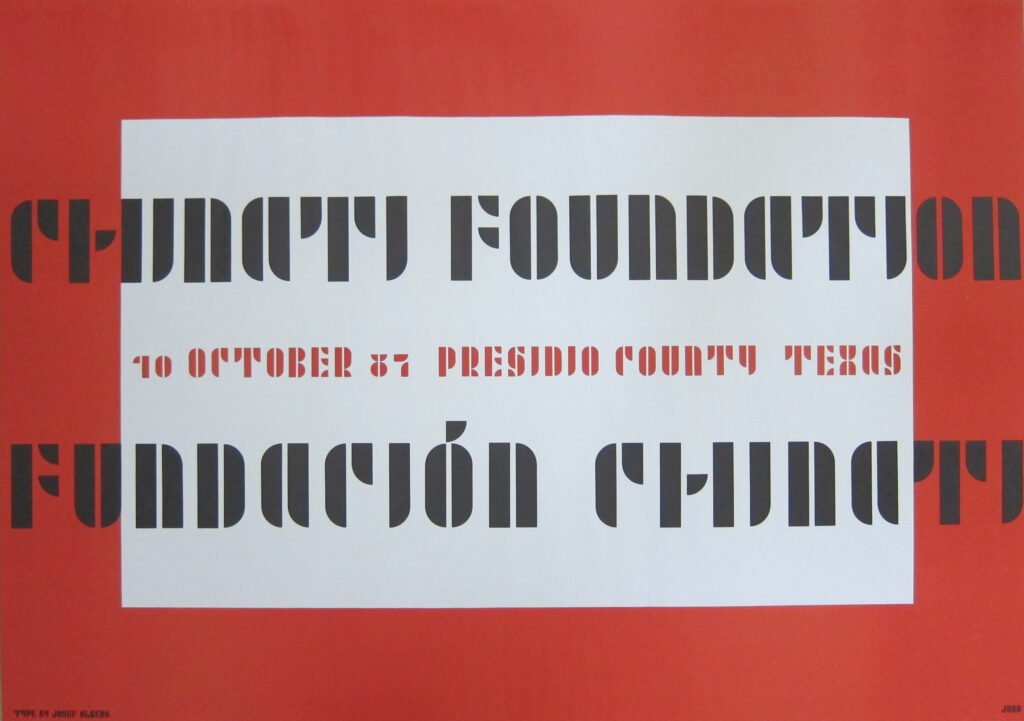
In 1968, Judd acquired a five-story building in New York’s Soho district to serve as both residence and studio. He later relocated to Marfa, Texas, drawn by the openness of the Chihuahuan Desert and the area’s low population density. In both locations, he integrated permanent displays of his own work into his living spaces, alongside pieces by contemporaries including Larry Bell, John Chamberlain, and Dan Flavin. His Marfa project expanded over time—with backing from the then-new Dia Art Foundation—into what is now The Chinati Foundation, a sprawling museum complex spanning multiple buildings. The careful way Judd arranged his installations, together with his sculptural output, reveals that he regarded space itself as a material on par with the industrial substances he built his objects from. He also maintained a strong interest in architecture and design, extending his practice to restoring historic buildings, designing furniture, and making prints. Across his career, Judd remained committed to writing, publishing essays that championed rigorous thinking and the artist’s role in society.
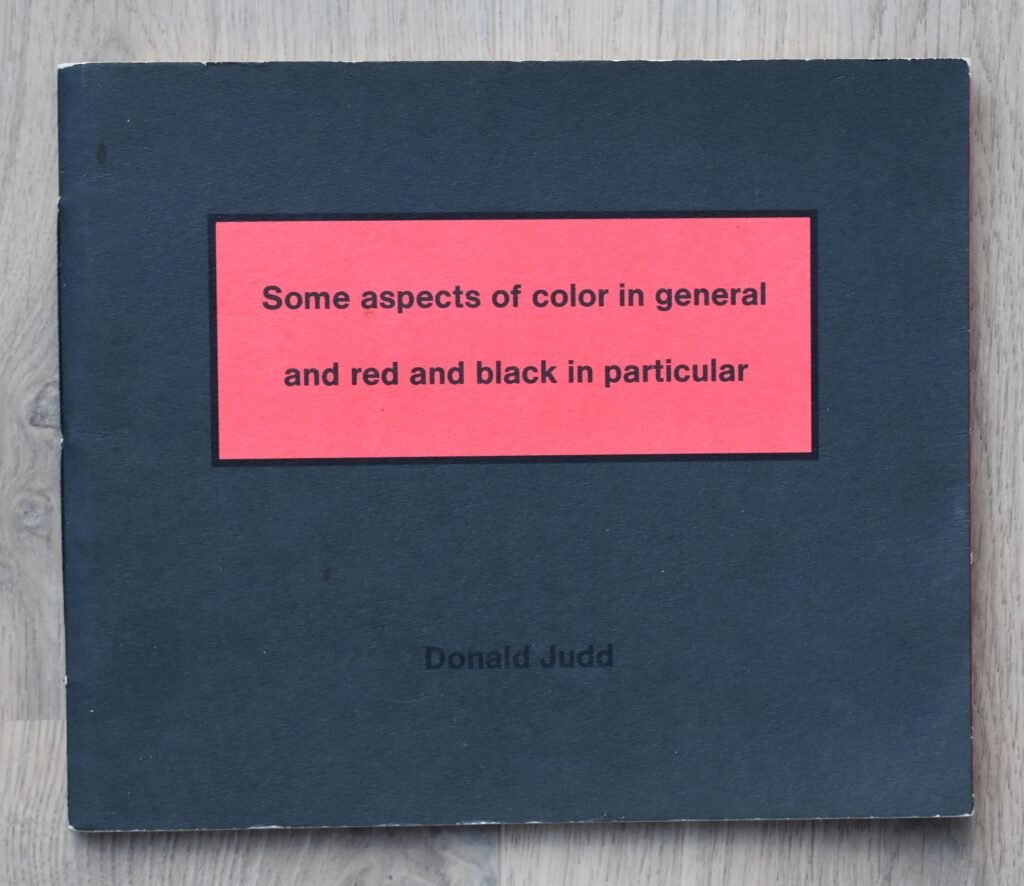
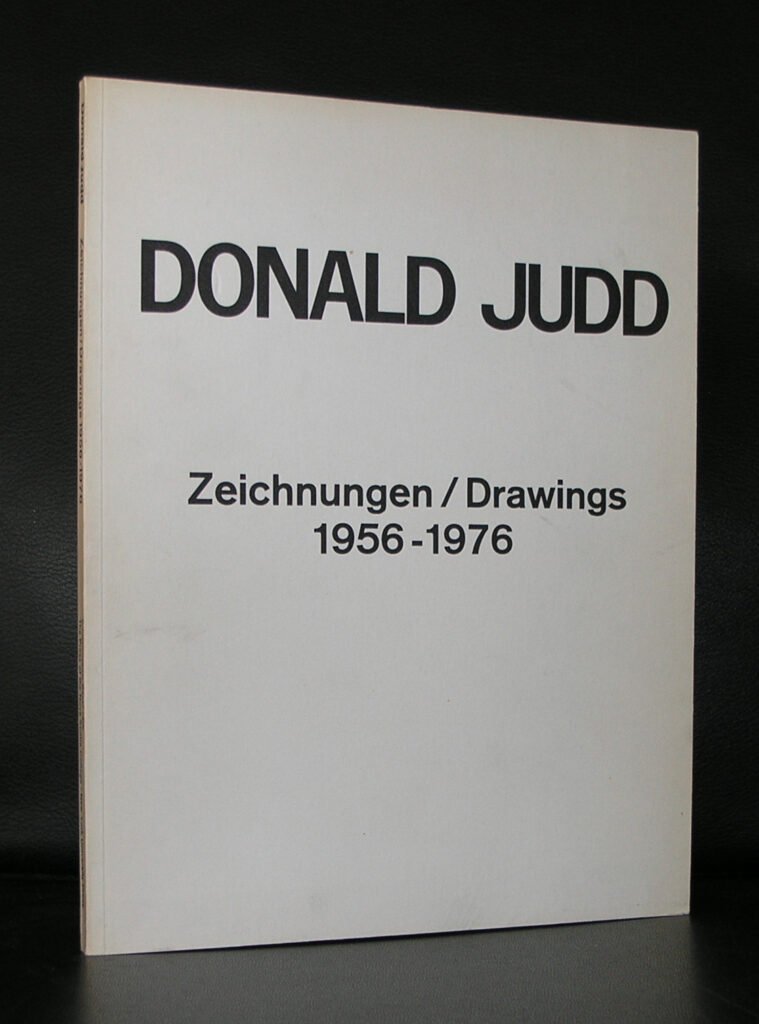
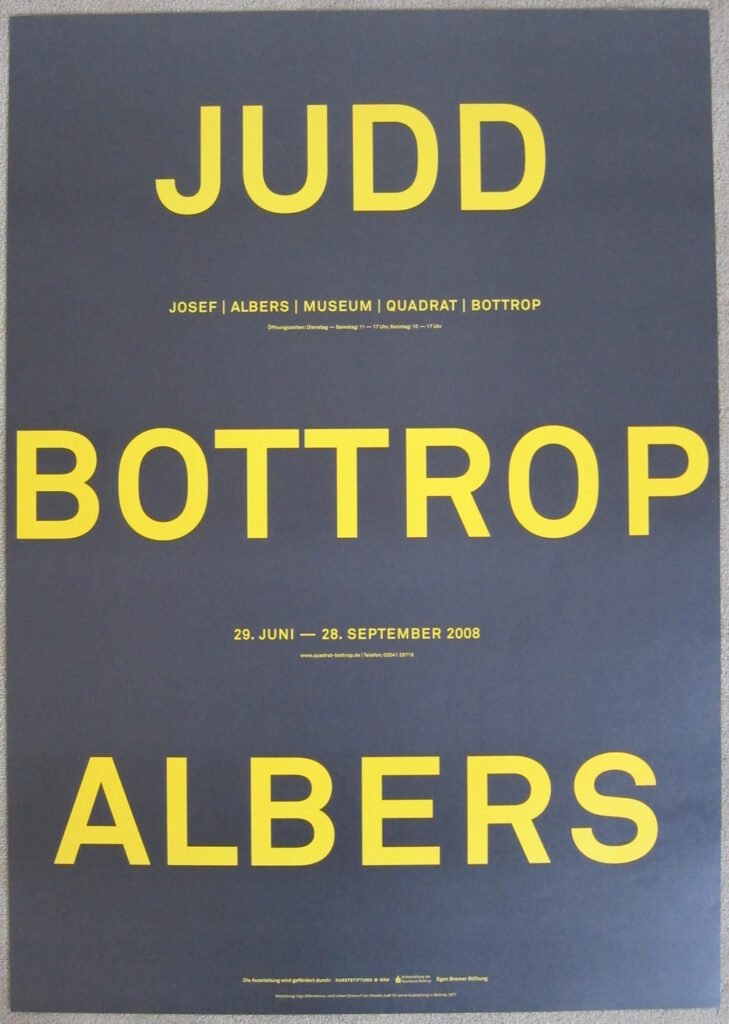
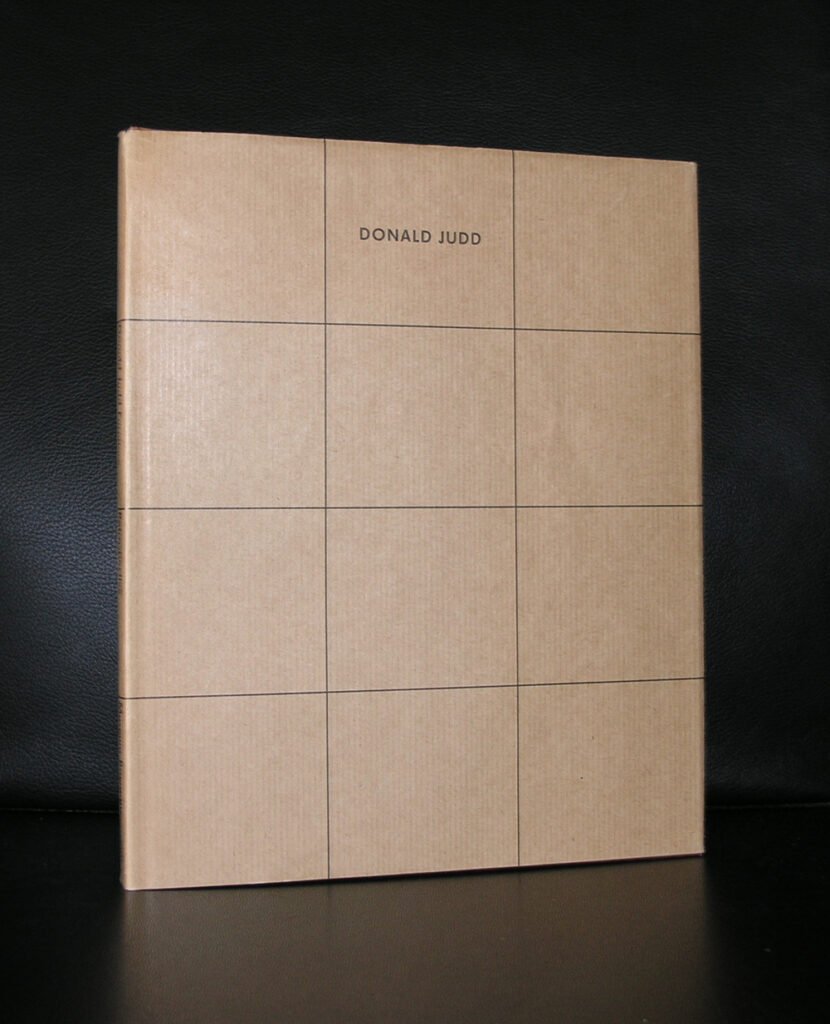
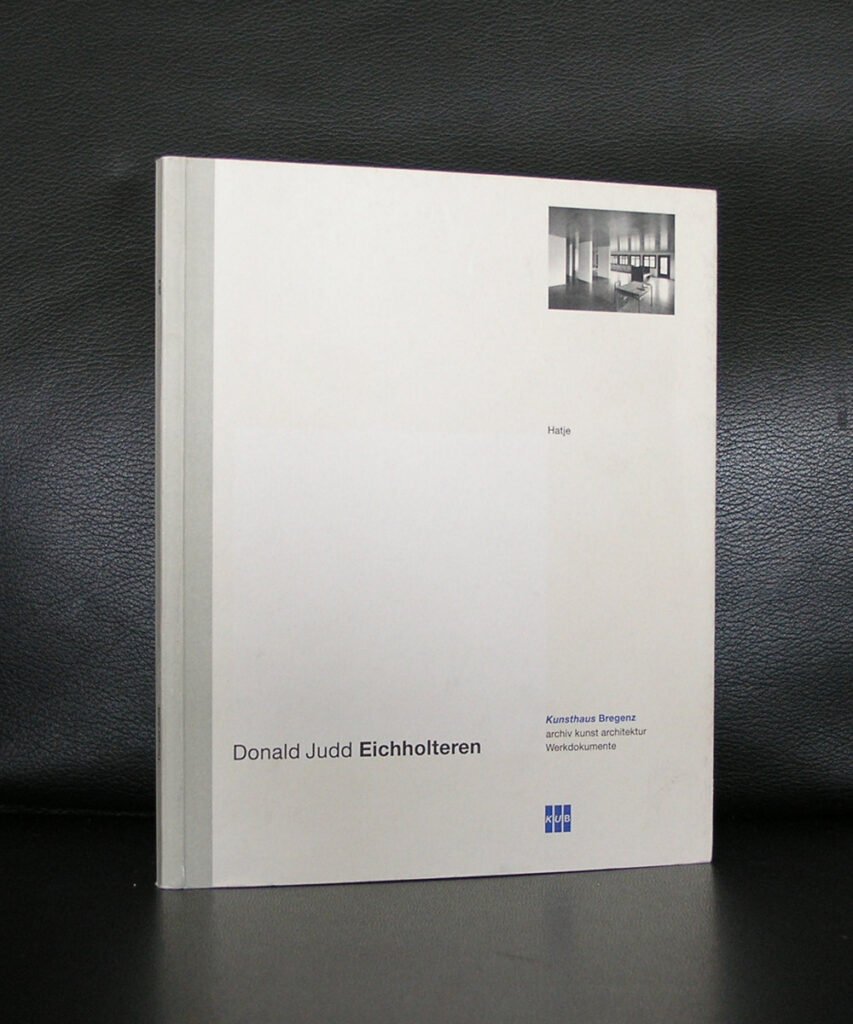
Because of a career long admiration for Judd i have collected a nice collection of publications over the years of JUDD titles. if not sold you can find these at www.ftn-books.com