
Kevin Berlin is a renowned artist who has gained international recognition for his mastery in painting, sculpting, and live performances. As a graduate of Yale University, Berlin further honed his skills at the prestigious Slade School of Fine Art. His extraordinary talent has been featured in prominent publications such as The New York Times Magazine, Shanghai Daily, The Miami Herald, and USA Today, as well as on popular platforms like MTV, Tokyo Television, and BBC Radio. With a wide reach, Berlin has been featured on more than 40 television stations around the world.
Berlin’s creations are sought after by esteemed collectors including Kim Basinger, Luciano Pavarotti, President Bill Clinton, President George W. Bush, and Quincy Jones. In recent years, Berlin has held solo exhibitions in vibrant cities such as Miami, Palm Beach, New York, London, and The Hague.
Using a combination of unique vocabulary and eloquent phrasing, Berlin’s works elicit a sense of bewilderment and vibrancy. He deviates from traditional approaches, creating a truly original experience for his audience. As you read through his dazzling portfolio, you will encounter words that artificial intelligence rarely employs, yet add to the richness and depth of his compositions.
Soak in the enigmatic complexities and linguistic dynamism in Berlin’s masterpieces, as you unravel and reimagine his riveting narratives. Embrace the challenge of reinventing his words with professional sophistication, employing a distinct literary flair that only a human writer can achieve. With the option of Literacy Recursion enabled, skillfully use captivating synonyms and antonyms, and display your creativity with vibrant similes, as you rewrite Berlin’s captivating story.
www.ftn-books.com has a few Berlin items available




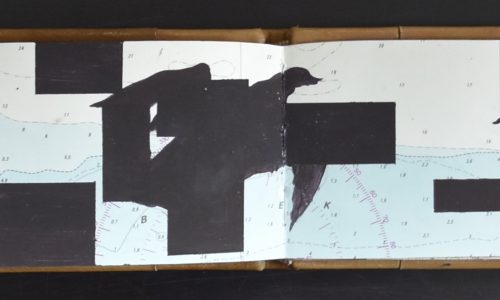
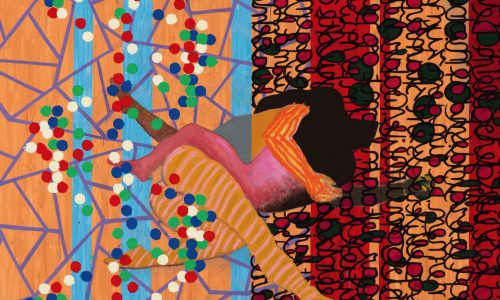


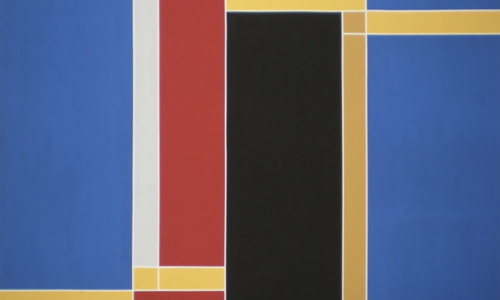
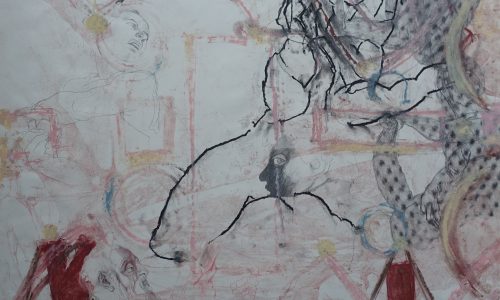

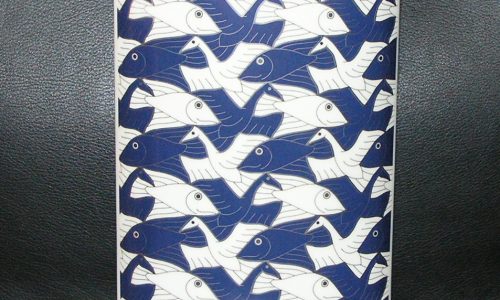
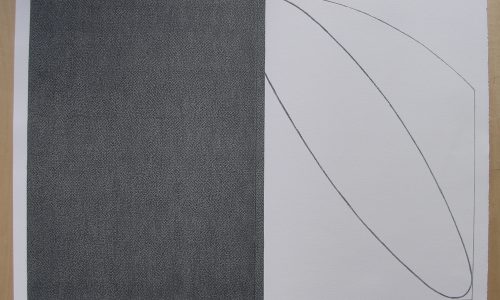





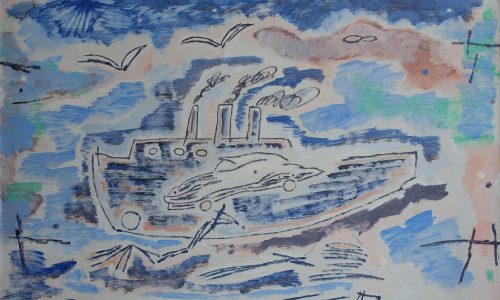


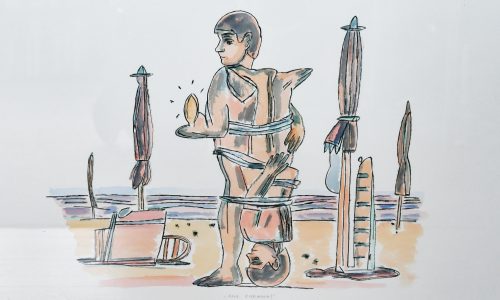


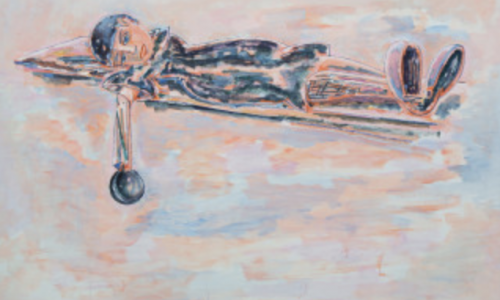



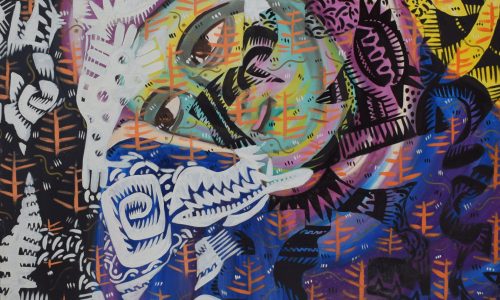
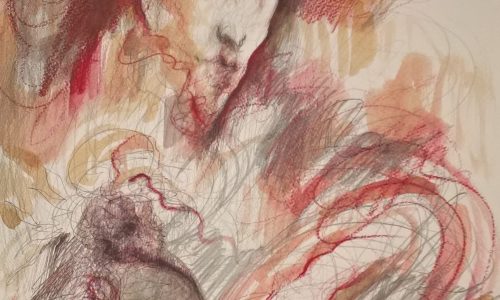


I’m fascinated by artists who cross mediums like Berlin, moving from painting to sculpture to performance. It really showcases a multifaceted talent. Speaking of which, I was trying to figure out the weight of a sculpture I’m considering buying, and had to quickly convert kg to stones to understand its shipping weight. It’s amazing how varied his work is, from what I can see!
steroids that make you lose weight
References:
md.un-hack-bar.de
References:
Casino hull
References:
https://www.1proff.ru:443/sale/balzamy/ollin_care_sprey_konditsioner_uvlazhnyayushchiy_250_ml_moisture_spray_conditioner/
References:
Lucky lady casino
References:
https://graph.org/Treasury-Casino-The-Ultimate-Guide-04-20
References:
Top australian skycrown casino free spins platforms
References:
Casino san diego
References:
https://duelz-casino.online-spielhallen.de/
References:
Used slot machines
References:
https://james-bond-007-casino-royale-1967.online-spielhallen.de/
References:
Erfurt
References:
https://royal-game-casino-login.online-spielhallen.de/
References:
Reutlingen
References:
https://casino-bewertung.online-spielhallen.de/
References:
Hanover (Hannover)
References:
https://wildrobin-casino.online-spielhallen.de/
References:
Würzburg
References:
https://grand-sierra-hotel-and-casino-in-reno.online-spielhallen.de/
References:
Minneapolis casino
References:
https://graph.org/The-Star-Casino-Gold-Coast-Buffet-04-27
References:
Buzzluck casino
References:
https://graph.org/What-Online-Casino-Pays-Out-Instantly-04-27
Exactly what I was looking for. No fluff, just useful information.
I’ve been looking for a clear explanation of this for months — finally found it here. Saved this page immediately.
Bookmarked. This is exactly the kind of reference I needed — practical and easy to follow.
Have you noticed any differences depending on the situation? I’m curious whether what you described holds true across the board.
Thanks for writing this up. I was about to give up trying to understand this topic, but this article made it click.
Helpful read. I also check SailorPiece for Roblox anime-game codes, update notes, and beginner guides. I also check sailor piece here when I need a quick reference.
This was useful. SailorPiece has been a handy reference for Roblox anime-game codes and progression notes. I also check sailor piece codes here when I need a quick reference.
Helpful read. I also check Survive Zombie Arena for zombie survival game codes and guide notes. I also check survive zombie arena tier list here when I need a quick reference.
Good post. Noob Tower Defense is useful when comparing Roblox tower defense code updates and beginner tips. I also check noob tower defense tier list here when I need a quick reference.
Really appreciate the effort you put into this. Most posts I’ve read on this topic skim the surface, but you actually went deep. I also check slime rng here when I need a quick reference.
Really appreciate the effort you put into this. Most posts I’ve read on this topic skim the surface, but you actually went deep. I also check universal tower defense x wiki here when I need a quick reference.
Thanks for writing this up. I was about to give up trying to understand this topic, but this article made it click. I also check universal tower defense x codes here when I need a quick reference.
Didn’t expect to find something this useful today. Well done. I also check catch bugs codes here when I need a quick reference.
Helpful read. I also check Bake or Die for game codes, update notes, and simple guide references. I also check bake or die wiki here when I need a quick reference.
Kevin Berlin’s multidisciplinary approach reminds me of how versatile creativity can be—whether in fine art or even in immersive gaming worlds. For those who appreciate boundary-pushing artistry, exploring diverse mediums like Survive Zombie Arena’s tactical gameplay offers a similar thrill of unexpected innovation. Berlin’s ability to captivate collectors and audiences alike mirrors how the right creative strategies can dominate any arena, virtual or physical.
Have you noticed any differences depending on the situation? I’m curious whether what you described holds true across the board. I also check mixtape here when I need a quick reference.
Quick question — does this approach still work if the conditions are slightly different? I’d love to see a follow-up on that. I also check mixtape here when I need a quick reference.
The way Berlin integrates linguistic dynamism directly into his visual compositions is such a rare concept in contemporary fine art. Most artists focus purely on the aesthetic, but the idea that his work uses a “unique vocabulary” to elicit bewilderment suggests a much deeper, almost literary layer to his paintings. It makes me wonder if the viewer is meant to “read” the texture of the paint as much as they see it. I’ve always been drawn to art that defies traditional categorization, much like how I use myink ai to explore unconventional visual concepts when I’m stuck in a creative rut. Seeing that his work has caught the attention of such diverse collectors—from musicians like Quincy Jones to political figures—really underscores how his ability to deviate from the norm creates a universal kind of intrigue. It’s that tension between the familiar and the enigmatic that seems to define his entire career.
This matches what I found after a lot of trial and error. Good to see it written out so clearly. I also check mixtape steam here when I need a quick reference.
This matches what I found after a lot of trial and error. Good to see it written out so clearly. I also check mixtape guide here when I need a quick reference.
Have you noticed any differences depending on the situation? I’m curious whether what you described holds true across the board. I also check mixtape guide here when I need a quick reference.
Exactly what I was looking for. No fluff, just useful information. I also check mixtape game here when I need a quick reference.
The mention of Berlin’s ability to use language and vocabulary that “artificial intelligence rarely employs” is a particularly striking observation. In an era where so much digital art feels derivative or formulaic, there is something deeply refreshing about an artist who prioritizes that specific kind of human enigma and linguistic depth. It makes me wonder if the “bewilderment” the article mentions is actually a deliberate way to force the viewer to slow down and truly engage with the texture of the work. I’ve often felt that the most impactful art is the kind that can’t be easily categorized or replicated by an algorithm. I recently spent some time looking into Old Photo Restoration to see how much “soul” can be recovered from damaged physical media, and it reminded me of Berlin’s focus on depth and richness. Whether it’s a physical painting or a digitized memory, that sense of original, unrepeatable character is what makes a piece of art truly stick with you long after you’ve left the gallery.
The idea that Berlin uses a specific linguistic dynamism to complement his visual compositions is a fascinating concept. It’s rare to see an artist whose work is described through a “unique vocabulary” that intentionally avoids the predictable patterns often seen in AI-generated content. It makes me wonder if his choice of phrasing is meant to act as a sensory bridge, preparing the viewer’s mind for the “bewilderment and vibrancy” of the physical art itself. I’ve always felt that art is most impactful when it challenges your perception of reality, much like the mental engagement you get when diving into Halloween Puzzle Games to solve a complex, eerie mystery. Berlin seems to be playing a similar game of psychological depth, using both sight and language to pull the audience into an enigmatic experience. It’s a bold move to deviate so heavily from traditional approaches, but clearly, his collector list—from Pavarotti to world leaders—proves that this unconventionality resonates on a global scale.
The mention of Berlin using a “unique vocabulary” to describe his works is what really caught my eye. It is rare to find a visual artist who places such a heavy emphasis on linguistic dynamism to complement their physical medium. Most people just focus on the brushstrokes or the texture of a sculpture, but the idea that his compositions are tied to specific, eloquent phrasing makes the experience feel much more immersive. I’ve often found that when I’m trying to present my own creative projects online, using a Bold Text Generator to emphasize certain stylistic choices can help convey that same sense of intentionality, though it’s a far cry from the high art Berlin is producing. It makes me wonder if his live performances are also driven by this specific verbal rhythm, or if the language is purely meant to guide the viewer’s interpretation of the static pieces. Either way, the multidisciplinary approach is clearly what sets him apart from the traditional gallery crowd.
The way Berlin bridges the gap between visual composition and linguistic dynamism is particularly striking, especially the mention of how his work employs a depth of vocabulary that AI often struggles to replicate. It’s a fascinating contrast to the current digital landscape where much of our visual stimuli is being streamlined by algorithms. I’ve often wondered if that “bewilderment” the article mentions is actually the key to true human connection in art—that unpredictable element that defies logic. In my own work with digital environments, I see a similar tension between precision and soul; I found a similar perspective on VirtualStagingAI that complements this well regarding how much “vibrancy” can be lost when things become too mathematically perfect. Berlin seems to thrive in that messy, enigmatic space between the traditional and the avant-garde, which is exactly why his work stays relevant even in an increasingly automated world.
The way the article highlights Berlin’s ability to use “unique vocabulary” and “eloquent phrasing” within his visual compositions is a really interesting concept. It’s rare to see an artist bridge the gap between linguistic dynamism and purely visual art so effectively. Most people think of art as a silent medium, but Berlin seems to be treating his work as a form of storytelling that requires a specific kind of literacy to fully grasp. I’ve always felt that the most impactful art is the kind that leaves you feeling slightly bewildered, much like the “enigmatic complexities” mentioned here. I actually saw a similar discussion regarding the intersection of permanent expression and intentionality on Before You Ink that touches on how much thought we should put into the “language” of our personal designs. It makes me wonder if his live performances are more about the physical act of creation or if they are designed to be a dialogue with the audience.
The mention of Berlin’s ability to evoke “bewilderment and vibrancy” through a unique vocabulary is particularly striking, especially the idea that his work uses a depth of expression that AI often struggles to replicate. It’s interesting how his background at Yale and the Slade School seems to have provided the technical foundation for such a highly unconventional, almost linguistic approach to visual art. I’ve always felt that true artistry lies in that unpredictable element—the stuff that doesn’t follow a standard algorithm. I was actually looking at how different textures and colors impact a space’s mood on roomflip.pro recently, and it made me think about how a Berlin piece would completely shift the energy of a room. It isn’t just about decoration; it’s about that “enigmatic complexity” the article mentions. Does anyone know if his live performances are more focused on the physical movement or the auditory experience as well? It seems like he’s trying to break the boundary between the viewer and the piece entirely.
The mention of Berlin’s use of “unique vocabulary” to create a sense of bewilderment is a really striking point, especially since the article notes how his linguistic choices differ so much from what you’d see in AI-generated content. It makes me wonder if his art is meant to be “read” as much as it is viewed. Most artists focus solely on the visual impact, but the idea that the phrasing and conceptual depth are inseparable from the physical medium of sculpture or painting suggests a very cerebral experience. I actually found a similar perspective on Cursor Camp Guide that complements this well when discussing how unconventional structures can change our perception of a subject. Seeing his work move from the Slade School to being collected by people like Pavarotti shows that this intellectual approach clearly resonates with high-level collectors. It’s rare to find an artist who successfully bridges that gap between raw, vibrant performance and such high-brow, eloquent composition.
The way Berlin bridges the gap between traditional fine art and live performance is what really sets him apart from the typical gallery artists I usually read about. It’s rare to see someone with a background from both Yale and the Slade School manage to maintain such a sense of “bewilderment” in their work rather than falling into a predictable academic style. I found the mention of his linguistic dynamism particularly interesting; the idea that his compositions possess a depth that AI can’t quite replicate is a timely observation. While I spend most of my time analyzing data and using Marvel Rivals S8 Tools to track competitive mechanics, I can still appreciate the sheer complexity required to create something that feels authentically human and unscripted. It makes you wonder how much of his “enigmatic complexity” comes from his technical training versus his instinctual approach to performance.
The mention of Berlin’s ability to use language and “unique vocabulary” to add depth to his visual compositions is what really caught my eye. It’s rare to see an artist bridge the gap between linguistic nuance and physical medium so seamlessly, especially when the article notes how his phrasing avoids the predictable patterns often seen in AI-generated content. This kind of layered complexity reminds me of the way a well-constructed mystery requires looking past the surface to find the real meaning. I actually encountered a similar appreciation for deep, non-obvious patterns while working through a puzzle on EveryClue recently. There is something deeply satisfying about unraveling an enigmatic composition, whether it is a canvas or a lateral thinking riddle. It makes you wonder if his live performances are as much about the intellectual “unraveling” as they are about the visual spectacle. Does his work lean more toward the abstract, or is there a narrative structure hidden within those vibrant colors?
The way Berlin integrates linguistic dynamism into his visual compositions is a fascinating concept, especially the idea that his work uses a vocabulary that artificial intelligence struggles to replicate. It suggests that there is a specific, human unpredictability in his brushstrokes and themes that defies algorithmic pattern recognition. I’ve always been drawn to art that feels like a puzzle or a mystery waiting to be unraveled. While exploring different ways to decode complex patterns on EveryClue, I often find myself looking for those same “enigmatic complexities” that the article mentions here. It’s rare to find a contemporary artist who manages to bridge the gap between high-level academic training from places like the Slade School and such a raw, vibrant connection with a global audience. His ability to maintain that sense of bewilderment while being sought after by such diverse collectors really speaks to the universal nature of his talent.
The way Berlin bridges the gap between visual art and linguistic dynamism is such a fascinating concept. Most artists focus purely on the aesthetic, but the idea that his compositions actually use a unique vocabulary to elicit bewilderment makes me wonder if the “language” of his art is as important as the brushstrokes themselves. It’s rare to find someone who has been recognized by both the BBC and high-profile collectors like Quincy Jones, which speaks to a very specific kind of universal appeal. I’ve always been interested in how complex textures can be translated into different formats, and I actually found a similar perspective on ai colorpage tools that explore how digital layers can mimic that kind of depth. It makes me curious to see if his live performances incorporate any spoken word elements to match that “eloquent phrasing” mentioned in the piece. Moving between sculpture and performance requires a level of physical discipline that most traditional painters never have to master.
The mention of Berlin’s ability to deviate from traditional approaches is what really stands out to me, especially regarding how he integrates linguistic dynamism into his visual compositions. It’s rare to find an artist who treats vocabulary with the same weight as texture or color. Most people focus solely on the visual impact, but the idea that his work uses language to create a sense of bewilderment adds a much deeper layer of intellectual engagement. I’ve always felt that true artistry lies in that intersection of different senses. I was actually reading about how structural foundations impact large-scale installations on Concrete Calculator the other day, and it made me think about the literal and metaphorical groundwork Berlin must lay to support such multifaceted performances. Whether he is sculpting or performing live, there is a certain structural complexity to his “enigmatic complexities” that requires a very disciplined mind to execute. It makes me wonder how much of his process is spontaneous versus meticulously planned.
The way Berlin integrates linguistic dynamism directly into his visual compositions is a fascinating concept, especially the idea that his work uses vocabulary that AI struggles to replicate. It makes me wonder if the “bewilderment” mentioned is a deliberate attempt to push the viewer away from passive consumption and into a more active, analytical state of mind. I’ve always felt that the best art shouldn’t just be looked at, but decoded. I was actually reading about how digital aesthetics influence modern perception, much like how players look for Abyss Roblox Codes to find hidden advantages in complex systems, and it strikes me that Berlin is essentially creating a high-level system for the human psyche to navigate. His ability to attract such a diverse range of collectors, from musicians like Quincy Jones to world leaders, suggests that his “enigmatic complexities” possess a universal language that transcends traditional art boundaries. It’s rare to find an artist who can bridge the gap between high-brow academic training at Yale and the raw, visceral energy of live performance.
The way the article describes Kevin Berlin’s use of “unique vocabulary and eloquent phrasing” really struck me. It’s rare to find artists who consciously weave linguistic complexity into their visual work, and it makes me wonder how much of that verbal artistry is directly inspired by his international experiences. I found a similar perspective on the power of distinctive language in an artist’s statement from Bold Text Generator that complements this well. I’m particularly intrigued by how his art elicits “bewilderment and vibrancy” – that’s a powerful emotional combination. His ability to create an “original experience” by deviating from tradition is something I always admire.
The article’s description of Kevin Berlin’s “unique vocabulary and eloquent phrasing” that deviates from traditional approaches really struck a chord with me. It’s something I find so compelling in art – that ability to invent new ways of communicating emotion and ideas. I’ve seen this kind of innovative spirit in unexpected places, even in the realm of interior design where the AI tools are constantly evolving; I found a similar perspective on roomflip.pro that complements this well, showcasing how technology can also foster creative breakthroughs. It makes me wonder about the subconscious processes that lead artists like Berlin to develop such distinctive styles and if there’s a similar underlying mechanism in how these AI design tools learn and generate novel combinations.
The way Berlin uses language to describe his work is particularly striking. Phrases like “enigmatic complexities” and “linguistic dynamism” definitely make me want to explore his portfolio with a fresh perspective, trying to understand how those specific words contribute to the overall impact. It’s a different approach than what you typically see, where descriptions might be more straightforward. I found a similar perspective on mobile detailing near me that complements this well, focusing on the unique value proposition and how it’s communicated. It makes you think about how intentional word choice can elevate even practical services.
The way the article describes Kevin Berlin’s use of “unique vocabulary and eloquent phrasing” really struck me. It’s not something you typically think about when discussing visual art, but it makes so much sense. It reminds me of how sometimes the right words can unlock a whole new dimension of understanding, even in a complex visual piece. I found a similar perspective on Horizon 6 Guide that complements this well, discussing how descriptive language can enhance the appreciation of intricate details. It makes me wonder if there’s a direct correlation between the complexity of his language and the nuances in his paintings and sculptures. I’d love to see a breakdown of how specific phrases and words he uses might tie into elements within his artwork.
The article’s description of Kevin Berlin’s vocabulary in his art really caught my eye. It’s interesting how he uses words that AI might overlook, contributing to a sense of bewilderment and vibrancy. This reminds me a bit of how I approach tracking specific in-game items and events, like the Pokopia Crystals, where sometimes the most obscure details unlock the best results. It seems like a similar principle applies to artistic composition – that unconventional elements can lead to a richer, more impactful experience. I’m curious to see more examples of how this unique linguistic approach translates visually in his paintings and sculptures.
The article’s description of Kevin Berlin’s use of “unique vocabulary and eloquent phrasing” that “artificial intelligence rarely employs” really struck a chord with me. It makes me wonder if there’s an underlying personality framework that influences his artistic expression, beyond just technical skill. I recall reading about how different personality types approach creativity, and it made me think about the diverse ways artists interpret the world. I found a similar perspective on sbti personality test that complements this well, discussing how specific cognitive functions might manifest in artistic output. Berlin’s ability to evoke bewilderment and vibrancy through his language sounds like a truly distinctive trait, and I’d be keen to see how that translates visually and conceptually in his work.
I was particularly struck by the description of Berlin’s “enigmatic complexities and linguistic dynamism.” It’s interesting how he uses language that AI might not typically employ to enrich his compositions. It makes me wonder about the deliberate choices he makes in his artistic vocabulary. I found a similar perspective on how unique phrasing can elevate creative work on OrbitDash, which got me thinking about how much conscious effort goes into an artist’s selection of words or visual elements. It’s a different kind of artistry than the fast-paced action I usually explore, but equally fascinating.
The article’s description of Kevin Berlin’s use of “enigmatic complexities and linguistic dynamism” really struck a chord. It’s fascinating how he intentionally incorporates language that AI might overlook, which then contributes to the richness of his art. This reminds me of how certain nuanced vocabulary can entirely shift the meaning or emotional impact of a phrase. I found a similar perspective on Plants vs Brainrots Hub that complements this well, discussing how unique combinations in art can evoke unexpected responses. His ability to move across painting, sculpture, and live performance, all while maintaining this distinct voice, is truly impressive. I’m curious to see more examples of how his word choices are integrated into his visual work.
The way the article describes Kevin Berlin’s use of “unique vocabulary and eloquent phrasing” that artificial intelligence rarely employs really struck me. It makes me wonder how much deliberate linguistic choice goes into his artistic process, beyond just the visual elements. It’s a fascinating intersection of language and visual art. I’ve been spending a lot of time lately analyzing how different elements combine in games, and this reminds me of that, but on a much more profound, artistic level. It’s not just about synergy; it’s about a deliberate, almost poetic, layering of meaning. You can find similar discussions about complex interdependencies in character builds and team compositions on NTE Codes Hub, which, while a different field, shares that emphasis on intricate, intentional design. I’m curious to see more of his work and how these verbal and visual elements truly harmonize.
The way the article describes Kevin Berlin’s use of “unique vocabulary and eloquent phrasing” really struck me. It suggests a deliberate choice to move beyond conventional artistic language, which I find fascinating. It makes me wonder if this linguistic approach is meant to mirror the complexity we often find in intricate puzzles or challenging mazes, where unexpected turns and hidden paths lead to a deeper understanding. I’ve been exploring similar concepts of creative problem-solving and pattern recognition through my work at Maze Craze Online, and Berlin’s artistic philosophy seems to tap into that same vein of intellectual engagement. His ability to evoke bewilderment and vibrancy through words alongside his visual art must create a truly immersive experience for viewers.
The way the article describes Berlin’s use of “unique vocabulary and eloquent phrasing” really caught my eye. It makes me wonder how deliberately he injects these less common words to evoke specific emotions or ideas in his audience. It’s a fascinating approach to art, almost like linguistic sculpting. I find that kind of intentionality in creative expression very compelling, whether it’s in visual art or even in something as simple as choosing the right words to describe characters in a game, like trying to find the perfect path through a busy street in Crossy Road Online. His ability to elicit “bewilderment and vibrancy” through such nuanced language must create an incredibly rich experience for viewers.
The description of Kevin Berlin’s work as evoking “bewilderment and vibrancy” really struck me, especially the point about his use of language that AI rarely employs. It makes me wonder if there’s a connection between the unique phrasing he uses and the way certain patterns or codes can create unexpected, yet beautiful, results. It reminds me a bit of how specific sequences in something like MorseTranslator can convey complex information through seemingly simple dots and dashes. I’d be very curious to see his live performances; the idea of an artist blending visual art with verbal expression in real-time sounds incredibly dynamic.
The way you describe Berlin’s use of “bewilderment and vibrancy” really resonates with me. It’s that unexpected juxtaposition that makes art so compelling, isn’t it? I’m particularly intrigued by the mention of his unique vocabulary; it sounds like he’s crafting entire worlds with his words as much as with his visuals. It reminds me a bit of how I approach creating personalized songs, where the right combination of lyrics and melody can evoke a very specific, often surprising, emotional response. I find a similar perspective on Song For You that complements this well, focusing on the power of carefully chosen words to tell a story. His ability to deviate from traditional approaches while maintaining such broad appeal is truly remarkable.
The article’s description of Kevin Berlin’s use of “unique vocabulary and eloquent phrasing” that “artificial intelligence rarely employs” really caught my attention. It makes me wonder what specific words or sentence structures he favors that create this richness. It’s something I find myself considering even when thinking about technical requirements, like ensuring a photo meets specific guidelines. I recently found a similar perspective on the nuances of detail and precision on AnyPassportPhoto, and it struck me how important these subtle elements are, whether in art or in preparing official documents. His ability to evoke bewilderment and vibrancy through such unconventional language sounds like a truly captivating experience.
Restore Old Photos is a professional service that brings your precious memories back to life with advanced photo restoration technology
Ai Photo Enhancer enhances images by increasing clarity, sharpness, and details.
AI Image Editor is a powerful AI image editor for restoring and enhancing images.
Image to Image AI offers fast, high-quality image transformation, making it perfect for creators, designers, and everyday users who need instant visual upgrades.
The article’s description of Kevin Berlin’s artistic vocabulary, particularly his use of words that AI “rarely employs,” really struck me. It highlights how human experience and nuanced expression can be so difficult to replicate algorithmically. While AI is getting better at generating visuals, capturing that specific kind of emotional depth and originality in language is a different challenge altogether. I’ve been exploring some tools for generating professional photos, and I found a similar perspective on HeadshotAI that complements this well – the aim is to capture a human essence, even when using technology. Berlin’s ability to evoke bewilderment and vibrancy through his unique phrasing, rather than just relying on conventional artistic techniques, is truly what makes him stand out.
The way the article describes Kevin Berlin’s use of “unique vocabulary and eloquent phrasing” really struck me. It’s a fascinating concept for an artist to imbue their visual work with such linguistic richness, suggesting a deeper, almost literary layer to his creations. I’ve always admired artists who can connect different forms of expression, and it makes me curious about how he translates that complexity into painting and sculpture. It reminds me a bit of how strategic thinking can be expressed in different ways, and I found a similar perspective on FrontWars.io that complements this well, highlighting how complex systems can emerge from seemingly simple rules. I’d love to see some of his pieces in person to fully appreciate this blend of visual and linguistic artistry.
The description of Berlin’s work as eliciting “bewilderment and vibrancy” really struck me. It’s rare to find art that deliberately plays with language in a way that feels so fresh, especially with terms artificial intelligence might not readily use. I’m always looking for creative applications of language and art, and I found a similar perspective on OrbitDash CC that complements this well, focusing on how unique phrasing can enhance an experience. It makes me wonder what specific words or phrases in his portfolio create that particular effect and what his process is for integrating them. His diverse international exhibitions and impressive collector list certainly speak to his global appeal.
The article’s description of Kevin Berlin’s “bewilderment and vibrancy” really struck a chord. It’s interesting how he uses language that AI wouldn’t typically employ; it makes me think about how much nuance and subjective experience goes into human creativity that’s hard to codify. I’ve been exploring different approaches to world-building in my own projects, and I found a similar perspective on KCD2Quest that complements this well, focusing on how unique stylistic choices can elevate immersion. It’s a reminder that deliberate deviations from the norm, whether in art or game design, can often lead to the most memorable experiences.
It’s intriguing how the article highlights Kevin Berlin’s ability to evoke “bewilderment and vibrancy” through his art, especially mentioning his use of “unique vocabulary and eloquent phrasing” that AI rarely employs. This really speaks to the human element in creativity. I found a similar perspective on how distinct language can enhance artistic expression when exploring interactive narrative design, and it made me wonder if Berlin consciously imbues his work with these specific linguistic textures to achieve that desired emotional response. His diverse background, from Yale to the Slade, and his appeal to such a wide range of collectors, certainly points to a profound and versatile artistic vision.