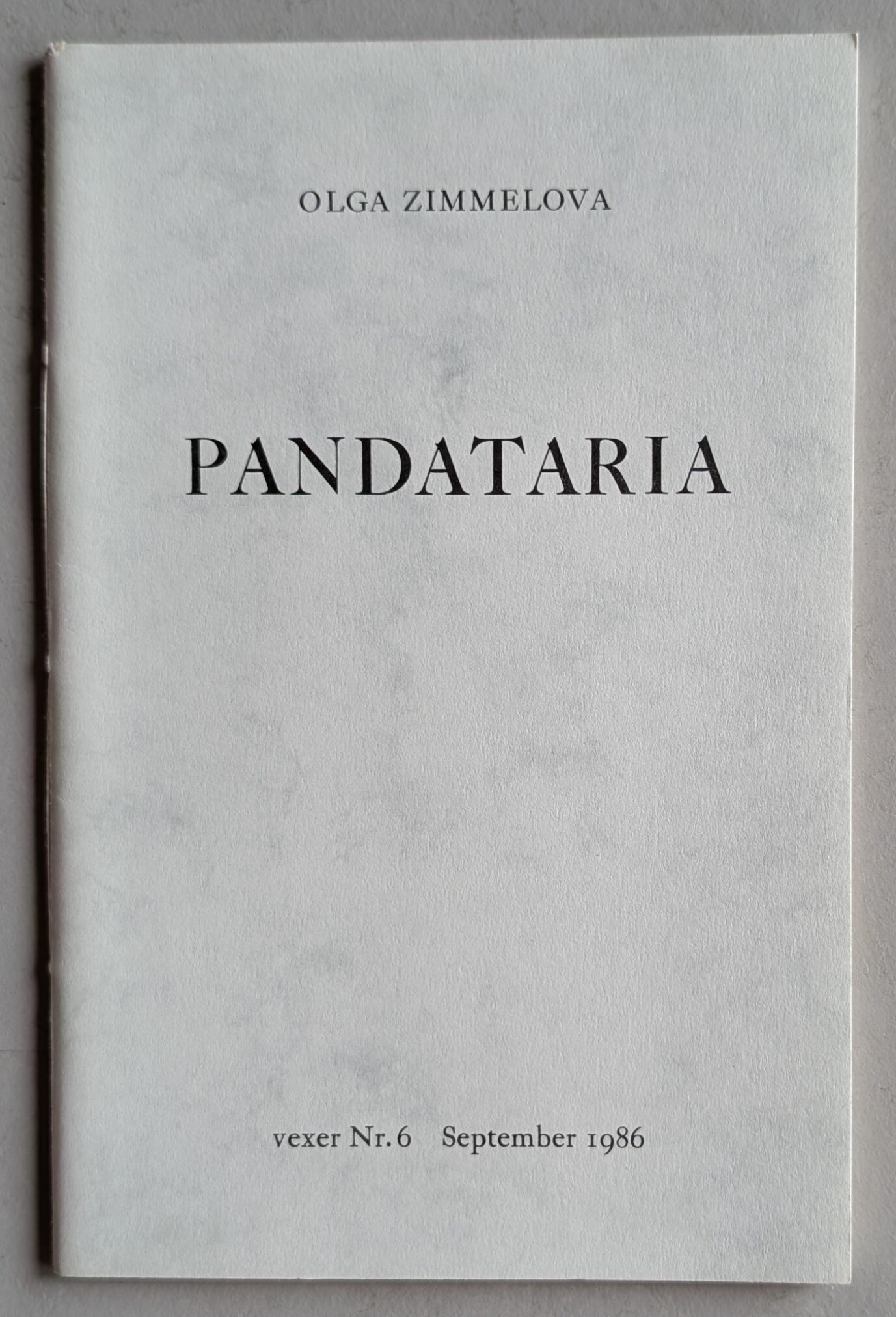
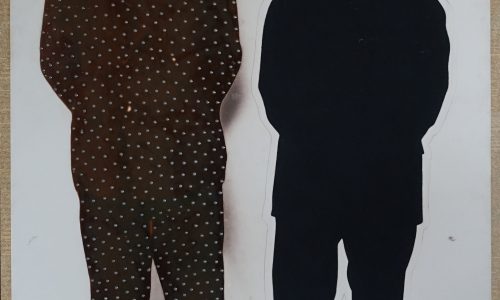
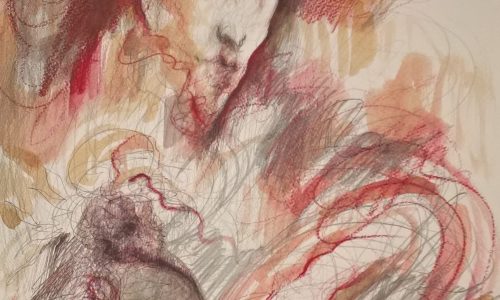
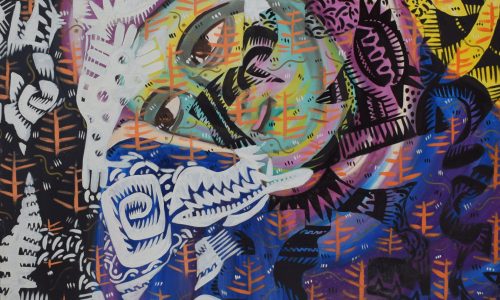
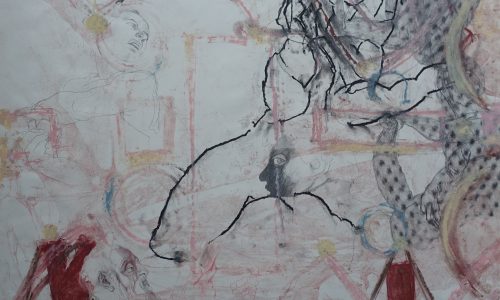
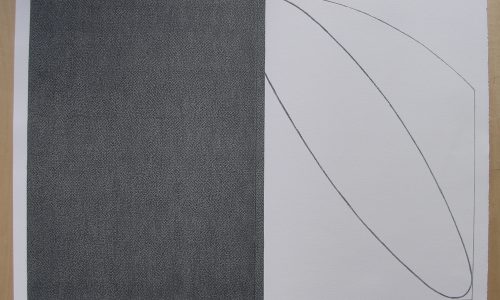
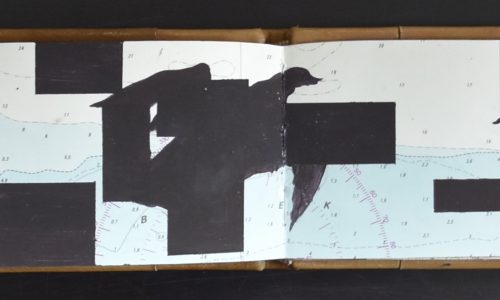
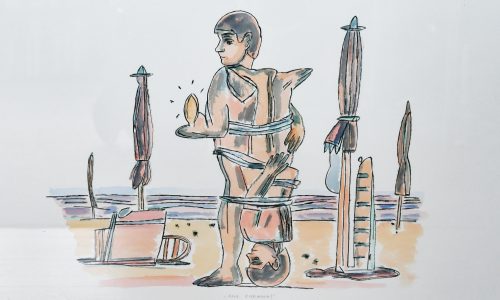
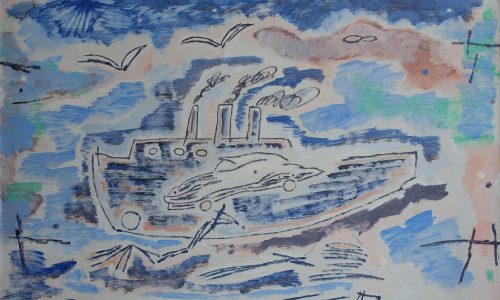
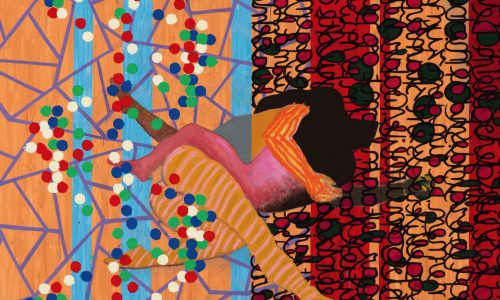
Olga Zimmelová (1945) entered the world in Majdalena in southern Bohemia. In 1968, she took the leap to Switzerland, where she settled and pursued an education in the arts. During this time, conceptual art held a prominent position on the world stage, and Zimmelová – much like her fellow Czech artists who departed the country during that era – was drawn to this innovative movement. Her art took on a natural conceptual trajectory, characterized by her inherent inclination towards openness. She does not hold onto anything, be it in life or in art. The exhibition, An Unencumbered Look at the Church of St. Lawrence, utilizes painting, objects, and projections to showcase Zimmelová’s unfettered reflection on her birthplace and childhood, as well as other significant locations in her life.
In the year 1981, Graham achieved his inaugural masterpiece, A1: The Great North Road. This groundbreaking series of color photographs, captured along A1, Great Britain’s lengthiest numbered road, shook the foundations of traditional British photography dominated by black-and-white social documentary. Graham’s use of color film in the early 1980s pioneered a new wave in the genre, inspiring a generation of artists including Martin Parr, Richard Billingham, Simon Norfolk, and Nick Waplington to embrace color.
In 2011, The Museum of Modern Art in New York acquired the complete set of prints from The Great North Road, the very set Graham utilized to create his first book in 1983. Over the course of the past thirty years, Graham has explored different corners of the world, crafting twelve distinct collections of work. His talent has been celebrated in more than eighty solo exhibitions worldwide.
www.ftn-books.com has the THE END OF AN AGE invitation now available featuring Untitled no. 22
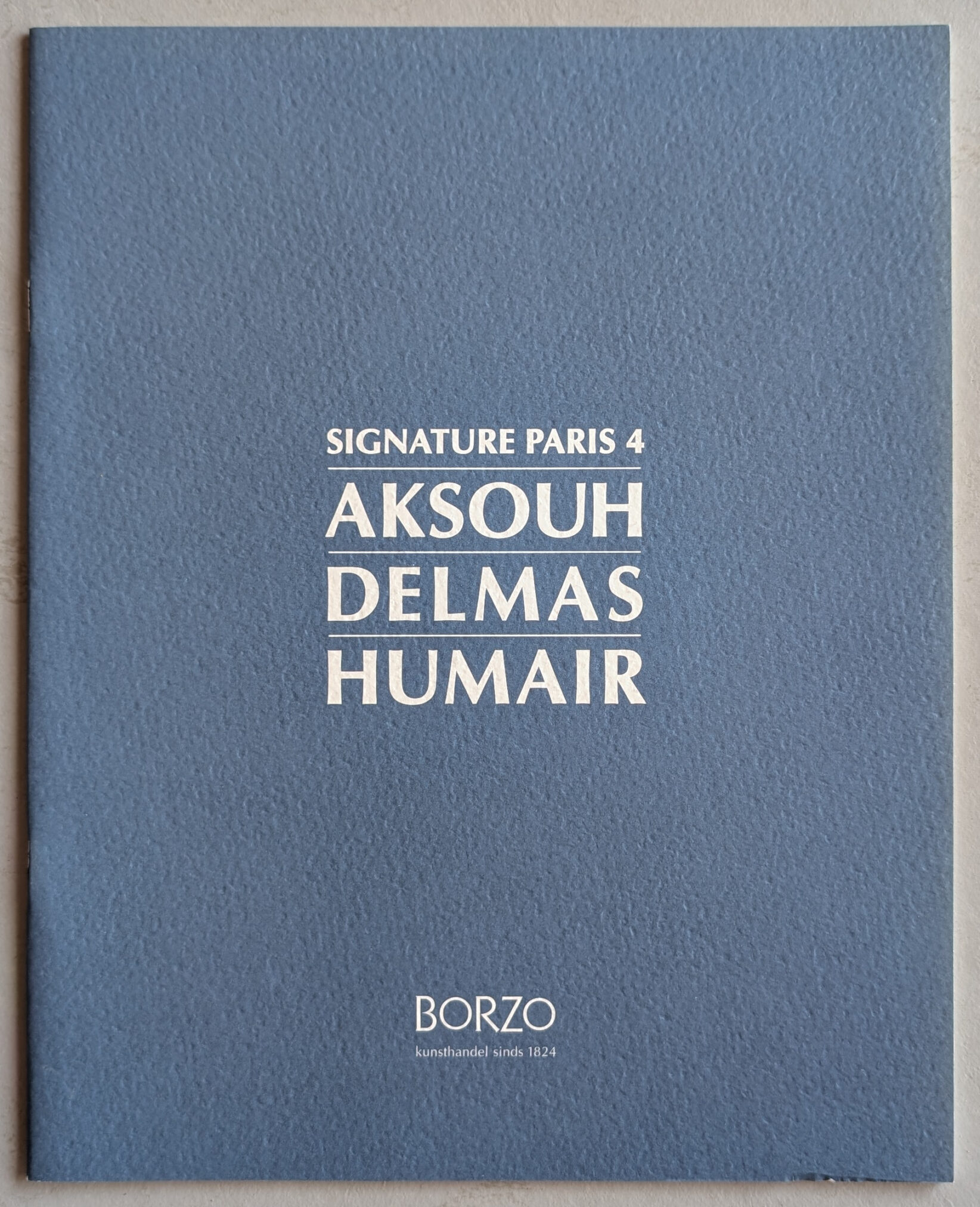
Mohamed Aksouh is an Algerian Postwar & Contemporary artist who was born in 1934.Numerous key galleries and museums such as Galerie Claude Lemand have featured Mohamed Aksouh’s work in the past.
Mohamed Aksouh is an Algerian Postwar & Contemporary artist who was born in 1934.Numerous key galleries and museums such as Galerie Claude Lemand have featured Mohamed Aksouh’s work in the past.
Michel Humair is a painter of the New School of Paris, born in the Swiss Jura in 1926, settled in France in 1947 and died in 2019. He described his approach as “Impressionism of lyrical abstraction”. Lydia Harambourg wrote in La Gazette de l’Hôtel Drouot: “Humair belongs to the second generation of an abstraction that privileges gesture and movement underlying a fervent emotion (…). This one passes by the colors and the contrasts, by the forms and by a sensual matter of which he exploits the expressive richnesses to the service of what he wants to translate: the truth of his landscape”.
These 3 artist were presented in 1999 in the SIGNATURE PARIS 4 exhibition at BORZO.
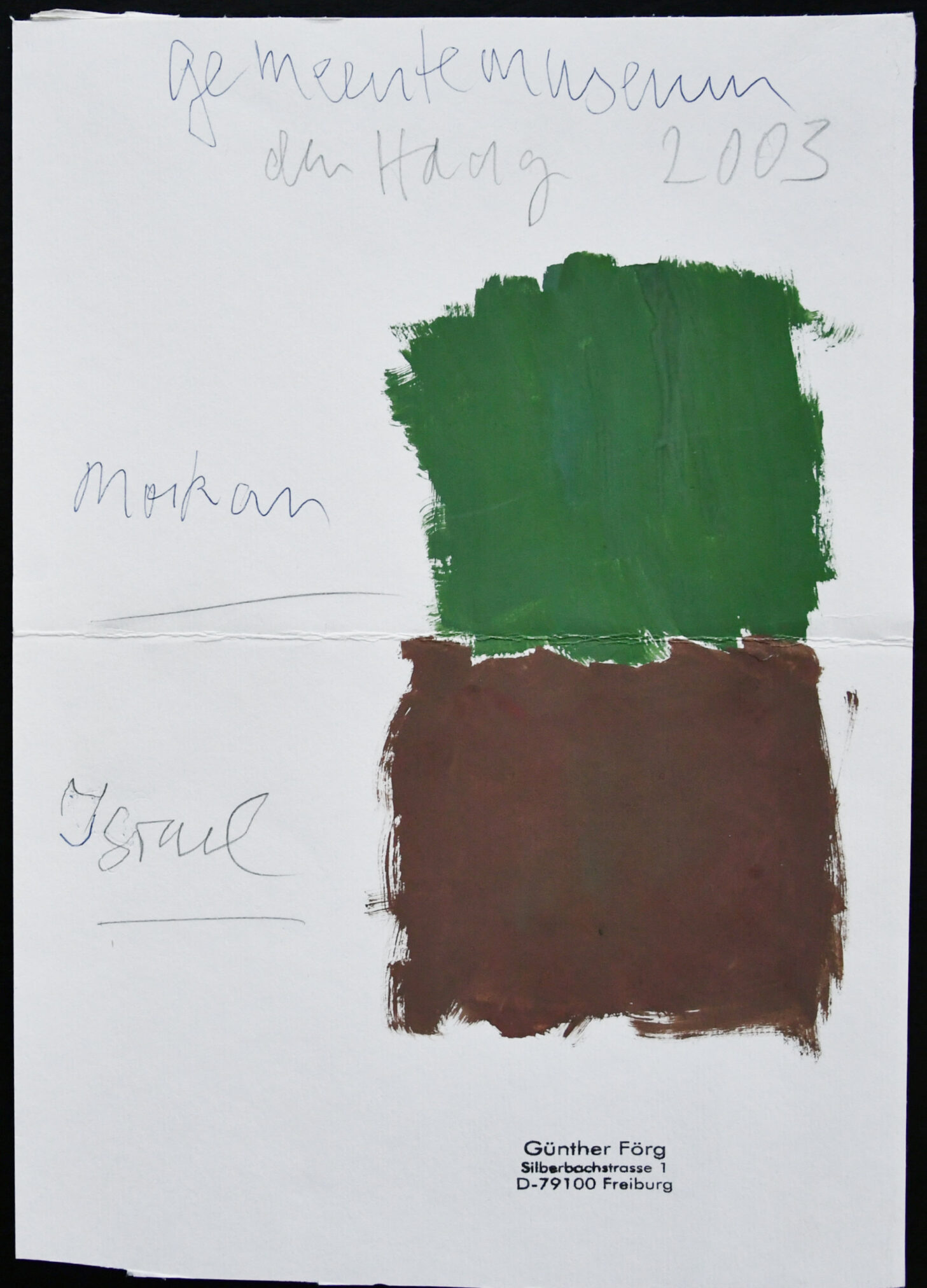
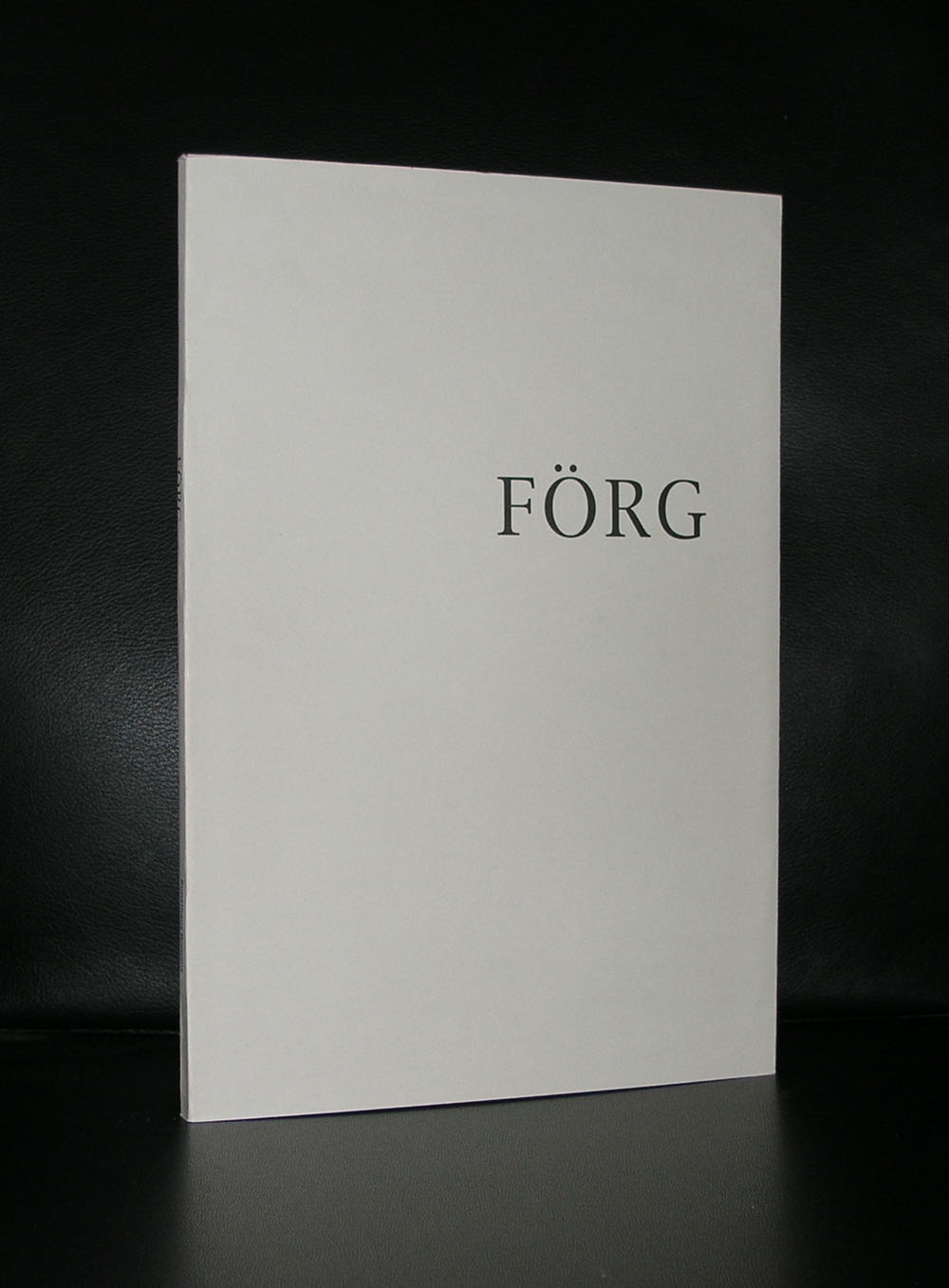
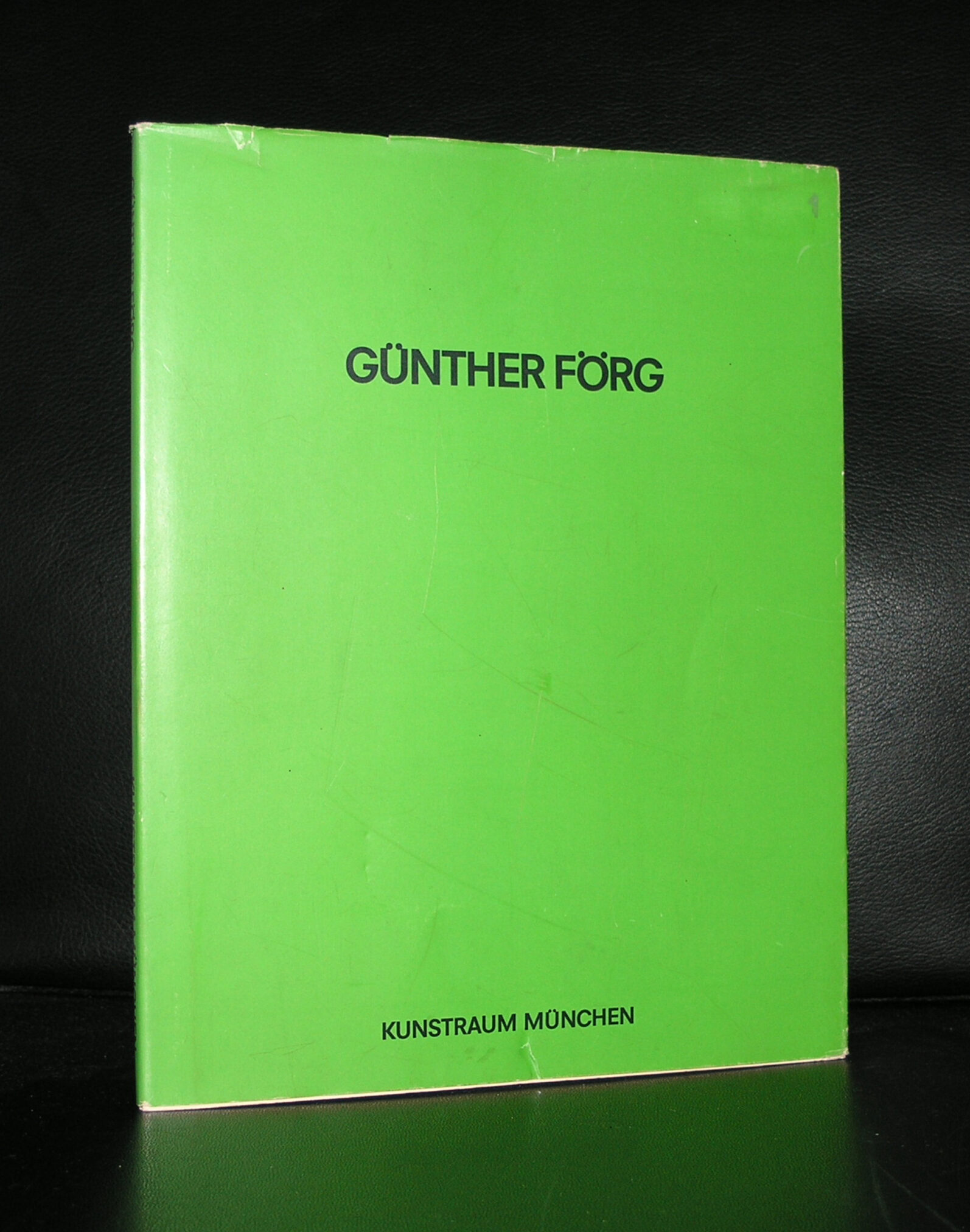
Born in 1952 in the outskirts of Allgäu, Germany, Gunther For̈g embarked upon his career in the early 1970s, as he began to study at the renowned Academy of Fine Art Munich. Throughout his education, For̈g honed a distinct pattern, grounded solely in tones of grey and black. These initial investigations into shades of gray, also known as “Gitter” paintings, marked the genesis of a life-long dedication to conceptualism. As he eloquently declared, “Grey, a void in itself: neither pure white, nor deep black. Hovering in between. Unconcerned with form. Embracing liberty.” While the artist eventually incorporated splashes of color into his monochromatic creations, his use of grey served as a neutral foundation from which he manifested his magnum opus.
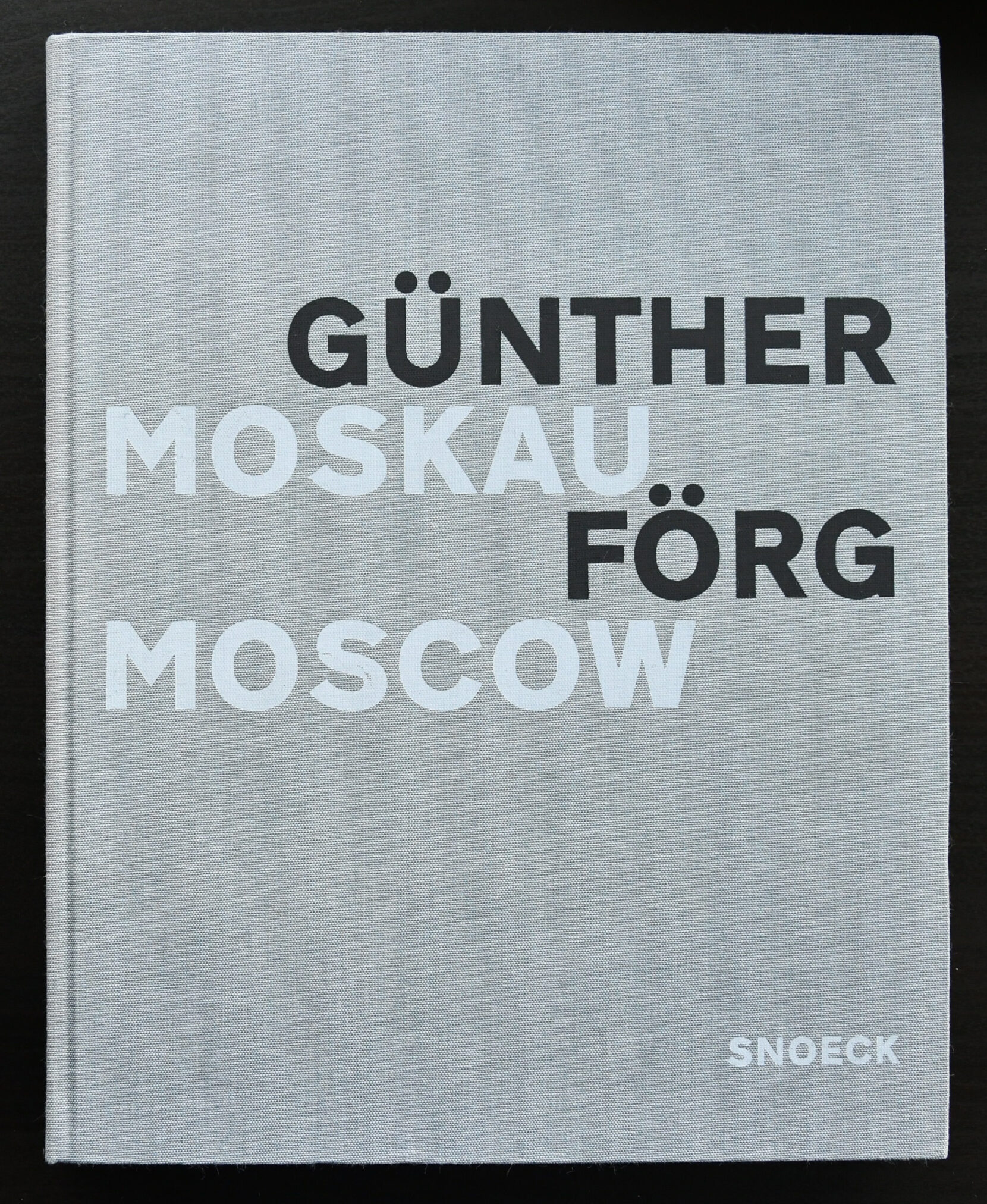
In the roaring 1980s, For̈g ventured into photography, capturing gorgeous images of architecturally significant structures, both culturally and politically, ranging from Bauhaus edifices in Tel Aviv to Fascist constructions in Italy. This diversification of medium and form influenced For̈g to forsake painting altogether, as he focused solely on photography for a period of time, as a counterpoint to traditional painting practices. In retrospect, he expressed that photography allowed him to “capture reality more intimately,” concluding that “what one portrays is not necessarily the absolute reality.” During the span of the 80s and 90s, Förg’s photographic creations garnered critical acclaim and were showcased at esteemed art institutions worldwide, such as the Kunsthalle Bern in Switzerland and The Solomon R. Guggenheim Museum in New York, NY. It was during this period that Förg embarked on an exploration of the exhibition space itself, painting over gallery walls and juxtaposing photographs against his own paintings.
Förg ventured into a new phase of experimentation in the late 80s, delving once again into the realm of painting and delving into novel materials such as wood, copper, bronze, and lead. His celebrated lead series, in which acrylic paint is applied onto sheets of lead and supported by wooden frames, blurs the boundaries between painting and sculpture, marking an evolution towards object-making. Förg’s bronze sculptural practice, also initiated in the 80s, possesses a painterly quality with indentations and marks that evoke brushstrokes, capturing a fleeting moment in time.
In his fervent pursuit of artistic experimentation, Förg turned to producing fragmented sculptures of body parts in the early 90s, describing this foray into figuration as inevitable. These new works embrace the inherent materiality of their creation; the weathered, heavy, and scratched surfaces of metal, lead, and wood hint at a duality of form and expression, geometry and spontaneity.
At the turn of the 21st century, Förg’s artistry evolutionarily diverged from the strict principles of Minimalism. Taking a fresh direction, he infused his works with a vibrant color palette and a more emotive touch, manifesting in a series of grid-like imprints and intersecting hues. Known as ‘Gitterbilder’ (grid paintings), these pieces exhibit the same uninhibited freedom and sensuality that have drawn critical comparisons to the works of Cy Twombly.
Other creations from this period feature expansive canvases of negative space, punctured by bursts of bold brushstrokes and expressive marks. Förg’s ultimate return to emotive painting signifies a sense of completion, a full-circle return to painting as a harmonious fusion of experimentation and artistic tradition. In the words of the artist himself, “I believe painting endures as a resilient practice; throughout its history, its essence remains relatively unchanged and it continues to thrive in the present. It is a timeless art form.”
www.ftnart.com has some great original Forg art available and www.ftn-books.com has many of the iconic Forg book titles available.
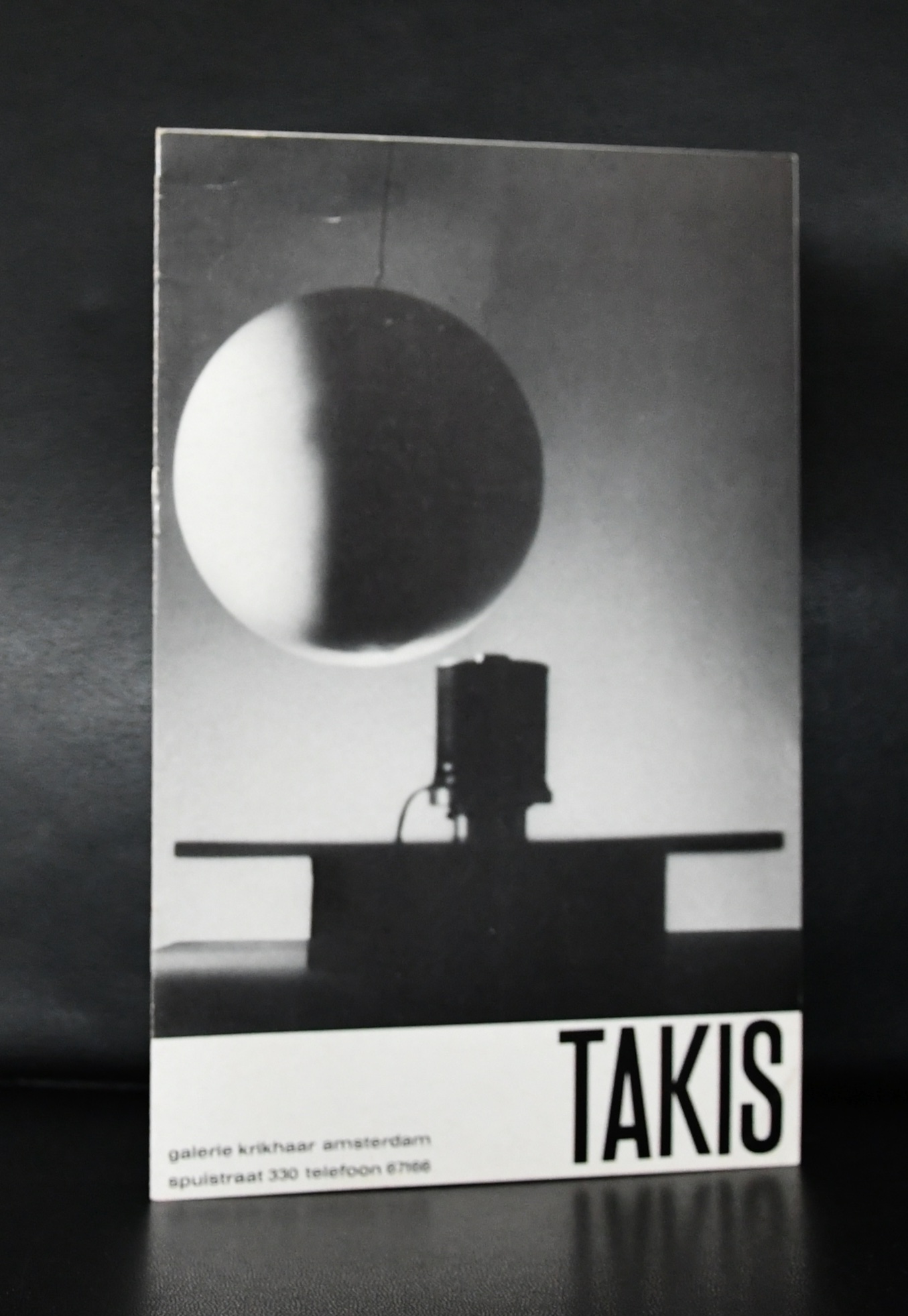
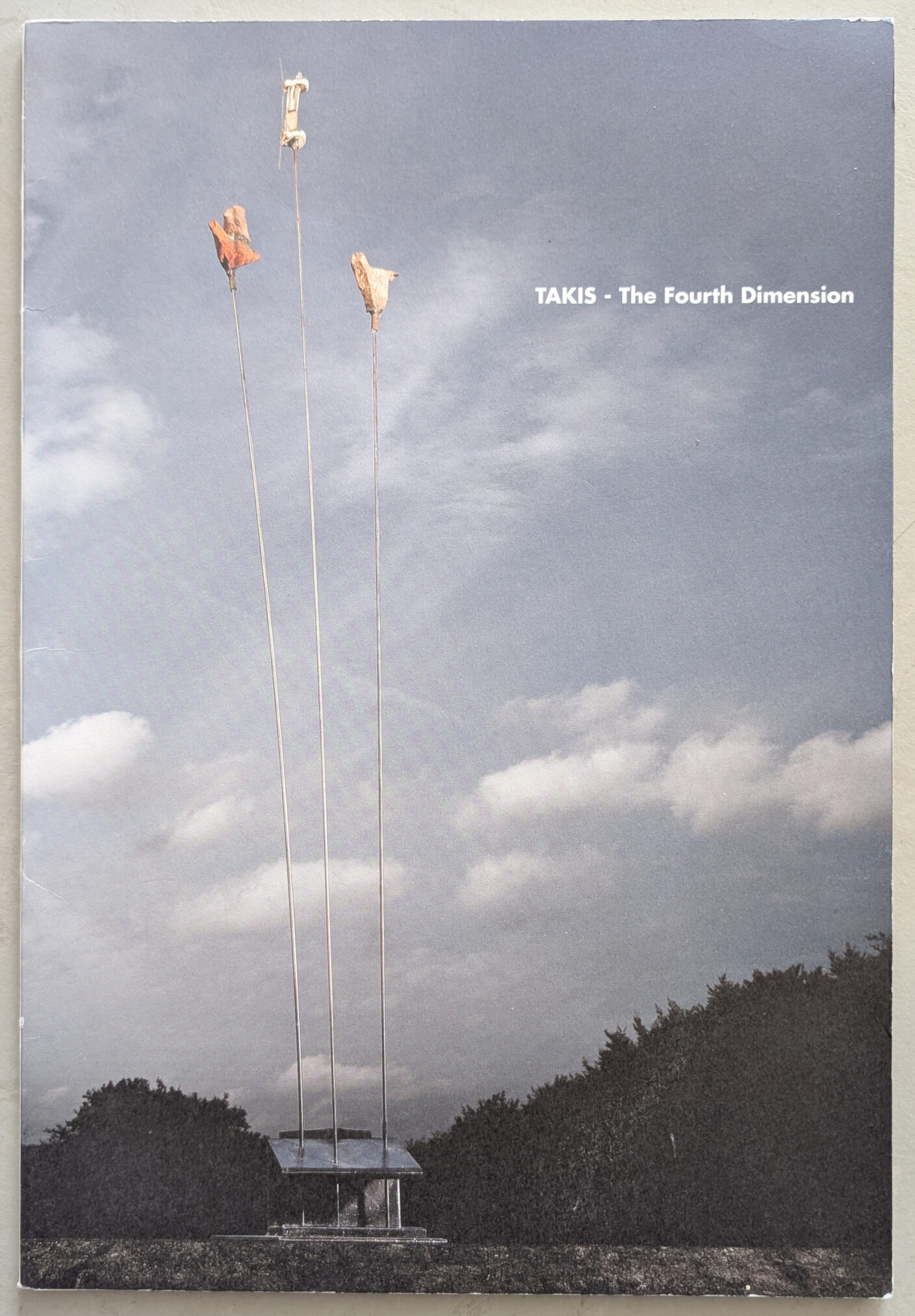
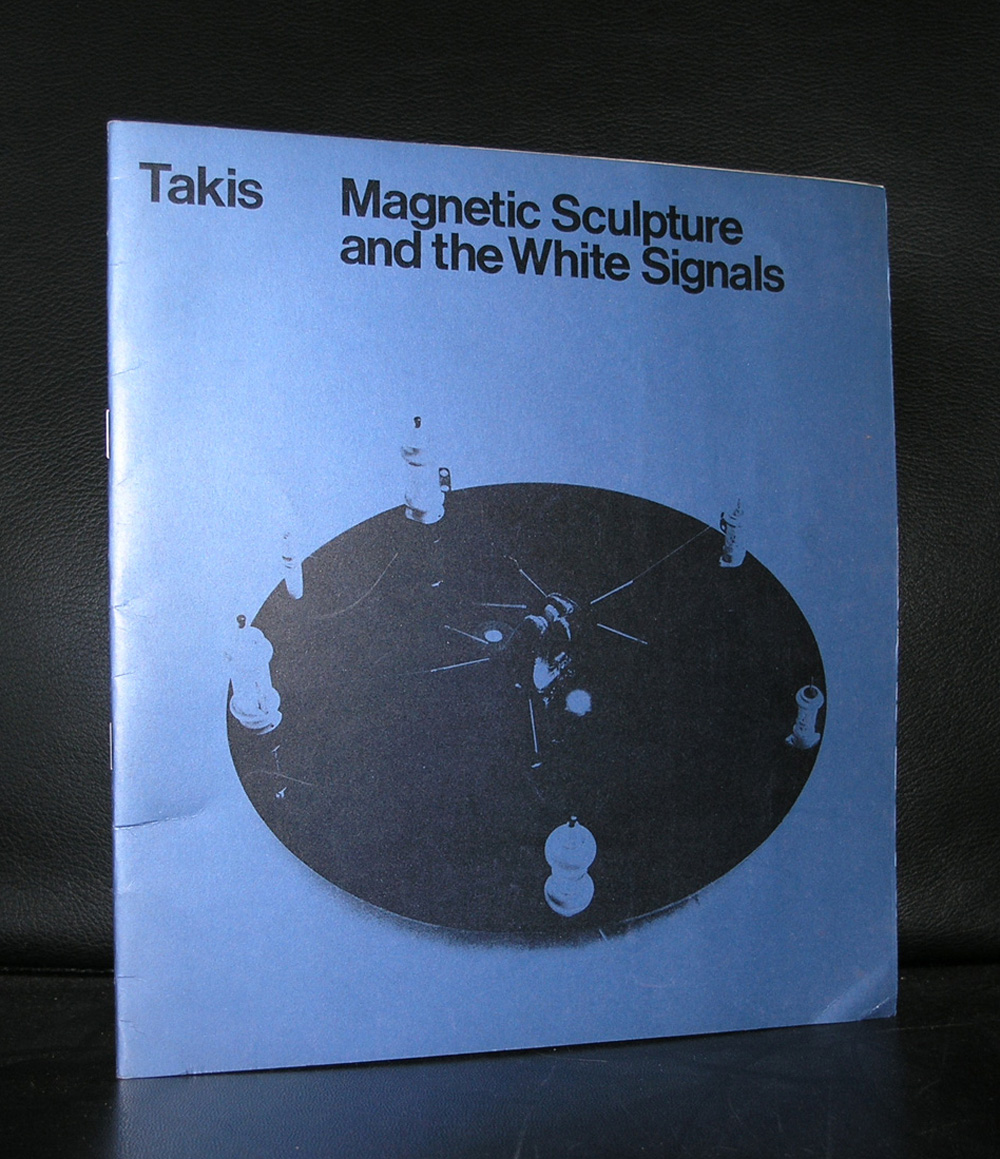
Panagiotis Vassilakis, born in Athens and known as Takis (1925-2019), spent a lifetime pushing the boundaries of art, venturing into territories once reserved for trailblazing physicists. Recognized as a prominent figure of the kinetic art movement in the 1960s, his creations ranged from sculptures and paintings to performances and sound pieces, all incorporating intangible energies as a fourth dimension – with a particular focus on magnetism, his enduring fascination.
Amidst his multitude of creations utilizing electromechanical contraptions, oftentimes procured from military surplus outlets, stands the “Signals” series – antenna-like sculptures crowned with metallic structures or luminous bulbs that sway with the slightest vibrations. Takis also crafted reliefs, paintings, and self-propelling sculptures that utilize magnets to animate metallic objects dangling near their surfaces. In another series, labeled “Musicals”, automated instruments harness electromagnets and electric guitar pickups to produce resonant sounds that the artist deemed as “raw music”.
Takis, an autodidact and self-proclaimed “instinctive scholar”, gained recognition that led to an invitation to serve as a researcher at the Massachusetts Institute of Technology in 1968. He delved into the realm of technological discoveries, ancient philosophy, and Zen Buddhism, weaving together unique and often mystical forms embodying time, space, and energy.
An active presence in Paris, London, New York, and his homeland of Greece, Takis crossed paths with renowned figures such as the Beat poets, The Beatles, and Marcel Duchamp, who famously dubbed him as “the ploughman of magnetic fields and signalman on soft railroads.” Throughout his career, Takis infused his research with a social undertone, viewing his creations as forces for peace and healing. In 1960, he initiated his own version of the Cold War space race, suspending poet Sinclair Beiles mid-air using magnets as part of a public event where the poet recited Takis’ anti-war “Magnetic Manifesto”, preceding Yuri Gagarin’s groundbreaking flight a year later. Additionally, in 1969, he co-founded the Art Workers Coalition in New York, advocating for artists’ rights and diversity in museums. Until his passing, the artist helmed the Takis K.E.T.E., founded in 1986, a research center for the arts and sciences in Athens that furthered his studies and their practical applications in improving the quality and longevity of life. Furthermore, he also delved into Solar Yoga, a unique form of yoga he developed focused on drawing energy from the sun.
Since the 1960s, Takis has participated in numerous international exhibitions, including Documenta in Kassel, Germany (1977 and 2017); the Venice Biennale (1995); and the Paris Biennale, where he was awarded first prize 1985. More recently, his oeuvre has been showcased in significant solo exhibitions at Stavros Niarchos Foundation Cultural Centre (SNFCC), Kallithea, Greece (2021); MACBA Museu d’Art Contemporani de Barcelona (2019); Tate Modern, London (2019); Palais de Tokyo, Paris (2015); and the Menil Collection, Houston (2015).
Among the esteemed institutions that hold Takis’ pieces are the Centre Pompidou, Paris; New York’s MoMA and Guggenheim Museum; Houston’s Menil Collection; London’s Tate; and the Peggy Guggenheim Collection in Venice. In 1987, Takis completed his Foret Lumineuse (Luminous Forest), a multi-part installation of ‘Signals’ in the Esplanade de La Défense, Paris, making it the city’s largest public art commission.
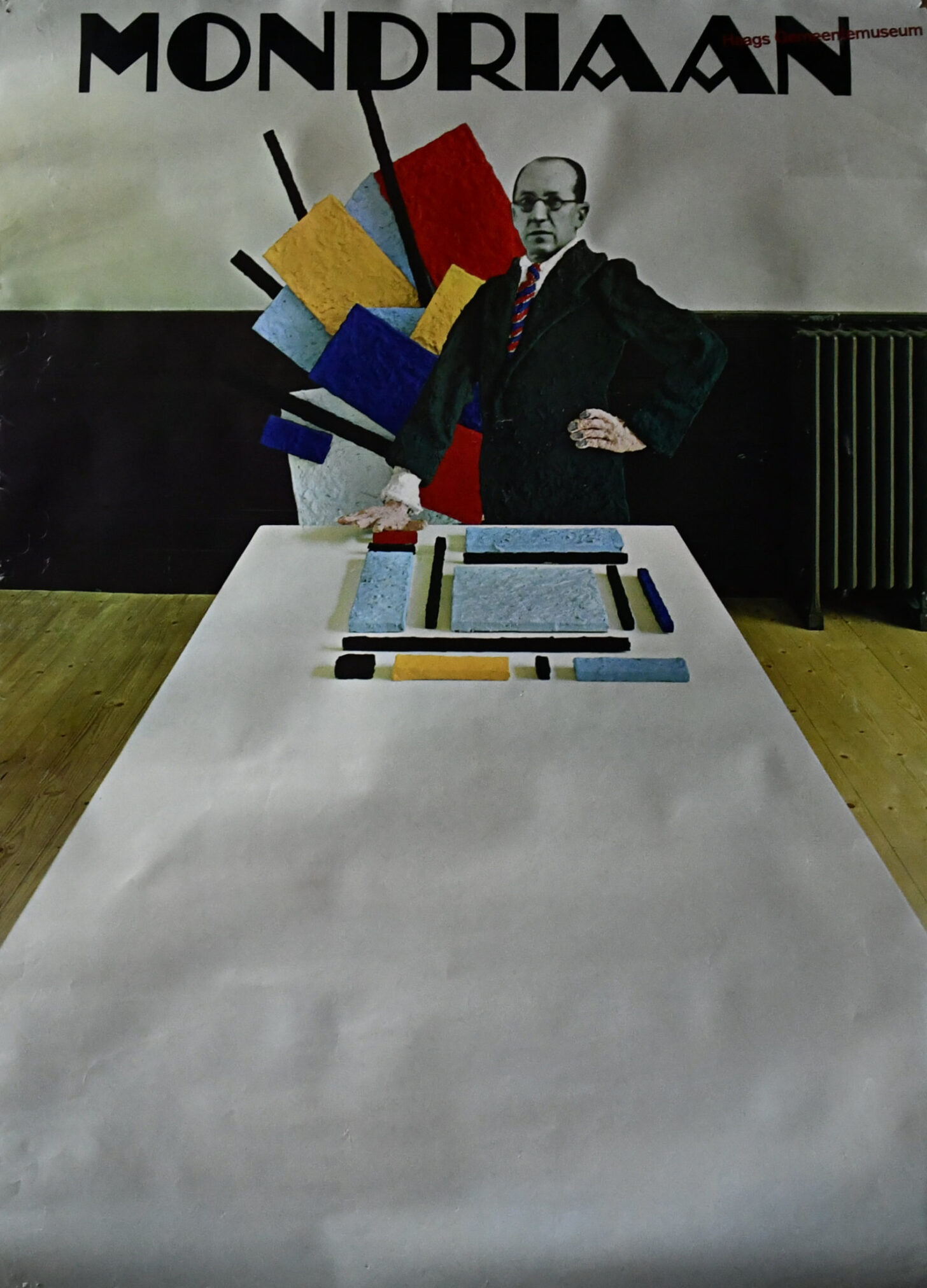
This is the result when the copyright expires after 70 years from the artist’s death in the Netherlands. The concept of justice in this scenario is questionable to me. While it allows publishers to offer more affordable books on the artist, it also opens the door for the production of less serious and informative works without the artist’s consent.
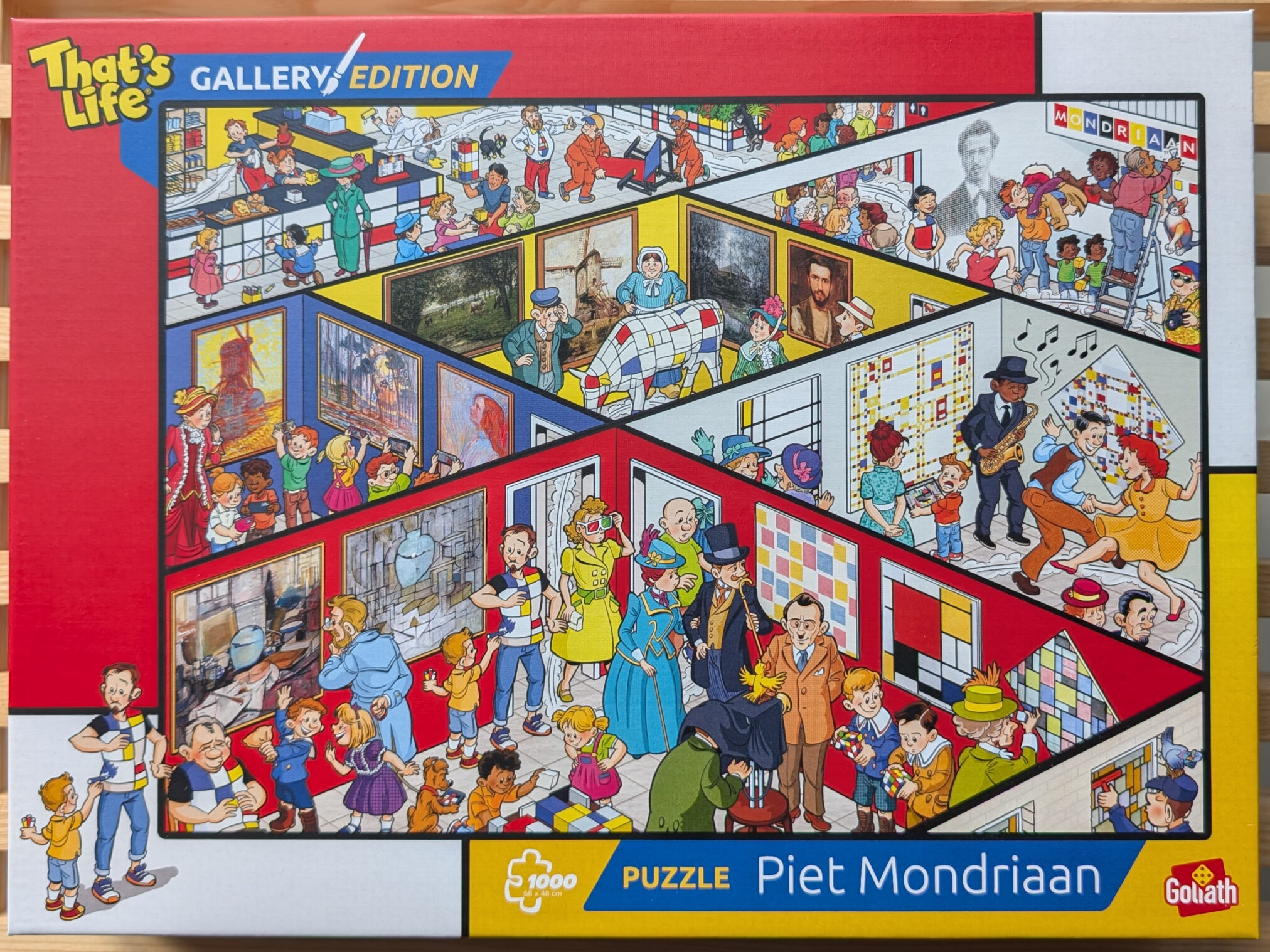
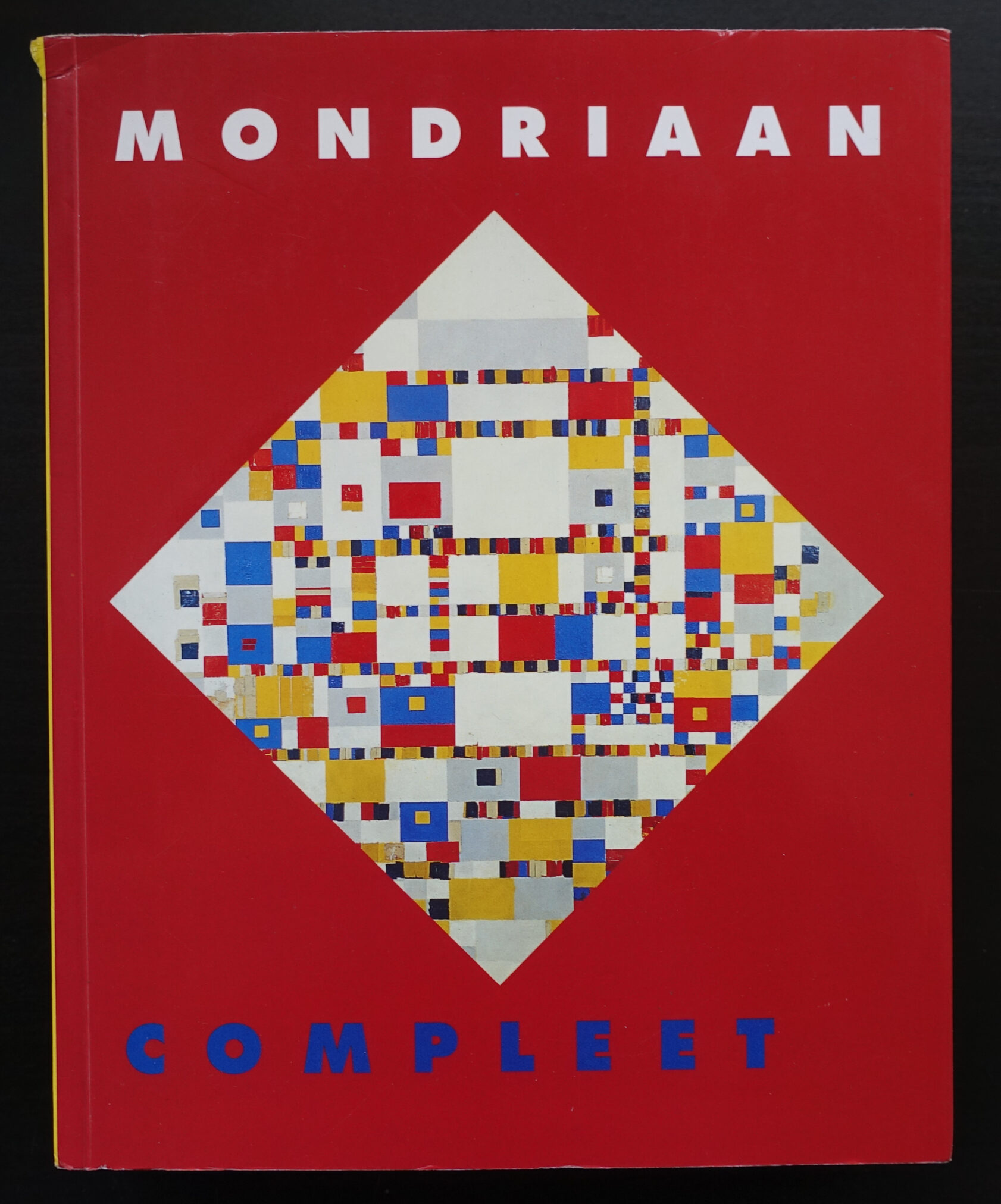
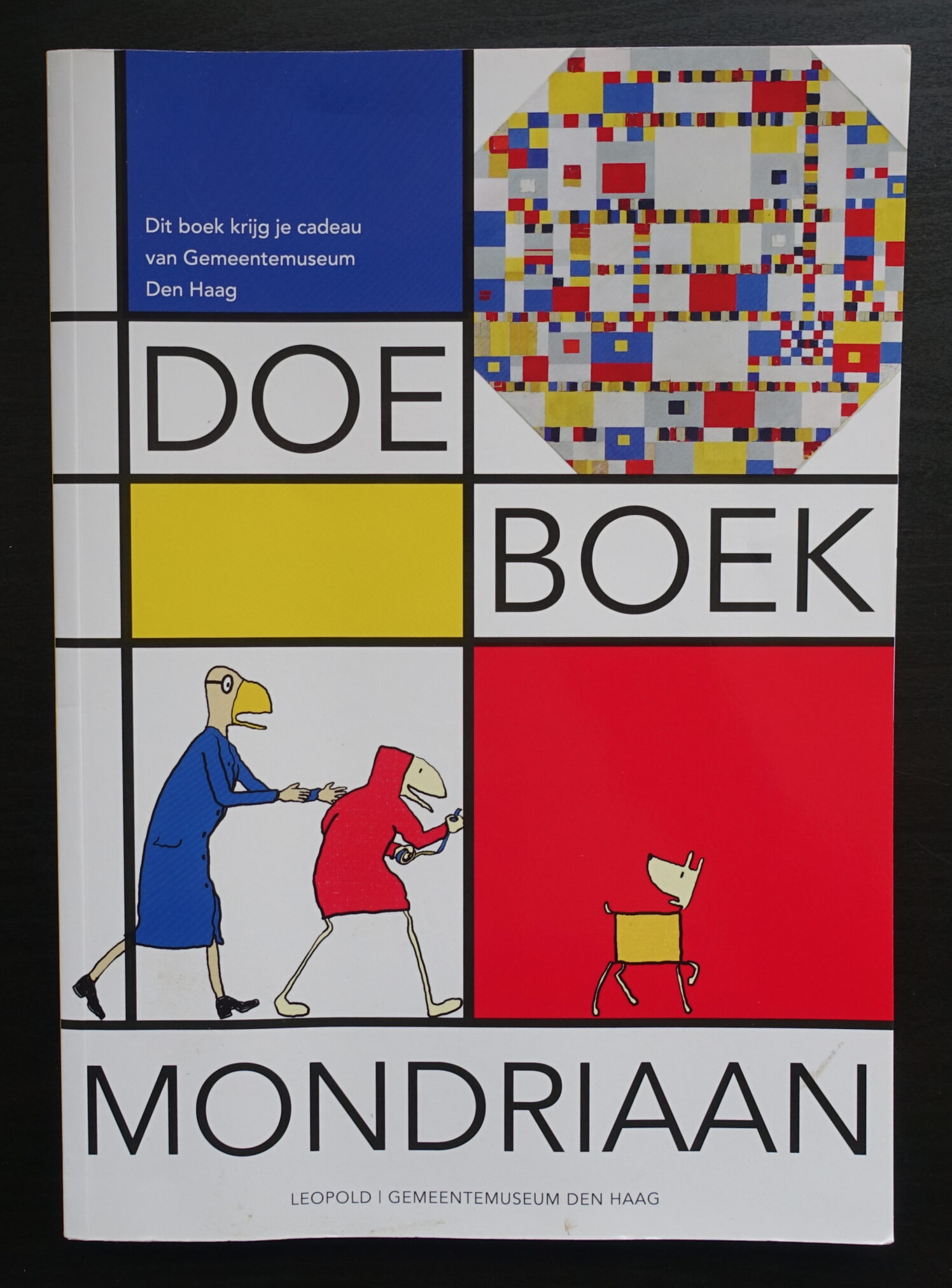
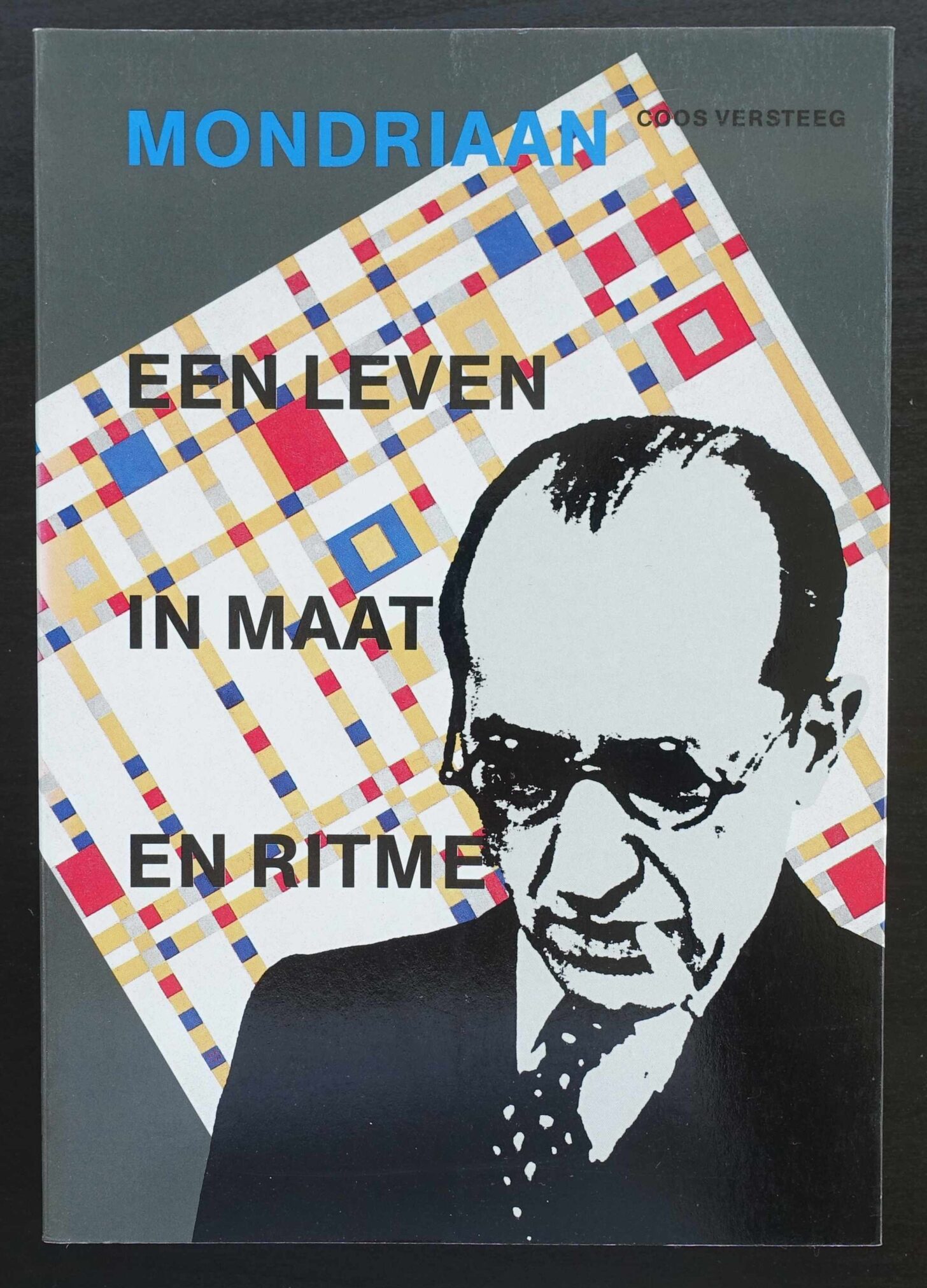
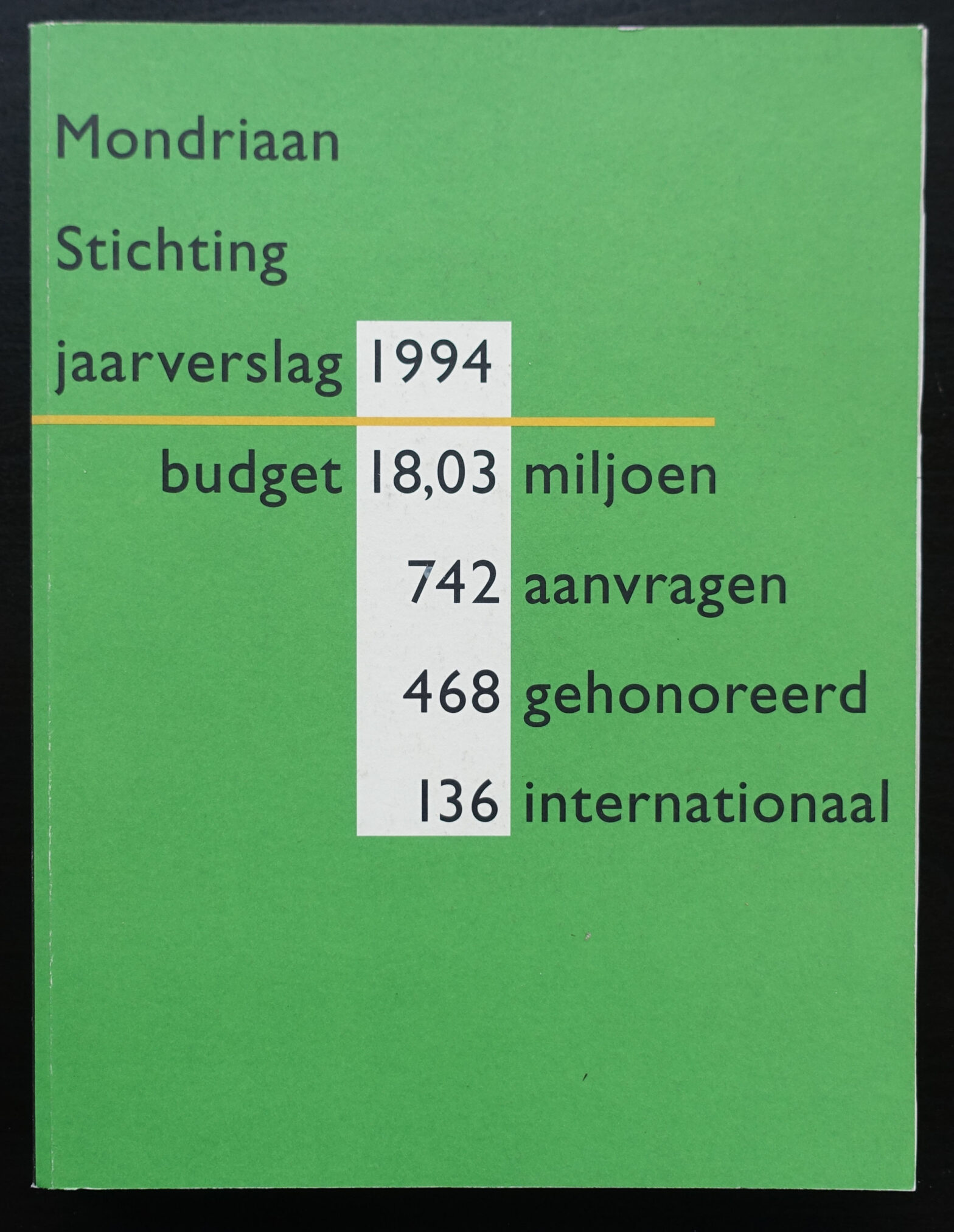
of course www.ftn-books.com has a lot of publications on Piet Mondriaan available.
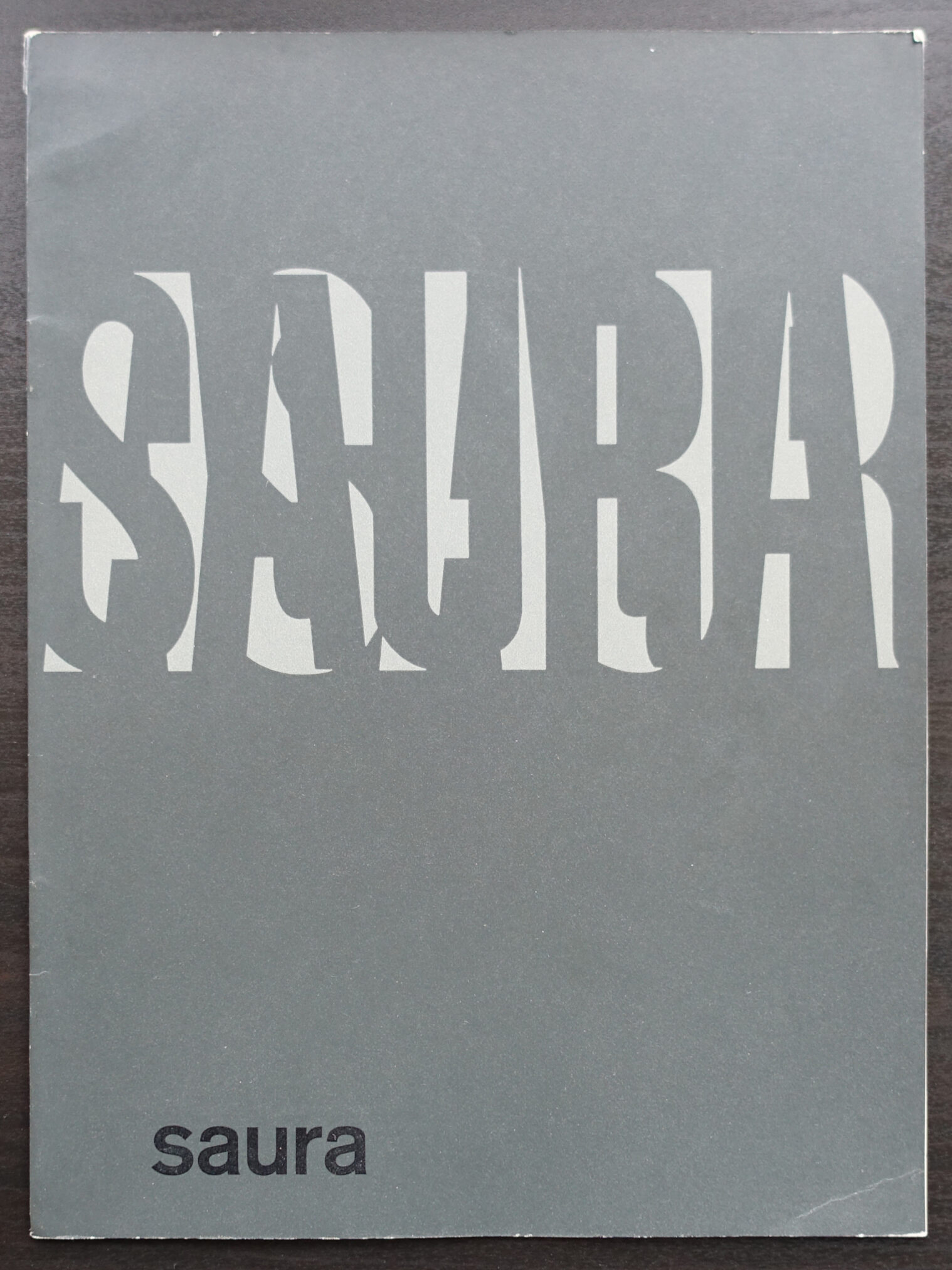
I was curious what AI would think of Wim Crouwel and the importance of his designs and asked Perplexity what he thought about the Crouwel / SAURA catalog. here is the answer….. and i was really impressed by it:
What makes Crouwel’s 1960s catalog “Saura” so rare and sought-after
Wim Crouwel’s 1960s catalog “Saura” is rare and sought-after for several reasons:
It is an extremely rare exhibition catalogue from 1963 with very few copies known to exist, making it a collector’s item.
The design itself is unique and innovative, using the word “SAURA” twice with creative superimposition and crisp modernist typography, showcasing Crouwel’s signature grid and modular style.
The catalog represents a significant moment in Crouwel’s career during which he was merging modernism, technology, and interdisciplinary design—reflecting an experimental approach that was ahead of its time.
It is closely associated with major art institutions like the Van Abbemuseum, marking Crouwel’s influence on museum exhibition book design.
The catalog and related works reveal Crouwel’s mindset and inspirations, from science and technology to abstract art, making it historically important within graphic design culture.
Its scarcity, artistic innovation, and place in Crouwel’s legacy contribute to its high desirability among collectors and design enthusiasts.
In short, its rarity combined with its status as a landmark example of mid-century modern graphic design by an iconic designer is what makes “Saura” so coveted.
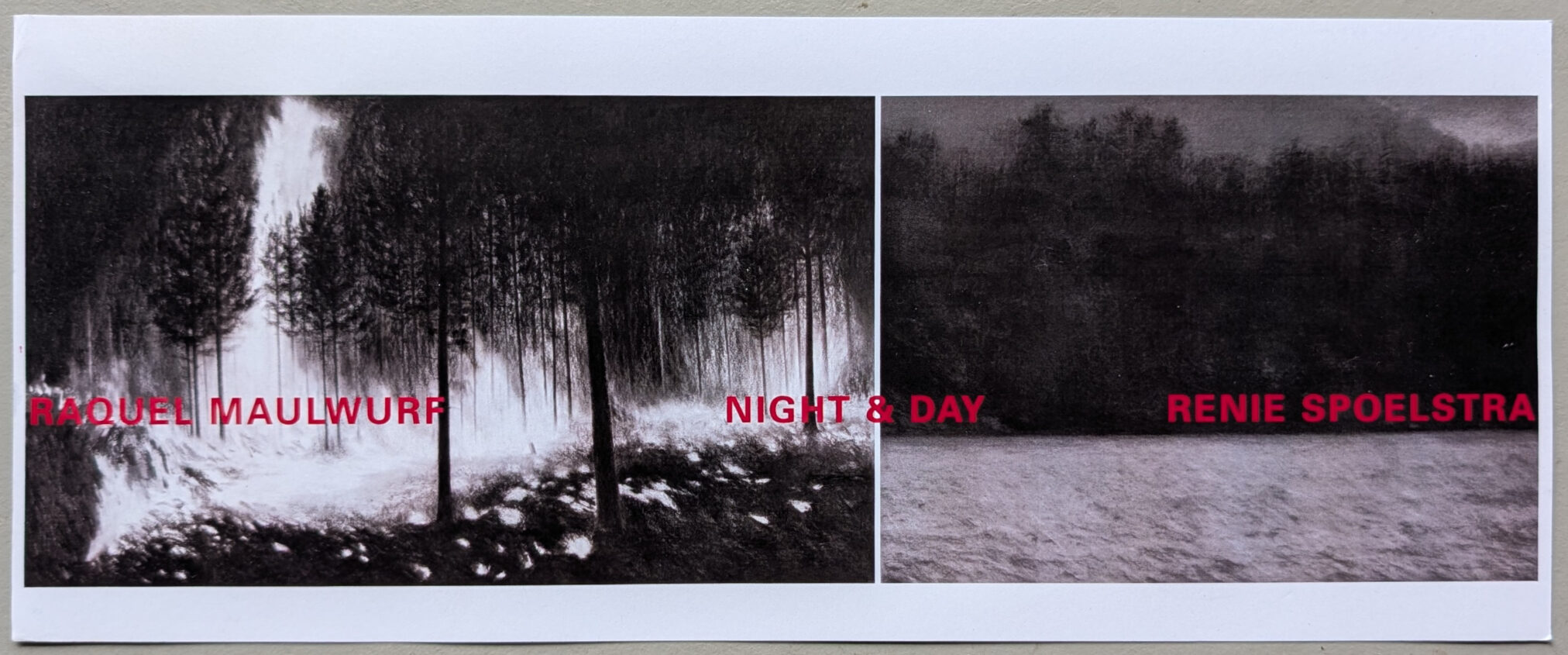
To achieve smooth surfaces, she utilizes black rectangular sponges. For strokes and variations in texture, she employs an American goose feather. In a plastic container, there is pure powdered charcoal that she applies with a ball of cotton, “to imbue shadows too intricate to be sketched.”
The process involves carefully building up layers, until a soft and velvety texture is achieved, drawing the viewer in.
At the end of each day, the artist is covered in charcoal. In her creations, no blank spaces remain untouched. “Even if I wanted to, the paper inevitably becomes smudged with everything. Ultimately, I find myself removing elements I initially included. I always begin with the absence of light, but the true essence of the drawing takes shape through erasure.”
www.ftn-books.com has the Nederlandsche Bank invitation for the exhibition which was held together with Raquel Maulwurf , now available.
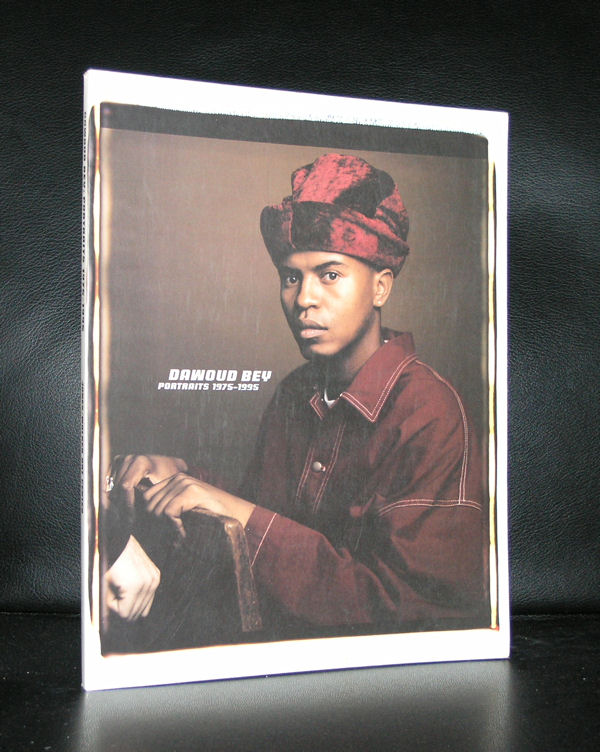
Groundbreaking American artist and MacArthur Fellow Dawoud Bey examines the Black past and present. His photographs and film installations engage the oft disappeared histories of the Black presence in America. Bey began his career as a photographer in 1975 with a series of photographs, “Harlem, U.S.A,,” that were exhibited to critical acclaim in his first one-person exhibition at the Studio Museum in Harlem in 1979. His work has since been the subject of numerous major museum and gallery exhibitions throughout the United States and Europe, with works held in numerous public collections.
Recent solo museum exhibitions include Street Portraits at the Denver Art Museum (November 2024), the first standalone museum show dedicated to this iconic series. Elegy (2023–2024), an exhibition of the artist’s history-based photographs and film works, debuted at the Virginia Museum of Fine Arts and will travel to the New Orleans Museum of Art later this year. Dawoud Bey: An American Project (2020–2022), organized by the San Francisco Museum of Modern Art and the Whitney Museum of American Art, toured to the High Museum of Art and the Museum of Fine Arts, Houston. Additionally, his work was featured in the two-person exhibition Dawoud Bey and Carrie Mae Weems: In Dialogue, organized by the Grand Rapids Art Museum, which traveled to the Seattle Art Museum, Tampa Museum of Art, and The Getty Center.
Bey’s conceptual and material evolution is, in part, a desire to find other ways of making his work within the context of his community and museum-based projects. Bey has pioneered programs that redefine how artists engage with institutions, while striving to make those spaces more accessible to the communities they serve. Class Pictures (2002-2006) expands upon a series of portraits the artist first created during a residency in 1992 at the Addison Gallery of American Art at Phillips Andover. In this series Bey collaborated with young people and institutions throughout the United States. These striking, large-scale color portraits of students depict teenagers from a range of economic, social, and ethnic backgrounds, creating a diverse collection of portraits of a generation that challenge teenage stereotypes.
Bey’s journey of growth and transformation encompasses both conceptual and tangible aspects, driven by his desire to explore alternative methods of creating within his community and museum-based endeavors. With his pioneering efforts, Bey has redefined the relationship between artists and institutions, striving to make these spaces more accessible to the diverse communities they serve. One of his notable accomplishments is the Class Pictures series (2002-2006), which builds upon a previous project of portraits created during his residency in 1992 at the Addison Gallery of American Art at Phillips Andover. In this series, Bey collaborated with young individuals and various institutions across the United States, resulting in striking and large-scale color portraits that depict teenagers from a wide range of economic, social, and ethnic backgrounds. These portraits challenge traditional stereotypes of teenagers, creating a diverse and captivating collection capturing the essence of a generation.
In a thought-provoking statement, David Hammons once remarked, “outrageously magical things happen when you mess around with a symbol.” For the last half a century, Hammons has been busy creating a vocabulary of symbols based on everyday life, and tinkering with them through the medium of prints, drawings, performances, videos, sculptures made from found objects, and paintings. The results of his explorations have been nothing short of astounding, and each one has possessed a unique kind of enchantment, achieved through the metamorphosis of commonplace objects into allegories depicting the outsider’s experience in today’s world, be it an artist, a foreigner, a madman, or most persistently, a person of color.
Born in 1943 in Springfield, Illinois, Hammons moved to Los Angeles in 1963 to pursue an education in art. He attended Los Angeles City College and the Los Angeles Trade and Technical College before enrolling in night classes at Otis Art Institute, under the guidance of renowned realist artist and activist, Charles White. Even though he completed his art education at Chouinard Art Institute in 1968, Hammons always held a deep admiration for White’s work and the way he approached his art.
While he did not choose to work in a conventional realistic style, Hammons translated White’s socially conscious, hand-drawn realism into a contemporary form of realism, using found objects and materials. Starting from the late 1960s, he began incorporating his own body into his artwork, greasing it, pressing it onto paper, and sprinkling it with pigment and graphite to create what he called “Body Prints.” These figures resembled X-rays and were adorned with intricate details of skin, hair, clothing, and body parts achieved through the process of one-to-one transfer.
Upon his relocation to New York in 1974, Hammons embarked on a lifelong journey of crafting sculptures from the rich remnants of urban African American life. These included hair collected from barbershop floors, chicken bones, bottle caps, and empty liquor bottles. His public installations, like Higher Goals (1983; 1986) – a collection of towering basketball hoops adorned with metal bottle caps cleverly shaped to resemble cowrie shells, and In the Hood (1993) – a small sculpture made from a hood cut from a used sweatshirt and mounted on the wall like an African mask, have become iconic pieces of American Conceptual art. However, beyond their artistic value, they serve as poignant critiques of the stereotypes and struggles associated with growing up as an African American in the United States. These range from the often unattainable dream of becoming a sports hero, to the constant threat faced when simply wearing everyday attire perceived as threatening.
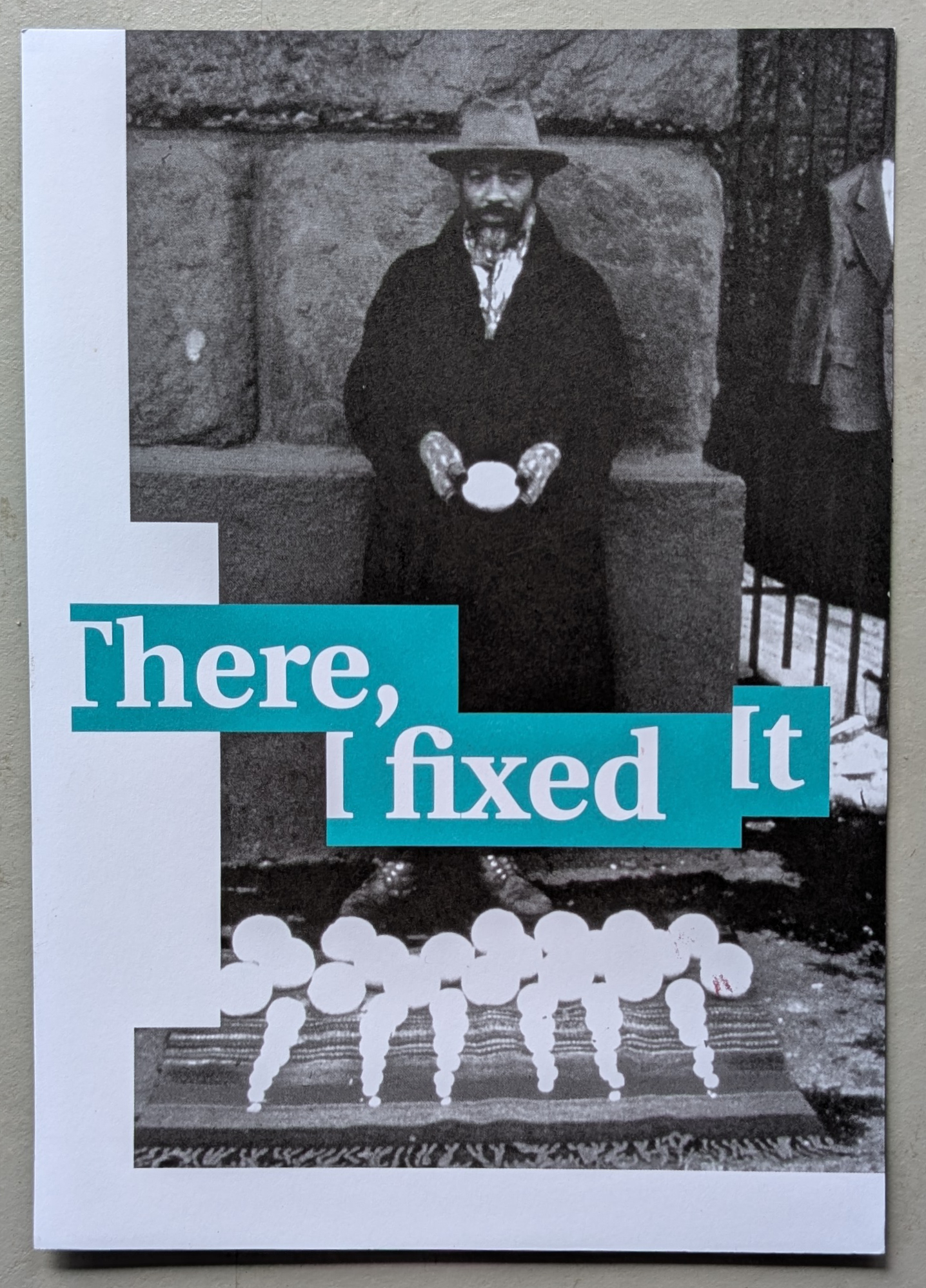
From his groundbreaking act of selling snowballs of various sizes on a New York City sidewalk in Bliz-aard Ball Sale (1983), to his recent paintings, where the surface is concealed by tarpaulins, burlap, or old furniture, such as Untitled, Hammons’ work has sparked an ongoing discourse surrounding the role of the artist and the significance of art outside the luxurious confines of a museum or gallery. Resistant to exhibiting his own work, Hammons maintains his position as a cultural outlier, while continuously creating pieces that solidify his status as one of the most relevant and influential contemporary American artists.
www.ftn-books.com has the THRE , I FIXED IT invitation noe available. The photograph is made by Dawoud Bey
Artist/ Author: Oliver Boberg
Title : Memorial
Publisher: Oliver Boberg
Measurements: Frame measures 51 x 42 cm. original C print is 35 x 25 cm.
Condition: mint
signed by Oliver Boberg in pen and numbered 14/20 from an edition of 20