

The 1980s heralded a seismic metamorphosis within the Rotterdam skyline, a decade where the vernacular of architecture pivoted away from the communal intimacy of human-centric planning. In its stead, a pristine, almost clinical fascination with austere geometry and vitreous surfaces took root, mirroring a city shedding its industrial skin. This aesthetic shift found its visual chroniclers in a vanguard of lensmen—Jannes Linders, Hans Werlemann, Sybold Voeten, Ger van der Vlugt, Kim Zwarts, and the enigmatic Piet Rook.
Rook, navigating the métier as an autodidact, captured this volatile epoch with a singular, unyielding vision. His frames functioned like an obsidian mirror, reflecting the stark, skeletal bones of buildings stripped of their atmospheric warmth. With skies rendered in ominous, brooding gradients and compositions that favored the rigid pulse of geometry over organic vitality, his imagery became a lightning rod for architectural dissonance. To his contemporaries, Rook’s desolate landscapes appeared alien, perhaps even sterilized; his silence was a rebuke to the bustling human narrative that had previously defined the urban discourse.
As a favored visual strategist for institutional titans such as Carel Weeber, Jan Hoogstad, and the inventive minds at Mecanoo, Rook’s portfolio transcended mere documentation. It stands today as a haunting cartography of a city in the throes of radical rebirth. These images are not merely archival artifacts; they are the petrified echoes of a metropolis accelerating toward a future of crystalline ambiguity, capturing the exact pulse where Rotterdam ceased to be a place to live and began its transformation into a monument of abstract intent.
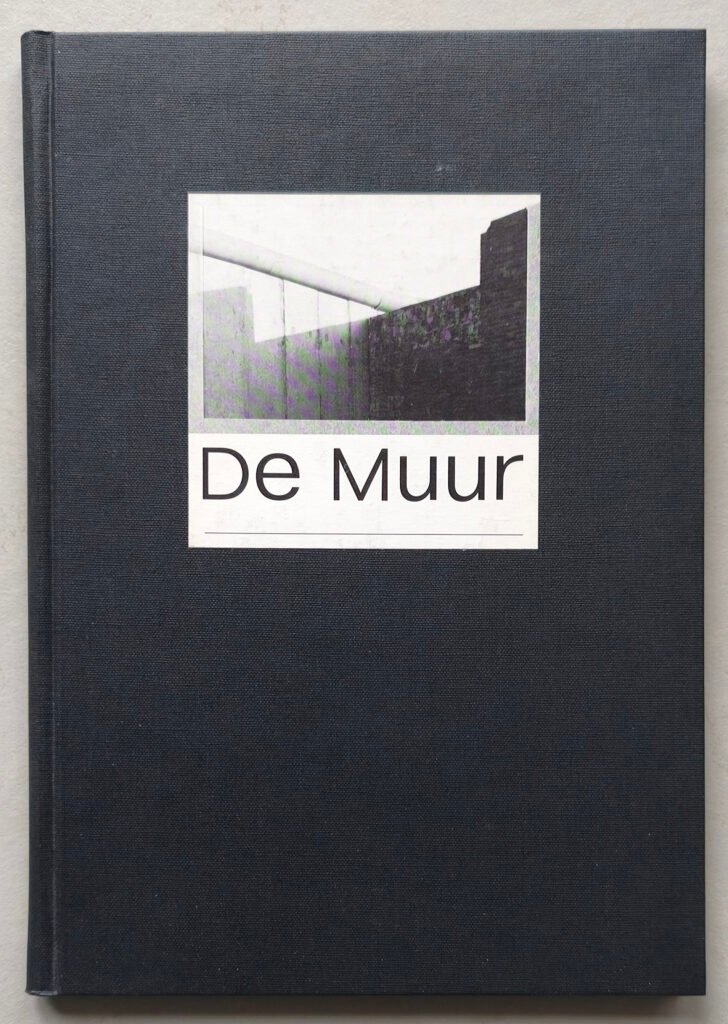
www.ftn-books.com recently added the limited edition of DE MUUR to its inventory.