

The Quiet Case for Collecting Art Invitations
Walk into any serious ephemera collector’s home and you’ll eventually find a shoebox, a flat file, or a slim archival portfolio filled with printed invitations to gallery openings and museum exhibitions. To the uninitiated, these look like the kind of thing you’d toss without a second thought — a folded cardstock announcement that did its job the moment the date passed. But to a growing number of collectors, art historians, and archivists, printed exhibition invitations are among the most undervalued categories of collectible ephemera in the art world.
What Exactly Is an “Art Invitation”?
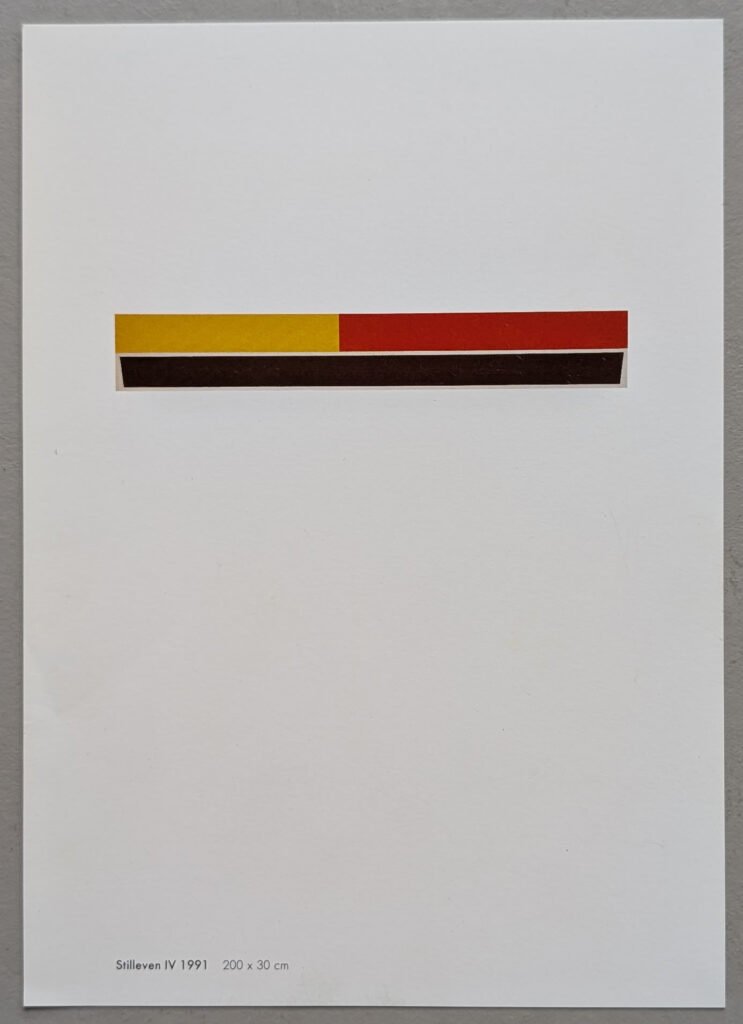
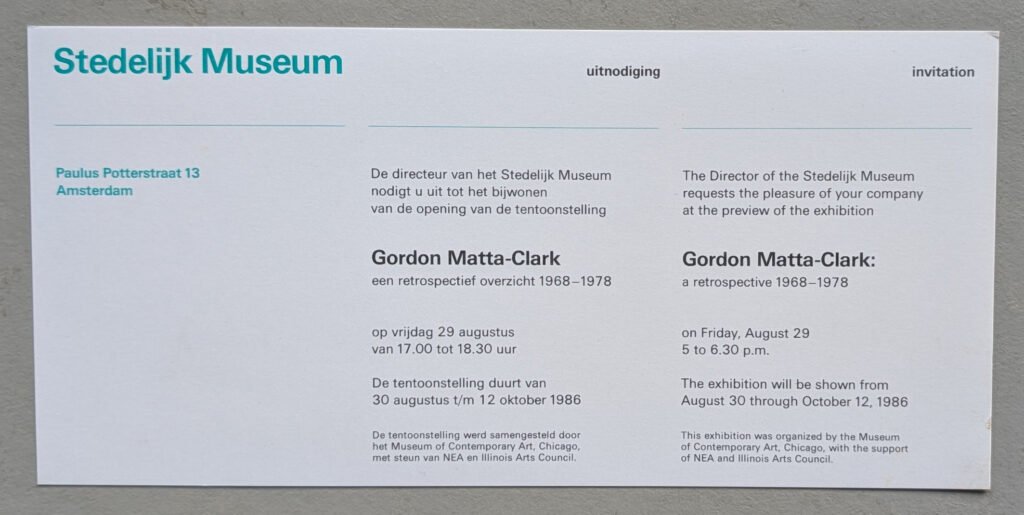
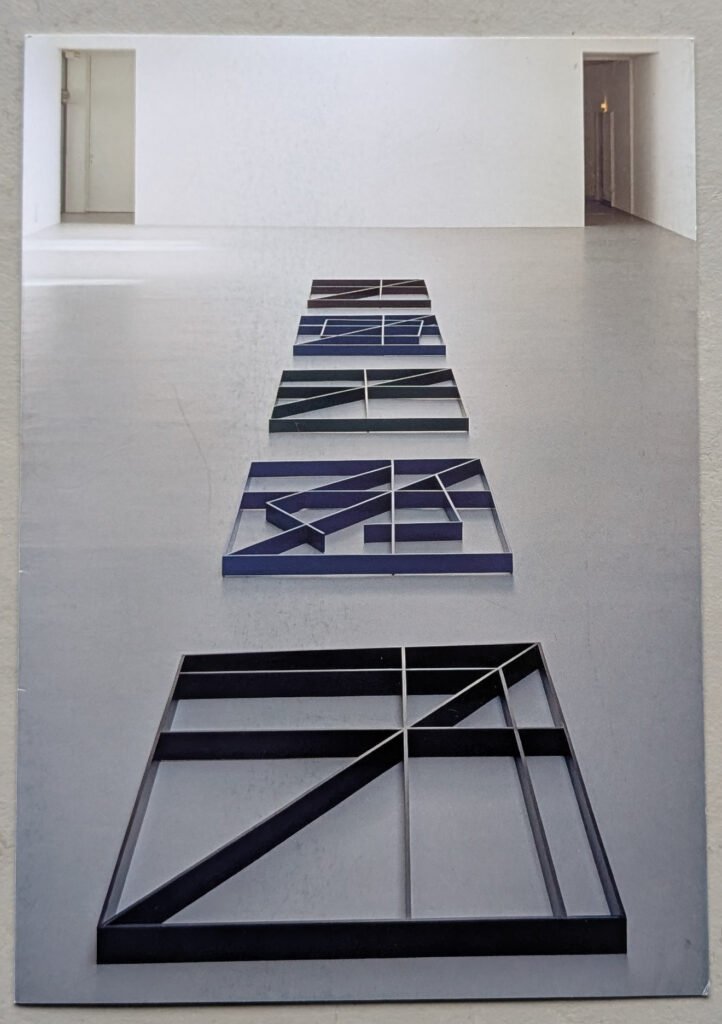
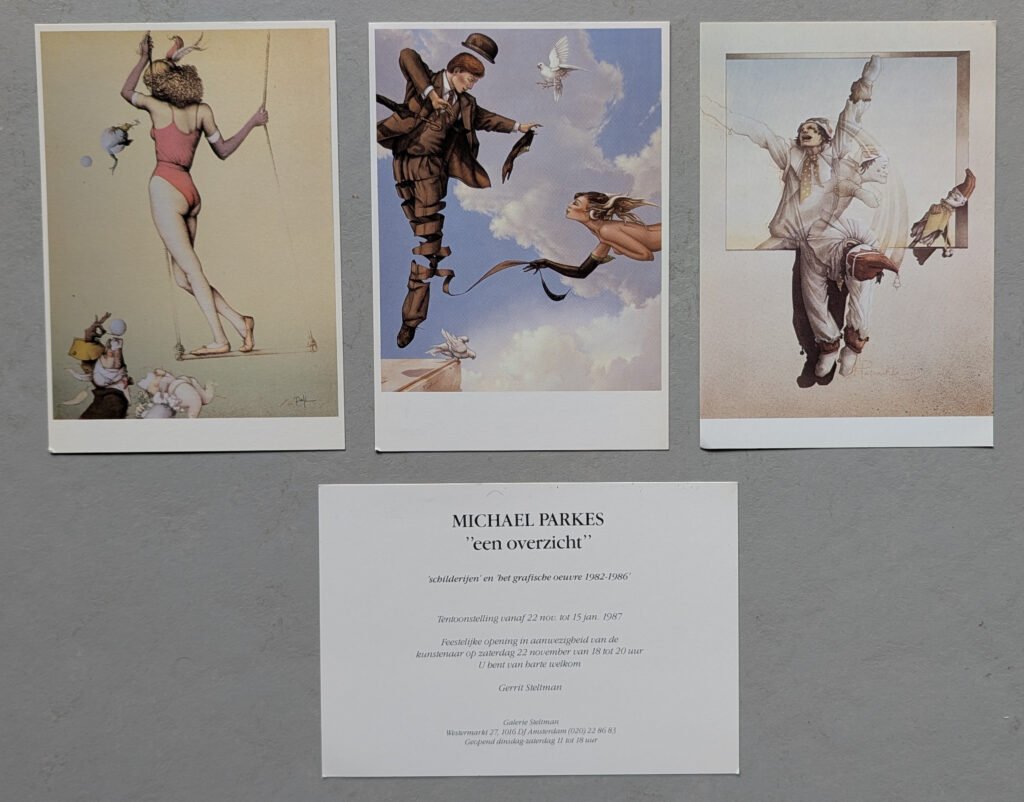
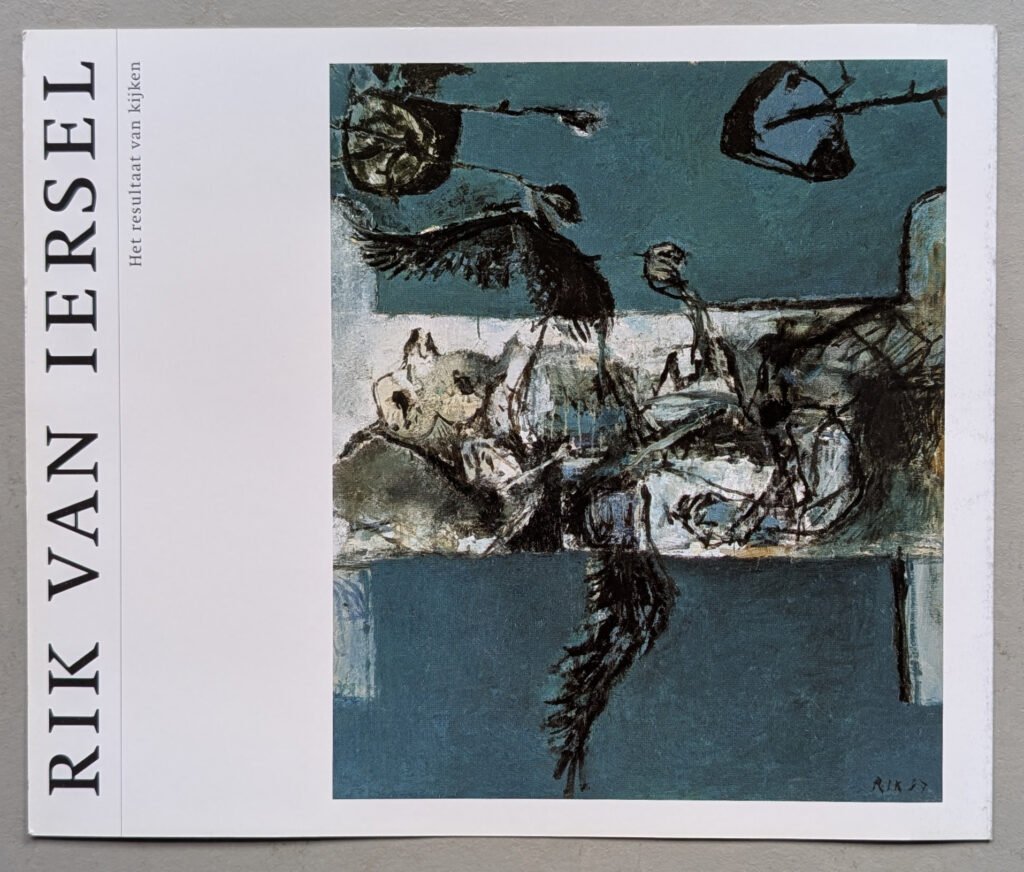
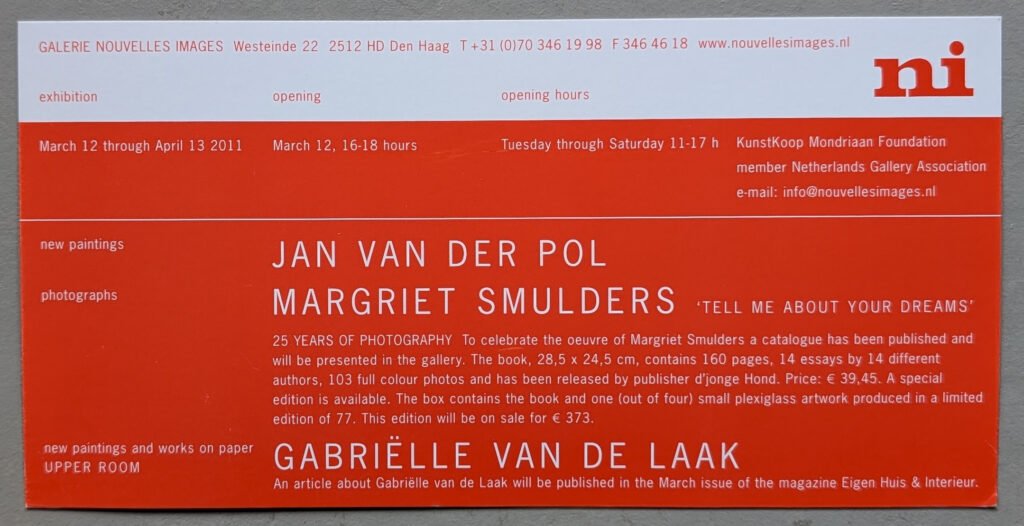
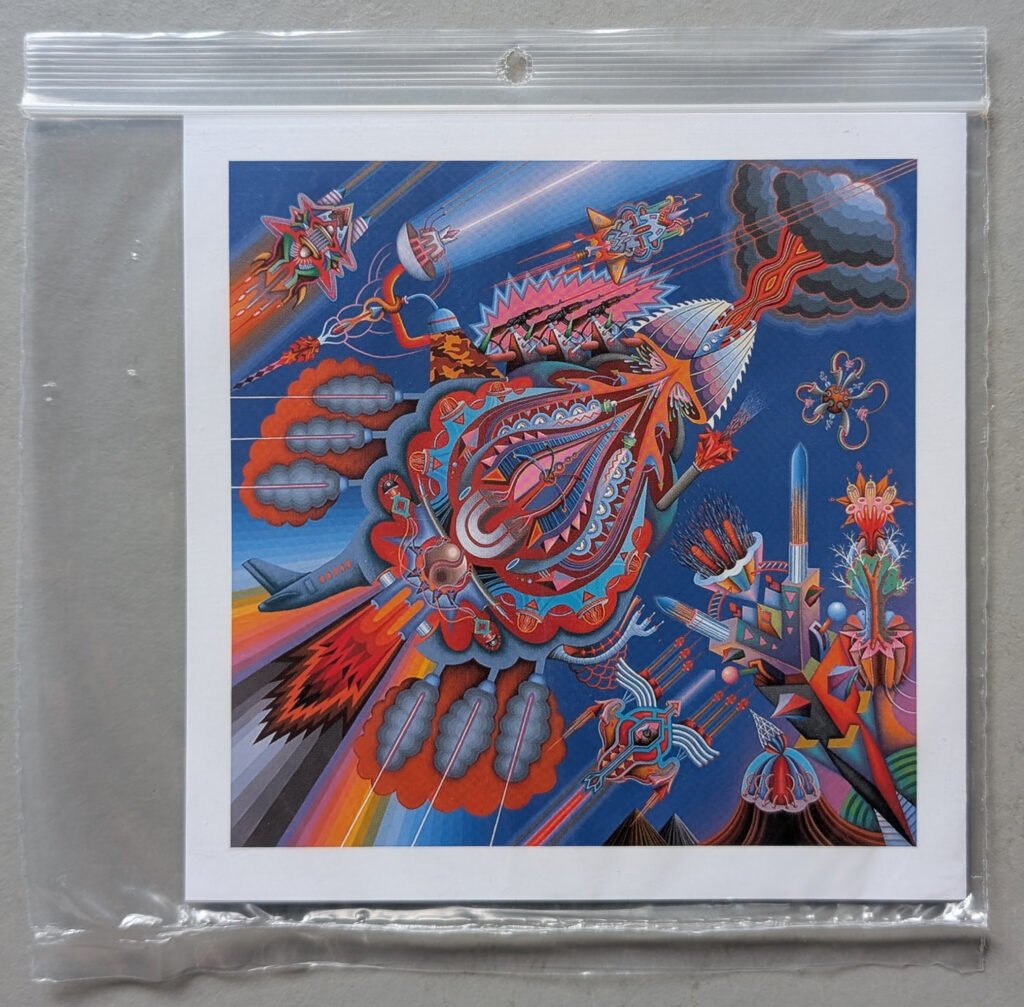
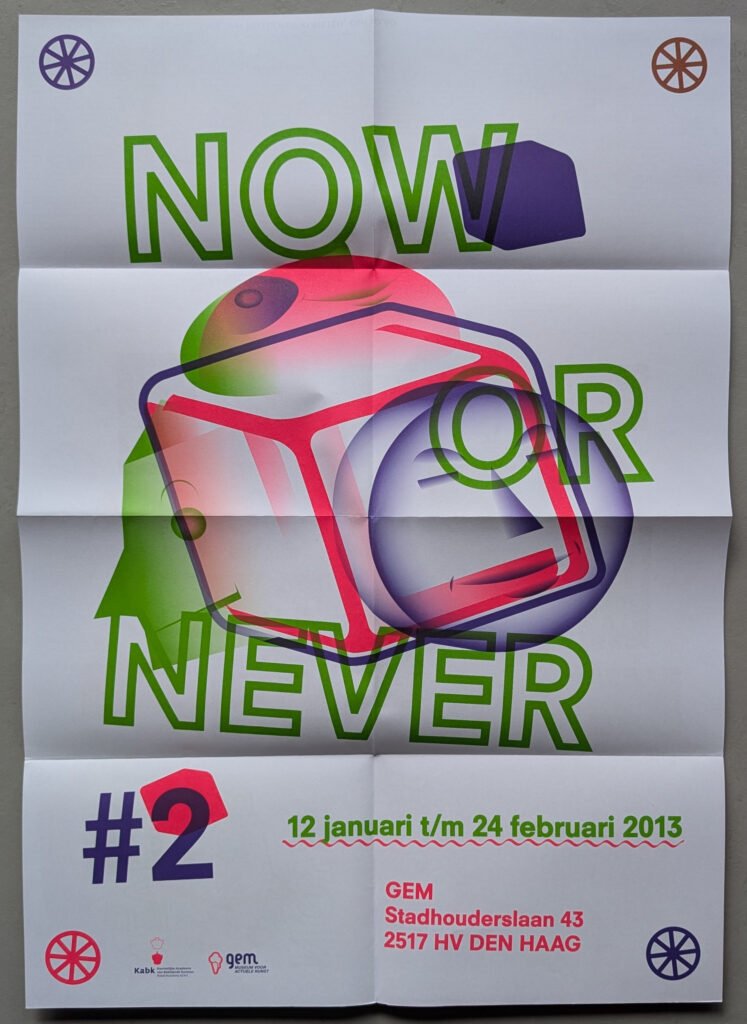
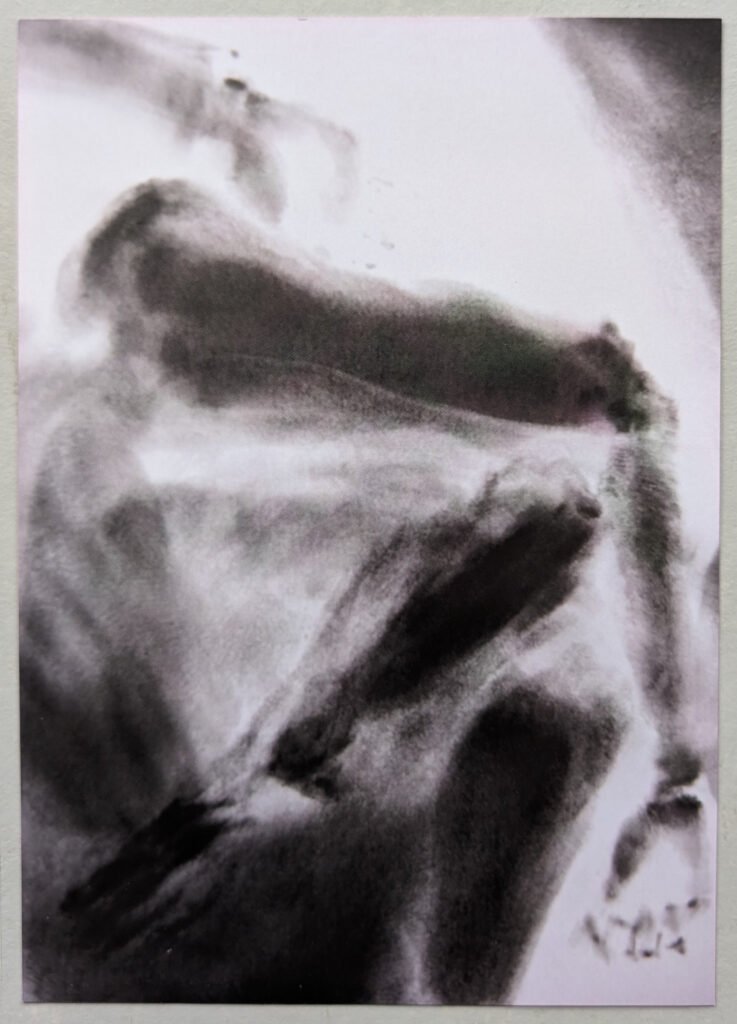
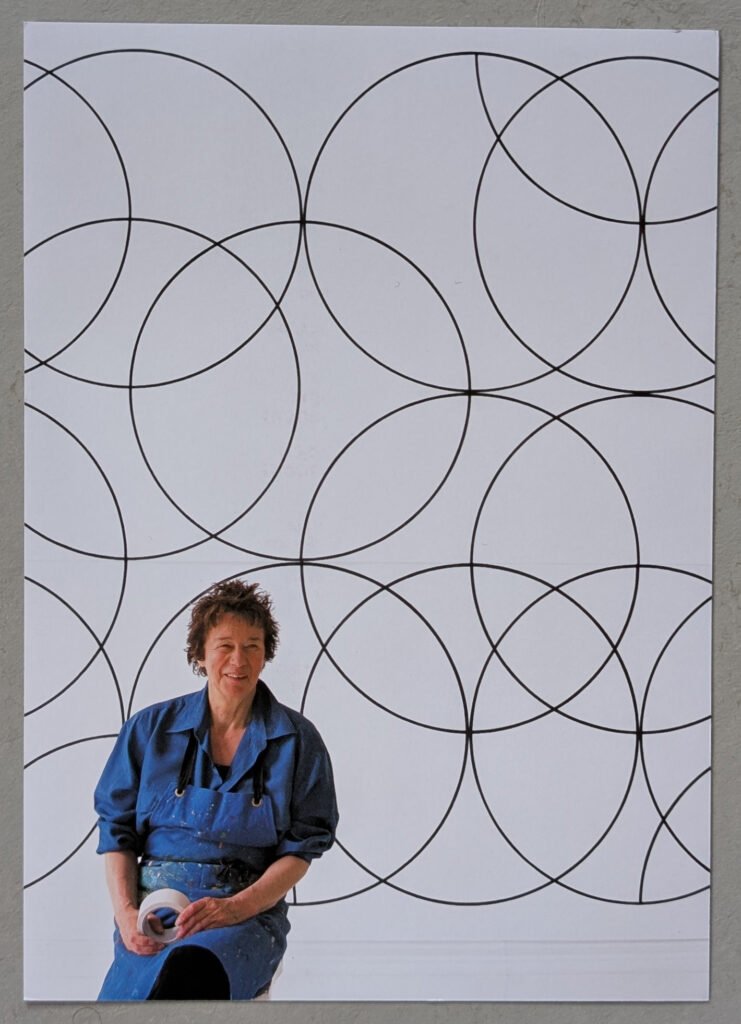
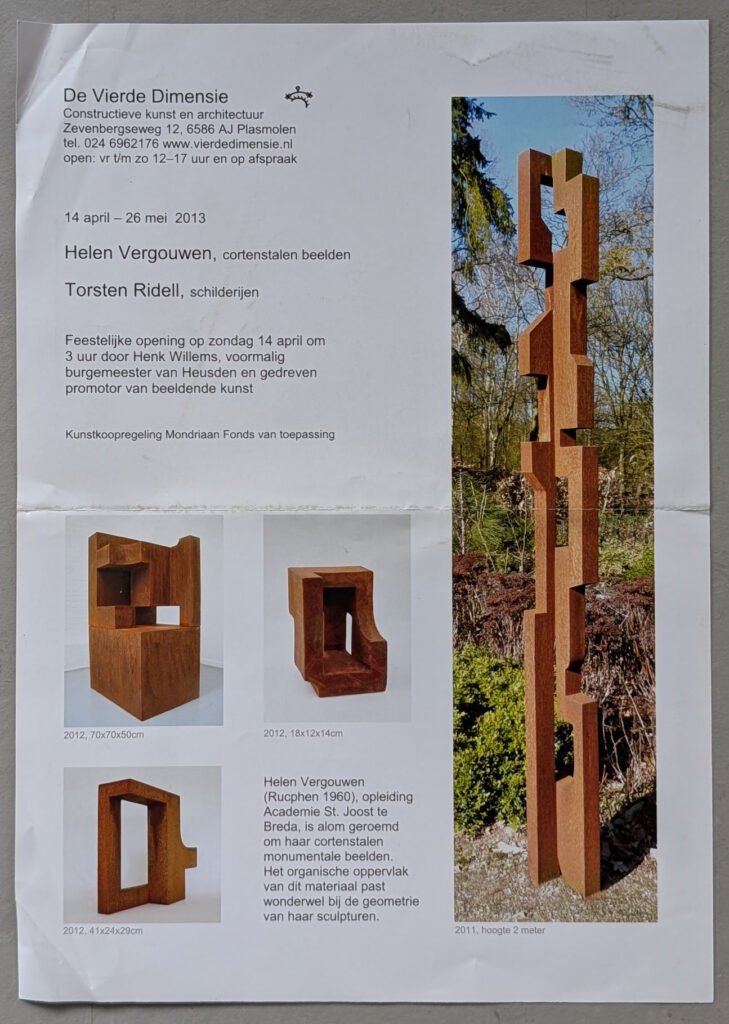
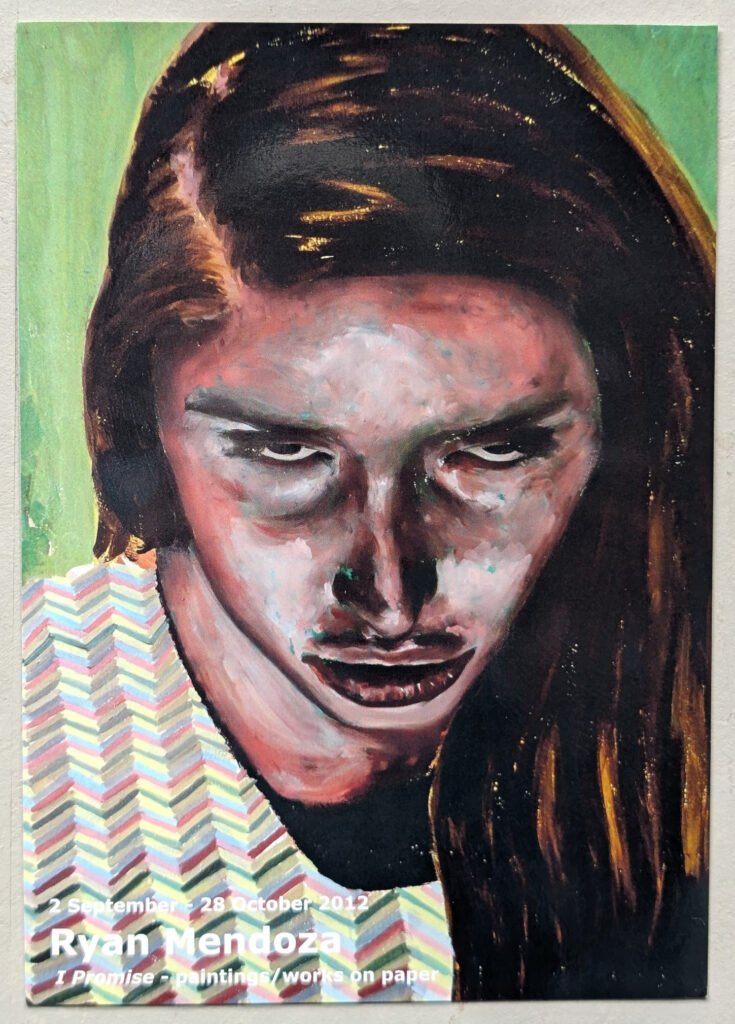
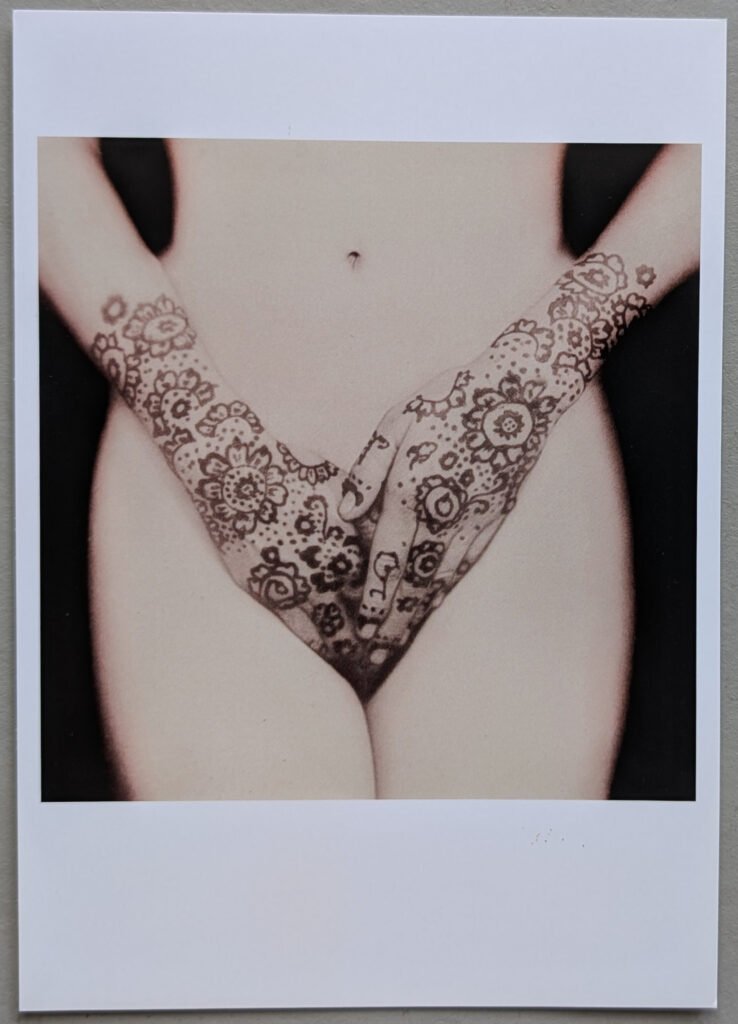
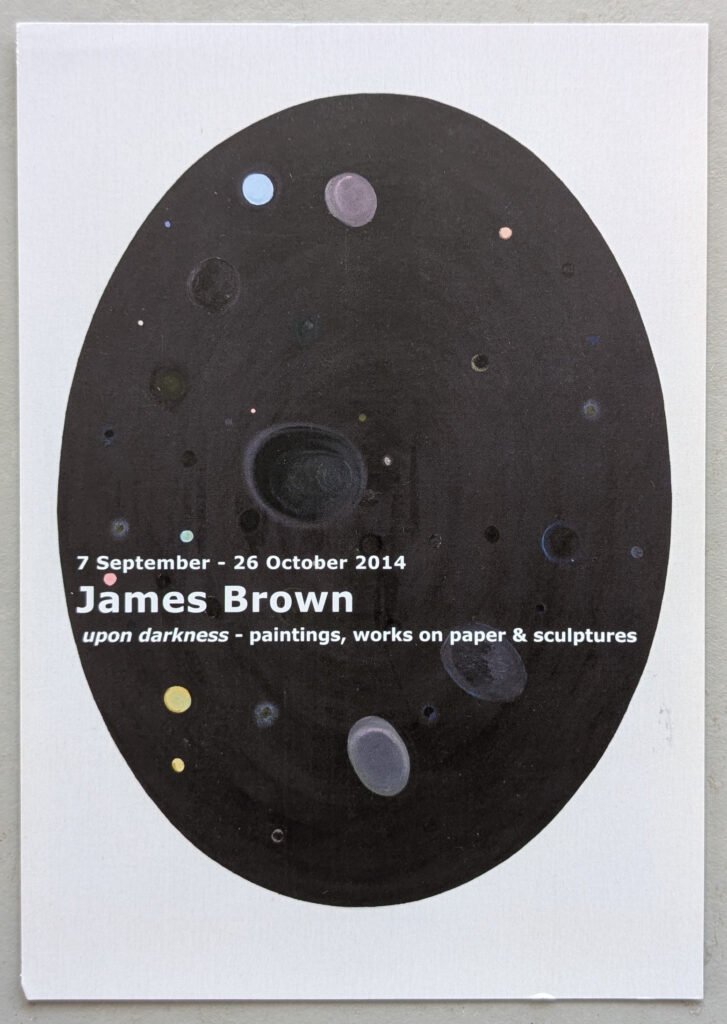
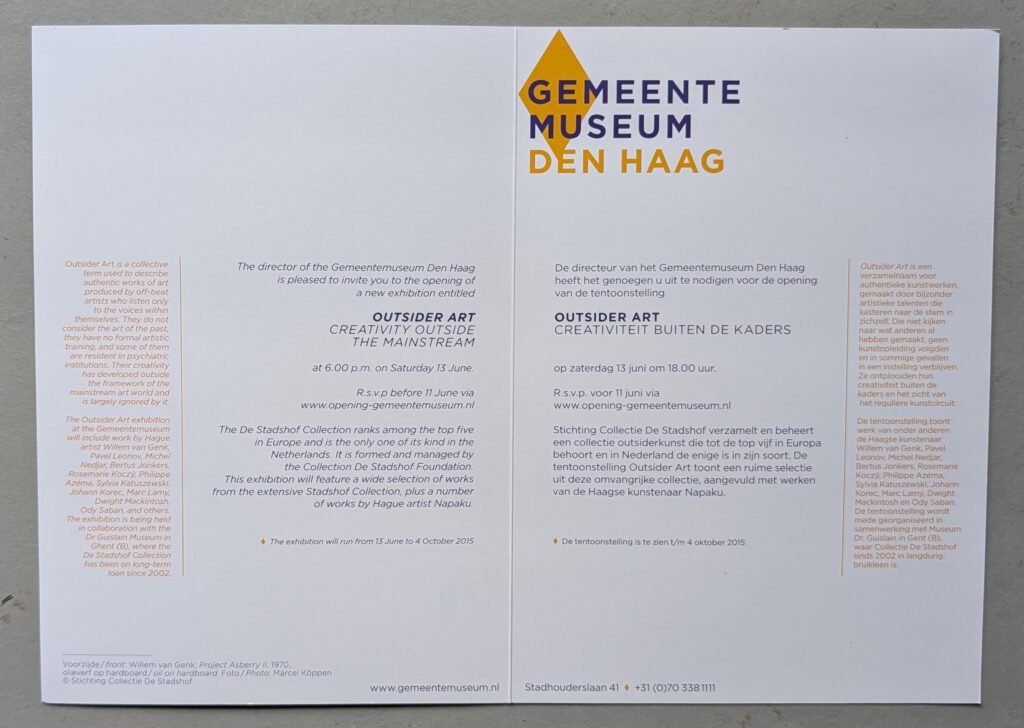
An art invitation is the printed announcement — often a postcard, folded card, or small broadside — sent out by a gallery, museum, or artist-run space to mark an opening, vernissage, or exhibition launch. At their best, these aren’t just logistical notices. They frequently reproduce an artist’s work, use bespoke typography, or are designed by the artist themselves as a kind of miniature artwork in its own right. Andy Warhol, for instance, designed invitations that are now collected and sold independently of any exhibition they once announced. The same is true for invitations tied to early Conceptual Art shows, Fluxus events, and countless artist-run spaces of the 1960s through 1990s.
Why They Matter
They are primary documents of art history. An invitation often records the exact date, venue, checklist, and sometimes even the guest list or sponsors of a show. For historians trying to reconstruct the timeline of an artist’s career or a gallery’s program, these small printed objects can be more reliable — and more specific — than a exhibition catalog produced years later.
They capture design and print culture of their era. The typography, paper stock, and printing techniques used on an invitation tell you something about the period and the gallery’s identity. A Xeroxed, DIY-looking invitation from a 1980s East Village storefront gallery carries a completely different cultural signal than a letterpress card from an uptown blue-chip space, even if both shows happened the same month.
They are sometimes the only surviving trace of ephemeral or short-lived exhibitions. Pop-up shows, artist-run spaces, and small non-profits often don’t get written up extensively, and their catalogs (if they exist at all) go out of print fast. The invitation may be the only physical record that the show happened at all.
They document an artist’s early career. Many now-famous artists had their first-ever exhibitions announced via a simple postcard from a small gallery. Collectors who held onto these decades ago now own a genuinely rare piece of that artist’s biography — often for what they originally paid: nothing, or the price of a stamp.
The Affordability Angle
This is where the category becomes especially interesting for new or budget-conscious collectors. Unlike paintings, prints, or even artist multiples, invitations were never meant to be sold — they were given away for free, mailed to mailing lists, or handed out at the door. As a result:
- They routinely sell for a few dollars to a few hundred dollars/euros , even when tied to major artists, as long as the invitation itself isn’t a signed, numbered edition.
- They are widely available through estate sales, gallery archives being deaccessioned, secondhand bookshops, and specialist ephemera dealers.
- They offer an accessible way to build a collection that intersects with real art history without needing gallery-level budgets.
Compare this to the market for original prints or drawings by the same artists, where prices can run into the thousands or tens of thousands of dollars. An invitation designed by that same artist, announcing that same body of work, might be found for the cost of a nice dinner — sometimes far less.
Why the Category Is Suddenly More Urgent
For decades, printed invitations were an assumed byproduct of running a gallery or museum program. That has changed. Rising postage costs, sustainability concerns, and the sheer convenience of email and social media have pushed most institutions — from small commercial galleries to major museums — toward digital invitations and e-vites almost exclusively.
This shift has quietly closed the tap on new physical material. Where a collector in the 1990s could reasonably expect a steady stream of newly printed invitations from active galleries, today’s collector is increasingly working from a finite, non-renewing pool of paper ephemera. Every year that passes without new print runs makes the existing archive of physical invitations more historically significant, not less — because it now represents a specific closed era of print culture and gallery communication that will not be repeated.
This dynamic is common in ephemera collecting generally: baseball cards, concert flyers, postcards, and ticket stubs all became more prized once the practice that generated them declined or disappeared. Art invitations appear to be entering that same phase.
Getting Started
If any of this appeals to you, the entry point is refreshingly low-stakes:
- Start local. Ask galleries near you if they have back stock of old invitations, or check with used bookstores and paper ephemera dealers.
- Focus a niche. Rather than collecting broadly, many collectors specialize — invitations from a specific decade, a specific city’s gallery scene, a particular movement, or a single influential gallery’s full run.
- Store them properly. Acid-free sleeves and flat archival boxes prevent yellowing and creasing, and cost very little relative to the value of what they protect.
- Document what you have. Simple notes on date, gallery, and exhibition context turn a stack of cards into a real research archive.
Art invitations sit in a strange, appealing space: historically meaningful, visually distinctive, genuinely rare in specific cases, and still — for now — affordable. As institutions continue to abandon print in favor of digital announcements, the existing supply of physical invitations becomes a fixed and shrinking record of a print culture that shaped how the art world once communicated with its public. For collectors interested in art history but priced out of the traditional collecting categories, this modest paper trail may be one of the last accessible ways in.
www.ftn-books.com has a very nice selection of scarce art invitations available.