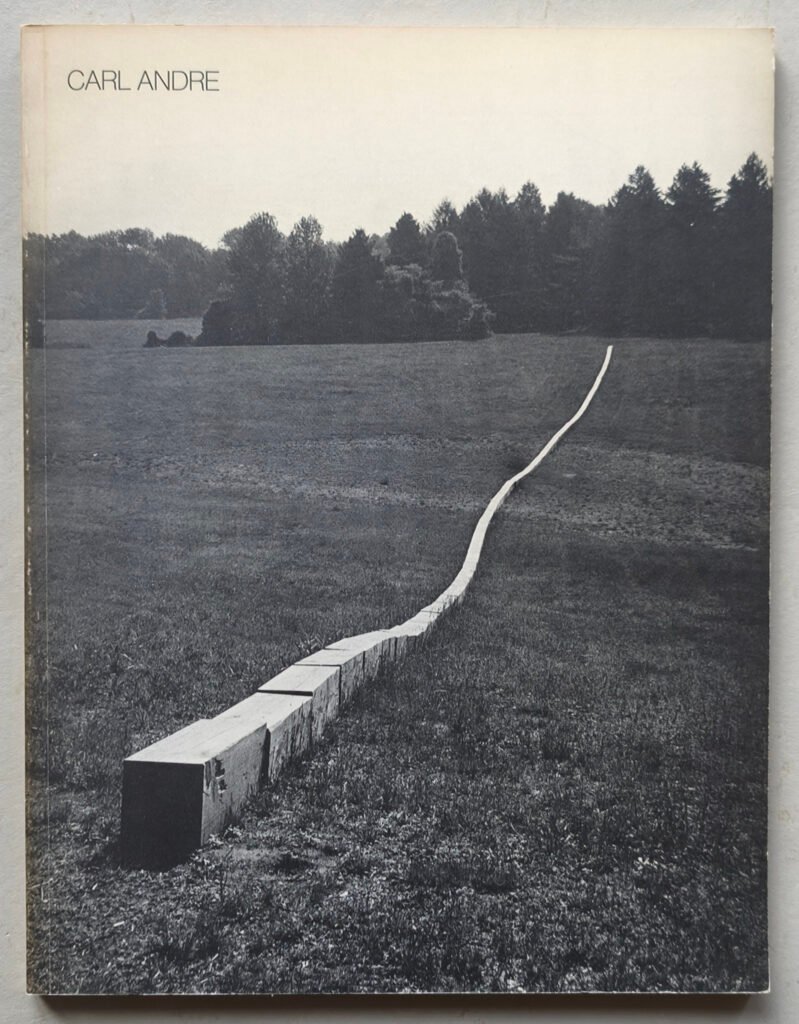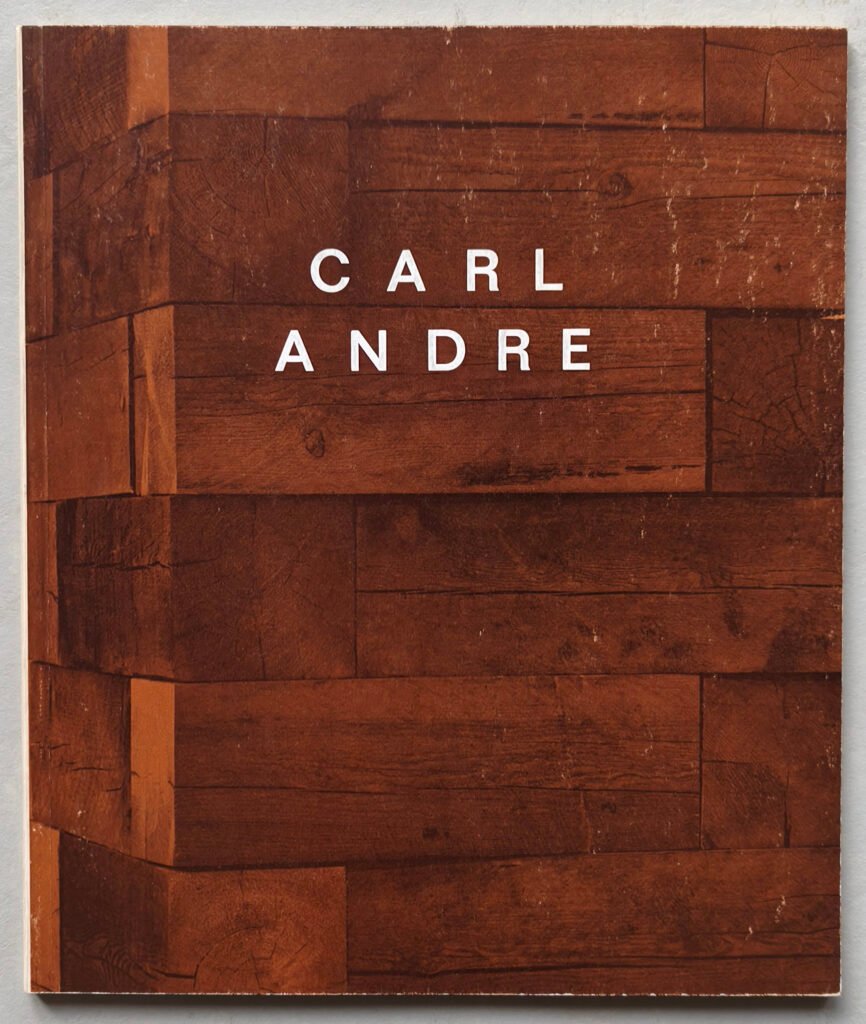


Born in the granite-crusted soil of Quincy, Massachusetts, in 1935, Carl Andre emerged as a sculptural iconoclast, shedding the pretensions of high art like a snake sloughing its winter skin. His trajectory was forged not in the sterile vacuum of the academy, but amidst the industrial grit of gear works and the rhythmic, iron-lunged roar of the Pennsylvania Railroad, where he served as a brakesman. These years amidst the switchbacks proved seminal; the utilitarian cadence of locomotives bled into his aesthetic, transmuted into the rigid geometry of his later output.
Andre’s transition from the gestural—his nascent poems and ethereal perspex incisions—to the tectonic was absolute. Influenced profoundly by the stripped-down essence of Brancusi and the chromatic austerity of his confidant, Frank Stella, Andre redirected his focus. Carving became anachronism; construction, his new liturgy. By the mid-sixties, his works began to colonize the floor, abandoning the pedestal—a transition as jarring as a sudden hush in a crowded cathedral.
He championed the industrial unit: the brick, the plate, the unadorned timber. His compositions, manifesting as arithmetic tapestries, transformed space into a dialogue of density and void. Whether through the calculated layout of metal tiles or the chaotic dispersion of piping, Andre treated materials as ontological placeholders. Following his 1964 debut, his influence rippled through the marrow of the art world, culminating in a sprawling 1970 retrospective at the Guggenheim that cemented his status as a sentinel of Minimalism. Even as his reputation weathered the tempestuous tides of public reception, Andre remained a fixture in the New York firmament, an architect of silence sculpted from the brutal facts of industrial refuse.
www.ftn-books.com recently added 2 new scarce publications from the Seventies to its collection.