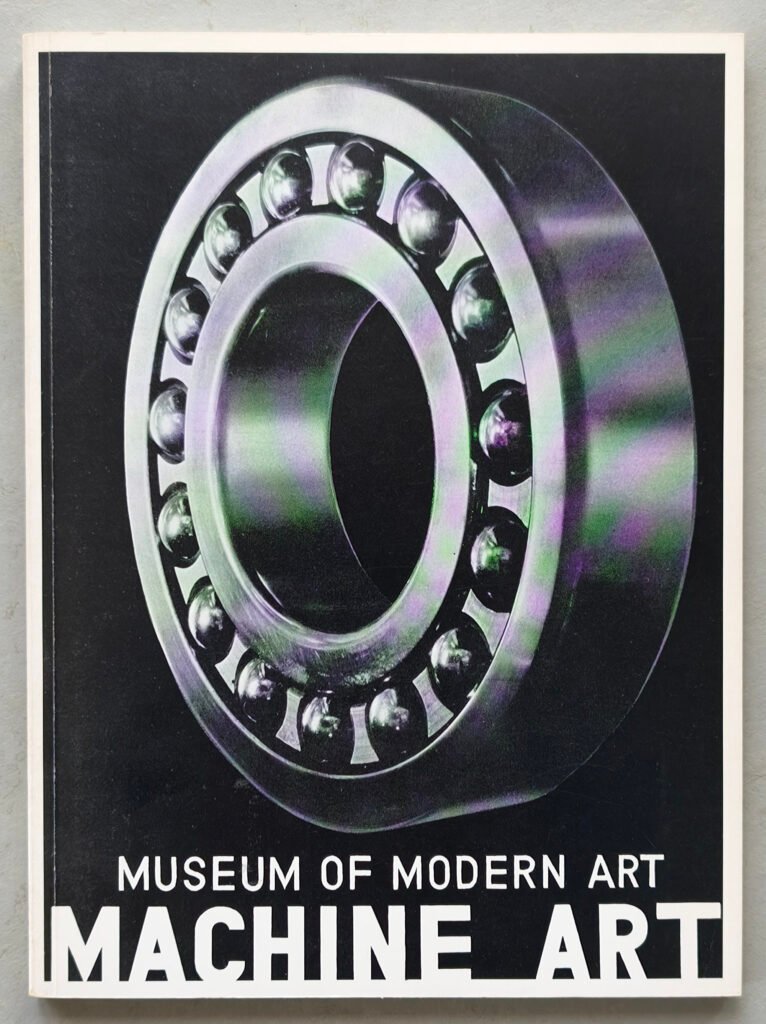

The inauguration of the *Machine Art* exhibition acted as a seismic fracture in the public consciousness, forcing onlookers to recalibrate their relationship with the mundane. Within those hallowed galleries, mundane artifacts—coiled springs, vessel-ware, and clinical instrumentation—were transfigured; elevated upon pedestals, they surrendered their industrial grit to emerge as specimens of high art.
It was a cerebral alchemy. By stripping these implements of their factory-floor anonymity, the museum orchestrated a carnival of aesthetic adoration, punctuated by a beauty pageant adjudicated by luminaries as disparate as the aviator Amelia Earhart and the cerebral John Dewey.
Dewey, a titan in the philosophy of pragmatism, maintained that the ontological weight of an object is inextricably tethered to its environment. Philip Johnson, acting as the architect-curator of this spectacle, manifested this theory with surgical precision. To insulate these mechanical curiosities from the distracting ornamentation of the era, Johnson swathed the interior of the 19th-century brownstone in a veil of fabric, smothering the ornate moldings beneath monochromatic screens. This act was akin to a shroud shielding a relic from the profane world. In doing so, he birthed a vacuum of aesthetic purity, a sterile yet mesmerizing amphitheater that fundamentally recalibrated the horizon of expectation for how we curate the architecture of existence.
www.ftn-books.com has now the 60th anniversary edition for sale.