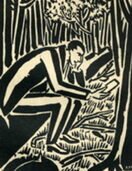


Marc Mulders’ creative output mirrors a lush, vibrant garden, defined by an interplay of delicate, luminous tones. His artistic process takes place in an open-air stable, positioning him precisely at the junction where shadow meets the sun-drenched floral landscapes outside.
During the 1980s, Mulders’ aesthetic was characterized by a somber palette, often exploring religious themes—such as the Last Supper or the Pieta—alongside vanitas-style still lifes featuring game and flora. Heavily inspired by Chaïm Soutine during these formative years, Mulders found himself balancing an inclination toward abstraction with a grounding, visceral reliance on organic subjects like animals and flowers.
A significant shift occurred in 2008 when he relocated from Tilburg to a farmhouse on the Baest estate. This transition established the surrounding meadows and gardens as the focal point of his work, leading to a visible brightening of his color palette. The meadows offered more than just subject matter; they invited an abstract exploration of light dancing across the landscape.
Drawing creative cues from luminaries like Helen Frankenthaler, Willem de Kooning, and the later works of Claude Monet, Mulders views his own fields with such reverence that he refers to them as his personal “Giverny.”
Beyond the flora, Mulders has long been captivated by the motifs found in Persian miniatures. The intricate composition, symbolic depth, and vibrant palettes of these historical works have shaped his own sense of layout and color. This influence is echoed throughout his catalog, with pieces frequently titled after these inspirations, such as *Let the Desert Bloom*, *Persian Garden*, and *Persian Juno Iris*.
Throughout the 1990s, an era dominated by postmodernist thought, Marc Mulders charted an independent course, positioning himself in direct opposition to the movement. He spearheaded the so-called “Tilburg school,” formalizing his philosophy through a manifesto that championed the core principles of religion, tradition, and craftsmanship.
Beyond his work on canvas, Mulders dedicated himself to the intricate arts of tapestry and stained glass during this period. His notable glass commissions include *The Last Judgment* at the Sint-Janskathedraal in ’s-Hertogenbosch, the Erasmus Window at Gouda’s Grote Kerk, and *A Garden of Glass* at the Nieuwe Kerk in Amsterdam. The latter, commissioned for Queen Beatrix’s silver jubilee, earned the prestigious title of the Netherlands’ most significant artwork of the previous half-century in 2006. More recently, his latest stained-glass installation was unveiled at the Sint-Petrusbasiliek in Oirschot in 2023.
As one of the most acclaimed contemporary Dutch painters, Mulders garnered professional acclaim early, highlighted by his 1988 Prix de Rome victory. He was promptly featured in landmark exhibitions for emerging talent, notably *Een grote activiteit* (curated by Wim Beeren, Stedelijk Museum Amsterdam, 1987) and *Gemengd bedrijf* (curated by Rudi Fuchs, Kunstmuseum Den Haag, 1993).
These early successes paved the way for solo retrospectives at the Stedelijk Museum Amsterdam (1991) and the Van Abbemuseum (1993). International attention soon followed, facilitated by Galerie Barbara Farber in Amsterdam, which showcased his art at global forums like Art Basel, ARCOmadrid, FIAC Paris, and Art Basel Miami Beach. Additional solo shows occurred at Galerie Templon in Paris (1997) and New York’s Stux Gallery (1999). Ultimately, however, Mulders chose to step back from the demands of a globalized art career, prioritizing his creative process and his focus within the studio.
His portfolio has been presented in numerous institutional solo exhibitions, notably at De Pont Museum (Tilburg, 1999), the Frans Hals Museum (Haarlem, 2006), Het Noordbrabants Museum (’s-Hertogenbosch, 2013), and the Kunstmuseum Den Haag (2018).
Mulders’ output is widely held in both private and public collections. His work resides in prestigious institutions such as the Stedelijk Museum Amsterdam, the Van Abbemuseum, De Pont Museum, Museum Voorlinden, and the Kunstmuseum Den Haag, as well as being featured in the Rob Defares Collection in Amsterdam.
Because it is such a rare item i decided to make the photographs available of the very first Mulders purchase item i encountered.
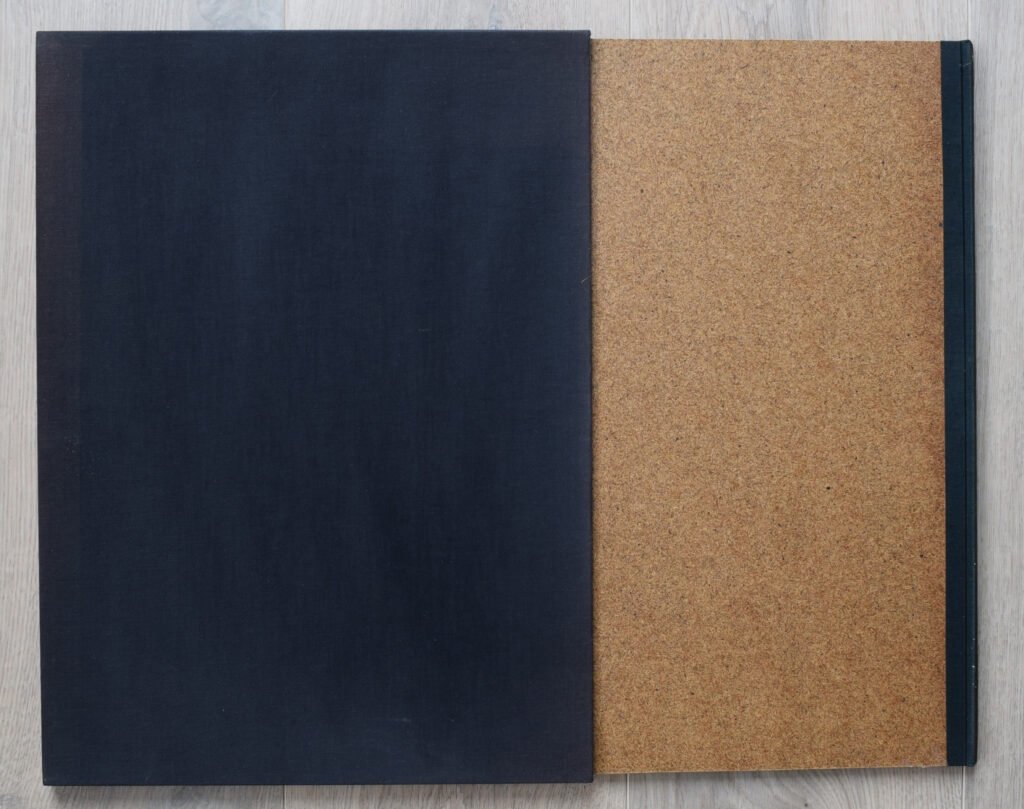

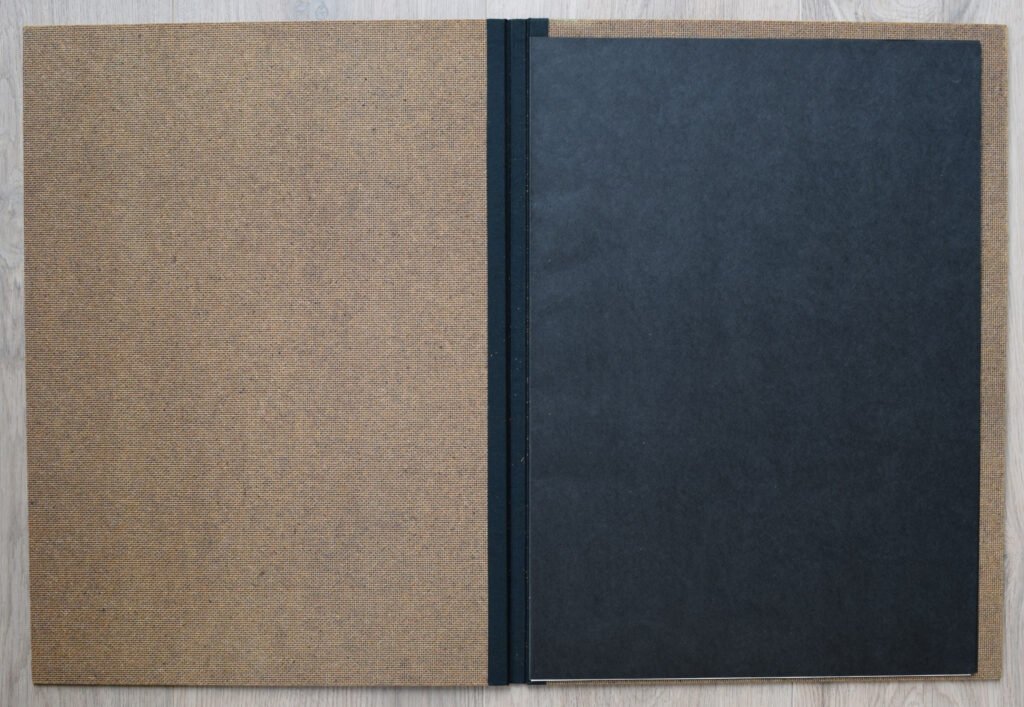
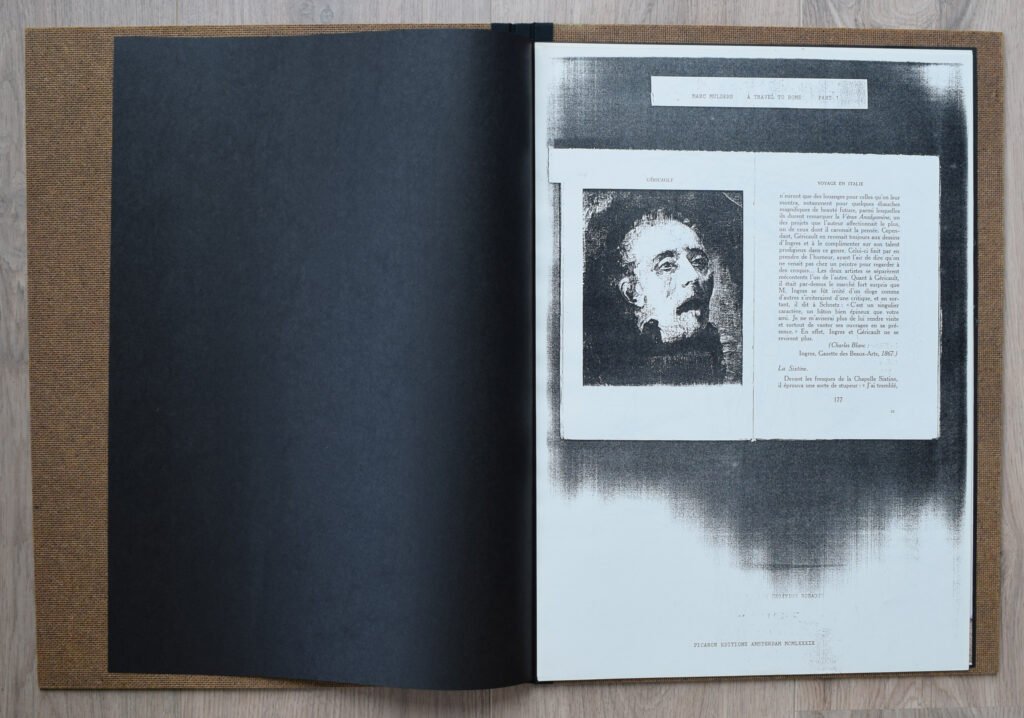
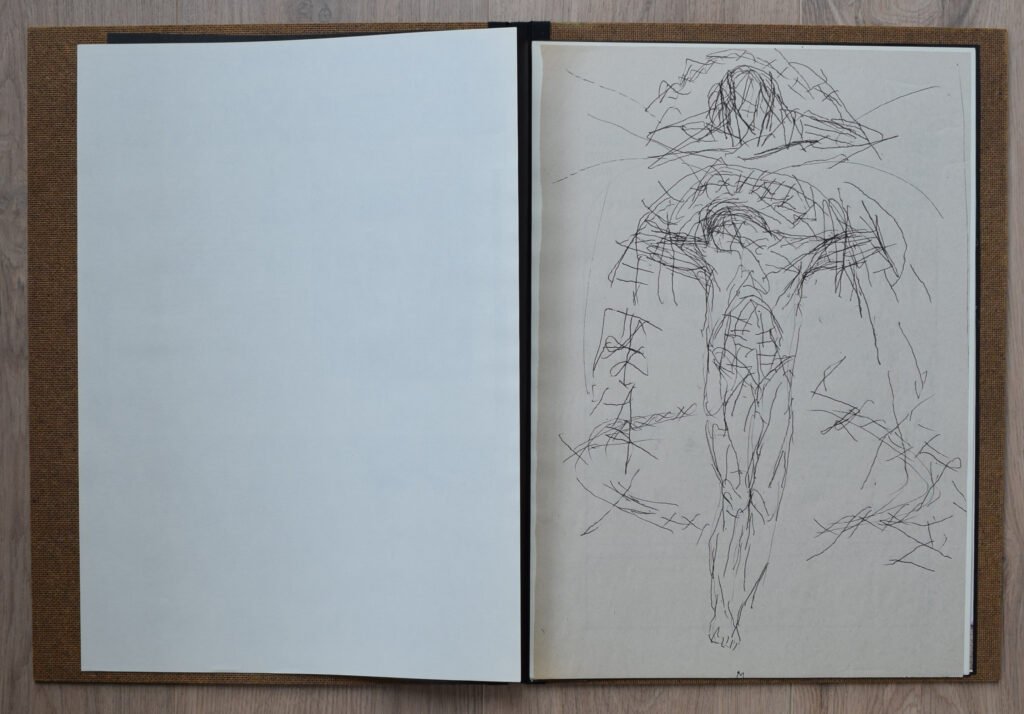
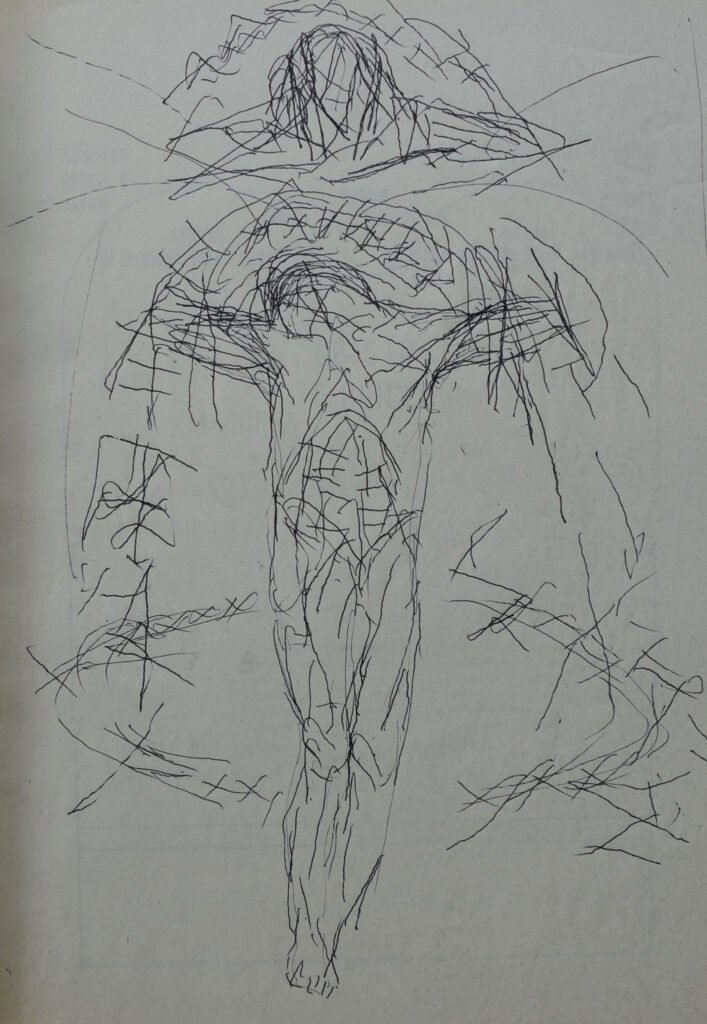
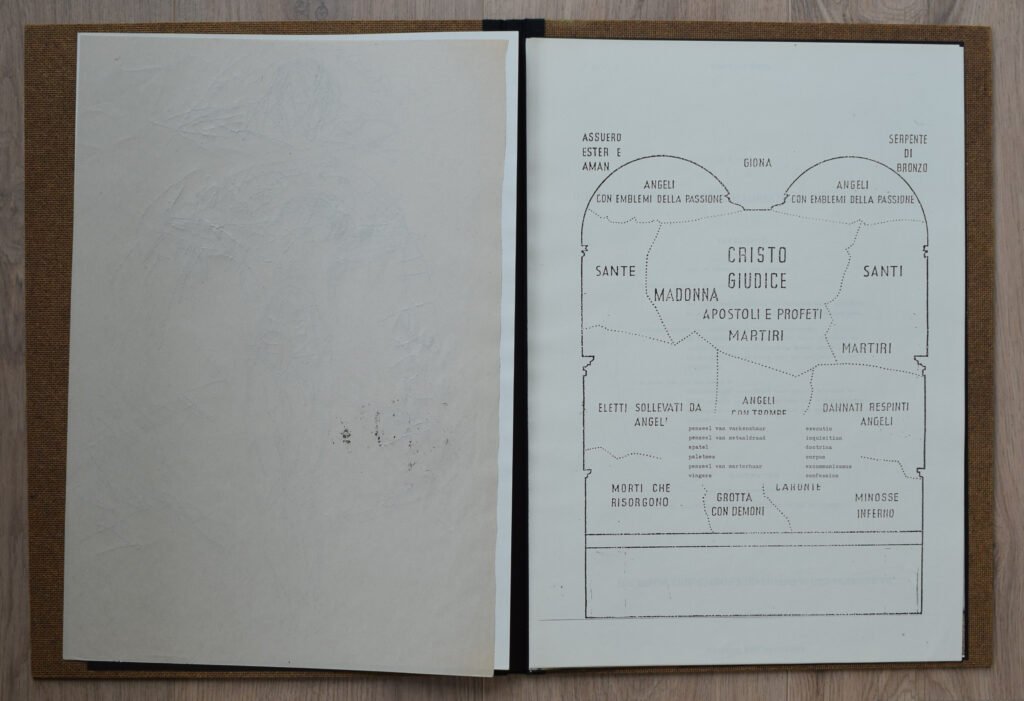
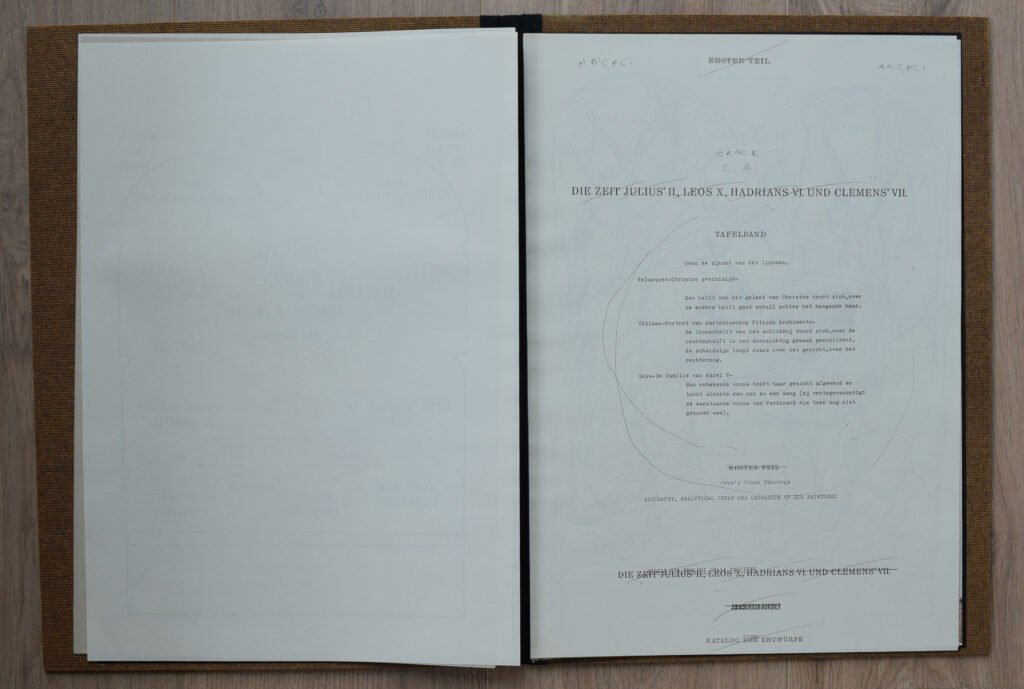
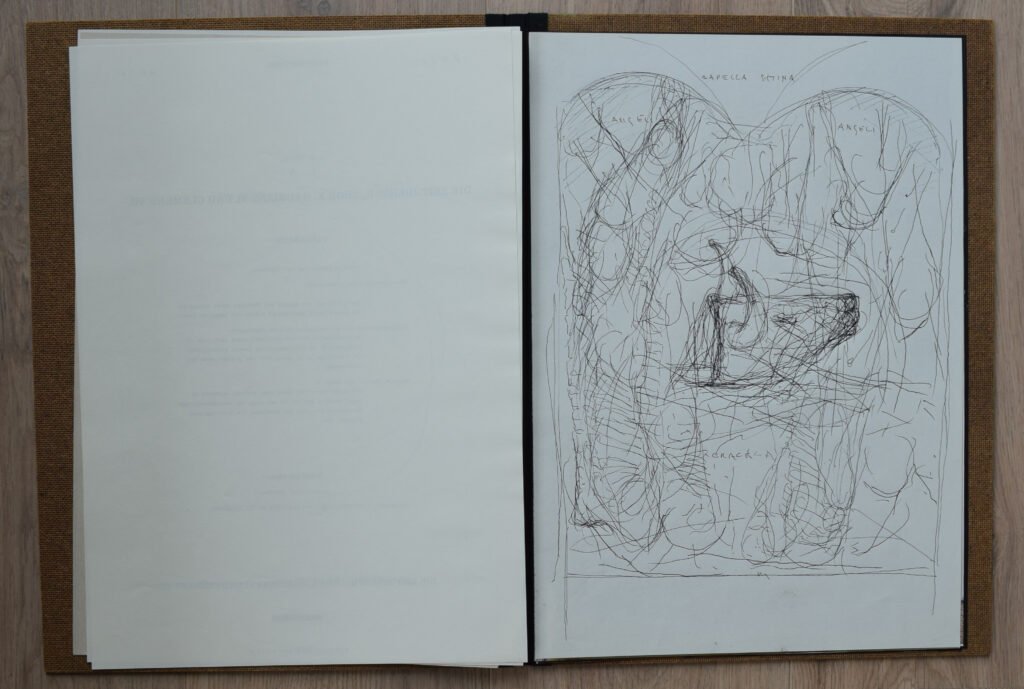
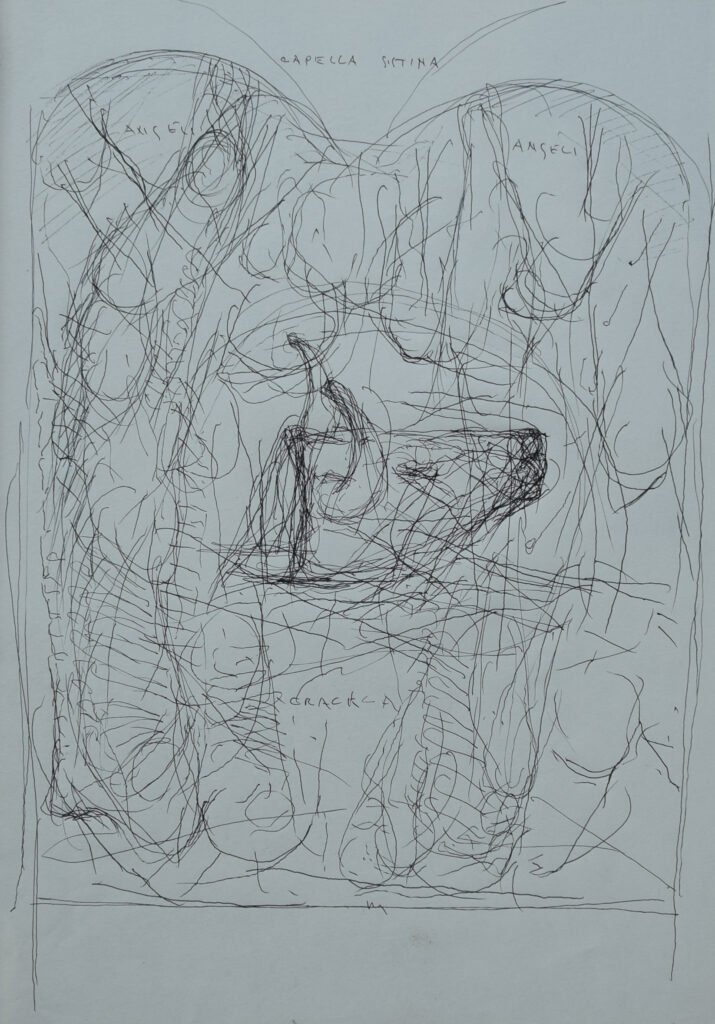
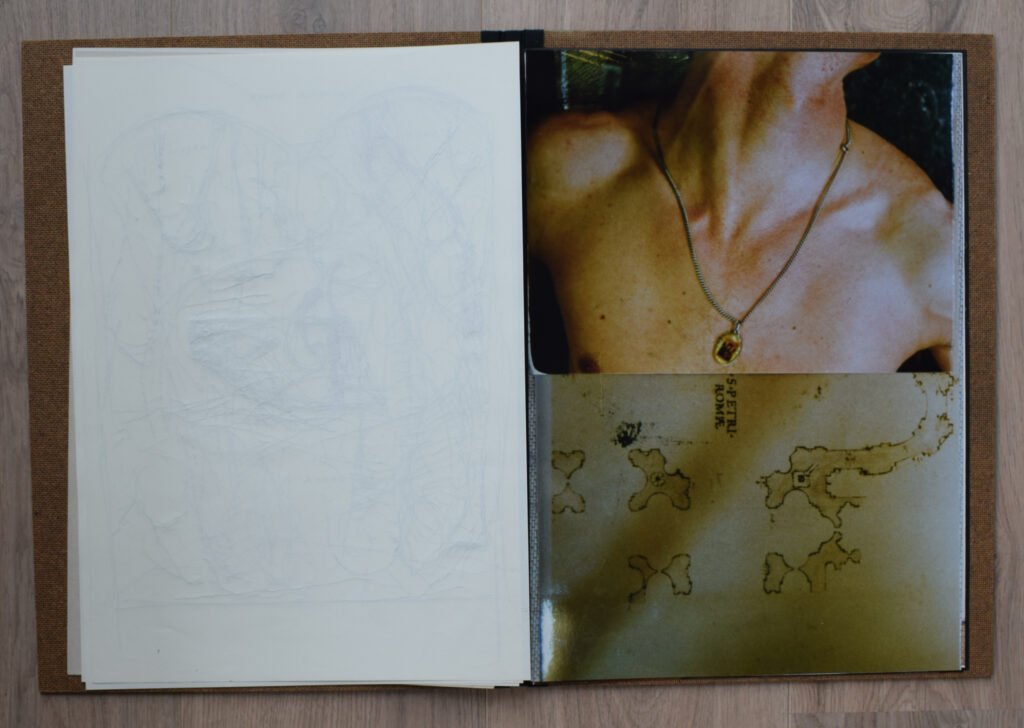
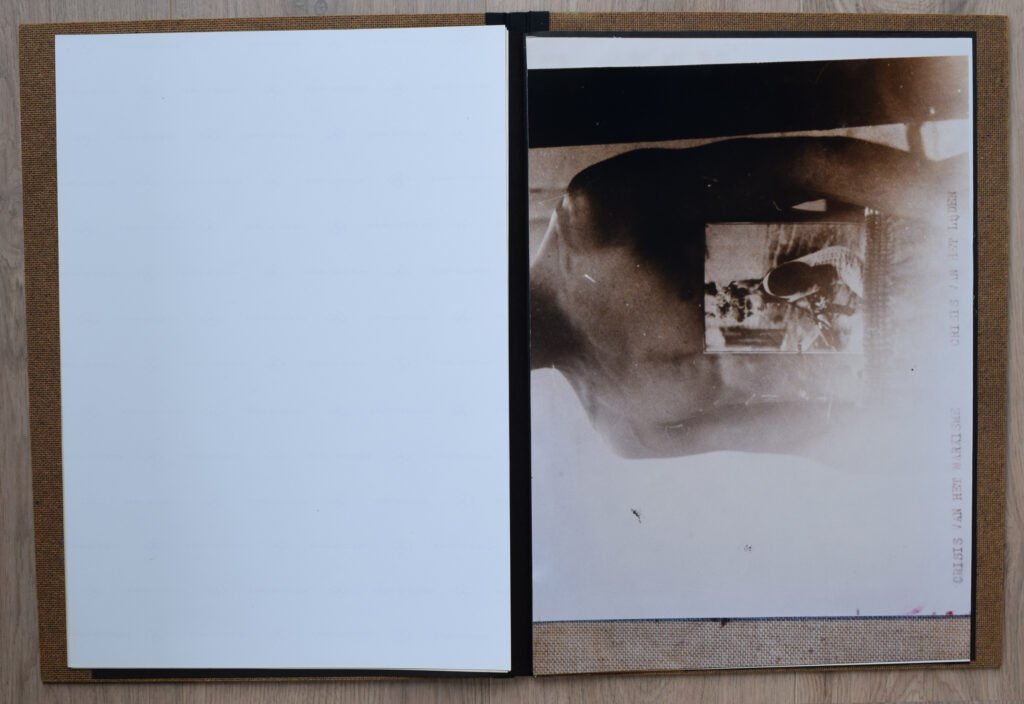
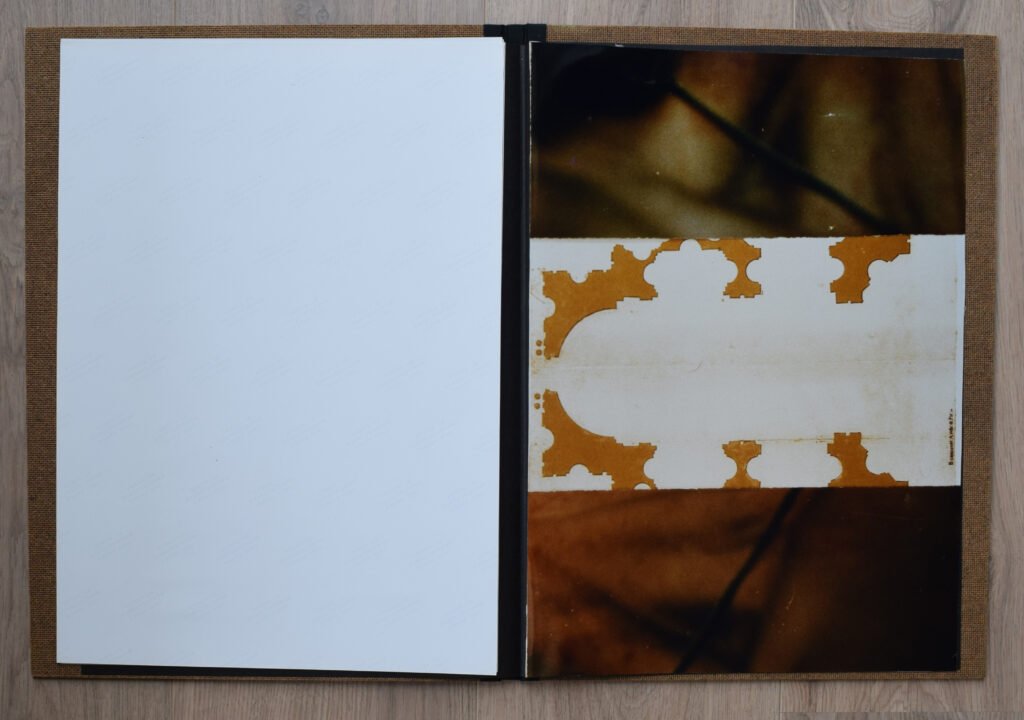
This portfolio is truly one of a kind—not only because it includes the two original drawings, but also because of its significance within the history of Dutch painting.
I was fortunate enough to acquire it because I have admired the work of Marc Mulders from the very beginning. Yet I could never bring myself to frame or display any of the individual works in my home, as separating them from the portfolio would take them out of their original context and diminish the integrity of the whole.
After much consideration, I have decided to part with this exceptional portfolio. However, I am not offering it for sale in the usual sense. I am interested exclusively in exchanging it for another significant work by Marc Mulders—ideally a beautiful floral painting by one of the most important Dutch artists of the past decades…..Marc Mulders
For me, this is not simply a transaction, but an opportunity for this remarkable portfolio to find a new custodian while allowing me to continue my passion for the extraordinary art of Marc Mulders.
for more information on this trade contact me at : wilfriedvandenelshout@gmail.com
For more Marc Mulders publications visit www.ftn-books.com