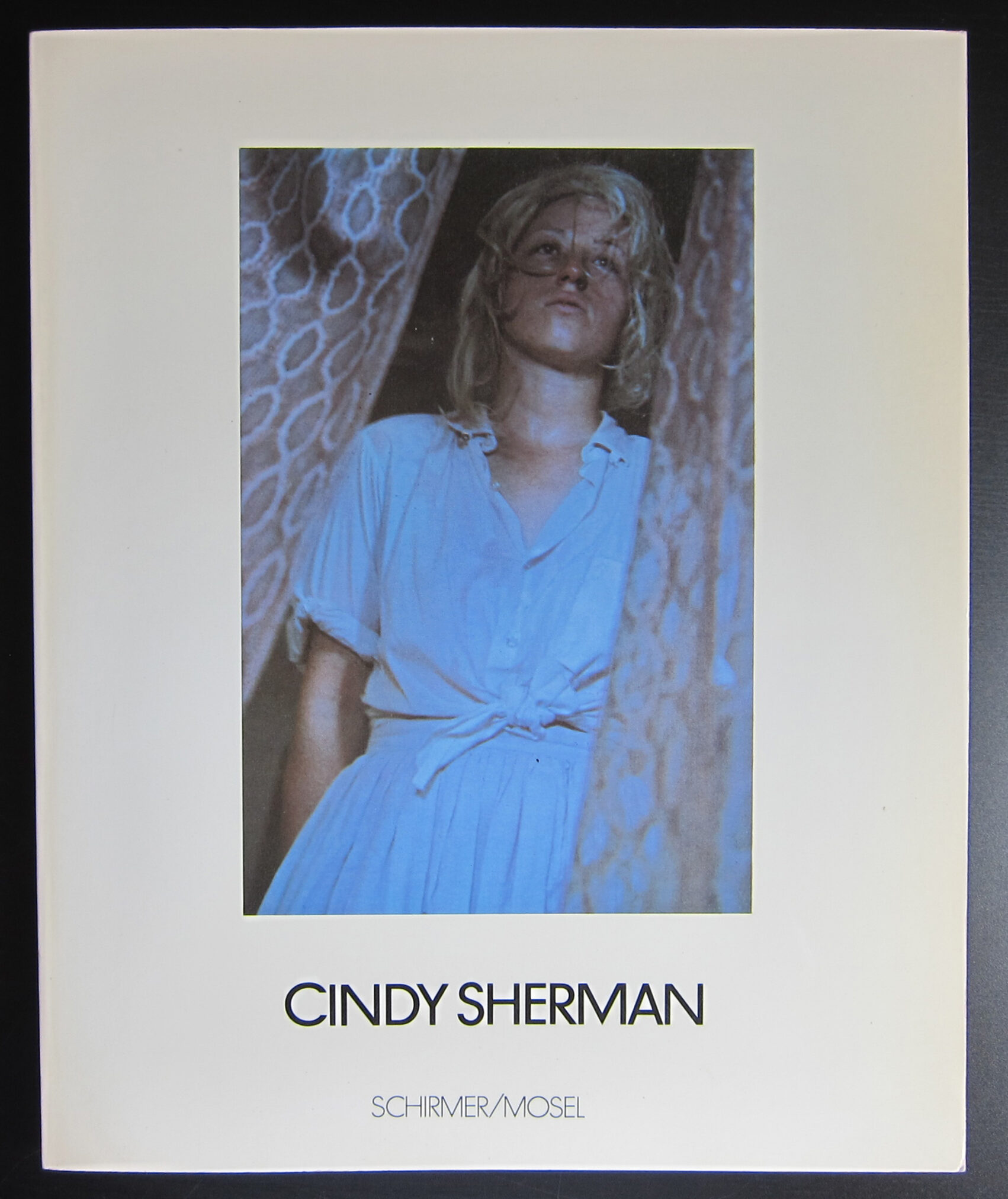
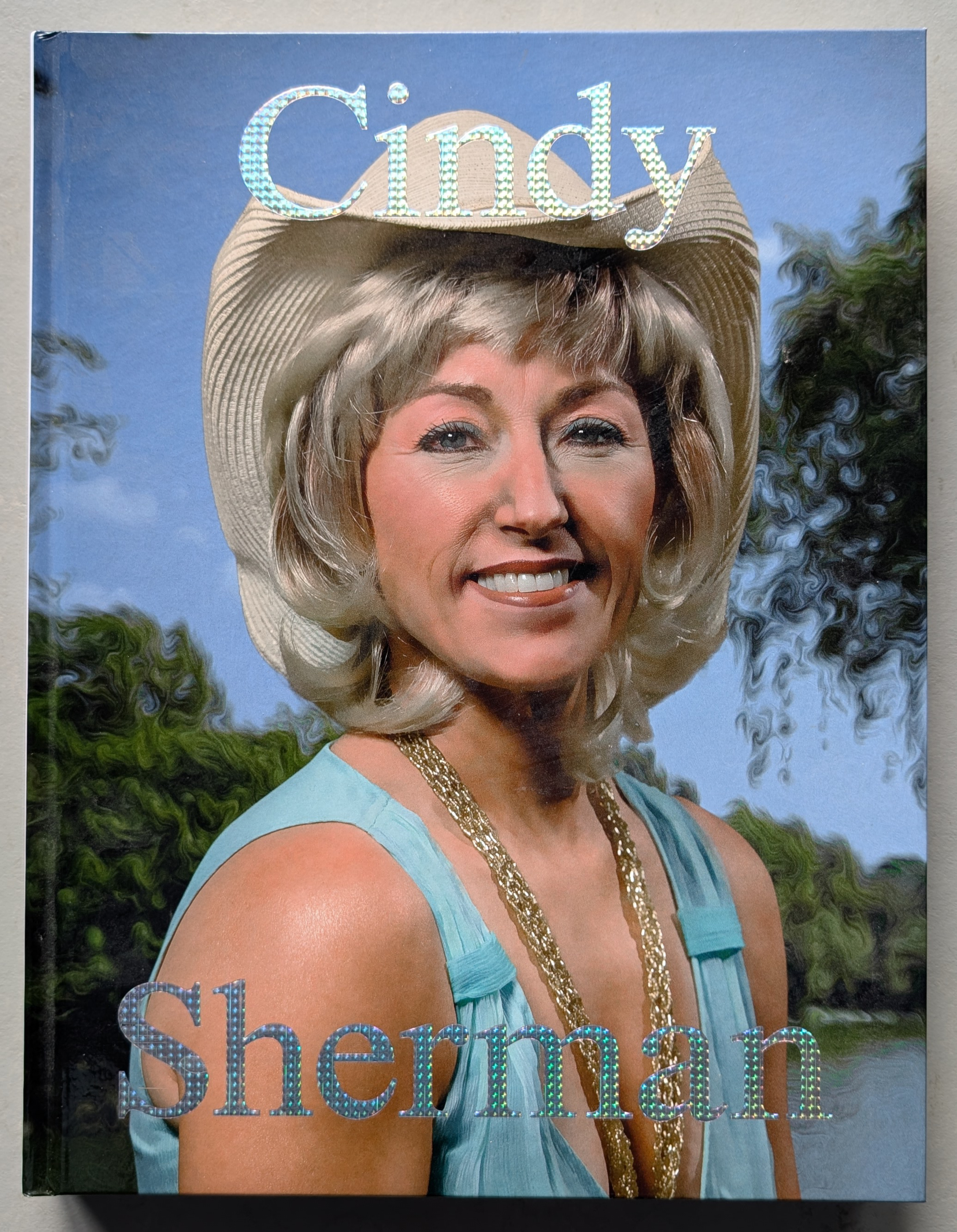
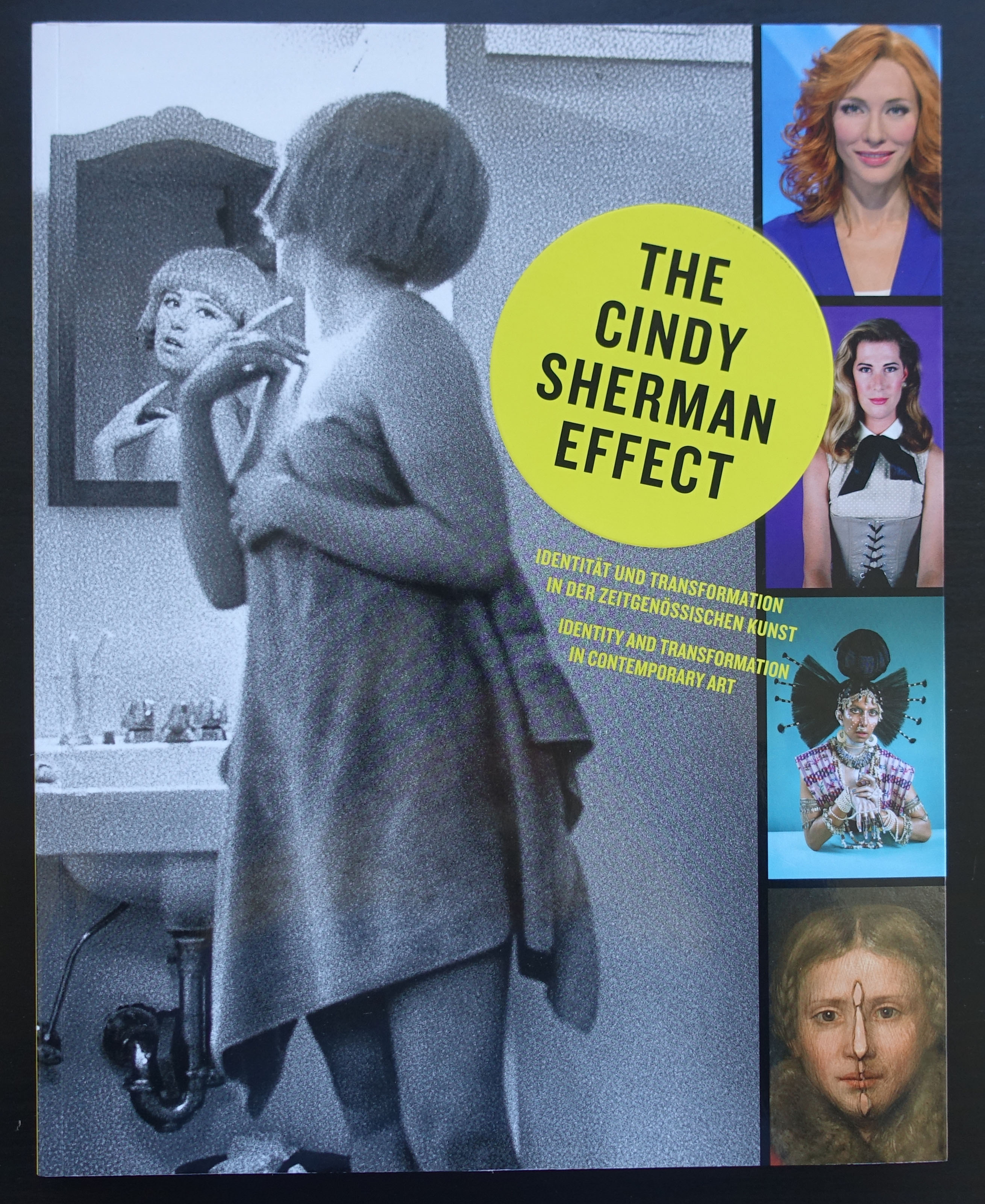
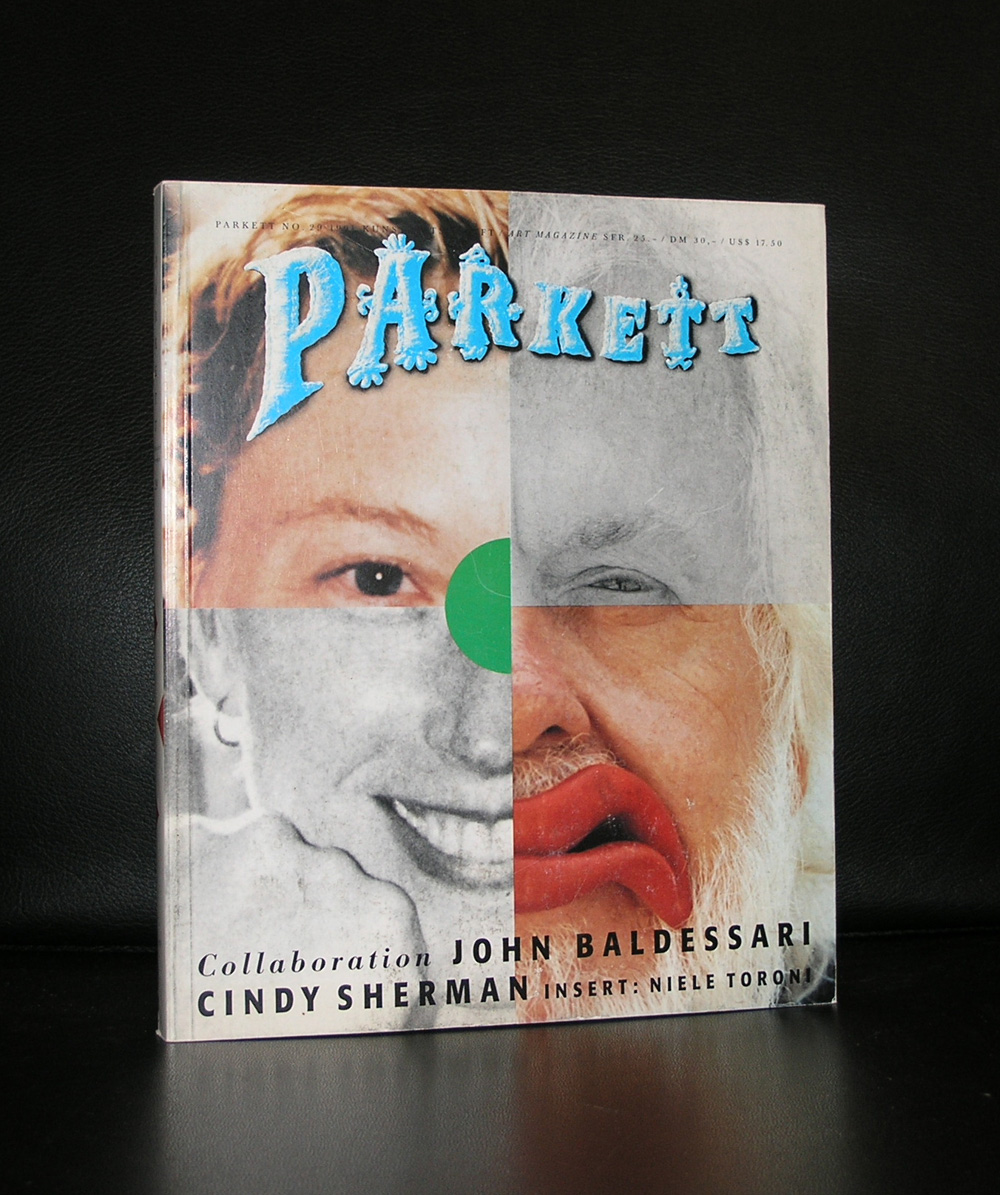
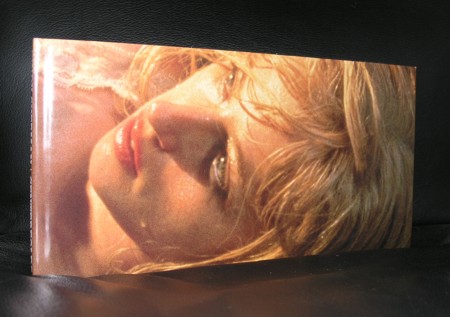
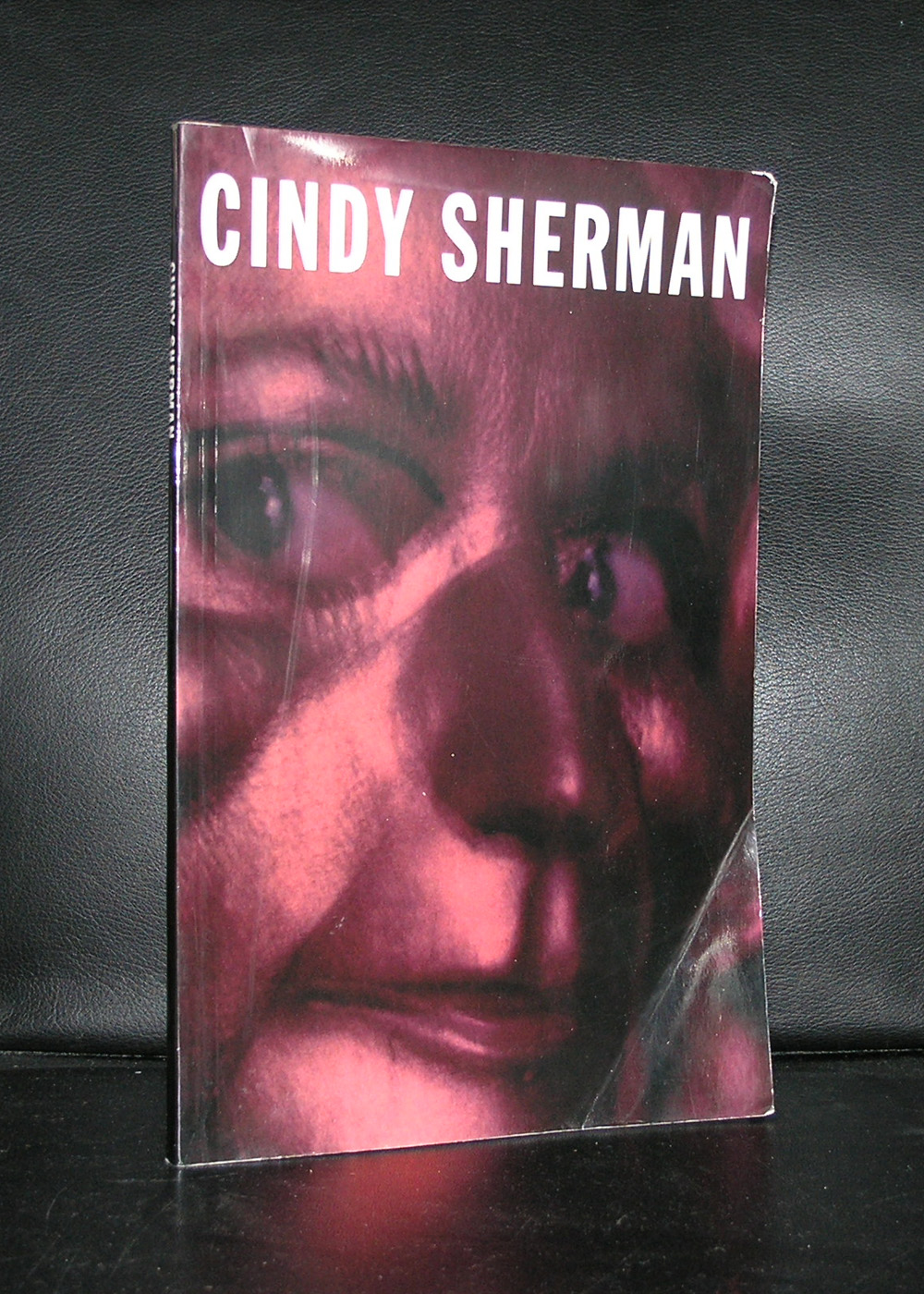
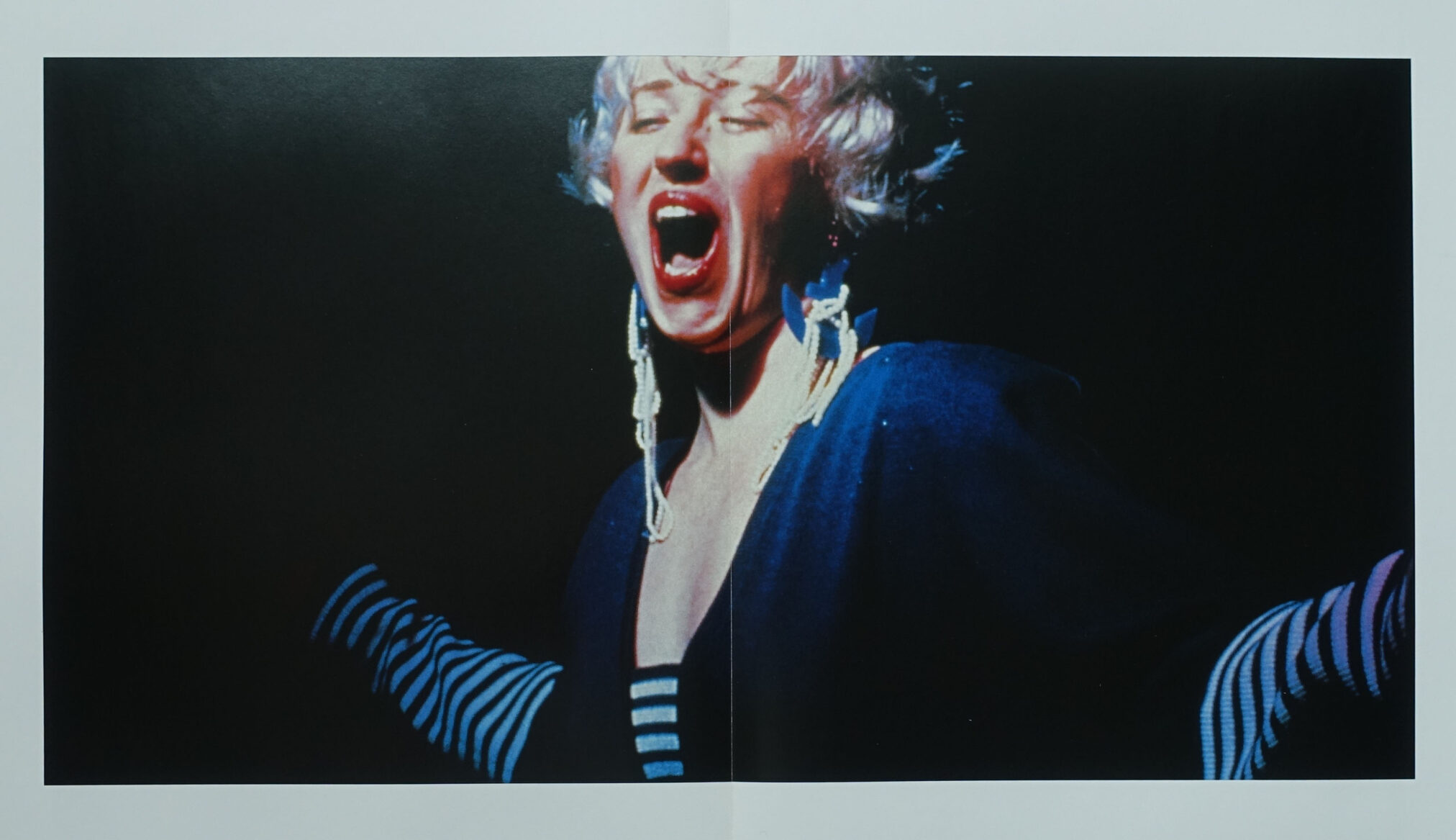
Throughout a span of forty years, Cindy Sherman has delved into the intricacies of identity, musing with the visual and cultural norms found within art, celebrity, gender, and photography. As a member of the Pictures Generation, alongside other notable artists such as Richard Prince, Louise Lawler, Sherrie Levine, and Robert Longo, she emerged during the 1970s, responding to the inundation of mass media with both witty satire and insightful critique. Utilizing material from advertising, film, television, and magazines, they repurposed it in their artwork.
Sherman has always been intrigued by the concept of donning various identities. As she once revealed, “I yearn to seize every day as if it were Halloween, dressing up and immersing myself in the outside world as a peculiar character.”
Not long after her move to New York, she produced her renowned series “Untitled Film Stills” (1977-1980). Here, she transforms herself into different personas, capturing her image within carefully curated settings with specific accouterments, creating scenes reminiscent of mid-20th-century B movies. Creating these works at the young age of 23, Sherman relies on archetypal female characters and their caricatures, such as the dejected femme fatale, the unhappy homemaker, the jilted lover, and the vulnerable innocent. Using cinematic techniques to structure these photographs, they bring to mind traditional film stills used for promoting movies, which inspired the series’ title. The 70 Film Stills immediately sparked discussions on feminism, postmodernism, and representation, solidifying their place as her most renowned works.
Since the beginning of her career, Sherman has continually reinvented herself, showcasing the myriad of human archetypes and preconceptions through her art. Working primarily in series, she delves into themes such as centerfolds (1981) and society portraits (2008), always improvising and challenging traditional norms.
One of her well-known works, Untitled #216 from her history portraits (1981), highlights her use of dramatic effects to embody various roles without trying to conceal her efforts. Often, her wigs are askew, her prosthetics are peeling, and her makeup is poorly blended, purposely drawing attention to the artificiality of these fabrications and acting as a metaphor for the artificiality of identity construction.
While Sherman does occasionally portray glamorous characters, she has always been drawn to the grotesque. In the 1980s and 1990s, she captured the world’s bizarre and unattractive side through series such as the disasters (1986-89) and the sex pictures (1992), presenting explicit and visceral images that confront the viewer. As she stated in 1986, “I’m disgusted with people’s obsession with beauty; I find the other side much more intriguing”. During this time, the media was flooded with images of sick bodies during the AIDS crisis, adding a poignant layer to her exploration of the grotesque and the various forms of violence inflicted upon the body. Throughout her work, Sherman challenges the visual stereotypes we use to categorize the world, shedding light on their artificiality and ambiguity and questioning their accuracy in understanding a complex reality.
www.ftn-books.com has several Sherman titles available.