Posted on 6,830 Comments

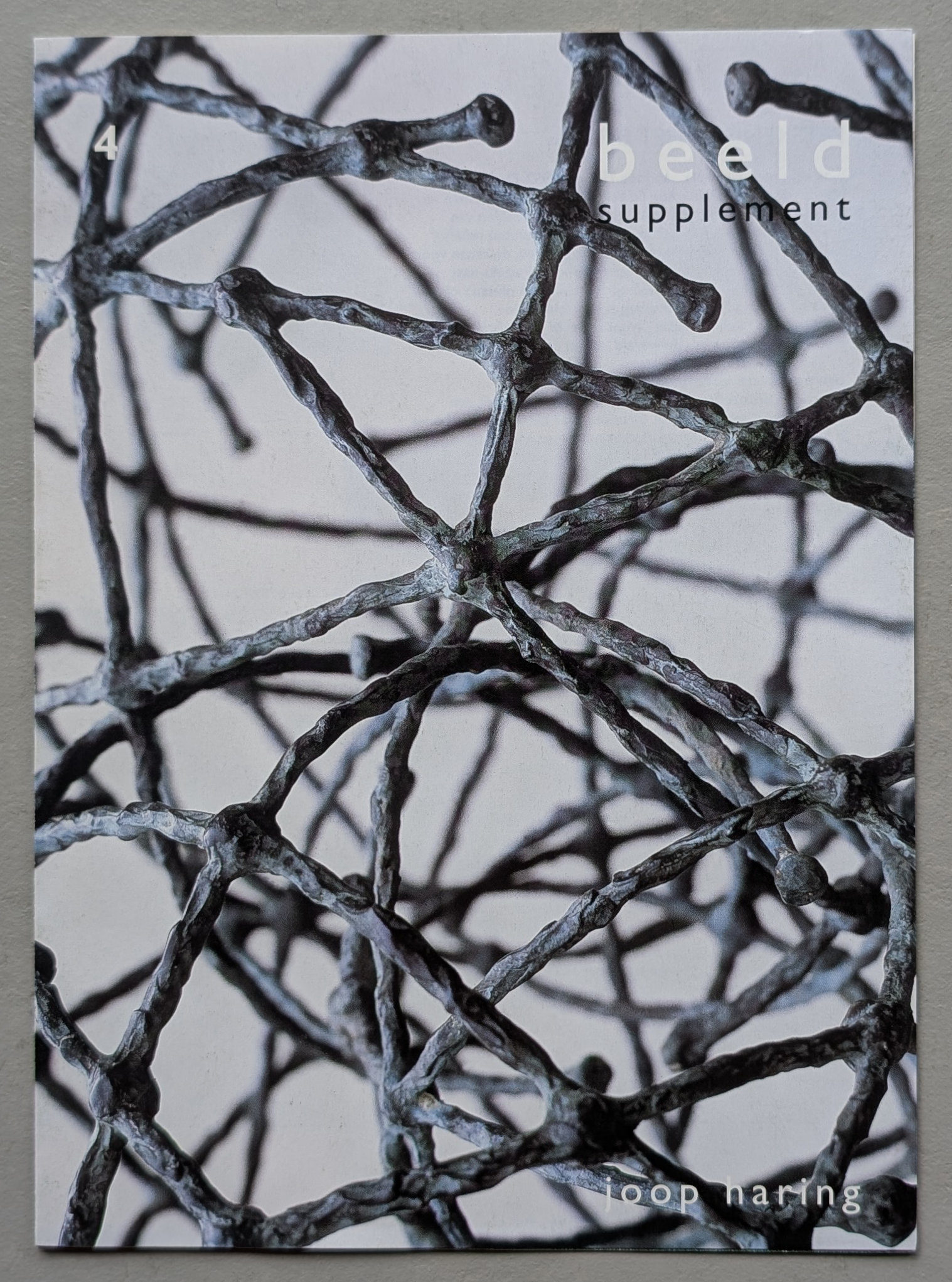
Joop Haring: Cultural Inspirations in Modern Art

A man with glasses and a patterned shirt, standing in a creative workspace with tools and equipment in the background.

His work is heavily influenced by the cultures of India and China. Through multiple Artist in Residence programs, he has visited these countries numerous times to continually experience the immense cultural and historical richness they possess. As he puts it, this has been a source of enrichment, which he then utilizes to create new works.

Haring (’52) returned to India in December 2023 for another project, building on the success of his previous endeavor, “The Golden Light,” Amsterdam – Varanasi (presented at WG Kunst 2021, exploring holy Hindu places).

During this project, he sought a connection between “Religion and Light” (hard-cover book in English and Dutch). In Haring’s viewpoint, there is a sense of “magic” when extraordinary natural phenomena serve as a catalyst for people to create new spiritual spaces. Thus, ritual sites are born.

Among indigenous groups in Tamil Nadu, there is a strong sense of connection to nature, giving rise to new expressions of these rituals.

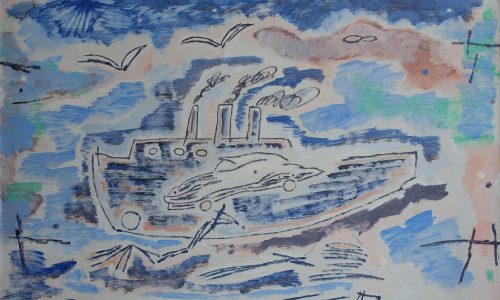
In his latest project, “Light/Shadow, an Inspiration,” this fascination with the magical moment of experience is translated into new drawings, sculptures, wall objects, and photographs. It is a “total experience” and how these works relate to each other in the exhibition.

www.ftn-books.com has several Haring publications available.
Posted on 22 Comments

Celebrated Lithuanian Artist: A Journey from Kupiškis to Global Recognition

A woman with shoulder-length hair, wearing a turtleneck sweater and a necklace, standing outdoors with a thoughtful expression in a black and white photo.

Born in the from the small town of Kupiškis in 1969, this artist now resides and works in the bustling city of Vilnius. With a bachelor’s degree from the prestigious Vilnius Academy of Arts, specializing in Graphic Art, and a master’s degree from the Department of Painting, she has been a member of the Lithuanian Artists’ Association since 1999. Her impressive display of talent has garnered her 17 solo exhibitions within her native country and four more on an international scale, including Estonia, Finland, and the USA. Additionally, she has contributed to 39 group exhibitions within Lithuania and a remarkable 35 abroad.

The magnificent collection of her artwork can be found in renowned institutions such as the Lithuanian Art Museum in Vilnius, the Institute of Lithuanian Language Museum, and the Estonian Art Museum. Her talent has even reached establishments as far as the National Museum of Engraving in Buenos Aires, the Florean Museum in Romania, the Nagoya Art Museum in Japan, and the Be&be Gallery in Japan. Notably, her artwork is also displayed at Europa Park in Vilnius.

Her remarkable achievements have rightfully earned her recognition through various awards and scholarships. She has been the recipient of a Kultur Kontakt scholarship from the Austrian Ministry of Education and Culture in 2011, as well as multiple individual State scholarships. In 2008, she was granted an Educational Scholarship from the Ministry of Culture of the Republic of Lithuania. Among her other accolades, she was bestowed the Main Prize at the 5th International Triennial “Transfers” in Prague in 2007, and the Third Prize at the “Engraving” exhibition in Vilnius in 2005. She also received the Main Prize at the 13th Tallinn Graphic Art Triennial “In Exile” in 2004 and the Second Prize at the “Engraving” exhibition in Vilnius in 2003. Her success in the art world continues to inspire and awe viewers with her unique talent and skill.

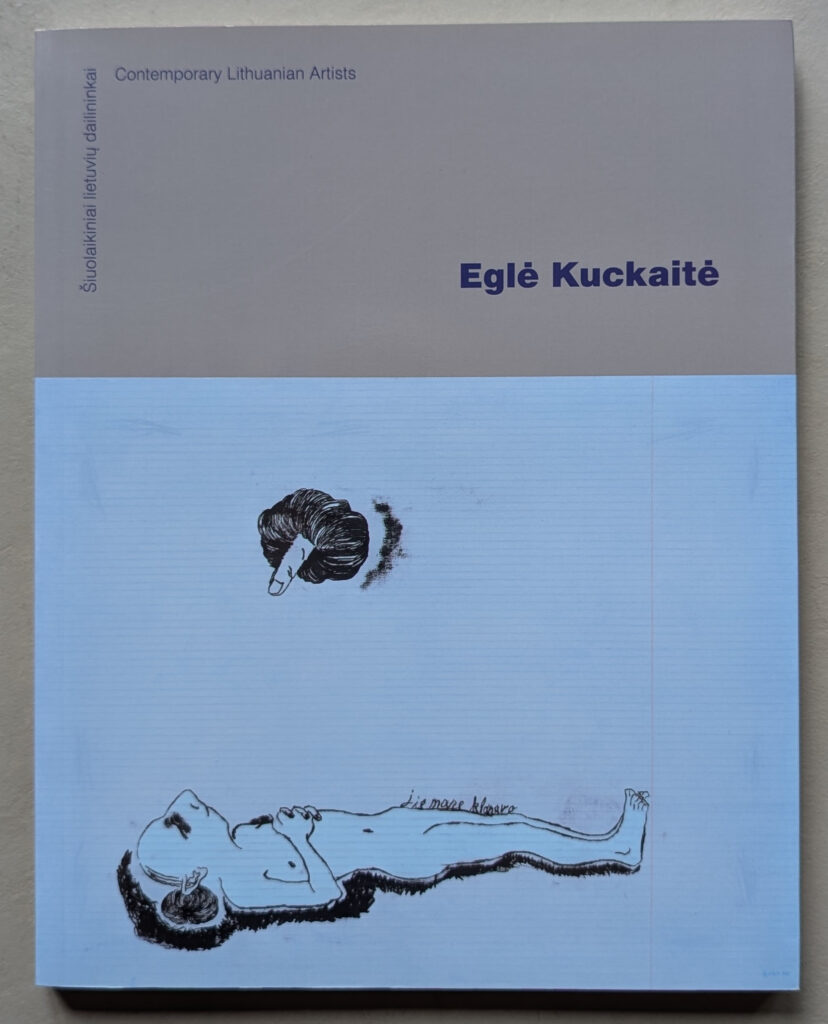
www.ftn-books.com has 1 book on Kuckait available:

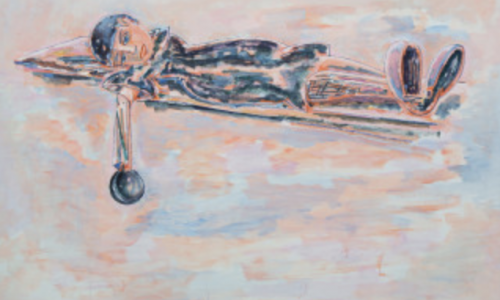
Book cover featuring the title 'Eglė Kuckaitė' and an illustration of a figure lying down with a hand reaching from above.

Posted on 20 Comments

The Artistic Evolution of Dadara: From House Culture to Guerrilla Art

A person with curly hair and glasses sitting at a table, holding a pen and smiling, in a well-lit room with a lamp in the background.

The evolution of Dadara’s artistry is a fascinating odyssey, born from Amsterdam’s thriving house culture of the early 90s. From flyers and record sleeves to wailing baby speakers, this marked the start of his impressive career as an idea-generating creative, cartoonist, and painter.

As time passed, Dadara’s focus shifted to elaborate installations and performances in public spaces, including Dreamyourtopia and the Fools Ark for Burning Man in the Nevada desert, USA. Notably, in 2002, Dadara became the first foreign artist to participate in Burning Man.

In recent times, he has revisited his passion for drawing and painting, while also spearheading guerrilla art actions across the globe. One noteworthy example is his most recent guerrilla action, where he draped giant banners and fences over the iconic “I Amsterdam” installation. The words inscribed on the banners read “I am Dream,” a thought-provoking commentary on the effects of gentrification.

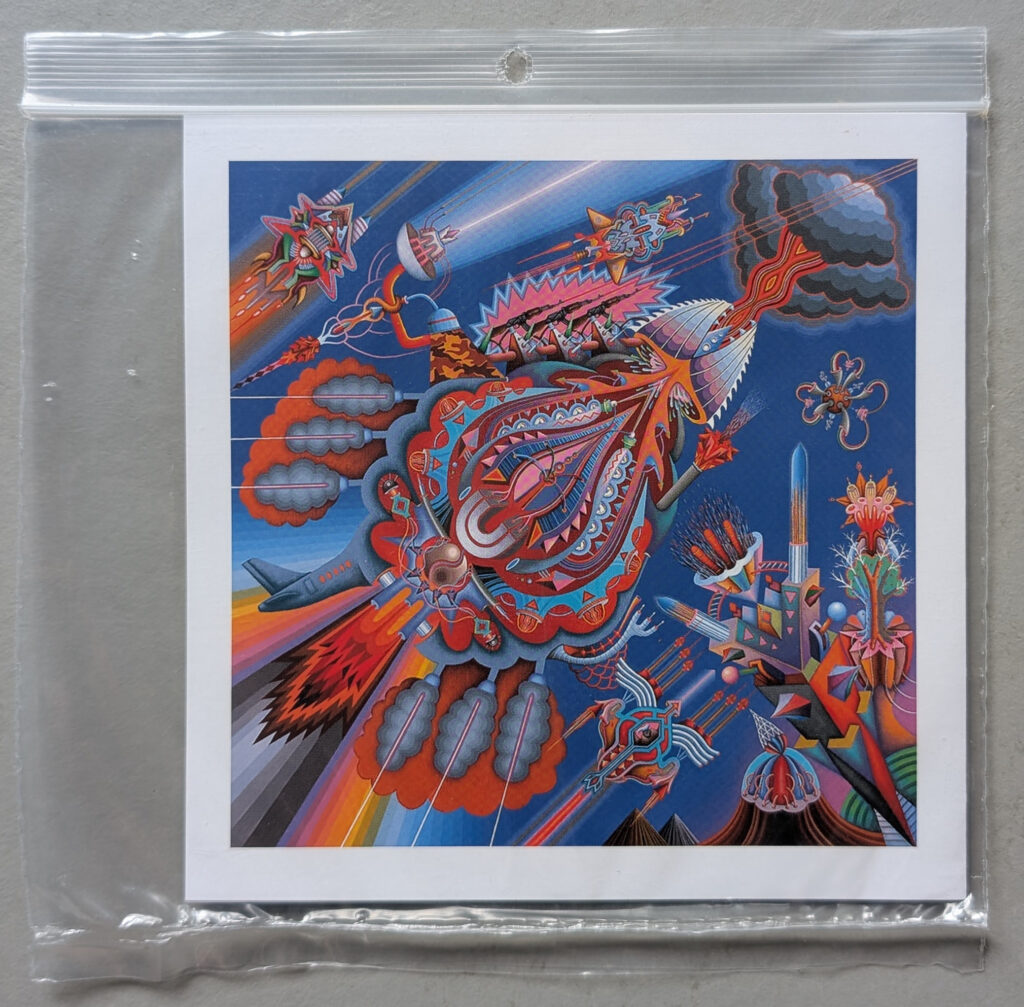
www.ftn-books.com has the REFLEX invitation now available

A vibrant and colorful artistic print featuring abstract shapes and surreal imagery, showcasing a dynamic composition with elements that include rockets, clouds, and intricate patterns, presented in a plastic sleeve.
Posted on 33 Comments

How Science and Art Intersect in Lotte Geeven’s Work

A woman with long, wavy brown hair, wearing a black blazer, stands confidently with a slight smile in an indoor setting filled with soft lighting.

Science guides us in this ever-changing world, providing solid beacons of truth to help us navigate through space and time each day. We now know the Earth is round, life is finite, and every hour consists of 60 minutes. This common knowledge strengthens our worldview and keeps us grounded. However, a life based solely on facts also leaves gaps. Multimedia artist Lotte Geeven (NL 1980) fills these voids with works that revolve around questions and challenge our relationship with the unknown. Can we hear the sound of the Earth? What about the past? Through her art, Geeven brings the sea to life, makes the Earth growl, and echoes the voices of the past. This isn’t just a story; it’s real. By introducing doubt, she destabilizes our worldview, creating the space for radical new thoughts to emerge. Geeven’s work has been displayed in galleries and museums around the world, from Amsterdam to New York, Berlin to Budapest, London to China, and Indonesia to Canada. She is the recipient of the prestigious Illy Prize for her groundbreaking and innovative art.

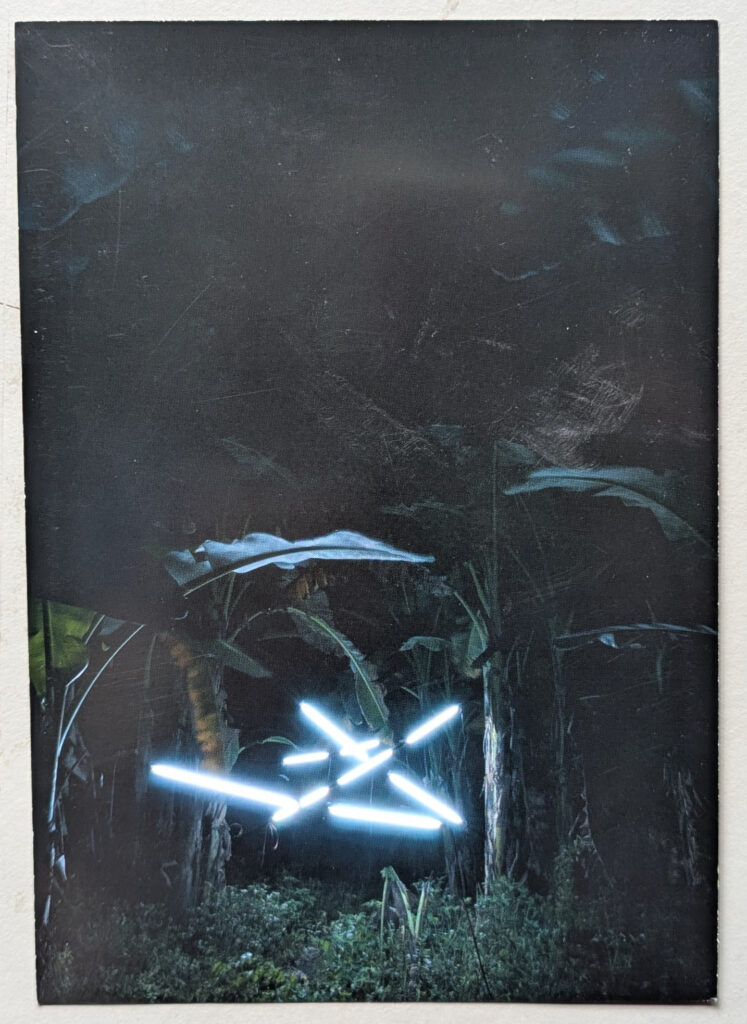
www.ftn-books.com has the HEDEN invitation now available.

A dimly lit forest scene featuring glowing, abstract lines of light cutting through dark foliage, creating an ethereal atmosphere.

Posted on 19 Comments

Van Moerkerken: Surrealism and the Parisian Influence

A man in a vintage suit and tie holding a pipe, posing while looking directly at the camera. He is seated next to a model or display with wooden blocks and utensils.

According to Van Moerkerken, Paris serves as the bedrock of his oeuvre, flowing with inspiration. Even as a young boy, he traveled to the City of Light with his parents to attend exhibitions. Throughout the 1930s, he frequents the city to capture photographs and films, and to meet fellow artists. The vibrancy of the artist’s life, the freedom that permeates the city, and the colorful scenes of the terrains vagues on its outskirts all contribute to his fascination. In 1934, he first encounters surrealism through the Belgian film magazine Documents. The images of artists such as Man Ray and Giorgio de Chirico strike a chord within him. Van Moerkerken also aligns himself with the communist ideals of the surrealists. He enjoys being a part of leftist circles and detests anything that leans towards the right, is associated with Catholicism, or is fascist in nature. In 1947, he publishes his first photobook, “Reportages in Light and Shadow,” featuring a plethora of surrealistic works and portraits.

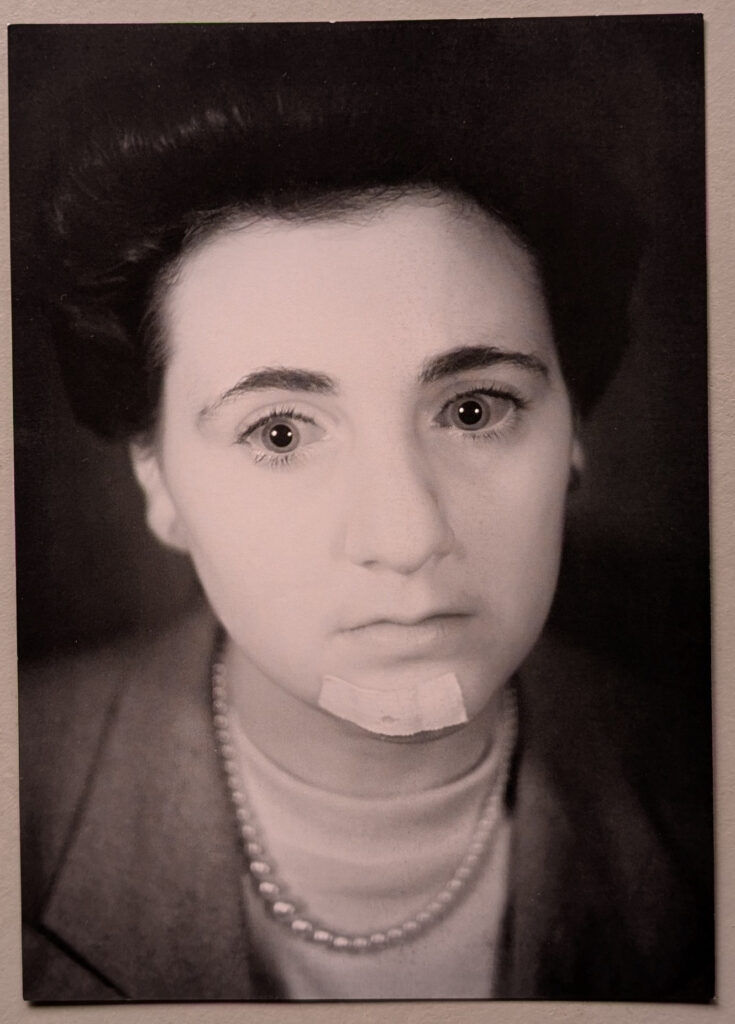
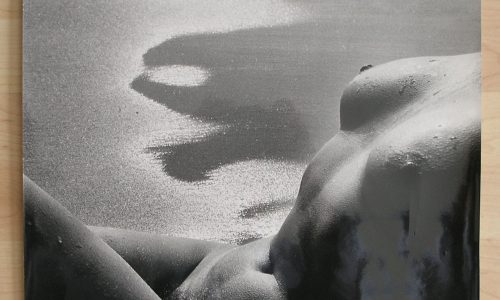
Van Moerkerken captures a multitude of female models with flawless skin and at times, expressionless or slightly fearful gazes. Desires and fantasies that unfold in the subconscious mind are themes that are intricately portrayed by surrealists. Van Moerkerken abstracts the female body into a sensual object, a fetish, much like the French surrealists. In his body of work and personal life, Van Moerkerken encounters numerous beautiful women; he even referred to himself as a “ladies’ man.” A play of light, darkness, and a keen eye for detail characterize his landscapes and cityscapes. Towards the late 1940s, his photography took on a more documentary style, evident in his later photo books Amsterdam (1957) and Girls of the Netherlands (1959). This blend of reportage and documentary can also be seen in his portraits of writers and artists, including Simon Vestdijk, E. du Perron, Bertolt Brecht, as well as Gerard Reve, W.F. Hermans, Carel Willink, Brassaï, and André Gide.

www.ftn-books.com has the FOTOMUSEUM DEN HAAG invitation now available.

A black and white portrait of a young woman with a serious expression, wearing a pearl necklace and a sweater. She has a slight bandage on her chin and is dressed in a formal jacket.

Posted on 6,257 Comments

Meet Desiree de Baar: Textile Artist and Curator

Profile view of a woman with curly hair, wearing glasses, and a dark shirt, standing against a light background.

Desiree de Baar, a native of Rotterdam, pursued a degree in Autonomous Visual Arts at the Willem de Kooning Academy. Her expertise lies in creating site-specific textile works, ranging from three-dimensional objects made of wool, fabric, paper, and knitting. Often, her pieces showcase a detailed depiction of technique, patterns, and diagrams. With her art taking center stage in the architectural world, she offers a unique experience of space. Her works have been featured in numerous exhibitions and are part of various private and corporate collections. From 2008 to 2012, she served as curator of the Bewaerschole, an experimental and contemporary art exhibition space in Burgh-Haamstede. Additionally, De Baar has been teaching and mentoring students at the Willem de Kooning Academy since 2008.

www.ftn-books.com has now the RAM invitation available.

Posted on 138 Comments

The Symbolism of Horses in John van ‘t Slot’s Art

A man in a pinstripe suit stands next to an artwork on a wall, looking slightly serious. The background shows a doorway and part of a building.

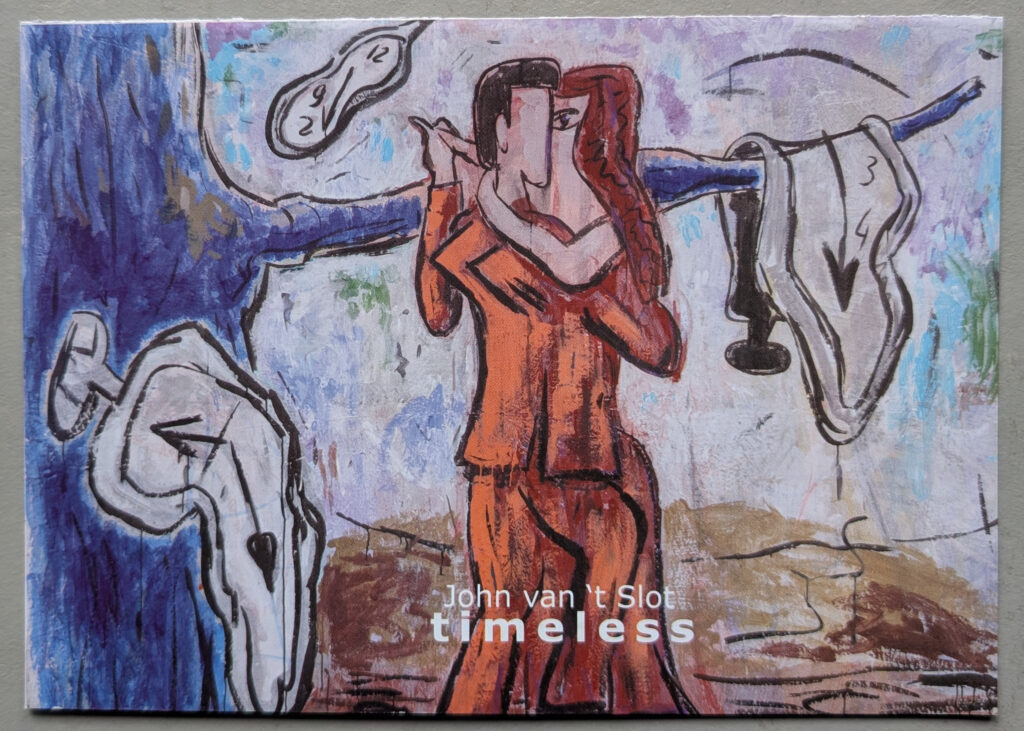
John van ‘t Slot emerged as an artist in the late 1970s, showcasing large, figurative paintings. In doing so, he aligns with an international trend where narrative and expressive painting (once again) gains popularity. For Van ‘t Slot, the focus lies primarily on the thematic and artistic freedom that accompanies this renewed attention for painting. His work is eclectic, not only in theme but also in form and use of color. A recurring motif in his work is the horse, serving as both a carrier of humans and a symbol of meaning. Thus, the representation of horses in Van ‘t Slot’s work reflects various painting styles of the 20th century. This emphasizes that for a contemporary artist, it is impossible to fully detach oneself from the legacy of modernism. The horse becomes the personification of (the history of) painting.

The painting ‘Untitled’ does not feature a horse, but instead a fantasy creature resembling a seahorse. The human figure with antlers standing next to it is in a precarious position: surrounded by fire and sprayed by two spitting clouds. The white shapes near their mouths suggest that this does not prevent them from having a conversation. The use of color in this painting is striking: the figures, together with the background, form a compositional interplay of colors.

www.ftn-books.com has several van ‘t Slot items available.

Posted on 15 Comments

The Legacy of Klaus Staudt in Modern Art

A mature man with glasses and gray hair sitting at a table covered with papers, holding a ruler, with a textured background.

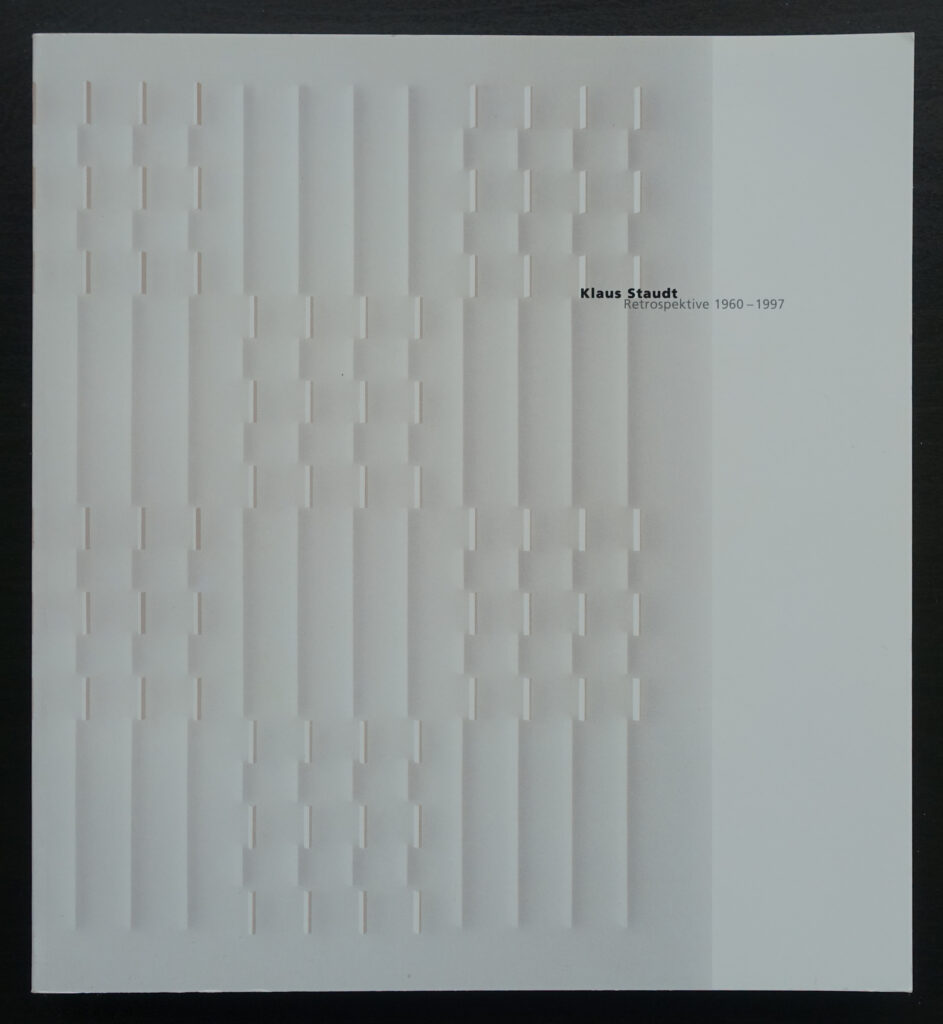
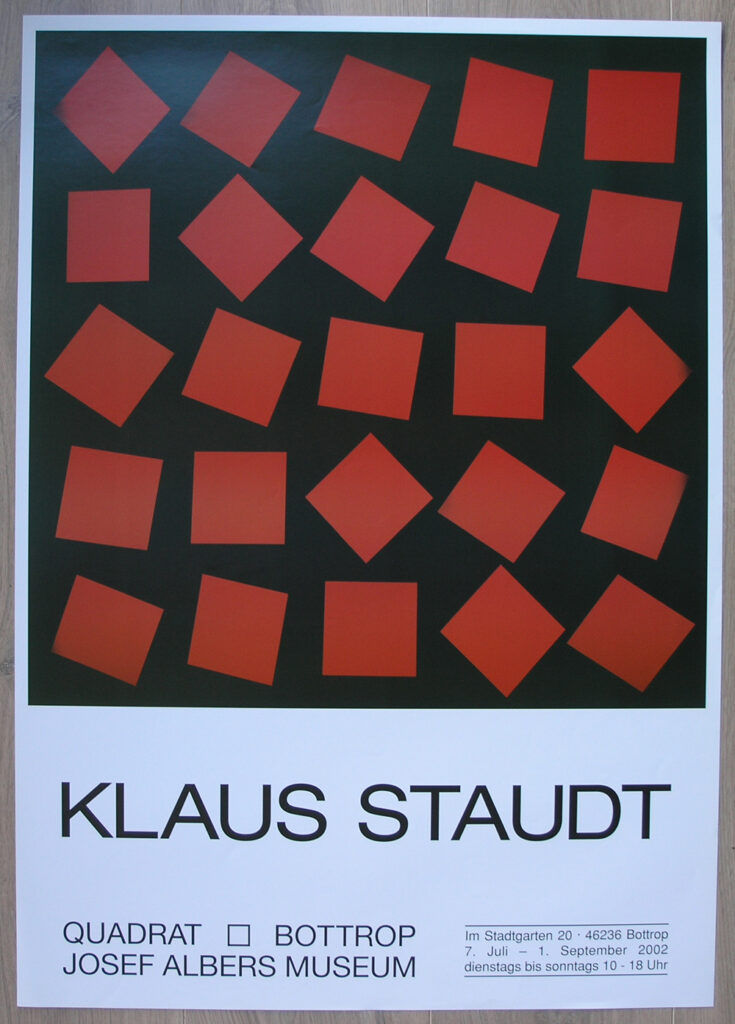
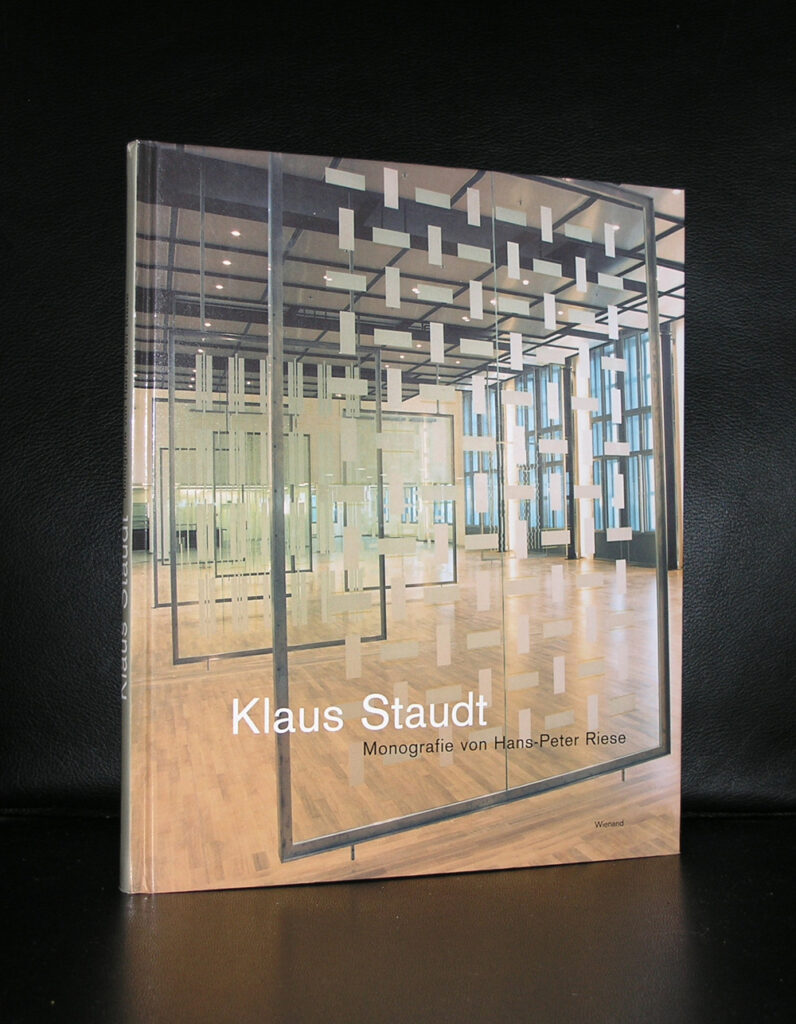
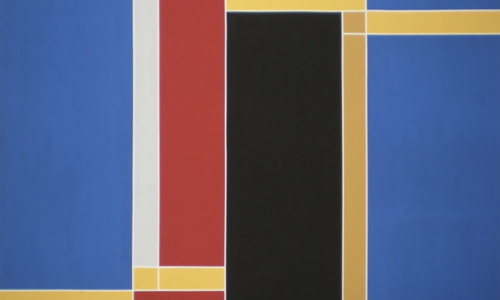
Klaus Staudt (born 1932 in Otterndorf am Main, Germany) stands among the foremost advocates of constructive and concrete art in his home country. While pursuing his medical studies from 1954 to 1959, a visit to the Academy of Fine Arts in Munich ignited a passion for art, leading him to enroll in a course under the tutelage of Ernst Geitlinger and Georg Meistermann. In 1960, along with Gerhard von Graevenitz and Jürgen Morschel, Staudt established the celebrated nota gallery in Munich, establishing himself as a member of the nouvelle tendance.

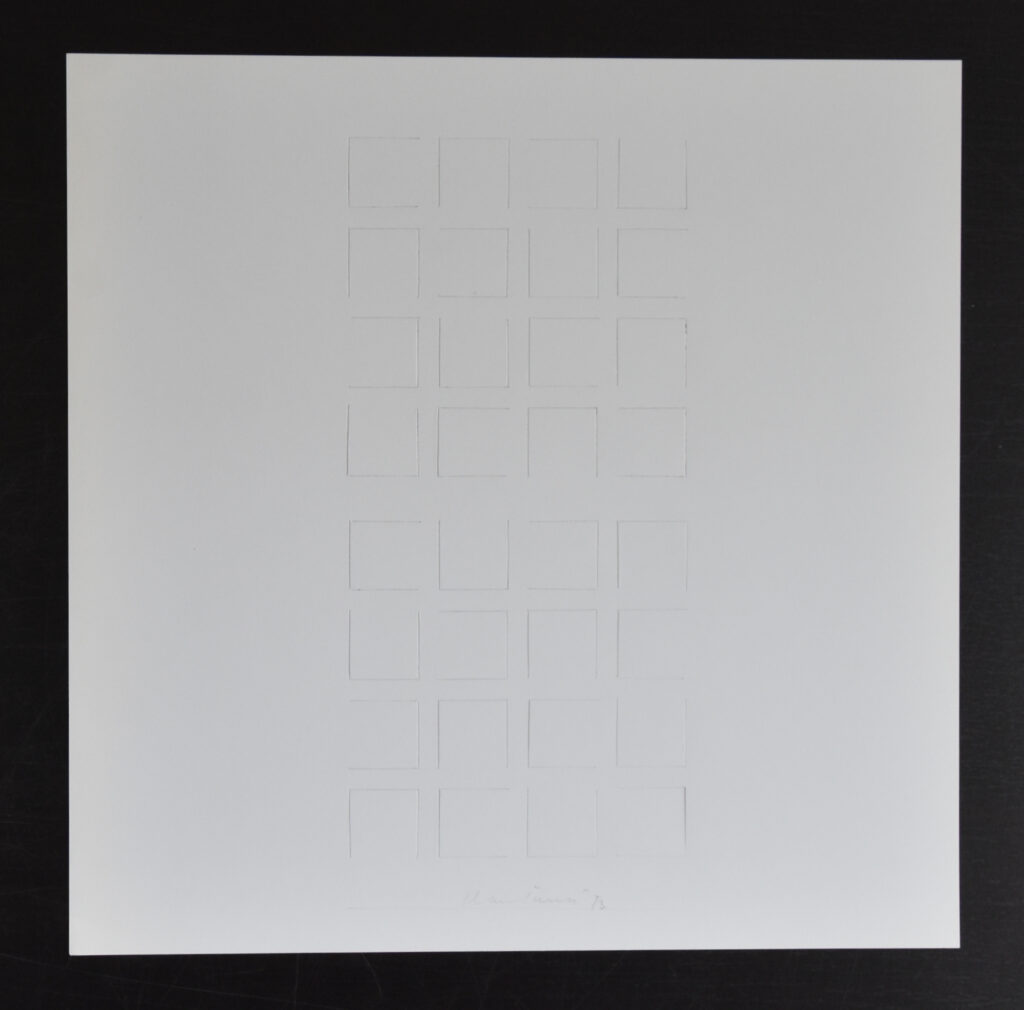
His body of work is rooted in simplistic geometric forms, enclosed in transparent Plexiglas, creating an optical illusion of movement as the beholder’s gaze roams. The interplay of color, light, and shadow imbues the perception of the observer. With a consistent presence in galleries for over four decades, Staudt received a retrospective at the Museum für Konkrete Kunst, Ingolstadt in 1997. His pieces are displayed in numerous prominent public and private collections throughout Europe, including the Daimler AG Collection in Stuttgart, the Museum of Concrete Art in Ingolstadt, and the Haus Konstruktiv in Zürich, as well as the Kunstmuseum Basel.

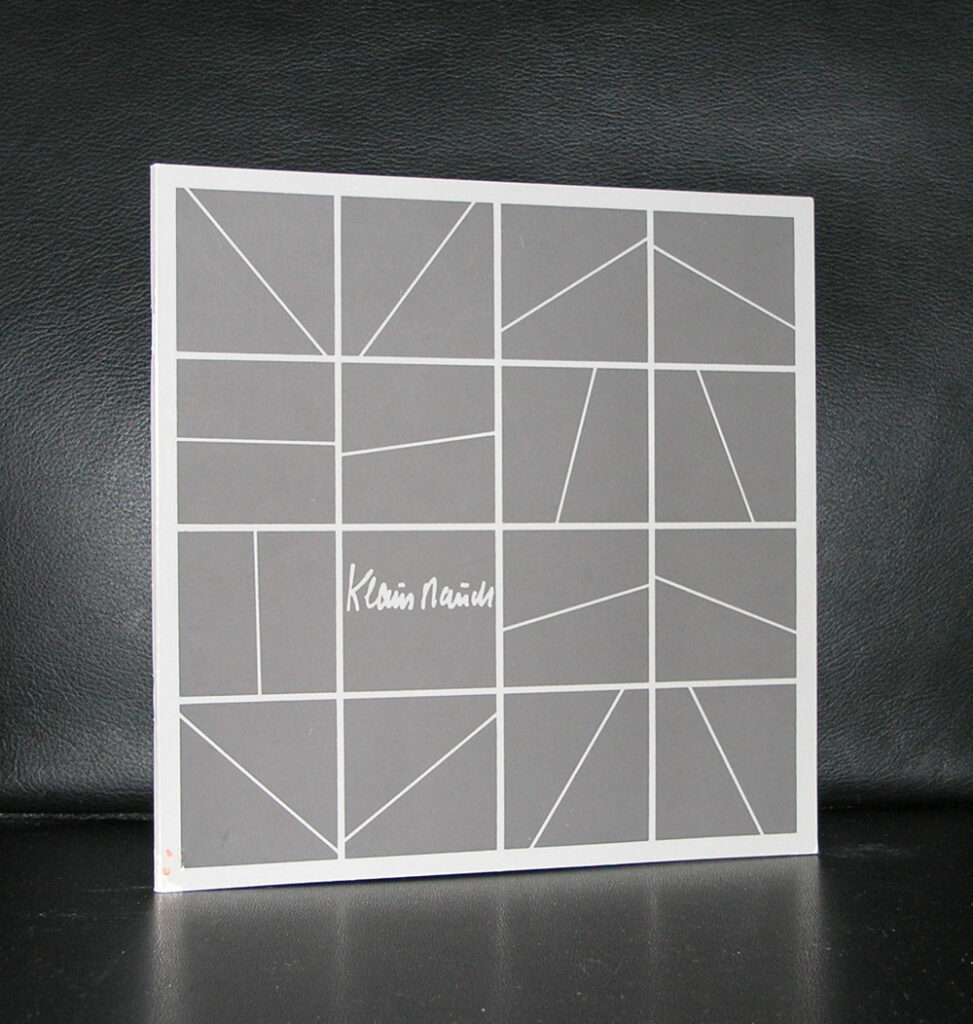
www.ftn-books.com com has a nice choice of Staudt related items available.

Posted on 13 Comments

The Creative Process Behind Henri Jacobs’ Drawings

A man with glasses and a serious expression posing in front of patterned artwork in black and white.

Since 2003, Henri Jacobs (1957) has been working on an ever-expanding series of drawings. These are known as Journal Drawings, which originated from an assignment given by Henri Jacobs to his students: draw what catches your eye or occupies your mind to free yourself from the pressure of coming up with a subject. He then applied this method to his own work, resulting in a continuously growing series of drawings where forms and motifs are developed, and then let go to make room for new investigations and experiments in drawing.

Henri Jacobs’ drawings are characterized by great technical ability, being both highly accurate and virtuosic, while also playful and inventive. The images he creates range from abstract geometric and calligraphic shapes and patterns to stylized portraits, landscapes, and architectural spaces. He often references art history and the work of other artists, such as Matisse and Jasper Johns. The Journal Drawings are a continuous creative process in which Henri Jacobs continually redefines himself and explores the possibilities of drawing.

Moreover, Henri Jacobs employs a unique skillset in his work, demonstrating his proficiency through precise and masterful drawings, while also adding a touch of playfulness and ingenuity. The visual representations he creates span a wide range, from abstract elements to realistic portraits, landscapes, and architectural formations. He frequently draws inspiration from art history and the works of other artists, including the likes of Matisse and Jasper Johns. The Journal Drawings serve as an ongoing process of creation, allowing Henri Jacobs to constantly redefine himself and explore the limitless potential of drawing.

Posted on 16 Comments

David Batchelor: Master of Color in Modern Art

An artist stands in front of a colorful display of geometric artworks and sculptures in a studio.

The work of David Batchelor revolves around one primary obsession – color. His adoration for the myriad vibrant shades of the urban environment is accentuated by a critical awareness of how we perceive and respond to color in our highly advanced technological age.

Within his studio lies a veritable treasure trove of fluorescent plastic objects, procured from pound shops and markets across the globe – clothes pegs, fly-swatters, buckets, spades, children’s toys, and empty bottles of household products – all stacked high. Batchelor expertly combines these everyday items with a variety of light-industrial materials – steel shelving, commercial lightboxes, neon tubing, warehouse dollies, acrylics, plastics, and more – to produce extraordinary installations that elevate the mundane and celebrate the gaudy and garish, mesmerizing viewers with their innate beauty.

Born in 1955 in Dundee and currently residing and working in London, Batchelor has garnered recognition through various exhibitions. In 2013, his two-dimensional work, Flatlands, was on display at the Fruitmarket Gallery in Edinburgh before touring to Spike Island in Bristol. The Whitechapel Gallery in London also featured Batchelor’s work in the renowned group exhibition Adventures of the Black Square: Abstract Art and Society 1915 – 2015. Additionally, a separate exhibition showcasing Batchelor’s Monochrome Archive (1997-2015) was on view at the Whitechapel Gallery until May of 2015. More recently, during the 2019 Edinburgh Art Festival, Ingleby presented My Own Private Bauhaus – a solo exhibition showcasing Batchelor’s sculptures and paintings.

Batchelor’s extensive portfolio includes numerous noteworthy temporary and permanent public artworks, including a commission for the British Council headquarters in Hong Kong, Spectrum on the Hill in Seoul, South Korea, a 10-meter high light installation at the Archway Tube Station in London, and a captivating chromatic clock titled Sixty Minute Spectrum adorning the roof of the Hayward Gallery.

www.ftn-books.com has the GEM invitation for his exhibition now available.

A colorful installation by David Batchelor, featuring various illuminated screens and lightboxes arranged in a structured pattern against a white brick wall.