
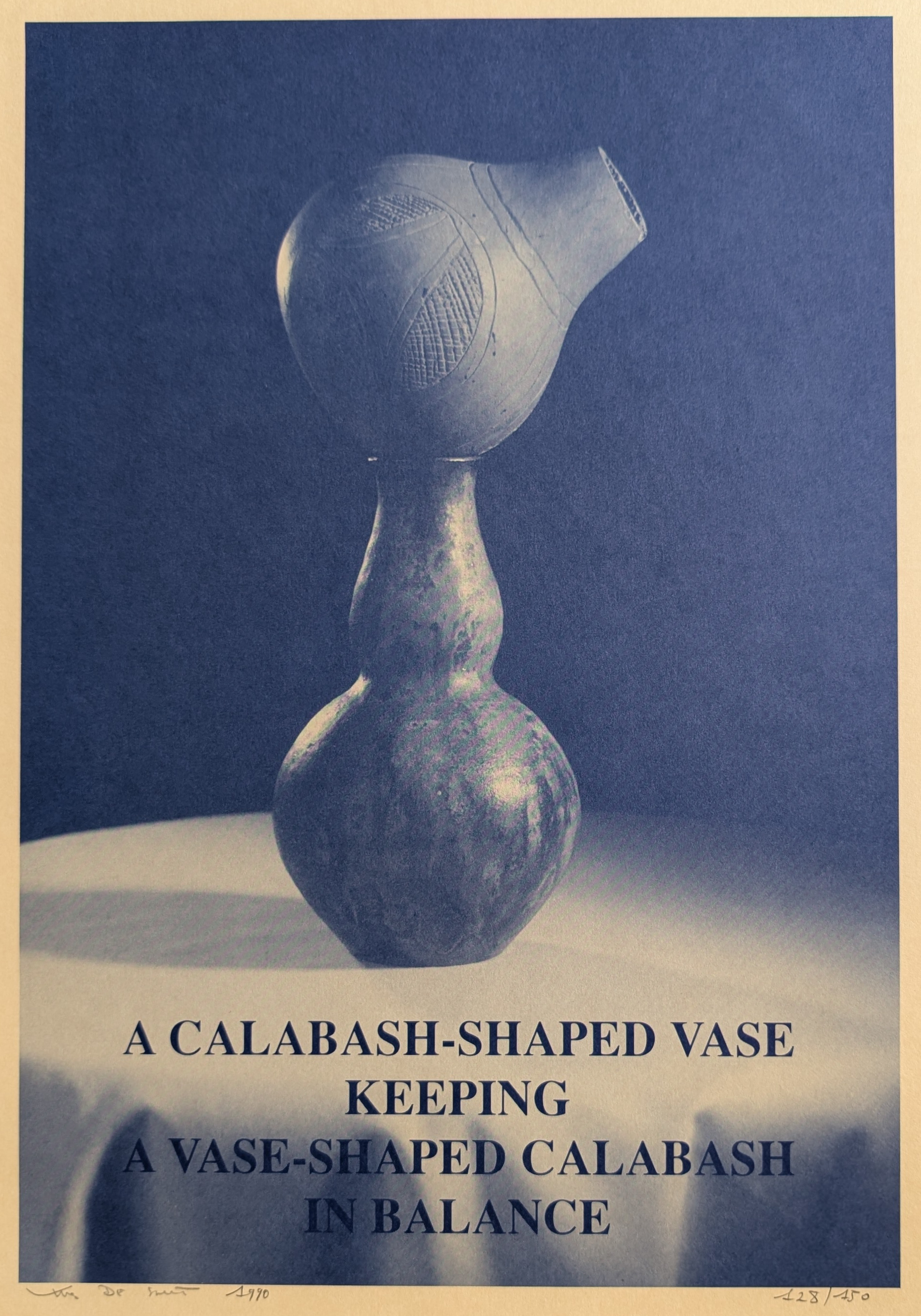
Yves De Smet, born in 1946 in Gent and passing away in 2004, was an artist who studied monumental arts and modern philosophy.
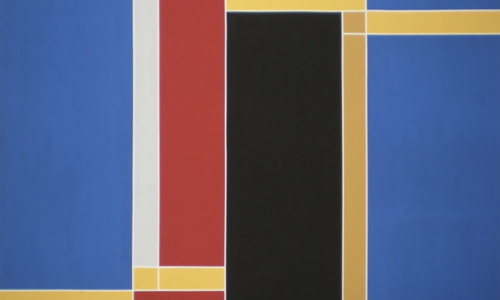
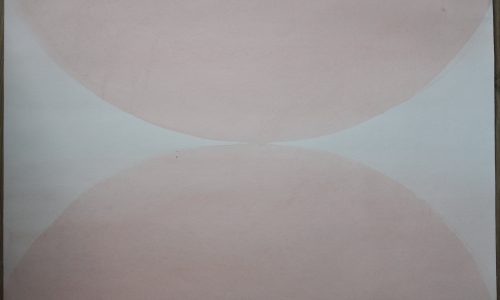
Initially, De Smet’s body of work primarily consisted of monochrome reliefs, architectural integrations, minimalist constructions, and concrete poetry. In 1964, De Smet met Amedée Cortier, with whom he would become very close friends. In 1966, De Smet co-founded the Plus Group with Willy Plompen and Jan van den Abbeel. The artists in this group also referred to themselves as the “Ghent Constructivists.” Their goal was to elevate painting to a total, multisensory experience. The experience of art was meant to be more than just viewing a work of art on a wall. Additionally, they also rejected the idea that art must be narrative, symbolic, or expressionist. The Plus Group disbanded in 1968. In 1969, De Smet, together with Cortier, founded the Plus-Kern Group, a center for constructive design.
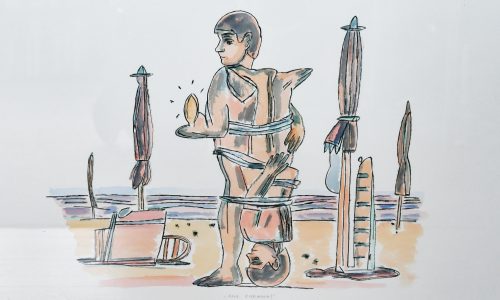
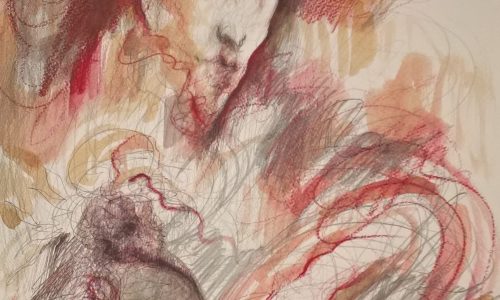
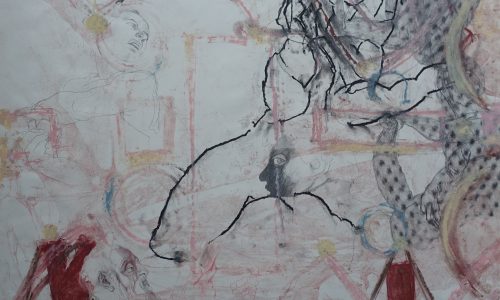
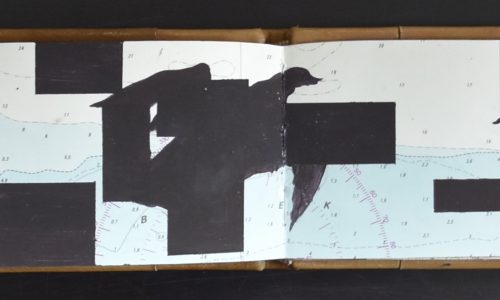
Ultimately, Yves De Smet departed from constructivist art and focused on conceptual art. The concept of relationships was central to his work. These relationships could be linguistic, but also mathematical, material, emotional, or even a combination of all of these.
www.ftn-books.com has a de Smet print now available.

























diflucan generic
diflucan generic
cialis medication use
cialis medication use
xenical drug interactions
xenical drug interactions