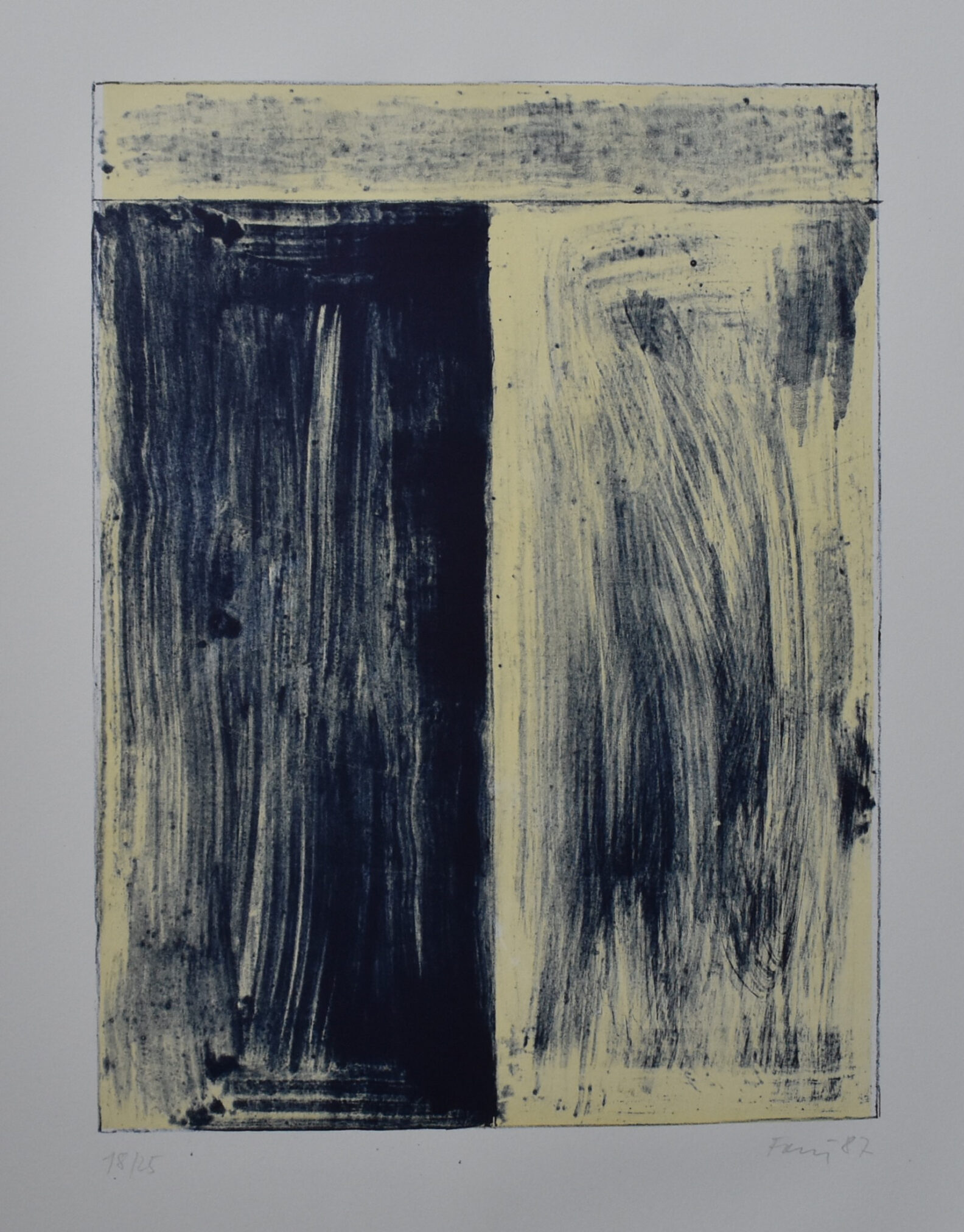
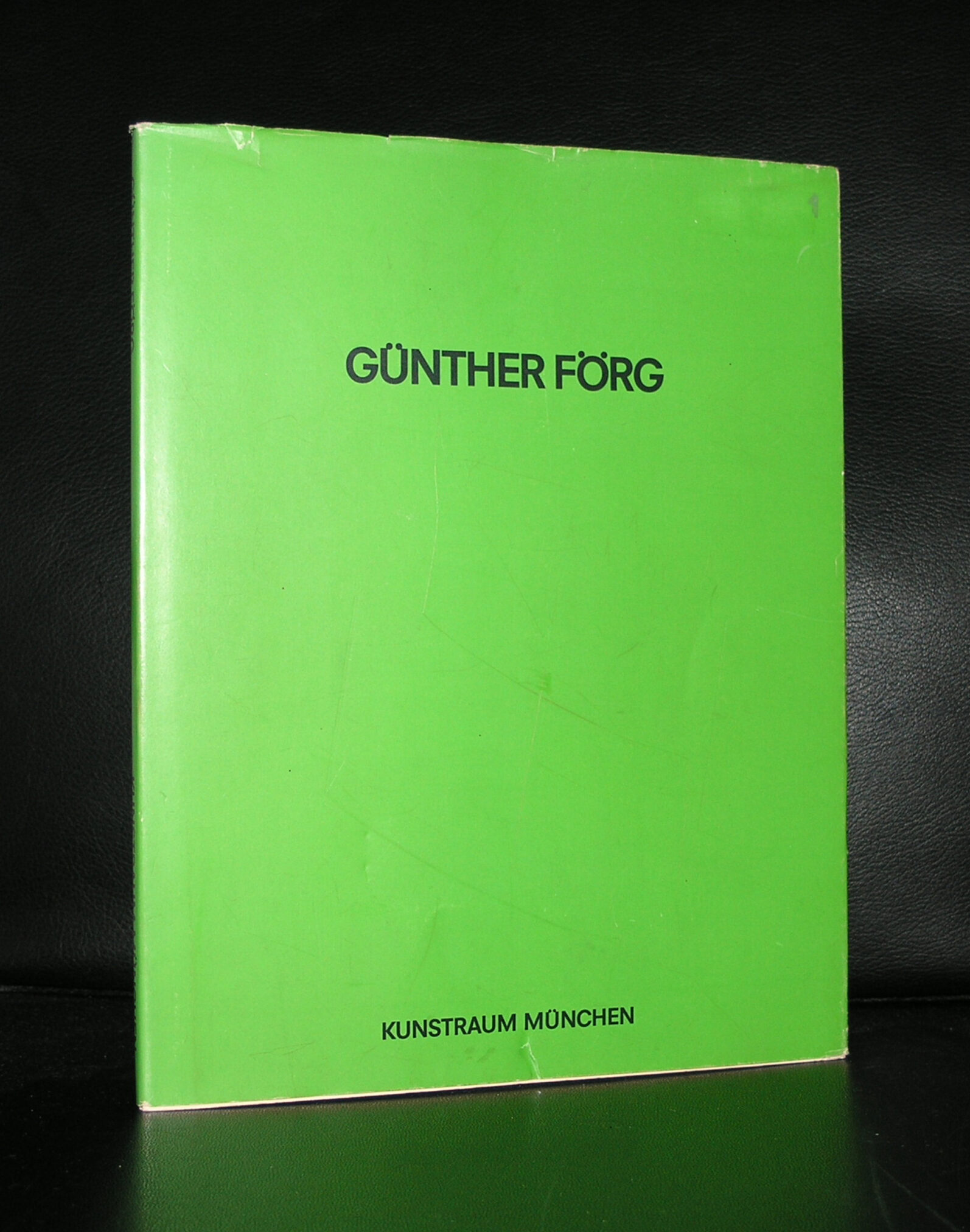
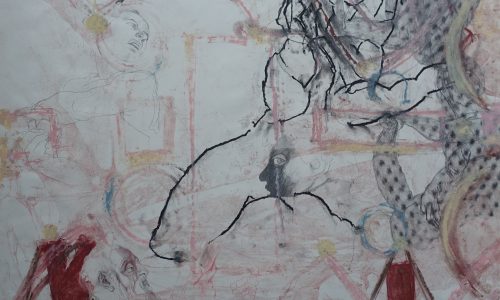
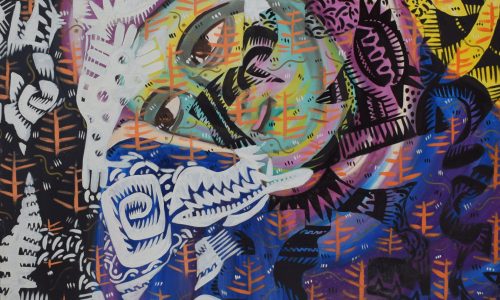
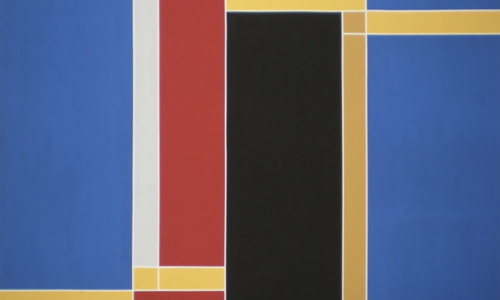
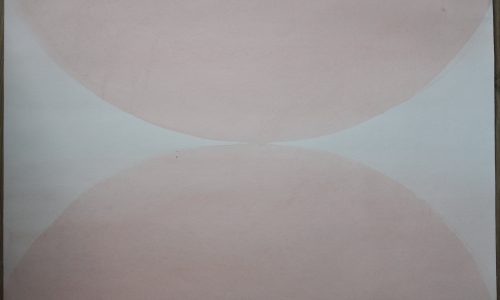
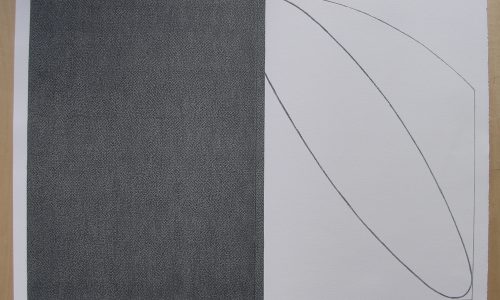
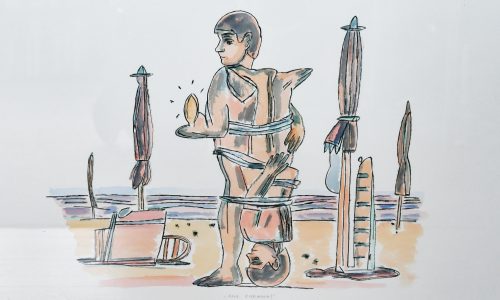
Born in 1952 in the outskirts of Allgäu, Germany, Gunther For̈g embarked upon his career in the early 1970s, as he began to study at the renowned Academy of Fine Art Munich. Throughout his education, For̈g honed a distinct pattern, grounded solely in tones of grey and black. These initial investigations into shades of gray, also known as “Gitter” paintings, marked the genesis of a life-long dedication to conceptualism. As he eloquently declared, “Grey, a void in itself: neither pure white, nor deep black. Hovering in between. Unconcerned with form. Embracing liberty.” While the artist eventually incorporated splashes of color into his monochromatic creations, his use of grey served as a neutral foundation from which he manifested his magnum opus.
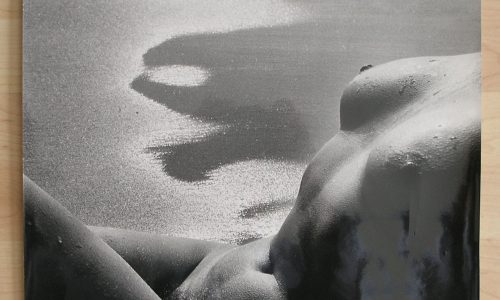
In the roaring 1980s, For̈g ventured into photography, capturing gorgeous images of architecturally significant structures, both culturally and politically, ranging from Bauhaus edifices in Tel Aviv to Fascist constructions in Italy. This diversification of medium and form influenced For̈g to forsake painting altogether, as he focused solely on photography for a period of time, as a counterpoint to traditional painting practices. In retrospect, he expressed that photography allowed him to “capture reality more intimately,” concluding that “what one portrays is not necessarily the absolute reality.” During the span of the 80s and 90s, Förg’s photographic creations garnered critical acclaim and were showcased at esteemed art institutions worldwide, such as the Kunsthalle Bern in Switzerland and The Solomon R. Guggenheim Museum in New York, NY. It was during this period that Förg embarked on an exploration of the exhibition space itself, painting over gallery walls and juxtaposing photographs against his own paintings.
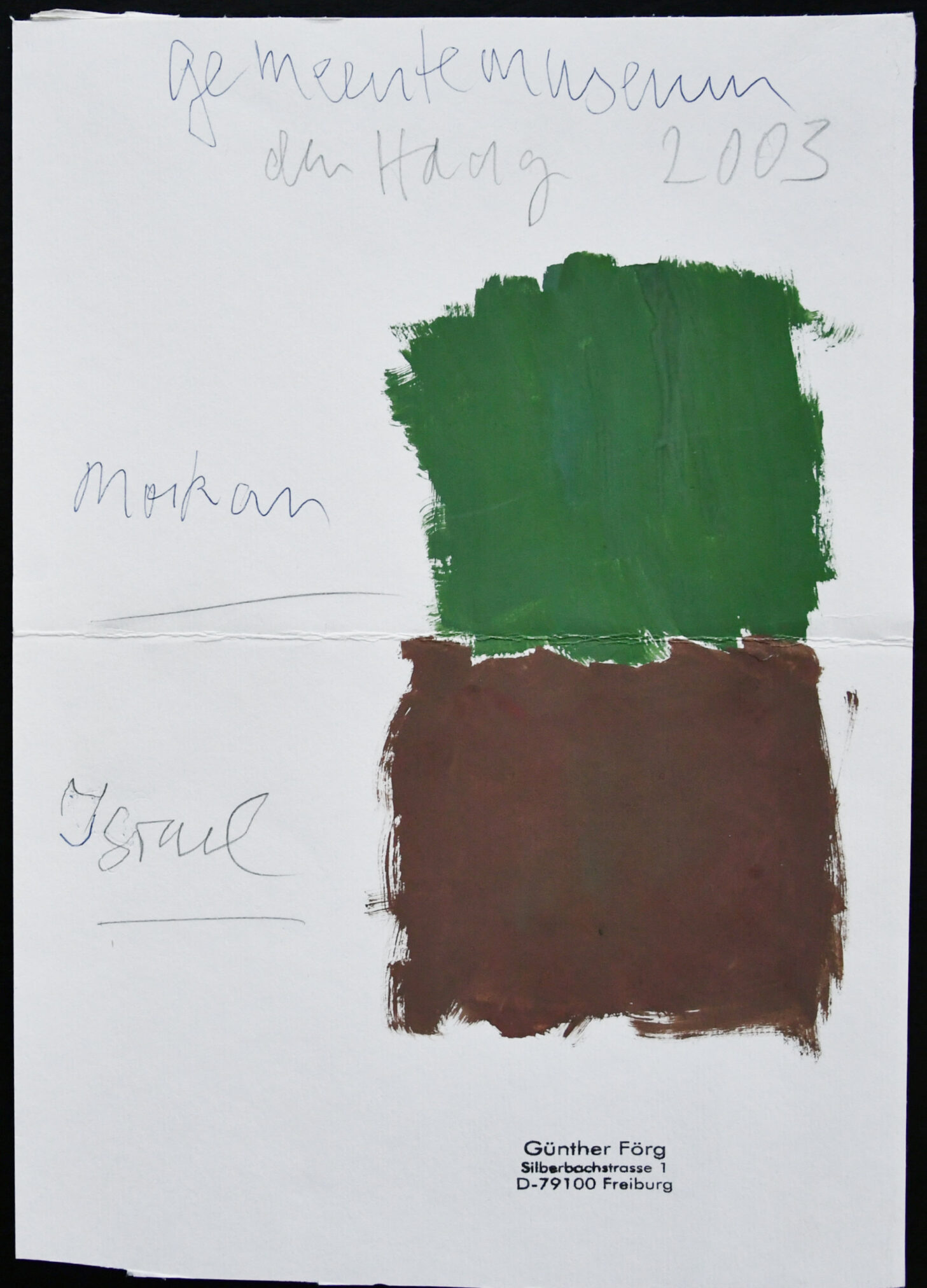
Förg ventured into a new phase of experimentation in the late 80s, delving once again into the realm of painting and delving into novel materials such as wood, copper, bronze, and lead. His celebrated lead series, in which acrylic paint is applied onto sheets of lead and supported by wooden frames, blurs the boundaries between painting and sculpture, marking an evolution towards object-making. Förg’s bronze sculptural practice, also initiated in the 80s, possesses a painterly quality with indentations and marks that evoke brushstrokes, capturing a fleeting moment in time.
In his fervent pursuit of artistic experimentation, Förg turned to producing fragmented sculptures of body parts in the early 90s, describing this foray into figuration as inevitable. These new works embrace the inherent materiality of their creation; the weathered, heavy, and scratched surfaces of metal, lead, and wood hint at a duality of form and expression, geometry and spontaneity.
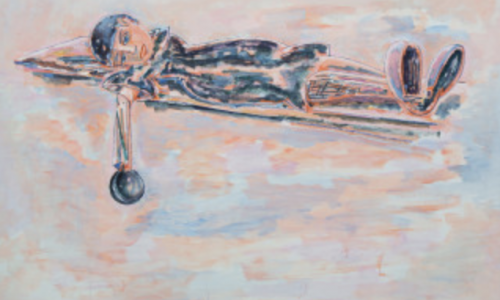
At the turn of the 21st century, Förg’s artistry evolutionarily diverged from the strict principles of Minimalism. Taking a fresh direction, he infused his works with a vibrant color palette and a more emotive touch, manifesting in a series of grid-like imprints and intersecting hues. Known as ‘Gitterbilder’ (grid paintings), these pieces exhibit the same uninhibited freedom and sensuality that have drawn critical comparisons to the works of Cy Twombly.
Other creations from this period feature expansive canvases of negative space, punctured by bursts of bold brushstrokes and expressive marks. Förg’s ultimate return to emotive painting signifies a sense of completion, a full-circle return to painting as a harmonious fusion of experimentation and artistic tradition. In the words of the artist himself, “I believe painting endures as a resilient practice; throughout its history, its essence remains relatively unchanged and it continues to thrive in the present. It is a timeless art form.”
www.ftnart.com has some great original Forg art available and www.ftn-books.com has many of the iconic Forg book titles available.