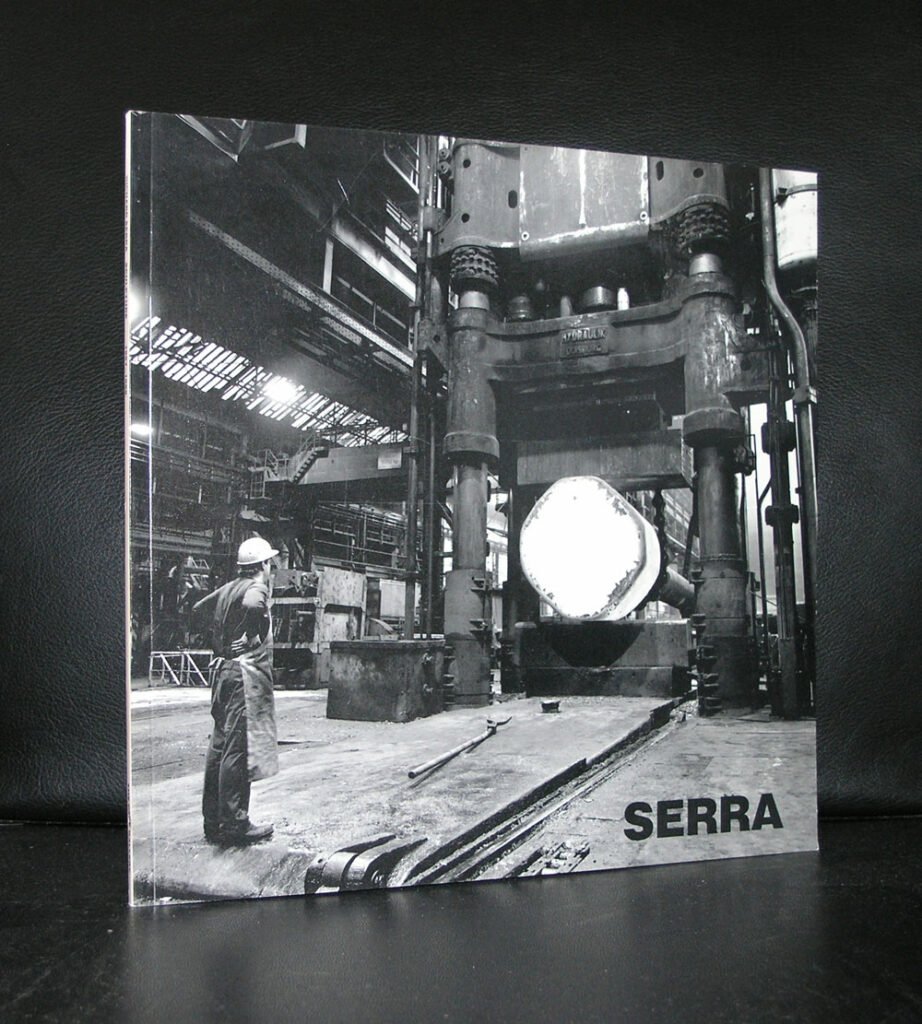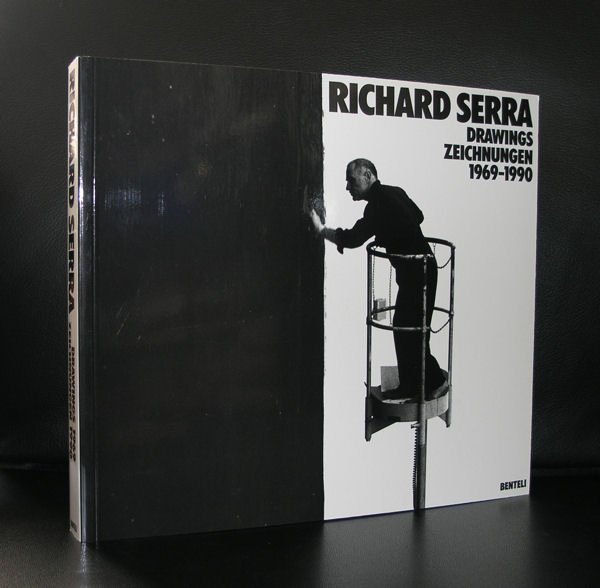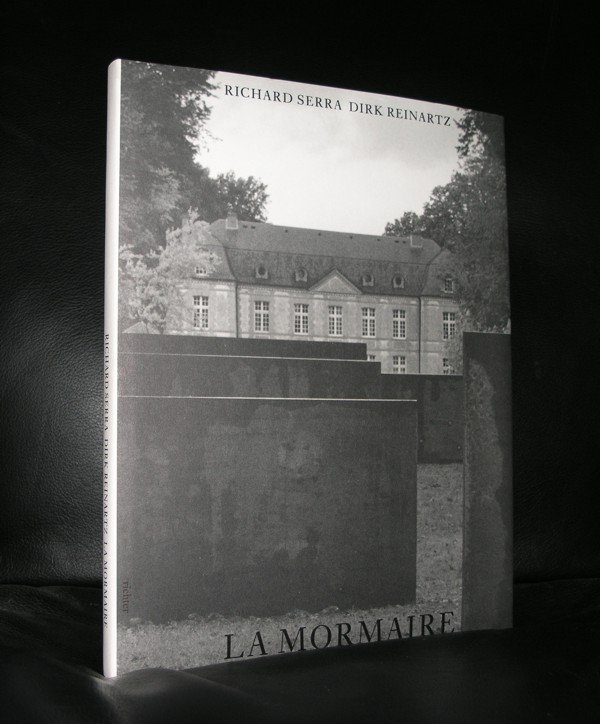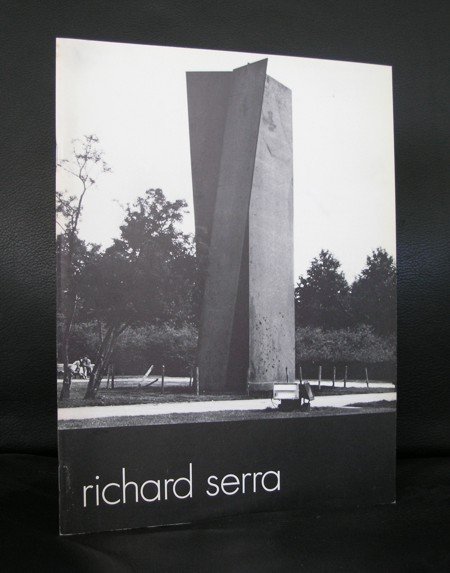


Richard Serra buyild his reputation through a brutalist intimacy with industrial steel—specifically, the oxidized, rust-hued armor of corten.
Born amidst the fog of San Francisco, the young Serra initially navigated the labyrinthine corridors of English literature at the University of California. Yet, the sterile halls of academia paled in comparison to the scorching alchemy of the local steel mill. There, amidst the cacophony of white-hot metallurgy, he forged a visceral, almost primeval connection with the forge—a foundational crucible that would eventually transmute his creative soul into that of a master artisan of raw matter.
Transitioning to Yale in the early sixties, he fell under the austere tutelage of Josef Albers. While his nascent gaze was fixed upon the canvas, a transformative residency in Paris—tethered to the avant-garde rhythmic fervor of Philip Glass—shattered his painterly delusions. He awoke to the thrum of three-dimensional space, acknowledging that his destiny resided not in pigments, but in the displacement of air and the weight of geometry.
Settling in the sprawling, grimy heartbeat of Manhattan, he experimented with ephemeral ghosts—rubber flickers and neon sighs. These were lean, hungry years; to finance his obsession, he labored as a mover, weaving his trajectory through a constellation of luminaries like Steve Reich and Sol LeWitt. It was Robert Smithson, however, who acted as a catalytic force, guiding Serra toward the immense environmental scale that redefined modern sculpture.
Serra transcends mere minimalist categorization; he stands as a colossal architect of the void. Together with Clara Weyergraf, he has carved out a life that vibrates between the kinetic pulses of New York and the windswept isolation of Nova Scotia.
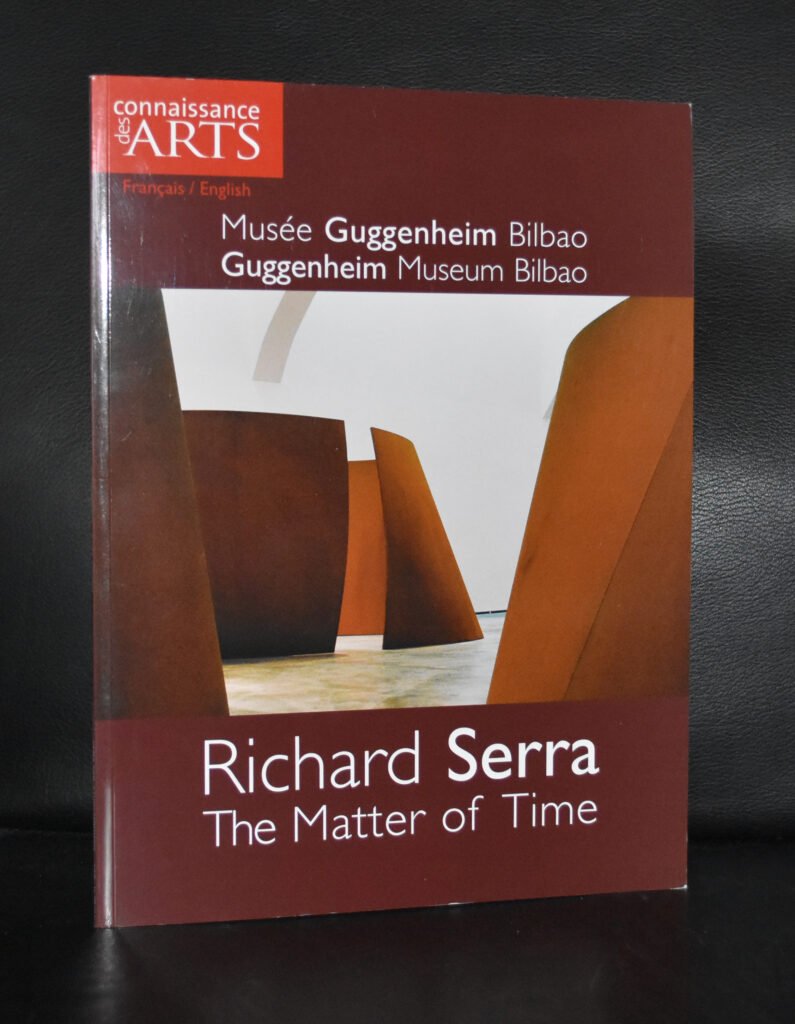
The magnum opus of his industrial devotion, *The Matter of Time*, stands as a titanic odyssey. Comprising eight distinct, serpentine installations totaling fifty gargantuan fragments, the work is a choreography of curvature. Fabricated in the blast furnaces of Germany and birthed by the Pickhan Group, it found its permanent sanctuary within the titanium lotus of the Guggenheim Bilbao. There, it anchors the consciousness of the viewer, effectively orchestrating a profound, temporal dialogue between the stillness of the steel and the ephemeral nature of the human stride.
www.ftn-books.com has many collectable Serra titles available.