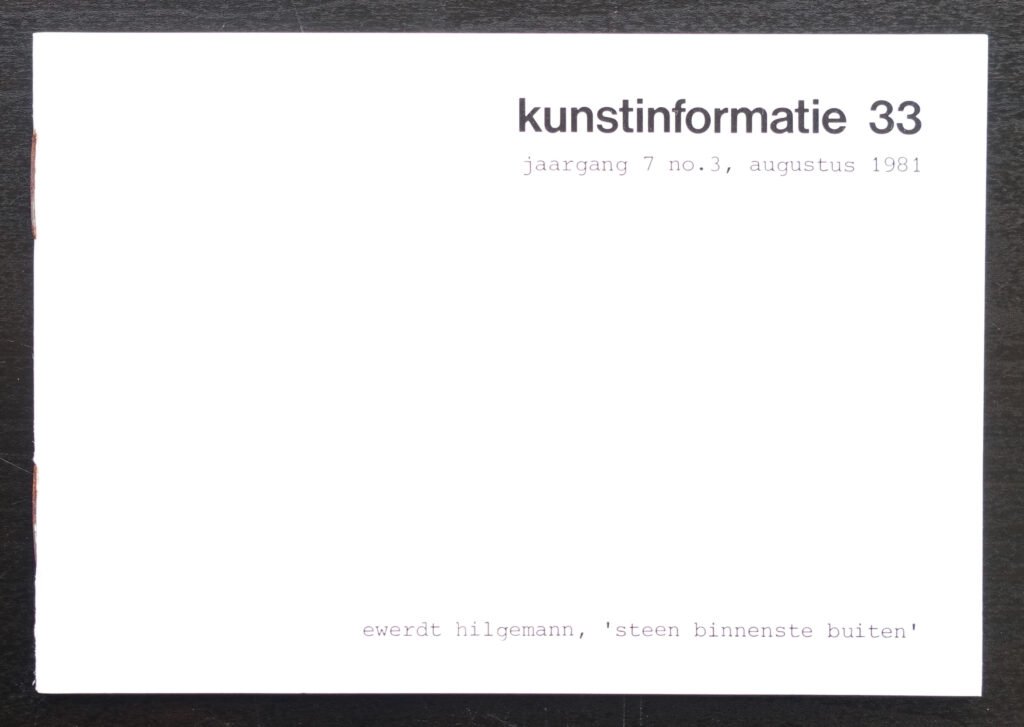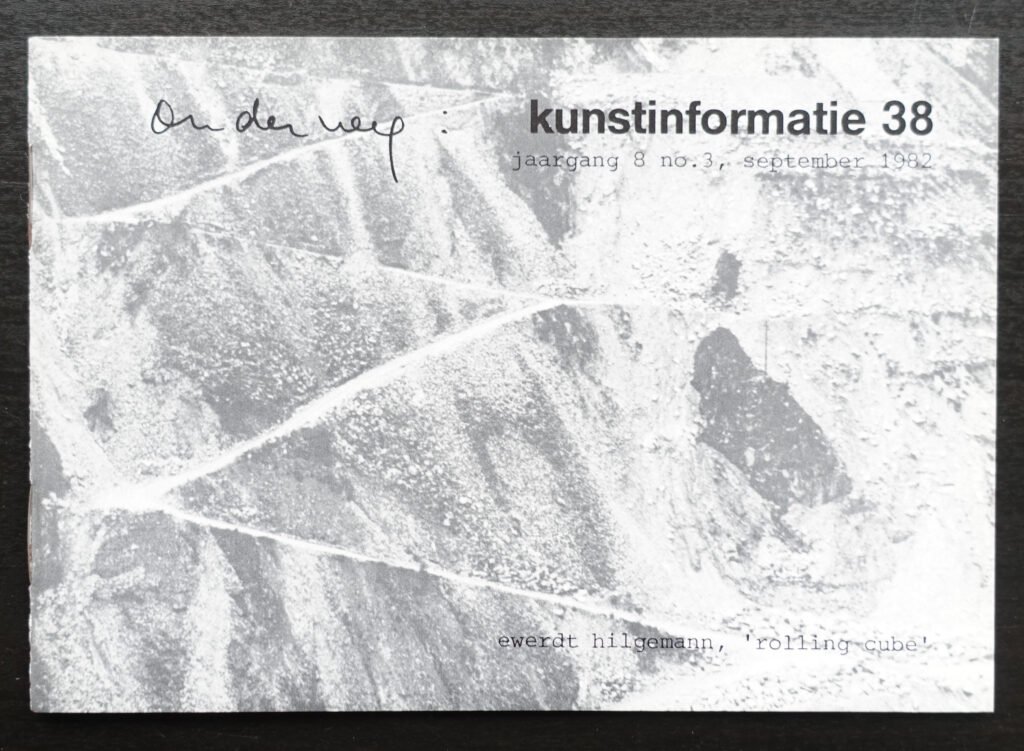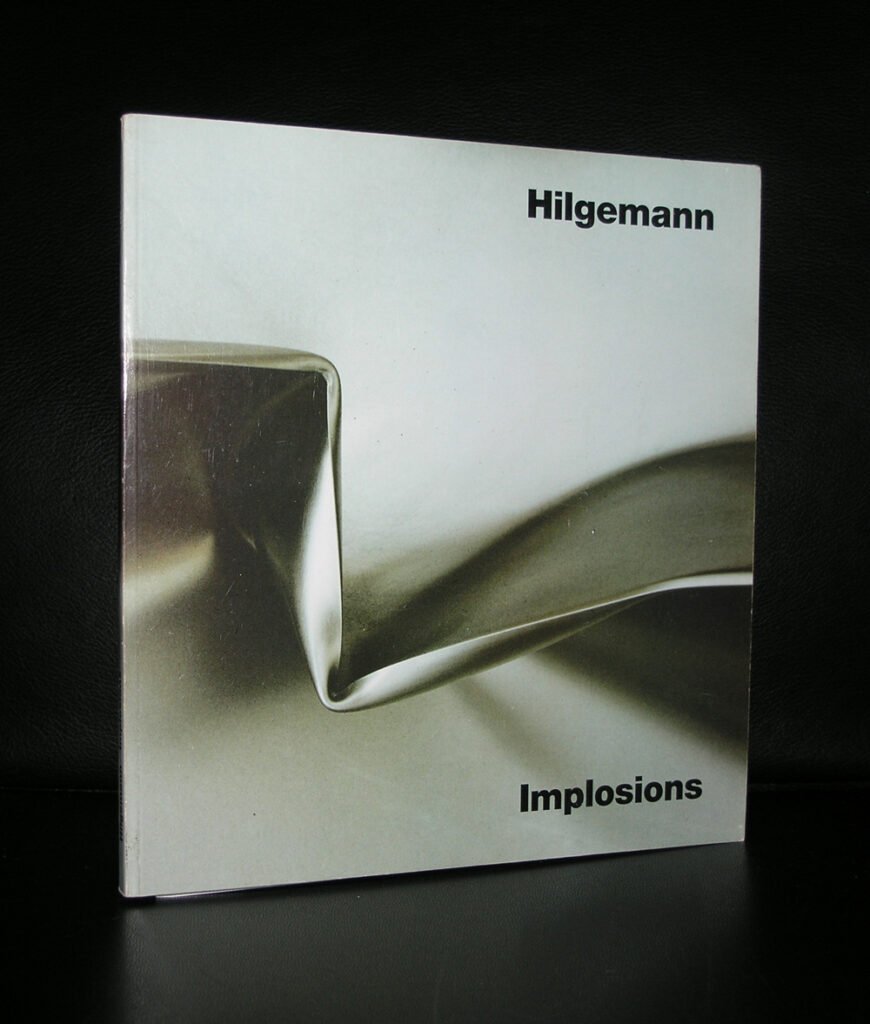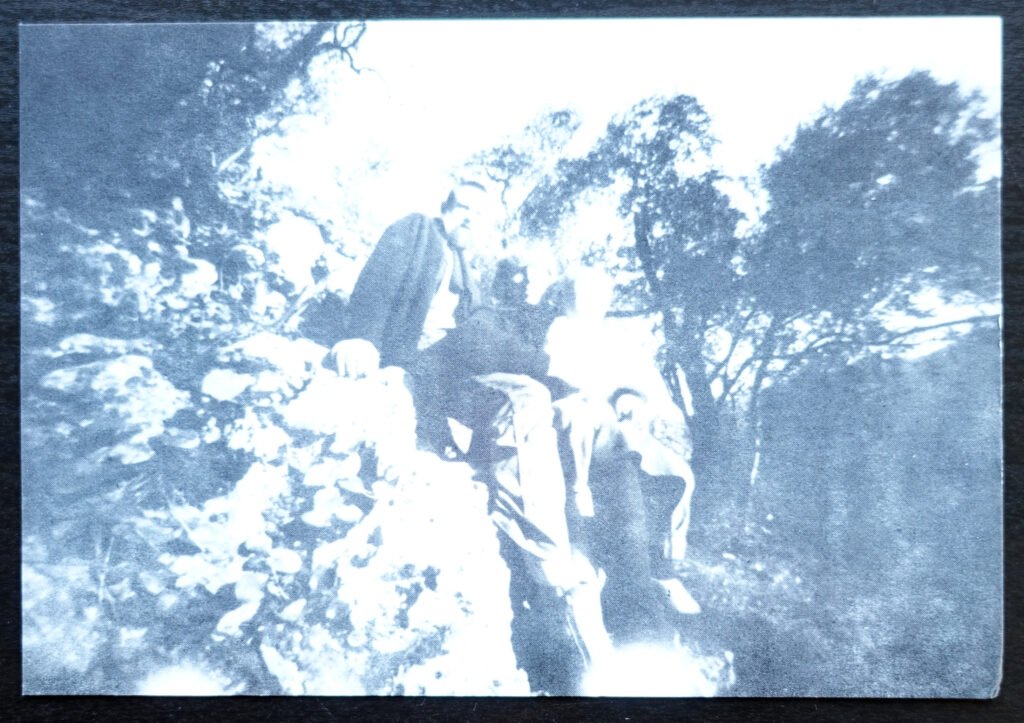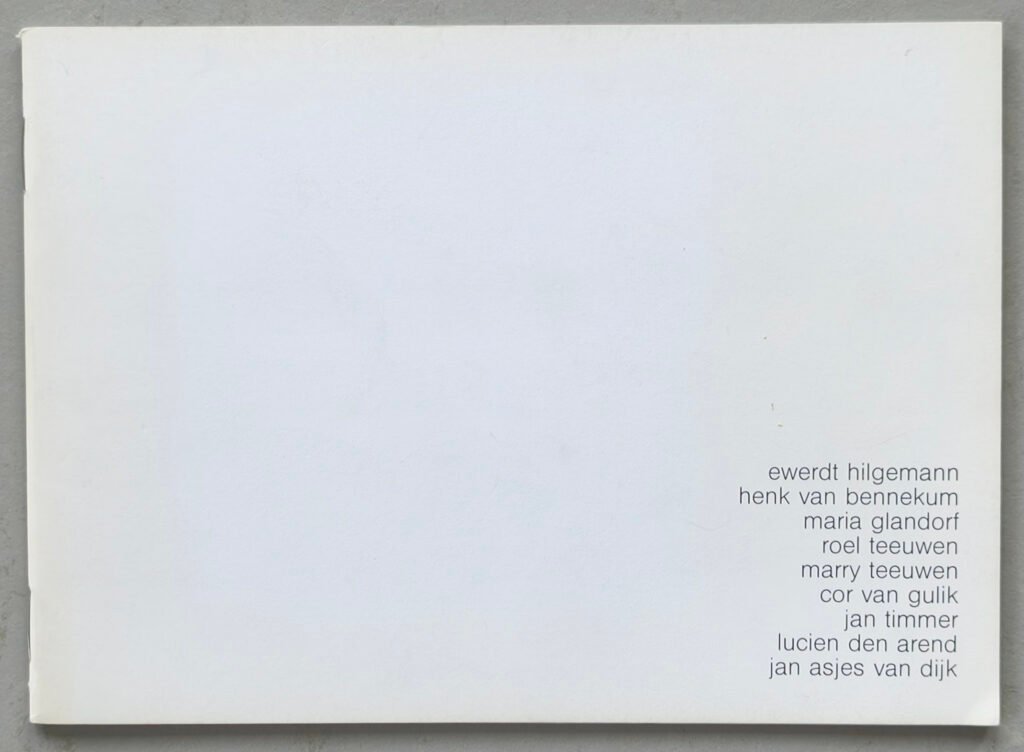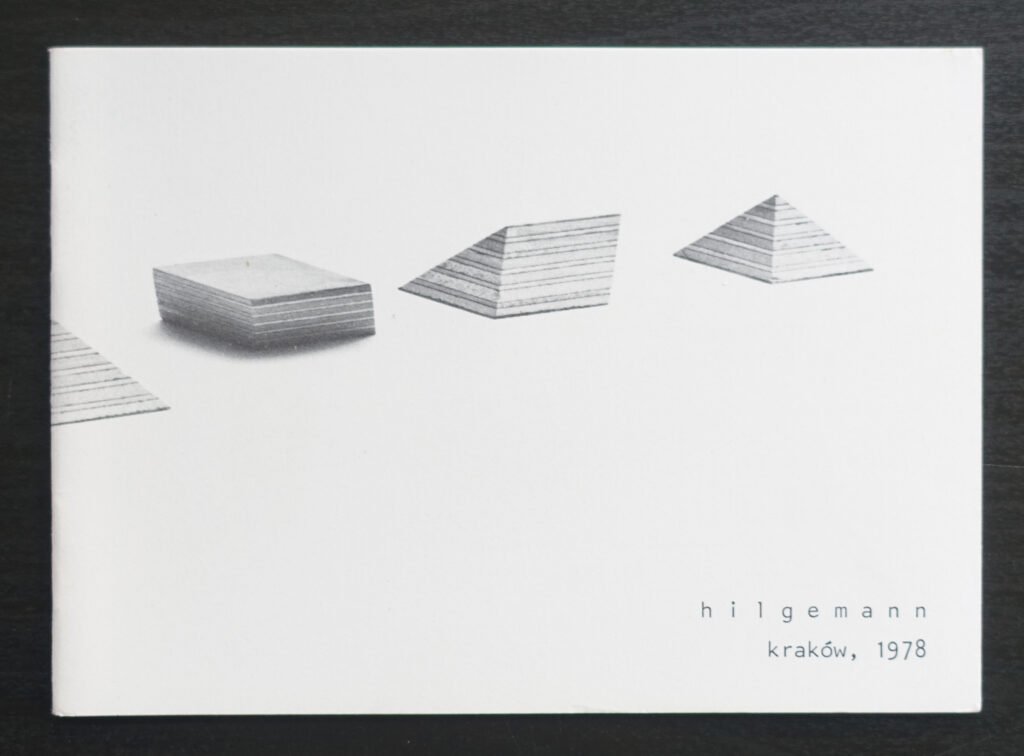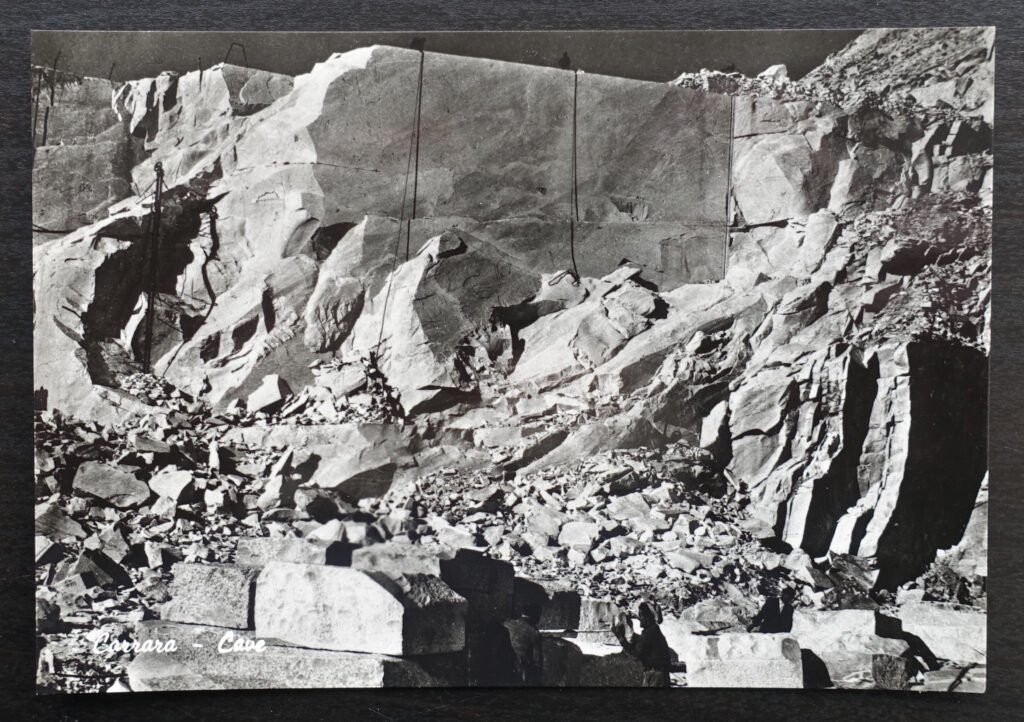


Ewerdt Hilgemann, born in Germany, stands as a titan of Dutch sculptural discourse, his creative odyssey perpetually ignited by the incisive ignition of primal material interrogation. During the kaleidoscopic epoch of the sixties, he navigated the ephemeral terrain of white wooden light-reliefs—ethereal whispers that reverberated with the rhythmic pulse of the ZERO collective—before his artistic trajectory veered toward the structural magnetism of steel and igneous stone. In these tangible inquiries, he orchestrated a volatile dialogue between presence and departure, where negative space functioned as both architect and abyss.
Come 1980, the horizon of his methodology underwent a profound transmutation. Hilgemann began to court the erratic whims of entropy, inviting exogenous natural forces and the capricious fingerprints of happenstance to co-author his process. It was a surrender to volatility; he became a sentinel of the unexpected, perpetually recalibrating his praxis to match the unruly, untamable cadence of the cosmos.
His creative footprints currently span the globe, etched into the hallowed halls of preeminent institutions. A singular testament to his sculptural prowess solidified in 2013, when Park Avenue functioned as a colossal gallery, hosting his towering stainless-steel monoliths that pierced the New York skyline like silent, metallic constellations. Later, in 2020, the Kröller-Müller Museum dismantled the ordinary, devoting an expansive sanctuary to his legacy—a retrospective that mirrored the enduring audacity of a life spent forging harmony from the crucible of form.
www.ftn-books.com has several important Hilgemann titles available.