

The gallery smelled of fresh paint and old wood. Detroit, autumn 1987 — the Institute had cleared out the east wing for something it called Reconnecting: photographs, salvaged factory signage, and portraits of assembly-line families, hung side by side with abstract canvases painted by artists who’d once worked those same lines.
Marguerite came on a Tuesday, alone, her coat still smelling of the diner where she’d worked double shifts since the plant closed. She stood before a black-and-white photograph of women soldering circuit boards, hairnets pulled tight, faces lit by fluorescent light. She recognized the woman in the third row. It was her, twenty years younger, before her hands had learned to shake.
Beside the photograph hung a canvas by the same woman — swirls of rust and gold, the shape of a gear dissolving into something like a bird.
A docent, young enough to be her daughter, asked what she thought.
“They’re trying to say the machines didn’t take everything,” Marguerite said. “That something got out.”
The docent nodded like she understood, though she couldn’t have.
Marguerite stayed until closing, watching light shift across the rust-colored paint, feeling — for the first time since the layoffs — that the city hadn’t simply been left behind. It had only changed its instruments.
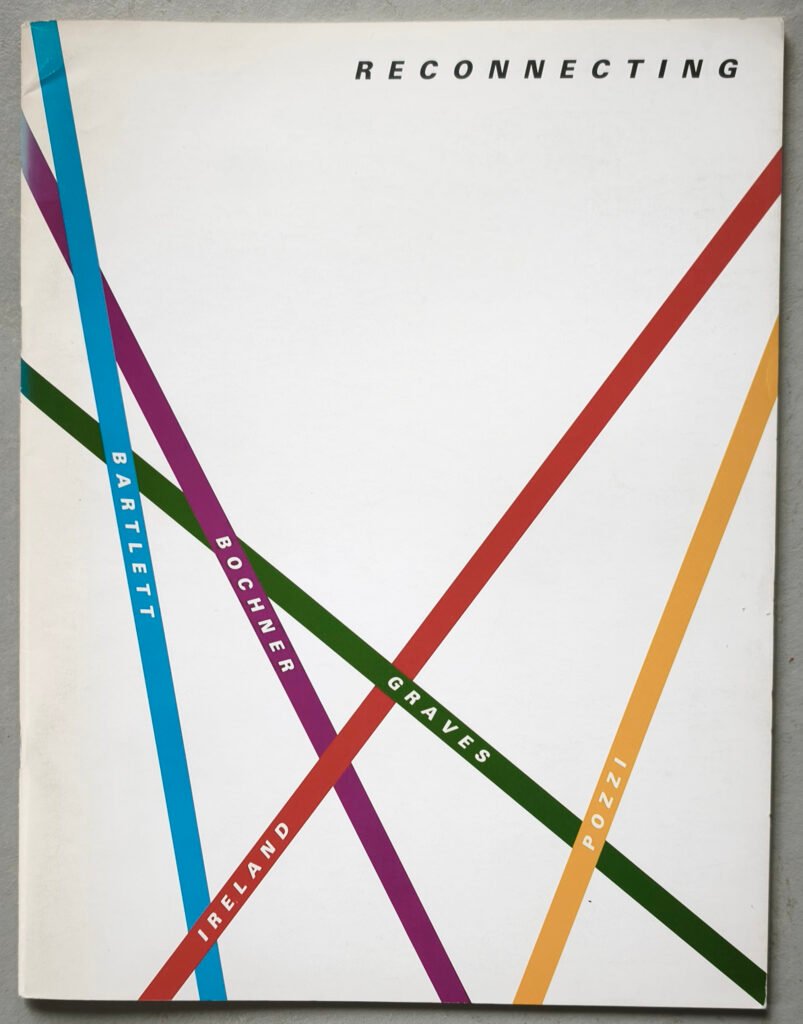
The RECONNECTING catalog is now available at www.ftn-books.com