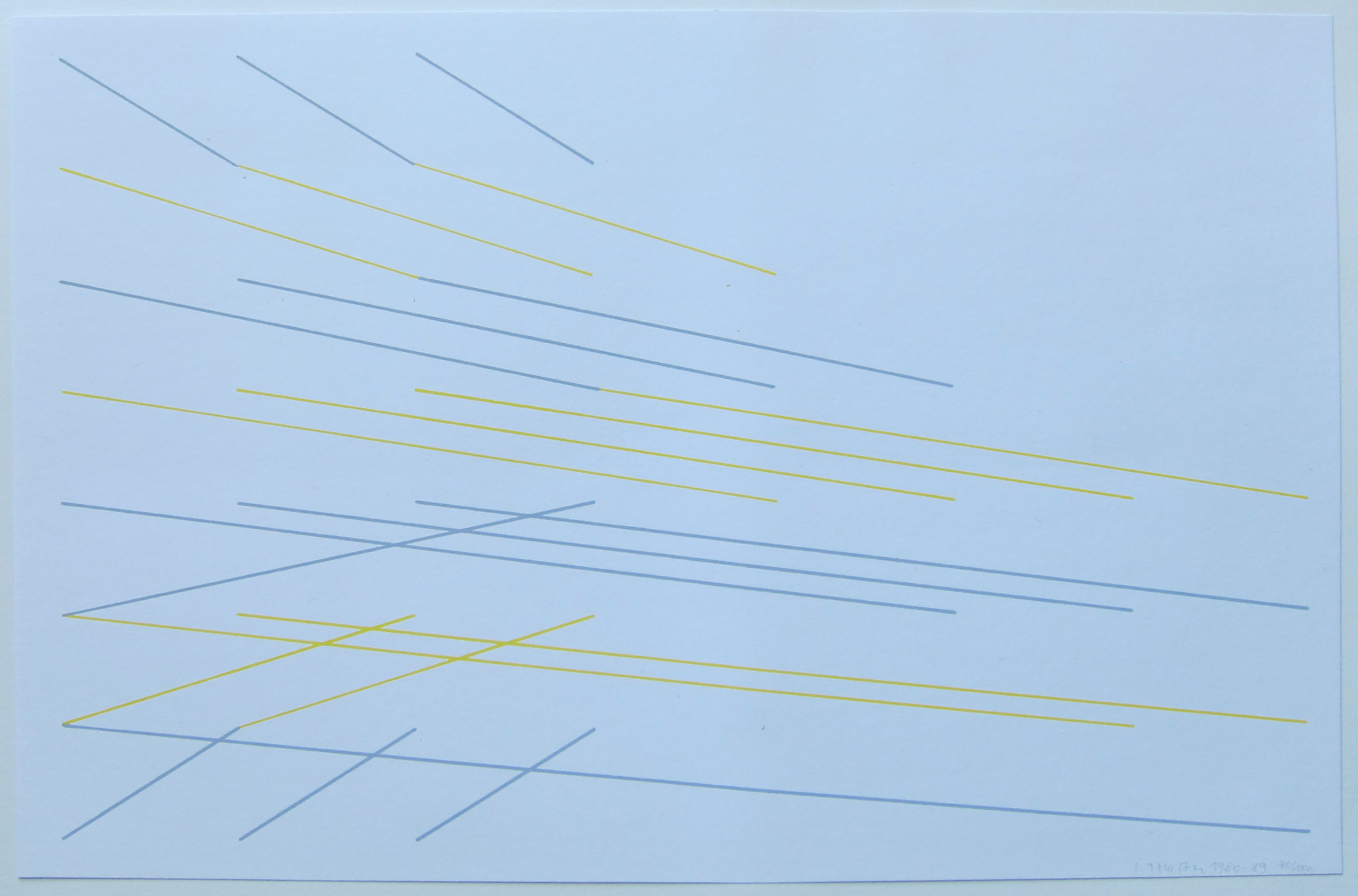
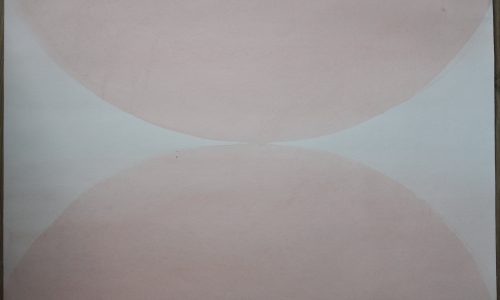
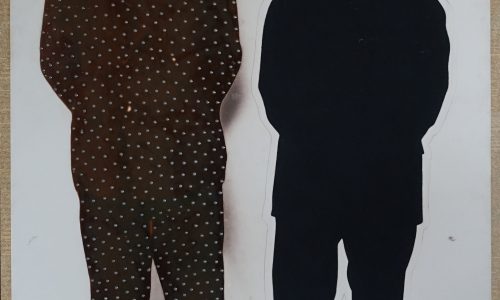
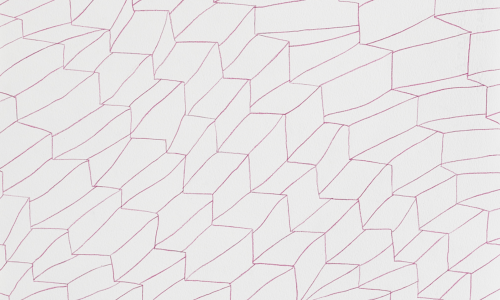
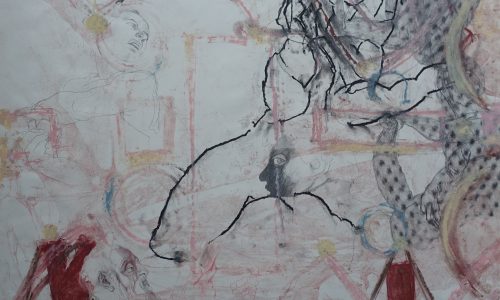
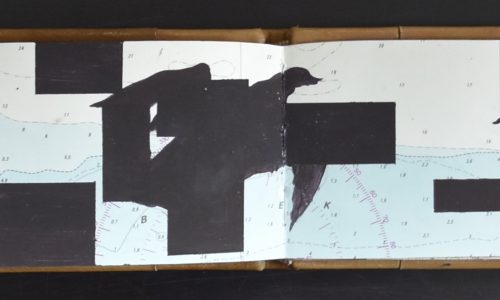
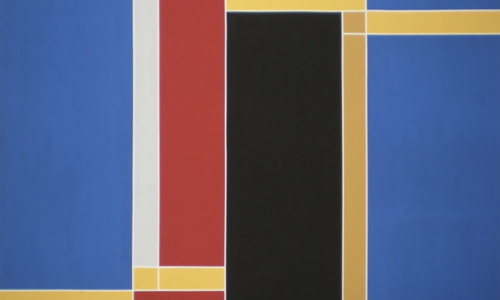
Sigurd Rompza fervently believes that his work compels the observer to partake in it, a sentiment shared by a multitude of 20th-century artists. The origin of this participation lies in the movement initiated by the eye as it analyzes the space it perceives. The linear relief of the form plays on the flat surface of the wall, inviting the eye to follow its development and the observer to partake in an unknowing movement. Rompza’s light objects, consisting of forms and colors, allow the eye to appreciate the beginning of a volume’s movement.
Rompza’s wall objects and reliefs serve as invitations for observers to take on different perspectives and examine them closely: the relationship of surfaces and their colors depending on the location, the transforming influence of light on the effect of colors and forms, and the mechanisms behind our vision as an underlying principle.
Sigurd Rompza’s declared goal is “to create objects specifically for sensual cognizance,” a goal he has unwaveringly pursued for many years with exceptional artistic skill and conceptual acuity. His Sehstücke are designed to embody the process of seeing in and of themselves. “Working in the visual arts necessarily entails addressing the ‘nature of seeing’,” says Rompza. “And the ‘nature of seeing’ entails how seeing takes place. The act of seeing is not static, but rather unfolds in a procession of correspondences: the ambiguous interrelation of visual elements, medial equivocation, shifting spaces, the relation of color to form, and open-ended pictorial cycles. Artworks conceived with seeing in mind open up possibilities for productive ways of seeing: of seeing form and colors in motion, light and shadow, interiors as exteriors, and vice versa.”
www.ftn-books.com has a Rompza print available.