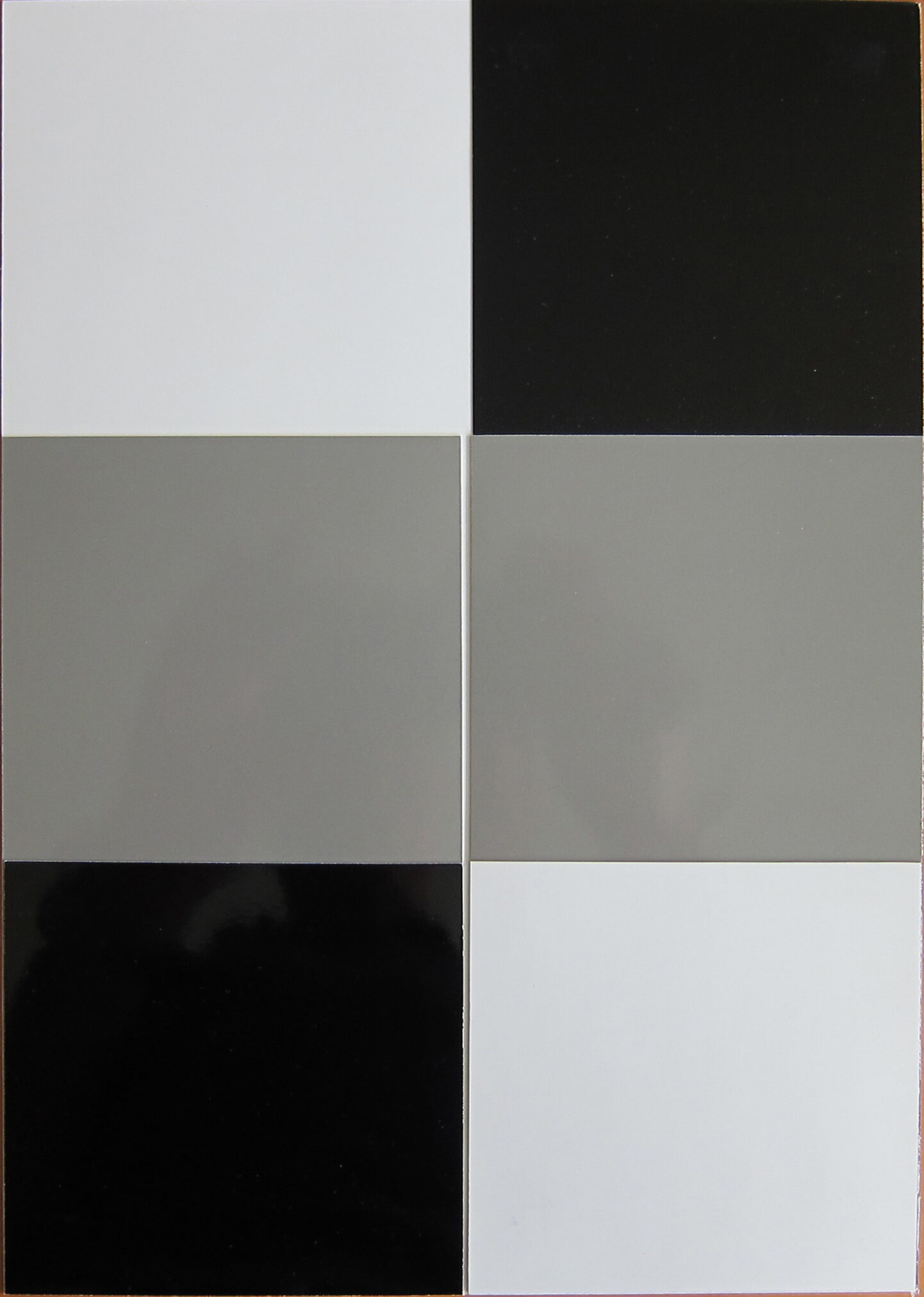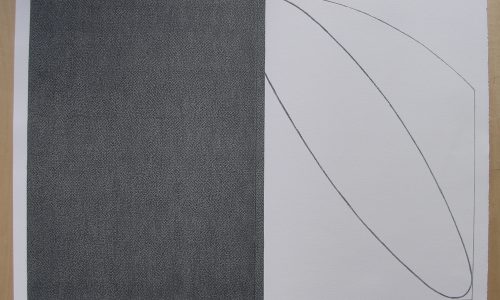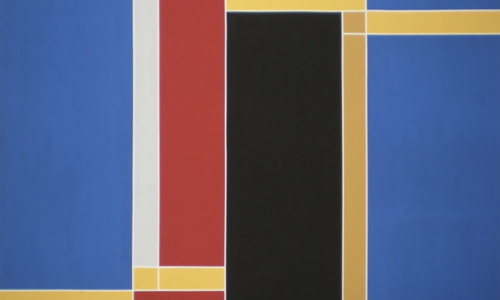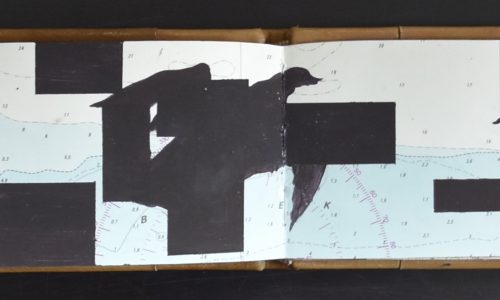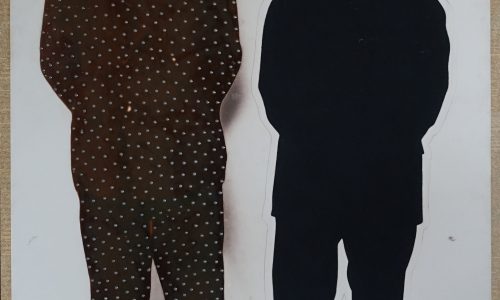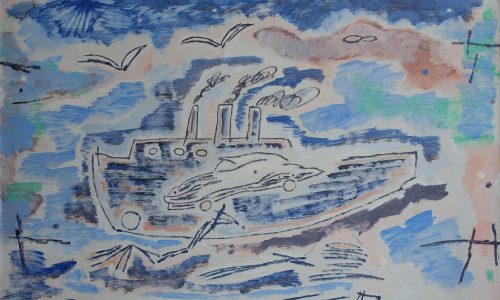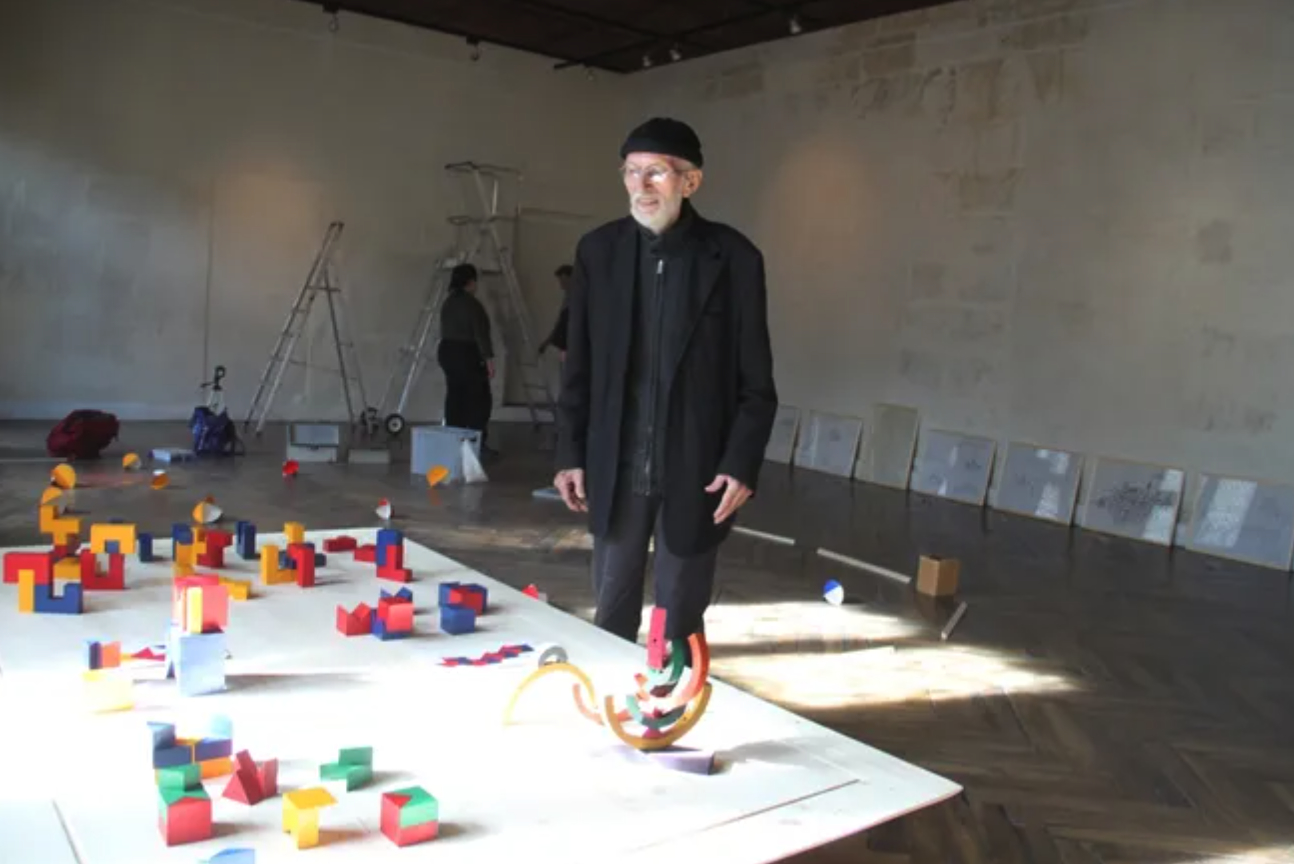
The plastic researches of Claude Pasquer have long been referencing concrete art, with a consistent dedication to innovation.
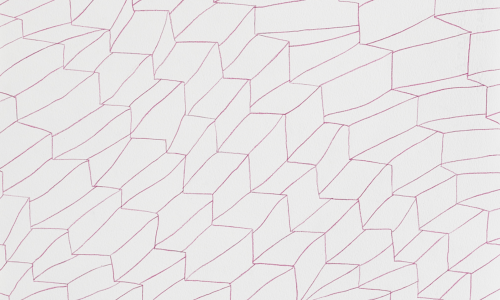
In his contemplation of form and color, Claude Pasquer aligns himself with this tradition, where individual expression gives way to a system of rules and combinations, and the accidental nature of color, used to convey emotions, is replaced by the use of pure colors as the only substantial components capable of representing objective abstraction. Far from limiting the artist within the scope of their plastic work, the imposed framework of form and color, with its limited number, actually grants the freedom to explore a multitude of possible combinations and the rhythmic effects that result. Freed from subjectivity and the constant fluctuations of ego, Claude Pasquer is able to achieve a spiritual and universal dimension in their painting.
Claude Pasquer’s paintings, consistently precise and meticulous in their execution, are created with acrylic paint on a canvas that has been affixed to a wooden frame. Not only is the entire surface of the painting painted, but the edges, also known as the lateral borders of the panel, are also painted and therefore an integral part of the work, both in terms of the interplay of chromatic combinations and in its physical reality, adding a third dimension and projecting it into space.
www.ftn-books.com has a collage by Pasquer now available.