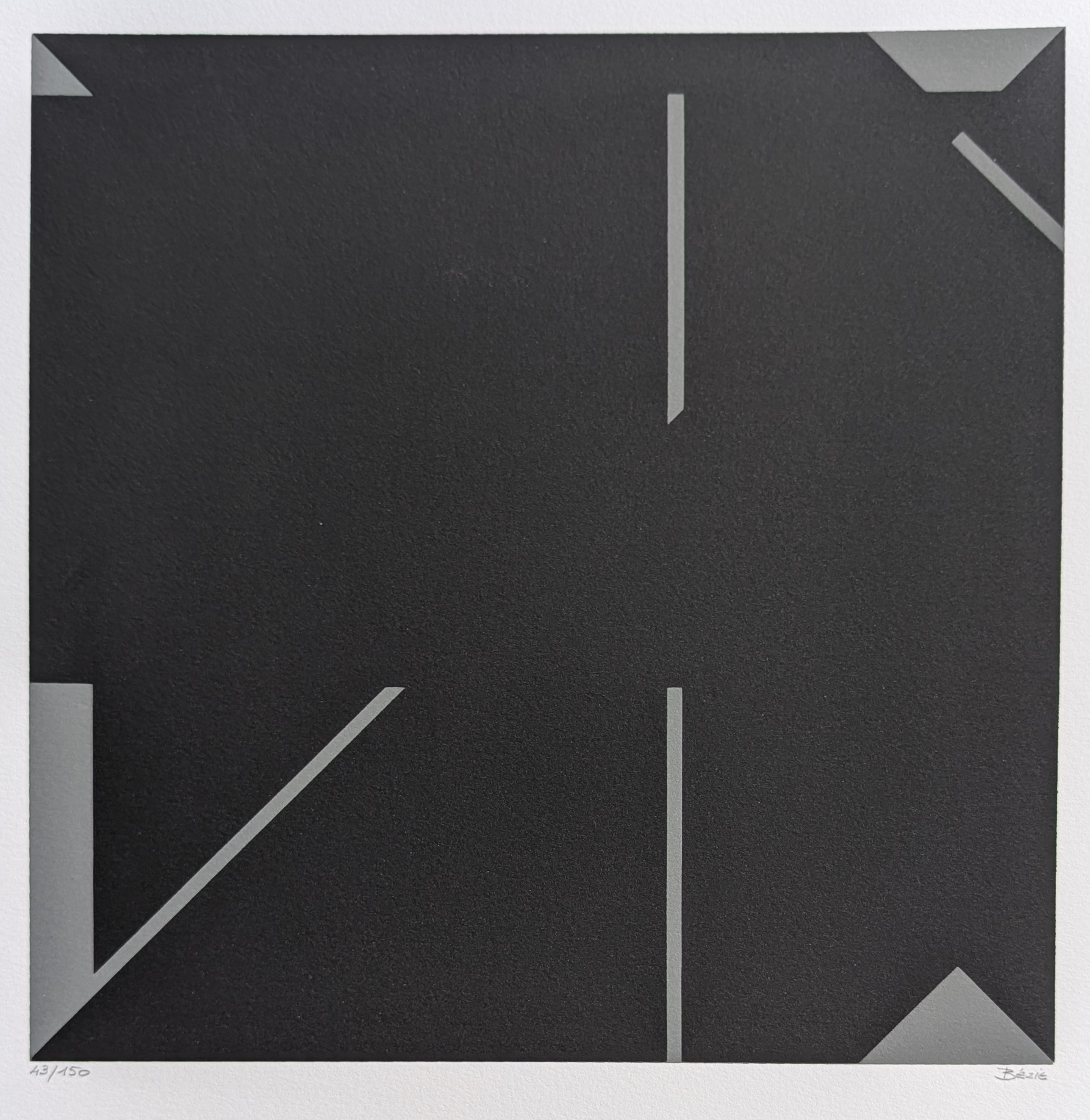
Charles Bézie (1934, France) graduated from the Académie Jullian in Paris after completing his foundational arts education at the École d’art de St. Nazaire. He has resided in Paris since 1960, working as an autonomous visual craftsperson to this day.
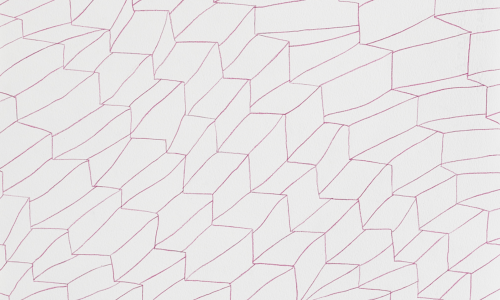
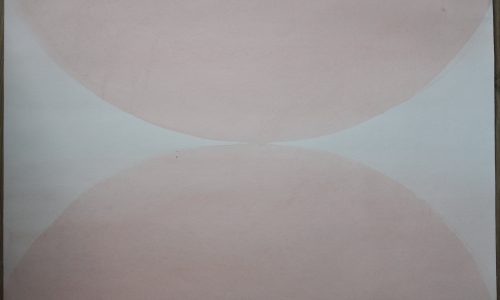
Initially, he sought to create art that defied the norms set by renowned predecessors, specifically Malevich and Mondriaan. This desire manifested in what he refers to as his graphic era, paintings in which he strived to eliminate the geometry through a web of delicate horizontal, vertical, and diagonal lines. Frequently, he overlaid various layers of disparate compositions, obscuring them in part. Notable collections of this formative phase in his career include Déserts (1976), Variations (1977/1978), Sérénités (1979), Tensions (1980), and Suite indienne (1981)
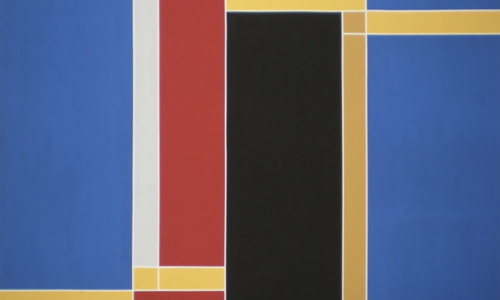
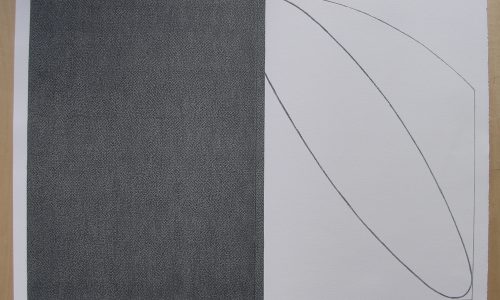
In the subsequent years, his work evolved through a number of stages, the lines expanding to form thick bands, eventually culminating in a series dubbed Quadrille. In 1995, he abandoned the use of diagonals altogether, ushering in a completely new artistic vernacular centered on research into rhythm, derived from numerical patterns. In 2003, he embarked on a fresh body of work called Fibonacci Suite, inspired by the insights of the renowned 13th-century Italian mathematician. The merit of these pieces lies in the intuitive manner in which Charles Bézie employs the Fibonacci sequence algorithm [F(n)=F(n-1)+F(n-2)]. The paintings in this series are built upon a framework of horizontal lines. The foundation work is equally critical, consisting of vertical bands of paint applied with a spackle knife that gradually conceals the texture of the canvas. Subsequently, he employs a smooth paint roller, allowing the nuances among the various bands to be illuminated by natural or artificial light. He refers to this as the “animating of the background.”
www.ftn-books.com has several Bezie pub;lications noa available.