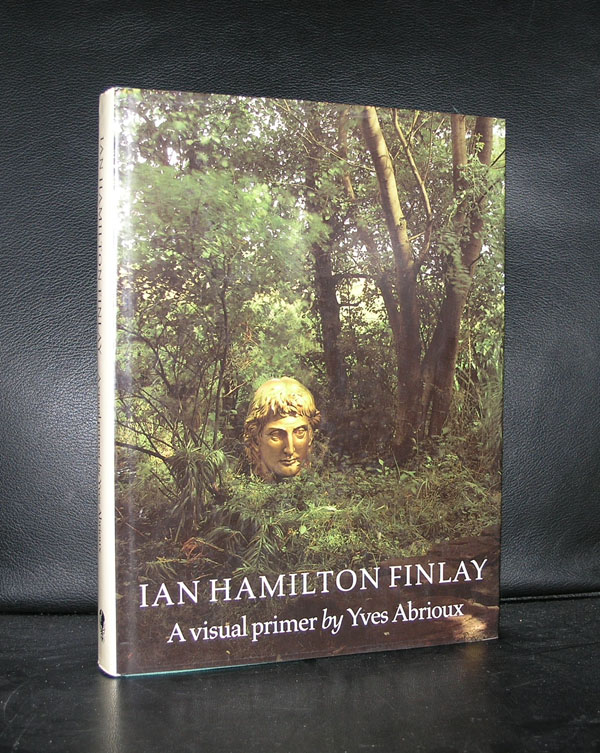
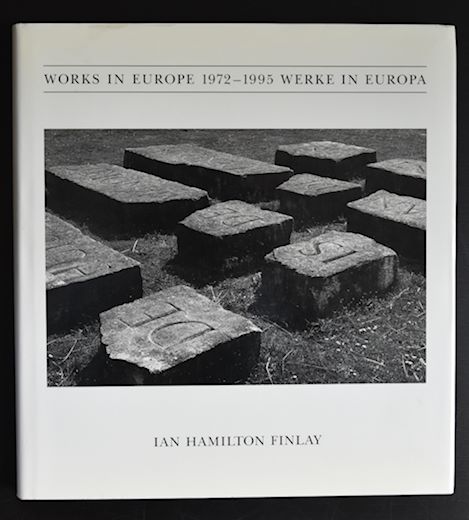
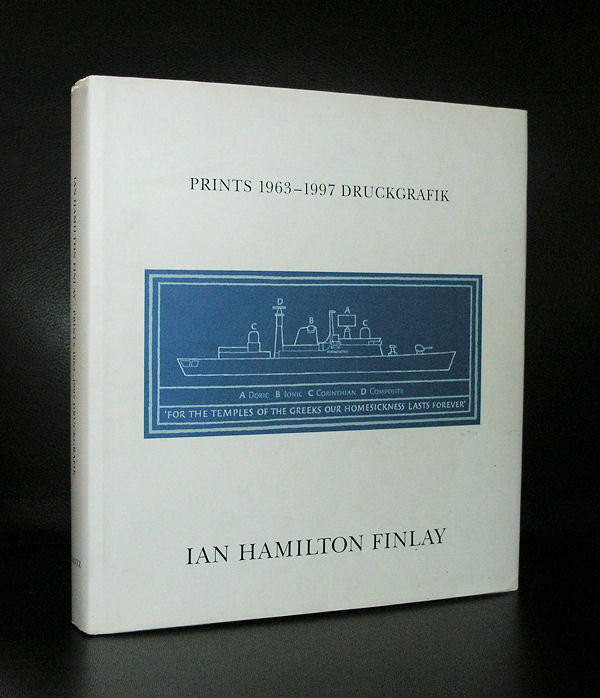
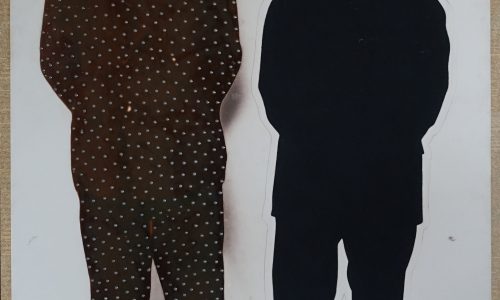
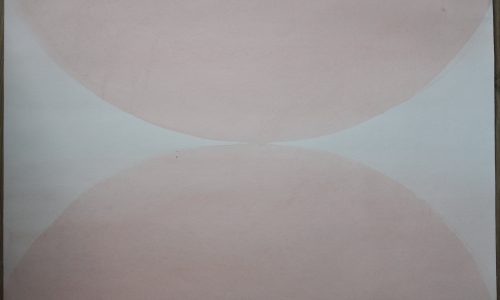
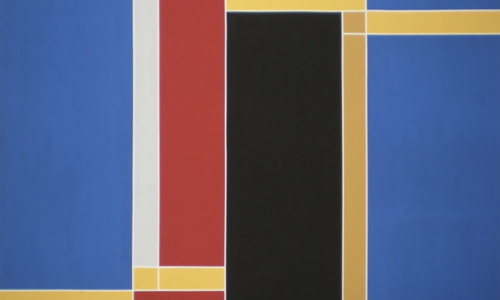
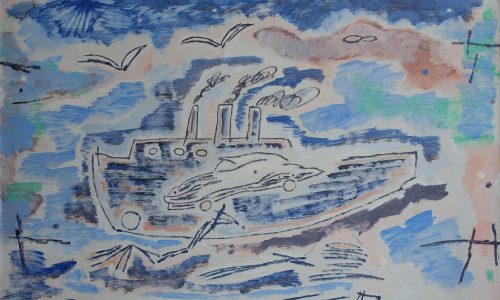
Ian Hamilton Finlay (1925–2006), a multifaceted philosopher, sculptor, and poet, revitalized the classical tradition through a rich body of work that encompasses an array of creative forms, celebrating the enduring power of language. His diverse output includes prints, poems, books, inscriptions, neons, sculptures, permanent installations, and landscape design. As a pure conceptual artist, Finlay was attuned to the formalistic concerns of literary and artistic modernism, such as color, shape, scale, texture, and composition. For nearly four decades, he built his pieces using philosophical texts, myths, characters, and imagery from the past, skillfully juxtaposing them to create enigmatic and thought-provoking combinations. Finlay’s adept use of syntax and narrative configuration masterfully blended refined distinctions with a poetic philosophy. His talent lay in breaking down complex ideas into concise words and phrases, often laced with his characteristic wit and wry humor.
In 1961, Finlay co-founded the Wild Hawthorn Press with Jessie McGuffie and quickly gained international recognition as Britain’s leading concrete poet. His publications continue to be instrumental in disseminating his visual art. As a sculptor, he collaborated with skilled artisans in a wide range of materials, bringing his ideas to life through stone carvings, constructed objects, and neon lighting. In the mid-1960s, Finlay resided and worked in Stonypath, situated in the southwest of Edinburgh. Here, he transformed the surrounding rural acres into a one-of-a-kind garden and lifelong endeavor: Little Sparta. Ian Hamilton Finlay passed away on March 27, 2006, at the age of 80.
www.ftn-books.com has several Hamilton Finlay publications now available.