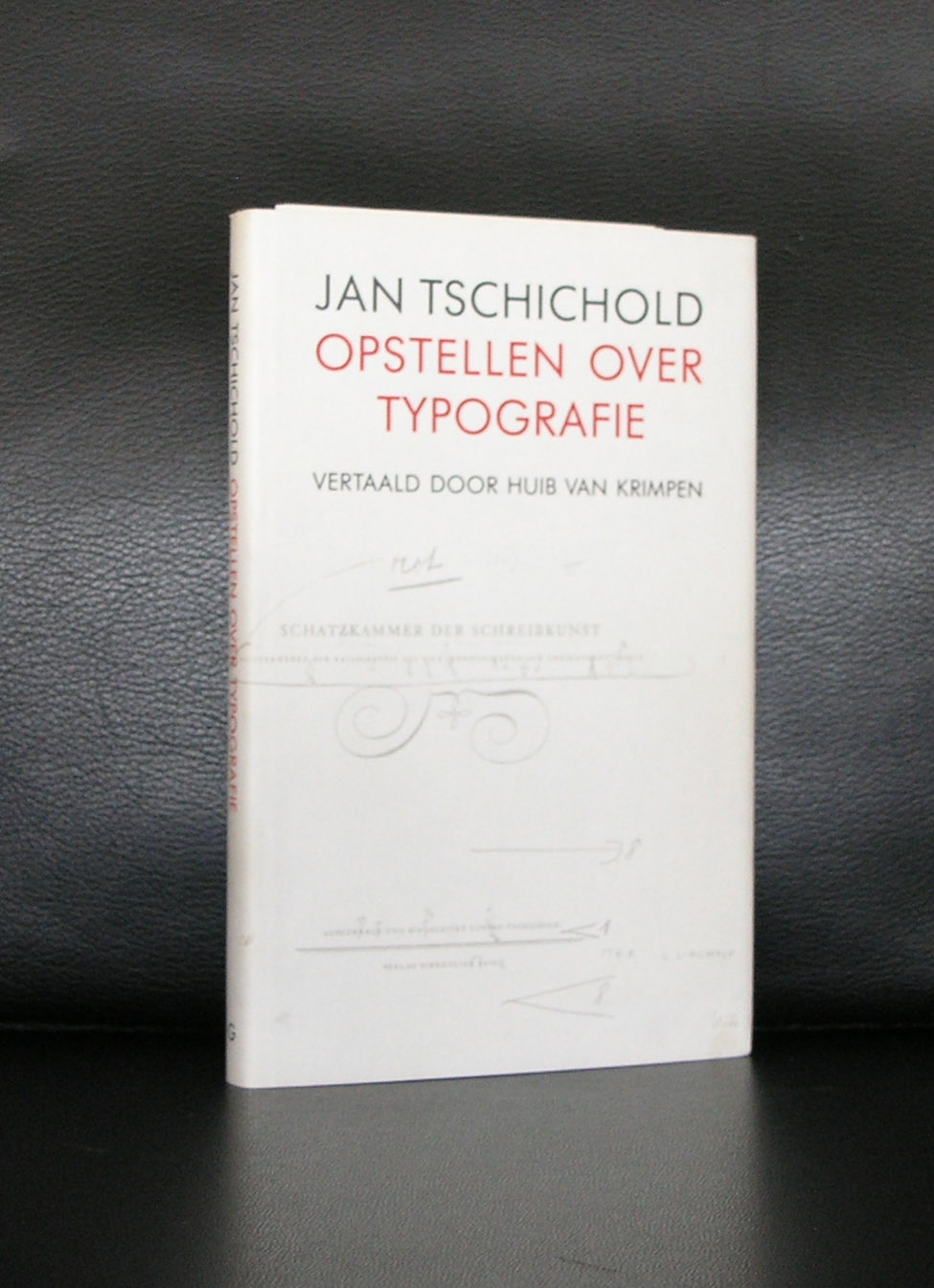
According to Tschichold, he was a compelling force in the development of 20th century typography. Few would dispute this claim. Born to a sign painter and trained in calligraphy, Tschichold’s fascination with typography began at a young age. Growing up in Germany, he worked closely with Paul Renner (designer of Futura) and eventually sought refuge in Switzerland during the rise of the Nazi party. His focus on new typography and sans-serif typefaces was seen as a threat to Germany’s cultural heritage, as the country traditionally favored Blackletter Typography, and much of his work was confiscated by the Nazis before he could escape.
In his book, Die Neue Typographie, Tschichold established guidelines for standardizing modern type usage. He rejected all typefaces except for sans-serif types, promoted standard paper sizes, and provided direction for creating a typographic hierarchy in design. While these principles are still relevant today, Tschichold later returned to a more classical approach, favoring centered designs and roman typefaces for body text.
According to Tschichold, he was a compelling force in the development of 20th century typography. Few would dispute this claim. Born to a sign painter and trained in calligraphy, Tschichold’s fascination with typography began at a young age. Growing up in Germany, he worked closely with Paul Renner (designer of Futura) and eventually sought refuge in Switzerland during the rise of the Nazi party. His focus on new typography and sans-serif typefaces was seen as a threat to Germany’s cultural heritage, as the country traditionally favored Blackletter Typography, and much of his work was confiscated by the Nazis before he could escape.
In his book, Die Neue Typographie, Tschichold established guidelines for standardizing modern type usage. He rejected all typefaces except for sans-serif types, promoted standard paper sizes, and provided direction for creating a typographic hierarchy in design. While these principles are still relevant today, Tschichold later returned to a more classical approach, favoring centered designs and roman typefaces for body text. has several Tschichold titles now available.
www.ftn-books.com has several Tschichold titles now available.